How many attractions to plan for: Pick four to six attractions for a trip of two to four weeks, and spread them across no more than two regions. Mozambique is roughly 2,500 kilometers from top to bottom, and the long chapa (minibus) days between stops eat time faster than any ticket queue. Fewer stops means you actually swim, walk and eat in each place instead of watching it through a bus window at dawn. Every extra stop costs you a full day of rattling along the EN1, and that day buys you only a different bus seat.
Choosing by travel style: If beaches and the sea are your reason for coming, put marine experiences first: snorkeling, diving, dhow sailing and surf towns where you swap shoes for sand. The water is warm, the reefs are busy with life, and you can float over it all for the price …
read more 👉 How many attractions to plan for: Pick four to six attractions for a trip of two to four weeks, and spread them across no more than two regions. Mozambique is roughly 2,500 kilometers from top to bottom, and the long chapa (minibus) days between stops eat time faster than any ticket queue. Fewer stops means you actually swim, walk and eat in each place instead of watching it through a bus window at dawn. Every extra stop costs you a full day of rattling along the EN1, and that day buys you only a different bus seat.
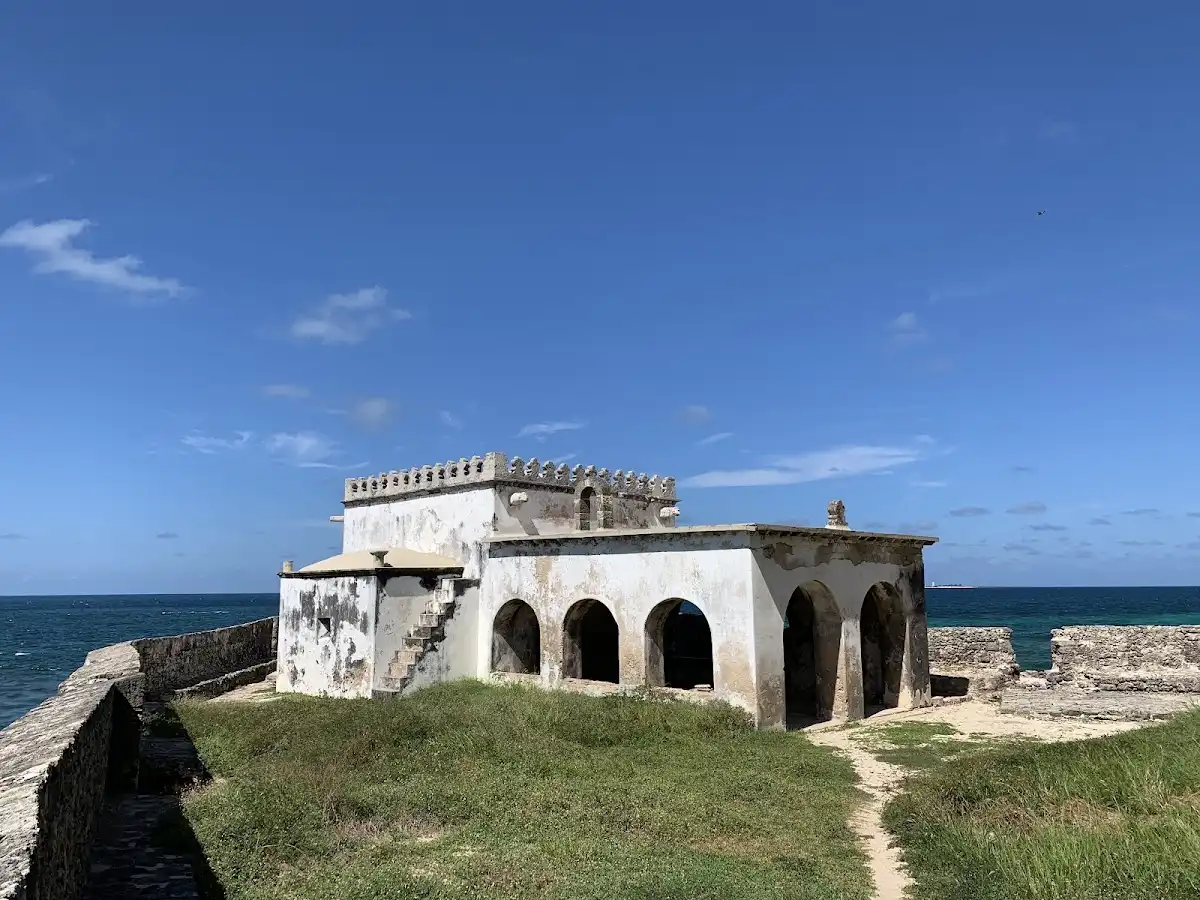
Choosing by travel style: If beaches and the sea are your reason for coming, put marine experiences first: snorkeling, diving, dhow sailing and surf towns where you swap shoes for sand. The water is warm, the reefs are busy with life, and you can float over it all for the price of a boat seat. If history pulls you, favor the Swahili-influenced coast, where coral-stone alleys, mosques and Portuguese fortifications reward slow wandering at dusk with the smell of grilled fish and woodsmoke. If you crave wildlife, choose one park and commit, because road access is rough and distances are large, but a dawn drive among floodplain birds and elephants is worth the bumps. Culture seekers should add markets and village stops, where you taste cashew, piri-piri and fresh coconut rice.
What it costs: A backpacker budget runs about US$30 to 60 a day (roughly 1,900 to 3,800 MZN) with dorm beds or simple guesthouses, street food and chapas. Add the attractions on top. Park and marine reserve entry usually lands between US$5 and 30 a day for foreigners. Snorkel or dhow trips cost US$20 to 60, and dives run US$60 to 120 for two tanks. Local guides for historic quarters or village walks ask around US$10 to 20. Short chapa hops cost US$1 to 5, and long hauls US$10 to 25. Carry plenty of small meticais notes, since ATMs thin out fast outside the cities and card machines at small operators often sulk. Booking directly with local operators on the beach saves the commission that agencies add.
Safety and culture on the ground: Take malaria prophylaxis seriously and bring repellent, because evenings near water and parks are mosquito hours. Check current advice before going anywhere in Cabo Delgado north of Pemba, where insurgent violence has made large areas unsafe. Police checkpoints are routine along main roads. Stay calm, carry a passport copy, and keep your documents easy to reach. Do not photograph police, soldiers, bridges or government buildings. Ask before pointing a camera at anyone, and expect a polite no sometimes. On the northern coast, where many communities are Muslim, cover shoulders and knees away from the beach, and in a mosque quarter keep your voice low. Rip currents run strong on open surf beaches, so swim where locals do and use accredited dive and boat operators with working safety gear. In the bush, stay on marked paths and tracks, since mines from the civil war are largely cleared but local advice still counts. A little Portuguese, even just good morning and thank you, turns a stiff exchange into a grin and a cold drink.







 Best Backpacking
 Hi, I’m Johan (Netherlands 🇳🇱), the creator of TakeYourBackpack. Over the past 3 decades, I’ve backpacked through 90+ countries across six continents, gaining extensive experience with independent travel, long-term trips, and overland routes.