×

Mozambique🇲🇿 | citiesTeteZambezi River views, mining hub, suspension bridge | things to do and best time to go

Explore SofalaExplore Chimoio

Backpacking in Tete
🏆 Top pickcity ranked #3
By Johan Kruseman 🇳🇱 | Updated June 10, 2026

Everyone hears about Tete’s mighty bridge—the Samora Machel, stretching over the Zambezi like a promise of adventure—but let’s be honest: you don’t come all this way just to gawk at concrete. What matters more is how Tete feels in your bones after a long, dusty bus ride: the heat rising off the river, the scent of grilled fish curling from roadside stalls, the slow pulse of a town that’s more crossroads than destination. Tete sits in central Mozambique, halfway between Malawi and the coast, and it’s the kind of place that makes sense as a stopover, not a finale. Backpackers pass through for the logistics—buses fan out in every direction, and the town’s compact enough to walk, though the midday sun will test your resolve. There’s a market worth a wander, and if you linger, you’ll find a few riverside bars where the beer is cold and the conversation is easy, especially with other travelers waiting out the heat. Hostels are basic, but cheap; safety is mostly about common sense after dark. Compared to the bustle of Beira or the laid-back vibe of Chimoio, Tete is practical, not pretty—more a waypoint than a wonder, but sometimes that’s exactly what you need.

Discover everything you want to know in the 📖 Mozambique Travel Guide.
Loading the map 🌍
CLICK TO FILTER
cities
towns
national parks
hikes
beaches
attractions
festivals
regions
SHOW COUNTRY’S BESTSHOW ALL

✨ Why go?
Ranked #3 city in Mozambique
Why visitors keep coming back

Tete, Mozambique, serves as a strategic waypoint for backpackers navigating the region. Its proximity to hikes in the nearby Gorongosa National Park makes it a natural stop for those seeking adventure. The local guesthouses and small-scale hostels offer a cozy atmosphere, perfect for solo travelers or small groups looking to connect. You’ll find walkable streets that invite exploration, with the scent of grilled fish wafting from street vendors and the sound of laughter echoing from communal dining spots.

While many pass through quickly, some linger for a few days to soak in the cultural experiences. The town’s friendly vibe makes it easy to strike up conversations with locals or fellow travelers, fostering a sense of community. It’s not a party hub, but rather a place where slow travelersread more 👉
Tete, Mozambique, serves as a strategic waypoint for backpackers navigating the region. Its proximity to hikes in the nearby Gorongosa National Park makes it a natural stop for those seeking adventure. The local guesthouses and small-scale hostels offer a cozy atmosphere, perfect for solo travelers or small groups looking to connect. You’ll find walkable streets that invite exploration, with the scent of grilled fish wafting from street vendors and the sound of laughter echoing from communal dining spots.

While many pass through quickly, some linger for a few days to soak in the cultural experiences. The town’s friendly vibe makes it easy to strike up conversations with locals or fellow travelers, fostering a sense of community. It’s not a party hub, but rather a place where slow travelers can recharge before heading to the stunning beaches of the Zambezi River or the lush landscapes beyond. If you appreciate a blend of nature and culture without the chaos, Tete might just be your ideal stopover.
Want to include Tete in your Mozambique route?
Create a personalized Mozambique itinerary that includes Tete and the places that fit your trip — based on your travel style, budget, and available time. Get your route in seconds.

Generate my trip

💡 HighlightsThe experiences that define the visit

  • Samora Machel Bridge — The big, photogenic crossing over the Zambezi that’s the city’s visual signature; great for sunset photos, watching river traffic and feeling the pulse of Tete’s link between north and south.
  • Zambezi riverfront (the marginal and quays) — A proper place to stroll, watch fishermen mend nets, catch sunset light on the water, or book a short boat ride; it’s where everyday city life meets the river.
  • Mercado Municipal (Central Market) — Rows of stalls selling produce, dried fish, spices and household goods; the best place to see local commerce, try street food and buy inexpensive crafts or fabrics.
  • Old Town / Portuguese-era quarter and fort remnants — Scattered colonial buildings and the remains of old river fortifications give you a sense of Tete’s history as a river
read more 👉
  • Samora Machel Bridge — The big, photogenic crossing over the Zambezi that’s the city’s visual signature; great for sunset photos, watching river traffic and feeling the pulse of Tete’s link between north and south.
  • Zambezi riverfront (the marginal and quays) — A proper place to stroll, watch fishermen mend nets, catch sunset light on the water, or book a short boat ride; it’s where everyday city life meets the river.
  • Mercado Municipal (Central Market) — Rows of stalls selling produce, dried fish, spices and household goods; the best place to see local commerce, try street food and buy inexpensive crafts or fabrics.
  • Old Town / Portuguese-era quarter and fort remnants — Scattered colonial buildings and the remains of old river fortifications give you a sense of Tete’s history as a river port; wandering the lanes is low-key but rewarding for history buffs.
  • Provincial Museum (Museu Provincial de Tete) — Small but useful for context: displays on local peoples, colonial history and river life. Good for a one-hour primer before exploring the city’s streets.
  • The city cathedral / main parish church — An accessible spot to observe local religious life and colonial-era architecture; attend a service if you want a genuine slice of community rhythm.
  • Tete railway station and rail sidings — Industrial, noisy and strangely fascinating: watch trains (including mineral freight) move through, and get a feel for the logistics that shape the region.
  • Escarpment viewpoints and miradouros — Short climbs or drives up the hills around town lead to sweeping views over the Zambezi and the bridge; perfect for panoramas and orientation photos.
  • Riverside fish market and grill stalls — Near the quays you’ll find fresh-catch vendors and simple grills where locals eat; cheap, flavourful and an honest culinary window into the city.
  • Main square / Praça and streetlife — The civic heart where people meet, vendors set up and you can sip a cheap coffee while watching daily life; good for people-watching, local monuments and catching city events.
A few worthy day trips just outside Tete: the Cahora Bassa Dam, the mining town/rail routes around Moatize, and parts of Gilé (Gile) National Reserve are all visitable from Tete if you’ve got a car or join a local operator.
Spotted a mistake or missing something? Contact us.

🏘️ NeighborhoodsHow different areas shape the experience

Tete, Mozambique, is a vibrant hub where the Zambezi River flows and cultures collide. Each neighborhood offers a unique flavor, making it essential to choose wisely for your backpacking adventure.

Central Tete: This is the heart of the city, buzzing with energy. You’ll find local markets, street food stalls, and shops. The vibe is lively, perfect for those who thrive on activity. It’s walkable, but be cautious after dark. Budget-friendly accommodations are plentiful, making it ideal for short stays.

Catembe: A quieter area across the river, Catembe offers a more laid-back atmosphere. The sunsets here are breathtaking, and the local eateries serve up fresh seafood. It’s less walkable, but the ferry ride adds a sense of adventure. Great for longer stays if you want to unwind and soak in … read more 👉
Tete, Mozambique, is a vibrant hub where the Zambezi River flows and cultures collide. Each neighborhood offers a unique flavor, making it essential to choose wisely for your backpacking adventure.

Central Tete: This is the heart of the city, buzzing with energy. You’ll find local markets, street food stalls, and shops. The vibe is lively, perfect for those who thrive on activity. It’s walkable, but be cautious after dark. Budget-friendly accommodations are plentiful, making it ideal for short stays.

Catembe: A quieter area across the river, Catembe offers a more laid-back atmosphere. The sunsets here are breathtaking, and the local eateries serve up fresh seafood. It’s less walkable, but the ferry ride adds a sense of adventure. Great for longer stays if you want to unwind and soak in the local culture.

Chingodzi: This neighborhood is a bit off the beaten path, offering a glimpse into everyday life. It’s less touristy, which means lower prices and authentic interactions. The walkability is decent, but public transport is your best bet for longer distances. Perfect for those seeking a deeper connection with the local community.

Maputo Road Area: A bustling thoroughfare with easy access to transport links. It’s a mix of nightlife and local hangouts, making it lively after dark. Accommodations range from budget to mid-range, suitable for both short and extended visits. The energy here is palpable, perfect for those who want to dive into the local scene.

⌛️ 1 day1-day itinerary for Tete

Tete, Mozambique, is a vibrant town where the Zambezi River flows with stories and the air hums with the scent of grilled fish and spices. It’s a place where you can feel the pulse of local life, far from the typical tourist path.

Start your day early at the bustling Mercado Municipal. The sun casts a warm glow on the colorful stalls, where vendors sell everything from fresh produce to handmade crafts. Grab a local breakfast of matapa—cassava leaves cooked with peanuts and coconut milk—paired with a strong cup of Mozambican coffee. The flavors will wake you up better than any alarm.

After breakfast, stroll along the riverfront. The views are breathtaking, with fishermen casting their nets and children playing along the banks. Head towards the iconic Tete Bridge, a marvel of engineering … read more 👉
Tete, Mozambique, is a vibrant town where the Zambezi River flows with stories and the air hums with the scent of grilled fish and spices. It’s a place where you can feel the pulse of local life, far from the typical tourist path.

Start your day early at the bustling Mercado Municipal. The sun casts a warm glow on the colorful stalls, where vendors sell everything from fresh produce to handmade crafts. Grab a local breakfast of matapa—cassava leaves cooked with peanuts and coconut milk—paired with a strong cup of Mozambican coffee. The flavors will wake you up better than any alarm.

After breakfast, stroll along the riverfront. The views are breathtaking, with fishermen casting their nets and children playing along the banks. Head towards the iconic Tete Bridge, a marvel of engineering that offers a perfect photo op. The sound of the water rushing beneath you is a reminder of the town’s connection to the river.

In the afternoon, make your way to the less-visited neighborhood of Mphanda Nkuwa. Here, you’ll find the local art scene thriving. Visit a small gallery showcasing works by local artists, capturing the essence of Tete’s culture. Engage with the artists; their stories add depth to the vibrant colors on the canvas.

As evening approaches, return to the river for sunset. The sky transforms into a canvas of oranges and purples, reflecting on the water. For dinner, seek out a local eatery where you can savor grilled prawns seasoned with peri-peri sauce. The atmosphere is lively, filled with laughter and the sounds of traditional music.

End your day with a leisurely walk back through the town, absorbing the sights and sounds. Tete isn’t just a stop; it’s an experience that lingers long after you leave.
Turn your Tete visit into an Mozambique adventure
Build a complete Mozambique route with Tete, hidden gems, must-see destinations, and realistic travel times included.

Generate my trip

🌤️ When to go?Seasonal considerations and timing


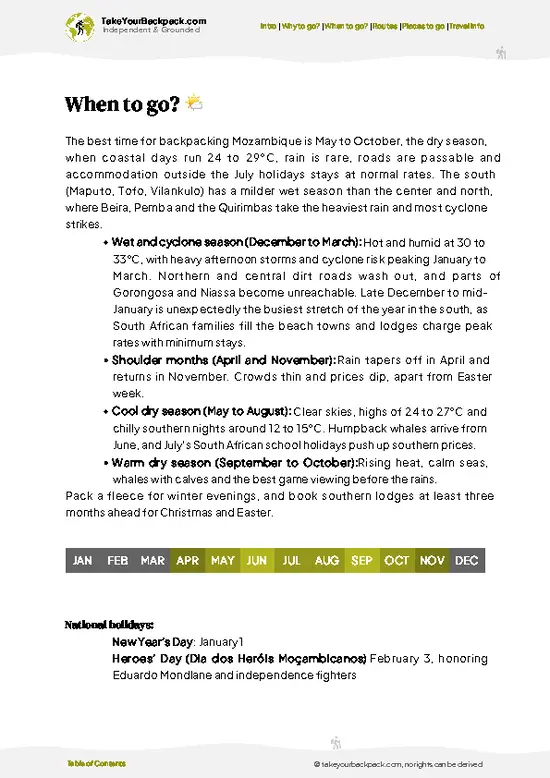
  • Topic: Weather – Tete’s climate swings between a hot, wet season from November to March and a dry, cooler stretch from April to October. The dry months bring clear skies and less humidity, making hiking and exploring far more comfortable.

  • Topic: Temperature – During the dry season, daytime highs hover around 25-30°C (77-86°F), dropping to a crisp 10-15°C (50-59°F) at night. The wet season cranks up the heat and humidity, with highs often pushing 32°C (90°F) and sticky nights.

  • Topic: Daylight Hours – Tete enjoys roughly 11 to 12 hours of daylight year-round, but the dry season’s clearer skies mean you’ll get more usable light for trekking and sightseeing without the interruption of afternoon storms.

  • Topic: Crowds – This isn’t a tourist hotspot, so crowds are minimal year-round. However,
read more 👉

  • Topic: Weather – Tete’s climate swings between a hot, wet season from November to March and a dry, cooler stretch from April to October. The dry months bring clear skies and less humidity, making hiking and exploring far more comfortable.

  • Topic: Temperature – During the dry season, daytime highs hover around 25-30°C (77-86°F), dropping to a crisp 10-15°C (50-59°F) at night. The wet season cranks up the heat and humidity, with highs often pushing 32°C (90°F) and sticky nights.

  • Topic: Daylight Hours – Tete enjoys roughly 11 to 12 hours of daylight year-round, but the dry season’s clearer skies mean you’ll get more usable light for trekking and sightseeing without the interruption of afternoon storms.

  • Topic: Crowds – This isn’t a tourist hotspot, so crowds are minimal year-round. However, local festivals and holidays during the dry season can bring a lively buzz, offering a chance to engage with authentic cultural moments.

  • Topic: Seasonal Activities – The dry season is prime for river safaris on the Zambezi and exploring nearby national parks. The wet season, while challenging for travel, turns the landscape lush and alive, perfect for birdwatchers and photographers willing to brave the mud.

  • Topic: Price Fluctuations – Accommodation and transport costs dip during the wet season due to lower demand, but some services may be limited or less reliable. The dry season sees a slight price bump, justified by better conditions and more dependable infrastructure.


Pro-tip: Aim for May to September to catch Tete’s sweet spot—cooler, dry days with vibrant local life and smooth logistics, making every step outside feel earned and rewarding.


source: climatestotravel.comJANJanuary: fair for travelingFEBFebruary: fair for travelingMARMarch: good for travelingAPRApril: highly recommended for travelingMAYMay: excellent for travelingJUNJune: excellent for travelingJULJuly: excellent for travelingAUGAugust: excellent for travelingSEPSeptember: excellent for travelingOCTOctober: highly recommended for travelingNOVNovember: good for travelingDECDecember: fair for traveling
when-to-go

✈️ The backpacker research shortcutMozambique Travel Guide

An offline-friendly backpacking guide with optimized travel routes, ranked highlights, transport advice, and the best areas to stay.
example page 0 from our offline Travel Guide for Mozambique
example page 1 from our offline Travel Guide for Mozambique
example page 2 from our offline Travel Guide for Mozambique
example page 3 from our offline Travel Guide for Mozambique
example page 4 from our offline Travel Guide for Mozambique
example page 5 from our offline Travel Guide for Mozambique
example page 6 from our offline Travel Guide for Mozambique
example page 7 from our offline Travel Guide for Mozambique
The digital guide (346 pages) contains:
86 highlights, ranked by travel appeal
Optimized 5, 10 & 15-day travel routes
Cities, national parks, landmarks, beaches
How to get around
Offline-friendly for travel without Wi-Fi
👉 Click to see all 30+ guide features

📅 Plan smarter in minutes, not weeks
Month by month travel advice
Festivals & national holidays
Budget expectations

🗺️ Go to the right places, skip the overrated ones
Honest pros & cons of destinations
Top hikes, parks & viewpoints
Lesser-known places most travelers miss
Clear “worth it vs skip it” guidance

🛏️ Travel smoothly without rookie mistakes
Best areas to stay
Transport systems explained simply
Common scams & safety advice
SIM cards, money & practical tips

🌍 Understand the country, not just visit it
Culture & traditions
52 Essential phrases & customs
Festivals worth planning around
Traveler-friendly historical context
Insights that make places more meaningful

📱 Built for real travel conditions
Fully downloadable PDF
Works completely offline
Optimized for phone use
Useful in remote areas & buses
Everything in one place
Save weeks of stressful planning
Get instant access to your full guide. 30‑day money-back guarantee.


By proceeding you agree to our terms.
Sent to your inbox immediately after payment • 100% Secure Checkout
Best Backpacking Travel Advisor 2025 tourism awardBest Backpacking
Travel Advisor
2025
What others say about Take Your Backpack Guides:
⭐⭐⭐⭐⭐
Fantastic, amazing amount of information!
⭐⭐⭐⭐⭐
My goodness this is amazing, it's what I've been looking for hats off too you!
⭐⭐⭐⭐⭐
I think this is absolutely BRILLIANT
⭐⭐⭐⭐
Very complete and informative. It's still missing places, but I gotta to commend you
⭐⭐⭐⭐⭐
This is truly amazing, thank you, can't wait to explore it with my kids!
⭐⭐⭐⭐⭐
Awesome resource, thank you!
⭐⭐⭐⭐⭐
This is amazing! Can't wait to explore the ones I haven't seen
⭐⭐⭐⭐
I love this! Well done, great idea.
⭐⭐⭐⭐⭐
Thanks for taking the time to make this gem!
⭐⭐⭐⭐⭐
This might be the best website I've ever seen.
⭐⭐⭐⭐⭐
Congratulations, and thank you so much for your work; it's incredibly valuable.
⭐⭐⭐⭐
In all seriousness I think you did a great job pointing out the important spots
⭐⭐⭐⭐⭐
10/10 very good
⭐⭐⭐⭐⭐
As someone who's only just starting to visit regularly this is awesome, thank you.
⭐⭐⭐⭐
Thank you very much! I'm going to visit my dad, it's going to be very useful!
⭐⭐⭐⭐⭐
This is really cool! We'll be travelling for the first time and this definitely come in handy.
⭐⭐⭐⭐⭐
You are now our minister of culture, congratulations 👨‍💼
⭐⭐⭐⭐⭐
Just wanted to tell you that this is a pearl! Going to follow your recommendations.
⭐⭐⭐⭐⭐
This is so cool. I'll definitely be using the resource for my travels soon.
⭐⭐⭐⭐⭐
This is very impressive! Good work.
⭐⭐⭐⭐⭐
This is an amazing and informative site. Very well done!

🛏️ Where to stay?Best areas and accommodation options

In Tete, Mozambique, the best spot for backpackers is the area around the city center, especially near the riverside. This neighborhood hums with life—local markets spill their colors and smells into the streets, and the Zambezi River’s breeze cuts through the heat, offering a natural air conditioner. Staying here means you’re close to the pulse of the town, where you can easily mingle with other travelers and locals alike. The vibe is relaxed but lively, with enough budget hostels and guesthouses to keep your wallet happy without sacrificing comfort.

Compared to the outskirts or newer residential … read more 👉
In Tete, Mozambique, the best spot for backpackers is the area around the city center, especially near the riverside. This neighborhood hums with life—local markets spill their colors and smells into the streets, and the Zambezi River’s breeze cuts through the heat, offering a natural air conditioner. Staying here means you’re close to the pulse of the town, where you can easily mingle with other travelers and locals alike. The vibe is relaxed but lively, with enough budget hostels and guesthouses to keep your wallet happy without sacrificing comfort.

Compared to the outskirts or newer residential zones, the city center’s compact layout makes it easy to explore on foot, which is a huge plus when you want to soak in the atmosphere without the hassle of taxis or long walks. Safety-wise, this area is generally stable during the day and early evening, but like any place, it pays to stay alert after dark. The social scene here is informal but genuine—expect to swap stories over a cold drink in small, open-air bars or at hostel common rooms where the chatter is as rich as the local peanut stew.

Avoid the industrial zones or isolated suburbs; they lack the warmth and accessibility that make backpacking in Tete rewarding. The city center’s blend of convenience, culture, and community is where you’ll find the real heartbeat of Tete, making your stay not just a stopover but a genuine experience.

🚌 Getting aroundTransportation options and practical tips

Tete moves at its own pace—neither frantic nor sluggish, but a steady rhythm shaped by the Zambezi River’s pulse and the hum of daily market life. The light here is sharp and relentless by midday, softening only as the sun dips behind the hills, casting long shadows over dusty streets where vendors call out in a mix of Portuguese and local dialects. Time feels elastic; buses and minibuses don’t always stick to timetables, but the flow is intuitive—locals know when to gather, when to wait, and when to move. For a budget traveler, understanding this ebb and flow is key to unlocking the town’s authentic vibe without getting stuck in frustrating waits or overpriced rides.


  • Walking: The heart of Tete is compact enough to explore on foot, especially around the central market and riverfront. Walking
read more 👉
Tete moves at its own pace—neither frantic nor sluggish, but a steady rhythm shaped by the Zambezi River’s pulse and the hum of daily market life. The light here is sharp and relentless by midday, softening only as the sun dips behind the hills, casting long shadows over dusty streets where vendors call out in a mix of Portuguese and local dialects. Time feels elastic; buses and minibuses don’t always stick to timetables, but the flow is intuitive—locals know when to gather, when to wait, and when to move. For a budget traveler, understanding this ebb and flow is key to unlocking the town’s authentic vibe without getting stuck in frustrating waits or overpriced rides.


  • Walking: The heart of Tete is compact enough to explore on foot, especially around the central market and riverfront. Walking lets you soak in the smells of grilled fish and fresh cassava, and catch spontaneous street performances or local chatter. It’s free, flexible, and the best way to catch the town’s texture up close.


  • Chapa Minibuses: These are the lifeblood of local transit—shared minibuses that run on informal schedules. Expect to pay around 50 to 100 MZN per ride. They don’t leave until full, so timing is unpredictable, but they’re cheap and cover most routes within town and to nearby neighborhoods. Comfort is basic; hold on tight during sharp turns and sudden stops.


  • Motorcycle Taxis (Moto-taxis): When you need speed and can’t wait for a chapa, moto-taxis zip through traffic and narrow alleys. Fares start at about 100 MZN for short trips. They’re fast and flexible but require a good sense of balance and a willingness to embrace the dust and noise. Helmets aren’t always standard, so bring your own if safety is a priority.


  • Regular Buses to Surrounding Areas: For trips beyond town, like to Moatize or the Cahora Bassa Dam, larger buses run on more fixed schedules, usually departing early morning and late afternoon. Tickets cost between 300 and 600 MZN depending on distance. These buses are slower but more comfortable than chapas, with basic seats and occasional stops for snacks or bathroom breaks.


  • Boat Transport on the Zambezi: While not daily public transit, local boats offer a unique way to cross or explore the river, especially during the dry season. Prices vary and are negotiable; trips depend on demand and weather. This option is less about speed and more about experiencing Tete’s lifeblood—the Zambezi itself—up close, with the scent of river water and wood smoke filling the air.

👛 Costs (as of 7 September 2025)How expensive it really is

Backpacking in Tete, Mozambique, offers a raw, unpolished experience where every metical spent feels like a direct investment in local life. Here’s what you can expect to budget for daily expenses:
  • Dorm Accommodation: Dorm beds in Tete are basic but functional, often in guesthouses or small hostels. Expect to pay around €8-€12 per night. These places usually have simple bedding and shared bathrooms, so don’t expect luxury—just a clean, safe spot to crash.
  • Meals: Street food and local eateries dominate the scene. A filling meal of nshima (a staple maize porridge) with vegetables or fish will cost roughly €1.50-€3. If you opt for a slightly more tourist-oriented restaurant, prices can rise to €4-€6 per meal. Fresh fruit and snacks from markets are cheap and plentiful.
  • Local Transport: Getting
read more 👉
Backpacking in Tete, Mozambique, offers a raw, unpolished experience where every metical spent feels like a direct investment in local life. Here’s what you can expect to budget for daily expenses:
  • Dorm Accommodation: Dorm beds in Tete are basic but functional, often in guesthouses or small hostels. Expect to pay around €8-€12 per night. These places usually have simple bedding and shared bathrooms, so don’t expect luxury—just a clean, safe spot to crash.
  • Meals: Street food and local eateries dominate the scene. A filling meal of nshima (a staple maize porridge) with vegetables or fish will cost roughly €1.50-€3. If you opt for a slightly more tourist-oriented restaurant, prices can rise to €4-€6 per meal. Fresh fruit and snacks from markets are cheap and plentiful.
  • Local Transport: Getting around Tete is mostly by chapa (shared minibus) or motorcycle taxis. Chapa rides within town typically cost around €0.30-€0.50 per trip. Motorcycle taxis are faster but pricier, about €1-€2 depending on distance and negotiation skills.
  • Basic Activities/Entry Fees: Tete isn’t packed with tourist traps, but visiting local markets, the Cahora Bassa Dam viewpoint, or small museums might cost €1-€3. Guided tours or boat trips on the Zambezi River can push this higher, around €10-€20, but these are optional and often booked locally.
  • Miscellaneous Expenses: Think bottled water, snacks, phone credit, or small souvenirs. Budget around €1-€3 daily. Water is essential here, as tap water isn’t safe to drink, and phone credit is cheap but necessary for navigation or communication.

All told, a realistic daily budget for backpacking in Tete ranges from about €12 to €25. This covers basic comfort without splurging, letting you focus on the gritty, authentic rhythms of this riverside town without breaking the bank.


source: visitmozambique.net
⚠️ Prices can change and everyone travels differently, so take this as a rough guide. Hope it helps you plan your adventure!

🚌 Day tripsBest day trips from Tete

Tete, Mozambique, is a backpacker’s dream base for exploring the surrounding wonders. With its vibrant local culture and stunning landscapes, you can easily dive into day trips that offer both adventure and authenticity.

Chikonga River Adventure
Just a short 30-minute ride from Tete, the Chikonga River is a paradise for those who love the water. Rent a kayak or join a local guide for a paddle through lush mangroves. The scent of wet earth and the sounds of birds create a serene backdrop. Keep an eye out for hippos lounging in the shallows. A day here costs around $15, including gear rental. The best time to visit is during the dry season, from May to October, when the river is calm. First-timers often underestimate the sun—bring plenty of water and sunscreen to avoid a painful burn.

read more 👉
Tete, Mozambique, is a backpacker’s dream base for exploring the surrounding wonders. With its vibrant local culture and stunning landscapes, you can easily dive into day trips that offer both adventure and authenticity.

Chikonga River Adventure
Just a short 30-minute ride from Tete, the Chikonga River is a paradise for those who love the water. Rent a kayak or join a local guide for a paddle through lush mangroves. The scent of wet earth and the sounds of birds create a serene backdrop. Keep an eye out for hippos lounging in the shallows. A day here costs around $15, including gear rental. The best time to visit is during the dry season, from May to October, when the river is calm. First-timers often underestimate the sun—bring plenty of water and sunscreen to avoid a painful burn.


Mount Binga Hike
For a more challenging experience, head to Mount Binga, Mozambique’s highest peak, about an hour and a half from Tete. The hike is tough but rewarding, with panoramic views that make every step worthwhile. The air gets cooler as you ascend, and the scent of pine trees fills your lungs. Expect to spend around $10 for transport and snacks. The dry season is ideal for this trek, as the trails can get muddy during the rainy months. A common mistake is underestimating the trail’s difficulty; wear sturdy shoes and pack a light lunch to keep your energy up.


Local Market Exploration
You don’t have to venture far to experience the local culture. The Tete market is a bustling hub just a short walk from the center. Spend a few hours wandering through stalls filled with vibrant fabrics, spices, and fresh produce. The atmosphere is electric, with vendors calling out and the smell of grilled street food wafting through the air. A budget of $5 should cover snacks and small souvenirs. Visit in the morning for the freshest goods and to avoid the midday heat. Many first-timers miss the chance to interact with locals—don’t be shy; a smile goes a long way.


Lake Nyasa Day Trip
A bit further afield, about two hours from Tete, lies Lake Nyasa, a stunning freshwater lake perfect for swimming and relaxation. The crystal-clear waters are inviting, and the surrounding hills provide a picturesque backdrop. Expect to spend around $20 for transport and a picnic. The best time to visit is during the dry season, when the weather is perfect for lounging by the shore. A common pitfall is not checking the local transport schedules; plan your return trip carefully to avoid being stranded.
Want to know what more Mozambique offers?
The Mozambique Travel Guide describes 86 highlights, from cities to national parks, from beaches to hikes

Get the Travel Guide -

🍲 FoodLocal Cuisine & Drinks

In Tete, Mozambique, food is a lively negotiation between bold flavors and simple, hearty ingredients. The city’s signature dish, matapa, is a must-try: cassava leaves slow-cooked with peanuts and coconut milk, delivering a creamy, earthy punch that sticks with you. Pair it with freshly grilled fish from the nearby Zambezi River, and you’ve got a meal that’s both local and deeply satisfying.

Backpackers will find themselves drawn to the bustling markets where street vendors serve up steaming plates of peri-peri chicken—spicy enough to wake your senses but balanced by a squeeze of fresh lime. These markets aren’t just about food; they’re social hubs where locals gather, so expect to share space with lively chatter and the clatter of cooking pots. Casual eateries and small cafés offer a break … read more 👉
In Tete, Mozambique, food is a lively negotiation between bold flavors and simple, hearty ingredients. The city’s signature dish, matapa, is a must-try: cassava leaves slow-cooked with peanuts and coconut milk, delivering a creamy, earthy punch that sticks with you. Pair it with freshly grilled fish from the nearby Zambezi River, and you’ve got a meal that’s both local and deeply satisfying.

Backpackers will find themselves drawn to the bustling markets where street vendors serve up steaming plates of peri-peri chicken—spicy enough to wake your senses but balanced by a squeeze of fresh lime. These markets aren’t just about food; they’re social hubs where locals gather, so expect to share space with lively chatter and the clatter of cooking pots. Casual eateries and small cafés offer a break from the heat, often serving up strong, sweet coffee and cold maheu, a fermented maize drink that’s refreshingly tangy and surprisingly filling.

Drinking culture here leans toward communal and unpretentious. Sharing a bottle of local beer or a glass of homemade palm wine is common, and refusing a drink can be seen as a slight. So, lean into the rhythm of Tete’s social dining—where food and drink are as much about connection as they are about flavor.

🛡️ SafetyTraveler Safety Guide

Tete, Mozambique, is generally safe, but a few practical tips can enhance your experience. Stay aware in crowded markets, where pickpockets might lurk. Keep your valuables close and avoid flashy displays of wealth.

If you’re traveling solo, especially at night, stick to well-lit areas and consider using a local taxi instead of walking. The streets can feel quiet, and a little caution goes a long way.

Common scams are rare, but be mindful of overly friendly locals who might offer unsolicited help. Politely decline and trust your instincts.

Annoyances can include occasional power outages, so keep a flashlight handy. Embrace the rhythm of the town, and remember that a calm demeanor often invites warmth from the locals. Enjoy the journey; the little challenges make the rewards sweeter.

Other Mozambican cities near Tete

Explore more nearby:

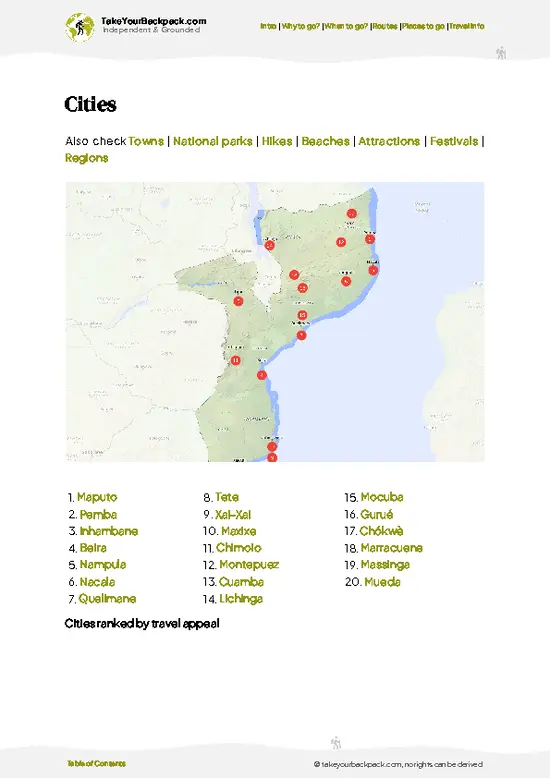
  • Moatize—coal mines, railway lines, industrial outskirts| 13 km away
  • Chimoio—mountain backdrop, fruit orchards, transport hub| 331 km away
  • Cuamba—railway junction, agricultural markets, Niassa gateway| 347 km away

💡 Not sure where to go next?
Create a personalized itinerary for Mozambique including Tete and the places that fit your trip.

Generate my itinerary

👉 Discover all cities

Or checkout all Mozambique has to offer (think cities, towns, villages, national parks, hikes, beaches, festivals)
Country photo of Mozambique

We 💚 feedbackKey takeaways before you go

Tete has a raw, unfiltered vibe that pulses with life. The riverbanks hum with laughter and the scent of grilled fish wafts through the air. Don’t miss the bustling market; it’s a sensory overload in the best way. But be prepared for the heat—it can be relentless. Hydrate and take breaks. The best surprise? The warmth of the locals; their smiles make the effort worthwhile. Embrace the chaos, and you’ll find beauty in the everyday.

✍️ Help improve this page!
The information on this page is based on in-depth research, insights shared by experienced travelers, and feedback from the local travel community in Mozambique. While every effort is made to keep the information accurate and current, conditions can change — so if you spot anything incorrect or outdated, please get in touch.


🙋‍♂️ Give feedback

👋 Meet the founderWho’s Behind Take Your Backpack?

Johan, backpacker and founder of TakeYourBackpackHi, I’m Johan (Netherlands 🇳🇱), the creator of TakeYourBackpack. Over the past decade, I’ve backpacked through 80+ countries across six continents, gaining extensive experience with independent travel, long-term trips, and overland routes.

This site is built on a combination of firsthand travel experience and carefully curated insights from other backpackers. Many guides are based on places I’ve personally visited, while others bring together tips, observations, and practical advice shared by trusted travelers I’ve met along the way.

The goal is to provide realistic, experience-driven guidance — not generic itineraries — so you can explore destinations with better context, clearer expectations, and more confidence.

Get full Mozambique guide •
Instant download • 86 highlights • Full Offline guide