×

Mozambique🇲🇿 | citiesSofalamangrove estuaries, river delta, ancient trade routes | things to do and best time to go

Explore PembaExplore Tete

Backpacking in Sofala
By Johan Kruseman 🇳🇱 | Updated June 14, 2026

If you crave polished hostels, a buzzing backpacker scene, or nightlife that runs on autopilot, Sofala will frustrate you. But if you’re the kind who finds beauty in faded grandeur and stories layered in salt and sand, Sofala rewards you. Tucked on Mozambique’s central coast, this old port city is more relic than resort—think crumbling Portuguese forts, tidal mangroves, and a pace that’s stubbornly slow. It’s cheap, safe if you keep your wits, and feels worlds apart from the busier, more tourist-friendly Beira. Expect solitude, not spectacle.

Discover everything you want to know in the 📖 Mozambique Travel Guide.
Loading the map 🌍
CLICK TO FILTER
cities
towns
national parks
hikes
beaches
attractions
festivals
regions
SHOW COUNTRY’S BESTSHOW ALL

✨ Why go?
Ranked #99 city in Mozambique
Why Sofala should be on your travel list

Sofala is a strategic basecamp for backpackers exploring Mozambique. Its affordable hostels offer a cozy atmosphere, making it easy to meet fellow travelers. The city’s walkability means you can easily navigate to local eateries serving delicious, budget-friendly food. While the nightlife isn’t wild, it has a laid-back charm perfect for unwinding after a day of exploration. Plus, Sofala’s location allows for easy onward travel to nearby attractions, maximizing your time without breaking the bank. If you’re looking for a place that balances comfort and value, Sofala is worth more than just a quick stop.
Want to include Sofala in your Mozambique route?
Create a personalized Mozambique itinerary that includes Sofala and the places that fit your trip — based on your travel style, budget, and available time. Get your route in seconds.

Generate my trip

💡 HighlightsMust-see experiences and standout moments

  1. Fort São Caetano de Sofala — Crumbling stone ramparts and foundations of the 16th-century Portuguese fort that mark where Europeans first tried to control the Indian-Ocean gold trade; excellent for history, atmosphere, and sunset photos.
  2. Velha Sofala (Old Sofala) archaeological site — The visible remains of a medieval Swahili trading town: coral-stone foundations, traces of homes and religious structures that tell the story of inland trade links and coastal culture.
  3. Buzi River estuary and mangrove channels — Easy boat rides through mangroves with rich birdlife and local fishing activity; a hands-on way to see the living ecosystem that sustained Sofala’s traders for centuries.
  4. Dhow harbour and local fishing quarter — Active wooden dhows, fishermen hauling their catch and small boatyards;
read more 👉
  1. Fort São Caetano de Sofala — Crumbling stone ramparts and foundations of the 16th-century Portuguese fort that mark where Europeans first tried to control the Indian-Ocean gold trade; excellent for history, atmosphere, and sunset photos.
  2. Velha Sofala (Old Sofala) archaeological site — The visible remains of a medieval Swahili trading town: coral-stone foundations, traces of homes and religious structures that tell the story of inland trade links and coastal culture.
  3. Buzi River estuary and mangrove channels — Easy boat rides through mangroves with rich birdlife and local fishing activity; a hands-on way to see the living ecosystem that sustained Sofala’s traders for centuries.
  4. Dhow harbour and local fishing quarter — Active wooden dhows, fishermen hauling their catch and small boatyards; visiting gives a close look at traditional seafaring, boatbuilding techniques, and daily coastal life.
  5. Tidal flats and sandbanks at Sofala’s shoreline — Exposed at low tide, these wide sandbanks are ideal for walking, shell-finding, birdwatching and watching the tidal drama that shaped the port’s history.
Nearby day trips worth doing are Beira (colonial architecture, markets and transport hub), Gorongosa National Park (wildlife safaris and landscapes reachable from Beira), and the Marromeu wetlands for big-sky birding and riverine scenery.
Spotted a mistake or missing something? Contact us.

🏘️ NeighborhoodsNeighborhood guide to Sofala

Sofala is a captivating blend of history and coastal charm, perfect for backpackers seeking both adventure and relaxation.

City Center: The heartbeat of Sofala, this area buzzes with local markets and eateries. It’s walkable, making it easy to explore. Costs are moderate, and you’ll find a mix of nightlife options. Ideal for short stays.

Praia do Sofala: A laid-back beach vibe dominates here. Perfect for sunbathers and water sports enthusiasts. Accommodation ranges from budget to mid-range. It’s quieter at night, making it suitable for longer stays focused on relaxation.

Inhambane Road: This area offers a more local experience with affordable guesthouses. It’s less touristy, providing a genuine feel of Sofala life. Transport links are decent, but it’s best for those wanting to immerse themselves for a while.

⌛️ 1 daySeeing the highlights in 24 hours

Sofala, Mozambique, is a treasure trove of history and culture, where the echoes of ancient trade routes mingle with vibrant local life. Start your day in the charming neighborhood of Beira, where you can sip a strong cup of coffee at a local café while watching fishermen haul in their morning catch.

After fueling up, head to the historic Fort of Sofala. This site, often overlooked by tourists, offers a glimpse into the region’s past and stunning views of the coastline. Spend your late morning wandering the nearby market, where the colors and scents of fresh produce and spices create a sensory feast.

In the afternoon, stroll along the waterfront promenade, soaking in the sea breeze. For lunch, try a local eatery serving up fresh seafood dishes that reflect the coastal culture. As the sun … read more 👉
Sofala, Mozambique, is a treasure trove of history and culture, where the echoes of ancient trade routes mingle with vibrant local life. Start your day in the charming neighborhood of Beira, where you can sip a strong cup of coffee at a local café while watching fishermen haul in their morning catch.

After fueling up, head to the historic Fort of Sofala. This site, often overlooked by tourists, offers a glimpse into the region’s past and stunning views of the coastline. Spend your late morning wandering the nearby market, where the colors and scents of fresh produce and spices create a sensory feast.

In the afternoon, stroll along the waterfront promenade, soaking in the sea breeze. For lunch, try a local eatery serving up fresh seafood dishes that reflect the coastal culture. As the sun sets, find a spot at a beach bar to unwind with a cold drink, listening to the waves lap against the shore. This day in Sofala is a blend of history, local flavor, and relaxation, making it a high-value experience you won’t forget.
Turn your Sofala visit into an Mozambique adventure
Build a complete Mozambique route with Sofala, hidden gems, must-see destinations, and realistic travel times included.

Generate my trip

🌤️ When to go?When to go for the best experience


  • Weather: The dry season from May to October offers clear skies and minimal rain, perfect for trekking and beach time. The wet season (November to April) brings heavy rains and humidity, which can turn trails into mudslides and limit outdoor plans.

  • Temperature: Expect mild days around 22-28°C (72-82°F) in the dry months, cooling off at night. The wet season heats up to 30-35°C (86-95°F), making exertion tougher and rest less comfortable.

  • Daylight Hours: Daylight is fairly consistent year-round, roughly 11-12 hours, so early starts are always an option regardless of season.

  • Crowds: Tourist numbers peak in the dry season, especially July and August, which means busier trails and higher prices but also more social opportunities.

  • Seasonal Activities: Dry months are ideal for diving,
read more 👉

  • Weather: The dry season from May to October offers clear skies and minimal rain, perfect for trekking and beach time. The wet season (November to April) brings heavy rains and humidity, which can turn trails into mudslides and limit outdoor plans.

  • Temperature: Expect mild days around 22-28°C (72-82°F) in the dry months, cooling off at night. The wet season heats up to 30-35°C (86-95°F), making exertion tougher and rest less comfortable.

  • Daylight Hours: Daylight is fairly consistent year-round, roughly 11-12 hours, so early starts are always an option regardless of season.

  • Crowds: Tourist numbers peak in the dry season, especially July and August, which means busier trails and higher prices but also more social opportunities.

  • Seasonal Activities: Dry months are ideal for diving, fishing, and wildlife spotting, while the wet season is better for birdwatching as migratory species arrive.

  • Price Fluctuations: Accommodation and tours spike during the dry season’s high months; the wet season offers bargains but at the cost of comfort and accessibility.


Pro-tip: Aim for shoulder months like May or October to balance good weather, fewer crowds, and better prices—maximizing your bang for the buck and your backpacking joy.


source: climatestotravel.comJANJanuary: fair for travelingFEBFebruary: fair for travelingMARMarch: fair for travelingAPRApril: fair for travelingMAYMay: highly recommended for travelingJUNJune: excellent for travelingJULJuly: excellent for travelingAUGAugust: excellent for travelingSEPSeptember: excellent for travelingOCTOctober: highly recommended for travelingNOVNovember: fair for travelingDECDecember: fair for traveling
when-to-go

✈️ The backpacker research shortcutMozambique Travel Guide

An offline-friendly backpacking guide with optimized travel routes, ranked highlights, transport advice, and the best areas to stay.
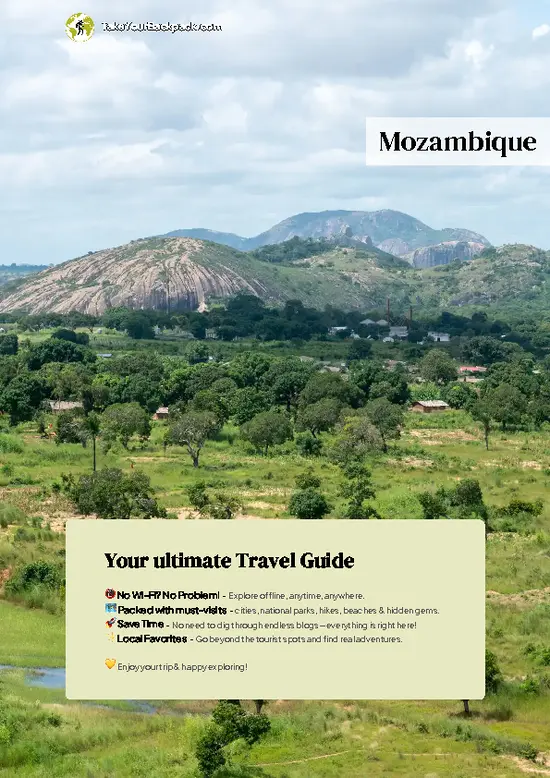
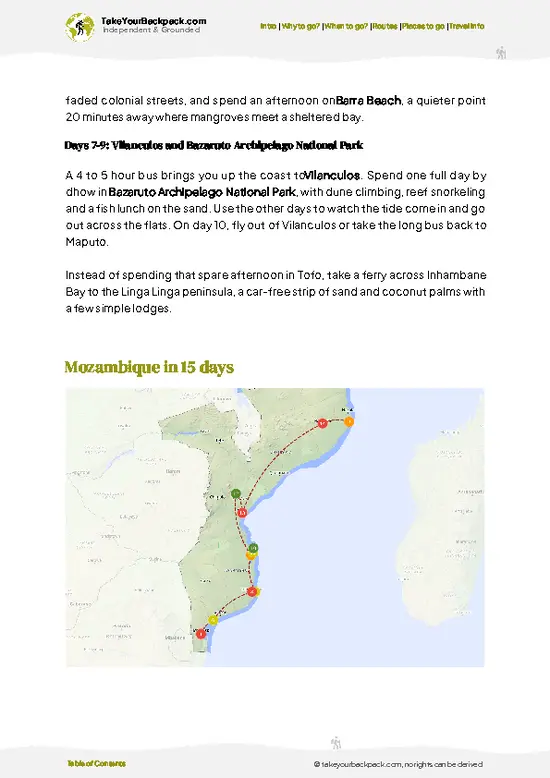
example page 0 from our offline Travel Guide for Mozambique
example page 1 from our offline Travel Guide for Mozambique
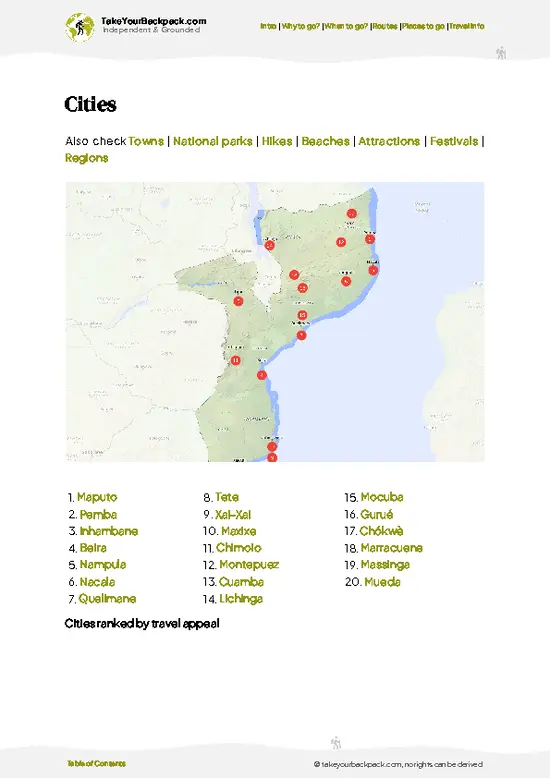
example page 2 from our offline Travel Guide for Mozambique
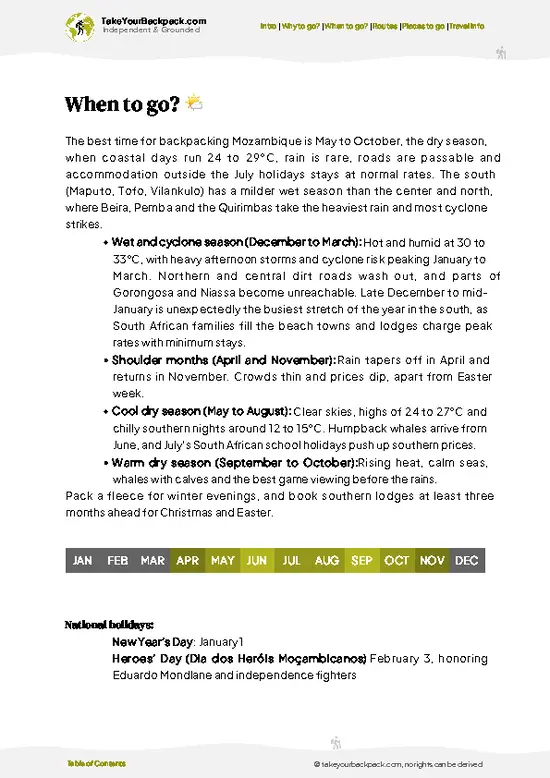
example page 3 from our offline Travel Guide for Mozambique
example page 4 from our offline Travel Guide for Mozambique
example page 5 from our offline Travel Guide for Mozambique
example page 6 from our offline Travel Guide for Mozambique
example page 7 from our offline Travel Guide for Mozambique
The digital guide (345 pages) contains:
86 highlights, ranked by travel appeal
Optimized 5, 10 & 15-day travel routes
Cities, national parks, landmarks, beaches
How to get around
Offline-friendly for travel without Wi-Fi
👉 Click to see all 30+ guide features

📅 Plan smarter in minutes, not weeks
Month by month travel advice
Festivals & national holidays
Budget expectations

🗺️ Go to the right places, skip the overrated ones
Honest pros & cons of destinations
Top hikes, parks & viewpoints
Lesser-known places most travelers miss
Clear “worth it vs skip it” guidance

🛏️ Travel smoothly without rookie mistakes
Best areas to stay
Transport systems explained simply
Common scams & safety advice
SIM cards, money & practical tips

🌍 Understand the country, not just visit it
Culture & traditions
52 Essential phrases & customs
Festivals worth planning around
Traveler-friendly historical context
Insights that make places more meaningful

📱 Built for real travel conditions
Fully downloadable PDF
Works completely offline
Optimized for phone use
Useful in remote areas & buses
Everything in one place
Save weeks of stressful planning
Get instant access to your full guide. 30‑day money-back guarantee.


By proceeding you agree to our terms.
Sent to your inbox immediately after payment • 100% Secure Checkout
Best Backpacking Travel Advisor 2025 tourism awardBest Backpacking
Travel Advisor
2025
What others say about Take Your Backpack Guides:
⭐⭐⭐⭐⭐
Fantastic, amazing amount of information!
⭐⭐⭐⭐⭐
My goodness this is amazing, it's what I've been looking for hats off too you!
⭐⭐⭐⭐⭐
I think this is absolutely BRILLIANT
⭐⭐⭐⭐
Very complete and informative. It's still missing places, but I gotta to commend you
⭐⭐⭐⭐⭐
This is truly amazing, thank you, can't wait to explore it with my kids!
⭐⭐⭐⭐⭐
Awesome resource, thank you!
⭐⭐⭐⭐⭐
This is amazing! Can't wait to explore the ones I haven't seen
⭐⭐⭐⭐
I love this! Well done, great idea.
⭐⭐⭐⭐⭐
Thanks for taking the time to make this gem!
⭐⭐⭐⭐⭐
This might be the best website I've ever seen.
⭐⭐⭐⭐⭐
Congratulations, and thank you so much for your work; it's incredibly valuable.
⭐⭐⭐⭐
In all seriousness I think you did a great job pointing out the important spots
⭐⭐⭐⭐⭐
10/10 very good
⭐⭐⭐⭐⭐
As someone who's only just starting to visit regularly this is awesome, thank you.
⭐⭐⭐⭐
Thank you very much! I'm going to visit my dad, it's going to be very useful!
⭐⭐⭐⭐⭐
This is really cool! We'll be travelling for the first time and this definitely come in handy.
⭐⭐⭐⭐⭐
You are now our minister of culture, congratulations 👨‍💼
⭐⭐⭐⭐⭐
Just wanted to tell you that this is a pearl! Going to follow your recommendations.
⭐⭐⭐⭐⭐
This is so cool. I'll definitely be using the resource for my travels soon.
⭐⭐⭐⭐⭐
This is very impressive! Good work.
⭐⭐⭐⭐⭐
This is an amazing and informative site. Very well done!

🛏️ Where to stay?Where staying makes the most sense

In Sofala, the sweet spot for backpackers is the central district near the waterfront. This area strikes a smart balance: it’s safe enough to wander after dark, buzzing with local markets and street food stalls that invite socializing without the touristy gloss. Hostels cluster here, offering budget beds and a built-in community vibe—perfect for solo travelers craving connection without sacrificing security. Compared to the quieter, more residential outskirts, this neighborhood delivers both convenience and energy, cutting down on transport time and costs. It’s a trade-off: you sacrifice some … read more 👉
In Sofala, the sweet spot for backpackers is the central district near the waterfront. This area strikes a smart balance: it’s safe enough to wander after dark, buzzing with local markets and street food stalls that invite socializing without the touristy gloss. Hostels cluster here, offering budget beds and a built-in community vibe—perfect for solo travelers craving connection without sacrificing security. Compared to the quieter, more residential outskirts, this neighborhood delivers both convenience and energy, cutting down on transport time and costs. It’s a trade-off: you sacrifice some peace for access and camaraderie, but that’s the currency of a memorable backpacking stay.

🚌 Getting aroundHow to get around Sofala

Sofala moves at its own rhythm—neither a strict clockwork nor a free-for-all chaos. It’s a city where the pulse of the streets is set by the ebb and flow of the harbor and the market’s hum. You’ll find moments where schedules matter, like the ferry’s departure, but mostly, it’s about reading the room, catching the right minibus when it fills, and knowing when to just walk and soak it all in. Mastering Sofala’s transit game means balancing your time, money, and comfort like a chess player thinking three moves ahead.


  • Walking: The ultimate budget option. Free, flexible, and immersive. Best for short distances in the historic district where narrow alleys and vibrant street life reward your pace. Expect to spend energy, but gain perspective.

  • Minibus: Runs roughly from 6 AM to 8 PM, fares
read more 👉
Sofala moves at its own rhythm—neither a strict clockwork nor a free-for-all chaos. It’s a city where the pulse of the streets is set by the ebb and flow of the harbor and the market’s hum. You’ll find moments where schedules matter, like the ferry’s departure, but mostly, it’s about reading the room, catching the right minibus when it fills, and knowing when to just walk and soak it all in. Mastering Sofala’s transit game means balancing your time, money, and comfort like a chess player thinking three moves ahead.


  • Walking: The ultimate budget option. Free, flexible, and immersive. Best for short distances in the historic district where narrow alleys and vibrant street life reward your pace. Expect to spend energy, but gain perspective.

  • Minibus: Runs roughly from 6 AM to 8 PM, fares hover around $0.50. Fast when full, but expect crowding and occasional waits. Comfort is minimal, but it’s the quickest way to cover mid-range distances without breaking the bank.

  • Ferry: Scheduled departures at 7 AM, noon, and 5 PM. Tickets cost about $2. Offers a scenic, breezy ride across the bay. Slower than minibuses but unbeatable for comfort and a break from the city’s heat.

  • Motorcycle Taxi (Boda Boda): Available 24/7, fares vary by distance but start around $1. Great for tight spots and late nights. Fast and flexible, but less safe and more expensive than minibuses.

  • Shared Taxi: Operates from 6 AM to 9 PM, fares around $1.50. More comfortable than minibuses with fixed routes. A solid middle ground if you want speed without sacrificing too much comfort or cash.

👛 Costs (as of 5 September 2025)Money, prices, and spending tips

Backpacking in Sofala, Mozambique, offers a clear trade-off between cost and comfort, with prices reflecting the local economy and tourist demand. Here’s how your daily budget breaks down:
  • Dorm Accommodation (High Season): Expect to pay around $10 to $15 per night. This is when demand peaks, and prices reflect the influx of travelers seeking basic but safe lodging.
  • Dorm Accommodation (Off-Season): Prices drop to about $6 to $10 per night. Fewer tourists mean better deals, but some places may close or reduce services.
  • Meals: Street food and local eateries will cost you roughly $3 to $7 per meal. Opt for fresh seafood or traditional dishes for both flavor and value. Western-style restaurants push the price higher, around $10 to $15 per meal.
  • Local Transport: Boda-bodas (motorbike taxis)
read more 👉
Backpacking in Sofala, Mozambique, offers a clear trade-off between cost and comfort, with prices reflecting the local economy and tourist demand. Here’s how your daily budget breaks down:
  • Dorm Accommodation (High Season): Expect to pay around $10 to $15 per night. This is when demand peaks, and prices reflect the influx of travelers seeking basic but safe lodging.
  • Dorm Accommodation (Off-Season): Prices drop to about $6 to $10 per night. Fewer tourists mean better deals, but some places may close or reduce services.
  • Meals: Street food and local eateries will cost you roughly $3 to $7 per meal. Opt for fresh seafood or traditional dishes for both flavor and value. Western-style restaurants push the price higher, around $10 to $15 per meal.
  • Local Transport: Boda-bodas (motorbike taxis) and minibuses are the go-to options, costing about $0.50 to $1.50 per short trip. They’re cheap but can be crowded and less predictable.
  • City Transport Pass: There isn’t a formal city transport pass system in Sofala. Budget for individual rides or occasional private taxis, which can run $3 to $5 for longer distances.
  • Basic Activities/Entry Fees: Entry to local museums, markets, or cultural sites typically costs between $2 and $5. Guided tours or special excursions, like wildlife reserves, can push this to $15 or more.
  • Miscellaneous Expenses: This includes bottled water, snacks, phone credit, and small tips. Budget around $3 to $7 daily to cover these essentials without surprises.

In total, a backpacker in Sofala can expect to spend between $25 and $45 per day, depending on the season and personal choices. This range balances basic comfort with authentic local experiences, letting you decide where to save and where to splurge.


source: visitmozambique.net
⚠️ Prices can change and everyone travels differently, so take this as a rough guide. Hope it helps you plan your adventure!

🚌 Day tripsBest day trips from Sofala

Sofala, Mozambique, is a fantastic launchpad for day trips that blend adventure with cultural immersion. Here are some standout options.

Bazaruto Archipelago
A boat ride from Sofala takes you to this stunning archipelago, where you can snorkel in crystal-clear waters and explore sandy beaches. The trip usually takes about 1.5 hours each way, and you can expect to spend around $50 for a day of sun and sea. The best time to go is during the dry season, from May to October. A common mistake? Underestimating the sun—bring plenty of sunscreen!
👉 Explore Bazaruto Archipelago

Gorongosa National Park
Just a 2-hour drive from Sofala, Gorongosa is a wildlife lover’s paradise. You can spot elephants, lions, and a variety of birds while hiking or on a guided safari. Budget around $30 for park … read more 👉
Sofala, Mozambique, is a fantastic launchpad for day trips that blend adventure with cultural immersion. Here are some standout options.

Bazaruto Archipelago
A boat ride from Sofala takes you to this stunning archipelago, where you can snorkel in crystal-clear waters and explore sandy beaches. The trip usually takes about 1.5 hours each way, and you can expect to spend around $50 for a day of sun and sea. The best time to go is during the dry season, from May to October. A common mistake? Underestimating the sun—bring plenty of sunscreen!
👉 Explore Bazaruto Archipelago

Gorongosa National Park
Just a 2-hour drive from Sofala, Gorongosa is a wildlife lover’s paradise. You can spot elephants, lions, and a variety of birds while hiking or on a guided safari. Budget around $30 for park entry and transport. The dry season is ideal for wildlife viewing, but be prepared for some bumpy roads. First-timers often forget to pack enough water, so load up!
👉 Explore Gorongosa National Park

Inhambane
This coastal town is about a 4-hour journey, but the vibrant markets and laid-back beaches make it worthwhile. Enjoy fresh seafood and explore local culture. Expect to spend around $40 for transport and meals. The best time to visit is during the cooler months, from May to August. Many backpackers miss the local market days, so check the schedule!
👉 Explore Inhambane
Want to know what more Mozambique offers?
The Mozambique Travel Guide describes 86 highlights, from cities to national parks, from beaches to hikes

Get the Travel Guide -

🍲 FoodEating & Drinking in Sofala

In Sofala, the culinary scene is a vibrant tapestry of flavors. Dive into matapa, a delicious dish made from cassava leaves, peanuts, and coconut milk. Pair it with xima, a staple made from maize, and you’ll feel the heart of local cuisine.

Street food stalls are your best bet for authentic bites. Savor grilled prawns or fish, fresh from the coast, seasoned with local spices.

When it comes to drinks, try a Rooibos tea or a local beer while mingling at a bustling market. Remember, sharing food is a sign of friendship here, so don’t hesitate to join in the communal vibe. Enjoy the flavors; they tell the story of Sofala.

🛡️ SafetyStaying Safe: What Travelers Should Know

Sofala is generally safe, but like any place, a little awareness goes a long way. Stick to well-lit areas at night, especially if you’re solo. The waterfront can be lively, but keep your belongings close; petty theft can happen in crowded spots.

Watch for common scams, like overly friendly locals offering unsolicited help that leads to a tip request. Carry yourself confidently and engage with locals when you feel comfortable. This builds rapport and can deter unwanted attention. Stay alert, and you’ll navigate Sofala smoothly.

Other Mozambican cities near Sofala

Explore more nearby:

  • Beira—Indian Ocean port, faded colonial grid, cyclone-prone coastline| 196 km away
  • Massinga—inland plateau, coconut groves, rural settlements| 208 km away
  • Dondo—railway workshops, industrial zone, river proximity| 222 km away

💡 Not sure where to go next?
Create a personalized itinerary for Mozambique including Sofala and the places that fit your trip.

Generate my itinerary

👉 Discover all cities

Or checkout all Mozambique has to offer (think cities, towns, villages, national parks, hikes, beaches, festivals)
Country photo of Mozambique

We 💚 feedbackParting advice and final tips

Sofala has this laid-back charm that sneaks up on you. The best surprise? The local seafood—fresh and bursting with flavor. Just a heads-up: the roads can be rough, so plan your travel times wisely. Embrace the slow pace; it’s part of the magic.

✍️ Help improve this page!
The information on this page is based on in-depth research, insights shared by experienced travelers, and feedback from the local travel community in Mozambique. While every effort is made to keep the information accurate and current, conditions can change — so if you spot anything incorrect or outdated, please get in touch.


🙋‍♂️ Give feedback

👋 Meet the founderWho’s Behind Take Your Backpack?

Johan, backpacker and founder of TakeYourBackpackHi, I’m Johan (Netherlands 🇳🇱), the creator of TakeYourBackpack. Over the past decade, I’ve backpacked through 80+ countries across six continents, gaining extensive experience with independent travel, long-term trips, and overland routes.

This site is built on a combination of firsthand travel experience and carefully curated insights from other backpackers. Many guides are based on places I’ve personally visited, while others bring together tips, observations, and practical advice shared by trusted travelers I’ve met along the way.

The goal is to provide realistic, experience-driven guidance — not generic itineraries — so you can explore destinations with better context, clearer expectations, and more confidence.

Get full Mozambique guide •
Instant download • 86 highlights • Full Offline guide