×

Myanmar🇲🇲 | festivalsPhaung Daw OoInle Lake, gilded Buddha images, ceremonial barges | things to do and best time to go

Explore Kachin ManawExplore Tazaungdaing

Backpacking in Phaung Daw Oo
🏆 Top pickfestival ranked #3
By Johan Kruseman 🇳🇱 | Updated June 3, 2026

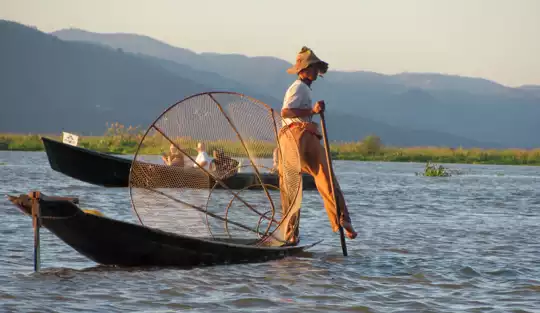
Most people only realize after they leave that Phaung Daw Oo is one of the rare big festivals in Myanmar where you can move with the action instead of being trapped in one crowded spot; the pagoda’s sacred Buddha images tour the lake, so if you miss them in one village, you can catch them in the next. Phaung Daw Oo sits on Inle Lake in Shan State, in the eastern hills of Myanmar. The festival is part pilgrimage, part boat race, part lakeside block party. Monks chant, longboat crews drum and shout in rhythm, and loudspeakers blast Burmese pop at random intervals. You’ll share space with local families, pilgrims, and a thin layer of backpackers who’ve done a bit of homework. It runs for several days, feels chaotic but good-natured, and it’s worth it if you like movement, ritual, and getting jostled on wooden docks instead of nightclub dance floors.

Discover everything you want to know in the 📖 Myanmar Travel Guide.
Safety warning

The current risk level for Myanmar is high. Check the advice before going.


Get your Myanmar guide
110 ranked highlights, routes & tips, works offline (405 pages)
Loading the map 🌍
CLICK TO FILTER
cities
towns
landmarks
national parks
hikes
beaches
attractions
festivals
regions
SHOW COUNTRY’S BESTSHOW ALL

✨ Why go?
Ranked #3 festival in Myanmar
What makes it a must-see festival

Backpackers flock to the Phaung Daw Oo festival in Myanmar for a reason. It’s not just a spectacle; it’s a social energy powerhouse. Imagine thousands of people, locals and travelers alike, coming together to celebrate. This temporary community buzzes with excitement, creating connections that last long after the last boat has sailed.

The festival is a deep dive into cultural immersion. You’re not just a spectator; you’re part of something bigger. Witnessing the intricate ceremonies and vibrant processions gives you a front-row seat to Myanmar’s rich traditions. Plus, the affordability compared to similar events worldwide makes it a no-brainer. You can enjoy local food, crafts, and experiences without breaking the bank.

Planning your route around Phaung Daw Oo also fits seamlessly into longer … read more 👉
Backpackers flock to the Phaung Daw Oo festival in Myanmar for a reason. It’s not just a spectacle; it’s a social energy powerhouse. Imagine thousands of people, locals and travelers alike, coming together to celebrate. This temporary community buzzes with excitement, creating connections that last long after the last boat has sailed.

The festival is a deep dive into cultural immersion. You’re not just a spectator; you’re part of something bigger. Witnessing the intricate ceremonies and vibrant processions gives you a front-row seat to Myanmar’s rich traditions. Plus, the affordability compared to similar events worldwide makes it a no-brainer. You can enjoy local food, crafts, and experiences without breaking the bank.

Planning your route around Phaung Daw Oo also fits seamlessly into longer travel plans. It’s a perfect anchor point, allowing you to explore the stunning Inle Lake region before or after. This festival isn’t just an event; it’s a catalyst for adventure, ensuring your journey is as rewarding as the destination itself.
Want to include Phaung Daw Oo in your Myanmar route?
Create a personalized Myanmar itinerary that includes Phaung Daw Oo and the places that fit your trip — based on your travel style, budget, and available time. Get your route in seconds.

Generate my trip

💡 HighlightsPlaces and moments you shouldn't skip

  1. Boat procession of the sacred Buddha images (the barge parade) — The heart of the festival: five tiny, heavily gilded Buddha images are loaded onto an ornate royal barge and ferried from village to village across Inle Lake. It’s unique because the main ritual happens on water, so you watch villagers, priests and fishermen converge on the shoreline for blessing, chanting and incense against a backdrop of misty reeds and stilt-houses. (Personal favorite — the moment the barge appears at dawn is quietly unforgettable.)
  2. Long-boat rowing races — Villages field long, narrow boats and race hard, drums pounding and spectators cheering from the shore. It’s less a polite sporting event and more a loud, communal showdown: skillful rowing, local pride, and a very photogenic chaos that gives the festival
read more 👉
  1. Boat procession of the sacred Buddha images (the barge parade) — The heart of the festival: five tiny, heavily gilded Buddha images are loaded onto an ornate royal barge and ferried from village to village across Inle Lake. It’s unique because the main ritual happens on water, so you watch villagers, priests and fishermen converge on the shoreline for blessing, chanting and incense against a backdrop of misty reeds and stilt-houses. (Personal favorite — the moment the barge appears at dawn is quietly unforgettable.)
  2. Long-boat rowing races — Villages field long, narrow boats and race hard, drums pounding and spectators cheering from the shore. It’s less a polite sporting event and more a loud, communal showdown: skillful rowing, local pride, and a very photogenic chaos that gives the festival real energy between the slower religious ceremonies.
  3. Gold-leaf offerings and intimate devotional rituals — Locals come up to the images to press tiny squares of gold leaf onto them, pour fragrant water, and perform offering rites. Over generations this practice has thickened the statues into soulful, almost abstract forms — a physical record of devotion you won’t see anywhere else.
  4. Traditional music, dance and local pageantry — At stops the procession is met with Shan and Intha melodies, drumming and dance performances—sometimes led from boats. These aren’t staged tourist shows but living community displays: ceremonial costumes, local musicians, and choreography tied to local identity and belief.
  5. Markets, food stalls and village hospitality during the circuit — Each stop turns into a mini-fair: floating and lakeside sellers, grilled snacks, tea shops and crafts (think lacquerware). It’s the best way to meet people, taste local food, and see how the festival knits together the lake’s scattered communities.
Spotted a mistake or missing something? Contact us.

Things to do near Phaung Daw Oo

Ratings based on Tripadvisor reviews. When you book through this link, you support our work at no extra cost to you.

🌤️ When to go?When is the celebration of Phaung Daw Oo?


  • Topic: Weather – The festival falls during Myanmar’s dry season, typically late September to early October. Expect clear skies and minimal rain, which means you won’t be slogging through mud or dodging downpours. This dry spell is your best bet for smooth travel and festival viewing.

  • Topic: Temperature – Daytime temps hover around 25-30°C (77-86°F), comfortable for long days outdoors. Nights cool down to about 18-22°C (64-72°F), so pack a light jacket. Avoid the scorching heat of summer or the chill of winter to keep your energy up.

  • Topic: Daylight Hours – With roughly 11-12 hours of daylight, you get ample time to soak in the festival’s boat races and ceremonies without rushing. Early mornings and late afternoons offer the best light and cooler temps for photography and exploration.
read more 👉

  • Topic: Weather – The festival falls during Myanmar’s dry season, typically late September to early October. Expect clear skies and minimal rain, which means you won’t be slogging through mud or dodging downpours. This dry spell is your best bet for smooth travel and festival viewing.

  • Topic: Temperature – Daytime temps hover around 25-30°C (77-86°F), comfortable for long days outdoors. Nights cool down to about 18-22°C (64-72°F), so pack a light jacket. Avoid the scorching heat of summer or the chill of winter to keep your energy up.

  • Topic: Daylight Hours – With roughly 11-12 hours of daylight, you get ample time to soak in the festival’s boat races and ceremonies without rushing. Early mornings and late afternoons offer the best light and cooler temps for photography and exploration.

  • Topic: Crowds – The festival draws locals and tourists alike, but it’s not a crush-fest. Arriving early in the dry season means fewer crowds and better spots on the lake’s edge. Later days get busier, so plan your prime viewing early.

  • Topic: Seasonal Activities – The festival coincides with the end of the monsoon, so the lake is full and boats glide smoothly. This timing also syncs with local harvest celebrations, adding layers of cultural richness beyond the main event.

  • Topic: Price Fluctuations – Accommodation and transport prices spike during the festival’s peak days. Booking just before or after the main event can save you serious cash without missing the vibe. Early reservations lock in better rates and options.


Pro-tip: Time your visit for the festival’s opening days—when the weather is crisp, the crowds are manageable, and the energy is just ramping up. It’s the sweet spot for soaking in every moment without burning out or breaking the bank.


source: climatestotravel.comJANJanuary: not recommended for travelingFEBFebruary: not recommended for travelingMARMarch: not recommended for travelingAPRApril: not recommended for travelingMAYMay: not recommended for travelingJUNJune: not recommended for travelingJULJuly: not recommended for travelingAUGAugust: not recommended for travelingSEPSeptember: excellent for travelingOCTOctober: not recommended for travelingNOVNovember: not recommended for travelingDECDecember: not recommended for traveling

✈️ The backpacker research shortcutMyanmar Travel Guide

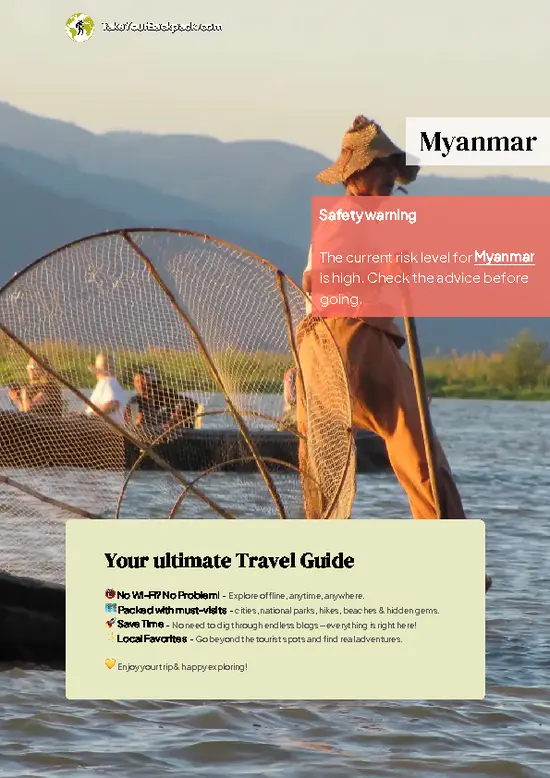
An offline-friendly backpacking guide with optimized travel routes, ranked highlights, transport advice, and the best areas to stay.
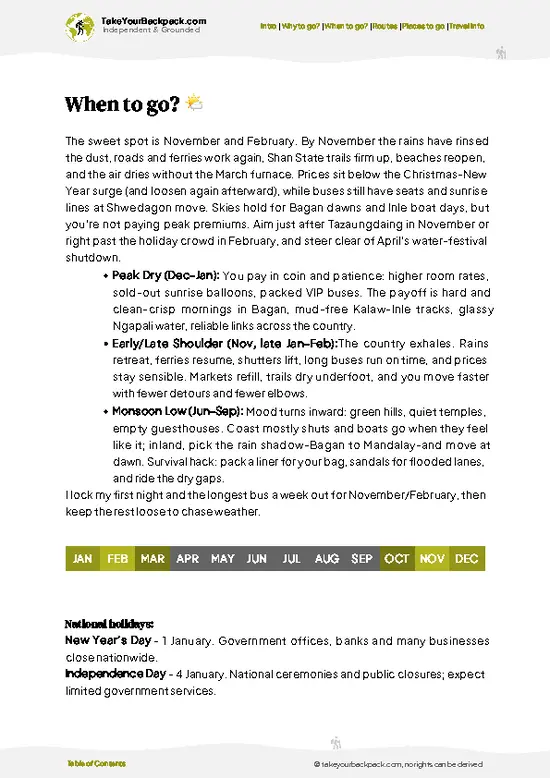
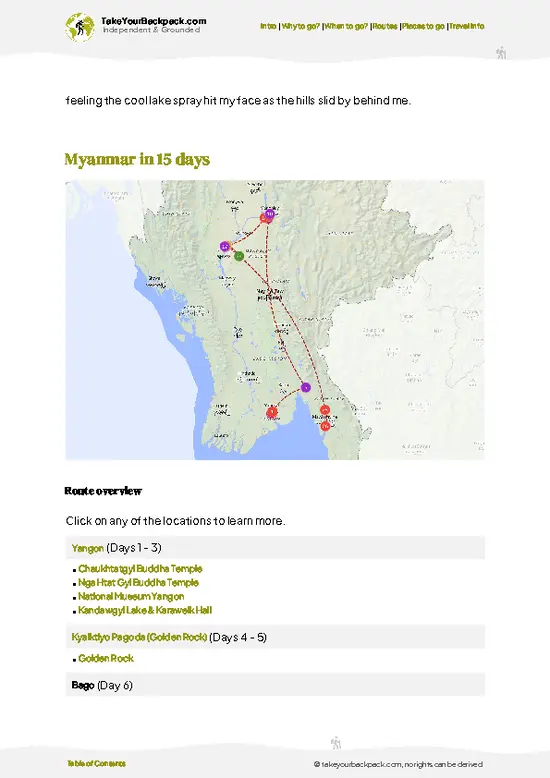
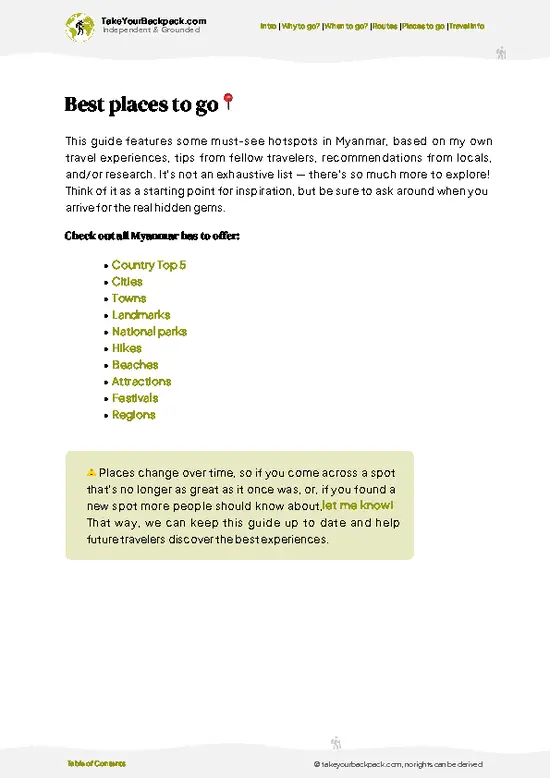
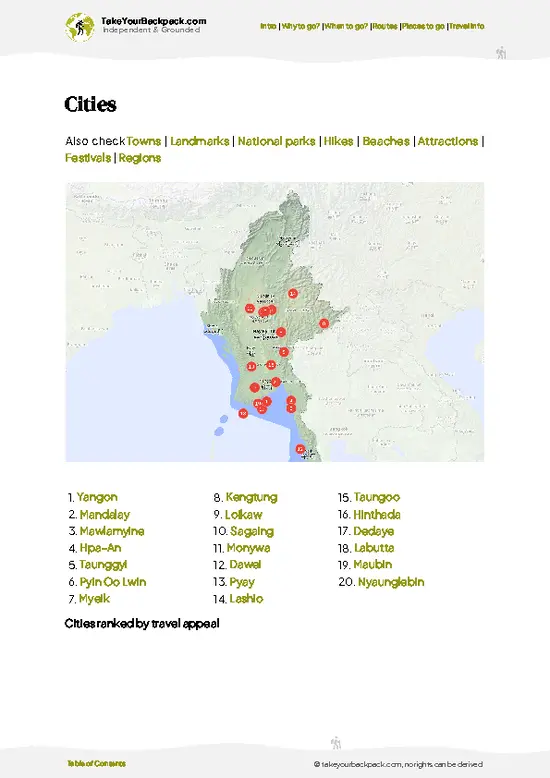
example page 0 from our offline Travel Guide for Myanmar
example page 1 from our offline Travel Guide for Myanmar
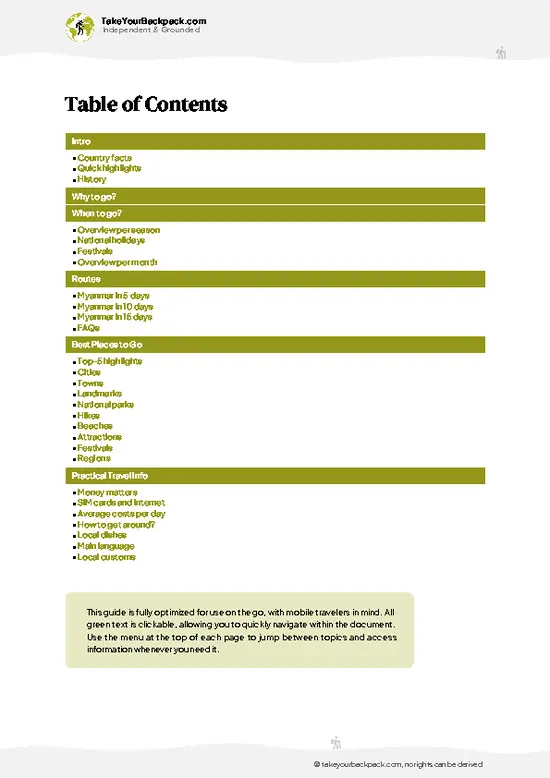
example page 2 from our offline Travel Guide for Myanmar
example page 3 from our offline Travel Guide for Myanmar
example page 4 from our offline Travel Guide for Myanmar
example page 5 from our offline Travel Guide for Myanmar
example page 6 from our offline Travel Guide for Myanmar
example page 7 from our offline Travel Guide for Myanmar
The digital guide (405 pages) contains:
110 highlights, ranked by travel appeal
Optimized 5, 10 & 15-day travel routes
Cities, national parks, landmarks, beaches
How to get around
Offline-friendly for travel without Wi-Fi
👉 Click to see all 30+ guide features

📅 Plan smarter in minutes, not weeks
Month by month travel advice
Festivals & national holidays
Budget expectations

🗺️ Go to the right places, skip the overrated ones
Honest pros & cons of destinations
Top hikes, parks & viewpoints
Lesser-known places most travelers miss
Clear “worth it vs skip it” guidance

🛏️ Travel smoothly without rookie mistakes
Best areas to stay
Transport systems explained simply
Common scams & safety advice
SIM cards, money & practical tips

🌍 Understand the country, not just visit it
Culture & traditions
52 Essential phrases & customs
Festivals worth planning around
Traveler-friendly historical context
Insights that make places more meaningful

📱 Built for real travel conditions
Fully downloadable PDF
Works completely offline
Optimized for phone use
Useful in remote areas & buses
Everything in one place
Save weeks of stressful planning
Get instant access to your full guide. 30‑day money-back guarantee.


By proceeding you agree to our terms.
Sent to your inbox immediately after payment • 100% Secure Checkout
Best Backpacking Travel Advisor 2025 tourism awardBest Backpacking
Travel Advisor
2025
What others say about Take Your Backpack Guides:
⭐⭐⭐⭐⭐
Fantastic, amazing amount of information!
⭐⭐⭐⭐⭐
My goodness this is amazing, it's what I've been looking for hats off too you!
⭐⭐⭐⭐⭐
I think this is absolutely BRILLIANT
⭐⭐⭐⭐
Very complete and informative. It's still missing places, but I gotta to commend you
⭐⭐⭐⭐⭐
This is truly amazing, thank you, can't wait to explore it with my kids!
⭐⭐⭐⭐⭐
Awesome resource, thank you!
⭐⭐⭐⭐⭐
This is amazing! Can't wait to explore the ones I haven't seen
⭐⭐⭐⭐
I love this! Well done, great idea.
⭐⭐⭐⭐⭐
Thanks for taking the time to make this gem!
⭐⭐⭐⭐⭐
This might be the best website I've ever seen.
⭐⭐⭐⭐⭐
Congratulations, and thank you so much for your work; it's incredibly valuable.
⭐⭐⭐⭐
In all seriousness I think you did a great job pointing out the important spots
⭐⭐⭐⭐⭐
10/10 very good
⭐⭐⭐⭐⭐
As someone who's only just starting to visit regularly this is awesome, thank you.
⭐⭐⭐⭐
Thank you very much! I'm going to visit my dad, it's going to be very useful!
⭐⭐⭐⭐⭐
This is really cool! We'll be travelling for the first time and this definitely come in handy.
⭐⭐⭐⭐⭐
You are now our minister of culture, congratulations 👨‍💼
⭐⭐⭐⭐⭐
Just wanted to tell you that this is a pearl! Going to follow your recommendations.
⭐⭐⭐⭐⭐
This is so cool. I'll definitely be using the resource for my travels soon.
⭐⭐⭐⭐⭐
This is very impressive! Good work.
⭐⭐⭐⭐⭐
This is an amazing and informative site. Very well done!

🛏️ Where to stay?Best areas to stay in Myanmar

When you’re gearing up for the Phaung Daw Oo Festival in Myanmar, the right base can make all the difference. Head to Nyaung Shwe, the bustling gateway to Inle Lake. This area is alive with energy, filled with backpacker-friendly spots. You’ll find a mix of cozy guesthouses and lively hostels where you can swap stories with fellow travelers. The vibe is social, and the proximity to the festival means you won’t miss a beat.

Another solid option is the village of Inle Lake itself. It’s quieter than Nyaung Shwe but offers a unique charm. You can wake up to the sound of fishermen casting their nets … read more 👉
When you’re gearing up for the Phaung Daw Oo Festival in Myanmar, the right base can make all the difference. Head to Nyaung Shwe, the bustling gateway to Inle Lake. This area is alive with energy, filled with backpacker-friendly spots. You’ll find a mix of cozy guesthouses and lively hostels where you can swap stories with fellow travelers. The vibe is social, and the proximity to the festival means you won’t miss a beat.

Another solid option is the village of Inle Lake itself. It’s quieter than Nyaung Shwe but offers a unique charm. You can wake up to the sound of fishermen casting their nets and enjoy a more laid-back atmosphere. Plus, you’ll have easy access to local markets and boat tours.

Don’t overlook the importance of safety. Stick to well-trodden paths and areas known for their backpacker scene. This way, you’ll keep your energy focused on the festival’s excitement rather than worrying about your surroundings.

Stay smart, stay social, and let the festival sweep you into its vibrant embrace!

👛 Costs (as of 25 January 2026)Typical daily expenses

The Phaung Daw Oo Festival in Myanmar is a vibrant celebration, but navigating the costs can be tricky. Here’s a breakdown to keep your budget in check while you soak in the experience.
  • Festival Tickets: Entry to the festival is generally free, but you might want to budget around $5 to $10 for special events or activities. Some boat rides to see the festivities can cost about $15 to $30, depending on the distance and duration.
  • Accommodation: Expect to pay between $15 and $50 per night for a decent guesthouse or hotel. Prices can spike during the festival, so booking in advance is crucial. For a more local experience, consider homestays, which can range from $10 to $25.
  • Local Transport: Getting around can be done cheaply. Local buses and shared taxis cost around $1 to $3. If you opt for a private
read more 👉
The Phaung Daw Oo Festival in Myanmar is a vibrant celebration, but navigating the costs can be tricky. Here’s a breakdown to keep your budget in check while you soak in the experience.
  • Festival Tickets: Entry to the festival is generally free, but you might want to budget around $5 to $10 for special events or activities. Some boat rides to see the festivities can cost about $15 to $30, depending on the distance and duration.
  • Accommodation: Expect to pay between $15 and $50 per night for a decent guesthouse or hotel. Prices can spike during the festival, so booking in advance is crucial. For a more local experience, consider homestays, which can range from $10 to $25.
  • Local Transport: Getting around can be done cheaply. Local buses and shared taxis cost around $1 to $3. If you opt for a private taxi, budget $10 to $20 for a day’s hire. Renting a bicycle is also a great way to explore, typically costing about $2 to $5 per day.
  • Food & Drinks: Street food is your best friend here. Meals can range from $1 to $5, while dining in a local restaurant might set you back $5 to $15. Don’t forget to try the local tea shops for a refreshing drink, usually around $0.50 to $2.
  • Miscellaneous Expenses: Set aside about $10 to $20 for souvenirs, tips, or unexpected costs. This could include small donations at temples or purchasing local crafts. Always good to have a buffer!

Keep these figures in mind to avoid surprises. The key is to plan ahead, so you can focus on enjoying the festival without worrying about your wallet.
⚠️ Prices can change and everyone travels differently, so take this as a rough guide. Hope it helps you plan your adventure!

🍲 FoodLocal Flavors for Backpackers

At the Phaung Daw Oo festival, food and drink are as vibrant as the celebrations themselves. You’ll find **local specialties** like **Mohinga**, a savory fish soup that’s a breakfast staple, and **Samosas** stuffed with spiced potatoes, perfect for snacking as you wander. Don’t miss out on **Tea Leaf Salad**—a crunchy, tangy mix that’s a burst of flavor and a true taste of Myanmar.

Festival stalls are bustling with energy, and the **drinks** are just as enticing. Grab a cup of **sweet tea** or try the local **beer**; it’s refreshing after a day of exploring. If you’re feeling adventurous, seek out **palm wine**—it’s a unique experience that pairs well with the festive atmosphere.

Be prepared for some **quirks**. Sharing is common, so don’t hesitate to offer a taste of your dish to a fellow … read more 👉
At the Phaung Daw Oo festival, food and drink are as vibrant as the celebrations themselves. You’ll find **local specialties** like **Mohinga**, a savory fish soup that’s a breakfast staple, and **Samosas** stuffed with spiced potatoes, perfect for snacking as you wander. Don’t miss out on **Tea Leaf Salad**—a crunchy, tangy mix that’s a burst of flavor and a true taste of Myanmar.

Festival stalls are bustling with energy, and the **drinks** are just as enticing. Grab a cup of **sweet tea** or try the local **beer**; it’s refreshing after a day of exploring. If you’re feeling adventurous, seek out **palm wine**—it’s a unique experience that pairs well with the festive atmosphere.

Be prepared for some **quirks**. Sharing is common, so don’t hesitate to offer a taste of your dish to a fellow festival-goer. Lines can get long, especially for popular stalls, so patience is key. Cash is king here; many vendors don’t accept cards, so stock up on kyats. Serving sizes are generous, so consider splitting dishes to sample more flavors without overdoing it. Embrace the chaos, and let the food fuel your adventure!

Other Burmese festivals near Phaung Daw Oo

Explore more nearby:


💡 Not sure where to go next?
Create a personalized itinerary for Myanmar including Phaung Daw Oo and the places that fit your trip.

Generate my itinerary

👉 Discover all festivals

Or checkout all Myanmar has to offer (think cities, towns, villages, national parks, hikes, beaches, festivals)
Country photo of Myanmar

We 💚 feedbackParting advice and final tips

Phaung Daw Oo is a vibrant celebration of culture and spirituality, where the energy of the festival pulses through the air. You’ll feel the thrill of the boat races and the warmth of the locals. But here’s the catch: accommodations can get pricey and scarce during the festival. Plan ahead to avoid scrambling last minute. Embrace the chaos, and you’ll find the real magic in the moments that unfold.

✈️ When did I visit Myanmar?
In November 2013 I backpacked through Myanmar, bringing a full stack of pristine dollar bills as they had no ATMs back then.

✍️ Help improve this page!
The information on this page is based on my own backpacking experience in Myanmar, supplemented with up-to-date research and feedback from other travelers. Travel details can change, so if you notice anything outdated or incomplete, feel free to let me know.


🙋‍♂️ Give feedback

👋 Meet the founderWho’s Behind Take Your Backpack?

Johan, backpacker and founder of TakeYourBackpackHi, I’m Johan (Netherlands 🇳🇱), the creator of TakeYourBackpack. Over the past decade, I’ve backpacked through 80+ countries across six continents, gaining extensive experience with independent travel, long-term trips, and overland routes.

This site is built on a combination of firsthand travel experience and carefully curated insights from other backpackers. Many guides are based on places I’ve personally visited, while others bring together tips, observations, and practical advice shared by trusted travelers I’ve met along the way.

The goal is to provide realistic, experience-driven guidance — not generic itineraries — so you can explore destinations with better context, clearer expectations, and more confidence.

Get full Myanmar guide •
Instant download • 110 highlights • Full Offline guide