×

Myanmar🇲🇲 | best festivalsTop-Rated 10 festivals in Myanmar

Festivals in Myanmar (previously Burma) are vibrant expressions of culture, deeply rooted in local traditions and seasonal cycles. Each region offers unique celebrations, from the water-splashing exuberance of Thingyan in April to the colorful lantern displays of the Tazaungdaing Festival in November. For backpackers, the choice of festival can significantly shape your experience. Timing affects not only the crowds but also your budget and safety. Some festivals attract large gatherings, while others provide a more intimate glimpse into local life. Understanding these nuances ensures that your journey is not just a trip, but a meaningful dive into Myanmar’s rich cultural tapestry.

By Johan Kruseman 🇳🇱 | Updated June 7, 2026
Explore the best regions in Myanmar

Why go?Key Factors That Shape the Experience

Festivals in Myanmar are a vibrant expression of the country’s rich cultural tapestry, deeply rooted in Buddhist traditions and local customs. Unlike many other countries, Myanmar’s festivals often revolve around the lunar calendar, creating a unique rhythm that aligns with the agricultural cycle. This timing not only enhances the spiritual significance of the events but also invites travelers to witness the communal spirit that defines these celebrations.

However, the logistical challenges can be significant. Many festivals draw large crowds, which can lead to overwhelmed infrastructure and inflated prices for accommodations and transportation. Travelers must weigh the immersion of experiencing a festival against the potential discomfort of navigating throngs of people. The energy is palpable, … read more 👉
Festivals in Myanmar are a vibrant expression of the country’s rich cultural tapestry, deeply rooted in Buddhist traditions and local customs. Unlike many other countries, Myanmar’s festivals often revolve around the lunar calendar, creating a unique rhythm that aligns with the agricultural cycle. This timing not only enhances the spiritual significance of the events but also invites travelers to witness the communal spirit that defines these celebrations.

However, the logistical challenges can be significant. Many festivals draw large crowds, which can lead to overwhelmed infrastructure and inflated prices for accommodations and transportation. Travelers must weigh the immersion of experiencing a festival against the potential discomfort of navigating throngs of people. The energy is palpable, but it can also be exhausting.

Myanmar’s diverse geography means that festivals can vary widely in accessibility. Remote areas may offer a more authentic experience but require considerable travel time, which can detract from the overall journey. Conversely, more accessible locations might sacrifice depth for convenience, leading to a less meaningful experience.

Understanding the climatic conditions is crucial as well. The dry season, typically from November to February, is ideal for festival attendance, but it also coincides with peak tourist season, resulting in higher costs and larger crowds. Balancing these factors is essential for a rewarding festival experience in Myanmar.
Behind the Scenes of Selection
The list of best festivals in Myanmar is created based on energy, traditions, crowd experience, activities, and overall excitement. If you feel a festival is missing in this list, please let us know.

When to go?Timing Your Visit for the Best Experience

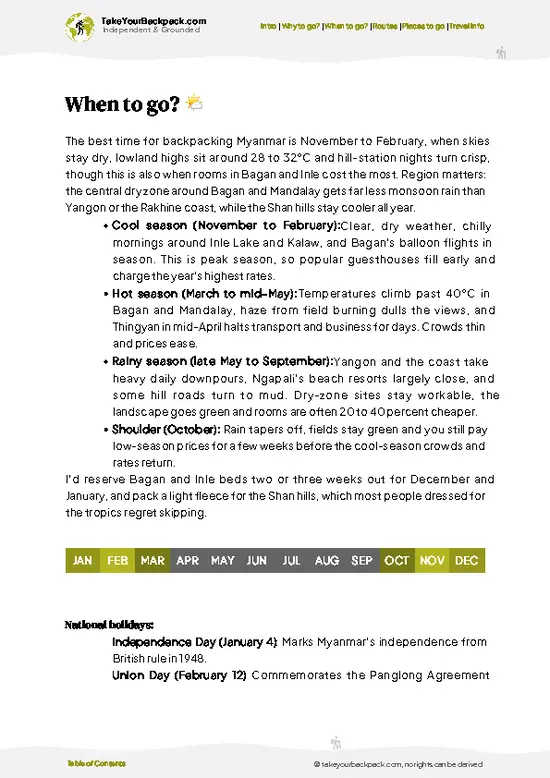
Seasonality plays a crucial role in Myanmar’s festival landscape. The country experiences a tropical monsoon climate, which means that weather can significantly influence festival timing and attendance. The dry season, typically from November to February, is when most major festivals occur. This period offers pleasant temperatures and lower humidity, making it ideal for outdoor celebrations. However, this is also peak tourist season, leading to larger crowds and higher accommodation costs.

March to May marks the hot season, where temperatures can soar. Festivals during this time may be less crowded, but the heat can be intense. Travelers might find a more authentic experience, yet the discomfort of the weather can detract from enjoyment.

June to October brings the monsoon, which can limit … read more 👉
Seasonality plays a crucial role in Myanmar’s festival landscape. The country experiences a tropical monsoon climate, which means that weather can significantly influence festival timing and attendance. The dry season, typically from November to February, is when most major festivals occur. This period offers pleasant temperatures and lower humidity, making it ideal for outdoor celebrations. However, this is also peak tourist season, leading to larger crowds and higher accommodation costs.

March to May marks the hot season, where temperatures can soar. Festivals during this time may be less crowded, but the heat can be intense. Travelers might find a more authentic experience, yet the discomfort of the weather can detract from enjoyment.

June to October brings the monsoon, which can limit festival activities. While some events may still take place, heavy rains can dampen the atmosphere and reduce attendance. This period offers lower prices and fewer tourists, but the trade-off is a less vibrant festival experience.

Shoulder seasons, particularly late October and early November, can be a sweet spot. Travelers may encounter fewer crowds while still enjoying the tail end of the festival season. Balancing the desire for lively celebrations with the realities of weather and crowds is essential for planning an enriching visit.

festival hoppingOptimizing Your Multi-Stop Itinerary

Myanmar’s festival landscape is rich and varied, making it essential to plan strategically to experience the best without feeling rushed. Start by clustering festivals regionally. The central region, including Mandalay and Bagan, hosts several significant events. This allows for efficient travel and minimizes time spent on the road.

Timing is crucial. Many festivals occur around the same time, especially during the dry season from November to February. Prioritize major events like Thingyan (Water Festival) in April, which is a nationwide celebration, and plan surrounding stops to capture local flavor.

Realistic pacing is vital. Allocate at least two to three days per major festival to soak in the atmosphere and avoid burnout. This means balancing high-energy events with quieter days for … read more 👉
Myanmar’s festival landscape is rich and varied, making it essential to plan strategically to experience the best without feeling rushed. Start by clustering festivals regionally. The central region, including Mandalay and Bagan, hosts several significant events. This allows for efficient travel and minimizes time spent on the road.

Timing is crucial. Many festivals occur around the same time, especially during the dry season from November to February. Prioritize major events like Thingyan (Water Festival) in April, which is a nationwide celebration, and plan surrounding stops to capture local flavor.

Realistic pacing is vital. Allocate at least two to three days per major festival to soak in the atmosphere and avoid burnout. This means balancing high-energy events with quieter days for recovery.

Common pitfalls include underestimating travel times between locations. Roads can be unpredictable, so factor in extra time. Additionally, avoid the temptation to cram too many festivals into a short period. This often leads to a superficial experience rather than meaningful engagement.

Flexibility is key. Be prepared to adjust plans based on local conditions or festival schedules. This adaptability can enhance the overall experience, allowing for deeper connections with the culture and people.

The ListTop festivals of Myanmar

1 Thingyan

water throwing, street parties, traditional music

Navigate lively streets as locals celebrate the New Year by dousing each other with water, sharing food, and performing music and dance.

2 Taunggyi Balloon Festival

nighttime balloons, fireworks, Shan hills

Witness giant handmade balloons soar and burst with fireworks above Taunggyi, as crowds gather for a dramatic, high-altitude spectacle.

3 Phaung Daw Oo

Inle Lake, gilded Buddha images, ceremonial barges

Watch sacred Buddha images circle Inle Lake by ornate barge, with villages uniting for boat races, rituals, and lakeside festivities.

4 Thadingyut

candle-lit streets, family gatherings, pagoda illuminations

See cities and villages glow with candles and lanterns as families reunite and pagodas shine to mark the end of Buddhist Lent.

5 Ananda Pagoda Festival

Bagan plains, sand pagodas, caravan camps

Camp alongside pilgrims at Bagan’s ancient temples, where rural communities gather to trade, donate, and celebrate with processions and food.

6 Kachin Manaw

totem poles, mass dance, tribal regalia

Join thousands in Myitkyina as Kachin communities gather to dance, honor ancestors, and display intricate traditional dress in a rare communal celebration.

7 Naga New Year Festival

mountain villages, warrior dances, tribal feasts

Travel to remote hills to join Naga tribes in elaborate dances, feasting, and rituals that mark the start of their traditional calendar.

8 Kyaukse Elephant Dance Festival

papier-mâché elephants, drum troupes, town square

Watch teams animate giant elephant costumes to the beat of drums, competing for prizes in Kyaukse’s lively town center.

9 Tazaungdaing

hot air lanterns, night markets, robe weaving

Experience Myanmar’s skies lit by handmade lanterns, while locals weave robes and offer alms to monks during this full moon festival.

10 Shwedagon Pagoda Festival

Yangon landmark, alms giving, gold leaf offerings

Observe thousands of devotees encircling Myanmar’s most sacred stupa, offering alms and gold leaf in a display of devotion and community.

11 Pindaya Cave Festival

hilltop caves, Shan pilgrims, local markets

Climb to limestone caves filled with Buddha images, joining pilgrims and traders for prayers, food, and a vibrant hillside market.

12 Kason Watering Festival

Bodhi tree, holy water, temple processions

Join locals as they pour water at sacred Bodhi trees, commemorating Buddha’s birth and enlightenment with temple visits and quiet rituals.

13 Shwezigon Pagoda Festival

Nyaung-U, food stalls, alms processions

Experience a bustling temple fair at Shwezigon, with pilgrims donating to monks, sampling local snacks, and enjoying traditional performances.

14 Tabaung Festival

full moon, pagoda fairs, merit making

Join crowds at pagodas during the full moon, where families gather for fairs, donate to monks, and participate in Buddhist rituals.

15 Shwe Kyin Light Festival

riverbank candles, bamboo rafts, monastic rituals

Watch thousands of candles float down the river at dusk, illuminating Shwe Kyin as monks and villagers perform riverside ceremonies.

16 Nat Pwe Festival

spirit mediums, trance dances, Mount Popa

Observe spirit worship at Mount Popa, where mediums enter trance, devotees make offerings, and music fills the air for days on end.

17 Chin National Day

mountain parades, traditional wrestling, ethnic costumes

Attend parades and sporting contests in Chin State, where diverse groups showcase their heritage through music, dance, and colorful attire.

Think you know Myanmar?

Prove you’re a true local — uncover 7 lesser-known festivals in Myanmar that locals tend to keep to themselves.
Loading the map 🌍

Expert viewInsights from Locals and Experts

Energy & Timing
Myanmar’s festival calendar is a vibrant tapestry of cultural expression, but timing is everything. The peak season for festivals generally aligns with the dry months from November to February. This is when the weather is most comfortable, allowing you to enjoy the festivities without the oppressive heat or monsoon rains. However, this is also when the crowds swell. If you’re looking to avoid the throngs, consider attending festivals just before or after peak season. You’ll still experience the essence of the celebrations but with a bit more breathing room.

Crowd Management
Plan to attend two to three festivals during your visit. This allows you to immerse yourself without feeling rushed. Each festival has its own unique flavor, but they can also draw large crowds. Arrive … read more 👉
Energy & Timing
Myanmar’s festival calendar is a vibrant tapestry of cultural expression, but timing is everything. The peak season for festivals generally aligns with the dry months from November to February. This is when the weather is most comfortable, allowing you to enjoy the festivities without the oppressive heat or monsoon rains. However, this is also when the crowds swell. If you’re looking to avoid the throngs, consider attending festivals just before or after peak season. You’ll still experience the essence of the celebrations but with a bit more breathing room.

Crowd Management
Plan to attend two to three festivals during your visit. This allows you to immerse yourself without feeling rushed. Each festival has its own unique flavor, but they can also draw large crowds. Arrive early to secure a good spot, especially for parades or performances. If you’re not keen on jostling for space, consider less popular festivals that still showcase local traditions. They often provide a more intimate experience and allow for genuine interactions with locals.

Budget & Comfort
Festivals can be a mixed bag when it comes to costs. While many events are free, the associated expenses—like transportation, food, and accommodation—can add up quickly. Expect to spend a bit more during festival times, as prices for lodging can spike. If you’re on a tighter budget, look for guesthouses or homestays that offer festival packages. These often include meals and transportation, giving you a hassle-free experience. Just remember, comfort can be a trade-off; some accommodations may be basic, but they provide a unique insight into local life.

Cultural Context
Understanding the cultural significance of each festival is crucial. Many celebrations are deeply rooted in Buddhist traditions, with rituals that may seem unfamiliar. Be respectful of local customs, especially when it comes to dress codes and behavior. For instance, during the Thingyan Water Festival, it’s customary to engage in water fights, but be mindful of how you participate. A little research goes a long way in ensuring you don’t inadvertently offend anyone.

Infrastructure & Travel Constraints
Myanmar’s infrastructure can be a challenge. Roads may be less reliable, and public transport can be crowded during festival times. Factor in extra travel time when planning your itinerary. Domestic flights can be a quicker option, but they often come with their own set of complications, like delays. If you’re traveling between festivals, consider hiring a private driver for more flexibility. This can be a worthwhile investment, especially if you’re traveling with a group.

Safety Considerations
While Myanmar is generally safe for travelers, it’s wise to stay alert during festivals. Crowds can attract pickpockets, so keep your belongings secure. Additionally, be cautious about consuming street food; while it can be delicious, it’s also a common source of stomach issues. Stick to vendors that seem busy and popular with locals, as this usually indicates fresher food.

In summary, Myanmar’s festivals offer a rich tapestry of experiences, but they require thoughtful planning. By prioritizing your festival choices, managing your budget, and respecting local customs, you can navigate the vibrant chaos with confidence. Embrace the energy, but stay grounded in practical considerations to make the most of your journey.

✈️ The backpacker research shortcutMyanmar Travel Guide

An offline-friendly backpacking guide with optimized travel routes, ranked highlights, transport advice, and the best areas to stay.
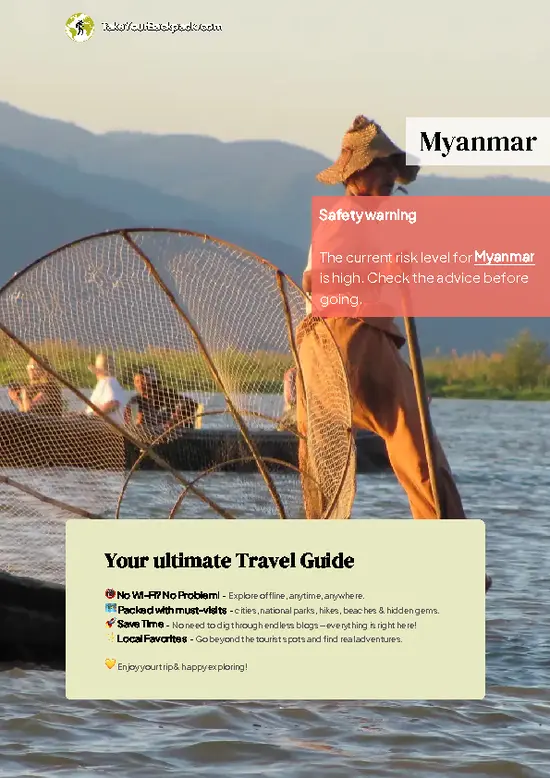
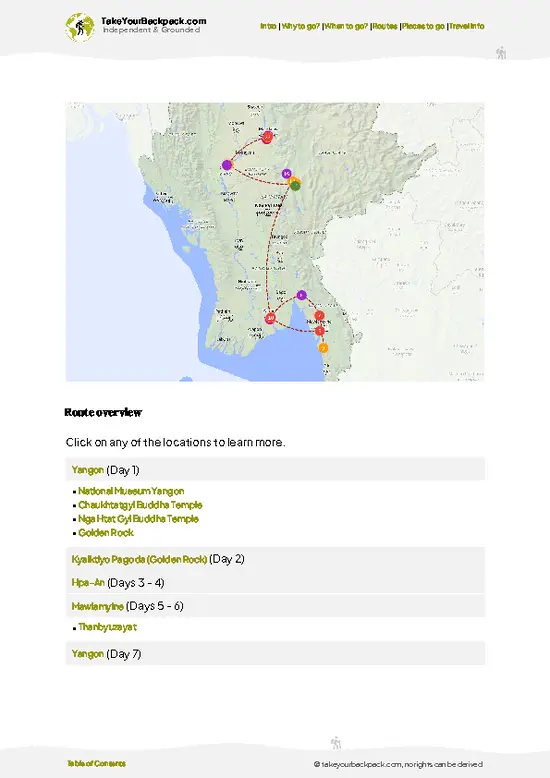
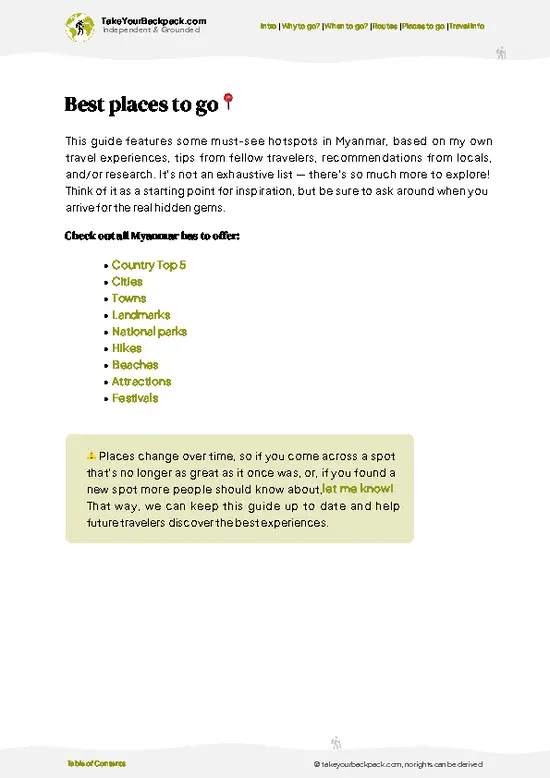
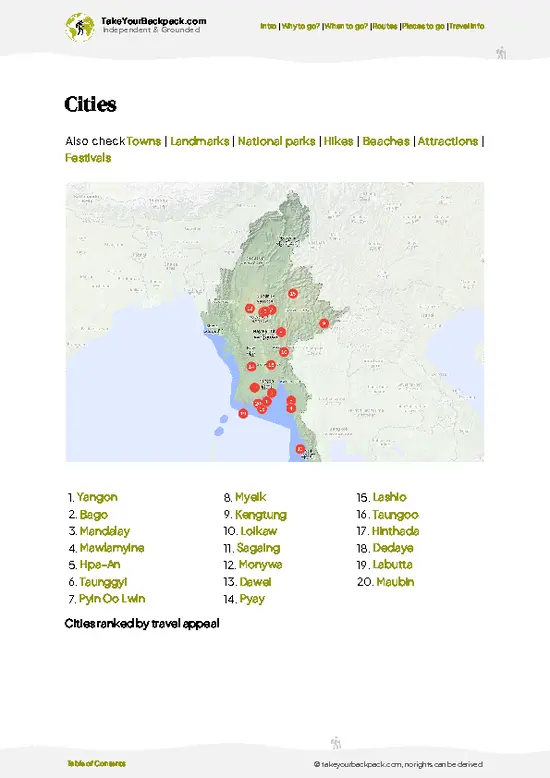
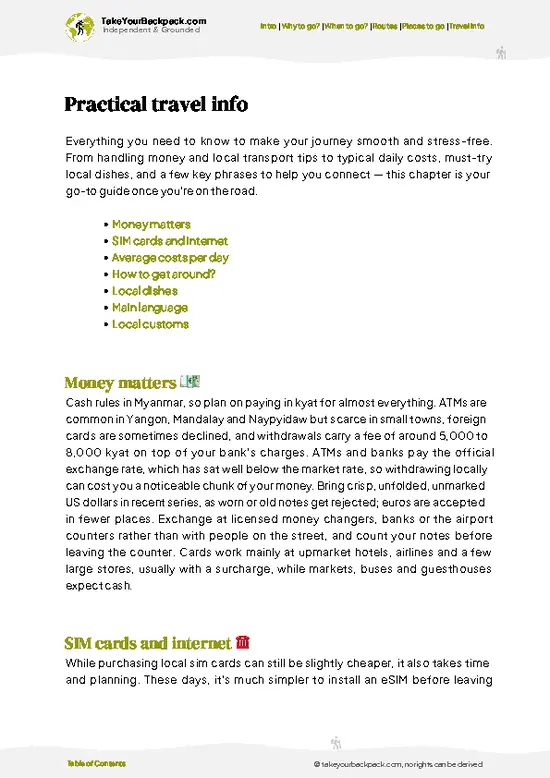
example page 0 from our offline Travel Guide for Myanmar
example page 1 from our offline Travel Guide for Myanmar
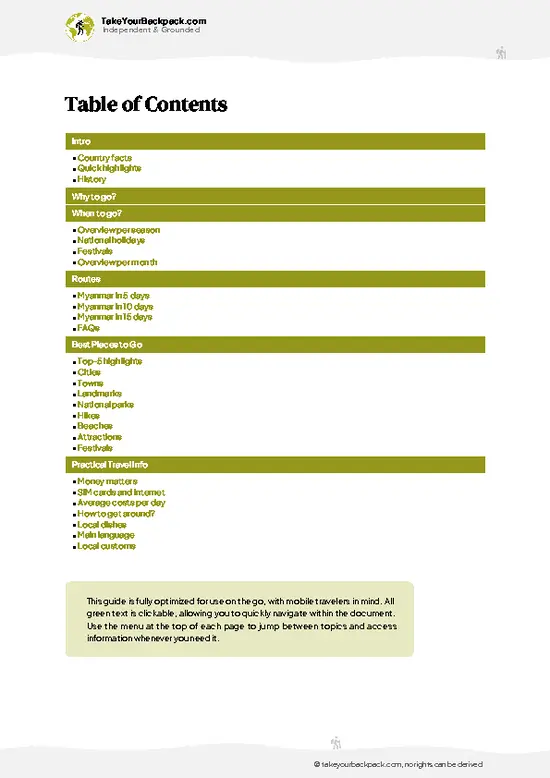
example page 2 from our offline Travel Guide for Myanmar
example page 3 from our offline Travel Guide for Myanmar
example page 4 from our offline Travel Guide for Myanmar
example page 5 from our offline Travel Guide for Myanmar
example page 6 from our offline Travel Guide for Myanmar
example page 7 from our offline Travel Guide for Myanmar
The digital guide (405 pages) contains:
110 highlights, ranked by travel appeal
Optimized 5, 10 & 15-day travel routes
Cities, national parks, landmarks, beaches
How to get around
Offline-friendly for travel without Wi-Fi
👉 Click to see all 30+ guide features

📅 Plan smarter in minutes, not weeks
Month by month travel advice
Festivals & national holidays
Budget expectations

🗺️ Go to the right places, skip the overrated ones
Honest pros & cons of destinations
Top hikes, parks & viewpoints
Lesser-known places most travelers miss
Clear “worth it vs skip it” guidance

🛏️ Travel smoothly without rookie mistakes
Best areas to stay
Transport systems explained simply
Common scams & safety advice
SIM cards, money & practical tips

🌍 Understand the country, not just visit it
Culture & traditions
52 Essential phrases & customs
Festivals worth planning around
Traveler-friendly historical context
Insights that make places more meaningful

📱 Built for real travel conditions
Fully downloadable PDF
Works completely offline
Optimized for phone use
Useful in remote areas & buses
Everything in one place
Save weeks of stressful planning
Get instant access to your full guide. 30‑day money-back guarantee.


By proceeding you agree to our terms.
Sent to your inbox immediately after payment • 100% Secure Checkout
Best Backpacking Travel Advisor 2025 tourism awardBest Backpacking
Travel Advisor
2025
What others say about Take Your Backpack Guides:
⭐⭐⭐⭐⭐
Fantastic, amazing amount of information!
⭐⭐⭐⭐⭐
My goodness this is amazing, it's what I've been looking for hats off too you!
⭐⭐⭐⭐⭐
I think this is absolutely BRILLIANT
⭐⭐⭐⭐
Very complete and informative. It's still missing places, but I gotta to commend you
⭐⭐⭐⭐⭐
This is truly amazing, thank you, can't wait to explore it with my kids!
⭐⭐⭐⭐⭐
Awesome resource, thank you!
⭐⭐⭐⭐⭐
This is amazing! Can't wait to explore the ones I haven't seen
⭐⭐⭐⭐
I love this! Well done, great idea.
⭐⭐⭐⭐⭐
Thanks for taking the time to make this gem!
⭐⭐⭐⭐⭐
This might be the best website I've ever seen.
⭐⭐⭐⭐⭐
Congratulations, and thank you so much for your work; it's incredibly valuable.
⭐⭐⭐⭐
In all seriousness I think you did a great job pointing out the important spots
⭐⭐⭐⭐⭐
10/10 very good
⭐⭐⭐⭐⭐
As someone who's only just starting to visit regularly this is awesome, thank you.
⭐⭐⭐⭐
Thank you very much! I'm going to visit my dad, it's going to be very useful!
⭐⭐⭐⭐⭐
This is really cool! We'll be travelling for the first time and this definitely come in handy.
⭐⭐⭐⭐⭐
You are now our minister of culture, congratulations 👨‍💼
⭐⭐⭐⭐⭐
Just wanted to tell you that this is a pearl! Going to follow your recommendations.
⭐⭐⭐⭐⭐
This is so cool. I'll definitely be using the resource for my travels soon.
⭐⭐⭐⭐⭐
This is very impressive! Good work.
⭐⭐⭐⭐⭐
This is an amazing and informative site. Very well done!

🛏️ Where to stay?Best Stay Options in Myanmar

Yes — Myanmar has hostels and budget accommodation concentrated in major tourist hubs: Yangon (downtown/Sule/Chinatown), Mandalay (near the palace/Zegyo market), Bagan (Nyaung-U), Inle Lake (Nyaung Shwe), Ngapali (Thandwe), and trekking towns like Hsipaw.
Yangon is cheapest and best for transport, markets and nightlife but can be noisy and crowded; Mandalay gives easy access to the palace and onward transport but has fewer hostel options; Nyaung-U/Bagan puts you closest to temples and bike rental but is touristy and dusty; Nyaung Shwe/Inle offers lakeside access and boat tours yet is more remote with limited nightlife; Ngapali means beach quiet and higher prices with fewer true hostels; Hsipawread more 👉
Yes — Myanmar has hostels and budget accommodation concentrated in major tourist hubs: Yangon (downtown/Sule/Chinatown), Mandalay (near the palace/Zegyo market), Bagan (Nyaung-U), Inle Lake (Nyaung Shwe), Ngapali (Thandwe), and trekking towns like Hsipaw.
Yangon is cheapest and best for transport, markets and nightlife but can be noisy and crowded; Mandalay gives easy access to the palace and onward transport but has fewer hostel options; Nyaung-U/Bagan puts you closest to temples and bike rental but is touristy and dusty; Nyaung Shwe/Inle offers lakeside access and boat tours yet is more remote with limited nightlife; Ngapali means beach quiet and higher prices with fewer true hostels; Hsipaw is small, safe and ideal for treks with basic guesthouses rather than full-service hostels.

If you enjoy meeting fellow travelers, consider choosing hostels with high ratings for atmosphere. On the other hand, if you prefer having your own space, a hotel might be a better option.

MyanmarWhere to Go Next

👋 Meet the founderWho’s Behind Take Your Backpack?

Johan, backpacker and founder of TakeYourBackpackHi, I’m Johan (Netherlands 🇳🇱), the creator of TakeYourBackpack. Over the past decade, I’ve backpacked through 80+ countries across six continents, gaining extensive experience with independent travel, long-term trips, and overland routes.

This site is built on a combination of firsthand travel experience and carefully curated insights from other backpackers. Many guides are based on places I’ve personally visited, while others bring together tips, observations, and practical advice shared by trusted travelers I’ve met along the way.

The goal is to provide realistic, experience-driven guidance — not generic itineraries — so you can explore destinations with better context, clearer expectations, and more confidence.

Get full Myanmar guide •
Instant download • 110 highlights • Full Offline guide