×

Myanmar🇲🇲 | citiesSittwe
Bay of Bengal, seafood markets, Rakhine culture | things to do and best time to go

Explore ShweboExplore Taunggyi

Backpacking in Sittwe
👍 Recommendedcity ranked #14
By Johan Kruseman 🇳🇱 | Updated May 11, 2026

Everyone talks about Sittwe as just the jumping-off point for Mrauk U, but if you only treat it like a bus stop you miss the real trade-offs: time in a raw, coastal frontier city versus racing straight to the “headline” ruins. Sittwe sits on Myanmar’s west coast in Rakhine State, where the Kaladan River hits the Bay of Bengal. It’s scruffy, poor, and politically tense, with limited nightlife and few other backpackers, but that’s also why it feels real. The riverfront, fish market at dawn, and old colonial streets are fascinating, cheap, and slightly exhausting. Compared with Yangon or Mandalay, Sittwe is harder work, less safe after dark in certain quarters, and logistically clunkier, but if you like edge and unpolished port cities, it quietly outperforms them on atmosphere per dollar and forces you to think harder about how you spend your time.

Discover everything you want to know in the 📖 Myanmar Travel Guide.
Safety warning

The current risk level for Myanmar is high. Check the advice before going.


Get your Myanmar Travel Guide
Loading the map 🌍
CLICK TO FILTER
city
town
unique site
national park
hike
beach
attraction
festival
region
SHOW COUNTRY‘S BESTSHOW ALL

✨ Why go?
Ranked #14 city in Myanmar
What makes this city worth visiting

Sittwe is a strategic stop for backpackers navigating Myanmar. It’s not just about the highlights; it’s about the basecamp value. From here, you can easily launch into day trips that showcase the region’s beauty. The hostels are budget-friendly and often buzzing with fellow travelers, making it easy to swap stories and tips.

The food scene is a delightful mix of local flavors, and you can grab a satisfying meal without breaking the bank. Plus, the city is walkable, allowing you to soak in the atmosphere without the hassle of transport.

When the sun sets, Sittwe’s nightlife offers a laid-back vibe, perfect for winding down after a day of exploration. And if you’re ready to move on, onward travel options are straightforward, keeping your journey fluid.

In short, Sittwe is a practical pit read more 👉
Sittwe is a strategic stop for backpackers navigating Myanmar. It’s not just about the highlights; it’s about the basecamp value. From here, you can easily launch into day trips that showcase the region’s beauty. The hostels are budget-friendly and often buzzing with fellow travelers, making it easy to swap stories and tips.

The food scene is a delightful mix of local flavors, and you can grab a satisfying meal without breaking the bank. Plus, the city is walkable, allowing you to soak in the atmosphere without the hassle of transport.

When the sun sets, Sittwe’s nightlife offers a laid-back vibe, perfect for winding down after a day of exploration. And if you’re ready to move on, onward travel options are straightforward, keeping your journey fluid.

In short, Sittwe is a practical pit stop that balances comfort and adventure, making it a worthy addition to your backpacking route.
Get the complete Travel Guide for Myanmar
Everything organized for offline planning — routes, highlights, costs & tips

See what’s inside 👉

Get the Travel Guide -

💡 HighlightsThe experiences that define the visit

  1. Sittwe Riverfront & Jetty — The town’s beating heart: boats coming and going, traders hauling crates, and a proper sunset strip. Great for people-watching and catching the local ferries to nearby towns (and Mrauk-U boats when they run).
  2. Sittwe Fish Market (the morning quay market) — Early-morning chaos with fresh catch landed and sold right off the boats. It’s noisy, salty, and one of the most honest ways to see how the city feeds itself.
  3. Central Bazaar (Main Market) — Labyrinth of stalls selling everything from spices and dried fish to Rakhine lacquerware and textiles. Good for small souvenirs and for seeing daily life away from any tourist gloss.
  4. Rakhine State Cultural Museum — Small but useful: displays on local history, traditional dress, and Rakhine crafts. The artifacts give context
read more 👉
  1. Sittwe Riverfront & Jetty — The town’s beating heart: boats coming and going, traders hauling crates, and a proper sunset strip. Great for people-watching and catching the local ferries to nearby towns (and Mrauk-U boats when they run).
  2. Sittwe Fish Market (the morning quay market) — Early-morning chaos with fresh catch landed and sold right off the boats. It’s noisy, salty, and one of the most honest ways to see how the city feeds itself.
  3. Central Bazaar (Main Market) — Labyrinth of stalls selling everything from spices and dried fish to Rakhine lacquerware and textiles. Good for small souvenirs and for seeing daily life away from any tourist gloss.
  4. Rakhine State Cultural Museum — Small but useful: displays on local history, traditional dress, and Rakhine crafts. The artifacts give context to the temples and architectures you’ll see around town.
  5. Colonial-era waterfront buildings — Weathered British-era offices and merchant houses along the shore. They’re not polished museums, but they give a real sense of Sittwe’s layered past and make for nice photos.
  6. Local pagodas and monasteries (town-centre temple cluster) — Compact, active religious sites where you can observe daily rituals, monks at prayer, and ornate lacquered offerings — quieter and more immediate than the grand temples out in the countryside.
  7. Old waterfront neighborhoods (traditional riverside quarters) — Narrow lanes, wooden houses on stilts and small shops facing the river. The area captures the mix of maritime trade, everyday life, and regional architecture.
  8. Sittwe Beach / Bay of Bengal strand — Not a postcard beach resort, but a wide shoreline where fishermen work and locals gather at dusk. Good for a long walk and for experiencing the coast without crowds.
  9. Boatyards and small fisheries — Watch craftsmen build and repair traditional boats and observe the local fish-processing industry. Messy, loud, and fascinating if you like seeing how things are made.
  10. Evening tea-shops and street-food rows — The compact, social side of Sittwe: strong tea, Rakhine snacks, and chats with vendors. Best place to sample local flavors and overhear conversation in the evening calm.
Nearby day-trip highlights include the ancient temple complex of Mrauk-U (my personal favorite), the mangrove-lined shores and beaches of Ramree Island, and the quieter rural pagodas around Ponnagyun — all reachable from Sittwe with a bit of planning.
Spotted a mistake or missing something? Contact us.
🏘️ NeighborhoodsUnderstanding the local layout

Sittwe, the capital of Rakhine State, offers a unique blend of culture and coastal charm. Here’s how to navigate its neighborhoods for the best backpacking experience.

City Center: This is the heartbeat of Sittwe. You’ll find local markets, street food, and essential services. It’s walkable, with a lively atmosphere during the day. Nightlife is minimal, making it suitable for short stays. Budget-friendly accommodations abound, but expect basic amenities.

Myoma: Just a short stroll from the City Center, Myoma is quieter yet still vibrant. It’s a great spot for those who want a local feel without the hustle. The area has a mix of budget guesthouses and mid-range hotels. Walkability is high, and you can easily access transport options for day trips.

Shwe Zedi: This neighborhood is more residential, … read more 👉
Sittwe, the capital of Rakhine State, offers a unique blend of culture and coastal charm. Here’s how to navigate its neighborhoods for the best backpacking experience.

City Center: This is the heartbeat of Sittwe. You’ll find local markets, street food, and essential services. It’s walkable, with a lively atmosphere during the day. Nightlife is minimal, making it suitable for short stays. Budget-friendly accommodations abound, but expect basic amenities.

Myoma: Just a short stroll from the City Center, Myoma is quieter yet still vibrant. It’s a great spot for those who want a local feel without the hustle. The area has a mix of budget guesthouses and mid-range hotels. Walkability is high, and you can easily access transport options for day trips.

Shwe Zedi: This neighborhood is more residential, offering a glimpse into daily life in Sittwe. It’s less touristy, making it ideal for longer stays. Accommodations are affordable, but amenities may be limited. The vibe is calm, perfect for unwinding after a day of exploration.

Ngapali Beach (Day Trip): While not in Sittwe, it’s worth mentioning. A few hours away, this beach paradise is a splurge but offers stunning views and relaxation. Ideal for a break from city life, it’s best for those with a bit more time.

⌛️ 1 daySeeing the highlights in 24 hours

Sittwe, the capital of Rakhine State, is a city where the Irrawaddy River meets the Bay of Bengal, offering a unique blend of culture and coastal charm. It’s a place where the rhythm of life slows down, and the local markets buzz with energy. You can feel the history in the air, and the vibrant mix of ethnicities adds a rich layer to your experience.

Start your morning at the bustling Sittwe Market. The aroma of fresh fish and spices fills the air as you wander through stalls brimming with colorful produce. Grab a traditional breakfast of mohinga, a fish soup with rice noodles, at one of the local vendors. It’s a hearty way to fuel up for the day ahead.

After breakfast, head to the nearby Shwe Zedi Kyaung, a stunning monastery known for its intricate wood carvings and peaceful atmosphere. … read more 👉
Sittwe, the capital of Rakhine State, is a city where the Irrawaddy River meets the Bay of Bengal, offering a unique blend of culture and coastal charm. It’s a place where the rhythm of life slows down, and the local markets buzz with energy. You can feel the history in the air, and the vibrant mix of ethnicities adds a rich layer to your experience.

Start your morning at the bustling Sittwe Market. The aroma of fresh fish and spices fills the air as you wander through stalls brimming with colorful produce. Grab a traditional breakfast of mohinga, a fish soup with rice noodles, at one of the local vendors. It’s a hearty way to fuel up for the day ahead.

After breakfast, head to the nearby Shwe Zedi Kyaung, a stunning monastery known for its intricate wood carvings and peaceful atmosphere. Spend some time soaking in the serenity and watching the monks go about their daily routines. This spot often flies under the radar, but it’s a perfect escape from the tourist trail.

In the afternoon, stroll along the waterfront promenade. The views of the river are captivating, especially as the boats drift by. Stop at a local café for a refreshing coconut drink and chat with the friendly locals. They often have stories that give you a deeper understanding of the area.

As evening approaches, make your way to the beach at Ngapali, just a short drive away. While it’s a bit of a trek, the sunset over the ocean is worth it. Enjoy a simple dinner of grilled seafood at a beachside shack, where the sound of waves creates a perfect backdrop.

Sittwe may not be on every traveler’s radar, but it offers a genuine glimpse into life in Myanmar, making your day here a rewarding experience.
Build the Right Itinerary
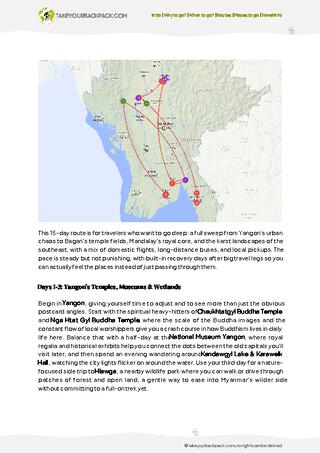
Use the Myanmar Travel Guide’s 5, 10 & 15-day routes as a starting point to plan a trip that actually works on the ground.

Get the Travel Guide -

🌤️ When to go?When to go for the best experience


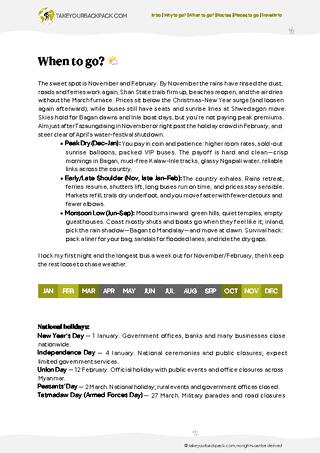
  • Topic: Weather – The best window is November to February. Expect dry conditions with minimal rain, avoiding the heavy monsoon season from May to October that floods roads and limits outdoor activities.

  • Topic: Temperature – During the dry season, temperatures hover between 20-30°C (68-86°F), making trekking and exploring comfortable without the oppressive heat or humidity that dominates the hot months.

  • Topic: Daylight Hours – Around 11 to 12 hours of daylight provide ample time for sightseeing and beach visits, with sunrise around 6 AM and sunset near 6 PM, perfect for pacing your day.

  • Topic: Crowds – Sittwe remains relatively quiet year-round, but the dry season sees a slight uptick in local tourists and occasional foreign visitors, offering a balance between solitude and social energy.
read more 👉

  • Topic: Weather – The best window is November to February. Expect dry conditions with minimal rain, avoiding the heavy monsoon season from May to October that floods roads and limits outdoor activities.

  • Topic: Temperature – During the dry season, temperatures hover between 20-30°C (68-86°F), making trekking and exploring comfortable without the oppressive heat or humidity that dominates the hot months.

  • Topic: Daylight Hours – Around 11 to 12 hours of daylight provide ample time for sightseeing and beach visits, with sunrise around 6 AM and sunset near 6 PM, perfect for pacing your day.

  • Topic: Crowds – Sittwe remains relatively quiet year-round, but the dry season sees a slight uptick in local tourists and occasional foreign visitors, offering a balance between solitude and social energy.

  • Topic: Seasonal Activities – The dry season aligns with cultural festivals and fishing seasons, giving you a chance to witness authentic local life without weather disruptions.

  • Topic: Price Fluctuations – Accommodation and transport costs peak slightly in the dry season due to demand but remain reasonable compared to Myanmar’s more tourist-heavy spots, rewarding early planners with good deals.


Pro-tip: Aim for late November or early December to catch the sweet spot of cool weather, fewer crowds, and vibrant local festivals—your best bet for a high-value Sittwe experience.


source: climatestotravel.comJANJanuary: excellent for travelingFEBFebruary: excellent for travelingMARMarch: highly recommended for travelingAPRApril: good for travelingMAYMay: below average for travelingJUNJune: below average for travelingJULJuly: below average for travelingAUGAugust: below average for travelingSEPSeptember: below average for travelingOCTOctober: fair for travelingNOVNovember: excellent for travelingDECDecember: excellent for traveling
when-to-go

✈️ The backpacker research shortcutMyanmar Travel Guide

An offline-friendly backpacking guide with optimized travel routes, ranked highlights, transport advice, and the best areas to stay.
example page 0 from our offline Travel Guide for Myanmarexample page 1 from our offline Travel Guide for Myanmarexample page 2 from our offline Travel Guide for Myanmarexample page 3 from our offline Travel Guide for Myanmarexample page 4 from our offline Travel Guide for Myanmarexample page 5 from our offline Travel Guide for Myanmar
The digital guide (346 pages) contains:
110 highlights, ranked by travel appeal
Optimized 5, 10 & 15-day travel routes
Best neighborhoods to stay
How to get around
Offline-friendly for travel without Wi-Fi
👉 See all 30+ guide features

📅 Plan smarter in minutes, not weeks
Month by month travel advice
Festivals & national holidays
Budget expectations

🗺️ Go to the right places, skip the overrated ones
Honest pros & cons of destinations
Top hikes, parks & viewpoints
Lesser-known places most travelers miss
Clear “worth it vs skip it” guidance

🛏️ Travel smoothly without rookie mistakes
Best areas to stay
Transport systems explained simply
Common scams & safety advice
SIM cards, money & practical tips

🌍 Understand the country, not just visit it
Culture & traditions
52 Essential phrases & customs
Festivals worth planning around
Traveler-friendly historical context
Insights that make places more meaningful

📱 Built for real travel conditions
Fully downloadable PDF
Works completely offline
Optimized for phone use
Useful in remote areas & buses
Everything in one place
Save weeks of stressful planning
Get instant access to the full guide directly. 30-day money-back guarantee.


Sent to your inbox immediately after payment • 100% Secure Checkout
Best Backpacking Travel Advisor 2025 tourism awardBest Backpacking
Travel Advisor
2025
What others say about Take Your Backpack Guides:
⭐⭐⭐⭐⭐
Fantastic, amazing amount of information!
⭐⭐⭐⭐⭐
My goodness this is amazing, it's what I've been looking for hats off too you!
⭐⭐⭐⭐⭐
I think this is absolutely BRILLIANT
⭐⭐⭐⭐
Very complete and informative. It's still missing places, but I gotta to commend you
⭐⭐⭐⭐⭐
This is truly amazing, thank you, can't wait to explore it with my kids!
⭐⭐⭐⭐⭐
Awesome resource, thank you!
⭐⭐⭐⭐⭐
This is amazing! Can't wait to explore the ones I haven't seen
⭐⭐⭐⭐
I love this! Well done, great idea.
⭐⭐⭐⭐⭐
Thanks for taking the time to make this gem!
⭐⭐⭐⭐⭐
This might be the best website I've ever seen.
⭐⭐⭐⭐⭐
Congratulations, and thank you so much for your work; it's incredibly valuable.
⭐⭐⭐⭐
In all seriousness I think you did a great job pointing out the important spots
⭐⭐⭐⭐⭐
10/10 very good
⭐⭐⭐⭐⭐
As someone who's only just starting to visit regularly this is awesome, thank you.
⭐⭐⭐⭐
Thank you very much! I'm going to visit my dad, it's going to be very useful!
⭐⭐⭐⭐⭐
This is really cool! We'll be travelling for the first time and this definitely come in handy.
⭐⭐⭐⭐⭐
You are now our minister of culture, congratulations 👨‍💼
⭐⭐⭐⭐⭐
Just wanted to tell you that this is a pearl! Going to follow your recommendations.
⭐⭐⭐⭐⭐
This is so cool. I'll definitely be using the resource for my travels soon.
⭐⭐⭐⭐⭐
This is very impressive! Good work.
⭐⭐⭐⭐⭐
This is an amazing and informative site. Very well done!

🛏️ Where to stay?Best areas to stay in Myanmar

In Sittwe, the best spot for backpackers is the downtown area near the waterfront. This zone strikes a smart balance: it’s safe, lively enough to meet other travelers, and packed with budget guesthouses and hostels. You’re close to local markets and eateries, which means authentic food without the tourist markup. Compared to the quieter, more residential neighborhoods, downtown offers a social vibe that solo travelers crave—think easy conversations over tea or street snacks. The trade-off? It’s busier and noisier, but that’s the price for being in the thick of things. If you prioritize comfort … read more 👉
In Sittwe, the best spot for backpackers is the downtown area near the waterfront. This zone strikes a smart balance: it’s safe, lively enough to meet other travelers, and packed with budget guesthouses and hostels. You’re close to local markets and eateries, which means authentic food without the tourist markup. Compared to the quieter, more residential neighborhoods, downtown offers a social vibe that solo travelers crave—think easy conversations over tea or street snacks. The trade-off? It’s busier and noisier, but that’s the price for being in the thick of things. If you prioritize comfort and quiet, the outskirts offer calmer streets but fewer social opportunities and higher transport costs. For budget travelers who want to maximize connection and convenience, downtown near the riverfront is the winning move—where your money stretches, your time isn’t wasted on long commutes, and comfort comes from the pulse of the city itself.

🚌 Getting aroundHow to get from A to B

Sittwe moves at its own rhythm—a blend of laid-back coastal life and bursts of market chaos where schedules are more a suggestion than a rule. Time here isn’t measured by strict timetables but by the ebb and flow of tides and the patience of locals. You’ll find that the city’s pulse is less about precision and more about reading the room, or in this case, the street. Understanding this flow is your first win: it means you can lean into the unpredictability and make smart choices about how to get around without wasting cash or energy.


  • Walking: The most straightforward and free option. Sittwe’s compact center makes walking practical and immersive, letting you soak in the street life and smells. It’s slow but unbeatable for comfort and zero cost.

  • Motorbike Taxis: These dart through traffic
read more 👉
Sittwe moves at its own rhythm—a blend of laid-back coastal life and bursts of market chaos where schedules are more a suggestion than a rule. Time here isn’t measured by strict timetables but by the ebb and flow of tides and the patience of locals. You’ll find that the city’s pulse is less about precision and more about reading the room, or in this case, the street. Understanding this flow is your first win: it means you can lean into the unpredictability and make smart choices about how to get around without wasting cash or energy.


  • Walking: The most straightforward and free option. Sittwe’s compact center makes walking practical and immersive, letting you soak in the street life and smells. It’s slow but unbeatable for comfort and zero cost.

  • Motorbike Taxis: These dart through traffic with ease, offering a quick, cheap ride for about 500-1,000 MMK per trip. They run all day until dusk, but expect a bumpy, open-air experience—comfort is minimal, but speed is a major plus.

  • Shared Trishaws: A budget-friendly middle ground, costing around 1,000-1,500 MMK. They’re slower than motorbikes but more comfortable and perfect for short distances. No fixed schedule; they leave when full, so timing is flexible but unpredictable.

  • Local Buses: Limited routes and infrequent service, mostly morning to early evening. Fares hover around 500 MMK. They’re cheap but slow and crowded, best if you’re not in a rush and want to experience local daily life.

  • Private Car Hire: The priciest option, starting at 15,000 MMK per day. Offers maximum comfort and flexibility but eats into your budget. Best reserved for longer trips outside town or when time is tight.

👛 Costs (as of 1 February 2026)What things cost and how to budget

Backpacking in Sittwe, Myanmar, is a study in balancing simplicity with the occasional splurge, where your daily costs reflect a blend of local modesty and the occasional tourist premium.
  • Dorm Accommodation (High Season): Expect to pay around $8 to $12 per night. High season nudges prices up due to demand, but the options remain basic—think fan rooms with shared bathrooms, clean but no-frills.
  • Dorm Accommodation (Off-Season): Prices drop to about $5 to $8. The off-season quiet means you can negotiate directly with guesthouses, often scoring better deals or added perks like breakfast.
  • Meals: Street food and local eateries dominate here. Budget $2 to $5 per meal. A plate of mohinga or fried rice is filling and cheap, while occasional splurges on seafood push closer to $7.
  • Local Transport:
read more 👉
Backpacking in Sittwe, Myanmar, is a study in balancing simplicity with the occasional splurge, where your daily costs reflect a blend of local modesty and the occasional tourist premium.
  • Dorm Accommodation (High Season): Expect to pay around $8 to $12 per night. High season nudges prices up due to demand, but the options remain basic—think fan rooms with shared bathrooms, clean but no-frills.
  • Dorm Accommodation (Off-Season): Prices drop to about $5 to $8. The off-season quiet means you can negotiate directly with guesthouses, often scoring better deals or added perks like breakfast.
  • Meals: Street food and local eateries dominate here. Budget $2 to $5 per meal. A plate of mohinga or fried rice is filling and cheap, while occasional splurges on seafood push closer to $7.
  • Local Transport: Motorbike taxis and trishaws are the norm. Short rides cost around $0.50 to $1.50. It’s a practical way to get around without burning cash or time.
  • City Transport Pass: Sittwe doesn’t have a formal city transport pass system. Budget travelers rely on individual rides or walking, which is often the fastest way to soak in the city’s vibe.
  • Basic Activities/Entry Fees: Most cultural sites and local attractions charge minimal fees, usually $1 to $3. The real cost here is time spent exploring rather than money.
  • Miscellaneous Expenses: Budget $1 to $3 for bottled water, snacks, or small purchases. Internet cafes or SIM cards are affordable, with data plans around $5 for a week.

All told, your daily budget in Sittwe ranges roughly from $15 on a shoestring to about $30 if you lean into comfort and occasional treats. This city rewards those who embrace its slow pace and local rhythms, where every dollar saved on transport or accommodation can be reinvested in a memorable meal or a quiet moment by the bay.
⚠️ Prices can change and everyone travels differently, so take this as a rough guide. Hope it helps you plan your adventure!

🚌 Day tripsEasy escapes and nearby places

Sittwe, Myanmar, is a backpacker’s dream base for day trips, offering a blend of culture, nature, and adventure without breaking the bank.

Kyeikthakyi Pagoda
Just a short boat ride from Sittwe, Kyeikthakyi Pagoda is a serene spot that showcases the local Buddhist culture. The journey takes about 30 minutes, and you’ll find yourself surrounded by lush greenery and the gentle sound of water. Entrance is free, but consider a small donation to support local upkeep. The best time to visit is early morning when the light dances on the water, and the crowds are minimal. A common mistake? Forgetting to bring water; it can get hot out there!


Mrauk U
This ancient city is a bit of a trek, taking around 2-3 hours by bus, but the reward is worth it. Mrauk U is dotted with stunning temples and … read more 👉
Sittwe, Myanmar, is a backpacker’s dream base for day trips, offering a blend of culture, nature, and adventure without breaking the bank.

Kyeikthakyi Pagoda
Just a short boat ride from Sittwe, Kyeikthakyi Pagoda is a serene spot that showcases the local Buddhist culture. The journey takes about 30 minutes, and you’ll find yourself surrounded by lush greenery and the gentle sound of water. Entrance is free, but consider a small donation to support local upkeep. The best time to visit is early morning when the light dances on the water, and the crowds are minimal. A common mistake? Forgetting to bring water; it can get hot out there!


Mrauk U
This ancient city is a bit of a trek, taking around 2-3 hours by bus, but the reward is worth it. Mrauk U is dotted with stunning temples and ruins that whisper tales of a bygone era. A round-trip bus ticket costs around $5, and you can easily explore on foot or rent a bike for a few dollars more. The dry season from November to February is ideal for visiting, as the weather is cooler. Many first-timers underestimate the time needed to explore; plan for a full day to soak it all in.
👉 Explore Mrauk U

Ngapali Beach
If you crave some sun and sand, Ngapali Beach is about a 5-hour journey by bus, but the pristine shores make it a worthy escape. Expect to spend around $10 for transport, and once there, you can enjoy fresh seafood at local shacks without splurging. The best months to visit are from November to April when the weather is perfect. A common pitfall? Overpacking for a beach day; just bring the essentials and leave the rest in Sittwe.
👉 Explore Ngapali Beach

Kawthoung
For a taste of local life, head to Kawthoung, a bustling town about 1.5 hours away by boat. The trip costs around $8, and you’ll experience vibrant markets and friendly locals. The best time to visit is during the cooler months, but be mindful of the tides, as they can affect boat schedules. Many travelers miss out on the local delicacies; don’t skip the street food!
👉 Explore Kawthoung
Want to know what more Myanmar offers?
The Myanmar Travel Guide describes 110 highlights, from cities to national parks, from beaches to hikes

Get the Travel Guide -

🍲 FoodLocal Cuisine & Drinks

In Sittwe, the **local cuisine** is a vibrant reflection of its coastal culture. Dive into **Mohinga**, a fragrant fish soup with rice noodles, often enjoyed for breakfast. The **tea leaf salad**, or **lahpet**, is a must-try, combining fermented tea leaves with crunchy peanuts and sesame. It’s a dish that sparks conversation, perfect for sharing.

Street food stalls are where the magic happens. You’ll find vendors grilling **fish skewers** and serving up **samosas** filled with spiced potatoes. The **night market** buzzes with energy, offering everything from fresh seafood to sweet desserts. Grab a plate and join the locals; it’s a communal experience that enhances the flavors.

When it comes to drinks, don’t miss the local **palm wine**. It’s sweet and slightly effervescent, best enjoyed … read more 👉
In Sittwe, the **local cuisine** is a vibrant reflection of its coastal culture. Dive into **Mohinga**, a fragrant fish soup with rice noodles, often enjoyed for breakfast. The **tea leaf salad**, or **lahpet**, is a must-try, combining fermented tea leaves with crunchy peanuts and sesame. It’s a dish that sparks conversation, perfect for sharing.

Street food stalls are where the magic happens. You’ll find vendors grilling **fish skewers** and serving up **samosas** filled with spiced potatoes. The **night market** buzzes with energy, offering everything from fresh seafood to sweet desserts. Grab a plate and join the locals; it’s a communal experience that enhances the flavors.

When it comes to drinks, don’t miss the local **palm wine**. It’s sweet and slightly effervescent, best enjoyed in good company. Etiquette here is relaxed; sharing food and drinks is a sign of friendship. Just remember, in Sittwe, meals are more than sustenance—they’re a celebration of community and culture.

🛡️ SafetySafety Tips and Common Scams in Sittwe

Sittwe is generally safe for backpackers, but a few common-sense practices can enhance your experience. Stick to well-lit areas at night, especially if you’re solo. The waterfront can be charming but watch for uneven paths and stray dogs.

While scams are rare, be cautious around markets. Vendors may inflate prices for tourists, so don’t hesitate to haggle. Always ask locals for a fair price if you’re unsure.

Annoyances like persistent touts can pop up, especially near popular spots. A polite but firm “no, thank you” usually does the trick.

Keep your belongings secure, especially in crowded areas. A crossbody bag can deter pickpockets. With a little awareness, you’ll navigate Sittwe smoothly and enjoy its unique charm.

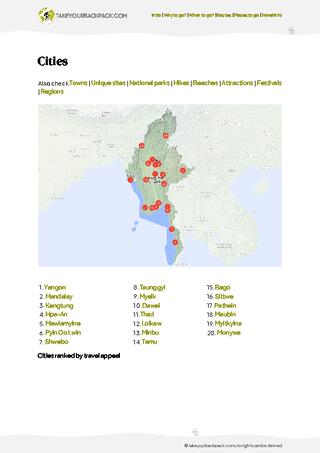
Other Burmese cities near Sittwe

Explore more nearby:

  • Minbu—oil wells, Irrawaddy banks, hot springs| 209 km away
  • Yenangyaung—oil heritage, dry zone, rural landscapes| 212 km away
  • Magway—oil fields, Irrawaddy bluffs, golden pagodas| 217 km away

👉 Discover all cities

Or checkout all Myanmar has to offer (think cities, towns, villages, national parks, hikes, beaches, festivals)
Country photo of Myanmar

We 💚 feedbackIs it worth it?

Sittwe offers a raw glimpse into Myanmar’s coastal life, where the river meets the sea and local markets buzz with energy. You’ll savor fresh seafood and witness unique cultural practices that feel untouched by time. But be prepared: infrastructure can be hit-or-miss. Expect some discomfort in transport and accommodations. Embrace it. The authenticity you gain is worth the trade-off. It’s all part of the adventure.

✈️ When did I visit Myanmar?
In November 2013 I backpacked through Myanmar, bringing a full stack of pristine dollar bills as they had no ATMs back then.

✍️ Help improve this page!
The information on this page is based on my own backpacking experience in Myanmar, supplemented with up-to-date research and feedback from other travelers. Travel details can change, so if you notice anything outdated or incomplete, feel free to let me know.


🙋‍♂️ Give feedback

👋 Meet the founderWho’s Behind Take Your Backpack?

Johan, backpacker and founder of TakeYourBackpackHi, I’m Johan (Netherlands 🇳🇱), the creator of TakeYourBackpack. Over the past decade, I’ve backpacked through 80+ countries across six continents, gaining extensive experience with independent travel, long-term trips, and overland routes.

This site is built on a combination of firsthand travel experience and carefully curated insights from other backpackers. Many guides are based on places I’ve personally visited, while others bring together tips, observations, and practical advice shared by trusted travelers I’ve met along the way.

The goal is to provide realistic, experience-driven guidance — not generic itineraries — so you can explore destinations with better context, clearer expectations, and more confidence.

Get Full Country Guide |
Instant download • 110 highlights • Full Offline guide