v2.webp)
- Yenangyaung oilfields (riverbank wells and pumping sites) — The town grew around petroleum; you can still see small, working wells, wooden pump rigs and open oil pits near the river. It’s the single most distinctive, visitable piece of local history and gives real context to the town’s identity.
- Burmah Oil-era buildings and colonial quarter — Scattered brick and timber buildings from the colonial/industrial boom remain around the old company areas. They’re subtle, weathered reminders of how foreign oil companies shaped local life; great for a slow walk and photography.
- Irrawaddy riverfront and ferry piers — The waterfront is where daily life happens: ferries, small trade boats, fishermen and riverside tea shops. Watching the river traffic and taking a short boat ride is an immediate, atmospheric
- Yenangyaung oilfields (riverbank wells and pumping sites) — The town grew around petroleum; you can still see small, working wells, wooden pump rigs and open oil pits near the river. It’s the single most distinctive, visitable piece of local history and gives real context to the town’s identity.
- Burmah Oil-era buildings and colonial quarter — Scattered brick and timber buildings from the colonial/industrial boom remain around the old company areas. They’re subtle, weathered reminders of how foreign oil companies shaped local life; great for a slow walk and photography.
- Irrawaddy riverfront and ferry piers — The waterfront is where daily life happens: ferries, small trade boats, fishermen and riverside tea shops. Watching the river traffic and taking a short boat ride is an immediate, atmospheric way to feel the town’s rhythm.
- Yenangyaung morning market — A proper local market with fresh fish, produce, snacks and stalls catering to oil workers. It’s noisy, colorful and useful for tasting local food, watching bargaining, and seeing everyday commerce away from tourist trappings.
- The town’s main pagoda complex — The central pagoda(s) and shrine compounds are where locals gather for worship, festivals and alms. They’re small-scale but culturally rich: ornate chedis, ritual offerings, and the hum of community life.
- Yenangyaung railway station and tracks — The modest station and adjacent rail yards capture the transport link that supported the oil trade. It’s an evocative spot to observe freight activity and old rail infrastructure that shaped the town’s economy.
- Traditional monasteries (kyaung) — Several active wooden monasteries in town offer good insight into monastic routine, local education and teak architecture. If you time it right you can watch novice monks’ alms rounds or speak with caretakers about daily life.
- Boatyards and timber workshops along the river — Small repair yards where boats are built or fixed, plus carpenters working on timber for boats and houses. Watching craftsmen at work gives a tangible sense of local skills tied to river life.
- Oil-worker neighbourhoods and bungalows — Rows of old company bungalows and worker housing form a distinct district. Walking these streets tells the social history of the oil industry—class layouts, family compounds and local conveniences geared to field life.
- Riverside viewpoint / hilltop pagoda (sunset spot) — A short climb up a local hill or a small pagoda terrace gives a compact but rewarding panorama of the Irrawaddy and the town’s oil-scattered shoreline. It’s the best practical spot for sunset without leaving town.
Spotted a mistake or missing something? Contact us.

Balloons Over Bagan

One Bagan Sightseeing Tour
✓ Free cancellation

Old Bagan Sightseeing Tour
✓ Free cancellation

Day Cruise Bagan to Mandalay
✓ Free cancellation

Private Bagan Cultural Tour
✓ Free cancellation

Bagan Antique Day Tour in Bagan

Amazing Bagan, full day tour by car and guide
✓ Free cancellation

Bagan Sightseeing Tour by Private Guide and Car
✓ Free cancellation

From Bagan City To Mandalay Private Transfer
✓ Free cancellation
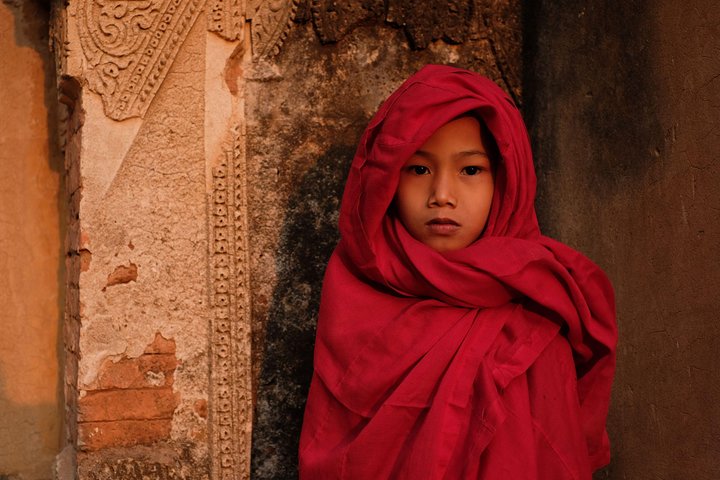
Lost Temples of Bagan Private Tour
✓ Free cancellation

 Best Backpacking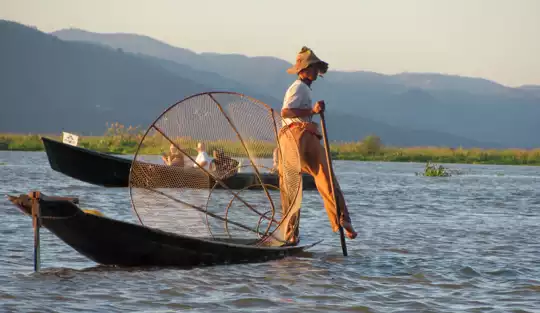
.jpg) Hi, I’m Johan (Netherlands 🇳🇱), the creator of TakeYourBackpack. Over the past decade, I’ve backpacked through 80+ countries across six continents, gaining extensive experience with independent travel, long-term trips, and overland routes.
Hi, I’m Johan (Netherlands 🇳🇱), the creator of TakeYourBackpack. Over the past decade, I’ve backpacked through 80+ countries across six continents, gaining extensive experience with independent travel, long-term trips, and overland routes.