×

Nepal🇳🇵 | festivalsMaghe SankrantiRiver bathing, sesame sweets, winter solstice | things to do and best time to go

Explore Mani RimduExplore Losar

Backpacking in Maghe Sankranti
👀 For curious travelersfestival ranked #14
By Johan Kruseman 🇳🇱 | Updated September 4, 2026

Most blogs sell Maghe Sankranti as a cozy family harvest day, but if you hit the river ghats you’ll see something else entirely: a full-body endurance test of cold water, crowds, and sugar-heavy food that can wreck an unprepared backpacker’s stomach and sleep cycle. Centered across Nepal but especially intense along rivers like the Trishuli and in towns such as Devghat in the central hills, it’s a one-day festival of ritual bathing, devotional music, and temple queues. You’ll mostly be surrounded by Nepali families and pilgrims, not party kids. Go for the raw, local energy and the chance to move with the crowd, not for nightlife or comfort.

Discover everything you want to know in the 📖 Nepal Travel Guide.


Get your Nepal guide
97 ranked highlights, routes & tips, works offline (362 pages)
Loading the map 🌍
CLICK TO FILTER
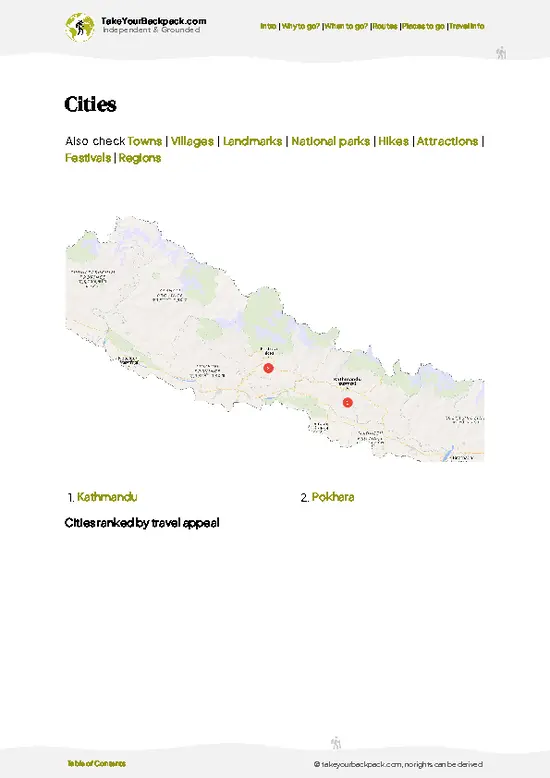
cities
towns
villages
landmarks
national parks
hikes
attractions
festivals
regions
SHOW COUNTRY’S BESTSHOW ALL

✨ Why go?
Ranked #14 festival in Nepal
What makes this festival worth celebrating

Backpackers flock to Maghe Sankranti in Nepal for a reason. This festival isn’t just a date on the calendar; it’s a social energy explosion. Imagine joining a temporary community where locals share food, laughter, and traditions. You’re not just a spectator; you’re part of something bigger.

Cultural immersion happens here, as you witness rituals that connect generations. Plus, it’s affordable compared to similar events worldwide, allowing you to stretch your budget for other adventures.

Planning your route around this festival can transform your trip. It fits seamlessly into longer travel plans, adding depth to your journey. You’ll leave with stories that resonate far beyond the festival itself, making every moment count.
Want to include Maghe Sankranti in your Nepal route?
Create a personalized Nepal itinerary that includes Maghe Sankranti and the places that fit your trip — based on your travel style, budget, and available time. Get your route in seconds.

Generate my trip

💡 HighlightsMust-see experiences and standout moments

  • Seasonal foods — chaku, sel roti, ghee and sesame treats: The edible heart of the festival. People eat high-energy, warming foods—sticky chaku (molasses), fried sel roti, ghee and sesame laddus—to mark the change in seasons. Sharing these simple treats with families or at street stalls is the easiest way to taste local celebration and feel the practical side of the holiday (keeps you warm, too).
  • Ritual river dips and temple pilgrimages: Early-morning queues at rivers and shrines are common; folks take ritual baths and make offerings to welcome longer days. The atmosphere is quietly intense—devotion, incense, and the click of cameras—so it’s as much spiritual theatre as it is faith practice.
  • Colorful melas and village fairs (personal favorite): Temporary markets pop up with crafts, cheap
read more 👉
  • Seasonal foods — chaku, sel roti, ghee and sesame treats: The edible heart of the festival. People eat high-energy, warming foods—sticky chaku (molasses), fried sel roti, ghee and sesame laddus—to mark the change in seasons. Sharing these simple treats with families or at street stalls is the easiest way to taste local celebration and feel the practical side of the holiday (keeps you warm, too).
  • Ritual river dips and temple pilgrimages: Early-morning queues at rivers and shrines are common; folks take ritual baths and make offerings to welcome longer days. The atmosphere is quietly intense—devotion, incense, and the click of cameras—so it’s as much spiritual theatre as it is faith practice.
  • Colorful melas and village fairs (personal favorite): Temporary markets pop up with crafts, cheap winter gear, snack stalls and local entertainers. For a backpacker it’s the best place to wander, snack-test, pick up a handmade souvenir and watch everyday life turn festive—no planning required, just stroll in.
  • Folk music, dance troupes and masked performances: Expect regionally different shows—drums, call-and-response singing, processions and sometimes masked rituals. They’re raw, participatory and rarely polished, which makes them more honest and memorable than staged tourism performances.
  • Bonfires, communal gatherings and storytelling: In villages and neighborhood pockets people light fires, swap stories and pass around warm sweets. It’s low-key but very social—perfect if you want to sit with locals, hear old tales, and feel the communal side of the festival.
Spotted a mistake or missing something? Contact us.

🌤️ When to go?When is the celebration of Maghe Sankranti?


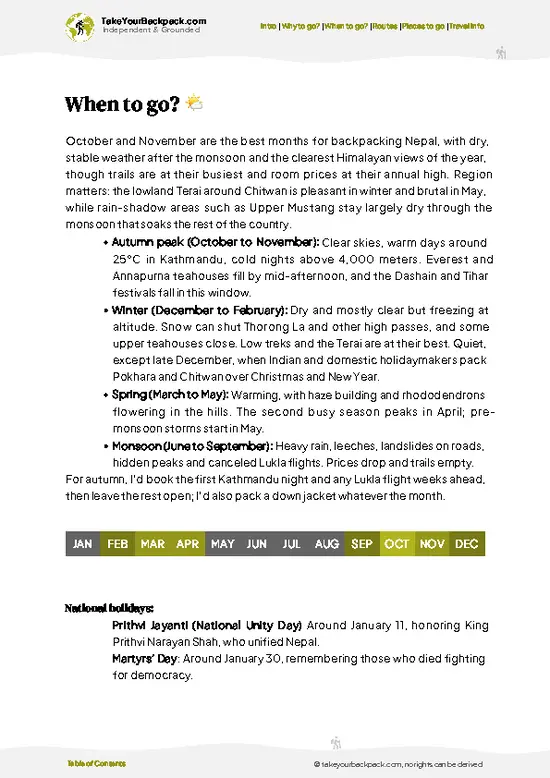
  • Topic: Weather – Maghe Sankranti falls in mid-January, right in Nepal’s chilly winter. Expect daytime highs around 12°C (54°F) and nights dropping to near freezing. Dress in layers; the cold can sap your energy fast if you’re unprepared.

  • Topic: Temperature – The cold is crisp, not brutal, but early mornings and evenings demand warm gear. This contrast makes the festival’s fires and rituals feel even more alive, but don’t underestimate the bite of the cold.

  • Topic: Daylight Hours – Days are short, roughly 10 hours of light, so plan your explorations tightly. Start early to catch the full festival vibe and avoid rushing through key moments.

  • Topic: Crowds – This is a local festival, so expect fewer international tourists but plenty of Nepali families and communities. The atmosphere is
read more 👉

  • Topic: Weather – Maghe Sankranti falls in mid-January, right in Nepal’s chilly winter. Expect daytime highs around 12°C (54°F) and nights dropping to near freezing. Dress in layers; the cold can sap your energy fast if you’re unprepared.

  • Topic: Temperature – The cold is crisp, not brutal, but early mornings and evenings demand warm gear. This contrast makes the festival’s fires and rituals feel even more alive, but don’t underestimate the bite of the cold.

  • Topic: Daylight Hours – Days are short, roughly 10 hours of light, so plan your explorations tightly. Start early to catch the full festival vibe and avoid rushing through key moments.

  • Topic: Crowds – This is a local festival, so expect fewer international tourists but plenty of Nepali families and communities. The atmosphere is authentic, but popular spots can get packed mid-day.

  • Topic: Seasonal Activities – Winter means fewer trekking options nearby, but the festival’s rituals, traditional foods, and community gatherings are at their peak. Use the downtime to dive deep into cultural experiences.

  • Topic: Price Fluctuations – January is off-peak for tourism in Nepal, so accommodation and transport are generally cheaper. Book early to lock in deals, especially in festival hubs where demand spikes briefly.


Pro-tip: Arrive a day early to acclimate and gear up for the cold—this buffer saves your stamina for the festival’s full throttle experience.


source: climatestotravel.comJANJanuary: excellent for travelingFEBFebruary: not recommended for travelingMARMarch: not recommended for travelingAPRApril: not recommended for travelingMAYMay: not recommended for travelingJUNJune: not recommended for travelingJULJuly: not recommended for travelingAUGAugust: not recommended for travelingSEPSeptember: not recommended for travelingOCTOctober: not recommended for travelingNOVNovember: not recommended for travelingDECDecember: not recommended for traveling

✈️ The backpacker research shortcutNepal Travel Guide

An offline-friendly backpacking guide with optimized travel routes, ranked highlights, transport advice, and the best areas to stay.
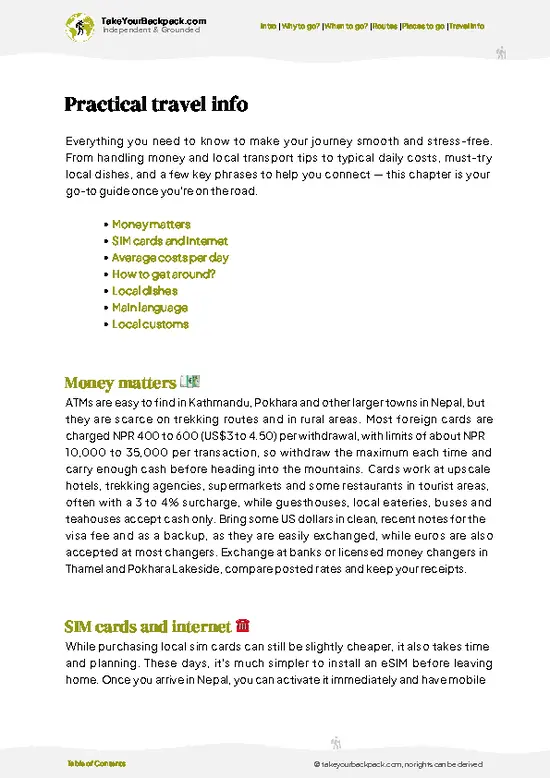
example page 0 from our offline Travel Guide for Nepal
example page 1 from our offline Travel Guide for Nepal
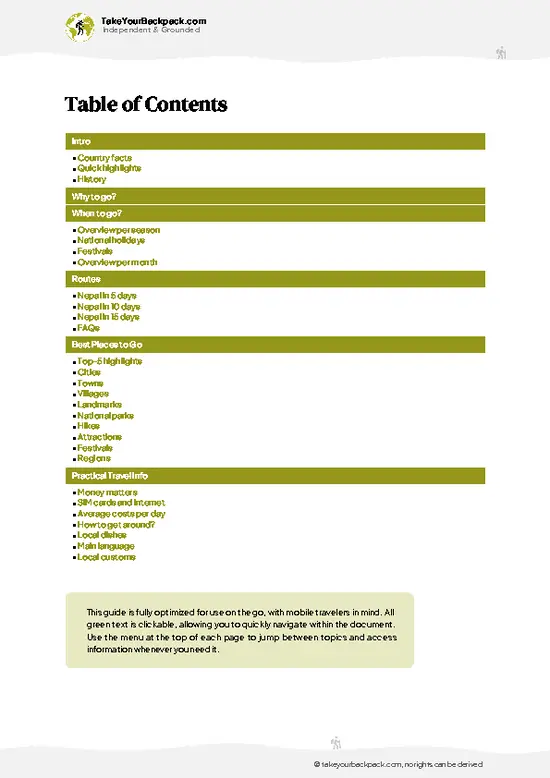
example page 2 from our offline Travel Guide for Nepal
example page 3 from our offline Travel Guide for Nepal
example page 4 from our offline Travel Guide for Nepal
example page 5 from our offline Travel Guide for Nepal
example page 6 from our offline Travel Guide for Nepal
example page 7 from our offline Travel Guide for Nepal
The digital guide (362 pages) contains:
97 highlights, ranked by travel appeal
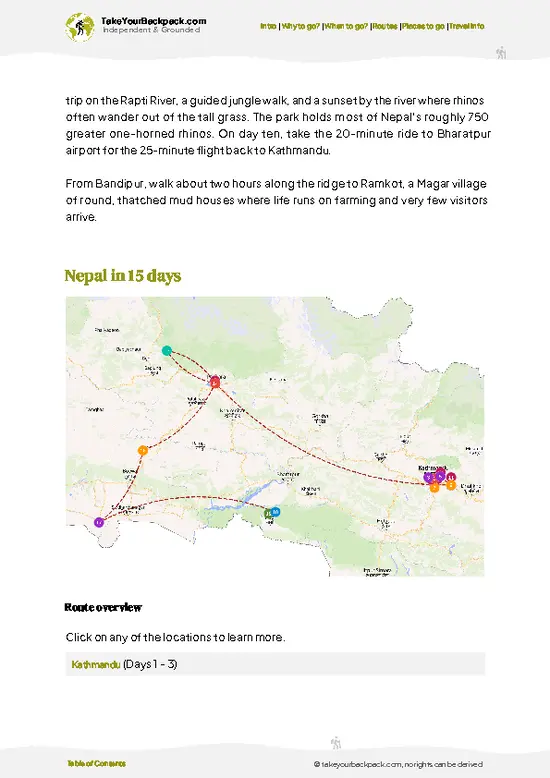
Optimized 5, 10 & 15-day travel routes
Cities, national parks, landmarks, beaches
How to get around
Offline-friendly for travel without Wi-Fi
👉 Click to see all 30+ guide features

📅 Plan smarter in minutes, not weeks
Month by month travel advice
Festivals & national holidays
Budget expectations

🗺️ Go to the right places, skip the overrated ones
Honest pros & cons of destinations
Top hikes, parks & viewpoints
Lesser-known places most travelers miss
Clear “worth it vs skip it” guidance

🛏️ Travel smoothly without rookie mistakes
Best areas to stay
Transport systems explained simply
Common scams & safety advice
SIM cards, money & practical tips

🌍 Understand the country, not just visit it
Culture & traditions
52 Essential phrases & customs
Festivals worth planning around
Traveler-friendly historical context
Insights that make places more meaningful

📱 Built for real travel conditions
Fully downloadable PDF
Works completely offline
Optimized for phone use
Useful in remote areas & buses
Everything in one place
Save weeks of stressful planning
Get instant access to your full guide. 30‑day money-back guarantee.
+ Add another guide for just US$7.80

By proceeding you agree to our terms.
Sent to your inbox immediately after payment • 100% Secure Checkout
Best Backpacking Travel Advisor 2025 tourism awardBest Backpacking
Travel Advisor
2025
What others say about Take Your Backpack Guides:
⭐⭐⭐⭐⭐
Fantastic, amazing amount of information!
⭐⭐⭐⭐⭐
My goodness this is amazing, it's what I've been looking for hats off too you!
⭐⭐⭐⭐⭐
I think this is absolutely BRILLIANT
⭐⭐⭐⭐
Very complete and informative. It's still missing places, but I gotta to commend you
⭐⭐⭐⭐⭐
This is truly amazing, thank you, can't wait to explore it with my kids!
⭐⭐⭐⭐⭐
Awesome resource, thank you!
⭐⭐⭐⭐⭐
This is amazing! Can't wait to explore the ones I haven't seen
⭐⭐⭐⭐
I love this! Well done, great idea.
⭐⭐⭐⭐⭐
Thanks for taking the time to make this gem!
⭐⭐⭐⭐⭐
This might be the best website I've ever seen.
⭐⭐⭐⭐⭐
Congratulations, and thank you so much for your work; it's incredibly valuable.
⭐⭐⭐⭐
In all seriousness I think you did a great job pointing out the important spots
⭐⭐⭐⭐⭐
10/10 very good
⭐⭐⭐⭐⭐
As someone who's only just starting to visit regularly this is awesome, thank you.
⭐⭐⭐⭐
Thank you very much! I'm going to visit my dad, it's going to be very useful!
⭐⭐⭐⭐⭐
This is really cool! We'll be travelling for the first time and this definitely come in handy.
⭐⭐⭐⭐⭐
You are now our minister of culture, congratulations 👨‍💼
⭐⭐⭐⭐⭐
Just wanted to tell you that this is a pearl! Going to follow your recommendations.
⭐⭐⭐⭐⭐
This is so cool. I'll definitely be using the resource for my travels soon.
⭐⭐⭐⭐⭐
This is very impressive! Good work.
⭐⭐⭐⭐⭐
This is an amazing and informative site. Very well done!

🛏️ Where to stay?Best areas and accommodation options

When you’re gearing up for Maghe Sankranti in Nepal, the right base can elevate your experience. Head to Thamel in Kathmandu. This bustling hub is a magnet for backpackers, offering a vibrant mix of budget accommodations, eateries, and shops. The energy here is infectious, and you’ll find plenty of fellow travelers to share stories and plans.

If you crave a more laid-back vibe, consider Pokhara. Nestled by the lake, it’s perfect for unwinding after festival festivities. The social scene is lively, with cafes and bars where you can connect with locals and fellow adventurers.

For a deeper cultural … read more 👉
When you’re gearing up for Maghe Sankranti in Nepal, the right base can elevate your experience. Head to Thamel in Kathmandu. This bustling hub is a magnet for backpackers, offering a vibrant mix of budget accommodations, eateries, and shops. The energy here is infectious, and you’ll find plenty of fellow travelers to share stories and plans.

If you crave a more laid-back vibe, consider Pokhara. Nestled by the lake, it’s perfect for unwinding after festival festivities. The social scene is lively, with cafes and bars where you can connect with locals and fellow adventurers.

For a deeper cultural immersion, look into Janakpur. This city is rich in tradition and directly tied to the festival. Staying here puts you in the heart of the celebrations, allowing you to soak up the local atmosphere without the touristy distractions.

Choose wisely, and you’ll preserve your energy and budget for the moments that truly matter.

👛 Costs (as of 4 September 2026)Money, prices, and spending tips

Maghe Sankranti in Nepal is a vibrant celebration, but navigating the costs can feel like a maze. Here’s how to keep your budget intact while soaking in the festivities.
  • Festival Tickets: Entry to the main events is often free, but some special ceremonies or performances may charge a small fee. Expect to pay around $5 to $15 USD for premium experiences. Keep an eye out for local announcements to avoid missing any ticketed events.
  • Accommodation: Prices vary widely depending on location and comfort. Budget hostels can run from $10 to $20 USD per night, while mid-range hotels might cost between $30 and $60 USD. Book early to secure a spot, as places fill up fast during the festival.
  • Local Transport: Getting around can be affordable. Local buses and shared taxis are your best bet, costing around
read more 👉
Maghe Sankranti in Nepal is a vibrant celebration, but navigating the costs can feel like a maze. Here’s how to keep your budget intact while soaking in the festivities.
  • Festival Tickets: Entry to the main events is often free, but some special ceremonies or performances may charge a small fee. Expect to pay around $5 to $15 USD for premium experiences. Keep an eye out for local announcements to avoid missing any ticketed events.
  • Accommodation: Prices vary widely depending on location and comfort. Budget hostels can run from $10 to $20 USD per night, while mid-range hotels might cost between $30 and $60 USD. Book early to secure a spot, as places fill up fast during the festival.
  • Local Transport: Getting around can be affordable. Local buses and shared taxis are your best bet, costing around $1 to $5 USD for short trips. If you’re venturing further, budget $10 to $20 USD for longer rides. Always negotiate fares beforehand to avoid surprises.
  • Food & Drinks: Street food is a highlight and won’t break the bank. Meals can range from $2 to $10 USD, depending on where you eat. Don’t miss out on local delicacies, but keep some cash handy for drinks, which can add up to $1 to $5 USD each.
  • Miscellaneous Expenses: This category includes souvenirs, tips, and unexpected costs. Set aside $20 to $50 USD for these extras. It’s wise to have a buffer for spontaneous experiences that pop up during the festival.

Stay sharp, plan ahead, and you’ll have the energy and funds to dive into the heart of Maghe Sankranti.


source: welcomenepal.com
⚠️ Prices can change and everyone travels differently, so take this as a rough guide. Hope it helps you plan your adventure!

🍲 FoodEating & Drinking in Maghe Sankranti

At **Maghe Sankranti**, the air buzzes with the aroma of **traditional delights**. Dive into **sukunda**, a hearty mix of rice and lentils, or savor **til ko laddu**, sweet sesame balls that melt in your mouth. Street stalls overflow with **freshly fried snacks**—think crispy **alu chop** and spicy **momo**.

Don’t miss out on **ghee** drizzled over everything; it’s a festival staple that adds richness to your experience. Grab a cup of **masala chai** to warm your hands and spirit.

Etiquette is key here. Expect to share your food; it’s a sign of goodwill. Lines can get long, so be patient and ready with cash—many stalls don’t accept cards. Serving sizes are generous, so pace yourself; you’ll want to try a bit of everything. Embrace the chaos, and let the flavors guide your adventure!

FAQTraveler FAQ

Maghe Sankranti takes place annually on January 14th or 15th, marking the end of the winter solstice and the start of longer days. It is a one-day festival celebrated across Nepal.
Attending Maghe Sankranti is free of charge as it is a public and traditional festival celebrated openly in communities and public spaces. Costs may arise only if you choose to buy food or souvenirs.
No, you do not need tickets in advance for Maghe Sankranti. The festival is a public event with open access, allowing anyone to participate without prior registration or tickets.
⚠️ Things can change over time, so always validate details locally before you go.

Other Nepali festivals near Maghe Sankranti

Explore more nearby:

  • Holi—Colored powders, water fights, street gatherings
  • Indra Jatra—Kumari procession, masked dances, Kathmandu Durbar Square
  • Dashain—Animal sacrifice, family reunions, bamboo swings

💡 Not sure where to go next?
Create a personalized itinerary for Nepal including Maghe Sankranti and the places that fit your trip.

Generate my itinerary

👉 Discover all festivals

Or checkout all Nepal has to offer (think cities, towns, villages, national parks, hikes, beaches, festivals)
Country photo of Nepal

We 💚 feedbackSumming up the experience

Maghe Sankranti in Nepal is a sensory feast—think sizzling street food, vibrant rituals, and the warmth of community. But brace yourself for the crowds; they can be overwhelming. Embrace the chaos, though. It’s part of the experience. Navigate wisely, and you’ll save your energy for the moments that truly matter.

✈️ When did I visit Nepal?
Being a mountain lover, Nepal is one of my favorites. I visited it in November 2006, hiking the full Annapurna circuit as my highlight.

✍️ Help improve this page!
The information on this page is based on my own backpacking experience in Nepal, supplemented with up-to-date research and feedback from other travelers. Travel details can change, so if you notice anything outdated or incomplete, feel free to let me know.


🙋‍♂️ Give feedback

👋 Meet the founderWho’s Behind Take Your Backpack?

Johan, backpacker and founder of TakeYourBackpackHi, I’m Johan (Netherlands 🇳🇱), the creator of TakeYourBackpack. Over the past decade, I’ve backpacked through 80+ countries across six continents, gaining extensive experience with independent travel, long-term trips, and overland routes.

This site is built on a combination of firsthand travel experience and carefully curated insights from other backpackers. Many guides are based on places I’ve personally visited, while others bring together tips, observations, and practical advice shared by trusted travelers I’ve met along the way.

The goal is to provide realistic, experience-driven guidance — not generic itineraries — so you can explore destinations with better context, clearer expectations, and more confidence.

Get full Nepal guide •
Instant download • 97 highlights • Full Offline guide