×

Nepal🇳🇵 | townsTulsipurMidwestern crossroads, local bazaars, bus junction | things to do and best time to go

Explore MahendranagarExplore Siddharthanagar

Backpacking in Tulsipur
👀 For curious travelerstown ranked #23
By Johan Kruseman 🇳🇱 | Updated June 13, 2026

Years ago Tulsipur was a dusty crossroads town where the bus fumes hit you before the chai stall did; today it’s still raw around the edges, but the roads are better, the phones actually work, and there’s a quiet confidence in the air. Sitting in mid‑western Nepal, in Dang District, it’s more gateway than “destination” – a practical pause between Kathmandu or Pokhara and the wilder hills toward Rolpa, Rukum, or Bardiya National Park. For backpackers, the draw is low-key: a compact bazaar you can wander on foot, earthy Newar and Tharu food, and that soft, hazy late‑afternoon light over the surrounding fields. Buses are the lifeline here; you roll in, walk most places, and grab shared jeeps or tempos when your pack feels too heavy. It’s cheaper and calmer than Nepalgunj, less scenic than hill towns like Tansen, and far less touristic than Pokhara, which means fewer hostels, quieter evenings, and you’ll mostly meet Nepali travelers or long‑term volunteers rather than a ready‑made backpacker crowd. Safety is generally fine if you use normal street sense, but the payoff is more about seeing everyday Nepal and staging for the next leg than ticking off big‑name sights.

Discover everything you want to know in the 📖 Nepal Travel Guide.


Get your Nepal guide
107 ranked highlights, routes & tips, works offline (404 pages)
Loading the map 🌍
CLICK TO FILTER
cities
towns
villages
landmarks
national parks
hikes
attractions
festivals
regions
SHOW COUNTRY’S BESTSHOW ALL

✨ Why go?
Ranked #23 town in Nepal
What makes this town worth visiting

Tulsipur serves as a gateway for backpackers heading into the Dhorpatan Valley or the Bardia National Park. Its walkable streets are lined with small-scale guesthouses and local eateries, where the aroma of spicy dal bhat fills the air. Travelers often linger a few days, soaking in the friendly atmosphere and swapping stories with fellow adventurers. It’s a spot for slow travelers and hikers who appreciate a laid-back vibe over nightlife. The town’s charm lies in its convenience for accessing nearby hikes and cultural sites, making it a practical stop that feels rewarding rather than rushed.
Want to include Tulsipur in your Nepal route?
Create a personalized Nepal itinerary that includes Tulsipur and the places that fit your trip — based on your travel style, budget, and available time. Get your route in seconds.

Generate my trip

💡 HighlightsPlaces and moments you shouldn't skip

  1. Dang (Tulsipur) Airport: The small regional airport right by town that makes Tulsipur the easiest entry point for Dang Valley—handy, compact, and worth visiting even if just to watch small-plane operations and get a sense of local travel logistics.
  2. Tulsipur Bazaar / Chowk: The bustling market heart of town where traders, tea stalls, roadside momo vendors and local produce converge—great for people-watching, buying cheap gear, and tasting real Dang-style street food.
  3. Tulsipur Rajbari (Old Palace area): The historic seat of the old Tulsipur principality—architectural remnants and nearby streets show the town’s former political importance and offer an atmospheric walk through local history.
Lumbini, Ghorahi and Bhalubang are real, visitable highlights close enough for day trips from Tulsipur; Lumbini is my personal favorite.
Spotted a mistake or missing something? Contact us.

Things to do near Tulsipur

Ratings based on Tripadvisor reviews. When you book through this link, you support our work at no extra cost to you.

🏘️ NeighborhoodsNeighborhood guide to Tulsipur

Tulsipur offers a unique blend of culture and accessibility, perfect for backpackers seeking an authentic experience.

Tharu Village: This area immerses you in local culture. The vibe is laid-back, with traditional mud houses and friendly locals. It’s affordable, making it ideal for longer stays. Walkability is excellent, and you can easily explore nearby rice fields.

City Center: Bustling with shops and eateries, this area is vibrant and lively. It’s perfect for those who enjoy nightlife, with plenty of cafes and bars. While it can be noisy, it’s well-connected by public transport, making it suitable for short visits.

Rural Outskirts: For a quieter experience, head here. The atmosphere is serene, with stunning views of the hills. It’s less walkable, but worth it for those wanting to … read more 👉
Tulsipur offers a unique blend of culture and accessibility, perfect for backpackers seeking an authentic experience.

Tharu Village: This area immerses you in local culture. The vibe is laid-back, with traditional mud houses and friendly locals. It’s affordable, making it ideal for longer stays. Walkability is excellent, and you can easily explore nearby rice fields.

City Center: Bustling with shops and eateries, this area is vibrant and lively. It’s perfect for those who enjoy nightlife, with plenty of cafes and bars. While it can be noisy, it’s well-connected by public transport, making it suitable for short visits.

Rural Outskirts: For a quieter experience, head here. The atmosphere is serene, with stunning views of the hills. It’s less walkable, but worth it for those wanting to escape the hustle. Ideal for longer stays focused on nature.

⌛️ 1 dayHow to make the most of one day

Tulsipur, a vibrant town in Nepal, pulses with a blend of culture and daily life. It’s a place where the scent of spices mingles with the earthy aroma of the surrounding hills, and the laughter of children echoes through the streets.

Start your morning at the local market, where vendors shout their prices and the colors of fresh produce dazzle your senses. Grab a steaming cup of chiya (tea) from a street stall; the warmth will kickstart your day. Afterward, wander through the narrow lanes of the Tharu neighborhood, where traditional homes stand proudly, adorned with intricate woodwork.

In the afternoon, visit the ancient Bhairabsthan Temple. Its worn stones tell stories of devotion, and the atmosphere is thick with incense. For a unique twist, head to the nearby rice paddies. Watching … read more 👉
Tulsipur, a vibrant town in Nepal, pulses with a blend of culture and daily life. It’s a place where the scent of spices mingles with the earthy aroma of the surrounding hills, and the laughter of children echoes through the streets.

Start your morning at the local market, where vendors shout their prices and the colors of fresh produce dazzle your senses. Grab a steaming cup of chiya (tea) from a street stall; the warmth will kickstart your day. Afterward, wander through the narrow lanes of the Tharu neighborhood, where traditional homes stand proudly, adorned with intricate woodwork.

In the afternoon, visit the ancient Bhairabsthan Temple. Its worn stones tell stories of devotion, and the atmosphere is thick with incense. For a unique twist, head to the nearby rice paddies. Watching farmers work the fields is a glimpse into the local rhythm of life, far from the typical tourist path.

As evening falls, find a cozy eatery and savor dal bhat, a staple meal that feels like a warm hug. The day wraps up with the sun setting behind the hills, casting a golden glow over Tulsipur, a perfect end to a day well spent.
Turn your Tulsipur visit into an Nepal adventure
Build a complete Nepal route with Tulsipur, hidden gems, must-see destinations, and realistic travel times included.

Generate my trip

🌤️ When to go?Choosing the right time of year


  • Weather: The best window is October to December when the monsoon retreats, leaving crisp, clear skies. Expect daytime temps around 20-25°C (68-77°F), perfect for trekking without sweating buckets or freezing.

  • Temperature: Early spring (March-April) offers mild warmth, 15-22°C (59-72°F), but nights can dip near 5°C (41°F), so pack layers. Avoid the scorching summer months hitting 30°C+ (86°F+), which can drain your energy fast.

  • Daylight Hours: Around 11-12 hours of daylight in peak seasons, giving you ample time to explore trails and markets before dusk settles in with a cool, earthy scent.

  • Crowds: Peak trekking season means more fellow travelers, especially in autumn. If you crave quiet, aim for late February or early March when the town hums softly, not loudly.

  • Seasonal Activities:
read more 👉

  • Weather: The best window is October to December when the monsoon retreats, leaving crisp, clear skies. Expect daytime temps around 20-25°C (68-77°F), perfect for trekking without sweating buckets or freezing.

  • Temperature: Early spring (March-April) offers mild warmth, 15-22°C (59-72°F), but nights can dip near 5°C (41°F), so pack layers. Avoid the scorching summer months hitting 30°C+ (86°F+), which can drain your energy fast.

  • Daylight Hours: Around 11-12 hours of daylight in peak seasons, giving you ample time to explore trails and markets before dusk settles in with a cool, earthy scent.

  • Crowds: Peak trekking season means more fellow travelers, especially in autumn. If you crave quiet, aim for late February or early March when the town hums softly, not loudly.

  • Seasonal Activities: Autumn hosts local festivals with vibrant rituals and food stalls—worth timing your visit to catch this cultural pulse. Spring blooms bring wildflowers that paint the hillsides, a quieter but equally rewarding spectacle.

  • Price Fluctuations: Expect higher prices on accommodation and guides during peak season (October-November). Off-season offers better deals but comes with the risk of rain and muddy trails.


Pro-tip: Aim for late October—post-monsoon freshness, festival energy, and manageable crowds combine for a backpacking experience that feels both alive and authentic.


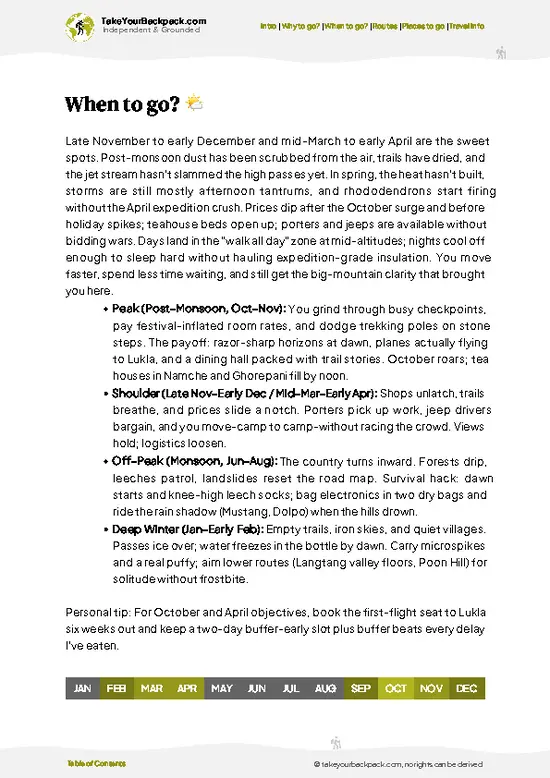
source: climatestotravel.comJANJanuary: good for travelingFEBFebruary: highly recommended for travelingMARMarch: highly recommended for travelingAPRApril: good for travelingMAYMay: fair for travelingJUNJune: below average for travelingJULJuly: below average for travelingAUGAugust: below average for travelingSEPSeptember: fair for travelingOCTOctober: excellent for travelingNOVNovember: excellent for travelingDECDecember: excellent for traveling
when-to-go

✈️ The backpacker research shortcutNepal Travel Guide

An offline-friendly backpacking guide with optimized travel routes, ranked highlights, transport advice, and the best areas to stay.
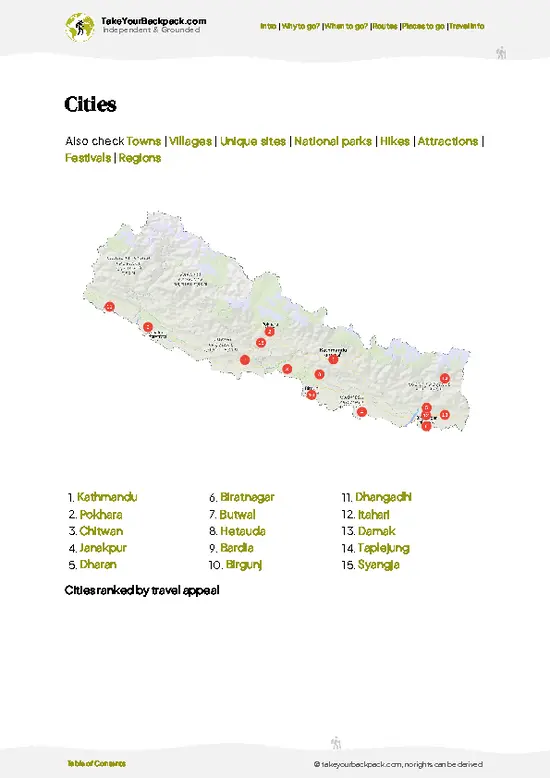
example page 0 from our offline Travel Guide for Nepal
example page 1 from our offline Travel Guide for Nepal
example page 2 from our offline Travel Guide for Nepal
example page 3 from our offline Travel Guide for Nepal
example page 4 from our offline Travel Guide for Nepal
example page 5 from our offline Travel Guide for Nepal
example page 6 from our offline Travel Guide for Nepal
example page 7 from our offline Travel Guide for Nepal
The digital guide (404 pages) contains:
107 highlights, ranked by travel appeal
Optimized 5, 10 & 15-day travel routes
Cities, national parks, landmarks, beaches
How to get around
Offline-friendly for travel without Wi-Fi
👉 Click to see all 30+ guide features

📅 Plan smarter in minutes, not weeks
Month by month travel advice
Festivals & national holidays
Budget expectations

🗺️ Go to the right places, skip the overrated ones
Honest pros & cons of destinations
Top hikes, parks & viewpoints
Lesser-known places most travelers miss
Clear “worth it vs skip it” guidance

🛏️ Travel smoothly without rookie mistakes
Best areas to stay
Transport systems explained simply
Common scams & safety advice
SIM cards, money & practical tips

🌍 Understand the country, not just visit it
Culture & traditions
52 Essential phrases & customs
Festivals worth planning around
Traveler-friendly historical context
Insights that make places more meaningful

📱 Built for real travel conditions
Fully downloadable PDF
Works completely offline
Optimized for phone use
Useful in remote areas & buses
Everything in one place
Save weeks of stressful planning
Get instant access to your full guide. 30‑day money-back guarantee.


By proceeding you agree to our terms.
Sent to your inbox immediately after payment • 100% Secure Checkout
Best Backpacking Travel Advisor 2025 tourism awardBest Backpacking
Travel Advisor
2025
What others say about Take Your Backpack Guides:
⭐⭐⭐⭐⭐
Fantastic, amazing amount of information!
⭐⭐⭐⭐⭐
My goodness this is amazing, it's what I've been looking for hats off too you!
⭐⭐⭐⭐⭐
I think this is absolutely BRILLIANT
⭐⭐⭐⭐
Very complete and informative. It's still missing places, but I gotta to commend you
⭐⭐⭐⭐⭐
This is truly amazing, thank you, can't wait to explore it with my kids!
⭐⭐⭐⭐⭐
Awesome resource, thank you!
⭐⭐⭐⭐⭐
This is amazing! Can't wait to explore the ones I haven't seen
⭐⭐⭐⭐
I love this! Well done, great idea.
⭐⭐⭐⭐⭐
Thanks for taking the time to make this gem!
⭐⭐⭐⭐⭐
This might be the best website I've ever seen.
⭐⭐⭐⭐⭐
Congratulations, and thank you so much for your work; it's incredibly valuable.
⭐⭐⭐⭐
In all seriousness I think you did a great job pointing out the important spots
⭐⭐⭐⭐⭐
10/10 very good
⭐⭐⭐⭐⭐
As someone who's only just starting to visit regularly this is awesome, thank you.
⭐⭐⭐⭐
Thank you very much! I'm going to visit my dad, it's going to be very useful!
⭐⭐⭐⭐⭐
This is really cool! We'll be travelling for the first time and this definitely come in handy.
⭐⭐⭐⭐⭐
You are now our minister of culture, congratulations 👨‍💼
⭐⭐⭐⭐⭐
Just wanted to tell you that this is a pearl! Going to follow your recommendations.
⭐⭐⭐⭐⭐
This is so cool. I'll definitely be using the resource for my travels soon.
⭐⭐⭐⭐⭐
This is very impressive! Good work.
⭐⭐⭐⭐⭐
This is an amazing and informative site. Very well done!

🛏️ Where to stay?Best areas and accommodation options

In Tulsipur, the best spot for backpackers is the area around the main market and bus station. This neighborhood hums with local life—vendors shouting, the scent of fresh spices, and the clatter of motorbikes weaving through narrow streets. It’s safe, well-lit after dark, and packed with budget guesthouses and hostels where solo travelers easily strike up conversations over chai. Staying here means you’re steps from affordable eats and transport links, cutting out the hassle of long commutes. Compared to quieter residential zones, this area pulses with energy and connection, making it the natural … read more 👉
In Tulsipur, the best spot for backpackers is the area around the main market and bus station. This neighborhood hums with local life—vendors shouting, the scent of fresh spices, and the clatter of motorbikes weaving through narrow streets. It’s safe, well-lit after dark, and packed with budget guesthouses and hostels where solo travelers easily strike up conversations over chai. Staying here means you’re steps from affordable eats and transport links, cutting out the hassle of long commutes. Compared to quieter residential zones, this area pulses with energy and connection, making it the natural hub for anyone wanting to dive into Tulsipur’s daily rhythm without breaking the bank.

🚌 Getting aroundGetting around like a local

Tulsipur moves at its own rhythm—neither frantic nor sluggish, but a steady pulse that matches the dusty roads and the scent of earth after rain. The town’s flow is a blend of old-school intuition and practical necessity. You won’t find strict timetables posted everywhere, but there’s a dependable pattern if you know where to look. Locals navigate by landmarks and routine, not by the minute hand, so your best bet is to tune into the natural cadence of the day. Morning light spills over the market, and that’s when the buses and jeeps start filling up, while afternoons slow down into a more relaxed shuffle.


  • Local Buses: These are the backbone of Tulsipur transit, running roughly from 6:00 AM to 7:00 PM. Tickets cost just a few rupees, making them the cheapest option, though expect crowds
read more 👉
Tulsipur moves at its own rhythm—neither frantic nor sluggish, but a steady pulse that matches the dusty roads and the scent of earth after rain. The town’s flow is a blend of old-school intuition and practical necessity. You won’t find strict timetables posted everywhere, but there’s a dependable pattern if you know where to look. Locals navigate by landmarks and routine, not by the minute hand, so your best bet is to tune into the natural cadence of the day. Morning light spills over the market, and that’s when the buses and jeeps start filling up, while afternoons slow down into a more relaxed shuffle.


  • Local Buses: These are the backbone of Tulsipur transit, running roughly from 6:00 AM to 7:00 PM. Tickets cost just a few rupees, making them the cheapest option, though expect crowds and stops every few hundred meters.

  • Shared Jeeps: Faster and more direct than buses, shared jeeps leave when full, usually between 7:00 AM and 6:00 PM. They cost a bit more but save time, especially if you’re heading to nearby villages or the bus station.

  • Rickshaws: Ideal for short hops within town, rickshaws are everywhere and run on a loose meter system. Negotiate upfront to avoid surprises; expect to pay more after dark.

  • Walking: The town’s compact center rewards those who explore on foot. Streets are dusty but navigable, and walking lets you catch the smells of fresh spices and hear the chatter of daily life up close.

👛 Costs (as of 20 February 2026)How expensive it really is

Backpacking in Tulsipur, Nepal, offers a raw, grounded experience where every dollar stretches further than you might expect, but knowing the local rhythm helps you avoid the tourist pitfalls and enjoy the town’s authentic pace.
  • Dorm Accommodation: Expect to pay around $5 to $10 per night for a basic dorm bed. These places are simple—think wooden bunks, a shared bathroom, and the faint scent of wood smoke drifting in from outside. It’s not luxury, but it’s clean enough, and the low price leaves room for other adventures.
  • Meals: Local eateries serve hearty dal bhat (lentils and rice) for about $1.50 to $3 per meal. Street food snacks like momos or fried potatoes hover around $0.50 to $1.50. Western-style cafes or occasional splurges on meat dishes can push the meal cost up to $5, but sticking
read more 👉
Backpacking in Tulsipur, Nepal, offers a raw, grounded experience where every dollar stretches further than you might expect, but knowing the local rhythm helps you avoid the tourist pitfalls and enjoy the town’s authentic pace.
  • Dorm Accommodation: Expect to pay around $5 to $10 per night for a basic dorm bed. These places are simple—think wooden bunks, a shared bathroom, and the faint scent of wood smoke drifting in from outside. It’s not luxury, but it’s clean enough, and the low price leaves room for other adventures.
  • Meals: Local eateries serve hearty dal bhat (lentils and rice) for about $1.50 to $3 per meal. Street food snacks like momos or fried potatoes hover around $0.50 to $1.50. Western-style cafes or occasional splurges on meat dishes can push the meal cost up to $5, but sticking to local joints keeps your wallet happy and your belly full.
  • Local Transport: Tuktuks and local buses are the go-to options, with rides typically costing between $0.20 and $1 depending on distance. Walking is often the best way to soak in the town’s dusty streets and market chatter, but for quick hops, these cheap rides keep you moving without hassle.
  • Basic Activities/Entry Fees: Most local attractions or temples don’t charge more than $1 to $2 for entry, if at all. Guided treks or special cultural experiences might run higher, but casual exploration stays budget-friendly. The real cost here is time—slow down, breathe in the earthy smells, and let the place reveal itself.
  • Miscellaneous Expenses: Think bottled water ($0.50), occasional snacks, or small souvenirs. Budget around $1 to $2 daily for these extras. Internet cafes or SIM cards for data are cheap, usually under $5 for a decent package, keeping you connected without breaking the bank.

All told, a realistic daily budget for backpacking in Tulsipur falls between $8 and $18. This range covers the essentials without cutting corners on comfort or experience. The town’s unpolished charm means you’re paying for authenticity, not tourist fluff. Embrace the simplicity, and you’ll find the costs reflect a place where life moves at its own steady, unhurried pace.


source: welcomenepal.com
⚠️ Prices can change and everyone travels differently, so take this as a rough guide. Hope it helps you plan your adventure!

🚌 Day tripsWhere to go beyond the main area

Tulsipur, Nepal, is your launchpad for unforgettable day trips that blend adventure with local culture.

Trip to Ridi Ghat
Just a short ride from Tulsipur, Ridi Ghat offers a serene riverside experience. The journey takes about an hour, winding through lush fields and small villages. Once there, you can soak in the spiritual vibe of the temples and enjoy a riverside picnic. The scent of incense mingles with the fresh river air, creating a peaceful atmosphere. Aim for early morning to avoid the crowds and catch the sunrise reflecting off the water. Expect to spend around $5 for transport and snacks. Many first-timers miss the local food stalls; don’t skip the momos!


Trip to the Bardia National Park
A bit further afield, Bardia National Park is a wildlife lover’s dream. It’s about a … read more 👉
Tulsipur, Nepal, is your launchpad for unforgettable day trips that blend adventure with local culture.

Trip to Ridi Ghat
Just a short ride from Tulsipur, Ridi Ghat offers a serene riverside experience. The journey takes about an hour, winding through lush fields and small villages. Once there, you can soak in the spiritual vibe of the temples and enjoy a riverside picnic. The scent of incense mingles with the fresh river air, creating a peaceful atmosphere. Aim for early morning to avoid the crowds and catch the sunrise reflecting off the water. Expect to spend around $5 for transport and snacks. Many first-timers miss the local food stalls; don’t skip the momos!


Trip to the Bardia National Park
A bit further afield, Bardia National Park is a wildlife lover’s dream. It’s about a two-hour bus ride, but the chance to see elephants and maybe even a tiger makes it worth every minute. The park is best visited in the cooler months, from October to March. Entry fees are around $10, plus a few bucks for a guide if you want to maximize your chances of spotting wildlife. Many backpackers underestimate the park’s size and miss out on the best trails; plan your route in advance.


Trip to the Tharu Village
Just a half-hour from Tulsipur, visiting a Tharu village immerses you in local culture. The vibrant colors of traditional Tharu homes and the warmth of the community are captivating. You can join a guided tour for about $8, which often includes a meal. The best time is during festivals when the village comes alive with dance and music. A common mistake is to rush through; take your time to engage with the locals and learn about their customs.
Want to know what more Nepal offers?
The Nepal Travel Guide describes 107 highlights, from cities to national parks, from beaches to hikes

Get the Travel Guide -

🛡️ SafetyStaying Safe: What Travelers Should Know

Tulsipur is generally safe, but awareness is key. Stick to well-lit areas at night, especially if you’re solo. The main square is lively, but quieter streets can feel isolated after dark.

Watch for common scams, like overly friendly locals offering unsolicited help that leads to inflated prices. Always negotiate before accepting services.

Keep your belongings close; petty theft can happen in crowded markets. Carry yourself confidently, and don’t hesitate to say no. Trust your instincts, and you’ll navigate Tulsipur smoothly.

Other Nepali towns near Tulsipur

Explore more nearby:

  • Tansen—Palpa Durbar, winding alleys, artisan workshops| 124 km away
  • Siddharthanagar—Lumbini gateway, border town, flat rice fields| 132 km away
  • Palpa—Shree Amar Narayan temple, Newari rooftops, hilltop bazaar| 134 km away

💡 Not sure where to go next?
Create a personalized itinerary for Nepal including Tulsipur and the places that fit your trip.

Generate my itinerary

👉 Discover all towns

Or checkout all Nepal has to offer (think cities, towns, villages, national parks, hikes, beaches, festivals)
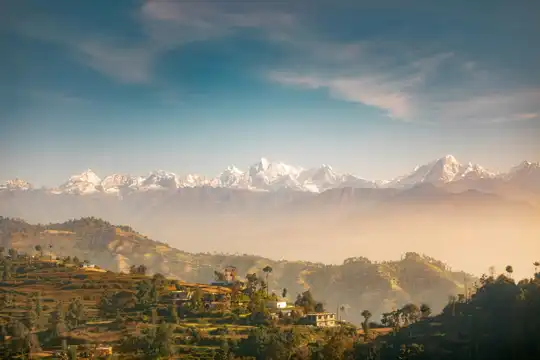
Country photo of Nepal

We 💚 feedbackParting advice and final tips

Tulsipur’s charm lies in its raw, unfiltered vibe. You’ll feel the pulse of local life, with bustling markets and the scent of spices wafting through the air. Just be ready for the heat; it can be relentless. Embrace it, and you’ll find the real heart of Nepal.

✈️ When did I visit Nepal?
Being a mountain lover, Nepal is one of my favorites. I visited it in November 2006, hiking the full Annapurna circuit as my highlight.

✍️ Help improve this page!
The information on this page is based on my own backpacking experience in Nepal, supplemented with up-to-date research and feedback from other travelers. Travel details can change, so if you notice anything outdated or incomplete, feel free to let me know.


🙋‍♂️ Give feedback

👋 Meet the founderWho’s Behind Take Your Backpack?

Johan, backpacker and founder of TakeYourBackpackHi, I’m Johan (Netherlands 🇳🇱), the creator of TakeYourBackpack. Over the past decade, I’ve backpacked through 80+ countries across six continents, gaining extensive experience with independent travel, long-term trips, and overland routes.

This site is built on a combination of firsthand travel experience and carefully curated insights from other backpackers. Many guides are based on places I’ve personally visited, while others bring together tips, observations, and practical advice shared by trusted travelers I’ve met along the way.

The goal is to provide realistic, experience-driven guidance — not generic itineraries — so you can explore destinations with better context, clearer expectations, and more confidence.

Get full Nepal guide •
Instant download • 107 highlights • Full Offline guide