v2.webp)
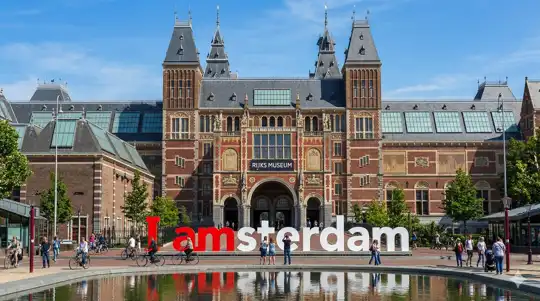
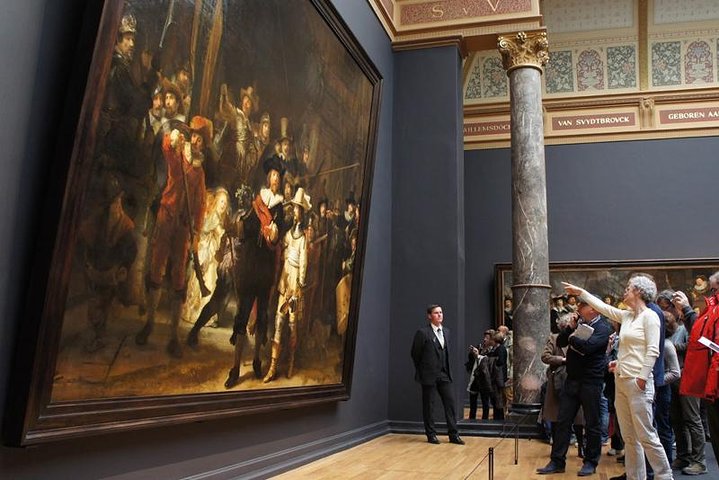
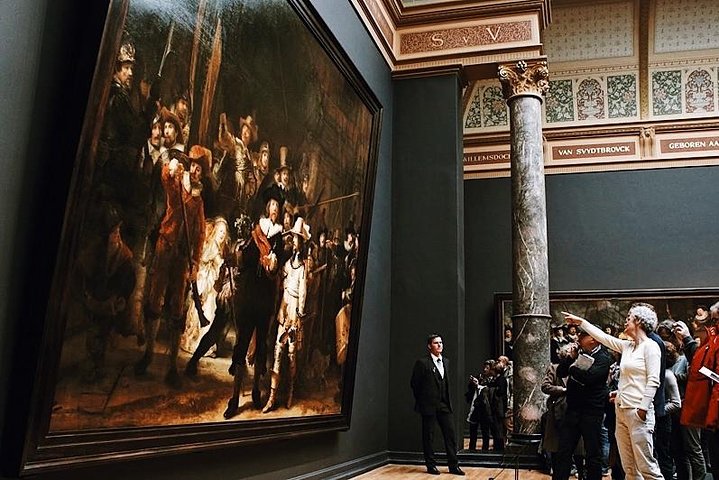
- The Night Watch: Rembrandt’s 1642 militia portrait is about 3.6 by 4.4 meters. It hangs in its own hall, and the Operation Night Watch research project lets you watch conservators work behind glass.
- The Milkmaid: Vermeer’s small canvas of a servant pouring milk rewards close looking. Notice the individual bread crumbs and how the light sits on the wall.
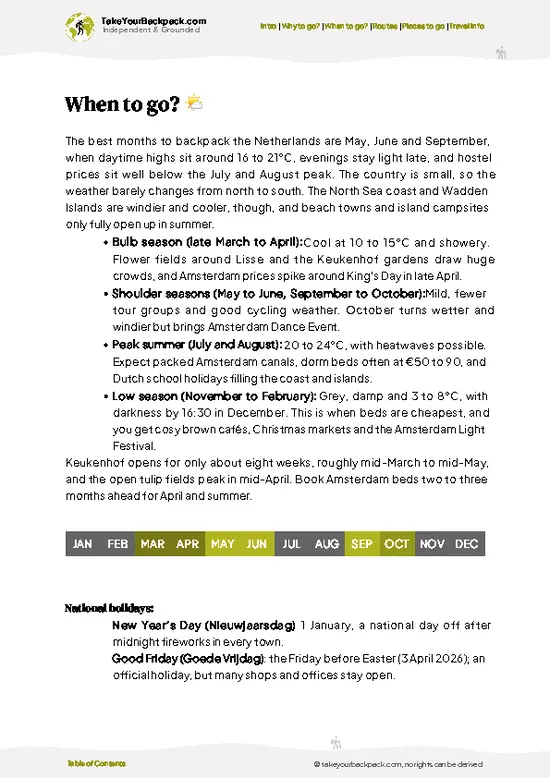
- The Gallery of Honour: This long hall of 17th-century masters, with Hals, Steen and Rembrandt, makes the Golden Age feel like a continuous story rather than separate rooms.
- The Jewish Bride: Rembrandt’s late double portrait is painted with thick, almost sculpted paint on the sleeve. It is quieter and more intimate than the Night Watch.
- Petronella Oortman’s dollhouse: A 1690s cabinet house furnished in miniature, with tiny porcelain, linens and
- The Night Watch: Rembrandt’s 1642 militia portrait is about 3.6 by 4.4 meters. It hangs in its own hall, and the Operation Night Watch research project lets you watch conservators work behind glass.
- The Milkmaid: Vermeer’s small canvas of a servant pouring milk rewards close looking. Notice the individual bread crumbs and how the light sits on the wall.
- The Gallery of Honour: This long hall of 17th-century masters, with Hals, Steen and Rembrandt, makes the Golden Age feel like a continuous story rather than separate rooms.
- The Jewish Bride: Rembrandt’s late double portrait is painted with thick, almost sculpted paint on the sleeve. It is quieter and more intimate than the Night Watch.
- Petronella Oortman’s dollhouse: A 1690s cabinet house furnished in miniature, with tiny porcelain, linens and paintings. It records what a wealthy Amsterdam home actually held.
- Ship models and naval paintings: Detailed models and sea-battle canvases show how the Dutch East India Company and the navy shaped the economy. They are good context before you see the harbor.
- The garden: A free sculpture garden beside the museum, with pools and clipped hedges. It is a decent place to sit with a coffee when the galleries get loud.
Spotted a mistake or missing something? Contact us.

Amsterdam 90 minutes Canal Cruise with bar and snacks on board.

Amsterdam City Top Highlights Guided Bike Tour
Rijksmuseum Amsterdam Exclusive Guided Tour w/ Reserved Entry

Van Gogh & Rijksmuseum w/ Reserved Entry Semi-Private Tour
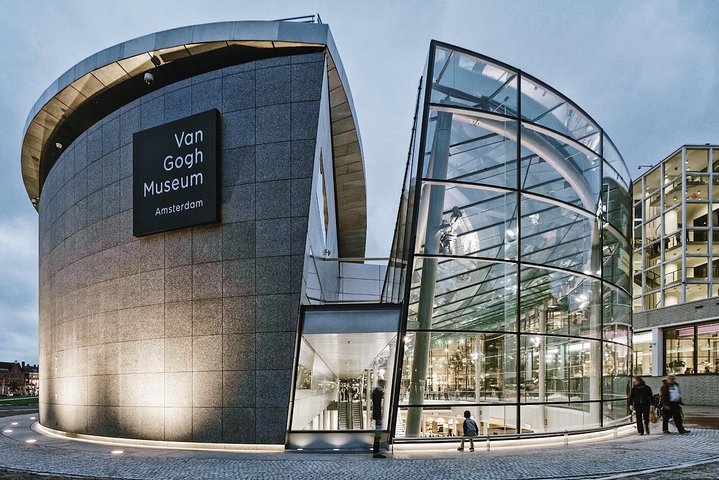
Van Gogh & Rijksmuseum w/ Reserved Entry Exclusive Guided Tour
Amsterdam Rijksmuseum Tour Semi-Private with 12ppl Max

Rijksmuseum Amsterdam Private Guided Tour

The Original Bike Tour of Amsterdam Highlights and Hidden Streets

Rijksmuseum Guided Tour with a private local Dutch guide

 Best Backpacking
.jpg) Hi, I’m Johan (Netherlands 🇳🇱), the creator of TakeYourBackpack. Over the past 3 decades, I’ve backpacked through 90+ countries across six continents, gaining extensive experience with independent travel, long-term trips, and overland routes.
Hi, I’m Johan (Netherlands 🇳🇱), the creator of TakeYourBackpack. Over the past 3 decades, I’ve backpacked through 90+ countries across six continents, gaining extensive experience with independent travel, long-term trips, and overland routes.