How many attractions to visit: Three to four paid attractions per week is the number I would advise. Big sights here are timed, absorbing and priced at roughly €15 to 25 each, so more than one a day brings fatigue and a heavy bill, while free canal walks, markets and neighborhoods fill the gaps. The country rewards wandering as much as ticketed entry, and the pace keeps your energy for the weather.
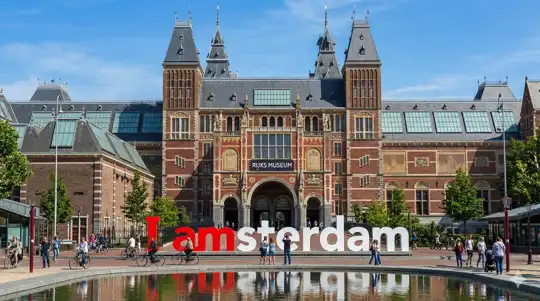
Prioritizing by travel style: If art and history drive you, put your money into one or two major museums and book the first slot of the day, because that is when queues are shortest. If you travel for landscape, favor windmill villages, coastal dunes and cycling routes, which are mostly free or cost under €10. If you like technology and design, Rotterdam and Eindhoven offer modern sights at lower …
read more 👉 How many attractions to visit: Three to four paid attractions per week is the number I would advise. Big sights here are timed, absorbing and priced at roughly €15 to 25 each, so more than one a day brings fatigue and a heavy bill, while free canal walks, markets and neighborhoods fill the gaps. The country rewards wandering as much as ticketed entry, and the pace keeps your energy for the weather.
Prioritizing by travel style: If art and history drive you, put your money into one or two major museums and book the first slot of the day, because that is when queues are shortest. If you travel for landscape, favor windmill villages, coastal dunes and cycling routes, which are mostly free or cost under €10. If you like technology and design, Rotterdam and Eindhoven offer modern sights at lower prices than Amsterdam. Families and groups benefit from combined passes, but solo backpackers rarely visit enough sites to recoup a pass cost unless they are heavy museum-goers.
What it costs: Plan on €60 to 100 a day on a backpacker budget including a hostel dorm (often €35 to 70 in cities), food and transit. Attractions add €10 to 25 per visit, while guided canal or walking tours run about €15 to 30. A national museum card costs roughly €65 to 80 for a year and covers hundreds of venues, which pays off after about four to five entries. Local transport is a hidden cost: a day on trains between cities can reach €15 to 30, so off-peak discounts and bike rental at €10 to 15 a day are the smarter route.
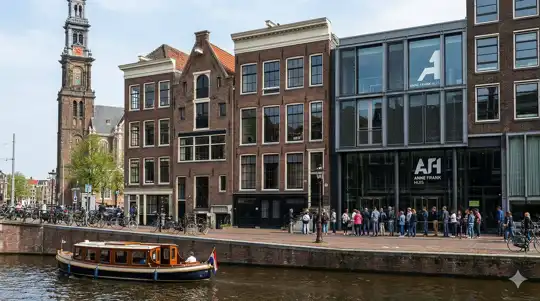
Booking and payment: Timed tickets exist because buildings are small and old, and capacity is limited. Experienced travelers book popular sites a week or more ahead in high season and keep a cancelable fallback. Many venues are cashless, so a debit card or phone payment works better than euros in hand.
Safety and cultural considerations: Violent crime is rare, but bike theft and pickpocketing around stations and crowded museum queues are routine. Use a sturdy lock, keep bags zipped and never leave a bike unlocked. The biggest danger for visitors is traffic: cycle paths are fast, and walking in a bike lane is a common mistake that causes collisions. Step aside as soon as you notice the red pavement. Cannabis coffeeshops are tolerated, but public smoking rules vary and are restricted in many areas, so check signs. Photography is restricted or banned inside some museums and in the red-light district, where filming sex workers is prohibited and can cause confrontations. Dutch directness can sound blunt, but it signals honesty, so ask direct questions and expect direct answers.






 Best Backpacking
 Hi, I’m Johan (Netherlands 🇳🇱), the creator of TakeYourBackpack. Over the past 3 decades, I’ve backpacked through 90+ countries across six continents, gaining extensive experience with independent travel, long-term trips, and overland routes.