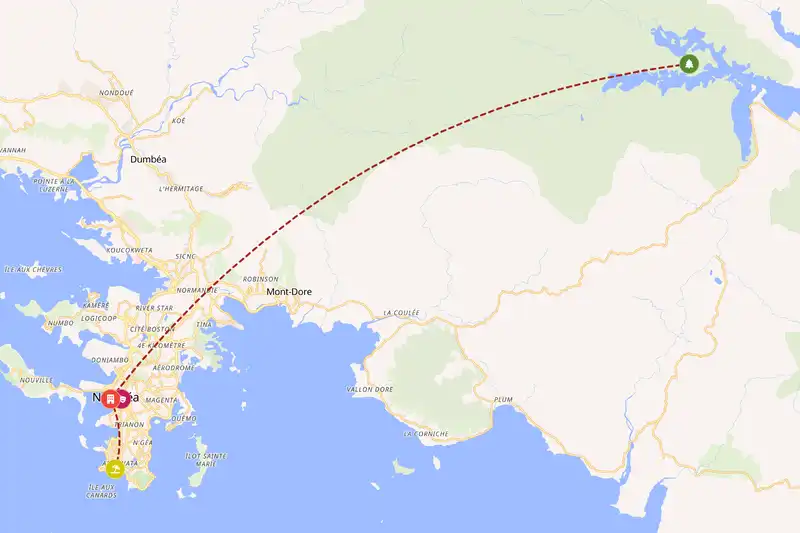
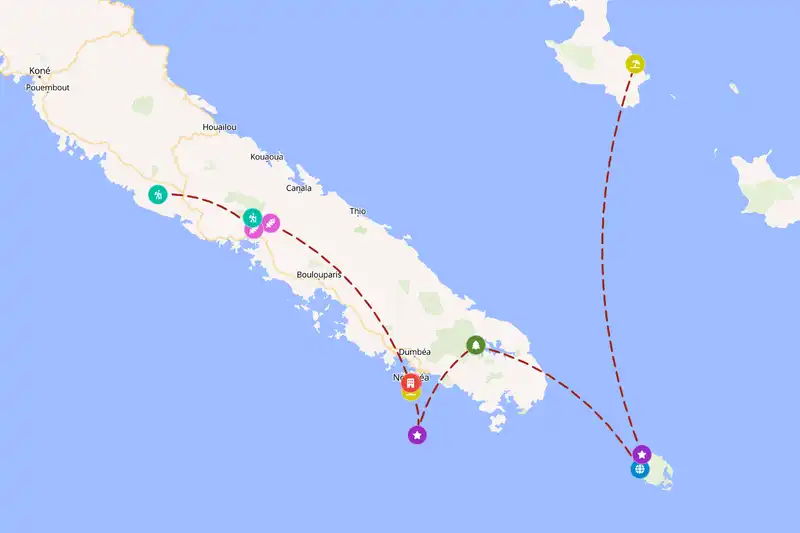
Short version: yes, but it’s not Southeast Asia-easy. New Caledonia is totally doable independently if you’re comfortable with a bit of planning, some French, and higher prices than typical backpacker circuits.
What makes it easy:
- Safety: It’s generally safe, calm, and relaxed. Solo travelers and women can move around without much hassle if you use normal street sense.
- Compact main island: Most people stick to Grande Terre (the main island) plus 1–2 outer islands, so you’re not juggling a dozen borders or crazy logistics.
- Clear structure: You’ll bounce between Nouméa, a few coastal towns, and maybe the Loyalty Islands or Isle of Pines. Routes are straightforward once you see a map.
What makes it trickier for backpackers:
- Cost: Accommodation, food, and transport are closer to Australia/NZ prices than to Indonesia. You need to think like a budget hacker: self-cater, camp, and use tribal stays or gîtes instead of hotels.
- Language: French is the default. English is spoken in some tourist spots, but not everywhere. A few key phrases in French go a long way, especially in rural areas and tribal stays.
- Limited backpacker infrastructure: You won’t find a hostel on every corner or a swarm of backpacker buses. You’ll be using local buses, hitchhiking where it’s culturally acceptable, and arranging stays directly.
How to make it work on a budget:
- Base in Nouméa for cheap groceries and self-catering, then fan out on short trips.
- Use campgrounds and simple gîtes (guesthouses) instead of resorts.
- Travel slowly: every transfer costs money, so fewer bases, more depth.
- Book domestic flights and ferries early when possible; last-minute can be painful on the wallet.
If you’ve backpacked places like French Polynesia or rural Australia, New Caledonia will feel very manageable. If your only reference is Thailand, expect fewer hostels, more planning, and a higher daily spend, but still very doable if you’re intentional.
For a budget traveler, the sweet spot is 10–14 days. That gives you time to justify the flight cost, move slowly enough to save money, and see more than just Nouméa.
Rough timing guidelines:
- 4–5 days (absolute minimum): Nouméa + a quick trip to either Isle of Pines or one Loyalty Island. This is a sampler, not a full trip.
- 7 days: Nouméa (2–3 days), a road trip loop on Grande Terre (3–4 days), or Nouméa plus one island (Isle of Pines or Lifou). You’ll have to choose between inland mountains and outer islands.
- 10–14 days (ideal):
- 3–4 days Nouméa (city, nearby beaches, day trips).
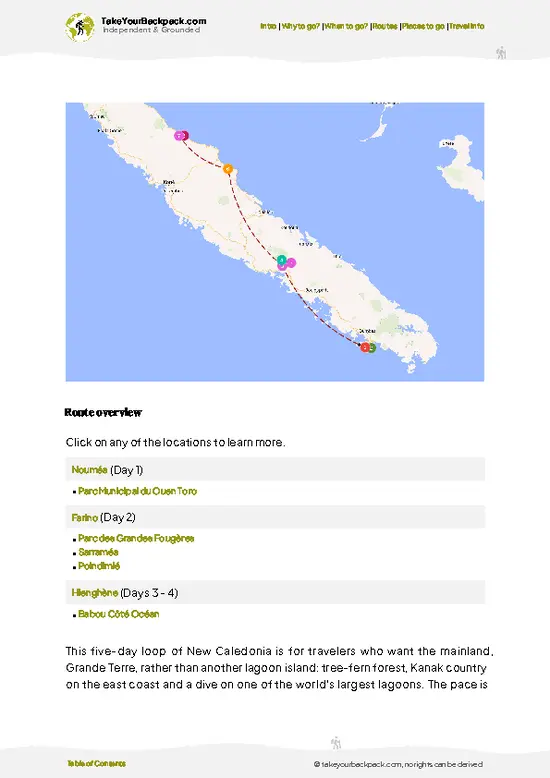
- 4–5 days road-tripping Grande Terre (north or east coast, plus the red south).
- 3–4 days on one outer island (Lifou or Isle of Pines) with time to actually relax and not just tick boxes.
- 3+ weeks: You can add more Loyalty Islands, dive trips, multi-day hikes (like GR NC1 segments), and longer cultural stays in tribal villages.
For tight budgets, longer is often cheaper per day because you can:
- Shop at supermarkets and cook.
- Negotiate weekly rates at some gîtes or campgrounds.
- Spread out expensive transfers so they’re not stacked into a short, intense trip.
If you’re flying from far away, less than a week rarely feels worth the cost and jet lag. If you can swing 10–12 days, that’s where New Caledonia really starts to feel like a proper backpacking destination instead of a rushed island stopover.
You can get around without a car, but it changes how you travel. Think slower, more local, and more dependent on schedules.
On Grande Terre (main island):
- Buses: There’s an intercity bus network (Carsud and others) linking Nouméa with major towns like Koné, Koumac, Bourail, and the east coast. It’s cheap and safe but not super frequent, so you need to plan around departure times.
- Local transport: Within towns, you’ll mostly walk. Some areas have local buses or shared taxis, but they’re not always obvious; ask at your accommodation.
- Hitchhiking: Common in rural areas and often accepted culturally, especially on the east coast. It’s not risk-free, but many budget travelers use it to fill gaps between buses. Dress respectfully, be patient, and don’t hitch at night.
Outer islands (Loyalty Islands, Isle of Pines):
- Transfers: You’ll use domestic flights or ferries from Nouméa. Once on the island, you can often arrange transfers with your gîte or tribal stay for a fee.
- Biking and walking: Some islands are small enough that renting a bike or just walking is realistic for nearby beaches and villages.
When a car is worth it:
- If you’re traveling with 2–3 people, renting a car for a few days on Grande Terre can actually be cost-effective and gives you access to remote beaches, waterfalls, and viewpoints.
- For serious hikers or photographers chasing sunrise/sunset spots, a car saves a lot of time and hassle.
If you’re strictly no-car:
- Base yourself in Nouméa and 1–2 other towns that are on bus routes.
- Choose islands where your accommodation can organize transfers and tours.
- Accept that you’ll see fewer remote corners but get a deeper feel for the places you do reach.
For a budget backpacker, the must-visits are the places that give you the most nature and culture per dollar, not just the fanciest beaches.
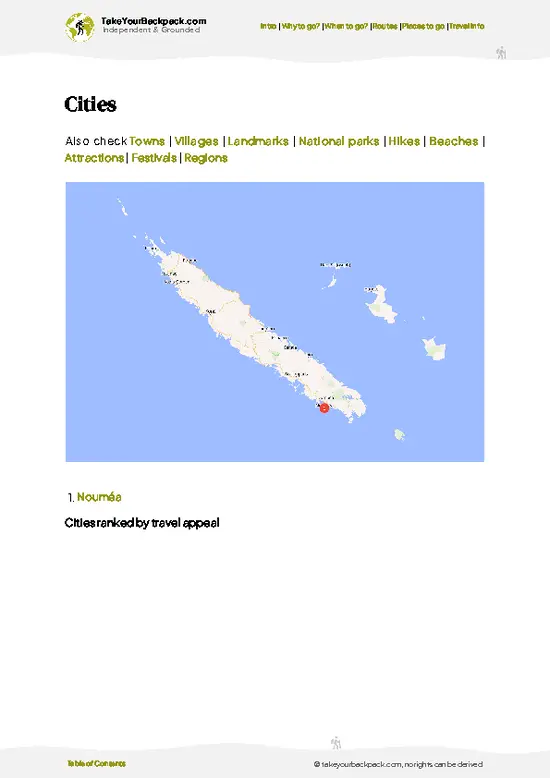
1. Nouméa (as a base, not just a city stop)
- Why it’s worth it: It’s your logistics hub, but also has good swimming beaches, coastal walks, and access to cheap(er) supermarkets. You can do day trips instead of paying for multiple hotel moves.
- Don’t miss: Anse Vata and Baie des Citrons for sunset, the local market for fruit and snacks, and a cheap ferry or boat trip to nearby islets like Îlot Canard or Amédée if your budget allows.
2. East Coast of Grande Terre (Hienghène, Poindimié area)
- Why it’s worth it: Lush mountains dropping into the sea, Kanak culture, and a slower, more local feel than Nouméa. This is where New Caledonia feels distinct from other Pacific islands.
- Don’t miss: Coastal viewpoints around Hienghène, simple tribal stays or gîtes, and snorkeling or kayaking if you can swing it.
3. The South of Grande Terre (Yaté, Blue River Park area)
- Why it’s worth it: Red earth landscapes, lakes, and a very different vibe from the green east coast. Great for hiking and biking.
- Don’t miss: Day hikes in Parc de la Rivière Bleue if your budget covers the park fee and transport; otherwise, shorter walks and viewpoints in the south still give you that Mars-like scenery.
4. Lifou (Loyalty Islands)
- Why it’s worth it: For backpackers, Lifou often gives better value than the ultra-resort side of Isle of Pines. You get cliffs, caves, beaches, and homestay-style accommodation.
- Don’t miss: Snorkeling from shore, simple tribal or gîte stays with meals included, and exploring by bike or arranged transfers.
5. Isle of Pines (if you can afford the transfer)
- Why it’s worth it: It’s famous for a reason: lagoon, white sand, and those tall pines. It’s more polished and can be pricier, but a short stay can be a highlight.
- Don’t miss: Natural pools and lagoon time. Keep it short (2–3 nights) to protect your budget.
If you’re tight on cash, prioritize: Nouméa + East Coast + South Grande Terre + one outer island (Lifou if you want more culture, Isle of Pines if you want that postcard lagoon).
If you’re short on time or money, skip anything that eats a full day and a big chunk of your budget without adding much variety.
1. Multiple outer islands
- Why skip: Hopping between several Loyalty Islands plus Isle of Pines looks great on a map but kills your budget with repeated flights or ferries. Pick one island that matches your style and do it well instead of collecting stamps.
2. Overlong stays in Nouméa’s resort zone
- Why skip: One or two evenings around Anse Vata and Baie des Citrons is plenty. Spending your whole trip there feels like being stuck in a generic beach town with high prices. Use Nouméa as a base and jump out to the rest of Grande Terre.
3. High-end lagoon cruises and luxury day tours
- Why skip: Many expensive boat trips duplicate what you can get from cheaper local options or even from shore snorkeling and simple islet visits. If money is tight, do one well-chosen lagoon or islet trip and skip the rest.
4. Deep interior if you’re not hiking
- Why skip: Long drives into the interior just to say you’ve been there aren’t worth it if you’re not doing specific hikes or activities. Focus on coast + one or two targeted inland spots instead of random long transfers.
5. Shopping and fancy dining in Nouméa
- Why skip: Imported goods and restaurant meals add up fast. For budget travelers, supermarkets, snack bars, and occasional mid-range meals give you the experience without draining your funds.
If you’re really squeezed for time, the most efficient plan is: a short Nouméa stay, one focused loop on Grande Terre (east or south), and one outer island. Skip extra islands, skip long detours, and skip anything that’s basically the same beach experience with a higher price tag.