×

New Caledonia🇳🇨 | landmarksHeart of VohMangrove heart, salt flats, Katépahié ridge, scenic flight | things to do and best time to go

Explore Chutes de la MadeleineExplore Hienghène

Backpacking in Heart of Voh
👀 For curious travelersunique site ranked #5
By Johan Kruseman 🇳🇱 | Updated October 15, 2026

The heart-shaped mangrove clearing is not a walking destination in itself: it sits in a mangrove-fringed lowland of tidal flats, and you only see the heart from above. It lies on the west coast in the north of New Caledonia, near the village of Voh. The heart is a small, scrubby patch, so a ground-level visit shows only gray-green mangrove and cracked salt mud. Book a flight over it, or hike the Pic Katépahié trail, which starts at the road to Koné and climbs through dry forest and hot red laterite soil. Start early, because the climb has almost no shade and the midday glare is brutal. Carry more water than seems sensible. The ridge reward is a wide view of the lagoon, the mangrove maze and, if the light is low, a heart outlined in silver where the tide runs through.

Discover everything you want to know in the 📖 New Caledonia Travel Guide.


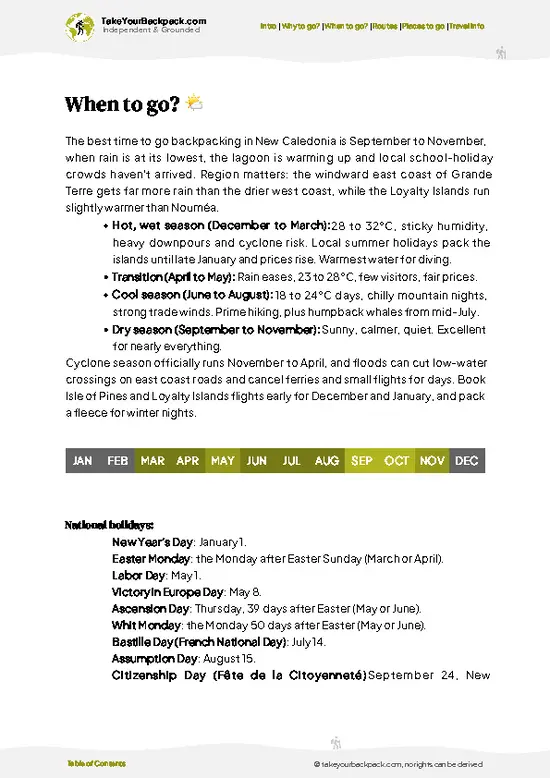
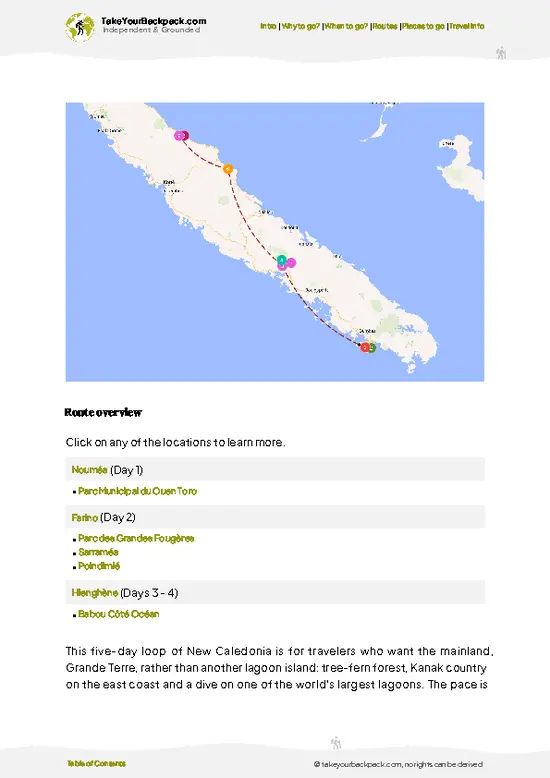
example page 0 from our offline Travel Guide for New Caledonia
example page 1 from our offline Travel Guide for New Caledonia
example page 2 from our offline Travel Guide for New Caledonia
example page 3 from our offline Travel Guide for New Caledonia
example page 4 from our offline Travel Guide for New Caledonia
example page 5 from our offline Travel Guide for New Caledonia
example page 6 from our offline Travel Guide for New Caledonia
example page 7 from our offline Travel Guide for New Caledonia
Loading the map 🌍
CLICK TO FILTER
cities
towns
villages
landmarks
national parks
hikes
beaches
attractions
festivals
regions
SHOW COUNTRY’S BESTSHOW ALL

✨ Why go?
Ranked #5 unique site in New Caledonia
What makes this unique site worth visiting

Backpackers pick this spot for one reason above all: the heart-shaped mangrove clearing that Yann Arthus-Bertrand photographed from the air and put on the cover of his book Earth from Above. It is free to explore on your own, so there is no tour you need to book. The walk is short enough to fit around a drive up the west coast, which suits self-guided travelers with a rental car or a thumb out. You can combine it with the village of Voh and the Voh peninsula area, where the coastline opens into mudflats and salt pans. Tours do exist, including flights over the formation, but they are a splurge, and the ground trail gives you most of the view for the price of a morning. Sensible walkers get a lot here with little planning.

💡 HighlightsTop highlights of Heart of Voh

  1. Heart of Voh lookout: the viewpoint at the end of the trail, with a wide view over the mangrove and the pale salt flats where the heart shape sits. It is the reason everyone comes. Photos from the ground are modest, but the shape is easy to read from the high point.
  2. The summit trail: a climb through dry sclerophyll forest and rocky outcrops on reddish soil, with lizards and birds in the brush. The effort is steady rather than steep.
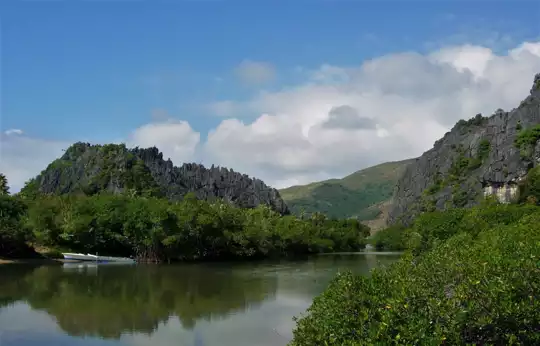
  3. Voh mangroves: the surrounding tidal forest, where the tangled roots, mud and water change with the tide. They give the clearest sense of how the heart shape formed.
  4. Tannes (salt flats): the bare, pale patches of hypersaline ground, that form the open middle of the heart. They glare white in strong sun and look otherworldly from above.
  5. Voh village: a small northern
… read more 👉
  1. Heart of Voh lookout: the viewpoint at the end of the trail, with a wide view over the mangrove and the pale salt flats where the heart shape sits. It is the reason everyone comes. Photos from the ground are modest, but the shape is easy to read from the high point.
  2. The summit trail: a climb through dry sclerophyll forest and rocky outcrops on reddish soil, with lizards and birds in the brush. The effort is steady rather than steep.
  3. Voh mangroves: the surrounding tidal forest, where the tangled roots, mud and water change with the tide. They give the clearest sense of how the heart shape formed.
  4. Tannes (salt flats): the bare, pale patches of hypersaline ground, that form the open middle of the heart. They glare white in strong sun and look otherworldly from above.
  5. Voh village: a small northern town useful for supplies and a coffee before or after the walk. Its modest shops and local pace make it an easy stop.
  6. Scenic flight over the heart: a short flight offers the classic aerial view that made the site famous. It is pricey, so treat it as an optional splurge.
If time is short, skip the village stop and head straight to the lookout.
Spotted a mistake or missing something? Contact us.

Things to do near Heart of Voh

Ratings based on Tripadvisor reviews. When you book through this link, you support our work at no extra cost to you.

🌤️ When to go?Weather, crowds, and seasonal trade-offs

  • Cool dry season (May to October): Daytime highs sit around 24 to 27°C (75 to 81°F), nights drop to 15 to 18°C (59 to 64°F), and the red-dirt trail to the viewpoint stays firm underfoot. Daylight runs roughly 11 hours in June and July, with sunrise near 6:30 am.
  • Hot wet season (December to March): Expect 28 to 33°C (82 to 91°F), heavy humidity and tropical downpours. Cyclones are possible, and the trail turns slick clay. Days stretch to about 13 hours of light.
  • Shoulder months (April, November): Around 26 to 30°C (79 to 86°F) with patchy showers and few visitors.
  • School holidays (July to August, December to January): Local families travel, so Voh gîtes and rental cars book up and prices edge up.
  • Seasonal activity: Clear air from June to September gives the sharpest aerial views of the heart-shaped
… read more 👉
  • Cool dry season (May to October): Daytime highs sit around 24 to 27°C (75 to 81°F), nights drop to 15 to 18°C (59 to 64°F), and the red-dirt trail to the viewpoint stays firm underfoot. Daylight runs roughly 11 hours in June and July, with sunrise near 6:30 am.
  • Hot wet season (December to March): Expect 28 to 33°C (82 to 91°F), heavy humidity and tropical downpours. Cyclones are possible, and the trail turns slick clay. Days stretch to about 13 hours of light.
  • Shoulder months (April, November): Around 26 to 30°C (79 to 86°F) with patchy showers and few visitors.
  • School holidays (July to August, December to January): Local families travel, so Voh gîtes and rental cars book up and prices edge up.
  • Seasonal activity: Clear air from June to September gives the sharpest aerial views of the heart-shaped mangrove.
Start the walk by 8 am to catch the best light and avoid midday heat.


source: climatestotravel.comJANJanuary: below average for travelingFEBFebruary: below average for travelingMARMarch: below average for travelingAPRApril: fair for travelingMAYMay: highly recommended for travelingJUNJune: excellent for travelingJULJuly: highly recommended for travelingAUGAugust: highly recommended for travelingSEPSeptember: highly recommended for travelingOCTOctober: excellent for travelingNOVNovember: below average for travelingDECDecember: below average for traveling
when-to-go

✈️ The backpacker research shortcutNew Caledonia Travel Guide

An offline-friendly backpacking guide with optimized travel routes, ranked highlights, transport advice, and the best areas to stay.
example page 0 from our offline Travel Guide for New Caledonia
example page 1 from our offline Travel Guide for New Caledonia
example page 2 from our offline Travel Guide for New Caledonia
example page 3 from our offline Travel Guide for New Caledonia
example page 4 from our offline Travel Guide for New Caledonia
example page 5 from our offline Travel Guide for New Caledonia
example page 6 from our offline Travel Guide for New Caledonia
example page 7 from our offline Travel Guide for New Caledonia
The digital guide (158 pages) contains:
✅ 42 highlights, ranked by travel appeal
✅ Optimized 2, 3 & 5-day travel routes
✅ Cities, national parks, landmarks, beaches
✅ How to get around
✅ Offline-friendly for travel without Wi-Fi
👉 Click to see all 30+ guide features

📅 Plan smarter in minutes, not weeks
✅ Month by month travel advice
✅ Festivals & national holidays
✅ Budget expectations

🗺️ Go to the right places, skip the overrated ones
✅ Honest pros & cons of destinations
✅ Top hikes, parks & viewpoints
✅ Lesser-known places most travelers miss
✅ Clear “worth it vs skip it” guidance

🛏️ Travel smoothly without rookie mistakes
✅ Best areas to stay
✅ Transport systems explained simply
✅ Common scams & safety advice
✅ SIM cards, money & practical tips

🌍 Understand the country, not just visit it
✅ Culture & traditions
✅ 52 Essential phrases & customs
✅ Festivals worth planning around
✅ Traveler-friendly historical context
✅ Insights that make places more meaningful

📱 Built for real travel conditions
✅ Fully downloadable PDF
✅ Works completely offline
✅ Optimized for phone use
✅ Useful in remote areas & buses
✅ Everything in one place
Stop searching, start planning
Get instant access to your full guide. 30‑day money-back guarantee.
+ Add another guide for just

By proceeding you agree to our terms.
Sent to your inbox immediately after payment • 100% Secure Checkout
Best Backpacking Travel Advisor 2025 tourism awardBest Backpacking
Travel Advisor
2025
What others say about Take Your Backpack Guides:
⭐⭐⭐⭐⭐
Fantastic, amazing amount of information!
⭐⭐⭐⭐⭐
My goodness this is amazing, it's what I've been looking for hats off too you!
⭐⭐⭐⭐⭐
I think this is absolutely BRILLIANT
⭐⭐⭐⭐
Very complete and informative. It's still missing places, but I gotta to commend you
⭐⭐⭐⭐⭐
This is truly amazing, thank you, can't wait to explore it with my kids!
⭐⭐⭐⭐⭐
Awesome resource, thank you!
⭐⭐⭐⭐⭐
This is amazing! Can't wait to explore the ones I haven't seen
⭐⭐⭐⭐
I love this! Well done, great idea.
⭐⭐⭐⭐⭐
Thanks for taking the time to make this gem!
⭐⭐⭐⭐⭐
This might be the best website I've ever seen.
⭐⭐⭐⭐⭐
Congratulations, and thank you so much for your work; it's incredibly valuable.
⭐⭐⭐⭐
In all seriousness I think you did a great job pointing out the important spots
⭐⭐⭐⭐⭐
10/10 very good
⭐⭐⭐⭐⭐
As someone who's only just starting to visit regularly this is awesome, thank you.
⭐⭐⭐⭐
Thank you very much! I'm going to visit my dad, it's going to be very useful!
⭐⭐⭐⭐⭐
This is really cool! We'll be travelling for the first time and this definitely come in handy.
⭐⭐⭐⭐⭐
You are now our minister of culture, congratulations 👨‍💼
⭐⭐⭐⭐⭐
Just wanted to tell you that this is a pearl! Going to follow your recommendations.
⭐⭐⭐⭐⭐
This is so cool. I'll definitely be using the resource for my travels soon.
⭐⭐⭐⭐⭐
This is very impressive! Good work.
⭐⭐⭐⭐⭐
This is an amazing and informative site. Very well done!

🛏️ Where to stay?Best areas to stay in New Caledonia

Stay in Voh itself or nearby Koné, because there is no lodging inside the heart-shaped mangrove area. Voh is a small town on the northwest coast, and the Heart of Voh viewpoint is a short drive away, so it makes the most practical base.
In Voh you will find a handful of gîtes and guesthouses, typically 6,000 to 12,000 XPF (US$55 to 110) for a room, plus a few simple bungalows. Several offer kitchen access, which helps because shops are small and close early. Camping is limited, so confirm a pitch before arriving.
Koné, about 30 minutes away by road, is the provincial capital and has more choice: … read more 👉
Stay in Voh itself or nearby Koné, because there is no lodging inside the heart-shaped mangrove area. Voh is a small town on the northwest coast, and the Heart of Voh viewpoint is a short drive away, so it makes the most practical base.
In Voh you will find a handful of gîtes and guesthouses, typically 6,000 to 12,000 XPF (US$55 to 110) for a room, plus a few simple bungalows. Several offer kitchen access, which helps because shops are small and close early. Camping is limited, so confirm a pitch before arriving.
Koné, about 30 minutes away by road, is the provincial capital and has more choice: hotels, a supermarket, a bank and a wider range of restaurants. Its options run from budget rooms around 7,000 XPF (US$65) to mid-range hotels beyond 15,000 XPF (US$140). Pouembout lies between the two and has a few cheaper rooms.
Tribal gîtes in the surrounding Kanak villages offer a more local stay, usually with meals included. Book ahead by phone, as many are not listed online. Without a car, being based in Voh makes arranging a flight or guided trip much easier.

👛 Costs (as of 15 October 2026)Typical daily expenses

A realistic backpacking budget around the Heart of Voh is about US$95 to 150 per day, with accommodation taking the biggest share.
CategoryBudget RangeLocal Reality
Entrance feesUSD 0The viewpoint trail is free to walk. Guided or aerial excursions cost extra.
Accommodation (high season)USD 45 to 80Simple gîtes or guesthouse rooms in Voh and Koné. Dorm beds are rare, so solo travelers pay near room rates.
Local transportUSD 25 to 40A rental car runs roughly USD 50 to 70 a day, so splitting it with others brings the share down. Public buses are infrequent.
Food and suppliesUSD 20 to 30Self-catering from Koné supermarkets is cheapest. A restaurant meal costs about USD 15 to 25.
ActivitiesUSD 0 to 5Walking is free. A scenic flight over the heart costs well above this and is optional.
Total Daily BudgetUSD
… read more 👉
A realistic backpacking budget around the Heart of Voh is about US$95 to 150 per day, with accommodation taking the biggest share.
CategoryBudget RangeLocal Reality
Entrance feesUSD 0The viewpoint trail is free to walk. Guided or aerial excursions cost extra.
Accommodation (high season)USD 45 to 80Simple gîtes or guesthouse rooms in Voh and Koné. Dorm beds are rare, so solo travelers pay near room rates.
Local transportUSD 25 to 40A rental car runs roughly USD 50 to 70 a day, so splitting it with others brings the share down. Public buses are infrequent.
Food and suppliesUSD 20 to 30Self-catering from Koné supermarkets is cheapest. A restaurant meal costs about USD 15 to 25.
ActivitiesUSD 0 to 5Walking is free. A scenic flight over the heart costs well above this and is optional.
Total Daily BudgetUSD 95 to 150Rises sharply with a solo car rental or flight.
Prices in New Caledonia are high compared with neighboring Pacific countries, and the local currency is the CFP franc (XPF). Low-season rooms can cost 10 to 20 percent less.
⚠️ Prices can change and everyone travels differently, so take this as a rough guide. Hope it helps you plan your adventure!

🛡️ SafetySafety Tips and Common Scams in Heart of Voh

The Heart of Voh is a straightforward outing, with the main hazards being sun, heat and a rough access road. The viewpoint trail is short but exposed, so carry at least 1.5 liters of water per person, a hat and sunscreen. In wet weather the red clay becomes slippery, so wear shoes with grip rather than sandals.
The mangrove itself is soft mud and tidal channels, so stay on marked paths and do not wander into it. Mosquitoes and biting midges are active near dusk, so bring repellent. Cyclone warnings are issued from Météo-France in the wet season, and trails are closed during storms.
Wildlife is not a concern on the walk. Saltwater crocodiles are not found in New Caledonia, though sea snakes inhabit the lagoon waters. Respect customary land, ask before entering tribal areas and leave no rubbish.

FAQCommon questions from travelers

Half a day is enough for the Heart of Voh viewpoint itself, though two days works better if you add the mangrove coast and nearby villages. The walk to the lookout takes roughly 2 hours round trip. Many visitors combine it with Koné and the Voh peninsula on a 2-day trip from Nouméa.
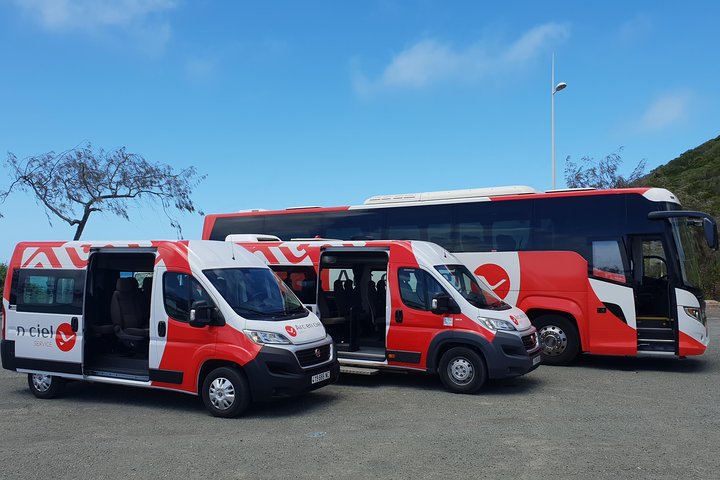
A car makes this far easier, since public transport to Voh is sparse and the viewpoint lies several kilometers from town. Voh is roughly 3.5 to 4 hours by road from Nouméa, and a rental costs about USD 50 to 70 a day. Without a car you can take an intercity bus to Koné or Voh and arrange a local transfer or taxi for the last stretch.
The viewpoint trail is free, with no permit needed for a short visit. A fee or guide may apply if you cross customary land, so ask locally in Voh. Scenic flights over the heart start at roughly 15,000 XPF (US$140) per person and are booked in advance.
⚠️ Things can change over time, so always validate details locally before you go.

Other New Caledonian landmarks near Heart of Voh

Explore more nearby:

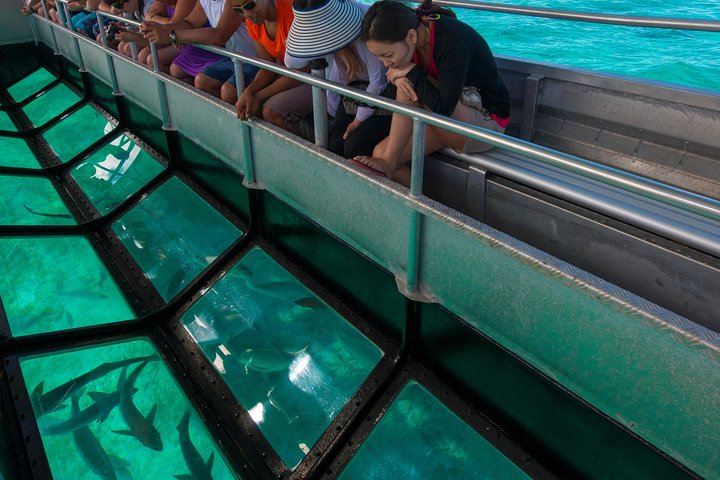
  • Amédée Lighthouse—Iron tower, 247 steps, reef-edge views, glass-bottom boat| 253 km away
  • Chutes de la Madeleine—Dark-rock cascade, freshwater pools, red clay trails, picnic area| 269 km away
  • Île des Pins—Oro Bay pool, columnar pines, Kuto sand, convict ruins| 337 km away

💡 Not sure where to go next?
Create a personalized itinerary for New Caledonia including Heart of Voh and the places that fit your trip.

Generate my itinerary

👉 Discover all landmarks

Or checkout all New Caledonia has to offer (think cities, towns, villages, national parks, hikes, beaches, festivals)
Country photo of New Caledonia

We 💚 feedbackIs it worth it?

Go early in the morning, ideally just after sunrise in the cooler months, when the light is soft over the mangroves and the trail is empty and still. By midday the hillside turns hot and glary. I would bring a hat, plenty of water and a rental car, and keep the afternoon free for the coast.

✍️ Help improve this page!
The information on this page is based on in-depth research, insights shared by experienced travelers, and feedback from the local travel community in New Caledonia. While every effort is made to keep the information accurate and current, conditions can change — so if you spot anything incorrect or outdated, please get in touch.


🙋‍♂️ Give feedback

👋 Meet the founderWho’s Behind Take Your Backpack?

Johan, backpacker and founder of TakeYourBackpackHi, I’m Johan (Netherlands 🇳🇱), the creator of TakeYourBackpack. Over the past 3 decades, I’ve backpacked through 90+ countries across six continents, gaining extensive experience with independent travel, long-term trips, and overland routes.

This site is built on a combination of firsthand travel experience and carefully curated insights from other backpackers. Many guides are based on places I’ve personally visited, while others bring together tips, observations, and practical advice shared by trusted travelers I’ve met along the way.

The goal is to provide realistic, experience-driven guidance — not generic itineraries — so you can explore destinations with better context, clearer expectations, and more confidence.