×

New Caledonia🇳🇨 | attractionsNouméa Museumcolonial-era artifacts, city history, archival photographs, urban development | things to do and best time to go

Explore Nouméa AquariumExplore New Caledonia Maritime Museum

Backpacking in Nouméa Museum
By Johan Kruseman 🇳🇱 | Updated October 13, 2026

Here’s what nobody tells you until you’re standing in front of the ticket desk: the Nouméa Museum is air-conditioned, and in New Caledonia’s sticky heat, that’s not just a perk—it’s a lifeline. You’ll find it right in the heart of Nouméa, tucked between the city’s colonial facades and the daily swirl of local life. Let’s be blunt: this isn’t the Louvre of the Pacific, and it won’t blow up your Instagram feed. But if you’re backpacking through New Caledonia and want to actually understand where you are—beyond the beaches and baguettes—this is the place that connects the dots. The museum’s collection is compact but dense with Kanak artifacts, colonial oddities, and the kind of context that makes the rest of your trip richer. It’s rarely crowded, refreshingly affordable, and the staff actually seem happy you’re there. Skip the tourist buses; walk in, cool off, and get a crash course in the real New Caledonia.

Discover everything you want to know in the 📖 New Caledonia Travel Guide.


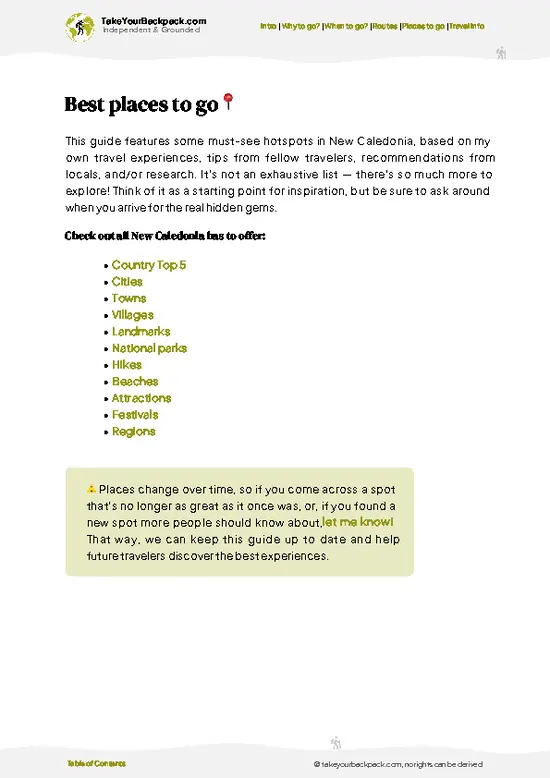
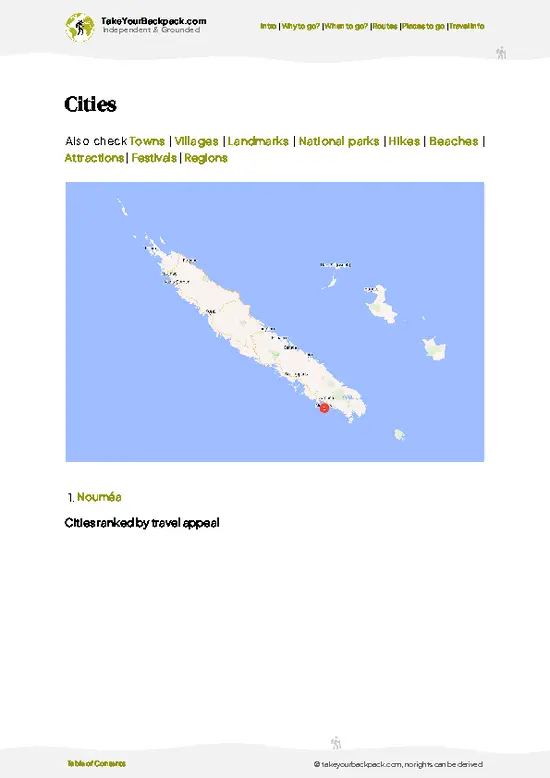
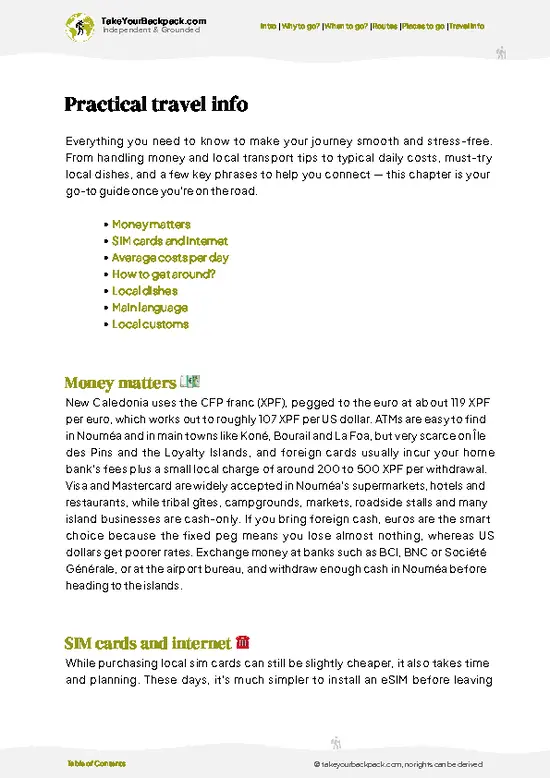
example page 0 from our offline Travel Guide for New Caledonia
example page 1 from our offline Travel Guide for New Caledonia
example page 2 from our offline Travel Guide for New Caledonia
example page 3 from our offline Travel Guide for New Caledonia
example page 4 from our offline Travel Guide for New Caledonia
example page 5 from our offline Travel Guide for New Caledonia
example page 6 from our offline Travel Guide for New Caledonia
example page 7 from our offline Travel Guide for New Caledonia
Loading the map 🌍
CLICK TO FILTER
cities
towns
villages
landmarks
national parks
hikes
beaches
attractions
festivals
regions
SHOW COUNTRY’S BESTSHOW ALL

✨ Why go?
Ranked #99 attraction in New Caledonia
What sets this place apart

The Nouméa Museum isn’t your typical tourist checkbox. Yes, it draws crowds, especially during peak season, and the entry fee isn’t exactly pocket change for a backpacker. But here’s the kicker: this place is the beating heart of New Caledonia’s story. It’s where you peel back layers of colonial history, Kanak culture, and the island’s natural evolution all in one spot. The exhibits don’t just sit there looking pretty—they challenge you to rethink what you know about this Pacific crossroads.

For backpackers grinding through the country route, the museum is a crucial pit stop. It’s not just about ticking off an iconic landmark; it’s about grounding your journey in real context. You’ll find artifacts that speak louder than any guidebook, from traditional Kanak carvings to relics of French … read more 👉
The Nouméa Museum isn’t your typical tourist checkbox. Yes, it draws crowds, especially during peak season, and the entry fee isn’t exactly pocket change for a backpacker. But here’s the kicker: this place is the beating heart of New Caledonia’s story. It’s where you peel back layers of colonial history, Kanak culture, and the island’s natural evolution all in one spot. The exhibits don’t just sit there looking pretty—they challenge you to rethink what you know about this Pacific crossroads.

For backpackers grinding through the country route, the museum is a crucial pit stop. It’s not just about ticking off an iconic landmark; it’s about grounding your journey in real context. You’ll find artifacts that speak louder than any guidebook, from traditional Kanak carvings to relics of French colonialism. The effort-to-reward ratio here is solid: a couple of hours inside will deepen your understanding far beyond the beaches and bars. If you want to connect with New Caledonia beyond the postcard, this museum is your gateway. It’s a milestone that turns casual sightseeing into something meaningful—no fluff, just raw, authentic insight.

💡 HighlightsMust-see experiences and standout moments

1. The Kanak Artifacts: Real Stories, Not Souvenirs
Forget the sanitized, Instagrammable “tribal” displays you’ve seen in tourist shops. The Nouméa Museum’s Kanak collection is the real deal—ancestral masks, ceremonial axes, and totemic sculptures that radiate the raw, lived-in energy of New Caledonia’s indigenous culture. These aren’t just relics behind glass; they’re loaded with meaning, from clan identity to spiritual protection. The museum doesn’t sugarcoat the colonial context, either. You’ll see how these objects survived waves of missionary zeal and French administration, and you’ll walk away with a sense of the Kanak story that’s messy, proud, and still evolving.


2. Colonial-Era Curiosities: The Good, The Bad, and The Absurd
If you want to understand why Nouméa feels like a French … read more 👉
1. The Kanak Artifacts: Real Stories, Not Souvenirs
Forget the sanitized, Instagrammable “tribal” displays you’ve seen in tourist shops. The Nouméa Museum’s Kanak collection is the real deal—ancestral masks, ceremonial axes, and totemic sculptures that radiate the raw, lived-in energy of New Caledonia’s indigenous culture. These aren’t just relics behind glass; they’re loaded with meaning, from clan identity to spiritual protection. The museum doesn’t sugarcoat the colonial context, either. You’ll see how these objects survived waves of missionary zeal and French administration, and you’ll walk away with a sense of the Kanak story that’s messy, proud, and still evolving.


2. Colonial-Era Curiosities: The Good, The Bad, and The Absurd
If you want to understand why Nouméa feels like a French Riviera outpost plopped in the Pacific, this is where the puzzle pieces click. The museum’s colonial-era rooms are packed with oddities: battered French uniforms, opium pipes, and even the kind of porcelain knick-knacks that once lined the governor’s desk. There’s a whiff of absurdity to some of it—proof that colonial ambition was as much about ego as empire. It’s a crash course in how cultures collide, sometimes with disastrous results, sometimes with weirdly beautiful ones.


3. The Natural History Cabinet: New Caledonia’s Wild Side
This isn’t your average “dead birds and dusty rocks” natural history section. Here, you’ll find the skeleton of a giant, extinct horned turtle (yes, it once roamed these islands), alongside displays of endemic plants and insects that look like they belong in a sci-fi film. The museum nails the sense of isolation and oddity that defines New Caledonia’s ecosystem. If you’re the type who geeks out over biodiversity, this is your playground.


4. The Building Itself: Time Capsule With Character
The Nouméa Museum is housed in a 19th-century colonial mansion that’s as much an artifact as anything inside. The creaking wooden floors, high ceilings, and sun-bleached shutters set the mood before you even hit the exhibits. It’s not slick or over-designed—thankfully. Instead, it feels like you’ve wandered into a time warp, with just enough patina and peeling paint to remind you that history isn’t always tidy.


5. The “Everyday Life” Room: History You Can Touch
Skip the velvet ropes and glass cases for a minute. This room is all about the objects people actually used: battered cooking pots, hand-carved tools, and the kind of battered suitcases that carried dreams (and disappointments) across oceans. It’s a reminder that history is built on the backs of ordinary people, not just the names in textbooks. There’s a tactile, lived-in quality here that Instagram can’t fake.
Spotted a mistake or missing something? Contact us.

Things to do near Nouméa Museum

Ratings based on Tripadvisor reviews. When you book through this link, you support our work at no extra cost to you.

🌤️ When to go?Weather, crowds, and seasonal trade-offs

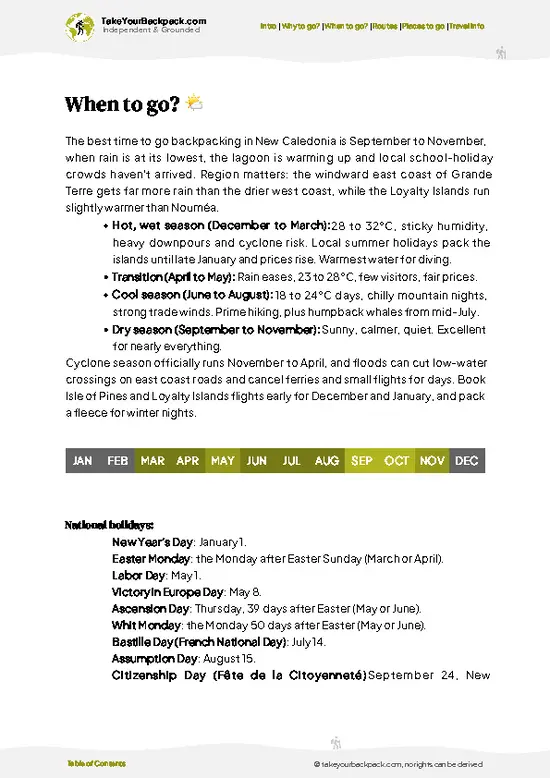
  • Weather: Nouméa’s tropical climate means hot, humid summers from December to March, with temps hitting 28-31°C (82-88°F). If you’re not a fan of sticky heat and sudden downpours, avoid this season. The dry season, May to October, offers cooler, more comfortable weather around 20-24°C (68-75°F), perfect for wandering the museum without melting.
  • Temperature: Expect mild winters (June-August) with lows around 15°C (59°F) and highs near 22°C (72°F). It’s not cold, but evenings can be crisp, so pack a light jacket. Summer highs can push 30°C (86°F), which might make indoor museum visits a sweaty affair.
  • Daylight Hours: Daylight is fairly consistent year-round, roughly 11-12 hours daily. Longer daylight in summer means more time to explore after your museum visit, but also more tourists.
  • Crowds:
… read more 👉
  • Weather: Nouméa’s tropical climate means hot, humid summers from December to March, with temps hitting 28-31°C (82-88°F). If you’re not a fan of sticky heat and sudden downpours, avoid this season. The dry season, May to October, offers cooler, more comfortable weather around 20-24°C (68-75°F), perfect for wandering the museum without melting.
  • Temperature: Expect mild winters (June-August) with lows around 15°C (59°F) and highs near 22°C (72°F). It’s not cold, but evenings can be crisp, so pack a light jacket. Summer highs can push 30°C (86°F), which might make indoor museum visits a sweaty affair.
  • Daylight Hours: Daylight is fairly consistent year-round, roughly 11-12 hours daily. Longer daylight in summer means more time to explore after your museum visit, but also more tourists.
  • Crowds: Peak tourist season aligns with the dry months and local holidays, especially July and August. The museum gets noticeably busier, which can dilute the experience. For a quieter visit, aim for shoulder months like April or September.
  • Seasonal Activities: The museum hosts special exhibits and cultural events mostly during the dry season, adding layers to your visit. Check the calendar if you want to catch these, but be ready for higher prices and crowds.
  • Price Fluctuations: Accommodation and flights spike during July-August and December-January. Museum entry stays steady, but the overall cost of your trip will rise. Off-season travel means better deals and a more relaxed vibe.
Pro-tip: Visit Nouméa Museum in the shoulder seasons—April or September—to dodge the heat, crowds, and inflated prices while still catching decent weather and local culture.


source: climatestotravel.comJANJanuary: fair for travelingFEBFebruary: fair for travelingMARMarch: good for travelingAPRApril: highly recommended for travelingMAYMay: highly recommended for travelingJUNJune: highly recommended for travelingJULJuly: good for travelingAUGAugust: good for travelingSEPSeptember: highly recommended for travelingOCTOctober: highly recommended for travelingNOVNovember: good for travelingDECDecember: fair for traveling
when-to-go

✈️ The backpacker research shortcutNew Caledonia Travel Guide

An offline-friendly backpacking guide with optimized travel routes, ranked highlights, transport advice, and the best areas to stay.
example page 0 from our offline Travel Guide for New Caledonia
example page 1 from our offline Travel Guide for New Caledonia
example page 2 from our offline Travel Guide for New Caledonia
example page 3 from our offline Travel Guide for New Caledonia
example page 4 from our offline Travel Guide for New Caledonia
example page 5 from our offline Travel Guide for New Caledonia
example page 6 from our offline Travel Guide for New Caledonia
example page 7 from our offline Travel Guide for New Caledonia
The digital guide (158 pages) contains:
✅ 42 highlights, ranked by travel appeal
✅ Optimized 2, 3 & 5-day travel routes
✅ Cities, national parks, landmarks, beaches
✅ How to get around
✅ Offline-friendly for travel without Wi-Fi
👉 Click to see all 30+ guide features

📅 Plan smarter in minutes, not weeks
✅ Month by month travel advice
✅ Festivals & national holidays
✅ Budget expectations

🗺️ Go to the right places, skip the overrated ones
✅ Honest pros & cons of destinations
✅ Top hikes, parks & viewpoints
✅ Lesser-known places most travelers miss
✅ Clear “worth it vs skip it” guidance

🛏️ Travel smoothly without rookie mistakes
✅ Best areas to stay
✅ Transport systems explained simply
✅ Common scams & safety advice
✅ SIM cards, money & practical tips

🌍 Understand the country, not just visit it
✅ Culture & traditions
✅ 52 Essential phrases & customs
✅ Festivals worth planning around
✅ Traveler-friendly historical context
✅ Insights that make places more meaningful

📱 Built for real travel conditions
✅ Fully downloadable PDF
✅ Works completely offline
✅ Optimized for phone use
✅ Useful in remote areas & buses
✅ Everything in one place
Stop searching, start planning
Get instant access to your full guide. 30‑day money-back guarantee.
+ Add another guide for just

By proceeding you agree to our terms.
Sent to your inbox immediately after payment • 100% Secure Checkout
Best Backpacking Travel Advisor 2025 tourism awardBest Backpacking
Travel Advisor
2025
What others say about Take Your Backpack Guides:
⭐⭐⭐⭐⭐
Fantastic, amazing amount of information!
⭐⭐⭐⭐⭐
My goodness this is amazing, it's what I've been looking for hats off too you!
⭐⭐⭐⭐⭐
I think this is absolutely BRILLIANT
⭐⭐⭐⭐
Very complete and informative. It's still missing places, but I gotta to commend you
⭐⭐⭐⭐⭐
This is truly amazing, thank you, can't wait to explore it with my kids!
⭐⭐⭐⭐⭐
Awesome resource, thank you!
⭐⭐⭐⭐⭐
This is amazing! Can't wait to explore the ones I haven't seen
⭐⭐⭐⭐
I love this! Well done, great idea.
⭐⭐⭐⭐⭐
Thanks for taking the time to make this gem!
⭐⭐⭐⭐⭐
This might be the best website I've ever seen.
⭐⭐⭐⭐⭐
Congratulations, and thank you so much for your work; it's incredibly valuable.
⭐⭐⭐⭐
In all seriousness I think you did a great job pointing out the important spots
⭐⭐⭐⭐⭐
10/10 very good
⭐⭐⭐⭐⭐
As someone who's only just starting to visit regularly this is awesome, thank you.
⭐⭐⭐⭐
Thank you very much! I'm going to visit my dad, it's going to be very useful!
⭐⭐⭐⭐⭐
This is really cool! We'll be travelling for the first time and this definitely come in handy.
⭐⭐⭐⭐⭐
You are now our minister of culture, congratulations 👨‍💼
⭐⭐⭐⭐⭐
Just wanted to tell you that this is a pearl! Going to follow your recommendations.
⭐⭐⭐⭐⭐
This is so cool. I'll definitely be using the resource for my travels soon.
⭐⭐⭐⭐⭐
This is very impressive! Good work.
⭐⭐⭐⭐⭐
This is an amazing and informative site. Very well done!

🛏️ Where to stay?Best areas to stay in New Caledonia

If you’re backpacking near Nouméa Museum, forget the glossy postcard image of New Caledonia as an untouched paradise where you’ll have the place to yourself. The museum sits smack in the middle of Nouméa’s city center, which means crowds, noise, and the usual urban buzz. But here’s the kicker: that’s exactly where the real pulse of the city beats.

For budget travelers and solo backpackers, the best spots to crash are the neighborhoods just a few blocks from the museum—think Faubourg Blanchot or the area around Place des Cocotiers. These zones are safe, lively, and packed with affordable cafés, … read more 👉
If you’re backpacking near Nouméa Museum, forget the glossy postcard image of New Caledonia as an untouched paradise where you’ll have the place to yourself. The museum sits smack in the middle of Nouméa’s city center, which means crowds, noise, and the usual urban buzz. But here’s the kicker: that’s exactly where the real pulse of the city beats.

For budget travelers and solo backpackers, the best spots to crash are the neighborhoods just a few blocks from the museum—think Faubourg Blanchot or the area around Place des Cocotiers. These zones are safe, lively, and packed with affordable cafés, street food stalls, and local markets where you can mingle with both locals and fellow travelers. It’s not about luxury; it’s about connection. You’ll find guesthouses and small hostels that foster a social vibe, perfect for swapping stories or planning your next island adventure.

Sure, it’s not a quiet retreat, but if you want to experience Nouméa beyond the tourist gloss, staying close to the museum puts you right in the thick of the city’s authentic rhythm. You’ll hear the chatter, smell the spices, and see the real New Caledonia in motion. That’s the kind of magic no filtered photo can capture.

👛 Costs (as of 13 October 2026)Typical daily expenses

The Maritime Museum of New Caledonia charges an entrance fee of 1,000 CFP francs (approximately €8) for adults. Concessions are available: seniors (over 60) pay 700 CFP francs (around €5.60), and children aged 6 to 18, job seekers, and students are charged 500 CFP francs (about €4). Admission is free for children under 6, disabled individuals, museum members, and ICOM card holders.

source: museemaritime.nc
⚠️ Prices can change and everyone travels differently, so take this as a rough guide. Hope it helps you plan your adventure!

FAQCommon questions from travelers

Plan for about 1 to 2 hours to visit Nouméa Museum to fully explore its exhibits on New Caledonia's history and culture. This allows time to see the permanent collections and any temporary exhibitions. The museum is compact but rich in detail.
Yes, Nouméa Museum is worth the entrance fee, which is typically around 500 XPF (about 4 USD). It offers valuable insights into the indigenous Kanak culture and colonial history, making it a meaningful cultural experience. The quality of exhibits justifies the cost for most visitors.
You can reach Nouméa Museum by taking a local bus or taxi from the city center; it is located near the waterfront in Nouméa. The museum is within walking distance from many central hotels, about 1 km from the main commercial area. Parking is limited, so public transport or walking is recommended.
⚠️ Things can change over time, so always validate details locally before you go.

Other New Caledonian attractions near Nouméa Museum

Explore more nearby:


💡 Not sure where to go next?
Create a personalized itinerary for New Caledonia including Nouméa Museum and the places that fit your trip.

Generate my itinerary

👉 Discover all attractions

Or checkout all New Caledonia has to offer (think cities, towns, villages, national parks, hikes, beaches, festivals)
Country photo of New Caledonia

We 💚 feedbackKey takeaways before you go

The Nouméa Museum isn’t some polished, crowd-pleasing spectacle—it’s quieter, a bit rough around the edges, and that’s exactly why it’s worth your time. Expect a handful of tourists, but not the Instagram mobs. The real magic is in the way it captures New Caledonia’s tangled history and culture without sugarcoating. Don’t come expecting flashy displays; come ready to lean in and listen. The surprise? The raw, unfiltered stories that stick with you long after you leave. It’s a slow burn, but a meaningful one.

✍️ Help improve this page!
The information on this page is based on in-depth research, insights shared by experienced travelers, and feedback from the local travel community in New Caledonia. While every effort is made to keep the information accurate and current, conditions can change — so if you spot anything incorrect or outdated, please get in touch.


🙋‍♂️ Give feedback

👋 Meet the founderWho’s Behind Take Your Backpack?

Johan, backpacker and founder of TakeYourBackpackHi, I’m Johan (Netherlands 🇳🇱), the creator of TakeYourBackpack. Over the past 3 decades, I’ve backpacked through 90+ countries across six continents, gaining extensive experience with independent travel, long-term trips, and overland routes.

This site is built on a combination of firsthand travel experience and carefully curated insights from other backpackers. Many guides are based on places I’ve personally visited, while others bring together tips, observations, and practical advice shared by trusted travelers I’ve met along the way.

The goal is to provide realistic, experience-driven guidance — not generic itineraries — so you can explore destinations with better context, clearer expectations, and more confidence.