×

New Caledonia🇳🇨 | attractionsNew Caledonia MuseumCarved roof finials, Kanak masks, shell money, Oceanian galleries | things to do and best time to go

Explore New Caledonia Maritime MuseumExplore Babou Côté Océan

Backpacking in New Caledonia Museum
👌 Worth visitingattraction ranked #4
By Johan Kruseman 🇳🇱 | Updated October 15, 2026

The first thing that hits you is the cool, faintly waxy air of the entrance hall, then the low grain of a carved wooden post standing taller than you are, its stern face worn smooth by decades of light. The New Caledonia Museum sits in Nouméa, the capital of New Caledonia, on Avenue Foch in the city center. It is small, it is quiet, and on a rainy afternoon it can feel like you have the Kanak collection to yourself. The displays can feel dated in places, and nothing here gives you an adrenaline spike. What you get is depth: ceremonial objects, carved house pieces and Pacific context that explain what you later see in villages and on the road. Entry is modest. Check the opening hours before you go, since the museum keeps shorter days than the beach crowd.

Discover everything you want to know in the 📖 New Caledonia Travel Guide.


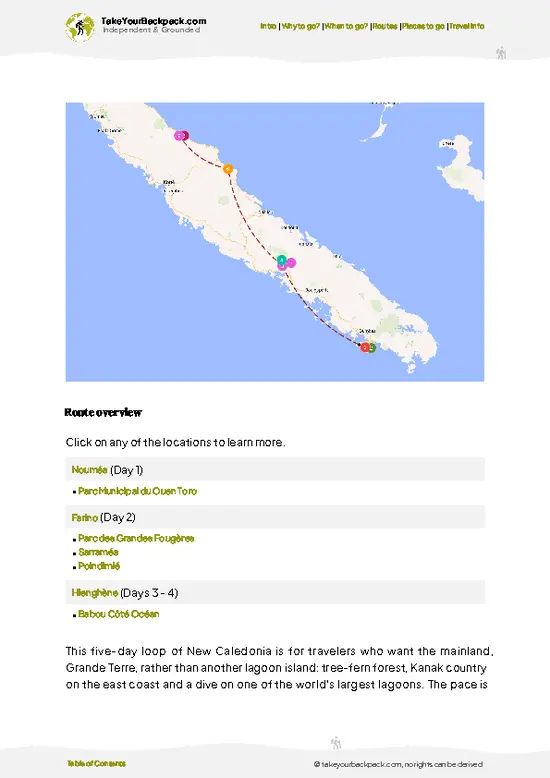
example page 0 from our offline Travel Guide for New Caledonia
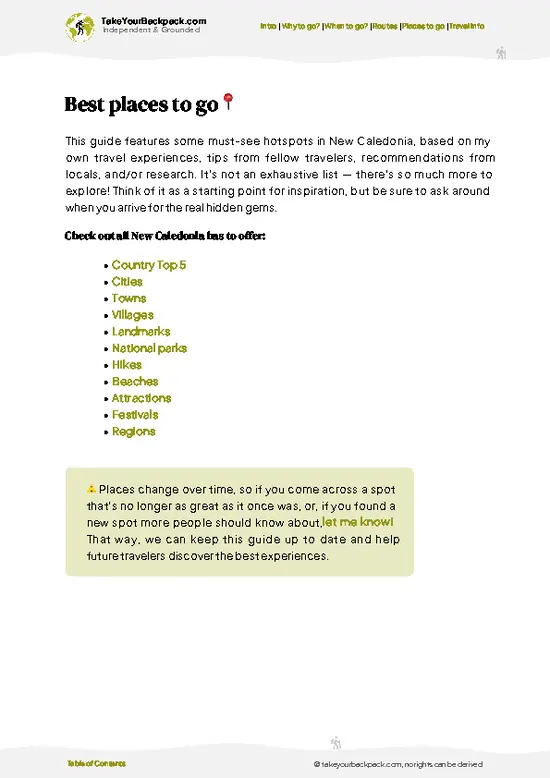
example page 1 from our offline Travel Guide for New Caledonia
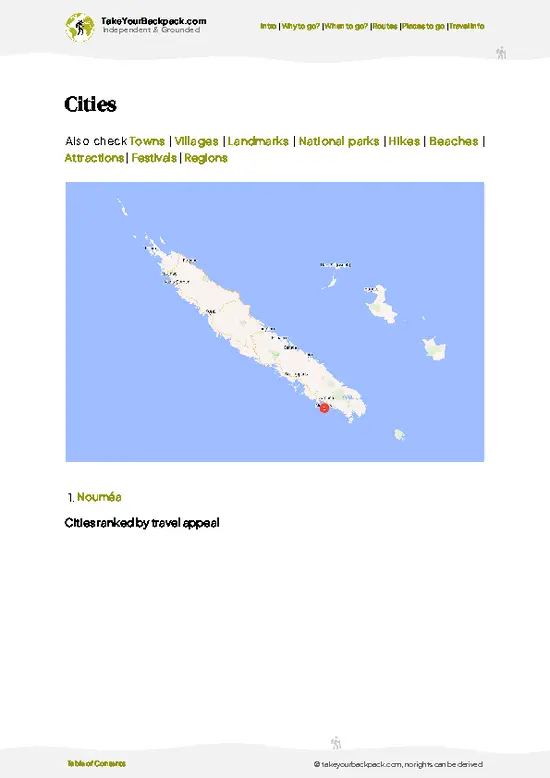
example page 2 from our offline Travel Guide for New Caledonia
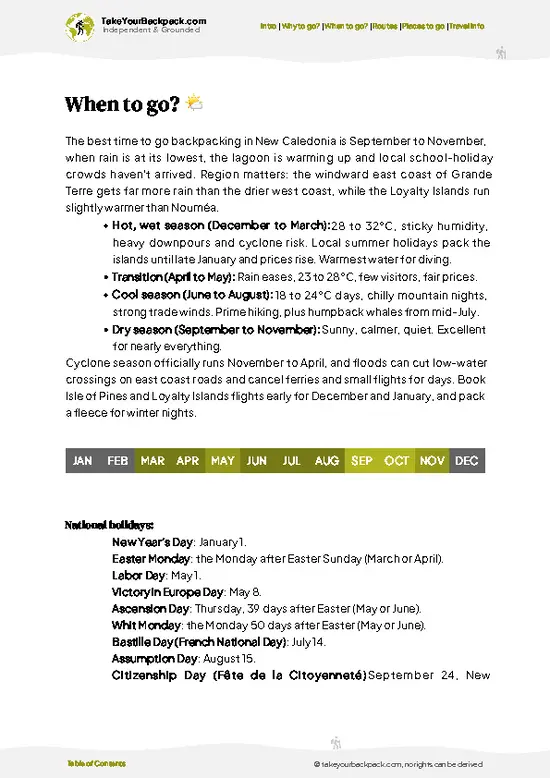
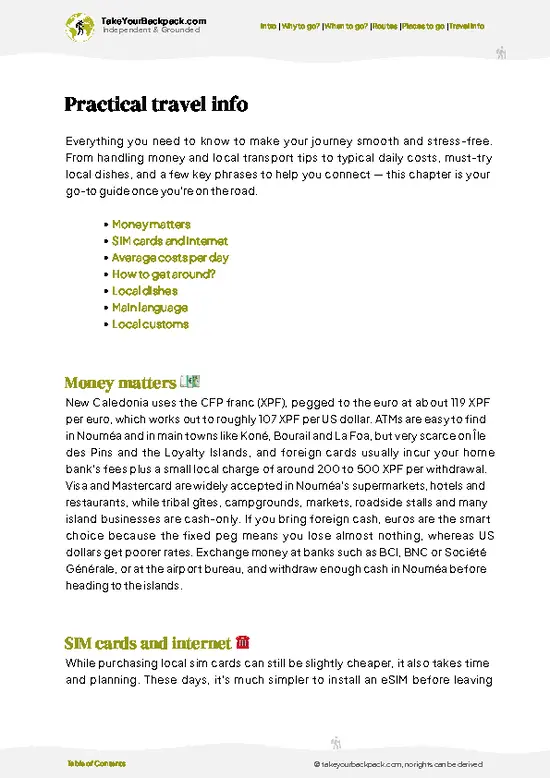
example page 3 from our offline Travel Guide for New Caledonia
example page 4 from our offline Travel Guide for New Caledonia
example page 5 from our offline Travel Guide for New Caledonia
example page 6 from our offline Travel Guide for New Caledonia
example page 7 from our offline Travel Guide for New Caledonia
Loading the map 🌍
CLICK TO FILTER
cities
towns
villages
landmarks
national parks
hikes
beaches
attractions
festivals
regions
SHOW COUNTRY’S BESTSHOW ALL

✨ Why go?
Ranked #4 attraction in New Caledonia
Why New Caledonia Museum should be on your travel list

Come for the Kanak carved door posts and chiefly house pieces, because they turn the rest of your trip from scenery into something you can read. Once you have stood close to a flèche faîtière, the spear-like roof finial that crowns a traditional great hut, you start spotting it on road signs, in villages and on the territory’s flag. That context changes how you hear the stories on the east coast and in the tribes of the interior.

The second reason is timing. Nouméa is where most routes begin or end, and a rainy day, a delayed flight or a slow morning is the ideal moment to spend an hour or two indoors. The collection also stretches beyond the main island, with objects from Melanesian neighbors such as Vanuatu and the Solomon Islands, so you can compare carving traditions across the Pacific … read more 👉
Come for the Kanak carved door posts and chiefly house pieces, because they turn the rest of your trip from scenery into something you can read. Once you have stood close to a flèche faîtière, the spear-like roof finial that crowns a traditional great hut, you start spotting it on road signs, in villages and on the territory’s flag. That context changes how you hear the stories on the east coast and in the tribes of the interior.

The second reason is timing. Nouméa is where most routes begin or end, and a rainy day, a delayed flight or a slow morning is the ideal moment to spend an hour or two indoors. The collection also stretches beyond the main island, with objects from Melanesian neighbors such as Vanuatu and the Solomon Islands, so you can compare carving traditions across the Pacific in one room. It is a low-effort stop that makes everything afterward richer, and you will leave with sharper questions to ask locals.

💡 HighlightsPlaces and moments you shouldn't skip

  1. Flèche faîtière roof finials: tall carved spires that once crowned chiefs’ huts, with stacked faces, shells and spear shapes. They are the emblem of Kanak identity, and seeing them up close is the main event.
  2. Carved door posts and house pillars: dark wood figures with flat, watchful faces and bold geometric lines. The tool marks are still visible, and each one shows how the craft varies from one region to the next.
  3. Kanak masks: large, feathered and hair-trimmed pieces that look dramatic under museum lighting. They are among the most striking items for photographs.
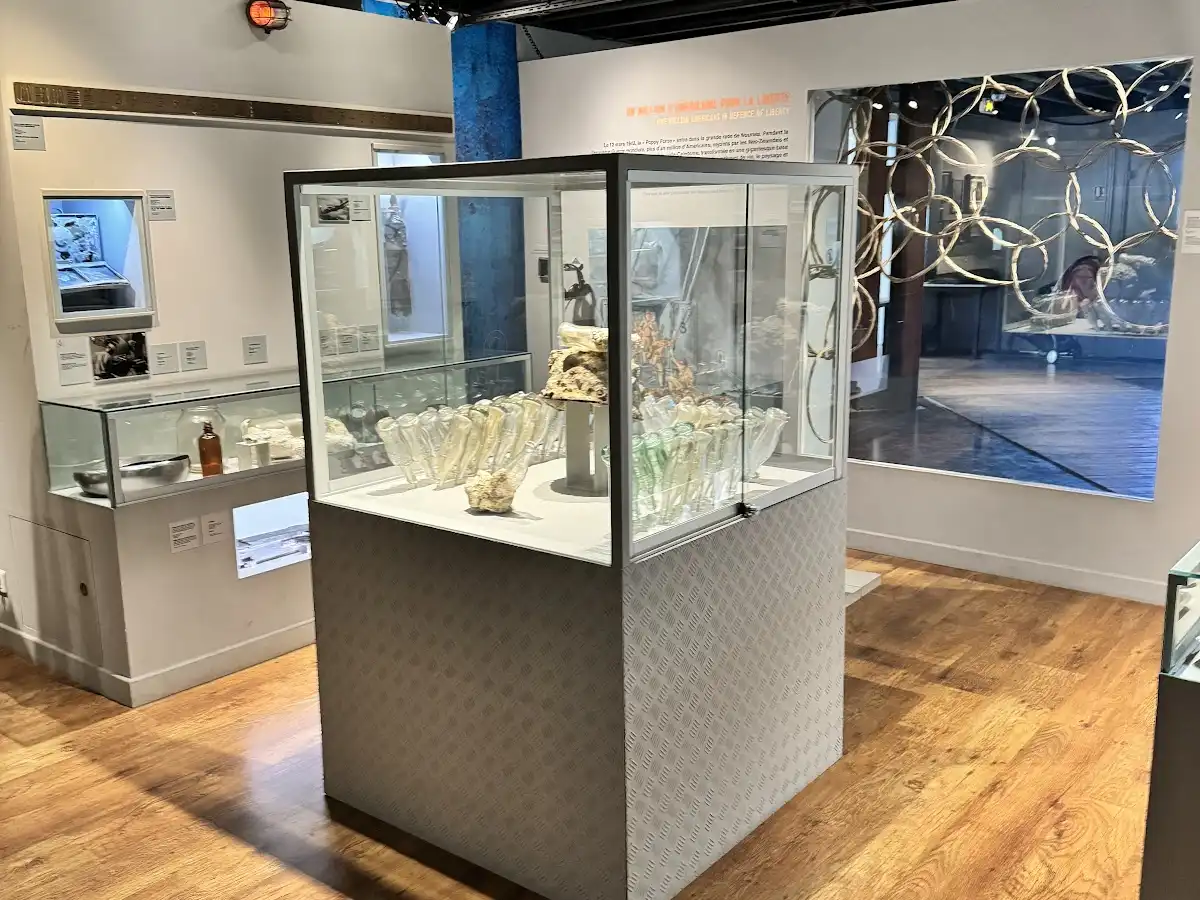
  4. Shell money and ceremonial exchange objects: strings and bundles that were part of marriages, mourning and alliances. They show that value in Kanak society was social as much as material.
  5. Everyday tools and weapons: polished stone axes,
… read more 👉
  1. Flèche faîtière roof finials: tall carved spires that once crowned chiefs’ huts, with stacked faces, shells and spear shapes. They are the emblem of Kanak identity, and seeing them up close is the main event.
  2. Carved door posts and house pillars: dark wood figures with flat, watchful faces and bold geometric lines. The tool marks are still visible, and each one shows how the craft varies from one region to the next.
  3. Kanak masks: large, feathered and hair-trimmed pieces that look dramatic under museum lighting. They are among the most striking items for photographs.
  4. Shell money and ceremonial exchange objects: strings and bundles that were part of marriages, mourning and alliances. They show that value in Kanak society was social as much as material.
  5. Everyday tools and weapons: polished stone axes, clubs and slings. They are small and easy to miss, but they show how the island was farmed, fought over and lived in.
  6. Oceanian comparison galleries: pieces from Vanuatu, the Solomon Islands and other Pacific cultures. Setting them side by side makes regional differences in style easy to spot.
  7. Traditional house models and reconstructions: scaled huts that explain the round great house layout and its symbolism, useful before you see a real one.
Start with the roof finials, since they are the key to reading every Kanak building and symbol you will meet afterward.
Spotted a mistake or missing something? Contact us.

Things to do near New Caledonia Museum

Ratings based on Tripadvisor reviews. When you book through this link, you support our work at no extra cost to you.

🌤️ When to go?When to go for the best experience

  • September to November: Nouméa is dry and warm at 20 to 27°C (68 to 81°F), with about 11 to 12 hours of daylight and few cruise-ship surges before December. Museum halls are quiet.
  • December to March: Hot and humid at 24 to 31°C (75 to 88°F), with cyclone risk and heavy downpours. Days are longest, around 13 hours, and a rainy afternoon is a good excuse to be indoors among the exhibits. Local school holidays push up flight and bed prices around Christmas and January.
  • April to June: Showers ease and temperatures settle at 21 to 28°C (70 to 82°F). Prices soften and the museum is rarely crowded.
  • July to August: The coolest months, 17 to 24°C (63 to 75°F), with sunrise after 6:30 am and sunset near 5:30 pm. Visiting Australians and New Zealanders arrive during their school breaks, so book beds early.
… read more 👉
  • September to November: Nouméa is dry and warm at 20 to 27°C (68 to 81°F), with about 11 to 12 hours of daylight and few cruise-ship surges before December. Museum halls are quiet.
  • December to March: Hot and humid at 24 to 31°C (75 to 88°F), with cyclone risk and heavy downpours. Days are longest, around 13 hours, and a rainy afternoon is a good excuse to be indoors among the exhibits. Local school holidays push up flight and bed prices around Christmas and January.
  • April to June: Showers ease and temperatures settle at 21 to 28°C (70 to 82°F). Prices soften and the museum is rarely crowded.
  • July to August: The coolest months, 17 to 24°C (63 to 75°F), with sunrise after 6:30 am and sunset near 5:30 pm. Visiting Australians and New Zealanders arrive during their school breaks, so book beds early.
Visit on a weekday morning, when school groups are the only competition and the galleries stay cool.


source: climatestotravel.comJANJanuary: good for travelingFEBFebruary: good for travelingMARMarch: good for travelingAPRApril: highly recommended for travelingMAYMay: excellent for travelingJUNJune: excellent for travelingJULJuly: excellent for travelingAUGAugust: excellent for travelingSEPSeptember: excellent for travelingOCTOctober: highly recommended for travelingNOVNovember: good for travelingDECDecember: good for traveling
new-caledonia-attraction-new-caledonia-museum
© Google |

✈️ The backpacker research shortcutNew Caledonia Travel Guide

An offline-friendly backpacking guide with optimized travel routes, ranked highlights, transport advice, and the best areas to stay.
example page 0 from our offline Travel Guide for New Caledonia
example page 1 from our offline Travel Guide for New Caledonia
example page 2 from our offline Travel Guide for New Caledonia
example page 3 from our offline Travel Guide for New Caledonia
example page 4 from our offline Travel Guide for New Caledonia
example page 5 from our offline Travel Guide for New Caledonia
example page 6 from our offline Travel Guide for New Caledonia
example page 7 from our offline Travel Guide for New Caledonia
The digital guide (158 pages) contains:
✅ 42 highlights, ranked by travel appeal
✅ Optimized 2, 3 & 5-day travel routes
✅ Cities, national parks, landmarks, beaches
✅ How to get around
✅ Offline-friendly for travel without Wi-Fi
👉 Click to see all 30+ guide features

📅 Plan smarter in minutes, not weeks
✅ Month by month travel advice
✅ Festivals & national holidays
✅ Budget expectations

🗺️ Go to the right places, skip the overrated ones
✅ Honest pros & cons of destinations
✅ Top hikes, parks & viewpoints
✅ Lesser-known places most travelers miss
✅ Clear “worth it vs skip it” guidance

🛏️ Travel smoothly without rookie mistakes
✅ Best areas to stay
✅ Transport systems explained simply
✅ Common scams & safety advice
✅ SIM cards, money & practical tips

🌍 Understand the country, not just visit it
✅ Culture & traditions
✅ 52 Essential phrases & customs
✅ Festivals worth planning around
✅ Traveler-friendly historical context
✅ Insights that make places more meaningful

📱 Built for real travel conditions
✅ Fully downloadable PDF
✅ Works completely offline
✅ Optimized for phone use
✅ Useful in remote areas & buses
✅ Everything in one place
Stop searching, start planning
Get instant access to your full guide. 30‑day money-back guarantee.
+ Add another guide for just

By proceeding you agree to our terms.
Sent to your inbox immediately after payment • 100% Secure Checkout
Best Backpacking Travel Advisor 2025 tourism awardBest Backpacking
Travel Advisor
2025
What others say about Take Your Backpack Guides:
⭐⭐⭐⭐⭐
Fantastic, amazing amount of information!
⭐⭐⭐⭐⭐
My goodness this is amazing, it's what I've been looking for hats off too you!
⭐⭐⭐⭐⭐
I think this is absolutely BRILLIANT
⭐⭐⭐⭐
Very complete and informative. It's still missing places, but I gotta to commend you
⭐⭐⭐⭐⭐
This is truly amazing, thank you, can't wait to explore it with my kids!
⭐⭐⭐⭐⭐
Awesome resource, thank you!
⭐⭐⭐⭐⭐
This is amazing! Can't wait to explore the ones I haven't seen
⭐⭐⭐⭐
I love this! Well done, great idea.
⭐⭐⭐⭐⭐
Thanks for taking the time to make this gem!
⭐⭐⭐⭐⭐
This might be the best website I've ever seen.
⭐⭐⭐⭐⭐
Congratulations, and thank you so much for your work; it's incredibly valuable.
⭐⭐⭐⭐
In all seriousness I think you did a great job pointing out the important spots
⭐⭐⭐⭐⭐
10/10 very good
⭐⭐⭐⭐⭐
As someone who's only just starting to visit regularly this is awesome, thank you.
⭐⭐⭐⭐
Thank you very much! I'm going to visit my dad, it's going to be very useful!
⭐⭐⭐⭐⭐
This is really cool! We'll be travelling for the first time and this definitely come in handy.
⭐⭐⭐⭐⭐
You are now our minister of culture, congratulations 👨‍💼
⭐⭐⭐⭐⭐
Just wanted to tell you that this is a pearl! Going to follow your recommendations.
⭐⭐⭐⭐⭐
This is so cool. I'll definitely be using the resource for my travels soon.
⭐⭐⭐⭐⭐
This is very impressive! Good work.
⭐⭐⭐⭐⭐
This is an amazing and informative site. Very well done!

🛏️ Where to stay?Best areas and accommodation options

Nouméa’s Anse Vata and Baie des Citrons strip is the best base, about 4 to 5 km south of the museum, with beaches, the largest cluster of budget beds, and the most social atmosphere. Backpackers meet over barbecue evenings and shared kitchens, and buses and taxis run to the center. It is also the safest area to walk back at night.

Central Nouméa, around Place des Cocotiers and the Latin Quarter, suits you if you want cheaper food, markets, and walking access to the harbor, ferries, and bus terminal. It is livelier by day, quiet and a little empty after dark, so take a taxi late in the evening … read more 👉
Nouméa’s Anse Vata and Baie des Citrons strip is the best base, about 4 to 5 km south of the museum, with beaches, the largest cluster of budget beds, and the most social atmosphere. Backpackers meet over barbecue evenings and shared kitchens, and buses and taxis run to the center. It is also the safest area to walk back at night.

Central Nouméa, around Place des Cocotiers and the Latin Quarter, suits you if you want cheaper food, markets, and walking access to the harbor, ferries, and bus terminal. It is livelier by day, quiet and a little empty after dark, so take a taxi late in the evening instead of walking the side streets.

Magenta, near the domestic airport, has a few quieter guesthouses and apartments good for longer stays or self-catering, though fewer travelers pass through. Dorms and shared flats there tend to be cheaper but less sociable.

If you travel solo, choose the Anse Vata side for company and the center for lower prices. Either way, book ahead from July to August and around Christmas, when beds fill quickly.

👛 Costs (as of 15 October 2026)Money, prices, and spending tips

A realistic daily budget for visiting the New Caledonia Museum and living cheaply in Nouméa is about US$77 to 133, with the museum entry a small part of it.
CategoryBudget RangeLocal Reality
Museum entryUS$4 to 8Adult tickets are modest, with reductions for students and children. Allow two hours inside.
Accommodation (high season)US$35 to 60A dorm bed or basic private room. Prices peak from July to August and around Christmas.
FoodUS$25 to 40Bakery sandwiches and market lunches cost US$5 to 10. A restaurant dinner costs US$15 to 25.
Local transportUS$3 to 10Tanéo buses cost about US$1.50 a ride. Taxis are pricey, from US$10 for short hops.
Extras and activitiesUS$10 to 15Coffee, a beach snorkel rental, or a nearby cultural site or aquarium visit.
Total Daily BudgetUS$77 to 133Self-catering and dorm
… read more 👉
A realistic daily budget for visiting the New Caledonia Museum and living cheaply in Nouméa is about US$77 to 133, with the museum entry a small part of it.
CategoryBudget RangeLocal Reality
Museum entryUS$4 to 8Adult tickets are modest, with reductions for students and children. Allow two hours inside.
Accommodation (high season)US$35 to 60A dorm bed or basic private room. Prices peak from July to August and around Christmas.
FoodUS$25 to 40Bakery sandwiches and market lunches cost US$5 to 10. A restaurant dinner costs US$15 to 25.
Local transportUS$3 to 10Tanéo buses cost about US$1.50 a ride. Taxis are pricey, from US$10 for short hops.
Extras and activitiesUS$10 to 15Coffee, a beach snorkel rental, or a nearby cultural site or aquarium visit.
Total Daily BudgetUS$77 to 133Self-catering and dorm beds keep you at the lower end. Alcohol is heavily taxed.
⚠️ Prices can change and everyone travels differently, so take this as a rough guide. Hope it helps you plan your adventure!

FAQCommon questions from travelers

Plan on two to three hours for the New Caledonia Museum, or about two hours if you move briskly. The Kanak galleries, with carved totems and ceremonial masks, take the most time. Many travelers pair it with a half-day around central Nouméa, and a full day is plenty with the nearby Anse Vata beaches.
For most backpackers, yes, because entry costs only around US$4 to 8 and gives you the clearest introduction to Kanak and Pacific history. The collection of carved house posts and masks is hard to match elsewhere in the territory. Students and children usually get reductions, and you will save more by seeing it on a rainy day.
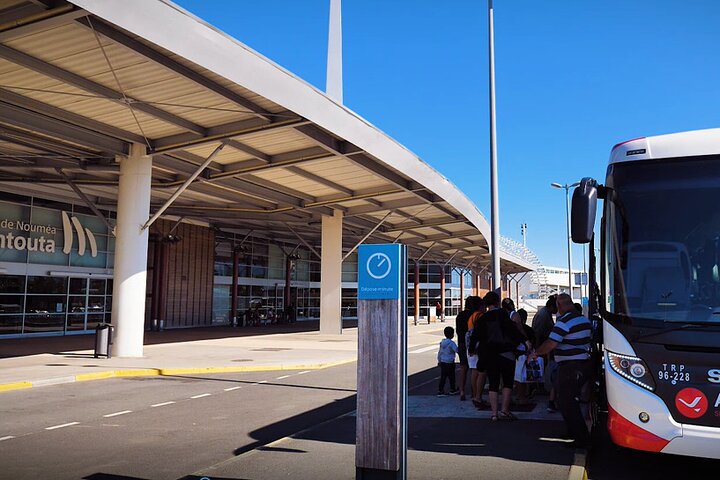
The museum is in Nouméa, on Avenue Foch in the city center, a short walk from Place des Cocotiers or a Tanéo bus ride from Anse Vata. Buses cost roughly US$1.50 and run frequently on weekdays. Most visitors fly into La Tontouta airport, about 45 to 60 minutes by shuttle bus or taxi from town, with shuttles costing around US$20 to 30.
⚠️ Things can change over time, so always validate details locally before you go.

Other New Caledonian attractions near New Caledonia Museum

Explore more nearby:

  • Nouméa Museum—colonial-era artifacts, city history, archival photographs, urban development| 1 km away
  • New Caledonia Maritime Museum—La Pérouse wrecks, outrigger canoes, Nouville peninsula, convict ships| 1 km away
  • Nouméa Aquarium—Living coral tanks, nautilus, fluorescent coral room, Anse Vata| 3 km away

💡 Not sure where to go next?
Create a personalized itinerary for New Caledonia including New Caledonia Museum and the places that fit your trip.

Generate my itinerary

👉 Discover all attractions

Or checkout all New Caledonia has to offer (think cities, towns, villages, national parks, hikes, beaches, festivals)
Country photo of New Caledonia

We 💚 feedbackWhat to keep in mind

Most people photograph the big masks and walk past the shell money cases, which is a mistake. Those strings of tiny beads explain how marriages, funerals and alliances worked, and that logic still shapes village life today. Give that case five minutes before you head to the beach, and you will understand customary gestures far better when someone asks you to offer one.

✍️ Help improve this page!
The information on this page is based on in-depth research, insights shared by experienced travelers, and feedback from the local travel community in New Caledonia. While every effort is made to keep the information accurate and current, conditions can change — so if you spot anything incorrect or outdated, please get in touch.


🙋‍♂️ Give feedback

👋 Meet the founderWho’s Behind Take Your Backpack?

Johan, backpacker and founder of TakeYourBackpackHi, I’m Johan (Netherlands 🇳🇱), the creator of TakeYourBackpack. Over the past 3 decades, I’ve backpacked through 90+ countries across six continents, gaining extensive experience with independent travel, long-term trips, and overland routes.

This site is built on a combination of firsthand travel experience and carefully curated insights from other backpackers. Many guides are based on places I’ve personally visited, while others bring together tips, observations, and practical advice shared by trusted travelers I’ve met along the way.

The goal is to provide realistic, experience-driven guidance — not generic itineraries — so you can explore destinations with better context, clearer expectations, and more confidence.