v2.webp)
- Poindimié Municipal Market: The town’s main gathering point, where growers from surrounding tribes sell yams, taro, bananas, papaya, fresh fish and crabs. Go early on a weekend morning, since stock thins by mid-morning. Entry is free, buying a snack costs about 300 to 1,000 XPF (US$3 to 9), and an hour is enough.
- Plage de Tiéti: A quiet strand and bay on the coast road, with calm shallows, palms and mountain views behind. Best at low wind in the morning for swimming and photos. Free, and 1 to 2 hours works well, longer with a picnic.
- Wagap Mission Area: The old mission site near Poindimié recalls the early missionary period and the Kanak chiefdoms around it. Go in the morning light and ask locally about access and respectful behavior. Free, about 45 minutes.
- Tiwaka River Valley: A green valley
- Poindimié Municipal Market: The town’s main gathering point, where growers from surrounding tribes sell yams, taro, bananas, papaya, fresh fish and crabs. Go early on a weekend morning, since stock thins by mid-morning. Entry is free, buying a snack costs about 300 to 1,000 XPF (US$3 to 9), and an hour is enough.
- Plage de Tiéti: A quiet strand and bay on the coast road, with calm shallows, palms and mountain views behind. Best at low wind in the morning for swimming and photos. Free, and 1 to 2 hours works well, longer with a picnic.
- Wagap Mission Area: The old mission site near Poindimié recalls the early missionary period and the Kanak chiefdoms around it. Go in the morning light and ask locally about access and respectful behavior. Free, about 45 minutes.
- Tiwaka River Valley: A green valley with clear water for a freshwater swim and a short riverside walk among ferns and tall trees. It is best in the drier months when the track is passable. Free, 2 to 3 hours with swimming.
- Lagoon Diving and Snorkeling from Poindimié: The reef outside town has coral gardens, reef fish and good visibility on calm days, and local operators run boat trips. Mornings are calmest. A snorkel trip costs about 4,000 to 7,000 XPF (US$35 to 60) and a two-tank dive about 12,000 to 16,000 XPF (US$110 to 145), taking 3 to 5 hours.
Spotted a mistake or missing something? Contact us.

Water Taxi Signal Island Turtle Tour for cruisers
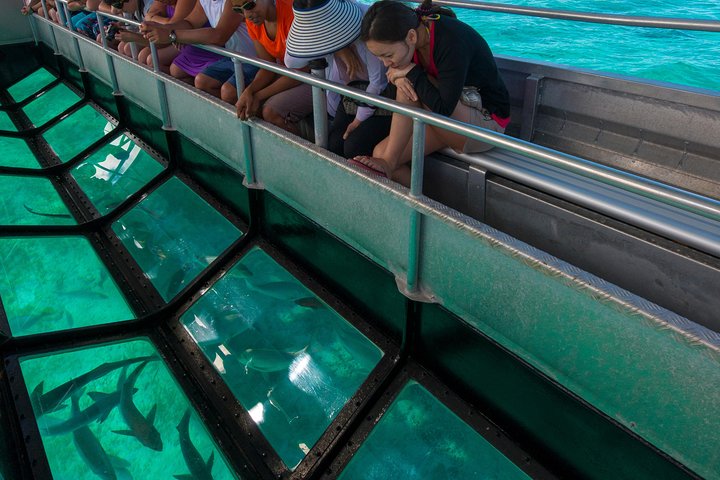
Amedee Lighthouse

FAMOUS Local Green Train Noumea (01h30) with LYVAI
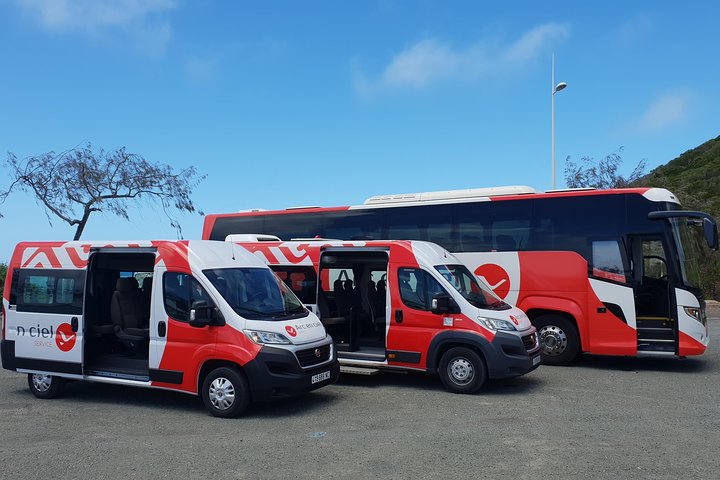
Airport Transfer: La Tontouta International Airport to Noumea

Guided City Orientation Tour of Noumea

Blissful Getaway: Treat Yourself to a Spa Massage in Nouméa
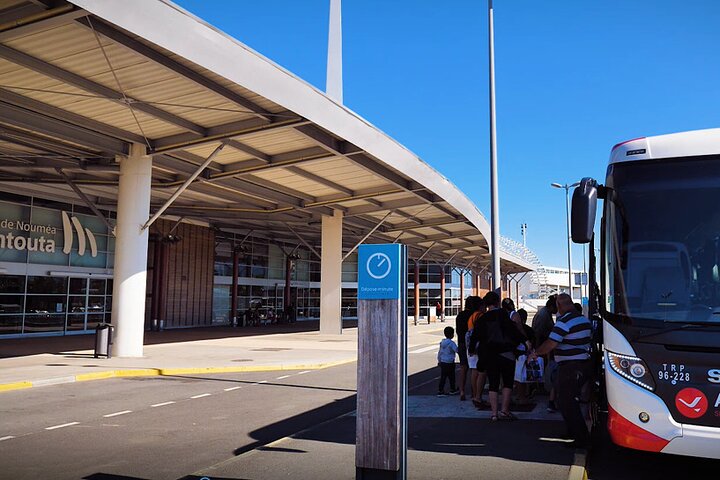
Airport Transfer: Noumea to La Tontouta International Airport

Country Tour 2.5 included Tjibaou Cultural Center & Church -LYVAI

Transfer Tontouta International Airport (New Caledonia) - LYVAI


 Best Backpacking
.jpg) Hi, I’m Johan (Netherlands 🇳🇱), the creator of TakeYourBackpack. Over the past 3 decades, I’ve backpacked through 90+ countries across six continents, gaining extensive experience with independent travel, long-term trips, and overland routes.
Hi, I’m Johan (Netherlands 🇳🇱), the creator of TakeYourBackpack. Over the past 3 decades, I’ve backpacked through 90+ countries across six continents, gaining extensive experience with independent travel, long-term trips, and overland routes.