v2.webp)
- Koné Market (marché municipal): The town’s main social event, strongest on Saturday mornings. Stalls sell yams, taro, bananas, fish and local produce, and you can eat fresh fruit while you browse. Go early, before 9 AM, when the best stock is out. Entry is free, and an hour is plenty.
- Foué peninsula and waterfront: A calm stretch of coast with views over the lagoon and mangroves. Late afternoon gives the softest light and the least heat. Free, and 30 to 60 minutes works for a stroll.
- Northern Province Cultural Center area and local crafts: Look for Kanak carvings and woven goods sold locally, which show regional craft traditions better than souvenir shops in the capital. Prices vary by piece, so bring cash. Allow an hour.
- Koné town center and the Catholic church: A short walk past the main square,
- Koné Market (marché municipal): The town’s main social event, strongest on Saturday mornings. Stalls sell yams, taro, bananas, fish and local produce, and you can eat fresh fruit while you browse. Go early, before 9 AM, when the best stock is out. Entry is free, and an hour is plenty.
- Foué peninsula and waterfront: A calm stretch of coast with views over the lagoon and mangroves. Late afternoon gives the softest light and the least heat. Free, and 30 to 60 minutes works for a stroll.
- Northern Province Cultural Center area and local crafts: Look for Kanak carvings and woven goods sold locally, which show regional craft traditions better than souvenir shops in the capital. Prices vary by piece, so bring cash. Allow an hour.
- Koné town center and the Catholic church: A short walk past the main square, useful for seeing how the northern administrative town actually works day to day. Morning is best before the midday sun. Free, 30 minutes.
- Koné bakeries and lunch counters: A fresh baguette, a plate of bougna on special days, or fish and rice at a snack bar tell you more about local taste than any museum. Go at noon. Expect to spend about 1,000 to 1,800 XPF (US$9 to 16) and 45 minutes.
Spotted a mistake or missing something? Contact us.

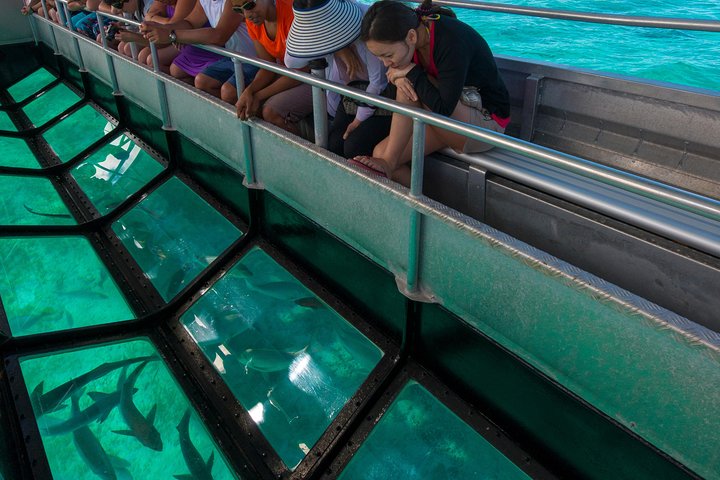
Water Taxi Signal Island Turtle Tour for cruisers
Amedee Lighthouse

FAMOUS Local Green Train Noumea (01h30) with LYVAI
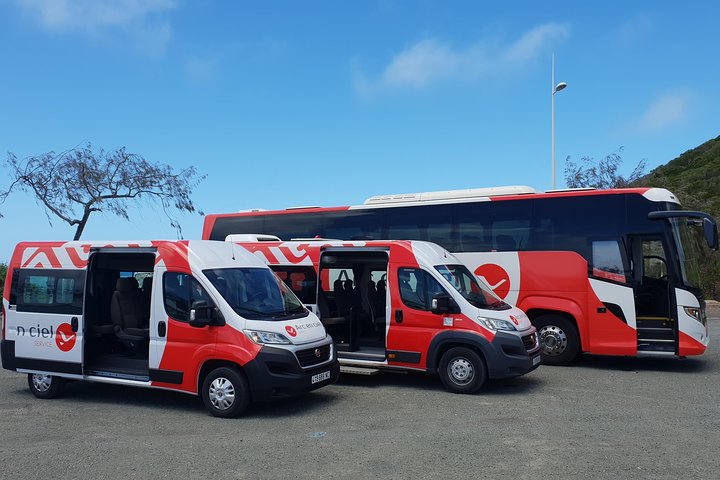
Airport Transfer: La Tontouta International Airport to Noumea

Blissful Getaway: Treat Yourself to a Spa Massage in Nouméa

Country Tour 2.5 included Tjibaou Cultural Center & Church -LYVAI

Transfer Tontouta International Airport (New Caledonia) - LYVAI

Whale Watching by sailing catamaran from Noumea

Hop-On Hop-Off / HOHO / All Day Pass (return ticket's) with LYVAI


 Best Backpacking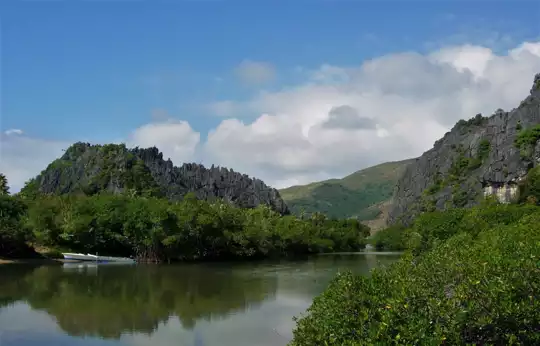
.jpg) Hi, I’m Johan (Netherlands 🇳🇱), the creator of TakeYourBackpack. Over the past 3 decades, I’ve backpacked through 90+ countries across six continents, gaining extensive experience with independent travel, long-term trips, and overland routes.
Hi, I’m Johan (Netherlands 🇳🇱), the creator of TakeYourBackpack. Over the past 3 decades, I’ve backpacked through 90+ countries across six continents, gaining extensive experience with independent travel, long-term trips, and overland routes.