
×

New Zealand🇳🇿 | national parksKaimai Mamaku Conservation ParkWairere Falls, muddy ridgeway, old tramways, gold-mining ruins | things to do and best time to go

Explore Pureora Forest ParkExplore Bay of Islands

Backpacking in Kaimai Mamaku Conservation Park
👀 For curious travelersnational park ranked #15
By Johan Kruseman 🇳🇱 | Updated October 15, 2026

Free entry and trailheads within an hour or so of Hamilton, Tauranga and Rotorua make this a cheap, easy forest day. The park runs along the Kaimai Range in the North Island of New Zealand, between the Waikato and the Bay of Plenty. I arrived at the Kaimai summit lookout to a wall of dripping tree ferns and a hush broken only by tūī. Mud is the main catch, because rain collects on the ridge, so wear sturdy boots and start early to keep daylight on your side. Many tracks are unsigned beyond the first junction, so carry a map. Crowds are thin away from Wairere Falls, and one trailside rimu trunk was wider than my outstretched arms.

Discover everything you want to know in the 📖 New Zealand Travel Guide.


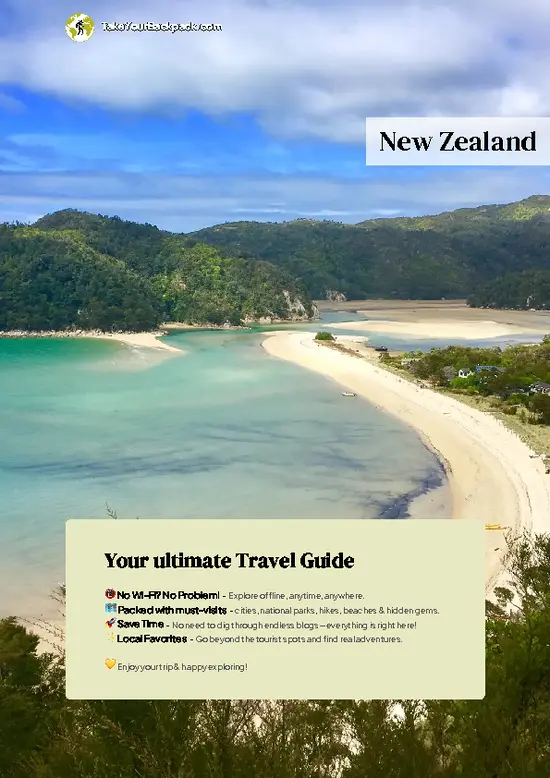
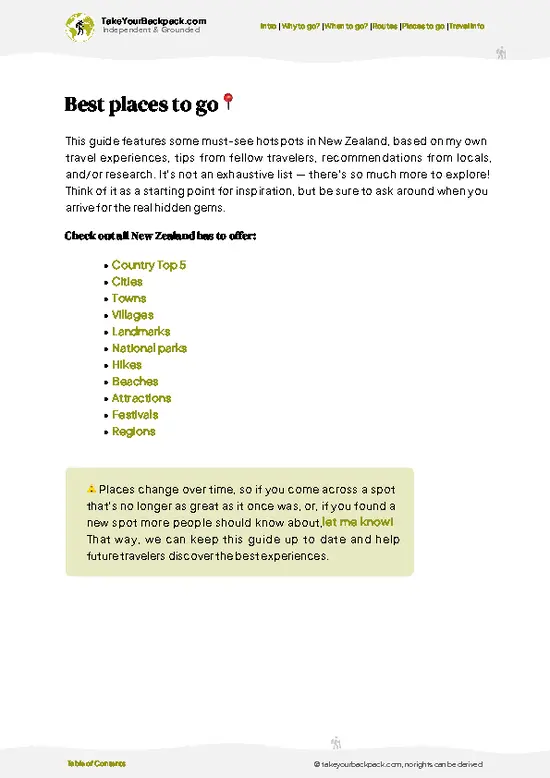
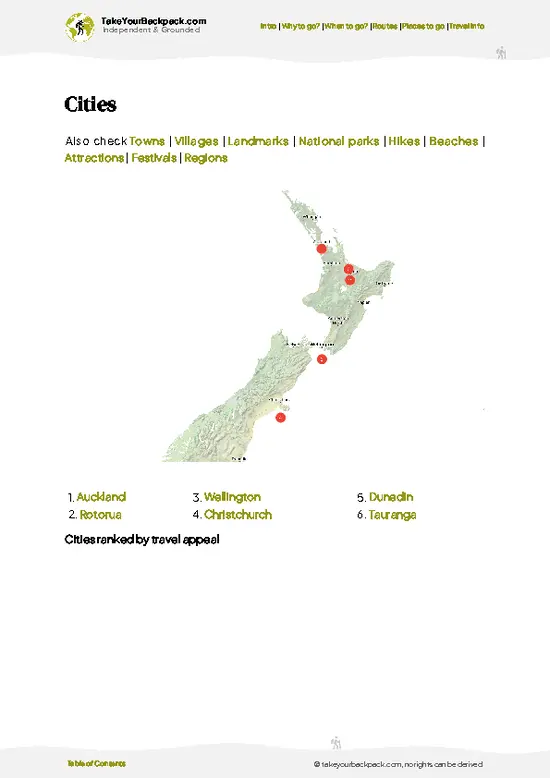
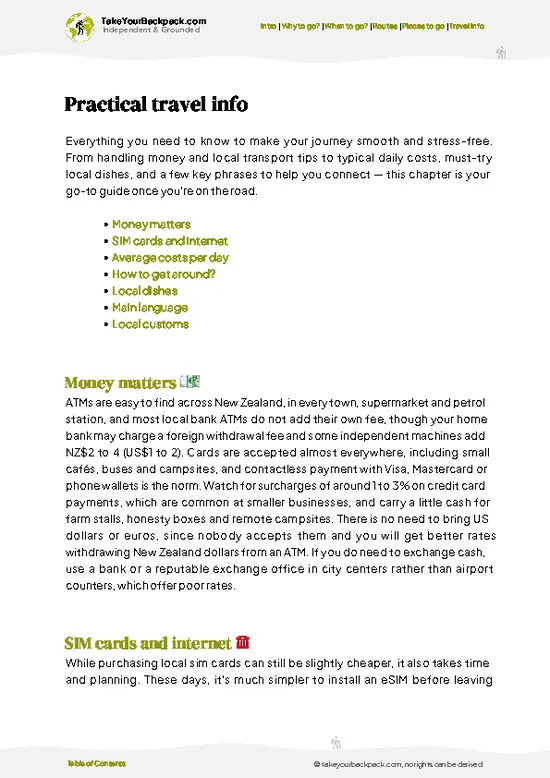
example page 0 from our offline Travel Guide for New Zealand
example page 1 from our offline Travel Guide for New Zealand
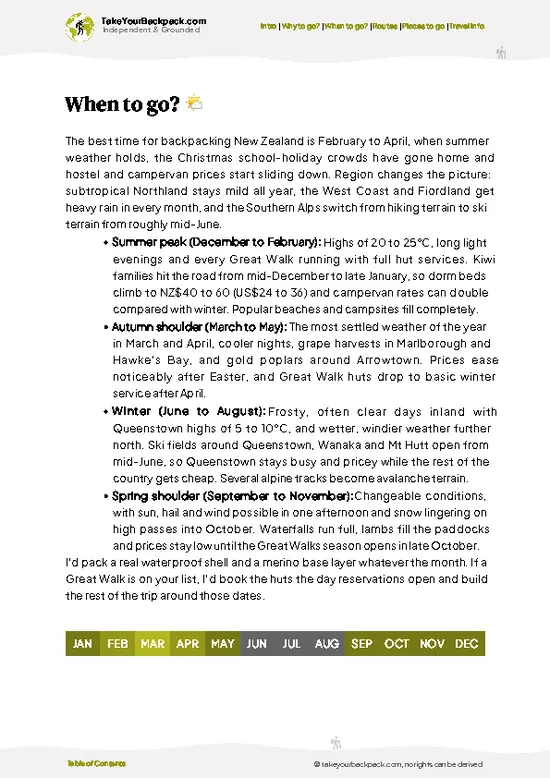
example page 2 from our offline Travel Guide for New Zealand
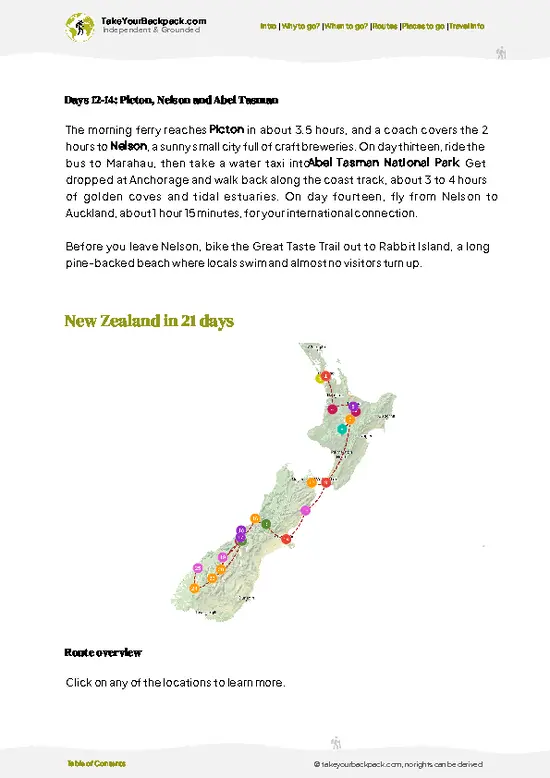
example page 3 from our offline Travel Guide for New Zealand
example page 4 from our offline Travel Guide for New Zealand
example page 5 from our offline Travel Guide for New Zealand
example page 6 from our offline Travel Guide for New Zealand
example page 7 from our offline Travel Guide for New Zealand
Loading the map 🌍
CLICK TO FILTER
cities
towns
villages
landmarks
national parks
hikes
beaches
attractions
festivals
regions
SHOW COUNTRY’S BESTSHOW ALL

✨ Why go?
Ranked #15 national park in New Zealand
Reasons people choose to explore here

Backpackers come for Wairere Falls, the North Island's tallest at about 153 meters, and for the freedom of stitching together your own route. Tracks leave from roadside car parks and small settlements on both sides of the range, so you can walk a day loop or string together a longer ridge traverse without a guide. The Kaimai Ridgeway and old tramway routes like the Wilson's Hut region give you real bush, native birdsong and almost no groups. Tour operators barely feature here, which suits self-guided walkers who like deciding at each junction whether to push on.

💡 HighlightsThe experiences that define the visit

  1. Wairere Falls: a three-tier cascade dropping roughly 153 meters, reached by a steady climb with a viewing platform near the top and a lookout at the lip.
  2. Kaimai Ridgeway Track: a long, muddy ridge route through cloud forest, with sweeping glimpses toward both coasts on clear days.
  3. Whakamarama area: short bush walks beneath tall podocarps, handy when weather rules out the high tracks.
  4. Kaimai Tramway Track: follows old logging tramway formations, with rusting relics and gentle gradients through rimu and rata forest.
  5. Waiorongomai Valley Walks: gold-mining history on the Te Aroha side, with old incline routes, tunnels and dense kauri-free regrowth.
  6. Te Aroha Summit Views: lookout points on the northern edge of the range over the Hauraki Plains.
  7. Birdlife: tūī, kererū, fantails, and with luck the rare
… read more 👉
  1. Wairere Falls: a three-tier cascade dropping roughly 153 meters, reached by a steady climb with a viewing platform near the top and a lookout at the lip.
  2. Kaimai Ridgeway Track: a long, muddy ridge route through cloud forest, with sweeping glimpses toward both coasts on clear days.
  3. Whakamarama area: short bush walks beneath tall podocarps, handy when weather rules out the high tracks.
  4. Kaimai Tramway Track: follows old logging tramway formations, with rusting relics and gentle gradients through rimu and rata forest.
  5. Waiorongomai Valley Walks: gold-mining history on the Te Aroha side, with old incline routes, tunnels and dense kauri-free regrowth.
  6. Te Aroha Summit Views: lookout points on the northern edge of the range over the Hauraki Plains.
  7. Birdlife: tūī, kererū, fantails, and with luck the rare kōkako or North Island robin in quieter gullies.
For a first visit, Wairere Falls gives the biggest sight for a half-day of effort.
Spotted a mistake or missing something? Contact us.

Things to do near Kaimai Mamaku Conservation Park

Ratings based on Tripadvisor reviews. When you book through this link, you support our work at no extra cost to you.

🌤️ When to go?Weather, crowds, and seasonal trade-offs

February and March are the driest, most settled months for Kaimai Mamaku Forest Park, though no month is reliably dry here.
  • Summer (Dec to Feb): 20 to 26°C (68 to 79°F), light until about 9 pm. Tracks and Tauranga-side swimming holes are busiest, and holiday accommodation costs more.
  • Autumn (Mar to May): 14 to 22°C (57 to 72°F), stable spells, quiet tracks, cheaper beds.
  • Winter (Jun to Aug): 5 to 13°C (41 to 55°F), daylight about 9.5 hours, thick mud, cold summit wind and frequent cloud. Fewest people.
  • Spring (Sep to Nov): 11 to 19°C (52 to 66°F), swollen streams and waterfalls, changeable showers.
Start walks early, since afternoon cloud often rolls over the ranges.

source: climatestotravel.comJANJanuary: highly recommended for travelingFEBFebruary: highly recommended for travelingMARMarch: highly recommended for travelingAPRApril: highly recommended for travelingMAYMay: highly recommended for travelingJUNJune: fair for travelingJULJuly: fair for travelingAUGAugust: fair for travelingSEPSeptember: highly recommended for travelingOCTOctober: highly recommended for travelingNOVNovember: highly recommended for travelingDECDecember: highly recommended for traveling
when-to-go

✈️ The backpacker research shortcutNew Zealand Travel Guide

An offline-friendly backpacking guide with optimized travel routes, ranked highlights, transport advice, and the best areas to stay.
example page 0 from our offline Travel Guide for New Zealand
example page 1 from our offline Travel Guide for New Zealand
example page 2 from our offline Travel Guide for New Zealand
example page 3 from our offline Travel Guide for New Zealand
example page 4 from our offline Travel Guide for New Zealand
example page 5 from our offline Travel Guide for New Zealand
example page 6 from our offline Travel Guide for New Zealand
example page 7 from our offline Travel Guide for New Zealand
The digital guide (327 pages) contains:
✅ 110 highlights, ranked by travel appeal
✅ Optimized 7, 14 & 21-day travel routes
✅ Cities, national parks, landmarks, beaches
✅ How to get around
✅ Offline-friendly for travel without Wi-Fi
👉 Click to see all 30+ guide features

📅 Plan smarter in minutes, not weeks
✅ Month by month travel advice
✅ Festivals & national holidays
✅ Budget expectations

🗺️ Go to the right places, skip the overrated ones
✅ Honest pros & cons of destinations
✅ Top hikes, parks & viewpoints
✅ Lesser-known places most travelers miss
✅ Clear “worth it vs skip it” guidance

🛏️ Travel smoothly without rookie mistakes
✅ Best areas to stay
✅ Transport systems explained simply
✅ Common scams & safety advice
✅ SIM cards, money & practical tips

🌍 Understand the country, not just visit it
✅ Culture & traditions
✅ Local customs
✅ Festivals worth planning around
✅ Traveler-friendly historical context
✅ Insights that make places more meaningful

📱 Built for real travel conditions
✅ Fully downloadable PDF
✅ Works completely offline
✅ Optimized for phone use
✅ Useful in remote areas & buses
✅ Everything in one place
Stop searching, start planning
Get instant access to your full guide. 30‑day money-back guarantee.
+ Add another guide for just

By proceeding you agree to our terms.
Sent to your inbox immediately after payment • 100% Secure Checkout
Best Backpacking Travel Advisor 2025 tourism awardBest Backpacking
Travel Advisor
2025
What others say about Take Your Backpack Guides:
⭐⭐⭐⭐⭐
Fantastic, amazing amount of information!
⭐⭐⭐⭐⭐
My goodness this is amazing, it's what I've been looking for hats off too you!
⭐⭐⭐⭐⭐
I think this is absolutely BRILLIANT
⭐⭐⭐⭐
Very complete and informative. It's still missing places, but I gotta to commend you
⭐⭐⭐⭐⭐
This is truly amazing, thank you, can't wait to explore it with my kids!
⭐⭐⭐⭐⭐
Awesome resource, thank you!
⭐⭐⭐⭐⭐
This is amazing! Can't wait to explore the ones I haven't seen
⭐⭐⭐⭐
I love this! Well done, great idea.
⭐⭐⭐⭐⭐
Thanks for taking the time to make this gem!
⭐⭐⭐⭐⭐
This might be the best website I've ever seen.
⭐⭐⭐⭐⭐
Congratulations, and thank you so much for your work; it's incredibly valuable.
⭐⭐⭐⭐
In all seriousness I think you did a great job pointing out the important spots
⭐⭐⭐⭐⭐
10/10 very good
⭐⭐⭐⭐⭐
As someone who's only just starting to visit regularly this is awesome, thank you.
⭐⭐⭐⭐
Thank you very much! I'm going to visit my dad, it's going to be very useful!
⭐⭐⭐⭐⭐
This is really cool! We'll be travelling for the first time and this definitely come in handy.
⭐⭐⭐⭐⭐
You are now our minister of culture, congratulations 👨‍💼
⭐⭐⭐⭐⭐
Just wanted to tell you that this is a pearl! Going to follow your recommendations.
⭐⭐⭐⭐⭐
This is so cool. I'll definitely be using the resource for my travels soon.
⭐⭐⭐⭐⭐
This is very impressive! Good work.
⭐⭐⭐⭐⭐
This is an amazing and informative site. Very well done!

🛏️ Where to stay?Best areas and accommodation options

No hotels sit inside the park, so most backpackers stay in Tauranga, Matamata or Te Aroha and drive in.
Tauranga has the most hostels and holiday parks, with dorms around NZD 35 to 50. Mount Maunganui is a beach alternative close by. Matamata suits the Wairere Falls and Hobbiton side, with a few motels and a holiday park. Te Aroha has hot pools, a holiday park and a quiet main street, handy for the Waiorongomai and Mt Te Aroha tracks.
Inside the park, the Department of Conservation runs basic backcountry huts, including Waitawheta Hut and Te Rereatukahia Hut, and a few small campsites. Book hut … read more 👉
No hotels sit inside the park, so most backpackers stay in Tauranga, Matamata or Te Aroha and drive in.
Tauranga has the most hostels and holiday parks, with dorms around NZD 35 to 50. Mount Maunganui is a beach alternative close by. Matamata suits the Wairere Falls and Hobbiton side, with a few motels and a holiday park. Te Aroha has hot pools, a holiday park and a quiet main street, handy for the Waiorongomai and Mt Te Aroha tracks.
Inside the park, the Department of Conservation runs basic backcountry huts, including Waitawheta Hut and Te Rereatukahia Hut, and a few small campsites. Book hut passes online ahead of time, and bring a stove, bedding and your own water treatment.

👛 Costs (as of 15 October 2026)Typical daily expenses

A budget backpacker covers Kaimai Mamaku Forest Park for about US$62 a day, with entry itself free. Travelers pay in New Zealand dollars, and the park has no gate or ticket booth.
CategoryBudget RangeLocal Reality
Entrance feesUS$0Walking tracks and roadside trailheads cost nothing to enter.
Accommodation (high season)US$0 to 30Basic Department of Conservation campsites and huts run roughly US$6 to 18 a night, while hostels in Tauranga, Matamata or Te Aroha cost about US$25 to 35 for a dorm bed.
Local transportUS$5 to 15Most trailheads have no public bus, so expect a shared ride, a rental car, or a taxi from town at US$15 to 40 one way.
Food and suppliesUS$15 to 25Self-catering from supermarkets in Tauranga, Matamata or Te Aroha is the norm, and there are no shops inside the park.
Activities and
… read more 👉
A budget backpacker covers Kaimai Mamaku Forest Park for about US$62 a day, with entry itself free. Travelers pay in New Zealand dollars, and the park has no gate or ticket booth.
CategoryBudget RangeLocal Reality
Entrance feesUS$0Walking tracks and roadside trailheads cost nothing to enter.
Accommodation (high season)US$0 to 30Basic Department of Conservation campsites and huts run roughly US$6 to 18 a night, while hostels in Tauranga, Matamata or Te Aroha cost about US$25 to 35 for a dorm bed.
Local transportUS$5 to 15Most trailheads have no public bus, so expect a shared ride, a rental car, or a taxi from town at US$15 to 40 one way.
Food and suppliesUS$15 to 25Self-catering from supermarkets in Tauranga, Matamata or Te Aroha is the norm, and there are no shops inside the park.
Activities and extrasUS$0 to 10Tracks such as the Wairere Falls route are free. A hot soak in Te Aroha adds a small charge.
Total Daily BudgetUS$62Based on a hostel bed, groceries and shared transport.


source: doc.govt.nz
⚠️ Prices can change and everyone travels differently, so take this as a rough guide. Hope it helps you plan your adventure!

🥾 TrailsExploring Kaimai Mamaku Conservation Park: trails, terrain, and views

Most walkers choose from a handful of tracks, and conditions are muddy year-round.
  • Wairere Falls Track: about 5 km return, 2.5 to 3 hours, moderate. Gravel then steep steps and tree roots, ending at lookouts over the falls.
  • Kaimai Tramway Track: roughly 6 km, 2 to 3 hours, easy to moderate. Old tramway grades, bridges and bush.
  • Kaimai Ridgeway Track: multi-hour to multi-day, hard. Rooty, boggy ridge terrain, with exposed sections and variable cloud.
  • Waiorongomai Tracks: 1 to 4 hours, moderate. Historic mining inclines and steep sidling.
  • Wildlife: tūī, kererū, fantails and bellbirds are common, with
… read more 👉
Most walkers choose from a handful of tracks, and conditions are muddy year-round.
  • Wairere Falls Track: about 5 km return, 2.5 to 3 hours, moderate. Gravel then steep steps and tree roots, ending at lookouts over the falls.
  • Kaimai Tramway Track: roughly 6 km, 2 to 3 hours, easy to moderate. Old tramway grades, bridges and bush.
  • Kaimai Ridgeway Track: multi-hour to multi-day, hard. Rooty, boggy ridge terrain, with exposed sections and variable cloud.
  • Waiorongomai Tracks: 1 to 4 hours, moderate. Historic mining inclines and steep sidling.
  • Wildlife: tūī, kererū, fantails and bellbirds are common, with the occasional robin along quieter sections.
Public transport is thin. Intercity buses run on State Highway 1 and 29, but trailheads usually need a car or a hitch or shuttle from nearby towns. Entry is free. Weekends bring locals to Wairere Falls, while longer tracks stay quiet. Carry waterproofs, as the range catches rain.
⚠️ Hiking info can sometimes be outdated or inaccurate. Before you hit the trail, check the latest conditions with locals. If you do spot anything that's off, I'd love to hear from you, so I can update it for fellow travelers.

🛡️ SafetySafety Tips and Common Scams in Kaimai Mamaku Conservation Park

Kaimai Mamaku is a well-used forest park, but the ranges make their own weather. Cloud and rain can arrive within an hour, so carry a rain jacket, warm layer and headlamp even on short walks. Tracks turn muddy and slippery, with tree roots, steep climbs and stream crossings that can rise fast after rain; skip them when water is high. Waymarking is good on main routes, but some old logging tracks fade, so download a map. Wear sturdy boots. Kauri dieback is present, so use the cleaning stations. Wild pigs and deer are around but rarely a concern. Lock valuables out of sight at trailhead car parks.

FAQFrequently asked questions about Kaimai Mamaku Conservation Park

Two to three days covers the highlights. One day gets you Wairere Falls (about 3 to 4 hours return) from the Matamata side, and a second day suits the Kaimai Ridge or Mt Te Aroha. Multi-day trampers can link huts over three to four days.
Not easily. No public buses reach the trailheads, though Tauranga, Matamata and Te Aroha have intercity coach stops. Most visitors rent a car, and shuttles or taxis from Matamata to Wairere Falls cost roughly NZD 40 to 70 each way.
No entrance fee or permit applies for walking in the park. Backcountry huts need a hut pass or ticket, roughly NZD 15 to 20 a night, bought through the Department of Conservation. Some tracks on private land, such as Wairere Falls access, are open to the public, but check current signs for closures.
⚠️ Things can change over time, so always validate details locally before you go.

Other New Zealander national parks near Kaimai Mamaku Conservation Park

Explore more nearby:


💡 Not sure where to go next?
Create a personalized itinerary for New Zealand including Kaimai Mamaku Conservation Park and the places that fit your trip.

Generate my itinerary

👉 Discover all national parks

Or checkout all New Zealand has to offer (think cities, towns, villages, national parks, hikes, beaches, festivals)
Country photo of New Zealand

We 💚 feedbackKey takeaways before you go

Travelers often judge the range by the car park and fit in a falls walk in sneakers, then turn back muddy and soaked. Pack proper boots and a rain jacket, and pick the ridge tracks only on dry, clear days. I would walk Wairere Falls first, then decide.

✈️ When did I visit New Zealand?
All the way back in high school I have been visiting the North Island of New Zealand (1993).

✍️ Help improve this page!
The information on this page is based on my own backpacking experience in New Zealand, supplemented with up-to-date research and feedback from other travelers. Travel details can change, so if you notice anything outdated or incomplete, feel free to let me know.


🙋‍♂️ Give feedback

👋 Meet the founderWho’s Behind Take Your Backpack?

Johan, backpacker and founder of TakeYourBackpackHi, I’m Johan (Netherlands 🇳🇱), the creator of TakeYourBackpack. Over the past 3 decades, I’ve backpacked through 90+ countries across six continents, gaining extensive experience with independent travel, long-term trips, and overland routes.

This site is built on a combination of firsthand travel experience and carefully curated insights from other backpackers. Many guides are based on places I’ve personally visited, while others bring together tips, observations, and practical advice shared by trusted travelers I’ve met along the way.

The goal is to provide realistic, experience-driven guidance — not generic itineraries — so you can explore destinations with better context, clearer expectations, and more confidence.