×

New Zealand🇳🇿 | best national parksExplore the 10 Best national parks in New Zealand

New Zealand’s national parks are a showcase of diverse landscapes, from rugged mountains to lush rainforests, each offering unique wildlife and adventure opportunities. Defined by their commitment to conservation, these parks vary significantly across regions, influencing your backpacking experience. For instance, the South Island boasts dramatic fjords and alpine trails, perfect for thrill-seekers, while the North Island features geothermal wonders and coastal hikes, ideal for those seeking a more relaxed pace.

The choice of park directly impacts your vibe and seasonal experience. Summer invites vibrant flora and fauna, while winter transforms the parks into serene, snow-capped retreats. Budget considerations also play a role; some parks have free entry, while others may charge fees for specific activities. Understanding these nuances allows for a more tailored and immersive experience, ensuring your independent travel aligns with your interests and safety needs.

By Johan Kruseman 🇳🇱 | Updated June 2, 2026
Explore the best hikes in New Zealand

Why go?Why Travelers Love These Spots

New Zealand’s national parks stand out globally due to their diverse landscapes and rich biodiversity. The country’s unique geological history, shaped by tectonic activity, results in a stunning array of environments—from towering mountains to lush rainforests and rugged coastlines. This variety not only attracts adventure seekers but also supports a wide range of flora and fauna, some of which are endemic. The biodiversity here is a living testament to millions of years of evolution, making these parks vital for conservation efforts.

However, the infrastructure in New Zealand is a double-edged sword. While the parks are generally well-maintained with established trails and facilities, accessibility can vary significantly. Some parks are easily reachable from major cities, allowing for quick … read more 👉
New Zealand’s national parks stand out globally due to their diverse landscapes and rich biodiversity. The country’s unique geological history, shaped by tectonic activity, results in a stunning array of environments—from towering mountains to lush rainforests and rugged coastlines. This variety not only attracts adventure seekers but also supports a wide range of flora and fauna, some of which are endemic. The biodiversity here is a living testament to millions of years of evolution, making these parks vital for conservation efforts.

However, the infrastructure in New Zealand is a double-edged sword. While the parks are generally well-maintained with established trails and facilities, accessibility can vary significantly. Some parks are easily reachable from major cities, allowing for quick visits, but this often leads to a more crowded experience. In contrast, more remote parks may require longer travel times, but they offer a deeper, more immersive experience with fewer people. This trade-off between accessibility and experience quality is crucial for travelers to consider.

The climatic conditions also play a significant role in planning visits. New Zealand’s weather can be unpredictable, with rapid changes that can impact hiking conditions. Understanding the seasonal variations is essential for maximizing adventure opportunities while minimizing risks.

Culturally, the parks are intertwined with Māori heritage, adding layers of significance to the landscapes. This connection enriches the experience, but it also demands respect and understanding of the cultural narratives tied to the land.

Ultimately, New Zealand’s national parks offer a unique blend of natural beauty, cultural depth, and adventure potential. Recognizing the constraints and trade-offs involved allows travelers to navigate these parks more effectively, unlocking a richer experience in one of the world’s most captivating outdoor playgrounds.
Our Approach to Ranking
The list of best national parks in New Zealand is created based on landscapes, wildlife, adventure opportunities, facilities, and overall experience. If you feel a national park is missing in this list, please let us know.

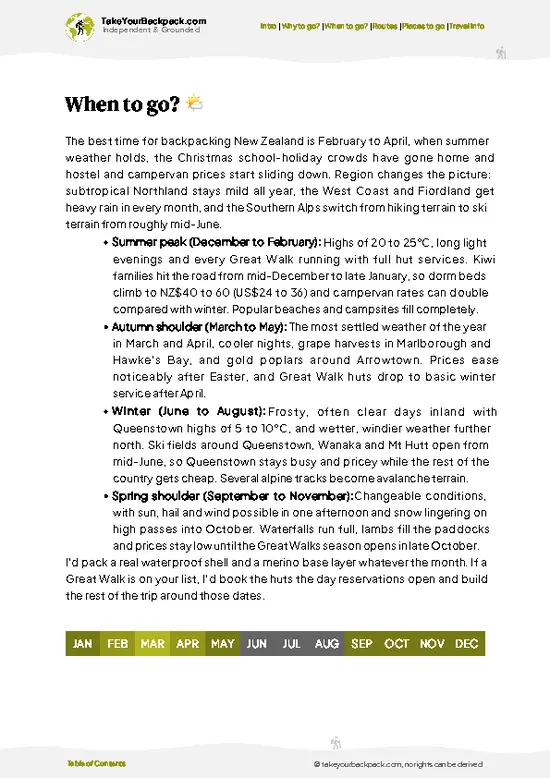
When to go?Best Time to Visit New Zealand for national parks

Seasonality plays a crucial role in the experience of New Zealand’s national parks. Understanding the weather patterns can significantly enhance wildlife visibility and trail conditions. The country has a temperate climate, but variations exist between regions.

Summer (December to February) is the peak season. Expect warmer temperatures and longer days, making it ideal for exploration. However, this is when trails can become crowded, and accommodation prices soar. Wildlife is more active, but the trade-off is navigating busy paths.

Autumn (March to May) offers a sweet spot. The weather remains mild, and the foliage transforms into rich hues. Crowds thin out, allowing for a more intimate experience with nature. Rainfall begins to increase, but trails are generally still accessible. This … read more 👉
Seasonality plays a crucial role in the experience of New Zealand’s national parks. Understanding the weather patterns can significantly enhance wildlife visibility and trail conditions. The country has a temperate climate, but variations exist between regions.

Summer (December to February) is the peak season. Expect warmer temperatures and longer days, making it ideal for exploration. However, this is when trails can become crowded, and accommodation prices soar. Wildlife is more active, but the trade-off is navigating busy paths.

Autumn (March to May) offers a sweet spot. The weather remains mild, and the foliage transforms into rich hues. Crowds thin out, allowing for a more intimate experience with nature. Rainfall begins to increase, but trails are generally still accessible. This season is perfect for those who appreciate a quieter atmosphere and are willing to embrace occasional wet conditions.

Winter (June to August) presents a different challenge. Snow can blanket higher elevations, limiting access to certain trails. However, this is an excellent time for spotting unique wildlife, as many species are more visible against the stark landscape. The trade-off is the cold; temperatures can drop significantly, so proper gear is essential.

Spring (September to November) marks a transition. As temperatures rise, trails start to thaw, and wildlife becomes increasingly active. However, rainfall can be unpredictable, leading to muddy conditions. This season is often less crowded, making it appealing for those seeking solitude.

Understanding these seasonal dynamics allows for strategic planning. Opt for shoulder seasons to balance weather conditions, crowd levels, and costs. Each season offers distinct advantages and challenges, making it essential to align personal preferences with the natural rhythms of New Zealand’s national parks.

national park hoppingTips for Visiting Multiple Destinations

General Routing Logic
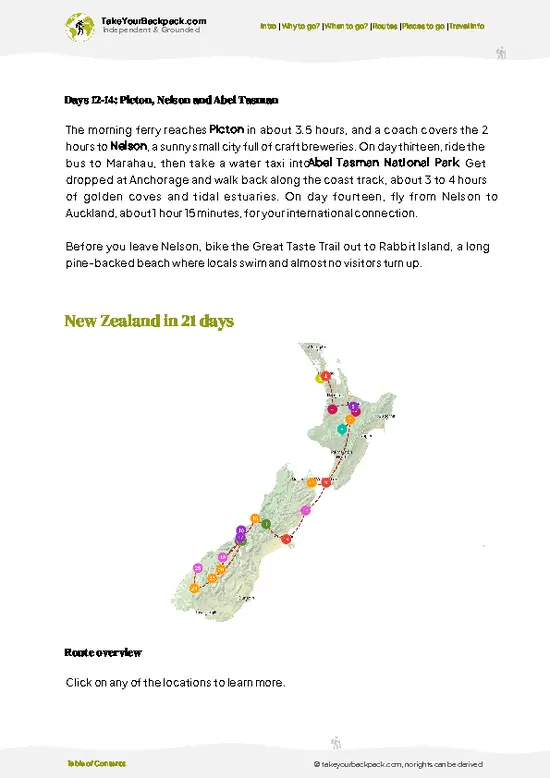
New Zealand’s national parks are best explored through a regional clustering approach. Start in the North Island with Tongariro National Park, then head south to the South Island, where you can hit Abel Tasman, Fiordland, and Aoraki/Mount Cook. This sequence minimizes backtracking and maximizes scenic routes. The drive from one park to another often reveals breathtaking landscapes, so allow time for spontaneous stops.

Typical Time Needed
Allocate at least two to three days per park for a balanced experience. This timeframe allows for day hikes, exploration of facilities, and some downtime. For example, in Fiordland, a day hike on the Milford Track can be a highlight, but rushing through it in a single day diminishes the experience.

Common Planning Mistakes
One common … read more 👉
General Routing Logic
New Zealand’s national parks are best explored through a regional clustering approach. Start in the North Island with Tongariro National Park, then head south to the South Island, where you can hit Abel Tasman, Fiordland, and Aoraki/Mount Cook. This sequence minimizes backtracking and maximizes scenic routes. The drive from one park to another often reveals breathtaking landscapes, so allow time for spontaneous stops.

Typical Time Needed
Allocate at least two to three days per park for a balanced experience. This timeframe allows for day hikes, exploration of facilities, and some downtime. For example, in Fiordland, a day hike on the Milford Track can be a highlight, but rushing through it in a single day diminishes the experience.

Common Planning Mistakes
One common pitfall is underestimating travel times. Distances can be deceptive; a 200-kilometer drive may take longer than expected due to winding roads and variable weather. Additionally, travelers often overlook the importance of park facilities. Some parks have limited accommodation options, so booking ahead is crucial, especially during peak seasons.

Trade-offs and Constraints
Speed versus depth of experience is a key trade-off. Covering multiple parks in a short time may seem appealing, but it often leads to a superficial experience. Budget constraints can also impact comfort; staying in a mix of campsites and lodges can balance costs while enhancing the adventure. Flexibility is essential; weather can change plans quickly, so having alternative routes or activities in mind can keep the trip enjoyable.

Realistic Pacing
Strategic planning is vital. Build in rest days or lighter activity days to recharge. This approach not only enhances enjoyment but also allows for deeper connections with the stunning landscapes and unique ecosystems. Embrace the journey, and let the parks reveal their magic at your own pace.

The ListMust-Visit national parks in New Zealand

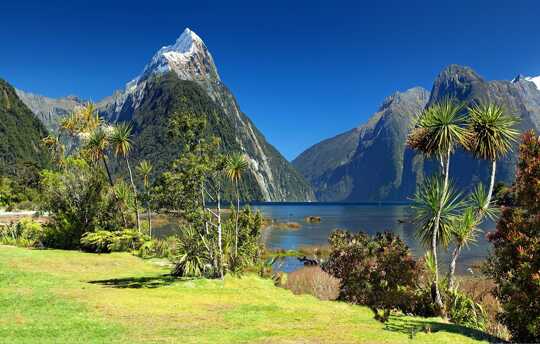
1 Fiordland National Park

Deep fiords, ancient rainforest, waterfalls, multi-day tracks

Journey through vast, wet landscapes shaped by ice and rain, encountering remote valleys and wildlife on foot or by boat.

New Zealand - Fiordland National Park

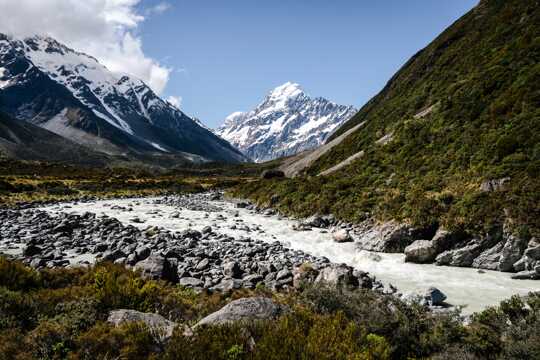
2 Aoraki Mount Cook National Park

Glacial valleys, snow-capped peaks, alpine tarns, stargazing

Hike beneath New Zealand’s highest mountains, where glaciers, icefields, and clear night skies create a dramatic alpine environment.

New Zealand - Aoraki Mount Cook National Park

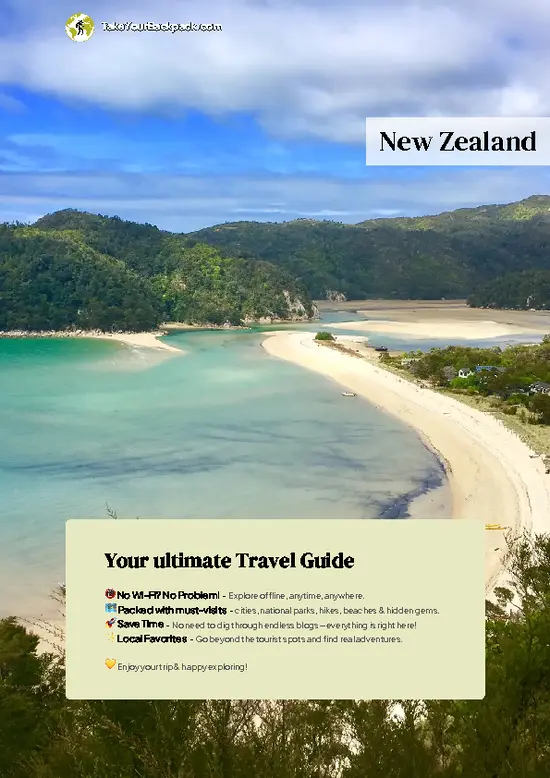
3 Abel Tasman National Park

Golden beaches, tidal estuaries, coastal track, turquoise bays

Kayak or walk along a sunlit coastline, weaving between forested headlands and sheltered coves with clear, inviting water.

new-zealand-national-park-abel-tasman-national-park
© Google | Paul De Croes

4 Tongariro National Park

Volcanic peaks, alpine crossing, emerald lakes, cultural significance

Trek across active volcanic terrain, passing steaming vents and crater lakes in a landscape shaped by both geology and Māori tradition.

new-zealand-national-park-tongariro-national-park
© Google | Thais Vigantzky

5 Mount Aspiring National Park

River flats, hanging glaciers, remote huts, braided rivers

Cross open valleys and climb toward icy summits, where long routes and changing terrain challenge even experienced trampers.

new-zealand-national-park-mount-aspiring-national-park
© Google | 李李志郁

6 Te Wahipounamu

World Heritage, glacial valleys, ancient beech forest, dramatic landscapes

Explore a vast protected region where mountains, rivers, and rainforest meet, preserving some of the South Island’s most striking scenery.

7 Kahurangi National Park

Karst landscapes, Heaphy Track, remote wilderness, rare flora

Traverse ancient limestone plateaus and forested valleys, encountering unique plant life and solitude along one of New Zealand’s Great Walks.

8 Arthur’s Pass National Park

High mountain passes, kea habitat, scree slopes, alpine flowers

Tackle steep ascents and unpredictable conditions, rewarded by close encounters with native birds and rugged South Island scenery.

9 Nelson Lakes National Park

Alpine lakes, beech forest, mountain ridges, tramping routes

Follow clear tracks beside glacial lakes and climb to exposed ridgelines, where changing light and weather shape every journey.

10 Paparoa National Park

Limestone cliffs, Pancake Rocks, coastal rainforest, cave systems

Venture through dense forest to dramatic sea-sculpted formations, exploring underground passages and wild beaches on the West Coast.

new-zealand-national-park-paparoa-national-park
© Google |

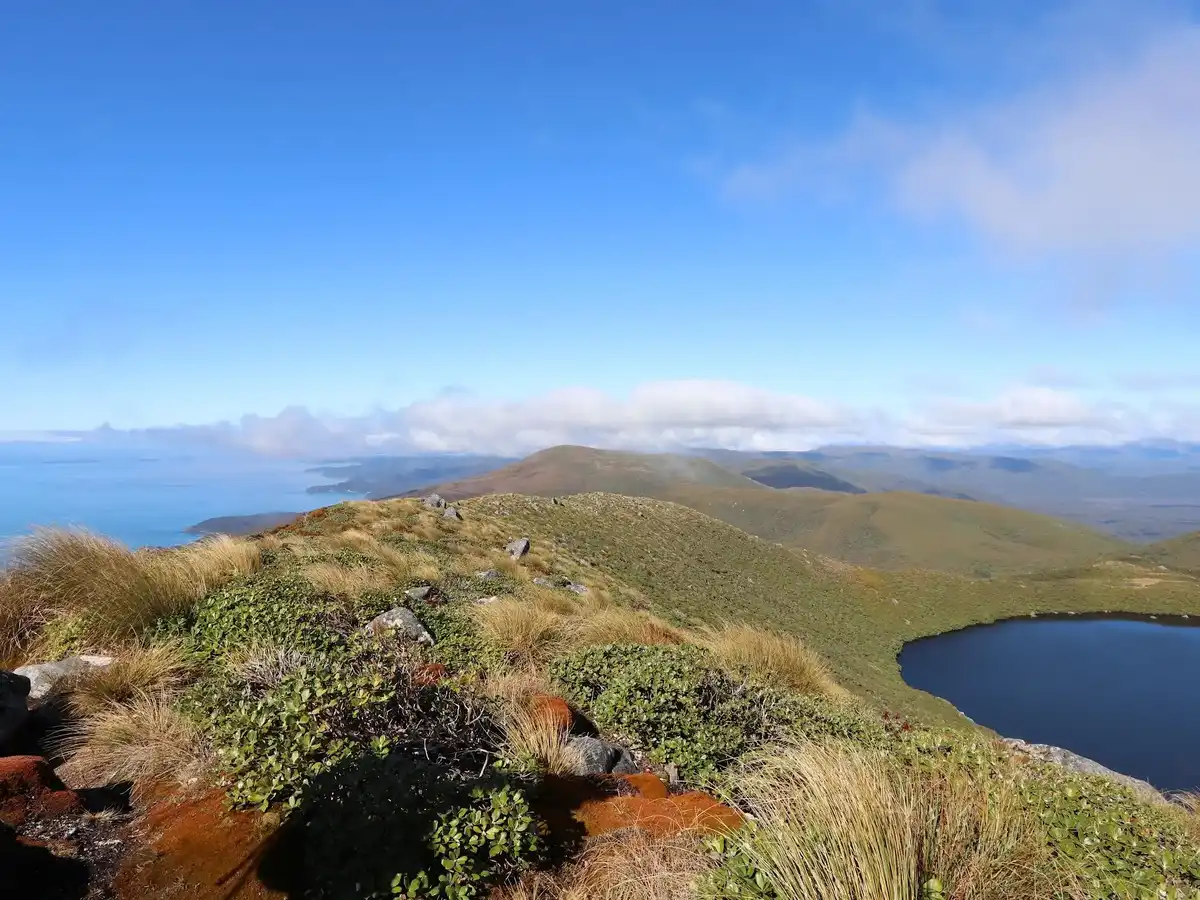
11 Rakiura National Park

Stewart Island, coastal forest, kiwi habitat, long-distance track

Experience southern wilderness with quiet beaches, dense bush, and a real chance to spot kiwi in their natural environment.

new-zealand-national-park-rakiura-national-park
© Google | Tom Wiedemayer

12 Egmont National Park

Volcanic cone, mossy forest, circular hiking trails

Ascend through lush rainforest to volcanic slopes, where changing weather and panoramic views define the experience around Mount Taranaki.

13 Whanganui National Park

Whanganui River, Māori heritage, deep gorges, canoe journeys

Paddle or hike through steep-sided valleys, discovering layered history and remote settlements along the winding river corridor.

14 Coromandel Forest Park

Kauri groves, rugged ranges, waterfalls, gold mining relics

Wander through ancient forest and over misty hills, discovering remnants of industry and pockets of rare native trees.

15 Kaimai Mamaku Forest Park

Steep ridges, hidden streams, native bush, historic tracks

Navigate a network of trails through dense forest, where waterfalls and old packhorse routes reveal the park’s rugged character.

16 Pureora Forest Park

Podocarp forest, birdlife, timber trails, volcanic plateau

Cycle or walk beneath towering trees, listening for native birds and glimpsing the legacy of conservation efforts in central North Island.

17 Tawharanui Regional Park

Open sanctuary, white sand beaches, rolling farmland, native birds

Walk from pasture to protected forest, swimming and birdwatching in a coastal reserve close to Auckland’s urban edge.

new-zealand-national-park-tawharanui-regional-park
© Google | Paul De Croes

Think you know New Zealand?

Prove you’re a true local — uncover 7 lesser-known national parks in New Zealand that locals tend to keep to themselves.
Loading the map 🌍

Expert viewWhat You Should Know

Terrain
New Zealand’s national parks are a masterclass in diverse terrain. From the jagged peaks of the Southern Alps to the lush rainforests of Fiordland, each park offers a unique landscape that shapes your experience. The key is understanding how these terrains influence your activities. For instance, if you’re drawn to hiking, the well-maintained tracks in parks like Abel Tasman are a dream. However, the rugged trails in Tongariro National Park demand more preparation and fitness.

Consider the trade-off: easier access often means more crowds. If you want solitude, aim for the less-traveled parks, but be prepared for more challenging conditions. This means investing time in gear and planning. The payoff? A more intimate connection with nature, where you can hear the rustle of leaves … read more 👉
Terrain
New Zealand’s national parks are a masterclass in diverse terrain. From the jagged peaks of the Southern Alps to the lush rainforests of Fiordland, each park offers a unique landscape that shapes your experience. The key is understanding how these terrains influence your activities. For instance, if you’re drawn to hiking, the well-maintained tracks in parks like Abel Tasman are a dream. However, the rugged trails in Tongariro National Park demand more preparation and fitness.

Consider the trade-off: easier access often means more crowds. If you want solitude, aim for the less-traveled parks, but be prepared for more challenging conditions. This means investing time in gear and planning. The payoff? A more intimate connection with nature, where you can hear the rustle of leaves and the call of native birds without the hum of fellow travelers.

Park Infrastructure
Infrastructure varies significantly across parks. Some, like Mount Cook, have excellent facilities, including visitor centers and well-marked trails. Others, such as Rakiura, are more remote, with limited amenities. This disparity affects your planning. If you’re visiting a park with fewer facilities, ensure you have enough supplies and a solid plan for navigation.

The trade-off here is between convenience and adventure. Parks with robust infrastructure allow for a more relaxed experience, while those with minimal facilities offer a chance to truly disconnect. If you’re up for it, embrace the challenge of the less-developed parks. Just remember, a little extra preparation can turn potential pitfalls into rewarding experiences.

Wildlife Activity
Wildlife is a major draw in New Zealand’s national parks, but the best times to see animals vary. For example, the dawn and dusk hours are prime for spotting kiwis in places like Abel Tasman. Conversely, the best time for whale watching in Kaikoura is during specific months. Understanding these patterns can enhance your experience.

The trade-off lies in timing your visits. If you want to maximize wildlife encounters, you might need to adjust your itinerary to align with these peak times. This could mean spending more time in one park rather than trying to squeeze in multiple locations. Prioritize parks based on your wildlife interests, and be flexible with your schedule to capture those magical moments.

Time Management
When planning your park visits, consider how many parks you realistically want to explore. Aiming for three to five parks allows for a deeper experience without feeling rushed. Each park has its own rhythm, and rushing through them can lead to missed opportunities.

The trade-off here is between breadth and depth. If you try to cover too many parks, you risk skimming the surface of what each has to offer. Instead, focus on a few parks that resonate with you. Spend more time in each, allowing for spontaneous hikes or wildlife encounters. This approach not only enriches your experience but also gives you the chance to connect with the local culture and landscape.

Regional Variation
New Zealand’s parks are not just diverse in terrain but also in regional culture. The North Island parks often have a different vibe compared to those in the South Island. For example, the Maori influence is palpable in North Island parks, where cultural experiences can enhance your visit. In contrast, the South Island parks are often more about the dramatic landscapes and outdoor activities.

This regional variation affects your planning. If you’re keen on cultural experiences, prioritize North Island parks. If adventure is your focus, the South Island might be more appealing. The trade-off is in the type of experience you want. Balancing cultural immersion with outdoor adventure can lead to a richer understanding of New Zealand as a whole.

Safety & Cultural Considerations
Safety is paramount in New Zealand’s national parks. Weather can change rapidly, especially in mountainous areas. Always check forecasts and be prepared for sudden shifts. Additionally, respect local customs and the environment. Many parks have cultural significance to the Maori, and understanding this can enhance your experience.

The trade-off here is between adventure and respect. Pushing your limits can be exhilarating, but it’s crucial to remain aware of your surroundings and the cultural context. Engaging with local guides can provide insights that enhance your safety and appreciation of the land.

In summary, navigating New Zealand’s national parks is about understanding the systems at play. By focusing on terrain, infrastructure, wildlife, time management, regional variation, and safety, you can turn logistics into a strategic game. Embrace the nuances, and you’ll unlock a richer, more rewarding adventure that goes beyond mere sightseeing.

✈️ The backpacker research shortcutNew Zealand Travel Guide

An offline-friendly backpacking guide with optimized travel routes, ranked highlights, transport advice, and the best areas to stay.
example page 0 from our offline Travel Guide for New Zealand
example page 1 from our offline Travel Guide for New Zealand
example page 2 from our offline Travel Guide for New Zealand
example page 3 from our offline Travel Guide for New Zealand
example page 4 from our offline Travel Guide for New Zealand
example page 5 from our offline Travel Guide for New Zealand
example page 6 from our offline Travel Guide for New Zealand
example page 7 from our offline Travel Guide for New Zealand
The digital guide (412 pages) contains:
113 highlights, ranked by travel appeal
Optimized 7, 14 & 21-day travel routes
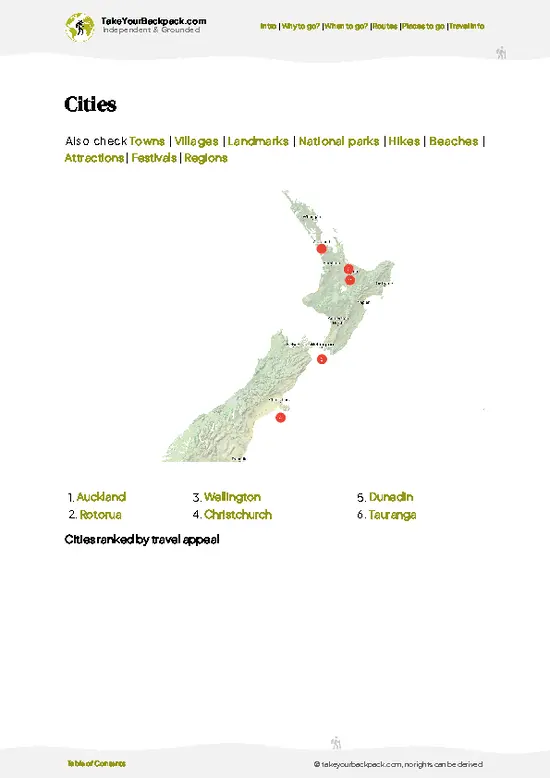
Cities, national parks, landmarks, beaches
How to get around
Offline-friendly for travel without Wi-Fi
👉 Click to see all 30+ guide features

📅 Plan smarter in minutes, not weeks
Month by month travel advice
Festivals & national holidays
Budget expectations

🗺️ Go to the right places, skip the overrated ones
Honest pros & cons of destinations
Top hikes, parks & viewpoints
Lesser-known places most travelers miss
Clear “worth it vs skip it” guidance

🛏️ Travel smoothly without rookie mistakes
Best areas to stay
Transport systems explained simply
Common scams & safety advice
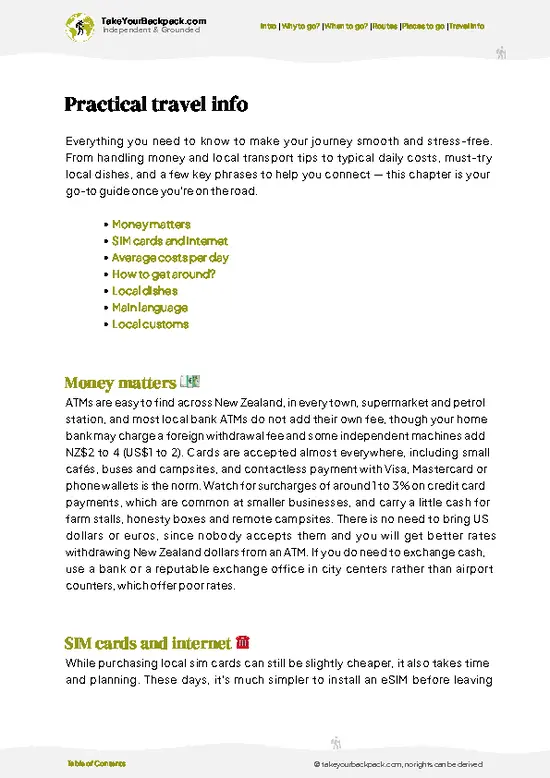
SIM cards, money & practical tips

🌍 Understand the country, not just visit it
Culture & traditions
Local customs
Festivals worth planning around
Traveler-friendly historical context
Insights that make places more meaningful

📱 Built for real travel conditions
Fully downloadable PDF
Works completely offline
Optimized for phone use
Useful in remote areas & buses
Everything in one place
Save weeks of stressful planning
Get instant access to your full guide. 30‑day money-back guarantee.


By proceeding you agree to our terms.
Sent to your inbox immediately after payment • 100% Secure Checkout
Best Backpacking Travel Advisor 2025 tourism awardBest Backpacking
Travel Advisor
2025
What others say about Take Your Backpack Guides:
⭐⭐⭐⭐⭐
Fantastic, amazing amount of information!
⭐⭐⭐⭐⭐
My goodness this is amazing, it's what I've been looking for hats off too you!
⭐⭐⭐⭐⭐
I think this is absolutely BRILLIANT
⭐⭐⭐⭐
Very complete and informative. It's still missing places, but I gotta to commend you
⭐⭐⭐⭐⭐
This is truly amazing, thank you, can't wait to explore it with my kids!
⭐⭐⭐⭐⭐
Awesome resource, thank you!
⭐⭐⭐⭐⭐
This is amazing! Can't wait to explore the ones I haven't seen
⭐⭐⭐⭐
I love this! Well done, great idea.
⭐⭐⭐⭐⭐
Thanks for taking the time to make this gem!
⭐⭐⭐⭐⭐
This might be the best website I've ever seen.
⭐⭐⭐⭐⭐
Congratulations, and thank you so much for your work; it's incredibly valuable.
⭐⭐⭐⭐
In all seriousness I think you did a great job pointing out the important spots
⭐⭐⭐⭐⭐
10/10 very good
⭐⭐⭐⭐⭐
As someone who's only just starting to visit regularly this is awesome, thank you.
⭐⭐⭐⭐
Thank you very much! I'm going to visit my dad, it's going to be very useful!
⭐⭐⭐⭐⭐
This is really cool! We'll be travelling for the first time and this definitely come in handy.
⭐⭐⭐⭐⭐
You are now our minister of culture, congratulations 👨‍💼
⭐⭐⭐⭐⭐
Just wanted to tell you that this is a pearl! Going to follow your recommendations.
⭐⭐⭐⭐⭐
This is so cool. I'll definitely be using the resource for my travels soon.
⭐⭐⭐⭐⭐
This is very impressive! Good work.
⭐⭐⭐⭐⭐
This is an amazing and informative site. Very well done!

🛏️ Where to stay?Accommodation Highlights

Yes — reliable hostels and budget accommodation are widely available across New Zealand, concentrated in Auckland CBD and Ponsonby, Wellington CBD and Cuba Street, Christchurch central and Riccarton, Queenstown and Wanaka, plus Dunedin CBD and Te Anau.
Auckland and Wellington offer best transport links and nightlife but are busier and often pricier; Christchurch and Riccarton are budget-friendly, quieter and well connected by buses; Queenstown and Wanaka are ideal for adventure and social hostels but fill fast and cost more; Dunedin and Te Anau are quieter, cheaper and excellent for nature access but have fewer late‑night options.

If you enjoy meeting fellow travelers, consider choosing hostelsread more 👉
Yes — reliable hostels and budget accommodation are widely available across New Zealand, concentrated in Auckland CBD and Ponsonby, Wellington CBD and Cuba Street, Christchurch central and Riccarton, Queenstown and Wanaka, plus Dunedin CBD and Te Anau.
Auckland and Wellington offer best transport links and nightlife but are busier and often pricier; Christchurch and Riccarton are budget-friendly, quieter and well connected by buses; Queenstown and Wanaka are ideal for adventure and social hostels but fill fast and cost more; Dunedin and Te Anau are quieter, cheaper and excellent for nature access but have fewer late‑night options.

If you enjoy meeting fellow travelers, consider choosing hostels with high ratings for atmosphere. On the other hand, if you prefer having your own space, a hotel might be a better option.

New ZealandSee More of New Zealand

👋 Meet the founderWho’s Behind Take Your Backpack?

Johan, backpacker and founder of TakeYourBackpackHi, I’m Johan (Netherlands 🇳🇱), the creator of TakeYourBackpack. Over the past decade, I’ve backpacked through 80+ countries across six continents, gaining extensive experience with independent travel, long-term trips, and overland routes.

This site is built on a combination of firsthand travel experience and carefully curated insights from other backpackers. Many guides are based on places I’ve personally visited, while others bring together tips, observations, and practical advice shared by trusted travelers I’ve met along the way.

The goal is to provide realistic, experience-driven guidance — not generic itineraries — so you can explore destinations with better context, clearer expectations, and more confidence.

Get full country guide •
Instant download • 113 highlights • Full Offline guide