×

New Zealand🇳🇿 | villagesLittle RiverOld railway station, lake-edge trail, peninsula pottery, Summit Road gateway | things to do and best time to go

Explore KawhiaExplore Makarora

Backpacking in Little River
👍 Recommendedvillage ranked #5
By Johan Kruseman 🇳🇱 | Updated October 16, 2026

Little River used to be a railway stop where the Banks Peninsula line ended and coaches changed horses; today it is a tiny village on the Christchurch side of the peninsula, in the South Island of New Zealand, with a station building turned gallery and café. The trade-off is plain: there is no nightlife and almost no hostel scene, so evenings are quiet and you meet travelers mostly at the café or on the trail. That suits the setting. The Little River Rail Trail runs flat and gravelled along Lake Forsyth, so you get an easy ride with water views. I expected a ghost town and found the station’s car park full of cyclists and a gallery selling local pottery, which told me the village lives off passing trade. It sits at the base of the Summit Road and the Akaroa route, so it works as a pause on the way over the hills. Bring cash or a card for the café, since the few shops close early.

Discover everything you want to know in the 📖 New Zealand Travel Guide.


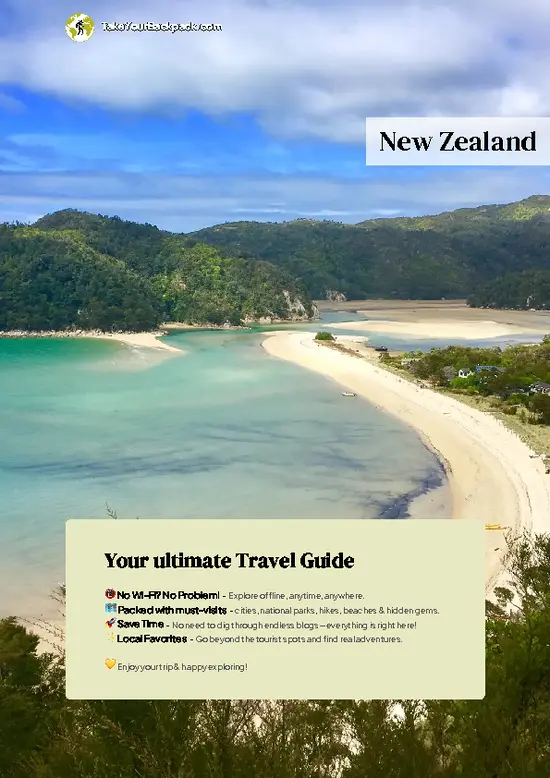
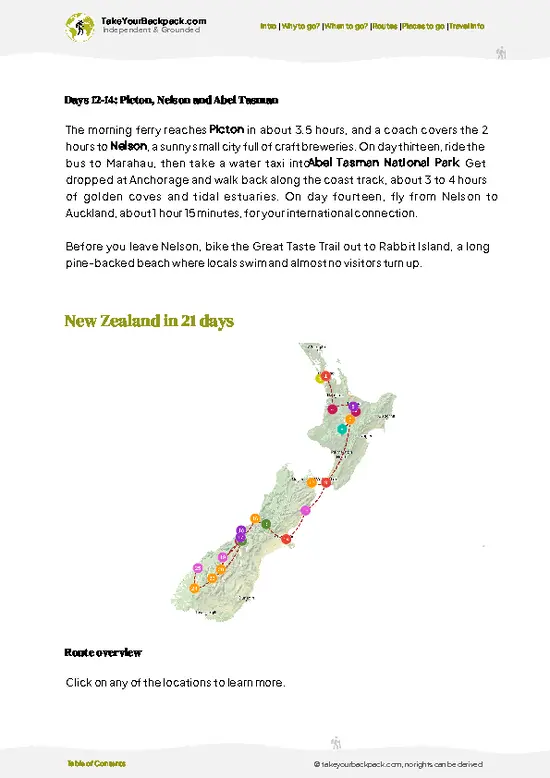
example page 0 from our offline Travel Guide for New Zealand
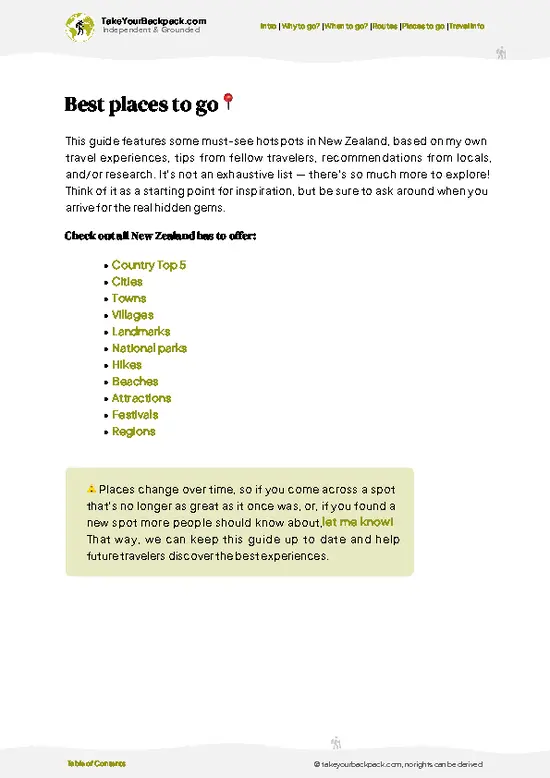
example page 1 from our offline Travel Guide for New Zealand
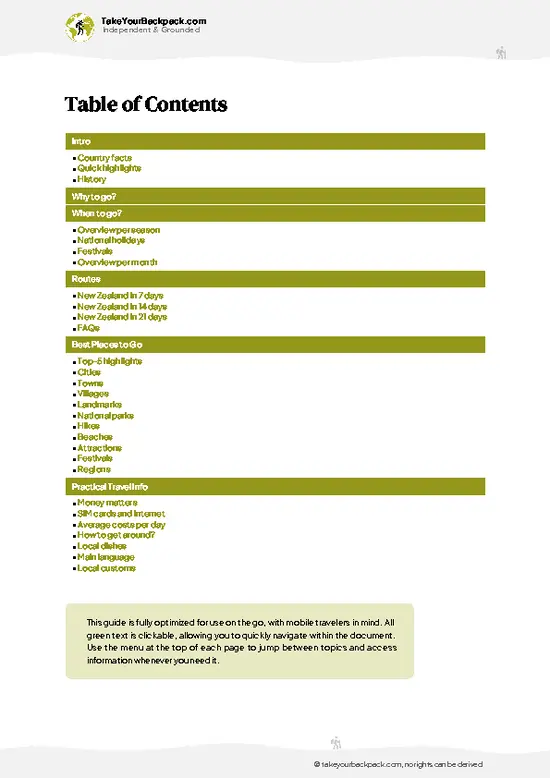
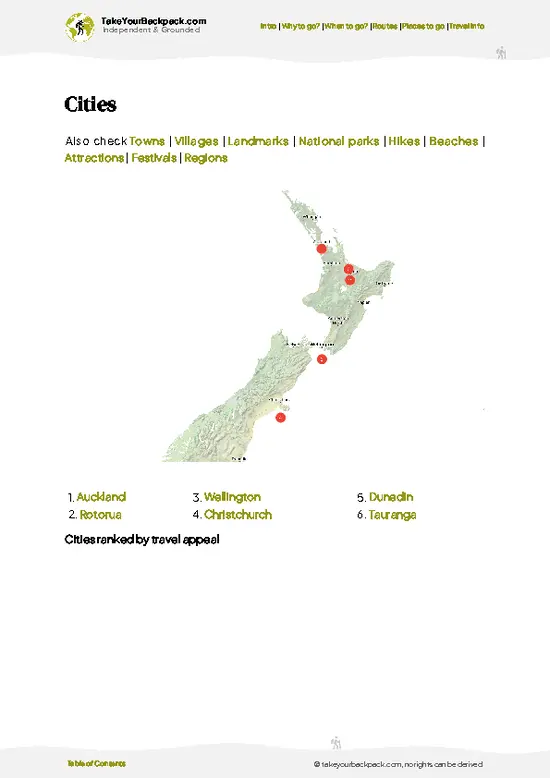
example page 2 from our offline Travel Guide for New Zealand
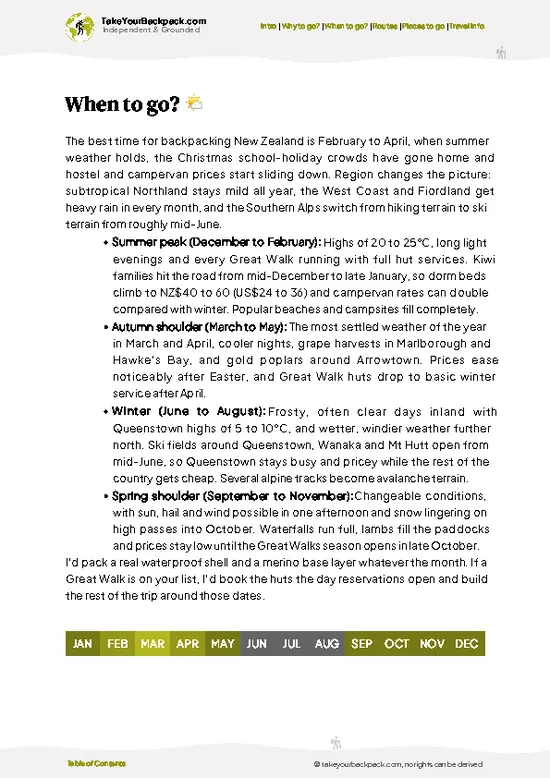
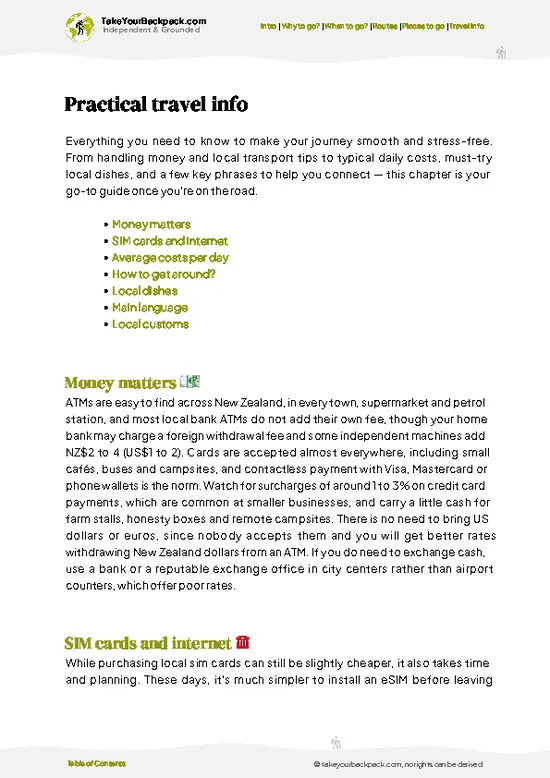
example page 3 from our offline Travel Guide for New Zealand
example page 4 from our offline Travel Guide for New Zealand
example page 5 from our offline Travel Guide for New Zealand
example page 6 from our offline Travel Guide for New Zealand
example page 7 from our offline Travel Guide for New Zealand
Loading the map 🌍
CLICK TO FILTER
cities
towns
villages
landmarks
national parks
hikes
beaches
attractions
festivals
regions
SHOW COUNTRY’S BESTSHOW ALL

✨ Why go?
Ranked #5 village in New Zealand
The unique appeal for travelers

Backpackers stop in Little River because it breaks the drive or ride between Christchurch and Akaroa without asking for a whole day. The main draw is the Little River Rail Trail, a gentle track beside Lake Forsyth that suits first-time cyclists and walkers who want fresh air without a climb. The second reason is the village’s scale: one old station, a café, a gallery, a pub and a handful of houses, so you can see it in an hour and then feel the peninsula slow down. Most travelers stay briefly, a few hours or one night, and linger only if they are using it as a quiet base for the Banks Peninsula hills and bays. It is calm rather than social, which suits couples, cyclists, and solo travelers who want a reset between busier stops. If you want hostels, groups and late bars, push on to Akaroa or return to Christchurch.

💡 HighlightsDon't-miss highlights and experiences

  1. Little River Railway Station: The restored 1886 station is the village’s landmark and now holds a café and information point, with the old platform and rail artifacts outside. Come mid-morning when the café is running and the light is good on the platform. Entry is free, and a coffee costs around NZ$5 to 7 (about US$3 to 4). Allow 30 to 45 minutes.
  2. Little River Gallery: A small craft gallery sells ceramics, glass, jewelry and art made by peninsula artists, and it is a better source of souvenirs than the highway shops. Visit in the day, usually when the station is open. Browsing is free, and pieces start around NZ$20 (about US$12) for small items. Plan 20 to 40 minutes.
  3. Little River Rail Trail: This flat gravel track follows the old railway line beside Lake Forsyth, with birds on the water and
… read more 👉
  1. Little River Railway Station: The restored 1886 station is the village’s landmark and now holds a café and information point, with the old platform and rail artifacts outside. Come mid-morning when the café is running and the light is good on the platform. Entry is free, and a coffee costs around NZ$5 to 7 (about US$3 to 4). Allow 30 to 45 minutes.
  2. Little River Gallery: A small craft gallery sells ceramics, glass, jewelry and art made by peninsula artists, and it is a better source of souvenirs than the highway shops. Visit in the day, usually when the station is open. Browsing is free, and pieces start around NZ$20 (about US$12) for small items. Plan 20 to 40 minutes.
  3. Little River Rail Trail: This flat gravel track follows the old railway line beside Lake Forsyth, with birds on the water and hills on both sides. Go in the morning for still air and light traffic. The trail is free, takes about 1 to 2 hours return for an easy walk or ride, and bike hire is available locally in the warmer months.
Day trips from the village include Akaroa, the French-influenced harbor town on the peninsula, the Hilltop lookout over Akaroa Harbour, and the sheltered bays reached from the Summit Road. The item most visitors miss is the rail trail, since many pull in for coffee and drive straight on without walking a single meter of it.
Spotted a mistake or missing something? Contact us.

Things to do near Little River

Ratings based on Tripadvisor reviews. When you book through this link, you support our work at no extra cost to you.

🌤️ When to go?Best time to visit Little River

Little River is at its best from December to March, when days are warm, dry and long enough for evening rides on the Rail Trail.
  • Summer (Dec to Feb): Highs of 20 to 25°C (68 to 77°F), with up to 15 hours of daylight. Banks Peninsula beaches are swimmable if you tolerate cold water, and the Little River Rail Trail is at its most pleasant. Christmas and January holidays bring Canterbury families, so book beds ahead.
  • Autumn (Mar to May): Highs of 14 to 20°C (57 to 68°F), settled spells and golden light on the Port Hills. Crowds thin quickly after Easter.
  • Winter (Jun to Aug): Highs of 9 to 12°C (48 to 54°F), frosty mornings, and around 9 hours of daylight. Many cafes keep short hours, though beds are cheapest and Lake Forsyth is moody and quiet.
  • Spring (Sep to Nov): Highs of 12 to 18°C (54 to 64°F),
… read more 👉
Little River is at its best from December to March, when days are warm, dry and long enough for evening rides on the Rail Trail.
  • Summer (Dec to Feb): Highs of 20 to 25°C (68 to 77°F), with up to 15 hours of daylight. Banks Peninsula beaches are swimmable if you tolerate cold water, and the Little River Rail Trail is at its most pleasant. Christmas and January holidays bring Canterbury families, so book beds ahead.
  • Autumn (Mar to May): Highs of 14 to 20°C (57 to 68°F), settled spells and golden light on the Port Hills. Crowds thin quickly after Easter.
  • Winter (Jun to Aug): Highs of 9 to 12°C (48 to 54°F), frosty mornings, and around 9 hours of daylight. Many cafes keep short hours, though beds are cheapest and Lake Forsyth is moody and quiet.
  • Spring (Sep to Nov): Highs of 12 to 18°C (54 to 64°F), windy and changeable, with lambs in the paddocks and lodging prices still low.
Check the forecast for northwesterly winds, which make the highway gusty on a bike.


source: climatestotravel.comJANJanuary: excellent for travelingFEBFebruary: excellent for travelingMARMarch: excellent for travelingAPRApril: highly recommended for travelingMAYMay: good for travelingJUNJune: fair for travelingJULJuly: fair for travelingAUGAugust: fair for travelingSEPSeptember: good for travelingOCTOctober: highly recommended for travelingNOVNovember: excellent for travelingDECDecember: excellent for traveling
when-to-go

✈️ The backpacker research shortcutNew Zealand Travel Guide

An offline-friendly backpacking guide with optimized travel routes, ranked highlights, transport advice, and the best areas to stay.
example page 0 from our offline Travel Guide for New Zealand
example page 1 from our offline Travel Guide for New Zealand
example page 2 from our offline Travel Guide for New Zealand
example page 3 from our offline Travel Guide for New Zealand
example page 4 from our offline Travel Guide for New Zealand
example page 5 from our offline Travel Guide for New Zealand
example page 6 from our offline Travel Guide for New Zealand
example page 7 from our offline Travel Guide for New Zealand
The digital guide (327 pages) contains:
✅ 110 highlights, ranked by travel appeal
✅ Optimized 7, 14 & 21-day travel routes
✅ Cities, national parks, landmarks, beaches
✅ How to get around
✅ Offline-friendly for travel without Wi-Fi
👉 Click to see all 30+ guide features

📅 Plan smarter in minutes, not weeks
✅ Month by month travel advice
✅ Festivals & national holidays
✅ Budget expectations

🗺️ Go to the right places, skip the overrated ones
✅ Honest pros & cons of destinations
✅ Top hikes, parks & viewpoints
✅ Lesser-known places most travelers miss
✅ Clear “worth it vs skip it” guidance

🛏️ Travel smoothly without rookie mistakes
✅ Best areas to stay
✅ Transport systems explained simply
✅ Common scams & safety advice
✅ SIM cards, money & practical tips

🌍 Understand the country, not just visit it
✅ Culture & traditions
✅ Local customs
✅ Festivals worth planning around
✅ Traveler-friendly historical context
✅ Insights that make places more meaningful

📱 Built for real travel conditions
✅ Fully downloadable PDF
✅ Works completely offline
✅ Optimized for phone use
✅ Useful in remote areas & buses
✅ Everything in one place
Stop searching, start planning
Get instant access to your full guide. 30‑day money-back guarantee.
+ Add another guide for just

By proceeding you agree to our terms.
Sent to your inbox immediately after payment • 100% Secure Checkout
Best Backpacking Travel Advisor 2025 tourism awardBest Backpacking
Travel Advisor
2025
What others say about Take Your Backpack Guides:
⭐⭐⭐⭐⭐
Fantastic, amazing amount of information!
⭐⭐⭐⭐⭐
My goodness this is amazing, it's what I've been looking for hats off too you!
⭐⭐⭐⭐⭐
I think this is absolutely BRILLIANT
⭐⭐⭐⭐
Very complete and informative. It's still missing places, but I gotta to commend you
⭐⭐⭐⭐⭐
This is truly amazing, thank you, can't wait to explore it with my kids!
⭐⭐⭐⭐⭐
Awesome resource, thank you!
⭐⭐⭐⭐⭐
This is amazing! Can't wait to explore the ones I haven't seen
⭐⭐⭐⭐
I love this! Well done, great idea.
⭐⭐⭐⭐⭐
Thanks for taking the time to make this gem!
⭐⭐⭐⭐⭐
This might be the best website I've ever seen.
⭐⭐⭐⭐⭐
Congratulations, and thank you so much for your work; it's incredibly valuable.
⭐⭐⭐⭐
In all seriousness I think you did a great job pointing out the important spots
⭐⭐⭐⭐⭐
10/10 very good
⭐⭐⭐⭐⭐
As someone who's only just starting to visit regularly this is awesome, thank you.
⭐⭐⭐⭐
Thank you very much! I'm going to visit my dad, it's going to be very useful!
⭐⭐⭐⭐⭐
This is really cool! We'll be travelling for the first time and this definitely come in handy.
⭐⭐⭐⭐⭐
You are now our minister of culture, congratulations 👨‍💼
⭐⭐⭐⭐⭐
Just wanted to tell you that this is a pearl! Going to follow your recommendations.
⭐⭐⭐⭐⭐
This is so cool. I'll definitely be using the resource for my travels soon.
⭐⭐⭐⭐⭐
This is very impressive! Good work.
⭐⭐⭐⭐⭐
This is an amazing and informative site. Very well done!

🛏️ Where to stay?Best areas to stay in New Zealand

Little River has only a handful of places to sleep, so book ahead in summer and expect to pay NZ$35 to 50 for a campsite and NZ$100 to 180 for a simple room.
The Little River Campground, a short walk from the village center and beside the Rail Trail, is the most practical budget base. Tent and campervan sites run roughly NZ$20 to 35 per person, with basic kitchen and shower facilities. Check current rates before arriving.
For a roof overhead, look at the small B&Bs and cottages along State Highway 75 and in the surrounding farmland. They usually sit at NZ$110 to 180 a night, and breakfast is often … read more 👉
Little River has only a handful of places to sleep, so book ahead in summer and expect to pay NZ$35 to 50 for a campsite and NZ$100 to 180 for a simple room.
The Little River Campground, a short walk from the village center and beside the Rail Trail, is the most practical budget base. Tent and campervan sites run roughly NZ$20 to 35 per person, with basic kitchen and shower facilities. Check current rates before arriving.
For a roof overhead, look at the small B&Bs and cottages along State Highway 75 and in the surrounding farmland. They usually sit at NZ$110 to 180 a night, and breakfast is often included, which stretches a budget further than it sounds. Holiday cottages and Airbnb rentals around Lake Forsyth and Okuti Valley work out well for two or three people splitting the cost.
There is no true hostel in the village. Backpackers wanting dorm beds (NZ$35 to 45) should sleep in Christchurch or Akaroa and treat Little River as a stop. The village has a pub and a cafe, but pack groceries from Christchurch, since the general store has limited supplies.

🚌 Day tripsShort trips worth adding

Little River sits on the road between Christchurch and Akaroa, about 55 minutes by car from Christchurch, so it works best with your own wheels or a bike, since public buses are very limited.
Little River Rail Trail:
This flat, gravel track follows the old railway line for about 18 km to Motukarara, passing Lake Forsyth and sheep farms. Allow 1.5 hours one way by bike, longer on foot, and arrange a lift back or ride both ways. Bike hire from nearby operators runs NZ$40 to 60 a day. Go in summer or autumn and bring a windbreaker, because the lake funnels wind.

Hilltop and Akaroa:
Akaroa is roughly 30 minutes by car, and the road tops a ridge with views over the volcanic harbor. The French-flavored town has fish and chips on the wharf (NZ$12 to 18) and harbor walks. First-timers often cram in … read more 👉
Little River sits on the road between Christchurch and Akaroa, about 55 minutes by car from Christchurch, so it works best with your own wheels or a bike, since public buses are very limited.
Little River Rail Trail:
This flat, gravel track follows the old railway line for about 18 km to Motukarara, passing Lake Forsyth and sheep farms. Allow 1.5 hours one way by bike, longer on foot, and arrange a lift back or ride both ways. Bike hire from nearby operators runs NZ$40 to 60 a day. Go in summer or autumn and bring a windbreaker, because the lake funnels wind.

Hilltop and Akaroa:
Akaroa is roughly 30 minutes by car, and the road tops a ridge with views over the volcanic harbor. The French-flavored town has fish and chips on the wharf (NZ$12 to 18) and harbor walks. First-timers often cram in the cruise-ship hours at midday, so arrive before 10 am or after 3 pm. Fuel is the main cost, around NZ$15 to 25 each way.
👉 Explore Akaroa
Hinewai Reserve:
A private native forest reserve of about 1,250 hectares above Little River, free to enter and laced with waterfall tracks. Count on 20 minutes to the entrance by car and 2 to 4 hours of walking. The tracks are steep and muddy after rain, so wear proper shoes. Birdsong is best in spring and early summer.

Banks Peninsula Beaches:
The bays at Le Bons and Okains are about 30 to 45 minutes away on winding, partly unsealed roads. Plan a half day, bring food, and drive slowly because the corners are tight. Summer mornings are calmest.

FAQCommon questions from travelers

Most travelers drive or ride a bus from Christchurch, which is about 45 minutes and 50 km along State Highway 75 via Tai Tapu. A rental car is the simplest option, costing roughly NZ$50 to 90 a day. Public buses to Akaroa run limited services and can drop you in the village, but check timetables since frequency is low. Cyclists can also arrive on the Rail Trail from Motukarara.
Yes, if you like quiet rural stops, cycling and native bush walks. Little River is small, with a pub, cafe and craft gallery, so its real draw is the Rail Trail (about 18 km) and nearby Hinewai Reserve, which is free to enter. Plan on a few hours to a full day. If you only want big sights, Akaroa, 30 minutes away, offers more.
Yes, it is an easy day trip from Christchurch, roughly 55 minutes each way by car. A typical day combines the Rail Trail ride, lunch in the village and a walk in Hinewai Reserve, with fuel costing about NZ$20 to 30 return. Without a car, buses are infrequent, so a day visit is harder. Staying overnight gives you more time for Akaroa.
⚠️ Things can change over time, so always validate details locally before you go.

Other New Zealander villages near Little River

Explore more nearby:

  • Akaroa—Crater harbor, Hector’s dolphin cruises, French street names, lighthouse waterfront| 15 km away
  • Kaikōura—Sperm whale tours, fur seals, peninsula clifftops, mountain backdrop| 168 km away
  • Makarora—Blue Pools, Siberia flightseeing, Haast Pass falls, valley trailheads| 289 km away

💡 Not sure where to go next?
Create a personalized itinerary for New Zealand including Little River and the places that fit your trip.

Generate my itinerary

👉 Discover all villages

Or checkout all New Zealand has to offer (think cities, towns, villages, national parks, hikes, beaches, festivals)
Country photo of New Zealand

We 💚 feedbackKey takeaways before you go

Little River works best as a slow link, not a destination. I would pair it with a night in Akaroa and a loop over the Summit Road, then add the rail trail on the way in or out. Skip trying to fit it between two long transfers. Bring a layer for the lake breeze and plan a coffee stop rather than a stay.

✈️ When did I visit New Zealand?
All the way back in high school I have been visiting the North Island of New Zealand (1993).

✍️ Help improve this page!
The information on this page is based on my own backpacking experience in New Zealand, supplemented with up-to-date research and feedback from other travelers. Travel details can change, so if you notice anything outdated or incomplete, feel free to let me know.


🙋‍♂️ Give feedback

👋 Meet the founderWho’s Behind Take Your Backpack?

Johan, backpacker and founder of TakeYourBackpackHi, I’m Johan (Netherlands 🇳🇱), the creator of TakeYourBackpack. Over the past 3 decades, I’ve backpacked through 90+ countries across six continents, gaining extensive experience with independent travel, long-term trips, and overland routes.

This site is built on a combination of firsthand travel experience and carefully curated insights from other backpackers. Many guides are based on places I’ve personally visited, while others bring together tips, observations, and practical advice shared by trusted travelers I’ve met along the way.

The goal is to provide realistic, experience-driven guidance — not generic itineraries — so you can explore destinations with better context, clearer expectations, and more confidence.