×

New Zealand🇳🇿 | landmarksMount Taranakivolcanic cone, alpine forest, symmetrical peak, ring road | things to do and best time to go

Explore Moeraki BouldersExplore Okarito Lagoon

Backpacking in Mount Taranaki
🌟 Highlightunique site ranked #3
By Johan Kruseman 🇳🇱 | Updated May 29, 2026

Everyone shows up to Mount Taranaki chasing that perfect cone-shaped volcano shot, like a budget Fuji for Instagram. Honestly, that’s the least interesting thing about it. What matters more is how wild and personal it feels once you’re actually on its flanks, out in Taranaki region on the west coast of New Zealand’s North Island, far from the usual Auckland–Rotorua–Queenstown conveyor belt. As a backpacker destination, it’s a trade-off: the wow-factor is real when the clouds clear, and the photo potential around Pouakai Tarns is outrageous, but the weather is moody, the summit push is brutal and risky, and public transport is basically a rumor. It’s cheaper and less crowded than the big-name Great Walks, yet still busy on blue-sky weekends. There’s deep Māori significance here, and you feel it; this isn’t a theme-park volcano, it’s a mountain that demands respect, not just selfies.

Discover everything you want to know in the 📖 New Zealand Travel Guide.
Loading the map 🌍
CLICK TO FILTER
cities
towns
villages
landmarks
national parks
hikes
beaches
attractions
festivals
regions
SHOW COUNTRY’S BESTSHOW ALL

✨ Why go?
Ranked #3 unique site in New Zealand
Reasons people choose to visit here

Mount Taranaki is not just another pretty peak; it’s a backpacker’s playground that demands your attention. Sure, it’s popular, and yes, you’ll share the trails with others, but that’s part of the experience. The effort-to-reward ratio here is off the charts. You can tackle the Dawson Falls track for a relatively easy day hike, or go all-in with the Pouakai Circuit for a multi-day adventure that rewards you with breathtaking views and a sense of accomplishment.

What sets Taranaki apart is its uniqueness. Unlike other mountains, it’s a perfectly symmetrical cone that rises dramatically from the surrounding landscape. The low cost of access—just a few bucks for parking—makes it a no-brainer for budget-conscious travelers. Plus, it fits seamlessly into a broader route through New Zealand’s North … read more 👉
Mount Taranaki is not just another pretty peak; it’s a backpacker’s playground that demands your attention. Sure, it’s popular, and yes, you’ll share the trails with others, but that’s part of the experience. The effort-to-reward ratio here is off the charts. You can tackle the Dawson Falls track for a relatively easy day hike, or go all-in with the Pouakai Circuit for a multi-day adventure that rewards you with breathtaking views and a sense of accomplishment.

What sets Taranaki apart is its uniqueness. Unlike other mountains, it’s a perfectly symmetrical cone that rises dramatically from the surrounding landscape. The low cost of access—just a few bucks for parking—makes it a no-brainer for budget-conscious travelers. Plus, it fits seamlessly into a broader route through New Zealand’s North Island.

You can easily combine it with stops in New Plymouth or the Surf Highway. This isn’t just a pit stop; it’s a chance to connect with nature in a way that feels raw and real. Don’t just scroll past it on Instagram. Get out there and experience the authentic magic of Mount Taranaki.
Want to include Mount Taranaki in your New Zealand route?
Create a personalized New Zealand itinerary that includes Mount Taranaki and the places that fit your trip — based on your travel style, budget, and available time. Get your route in seconds.

Generate my trip

💡 HighlightsPlaces and moments you shouldn't skip

  • Perfectly symmetrical cone — You’ll notice it straight away: a near-perfect volcanic cone that dominates the horizon. It’s one of the most photogenic mountains in the world and a defining landmark for Taranaki’s coastline and towns.
  • Pouakai Tarn mirror shots — Calm mornings give you that iconic reflection of the mountain in an alpine tarn — the photo that people travel for. Best on clear dawns; the walk there rewards you even if the mirror’s rippled.
  • Pouakai Circuit (classic multi-day tramp) — A 2-3 day loop that packs alpine tussock, hidden tarns, and dramatic mountain close-ups into one route. Huts are maintained by DOC, so it’s doable on a budget if you bring your own gear.
  • Summit climb and crater rim — Reaching the crater rim gives sweeping views over the North Island and, on a rare
read more 👉
  • Perfectly symmetrical cone — You’ll notice it straight away: a near-perfect volcanic cone that dominates the horizon. It’s one of the most photogenic mountains in the world and a defining landmark for Taranaki’s coastline and towns.
  • Pouakai Tarn mirror shots — Calm mornings give you that iconic reflection of the mountain in an alpine tarn — the photo that people travel for. Best on clear dawns; the walk there rewards you even if the mirror’s rippled.
  • Pouakai Circuit (classic multi-day tramp) — A 2-3 day loop that packs alpine tussock, hidden tarns, and dramatic mountain close-ups into one route. Huts are maintained by DOC, so it’s doable on a budget if you bring your own gear.
  • Summit climb and crater rim — Reaching the crater rim gives sweeping views over the North Island and, on a rare clear day, right to the South Island. It’s steep, exposed and weather can flip fast — treat it like an alpine expedition or book a guide.
  • Dawson Falls and the rainforest walks — Lush podocarp and kamahi forest, easy walking tracks and a dramatic waterfall carved from old lava flows. Good for a wet-weather day when the mountain hides behind clouds.
  • “Forest island” ecology in Egmont National Park — The park is a green island of native forest rising out of farmland, with distinct vegetation zones as you climb: lowland podocarps to wind-scrub alpine plants. Great if you’re into plants, birds, or just noticing how the ecosystem changes with altitude.
  • Views from New Plymouth’s coast and the Coastal Walkway — See Taranaki framed against the Tasman Sea, often with dramatic cloud formations and brilliant sunsets. It’s an easy, free way to appreciate how the mountain shapes the region.
Spotted a mistake or missing something? Contact us.

🌤️ When to go?Weather, crowds, and seasonal trade-offs


  • Weather: The best window is late spring to early autumn (November to April). Summers hover around 15-22°C (59-72°F), which is perfect for hiking without freezing or sweating buckets. Winters get cold, often below freezing at the summit, and snow can block trails.

  • Temperature: Daytime temps in summer are comfortable, but nights can dip to 5-10°C (41-50°F). In winter, expect freezing conditions above 1000m, so only attempt if you’re geared and experienced.

  • Daylight Hours: Summer offers long days—up to 15 hours of light—giving you plenty of time to tackle the mountain and explore the surrounding Egmont National Park. Winter days shrink to about 9 hours, squeezing your hiking window.

  • Crowds: Peak season (December to February) draws tourists and locals alike, especially weekends. Trails can get
read more 👉

  • Weather: The best window is late spring to early autumn (November to April). Summers hover around 15-22°C (59-72°F), which is perfect for hiking without freezing or sweating buckets. Winters get cold, often below freezing at the summit, and snow can block trails.

  • Temperature: Daytime temps in summer are comfortable, but nights can dip to 5-10°C (41-50°F). In winter, expect freezing conditions above 1000m, so only attempt if you’re geared and experienced.

  • Daylight Hours: Summer offers long days—up to 15 hours of light—giving you plenty of time to tackle the mountain and explore the surrounding Egmont National Park. Winter days shrink to about 9 hours, squeezing your hiking window.

  • Crowds: Peak season (December to February) draws tourists and locals alike, especially weekends. Trails can get busy, and huts fill fast. Shoulder seasons (spring and autumn) offer quieter paths and a more intimate experience.

  • Seasonal Activities: Summer is prime for climbing, bushwalking, and alpine flora spotting. Winter turns the mountain into a snow playground for experienced climbers but limits casual hiking.

  • Price Fluctuations: Accommodation and transport costs spike in summer due to demand. Booking in shoulder seasons can save you cash and hassle.


Pro-tip: Aim for late spring or early autumn—fewer crowds, manageable weather, and better prices. You’ll get the mountain’s raw beauty without the Instagram mob.


source: climatestotravel.comJANJanuary: highly recommended for travelingFEBFebruary: highly recommended for travelingMARMarch: excellent for travelingAPRApril: excellent for travelingMAYMay: good for travelingJUNJune: fair for travelingJULJuly: below average for travelingAUGAugust: below average for travelingSEPSeptember: fair for travelingOCTOctober: good for travelingNOVNovember: excellent for travelingDECDecember: highly recommended for traveling
new-zealand-unique-site-mount-taranaki
© Google | Rick Shen

✈️ The backpacker research shortcutNew Zealand Travel Guide

An offline-friendly backpacking guide with optimized travel routes, ranked highlights, transport advice, and the best areas to stay.
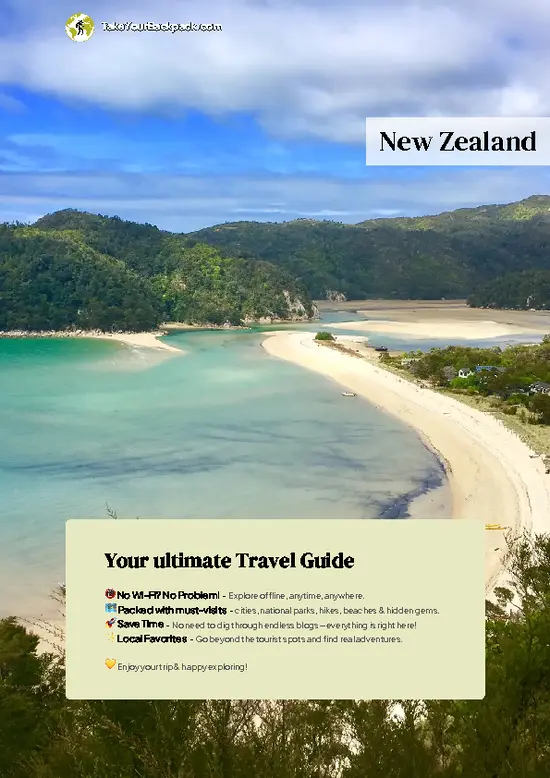
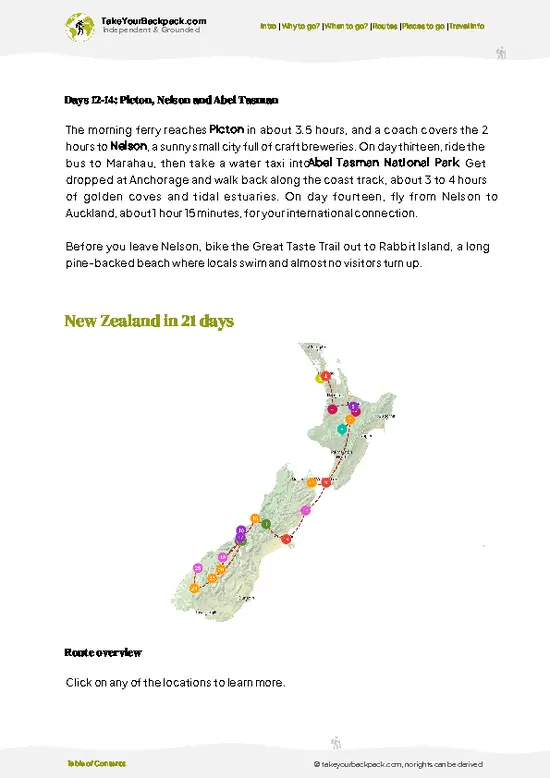
example page 0 from our offline Travel Guide for New Zealand
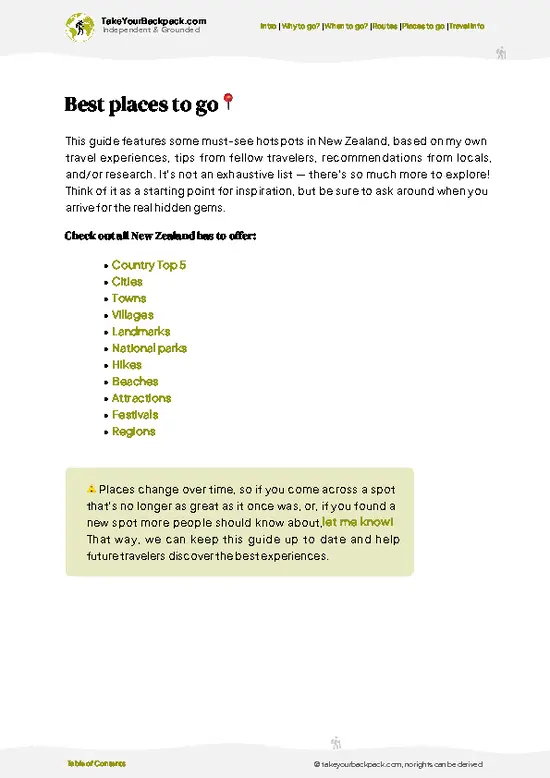
example page 1 from our offline Travel Guide for New Zealand
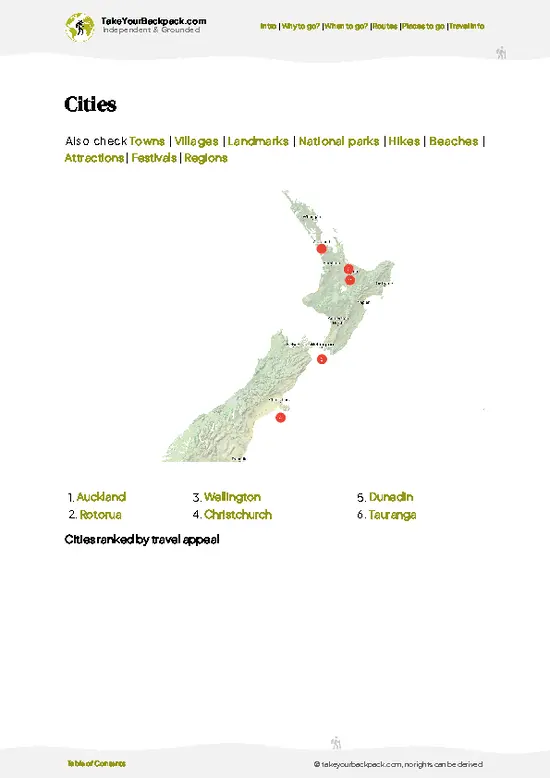
example page 2 from our offline Travel Guide for New Zealand
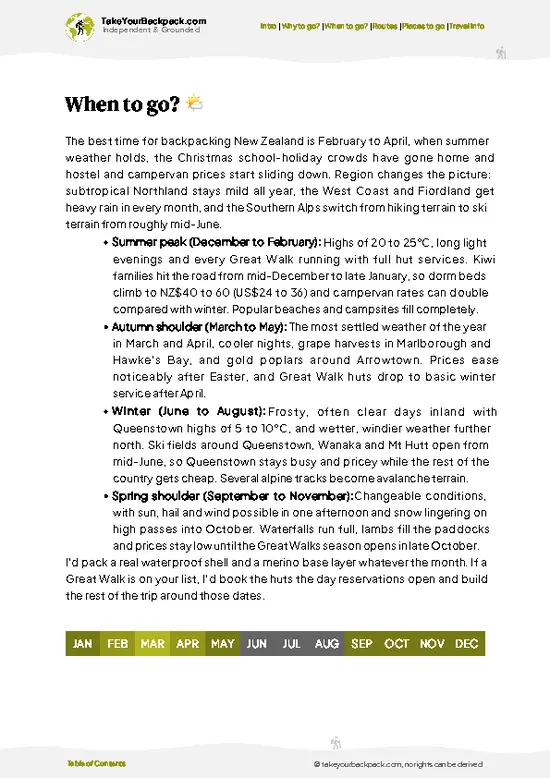
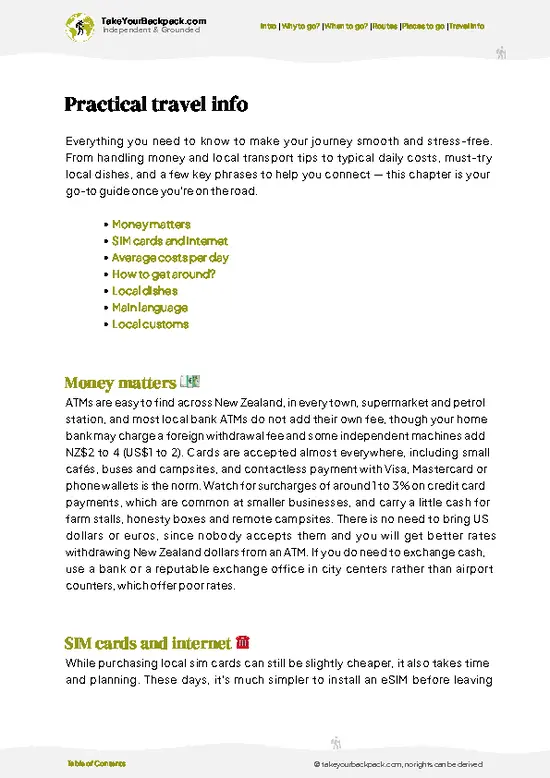
example page 3 from our offline Travel Guide for New Zealand
example page 4 from our offline Travel Guide for New Zealand
example page 5 from our offline Travel Guide for New Zealand
example page 6 from our offline Travel Guide for New Zealand
example page 7 from our offline Travel Guide for New Zealand
The digital guide (412 pages) contains:
113 highlights, ranked by travel appeal
Optimized 7, 14 & 21-day travel routes
Cities, national parks, landmarks, beaches
How to get around
Offline-friendly for travel without Wi-Fi
👉 Click to see all 30+ guide features

📅 Plan smarter in minutes, not weeks
Month by month travel advice
Festivals & national holidays
Budget expectations

🗺️ Go to the right places, skip the overrated ones
Honest pros & cons of destinations
Top hikes, parks & viewpoints
Lesser-known places most travelers miss
Clear “worth it vs skip it” guidance

🛏️ Travel smoothly without rookie mistakes
Best areas to stay
Transport systems explained simply
Common scams & safety advice
SIM cards, money & practical tips

🌍 Understand the country, not just visit it
Culture & traditions
Local customs
Festivals worth planning around
Traveler-friendly historical context
Insights that make places more meaningful

📱 Built for real travel conditions
Fully downloadable PDF
Works completely offline
Optimized for phone use
Useful in remote areas & buses
Everything in one place
Save weeks of stressful planning
Get instant access to your full guide. 30‑day money-back guarantee.


By proceeding you agree to our terms.
Sent to your inbox immediately after payment • 100% Secure Checkout
Best Backpacking Travel Advisor 2025 tourism awardBest Backpacking
Travel Advisor
2025
What others say about Take Your Backpack Guides:
⭐⭐⭐⭐⭐
Fantastic, amazing amount of information!
⭐⭐⭐⭐⭐
My goodness this is amazing, it's what I've been looking for hats off too you!
⭐⭐⭐⭐⭐
I think this is absolutely BRILLIANT
⭐⭐⭐⭐
Very complete and informative. It's still missing places, but I gotta to commend you
⭐⭐⭐⭐⭐
This is truly amazing, thank you, can't wait to explore it with my kids!
⭐⭐⭐⭐⭐
Awesome resource, thank you!
⭐⭐⭐⭐⭐
This is amazing! Can't wait to explore the ones I haven't seen
⭐⭐⭐⭐
I love this! Well done, great idea.
⭐⭐⭐⭐⭐
Thanks for taking the time to make this gem!
⭐⭐⭐⭐⭐
This might be the best website I've ever seen.
⭐⭐⭐⭐⭐
Congratulations, and thank you so much for your work; it's incredibly valuable.
⭐⭐⭐⭐
In all seriousness I think you did a great job pointing out the important spots
⭐⭐⭐⭐⭐
10/10 very good
⭐⭐⭐⭐⭐
As someone who's only just starting to visit regularly this is awesome, thank you.
⭐⭐⭐⭐
Thank you very much! I'm going to visit my dad, it's going to be very useful!
⭐⭐⭐⭐⭐
This is really cool! We'll be travelling for the first time and this definitely come in handy.
⭐⭐⭐⭐⭐
You are now our minister of culture, congratulations 👨‍💼
⭐⭐⭐⭐⭐
Just wanted to tell you that this is a pearl! Going to follow your recommendations.
⭐⭐⭐⭐⭐
This is so cool. I'll definitely be using the resource for my travels soon.
⭐⭐⭐⭐⭐
This is very impressive! Good work.
⭐⭐⭐⭐⭐
This is an amazing and informative site. Very well done!

🛏️ Where to stay?Choosing the right base

Mount Taranaki is a stunner, but let’s cut through the Instagram haze. Crowds flock here, especially during peak season, and prices can spike. But don’t let that deter you. There are some solid spots for backpackers that keep the vibe social and the costs manageable.

Start in New Plymouth. This town is your gateway to Taranaki. It’s got a laid-back atmosphere, with plenty of cafes and bars where you can swap stories with fellow travelers. The coastal walkway is a must, offering stunning views without the crowds of the mountain trails.

If you want to be closer to the action, consider the small … read more 👉
Mount Taranaki is a stunner, but let’s cut through the Instagram haze. Crowds flock here, especially during peak season, and prices can spike. But don’t let that deter you. There are some solid spots for backpackers that keep the vibe social and the costs manageable.

Start in New Plymouth. This town is your gateway to Taranaki. It’s got a laid-back atmosphere, with plenty of cafes and bars where you can swap stories with fellow travelers. The coastal walkway is a must, offering stunning views without the crowds of the mountain trails.

If you want to be closer to the action, consider the small town of Stratford. It’s less touristy and has a friendly, community feel. You’ll find budget-friendly options and easy access to the mountain’s base. Plus, it’s a great launchpad for hikes and exploring the surrounding parks.

For a truly unique experience, check out the nearby camping spots. They’re often quieter and let you soak in the natural beauty without the hustle. Just remember, the real magic of Taranaki lies in its raw landscapes and the stories you’ll gather along the way.

👛 Costs (as of 17 February 2025)Travel costs and budget guide for Mount Taranaki

Visiting Mount Taranaki is a breathtaking experience, but it comes with its own set of costs that you should be aware of.
  • Accommodation: Expect to pay between $20 to $150 per night. Campsites are the budget-friendly option, while nearby lodges and hotels offer more comfort at a higher price. Booking in advance can save you some cash, especially during peak seasons.
  • Transportation: Renting a car is the most flexible way to explore. Daily rates range from $30 to $80. If you’re using public transport, buses to the area can cost around $15 to $30 each way. Factor in fuel costs if you’re driving, as they can add up quickly.
  • Food: Budget about $10 to $30 per meal. If you’re camping, groceries will be cheaper, averaging around $50 for a week’s worth of supplies. Dining out can be pricier, especially
read more 👉
Visiting Mount Taranaki is a breathtaking experience, but it comes with its own set of costs that you should be aware of.
  • Accommodation: Expect to pay between $20 to $150 per night. Campsites are the budget-friendly option, while nearby lodges and hotels offer more comfort at a higher price. Booking in advance can save you some cash, especially during peak seasons.
  • Transportation: Renting a car is the most flexible way to explore. Daily rates range from $30 to $80. If you’re using public transport, buses to the area can cost around $15 to $30 each way. Factor in fuel costs if you’re driving, as they can add up quickly.
  • Food: Budget about $10 to $30 per meal. If you’re camping, groceries will be cheaper, averaging around $50 for a week’s worth of supplies. Dining out can be pricier, especially in touristy spots.
  • Park Fees: Entry to Egmont National Park, which encompasses Mount Taranaki, is free. However, some guided tours or activities may charge fees ranging from $50 to $200, depending on what you choose.
  • Gear Rental: If you need hiking gear, expect to pay around $20 to $50 per day for items like boots or backpacks. Investing in quality gear can enhance your experience, especially if you plan to hike extensively.

Understanding these costs will help you plan a trip that’s not just memorable but also financially manageable.
⚠️ Prices can change and everyone travels differently, so take this as a rough guide. Hope it helps you plan your adventure!

Other New Zealander landmarks near Mount Taranaki

Explore more nearby:

  • Rotorua—geothermal pools, sulphur springs, Māori culture, mud vents| 228 km away
  • Whangamumu—historic whaling station, sheltered bay, forested headlands, remote access| 450 km away
  • Okarito Lagoon—wetland sanctuary, rare birdlife, tidal waterways, kayak routes| 538 km away

💡 Not sure where to go next?
Create a personalized itinerary for New Zealand including Mount Taranaki and the places that fit your trip.

Generate my itinerary

👉 Discover all landmarks

Or checkout all New Zealand has to offer (think cities, towns, villages, national parks, hikes, beaches, festivals)
Country photo of New Zealand

We 💚 feedbackKey takeaways before you go

Mount Taranaki is a stunner, no doubt. The way it rises dramatically from the surrounding farmland is something you won’t forget. But let’s be real: the crowds can be intense, especially during peak season. You’ll be sharing those trails with plenty of other hikers. Still, if you can embrace the hustle, the views and the chance to connect with nature make it all worthwhile. Just go early to snag some peace before the masses arrive.

✈️ When did I visit New Zealand?
All the way back in high school I have been visiting the Northern Island of New Zealand (1993).

✍️ Help improve this page!
The information on this page is based on my own backpacking experience in New Zealand, supplemented with up-to-date research and feedback from other travelers. Travel details can change, so if you notice anything outdated or incomplete, feel free to let me know.


🙋‍♂️ Give feedback

👋 Meet the founderWho’s Behind Take Your Backpack?

Johan, backpacker and founder of TakeYourBackpackHi, I’m Johan (Netherlands 🇳🇱), the creator of TakeYourBackpack. Over the past decade, I’ve backpacked through 80+ countries across six continents, gaining extensive experience with independent travel, long-term trips, and overland routes.

This site is built on a combination of firsthand travel experience and carefully curated insights from other backpackers. Many guides are based on places I’ve personally visited, while others bring together tips, observations, and practical advice shared by trusted travelers I’ve met along the way.

The goal is to provide realistic, experience-driven guidance — not generic itineraries — so you can explore destinations with better context, clearer expectations, and more confidence.

Get full country guide •
Instant download • 113 highlights • Full Offline guide