×

New Zealand🇳🇿 | landmarksŌkārito LagoonKōtuku colony, tidal kayaking, rowi kiwi, Alps reflections | things to do and best time to go

Explore Mount TaranakiExplore Whangamumu

Backpacking in Ōkārito Lagoon
👌 Worth visitingunique site ranked #5
By Johan Kruseman 🇳🇱 | Updated October 15, 2026

The kayak slid sideways into a mudbank at low tide, and I sat there with the paddle across my knees, listening to the lagoon drain around me with a soft sucking hiss. That was my mistake: I had ignored the tide table. Ōkārito Lagoon lies on the West Coast of the South Island of New Zealand, north of Franz Josef, and it is shallow enough that the tide dictates every route. Crowds are thin, since it sits off the glacier-town circuit. Costs are modest, mainly kayak hire or a guided boat trip. Access is by a sealed road to a tiny village. Worth the journey for the white heron (kōtuku) colony, mirror reflections of the Southern Alps, and near silence. Unlike busy Lake Matheson nearby, you will often have the water to yourself.

Discover everything you want to know in the 📖 New Zealand Travel Guide.


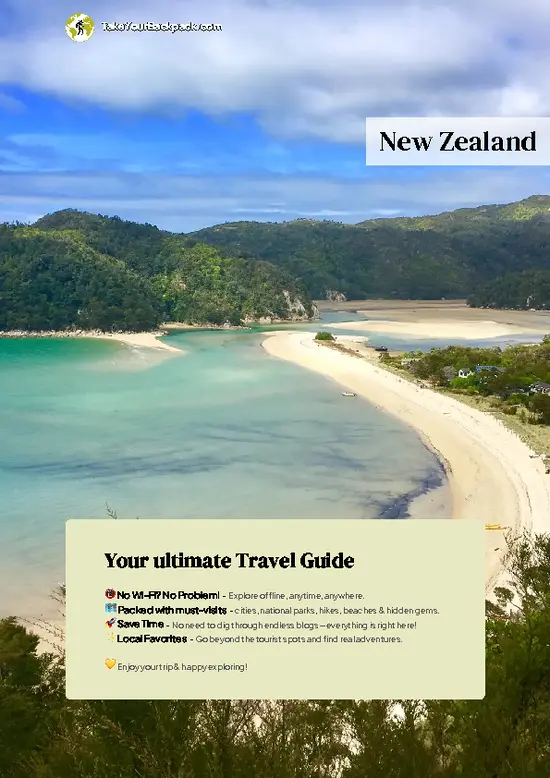
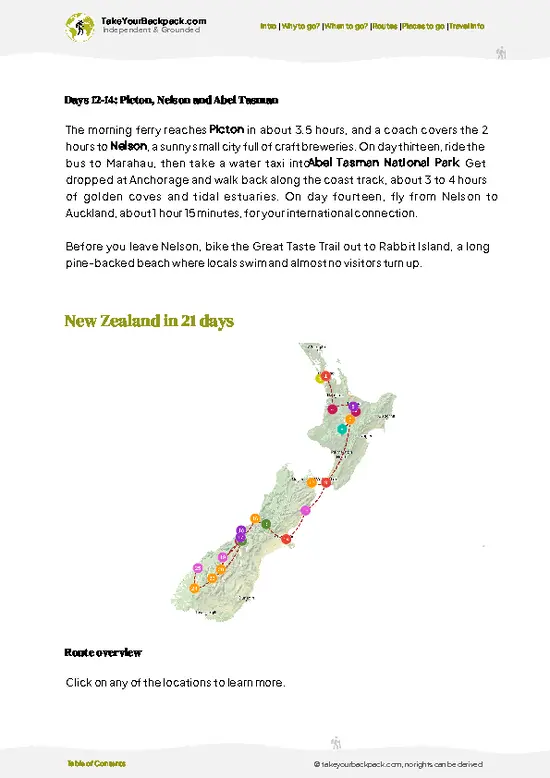
example page 0 from our offline Travel Guide for New Zealand
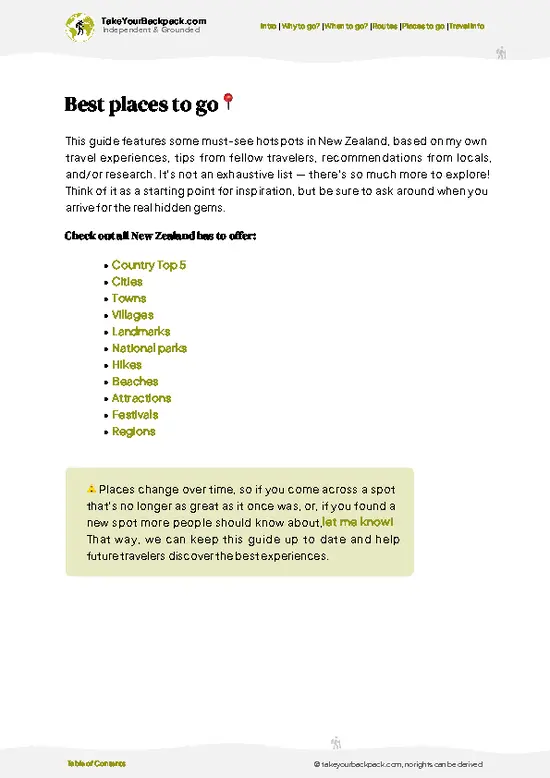
example page 1 from our offline Travel Guide for New Zealand
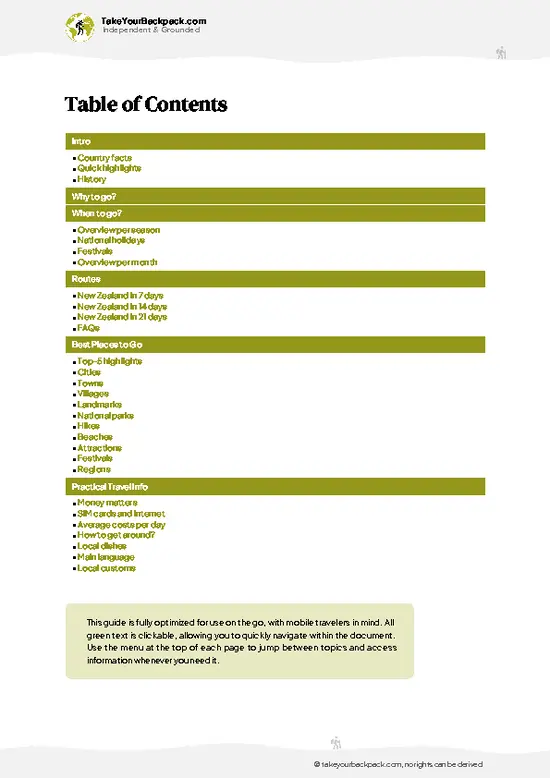
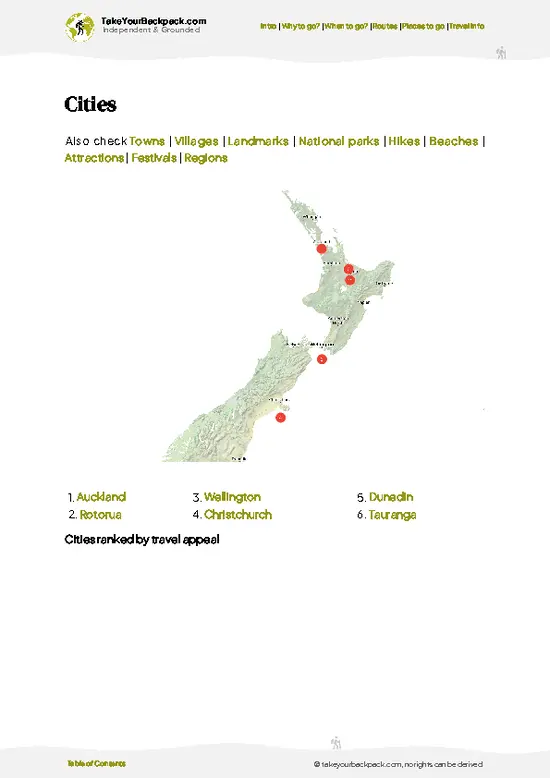
example page 2 from our offline Travel Guide for New Zealand
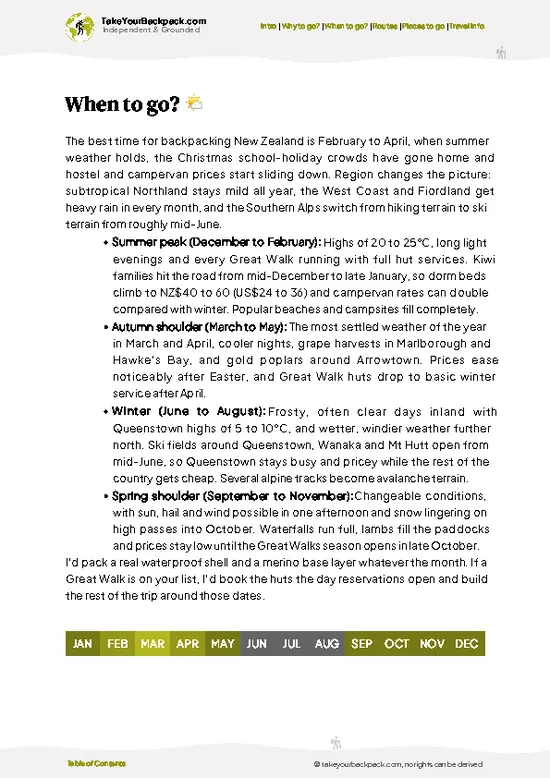
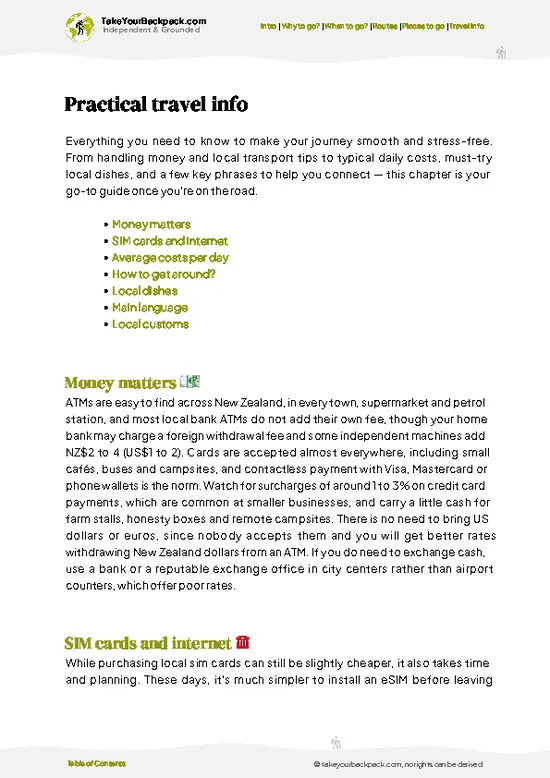
example page 3 from our offline Travel Guide for New Zealand
example page 4 from our offline Travel Guide for New Zealand
example page 5 from our offline Travel Guide for New Zealand
example page 6 from our offline Travel Guide for New Zealand
example page 7 from our offline Travel Guide for New Zealand
Loading the map 🌍
CLICK TO FILTER
cities
towns
villages
landmarks
national parks
hikes
beaches
attractions
festivals
regions
SHOW COUNTRY’S BESTSHOW ALL

✨ Why go?
Ranked #5 unique site in New Zealand
What sets this place apart

Okarito is the place to see kōtuku, the white heron, in its only New Zealand nesting site, a rare chance at a bird most travelers never see. Nesting season is roughly spring to midsummer, and guided boat trips run to the colony within a protected area upriver. Outside that window you still get plenty of waders, royal spoonbills and kayaking over glassy water with snow peaks behind. The lagoon is the largest unmodified wetland in the country, so the wildlife is the draw, not infrastructure. It fits neatly into a West Coast route between the glacier towns and Hokitika, and the village itself is a quiet pause with a few houses, a hostel and little else. The Okarito Trig walk gives a free, short climb with views over the lagoon, the Tasman Sea and the Alps in one frame. Slow travelers will like it most.

💡 HighlightsThe experiences that define the visit

  1. White Heron Sanctuary Tour: the signature experience, a guided boat trip into the kōtuku nesting colony in the Waitangiroto Nature Reserve. Access is permitted only with the licensed operator, which keeps the birds undisturbed.
  2. Kayaking the Lagoon: paddle the channels at high tide for reflections of the Southern Alps. Tide timing matters, because exposed mudflats strand careless paddlers.
  3. Okarito Trig Walk: a short, steady climb above the village to a lookout over lagoon, coast and mountains. Sunset here is the classic photo.
  4. Three Mile Lagoon Walk: a beach and coastal route that follows the shore, passing old gold-mining relics and giving wide sea views. Plan around the tide.
  5. Okarito Beach: dark sand strewn with driftwood, pounded by Tasman surf. Dramatic and empty, and good for a quiet stroll.
… read more 👉
  1. White Heron Sanctuary Tour: the signature experience, a guided boat trip into the kōtuku nesting colony in the Waitangiroto Nature Reserve. Access is permitted only with the licensed operator, which keeps the birds undisturbed.
  2. Kayaking the Lagoon: paddle the channels at high tide for reflections of the Southern Alps. Tide timing matters, because exposed mudflats strand careless paddlers.
  3. Okarito Trig Walk: a short, steady climb above the village to a lookout over lagoon, coast and mountains. Sunset here is the classic photo.
  4. Three Mile Lagoon Walk: a beach and coastal route that follows the shore, passing old gold-mining relics and giving wide sea views. Plan around the tide.
  5. Okarito Beach: dark sand strewn with driftwood, pounded by Tasman surf. Dramatic and empty, and good for a quiet stroll.
  6. Birdwatching on the Wetlands: look for royal spoonbills, Australasian bitterns, pied stilts and kereru. A rare kiwi species, the rowi, lives in the surrounding forest and is one of the rarest kiwi anywhere.
  7. Okarito Village: the old gold-rush port, now a handful of houses, a historic stone-and-wood landing area and a tiny kiwi-conservation presence. A relaxed stop without any bustle.
The kayak paddle and the Okarito Trig walk combine well in a single day, with paddling at high tide and the climb saved for golden hour.
Spotted a mistake or missing something? Contact us.

Things to do near Ōkārito Lagoon

Ratings based on Tripadvisor reviews. When you book through this link, you support our work at no extra cost to you.

🌤️ When to go?Weather, crowds, and seasonal trade-offs

Summer (December to February) gives you the most reliable window for kayaking the lagoon, with highs of 19 to 22°C (66 to 72°F) and daylight until about 9:30 pm. This is also when the sandflies peak and beds fill up.
  • Summer (Dec to Feb): Warmest and driest by West Coast standards, though rain still falls on roughly one day in three. Kayak tours and boat trips run daily, and accommodation prices are at their highest.
  • Autumn (Mar to May): Highs of 14 to 18°C (57 to 64°F), settled spells of weather and far fewer people. Mountain views of Aoraki/Mount Cook and Mount Tasman are often at their sharpest.
  • Winter (Jun to Aug): Highs of 10 to 13°C (50 to 55°F), frosty mornings and about 9 hours of daylight. Crowds vanish and beds are cheap, but some tours run less often.
  • Spring (Sep to Nov): Highs of 13
… read more 👉
Summer (December to February) gives you the most reliable window for kayaking the lagoon, with highs of 19 to 22°C (66 to 72°F) and daylight until about 9:30 pm. This is also when the sandflies peak and beds fill up.
  • Summer (Dec to Feb): Warmest and driest by West Coast standards, though rain still falls on roughly one day in three. Kayak tours and boat trips run daily, and accommodation prices are at their highest.
  • Autumn (Mar to May): Highs of 14 to 18°C (57 to 64°F), settled spells of weather and far fewer people. Mountain views of Aoraki/Mount Cook and Mount Tasman are often at their sharpest.
  • Winter (Jun to Aug): Highs of 10 to 13°C (50 to 55°F), frosty mornings and about 9 hours of daylight. Crowds vanish and beds are cheap, but some tours run less often.
  • Spring (Sep to Nov): Highs of 13 to 17°C (55 to 63°F) and changeable rain. Birds are active, with white heron (kōtuku) nesting season starting around September to November.
Check the tide table before booking a paddle, since low tide leaves much of the lagoon as mudflats.


source: climatestotravel.comJANJanuary: highly recommended for travelingFEBFebruary: highly recommended for travelingMARMarch: good for travelingAPRApril: highly recommended for travelingMAYMay: good for travelingJUNJune: fair for travelingJULJuly: fair for travelingAUGAugust: fair for travelingSEPSeptember: good for travelingOCTOctober: highly recommended for travelingNOVNovember: highly recommended for travelingDECDecember: highly recommended for traveling
new-zealand-unique-site-okarito-lagoon
© Google | Pete Archibald

✈️ The backpacker research shortcutNew Zealand Travel Guide

An offline-friendly backpacking guide with optimized travel routes, ranked highlights, transport advice, and the best areas to stay.
example page 0 from our offline Travel Guide for New Zealand
example page 1 from our offline Travel Guide for New Zealand
example page 2 from our offline Travel Guide for New Zealand
example page 3 from our offline Travel Guide for New Zealand
example page 4 from our offline Travel Guide for New Zealand
example page 5 from our offline Travel Guide for New Zealand
example page 6 from our offline Travel Guide for New Zealand
example page 7 from our offline Travel Guide for New Zealand
The digital guide (327 pages) contains:
✅ 110 highlights, ranked by travel appeal
✅ Optimized 7, 14 & 21-day travel routes
✅ Cities, national parks, landmarks, beaches
✅ How to get around
✅ Offline-friendly for travel without Wi-Fi
👉 Click to see all 30+ guide features

📅 Plan smarter in minutes, not weeks
✅ Month by month travel advice
✅ Festivals & national holidays
✅ Budget expectations

🗺️ Go to the right places, skip the overrated ones
✅ Honest pros & cons of destinations
✅ Top hikes, parks & viewpoints
✅ Lesser-known places most travelers miss
✅ Clear “worth it vs skip it” guidance

🛏️ Travel smoothly without rookie mistakes
✅ Best areas to stay
✅ Transport systems explained simply
✅ Common scams & safety advice
✅ SIM cards, money & practical tips

🌍 Understand the country, not just visit it
✅ Culture & traditions
✅ Local customs
✅ Festivals worth planning around
✅ Traveler-friendly historical context
✅ Insights that make places more meaningful

📱 Built for real travel conditions
✅ Fully downloadable PDF
✅ Works completely offline
✅ Optimized for phone use
✅ Useful in remote areas & buses
✅ Everything in one place
Stop searching, start planning
Get instant access to your full guide. 30‑day money-back guarantee.
+ Add another guide for just

By proceeding you agree to our terms.
Sent to your inbox immediately after payment • 100% Secure Checkout
Best Backpacking Travel Advisor 2025 tourism awardBest Backpacking
Travel Advisor
2025
What others say about Take Your Backpack Guides:
⭐⭐⭐⭐⭐
Fantastic, amazing amount of information!
⭐⭐⭐⭐⭐
My goodness this is amazing, it's what I've been looking for hats off too you!
⭐⭐⭐⭐⭐
I think this is absolutely BRILLIANT
⭐⭐⭐⭐
Very complete and informative. It's still missing places, but I gotta to commend you
⭐⭐⭐⭐⭐
This is truly amazing, thank you, can't wait to explore it with my kids!
⭐⭐⭐⭐⭐
Awesome resource, thank you!
⭐⭐⭐⭐⭐
This is amazing! Can't wait to explore the ones I haven't seen
⭐⭐⭐⭐
I love this! Well done, great idea.
⭐⭐⭐⭐⭐
Thanks for taking the time to make this gem!
⭐⭐⭐⭐⭐
This might be the best website I've ever seen.
⭐⭐⭐⭐⭐
Congratulations, and thank you so much for your work; it's incredibly valuable.
⭐⭐⭐⭐
In all seriousness I think you did a great job pointing out the important spots
⭐⭐⭐⭐⭐
10/10 very good
⭐⭐⭐⭐⭐
As someone who's only just starting to visit regularly this is awesome, thank you.
⭐⭐⭐⭐
Thank you very much! I'm going to visit my dad, it's going to be very useful!
⭐⭐⭐⭐⭐
This is really cool! We'll be travelling for the first time and this definitely come in handy.
⭐⭐⭐⭐⭐
You are now our minister of culture, congratulations 👨‍💼
⭐⭐⭐⭐⭐
Just wanted to tell you that this is a pearl! Going to follow your recommendations.
⭐⭐⭐⭐⭐
This is so cool. I'll definitely be using the resource for my travels soon.
⭐⭐⭐⭐⭐
This is very impressive! Good work.
⭐⭐⭐⭐⭐
This is an amazing and informative site. Very well done!

🛏️ Where to stay?Choosing the right base

Okarito village itself is the best place to stay, with only a handful of beds within walking distance of the lagoon edge. It is a tiny settlement of about 30 permanent residents, so you get quiet nights, a sky full of stars and a launch point for kayaks a few minutes on foot. Expect a small hostel, a few cottages and a basic campground, and book ahead in summer. There is no shop and no restaurant, so bring your food with you.
Franz Josef Glacier township, roughly 30 minutes south by road, is the social choice. It has several backpacker hostels, bars, a supermarket and cafes, and you will meet other … read more 👉
Okarito village itself is the best place to stay, with only a handful of beds within walking distance of the lagoon edge. It is a tiny settlement of about 30 permanent residents, so you get quiet nights, a sky full of stars and a launch point for kayaks a few minutes on foot. Expect a small hostel, a few cottages and a basic campground, and book ahead in summer. There is no shop and no restaurant, so bring your food with you.
Franz Josef Glacier township, roughly 30 minutes south by road, is the social choice. It has several backpacker hostels, bars, a supermarket and cafes, and you will meet other travelers heading to the glacier walks and heli-hikes. It suits solo travelers who want company, and it makes an easy day trip to the lagoon by car.
Whataroa, about 15 minutes north on State Highway 6, is a quiet farming settlement with a few simple stays and the white heron colony tours. It is better for birders than for nightlife.
Hokitika, around 2 hours north, has the widest range of budget hostels and eateries if you prefer a bigger base.

👛 Costs (as of 15 October 2026)Travel costs and budget guide for Ōkārito Lagoon

A day at Ōkārito Lagoon costs about US$118 for a backpacker in high season, with kayak hire and a bed in the village or nearby Franz Josef making up most of it.
CategoryBudget RangeLocal Reality
Accommodation (high season, Dec to Feb)US$30 to 45Dorm beds in Okarito are few and fill early in summer. Franz Josef, about 30 minutes by car, has more dorms and campsites. Off-season beds drop to US$22 to 35.
Kayak hireUS$45 to 70Rental kayaks and guided paddles run on the lagoon, timed with the tide. Guided trips cost more but include a bird-watching briefing. Bring your own gear and the lagoon itself costs nothing.
FoodUS$18 to 28Okarito has no real shop, so buy groceries in Franz Josef or Whataroa before arriving. Cooking your own meals keeps this at the low end.
TransportUS$5 to 20No public bus reaches
… read more 👉
A day at Ōkārito Lagoon costs about US$118 for a backpacker in high season, with kayak hire and a bed in the village or nearby Franz Josef making up most of it.
CategoryBudget RangeLocal Reality
Accommodation (high season, Dec to Feb)US$30 to 45Dorm beds in Okarito are few and fill early in summer. Franz Josef, about 30 minutes by car, has more dorms and campsites. Off-season beds drop to US$22 to 35.
Kayak hireUS$45 to 70Rental kayaks and guided paddles run on the lagoon, timed with the tide. Guided trips cost more but include a bird-watching briefing. Bring your own gear and the lagoon itself costs nothing.
FoodUS$18 to 28Okarito has no real shop, so buy groceries in Franz Josef or Whataroa before arriving. Cooking your own meals keeps this at the low end.
TransportUS$5 to 20No public bus reaches the village. Hitching or sharing a rental car is the usual way. Fuel is pricey on the West Coast, so fill up in Franz Josef.
Walking tracks and viewpointsUS$0The Okarito Trig walk and the coastal Three Mile Lagoon track are free. Sandflies are fierce, so bring repellent at about US$6 to 9 a bottle.
Kiwi or heron tours (optional)US$0 to 90White heron tours from the village are the priciest option and run in the spring and summer nesting season. Skipping them removes this cost.
Total Daily BudgetUS$98 to 163 (about US$118 typical)Based on a mid-range dorm bed, a half-day kayak hire, self-catered food and shared transport. Paying in New Zealand dollars by card works nearly everywhere nearby.
⚠️ Prices can change and everyone travels differently, so take this as a rough guide. Hope it helps you plan your adventure!

FAQTraveler FAQ

Ōkārito Lagoon is the largest unmodified wetland in New Zealand, on the West Coast of the South Island. It is the only place in the country where white herons (kōtuku) nest, and it sits within Te Wāhipounamu World Heritage Area. Most visitors kayak its channels, with views of the Southern Alps behind.
Allow half a day for a kayak paddle of 2 to 4 hours, or a full day if you add the Okarito Trig Walk (about 1 hour return) and the beach. Staying one night in the village lets you catch dawn or sunset on the water. The white heron tour from Whataroa takes about 2.5 hours and runs from September to March.
Drive about 13 km of sealed side road off State Highway 6, turning west at The Forks, south of Whataroa. It takes about 30 minutes from Franz Josef and around 2 hours from Hokitika. No public bus goes into the village, so you need a rental car, a lift or a tour from Franz Josef.
⚠️ Things can change over time, so always validate details locally before you go.

Other New Zealander landmarks near Ōkārito Lagoon

Explore more nearby:

  • Franz Josef Glacier—Valley track, crevassed ice face, helicopter hike, rainforest hot pools| 31 km away
  • Moeraki Boulders—Low-tide spheres, cracked calcite veins, Koekohe Beach, mudstone cliffs| 245 km away
  • Milford Sound—Mitre Peak, fiord cruises, kayak paddles, rain-fed waterfalls| 247 km away

💡 Not sure where to go next?
Create a personalized itinerary for New Zealand including Ōkārito Lagoon and the places that fit your trip.

Generate my itinerary

👉 Discover all landmarks

Or checkout all New Zealand has to offer (think cities, towns, villages, national parks, hikes, beaches, festivals)
Country photo of New Zealand

We 💚 feedbackWhat to keep in mind

Okarito suits birders, kayakers and anyone who likes silence more than sights. If you need entertainment or nightlife, skip it. I would book the heron tour well ahead during nesting season, and check the tide table before putting a paddle in the water.

✈️ When did I visit New Zealand?
All the way back in high school I have been visiting the North Island of New Zealand (1993).

✍️ Help improve this page!
The information on this page is based on my own backpacking experience in New Zealand, supplemented with up-to-date research and feedback from other travelers. Travel details can change, so if you notice anything outdated or incomplete, feel free to let me know.


🙋‍♂️ Give feedback

👋 Meet the founderWho’s Behind Take Your Backpack?

Johan, backpacker and founder of TakeYourBackpackHi, I’m Johan (Netherlands 🇳🇱), the creator of TakeYourBackpack. Over the past 3 decades, I’ve backpacked through 90+ countries across six continents, gaining extensive experience with independent travel, long-term trips, and overland routes.

This site is built on a combination of firsthand travel experience and carefully curated insights from other backpackers. Many guides are based on places I’ve personally visited, while others bring together tips, observations, and practical advice shared by trusted travelers I’ve met along the way.

The goal is to provide realistic, experience-driven guidance — not generic itineraries — so you can explore destinations with better context, clearer expectations, and more confidence.