
×

New Zealand🇳🇿 | festivalsRhythm and VinesNew Year’s Eve, Waiohika amphitheater, vineyard camping, Gisborne sunrise | things to do and best time to go

Explore Marlborough Wine and Food FestivalExplore WOMAD

Backpacking in Rhythm and Vines
🏆 Top pickfestival ranked #2
By Johan Kruseman 🇳🇱 | Updated October 15, 2026

By mid-afternoon on the first day I had filled my bottle at a refill point and walked the grassy slope above the main stage, because the sound carries best from the center of the bowl and the spots near the tower go first. Rhythm and Vines runs for three days over New Year’s Eve on a winery estate just outside Gisborne, on the East Coast of New Zealand’s North Island. The lineup mixes electronic, hip-hop, drum and bass and indie, and the crowd skews young and mostly Kiwi, with a growing number of travelers camping on site. It works because the natural amphitheater keeps everything in one walkable area, and Gisborne sits far enough east to see the first sunrise of the year. Midnight arrives over rows of grapevines with the stage lights pointed down the hill.

Discover everything you want to know in the 📖 New Zealand Travel Guide.


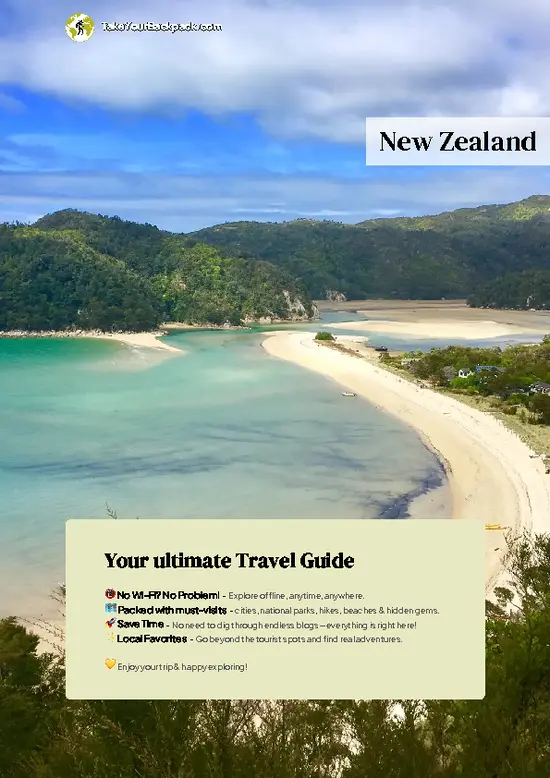
example page 0 from our offline Travel Guide for New Zealand
example page 1 from our offline Travel Guide for New Zealand
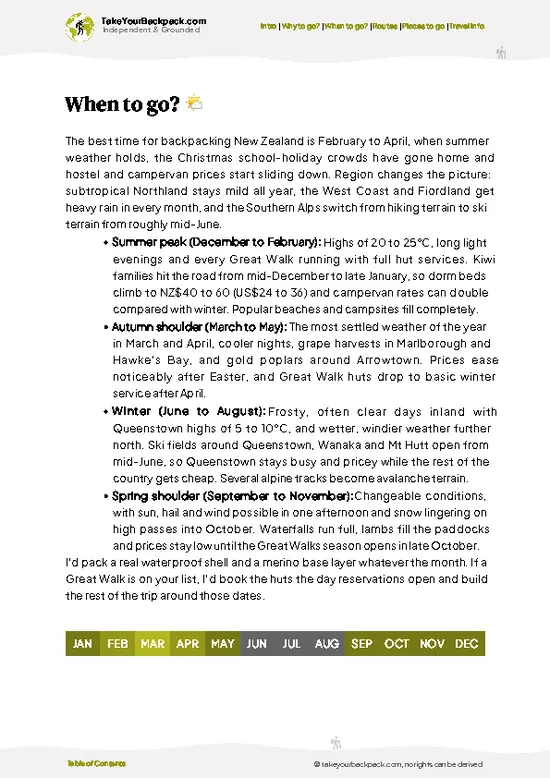
example page 2 from our offline Travel Guide for New Zealand
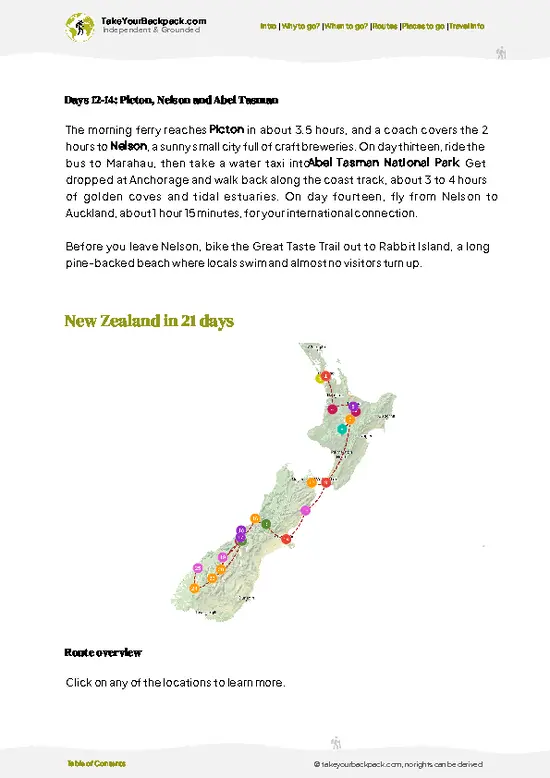
example page 3 from our offline Travel Guide for New Zealand
example page 4 from our offline Travel Guide for New Zealand
example page 5 from our offline Travel Guide for New Zealand
example page 6 from our offline Travel Guide for New Zealand
example page 7 from our offline Travel Guide for New Zealand
Loading the map 🌍
CLICK TO FILTER
cities
towns
villages
landmarks
national parks
hikes
beaches
attractions
festivals
regions
SHOW COUNTRY’S BESTSHOW ALL

✨ Why go?
Ranked #2 festival in New Zealand
Why visitors keep coming back

Backpackers route through Gisborne for this one because the festival gives a quiet, remote stretch of coast a reason to fill up. Camping is on site, so you arrive with a tent and meet your neighbors in the queue for the showers, and by the second night the campsite has its own rhythm of shared speakers, borrowed lighters and strangers swapping road-trip tips. That is the temporary community people talk about, and it is mostly made of working-holiday travelers and local New Zealanders who have done this every summer for years.

It also fits neatly into a summer loop of the North Island. Gisborne is an easy add-on to a trip around the East Cape, and the festival lets you end the year somewhere few visitors reach. Seeing the first sunrise of the new year after a night on the hillside is a rare … read more 👉
Backpackers route through Gisborne for this one because the festival gives a quiet, remote stretch of coast a reason to fill up. Camping is on site, so you arrive with a tent and meet your neighbors in the queue for the showers, and by the second night the campsite has its own rhythm of shared speakers, borrowed lighters and strangers swapping road-trip tips. That is the temporary community people talk about, and it is mostly made of working-holiday travelers and local New Zealanders who have done this every summer for years.

It also fits neatly into a summer loop of the North Island. Gisborne is an easy add-on to a trip around the East Cape, and the festival lets you end the year somewhere few visitors reach. Seeing the first sunrise of the new year after a night on the hillside is a rare bragging right, and few other big festivals offer anything like it. Compared with city events elsewhere, you also get a real beach town and wine country within minutes of the gates, so the trip does not feel like a single weekend.

💡 HighlightsDon't-miss highlights and experiences

  1. The New Year’s Eve countdown at the main stage: The whole event builds toward midnight on the amphitheater slope, with the headline set timed to the turn of the year and fireworks over the vines. It is the reason most people come.
  2. The natural amphitheater at Waiohika Estate: The hillside funnels sound toward the stage, so you can sit on the grass halfway up and still hear clearly. Sunset from here, with the vineyard behind you, is the best free view on site.
  3. The campsite community: Most visitors camp on the estate, and the evenings between sets are as social as the music. Pitch near the edge of a quieter zone if you want sleep, or closer to the action if you do not.
  4. New Year’s Day sunrise on Kaiti Hill (Titirangi): Gisborne claims to be among the first places in the world to see the sun each
… read more 👉
  1. The New Year’s Eve countdown at the main stage: The whole event builds toward midnight on the amphitheater slope, with the headline set timed to the turn of the year and fireworks over the vines. It is the reason most people come.
  2. The natural amphitheater at Waiohika Estate: The hillside funnels sound toward the stage, so you can sit on the grass halfway up and still hear clearly. Sunset from here, with the vineyard behind you, is the best free view on site.
  3. The campsite community: Most visitors camp on the estate, and the evenings between sets are as social as the music. Pitch near the edge of a quieter zone if you want sleep, or closer to the action if you do not.
  4. New Year’s Day sunrise on Kaiti Hill (Titirangi): Gisborne claims to be among the first places in the world to see the sun each day, and the lookout on Titirangi gives a wide view over Poverty Bay and the harbor. The hill also holds memorials tied to the first meetings between Māori and Captain Cook’s crew.
  5. Waikanae Beach: A flat stretch of sand within walking distance of central Gisborne, and the usual place to recover once the festival ends. Swimming and a slow lunch are the standard cure for the hangover.
If time is short, skip the beach and keep your energy for the countdown and the sunrise.
Spotted a mistake or missing something? Contact us.

🌤️ When to go?When is the celebration of Rhythm and Vines?

Rhythm and Vines runs over three days spanning New Year’s Eve (typically 29 or 30 December to 1 January) at Waiohika Estate, a vineyard on the outskirts of Gisborne, with the exact dates shifting each year.
  • Best day: New Year’s Eve is the peak, with the biggest headliners and the countdown. Day one is calmer, with shorter queues for the bars and showers.
  • Weather: Gisborne is one of the sunniest spots in the country. Expect days of 22 to 28°C (72 to 82°F), cool nights around 14 to 16°C (57 to 61°F), and the odd thunderstorm. Daylight lasts until about 9 pm. Bring a hat, reef-safe sunscreen, a refillable bottle, gumboots or closed shoes for mud, and a light jacket.
  • Booking: Tickets sell out in stages, so buy early. Gisborne beds fill by October or November, and prices typically double or more around
… read more 👉
Rhythm and Vines runs over three days spanning New Year’s Eve (typically 29 or 30 December to 1 January) at Waiohika Estate, a vineyard on the outskirts of Gisborne, with the exact dates shifting each year.
  • Best day: New Year’s Eve is the peak, with the biggest headliners and the countdown. Day one is calmer, with shorter queues for the bars and showers.
  • Weather: Gisborne is one of the sunniest spots in the country. Expect days of 22 to 28°C (72 to 82°F), cool nights around 14 to 16°C (57 to 61°F), and the odd thunderstorm. Daylight lasts until about 9 pm. Bring a hat, reef-safe sunscreen, a refillable bottle, gumboots or closed shoes for mud, and a light jacket.
  • Booking: Tickets sell out in stages, so buy early. Gisborne beds fill by October or November, and prices typically double or more around New Year.
  • Arrival and departure: State Highway 2 and the Gisborne airport jam on 29 to 31 December and again on 1 to 2 January. Arrive on the first day to get a good campsite, and leave after midday on 1 January once the first wave has gone.
Camp setup lines are shortest in the first morning hours, so aim to arrive before noon on day one.


source: climatestotravel.comJANJanuary: not recommended for travelingFEBFebruary: not recommended for travelingMARMarch: not recommended for travelingAPRApril: not recommended for travelingMAYMay: not recommended for travelingJUNJune: not recommended for travelingJULJuly: not recommended for travelingAUGAugust: not recommended for travelingSEPSeptember: not recommended for travelingOCTOctober: not recommended for travelingNOVNovember: not recommended for travelingDECDecember: excellent for traveling

✈️ The backpacker research shortcutNew Zealand Travel Guide

An offline-friendly backpacking guide with optimized travel routes, ranked highlights, transport advice, and the best areas to stay.
example page 0 from our offline Travel Guide for New Zealand
example page 1 from our offline Travel Guide for New Zealand
example page 2 from our offline Travel Guide for New Zealand
example page 3 from our offline Travel Guide for New Zealand
example page 4 from our offline Travel Guide for New Zealand
example page 5 from our offline Travel Guide for New Zealand
example page 6 from our offline Travel Guide for New Zealand
example page 7 from our offline Travel Guide for New Zealand
The digital guide (327 pages) contains:
✅ 110 highlights, ranked by travel appeal
✅ Optimized 7, 14 & 21-day travel routes
✅ Cities, national parks, landmarks, beaches
✅ How to get around
✅ Offline-friendly for travel without Wi-Fi
👉 Click to see all 30+ guide features

📅 Plan smarter in minutes, not weeks
✅ Month by month travel advice
✅ Festivals & national holidays
✅ Budget expectations

🗺️ Go to the right places, skip the overrated ones
✅ Honest pros & cons of destinations
✅ Top hikes, parks & viewpoints
✅ Lesser-known places most travelers miss
✅ Clear “worth it vs skip it” guidance

🛏️ Travel smoothly without rookie mistakes
✅ Best areas to stay
✅ Transport systems explained simply
✅ Common scams & safety advice
✅ SIM cards, money & practical tips

🌍 Understand the country, not just visit it
✅ Culture & traditions
✅ Local customs
✅ Festivals worth planning around
✅ Traveler-friendly historical context
✅ Insights that make places more meaningful

📱 Built for real travel conditions
✅ Fully downloadable PDF
✅ Works completely offline
✅ Optimized for phone use
✅ Useful in remote areas & buses
✅ Everything in one place
Stop searching, start planning
Get instant access to your full guide. 30‑day money-back guarantee.
+ Add another guide for just

By proceeding you agree to our terms.
Sent to your inbox immediately after payment • 100% Secure Checkout
Best Backpacking Travel Advisor 2025 tourism awardBest Backpacking
Travel Advisor
2025
What others say about Take Your Backpack Guides:
⭐⭐⭐⭐⭐
Fantastic, amazing amount of information!
⭐⭐⭐⭐⭐
My goodness this is amazing, it's what I've been looking for hats off too you!
⭐⭐⭐⭐⭐
I think this is absolutely BRILLIANT
⭐⭐⭐⭐
Very complete and informative. It's still missing places, but I gotta to commend you
⭐⭐⭐⭐⭐
This is truly amazing, thank you, can't wait to explore it with my kids!
⭐⭐⭐⭐⭐
Awesome resource, thank you!
⭐⭐⭐⭐⭐
This is amazing! Can't wait to explore the ones I haven't seen
⭐⭐⭐⭐
I love this! Well done, great idea.
⭐⭐⭐⭐⭐
Thanks for taking the time to make this gem!
⭐⭐⭐⭐⭐
This might be the best website I've ever seen.
⭐⭐⭐⭐⭐
Congratulations, and thank you so much for your work; it's incredibly valuable.
⭐⭐⭐⭐
In all seriousness I think you did a great job pointing out the important spots
⭐⭐⭐⭐⭐
10/10 very good
⭐⭐⭐⭐⭐
As someone who's only just starting to visit regularly this is awesome, thank you.
⭐⭐⭐⭐
Thank you very much! I'm going to visit my dad, it's going to be very useful!
⭐⭐⭐⭐⭐
This is really cool! We'll be travelling for the first time and this definitely come in handy.
⭐⭐⭐⭐⭐
You are now our minister of culture, congratulations 👨‍💼
⭐⭐⭐⭐⭐
Just wanted to tell you that this is a pearl! Going to follow your recommendations.
⭐⭐⭐⭐⭐
This is so cool. I'll definitely be using the resource for my travels soon.
⭐⭐⭐⭐⭐
This is very impressive! Good work.
⭐⭐⭐⭐⭐
This is an amazing and informative site. Very well done!

🛏️ Where to stay?How to pick the right area

The festival campground on the Waiohika Estate is where most backpackers end up, and it is the most social option by a wide margin. You pitch a tent among thousands of other young travelers, walk to the stages in minutes, and skip the taxi queues at 3 am. Choose the general camping area if you want company and noise, or a quieter zone if you want sleep. Bring a sturdy tent, ear plugs and a padlock for your gear.
Gisborne city is the main alternative, about 10 to 15 minutes by road from the site. The central area around the waterfront and the Waikanae Beach strip has the highest concentration of … read more 👉
The festival campground on the Waiohika Estate is where most backpackers end up, and it is the most social option by a wide margin. You pitch a tent among thousands of other young travelers, walk to the stages in minutes, and skip the taxi queues at 3 am. Choose the general camping area if you want company and noise, or a quieter zone if you want sleep. Bring a sturdy tent, ear plugs and a padlock for your gear.
Gisborne city is the main alternative, about 10 to 15 minutes by road from the site. The central area around the waterfront and the Waikanae Beach strip has the highest concentration of backpacker-style stays, campervan parks and holiday parks. It is walkable, safe in the evenings, and close to cafes, supermarkets and the surf. Shuttle buses usually run between town and the festival, which makes this a good base if you want a proper bed and a hot shower between days.
Kaiti, on the south side near the hill and beach, is quieter and more local, and suits those who prefer a calmer base. Book as early as you can, since the whole region fills around New Year, and consider sharing a rental with other travelers to split the cost.

👛 Costs (as of 15 October 2026)Money, prices, and spending tips

Expect to spend about US$215 a day at Rhythm and Vines in Gisborne, with the three-day festival pass making up most of that if you camp. The festival runs over New Year’s Eve at Waiohika Estate, and prices below are realistic ranges for independent travelers paying in New Zealand dollars, converted to US dollars.
CategoryBudget RangeLocal Reality
Festival ticketsUS$75 to 110 per dayMulti-day passes usually cost roughly US$230 to 330 for the full run, and early-release tiers are cheapest. Camping is normally an add-on.
AccommodationUS$15 to 100 per nightFestival camping sits at the low end (about US$15 to 30 per night). Hostel beds and motels in Gisborne jump in price around New Year, and a motel room can reach US$100 or more.
Local transportUS$5 to 25 per dayFestival shuttles and taxis from town
… read more 👉
Expect to spend about US$215 a day at Rhythm and Vines in Gisborne, with the three-day festival pass making up most of that if you camp. The festival runs over New Year’s Eve at Waiohika Estate, and prices below are realistic ranges for independent travelers paying in New Zealand dollars, converted to US dollars.
CategoryBudget RangeLocal Reality
Festival ticketsUS$75 to 110 per dayMulti-day passes usually cost roughly US$230 to 330 for the full run, and early-release tiers are cheapest. Camping is normally an add-on.
AccommodationUS$15 to 100 per nightFestival camping sits at the low end (about US$15 to 30 per night). Hostel beds and motels in Gisborne jump in price around New Year, and a motel room can reach US$100 or more.
Local transportUS$5 to 25 per dayFestival shuttles and taxis from town to the estate cost a few dollars each way if shared. Gisborne has very limited public transport, so rideshares and shuttles do the work.
Food & drinksUS$25 to 60 per dayFestival stalls charge about US$9 to 16 per meal, and drinks at the bars run US$6 to 10. Bringing food to your campsite saves a lot.
Miscellaneous expensesUS$5 to 20 per dayCovers sunscreen, ear protection, phone charging, locker or cash-free wristband top-ups and the odd souvenir.
Total Daily BudgetUS$125 to 315Roughly US$215 a day in the middle, counting a high-season bed.
⚠️ Prices can change and everyone travels differently, so take this as a rough guide. Hope it helps you plan your adventure!

🍲 FoodWhat to Eat & Drink

Food at Rhythm and Vines is a festival-ground affair, with food trucks and stalls lining the main areas. Expect burgers, wood-fired pizza, loaded fries, tacos, Asian-style noodles and dumplings, plus vegetarian and vegan options and coffee and smoothie carts for the sunny mornings. Portions are generous, so sharing between two is easy.
For something with local flavor, look for seafood, since Gisborne sits on a fishing coast, and for anything using Gisborne produce such as stone fruit, citrus and kūmara. The region is also known for wine, especially Chardonnay, and the festival is held on a vineyard, so a glass of local white on a hot afternoon fits the setting. Bars also pour New Zealand craft beer, ciders and RTDs.
Quirks matter here. Most vendors take card and contactless, and some of the … read more 👉
Food at Rhythm and Vines is a festival-ground affair, with food trucks and stalls lining the main areas. Expect burgers, wood-fired pizza, loaded fries, tacos, Asian-style noodles and dumplings, plus vegetarian and vegan options and coffee and smoothie carts for the sunny mornings. Portions are generous, so sharing between two is easy.
For something with local flavor, look for seafood, since Gisborne sits on a fishing coast, and for anything using Gisborne produce such as stone fruit, citrus and kūmara. The region is also known for wine, especially Chardonnay, and the festival is held on a vineyard, so a glass of local white on a hot afternoon fits the setting. Bars also pour New Zealand craft beer, ciders and RTDs.
Quirks matter here. Most vendors take card and contactless, and some of the festival is cashless, but queues at peak dinner hours (around 6 to 8 pm) and just after midnight get long, so eat early. Alcohol rules are strict. You generally cannot bring your own into the venue, and an ID check is standard. Fill a refillable bottle at the free water stations, since the heat catches people out. If you are camping, a supermarket run in Gisborne before you arrive saves money on breakfast basics and snacks.

FAQTraveler FAQ

Rhythm and Vines takes place over New Year’s Eve, usually running for three days from about 29 or 30 December to 1 January. It is held at Waiohika Estate, a vineyard just outside Gisborne on the East Coast of the North Island. Exact dates shift slightly each year, and gates normally open in the morning on the first day.
A multi-day ticket usually costs about NZ$300 to 480 (roughly US$180 to 290), with early-release batches cheaper than later ones. Camping can add NZ$50 to 100 depending on the package. Budget another NZ$50 to 90 per day for food and drinks on site.
Yes, buy tickets in advance, as the festival has sold out in past years and later release batches cost more. Tickets are sold online through the official festival site in stages from several months out. Gate sales are not something to rely on, and you should book Gisborne accommodation at the same time.
⚠️ Things can change over time, so always validate details locally before you go.

Other New Zealander festivals near Rhythm and Vines

Explore more nearby:

  • Splore—Tapapakanga Beach, costumes, Hauraki Gulf, cashless site| 298 km away
  • Auckland Lantern Festival—Albert Park lantern trail, zodiac sculptures, dumpling stalls, lion dances| 324 km away
  • WOMAD—Bowl of Brooklands, Pukekura Park, world music, workshops| 340 km away

💡 Not sure where to go next?
Create a personalized itinerary for New Zealand including Rhythm and Vines and the places that fit your trip.

Generate my itinerary

👉 Discover all festivals

Or checkout all New Zealand has to offer (think cities, towns, villages, national parks, hikes, beaches, festivals)
Country photo of New Zealand

We 💚 feedbackSumming up the experience

Rhythm and Vines suits travelers in their twenties who want a big, social New Year’s Eve and do not mind sharing a tent field with thousands of people. It is a poor fit if you need quiet nights or a polished resort. I would bring earplugs, a sturdy tent and a good hat, then plan a lazy day in Gisborne afterward.

✈️ When did I visit New Zealand?
All the way back in high school I have been visiting the North Island of New Zealand (1993).

✍️ Help improve this page!
The information on this page is based on my own backpacking experience in New Zealand, supplemented with up-to-date research and feedback from other travelers. Travel details can change, so if you notice anything outdated or incomplete, feel free to let me know.


🙋‍♂️ Give feedback

👋 Meet the founderWho’s Behind Take Your Backpack?

Johan, backpacker and founder of TakeYourBackpackHi, I’m Johan (Netherlands 🇳🇱), the creator of TakeYourBackpack. Over the past 3 decades, I’ve backpacked through 90+ countries across six continents, gaining extensive experience with independent travel, long-term trips, and overland routes.

This site is built on a combination of firsthand travel experience and carefully curated insights from other backpackers. Many guides are based on places I’ve personally visited, while others bring together tips, observations, and practical advice shared by trusted travelers I’ve met along the way.

The goal is to provide realistic, experience-driven guidance — not generic itineraries — so you can explore destinations with better context, clearer expectations, and more confidence.