×

New Zealand🇳🇿 | best festivalsExplore the 12 Best festivals in New Zealand

New Zealand’s festivals are a vibrant reflection of its diverse culture, stunning landscapes, and rich traditions. Each event, whether it’s the World of WearableArt in Wellington or the Pasifika Festival in Auckland, offers a unique lens into local life. Timing is crucial; summer festivals like the NZ Festival in February draw larger crowds, while winter events, such as the Queenstown Winter Festival, provide a more intimate atmosphere.

Backpackers can navigate these choices by considering regional flavors and seasonal nuances. For example, attending a festival in a smaller town can lead to deeper cultural immersion, while larger cities often feature more extensive amenities but can feel overwhelming.

Choosing the right festival impacts not just the vibe and budget, but also safety and ease of travel. Understanding these dynamics allows independent travelers to unlock a richer experience, ensuring that every festival visit is not just an event, but a gateway into the heart of New Zealand’s culture.

By Johan Kruseman 🇳🇱 | Updated June 7, 2026
Explore the best regions in New Zealand

Why go?Why Travelers Love These Spots

Festivals in New Zealand are a vibrant reflection of the country’s unique cultural tapestry, shaped by its Māori heritage and diverse settler influences. This blend creates a festival landscape that is not only celebratory but also deeply rooted in tradition and community. Unlike many other countries, New Zealand’s festivals often prioritize authenticity over commercialization, allowing travelers to engage with local customs in a meaningful way.

The timing of these festivals is crucial. Many occur during the summer months, when the weather is most favorable, enhancing the outdoor experience. However, this peak season also means larger crowds and higher costs. Travelers must weigh the benefits of vibrant energy against the potential for overwhelming numbers. Off-peak festivals, while less … read more 👉
Festivals in New Zealand are a vibrant reflection of the country’s unique cultural tapestry, shaped by its Māori heritage and diverse settler influences. This blend creates a festival landscape that is not only celebratory but also deeply rooted in tradition and community. Unlike many other countries, New Zealand’s festivals often prioritize authenticity over commercialization, allowing travelers to engage with local customs in a meaningful way.

The timing of these festivals is crucial. Many occur during the summer months, when the weather is most favorable, enhancing the outdoor experience. However, this peak season also means larger crowds and higher costs. Travelers must weigh the benefits of vibrant energy against the potential for overwhelming numbers. Off-peak festivals, while less crowded, may offer a more intimate experience but can come with unpredictable weather, especially in the South Island.

Geographically, New Zealand’s isolation can be a double-edged sword. While it fosters a unique cultural identity, it also means that reaching some festivals may require significant travel time. This can lead to a trade-off between depth of exploration and the logistics of getting there. The journey itself can be rewarding, offering stunning landscapes, but it demands careful planning.

Infrastructurally, New Zealand is well-equipped to handle festival-goers, yet rural festivals may lack the amenities found in urban centers. This can enhance immersion but also requires travelers to prepare for basic accommodations and services. Understanding these dynamics allows for a more strategic approach to festival attendance, ensuring that the experience is both enriching and enjoyable. Ultimately, the festivals of New Zealand are not just events; they are gateways to understanding the country’s rich cultural landscape, inviting travelers to engage with its people and traditions on a deeper level.
How the List Was Created
The list of best festivals in New Zealand is created based on energy, traditions, crowd experience, activities, and overall excitement. If you feel a festival is missing in this list, please let us know.

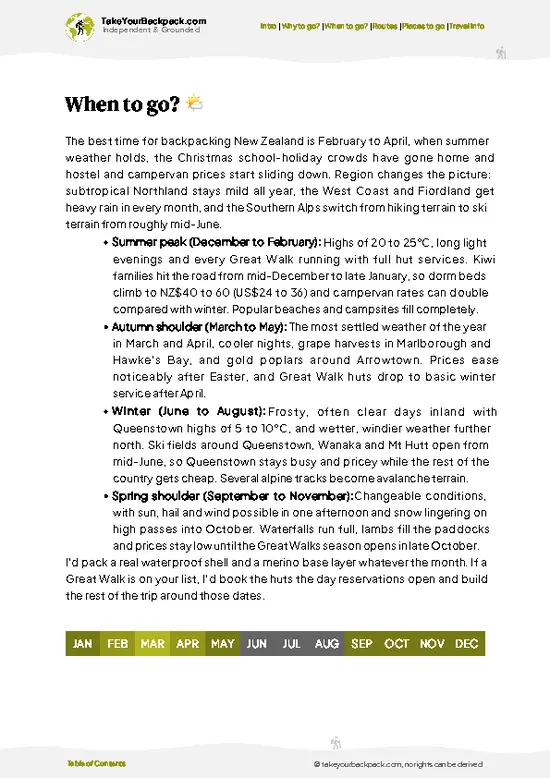
When to go?Best Time to Visit New Zealand for festivals

Seasonality and Festivals


New Zealand’s festival calendar is intricately tied to its seasons, each offering a unique atmosphere and experience. The summer months, from December to February, are prime for outdoor festivals. The weather is warm, encouraging vibrant celebrations. However, this peak season attracts larger crowds and higher costs. Expect bustling venues and a lively energy, but also plan for potential accommodation challenges.

Autumn, particularly March to May, presents a compelling alternative. The weather remains mild, and the crowds begin to thin. This shoulder season allows for a more intimate festival experience. Costs often drop, making it a savvy choice for those seeking value without sacrificing quality. The cultural significance of autumn festivals often revolves around … read more 👉

Seasonality and Festivals


New Zealand’s festival calendar is intricately tied to its seasons, each offering a unique atmosphere and experience. The summer months, from December to February, are prime for outdoor festivals. The weather is warm, encouraging vibrant celebrations. However, this peak season attracts larger crowds and higher costs. Expect bustling venues and a lively energy, but also plan for potential accommodation challenges.

Autumn, particularly March to May, presents a compelling alternative. The weather remains mild, and the crowds begin to thin. This shoulder season allows for a more intimate festival experience. Costs often drop, making it a savvy choice for those seeking value without sacrificing quality. The cultural significance of autumn festivals often revolves around harvest themes, adding depth to the experience.

Winter, from June to August, brings a different flavor. While many outdoor festivals pause, indoor events flourish. The cooler temperatures create a cozy atmosphere, perfect for cultural gatherings. However, some may find the reduced number of festivals limiting. The trade-off here is between the unique charm of winter celebrations and the potential for fewer options.

Spring, spanning September to November, is a time of renewal. Festivals celebrating art and culture emerge, coinciding with the blossoming landscape. The weather can be unpredictable, ranging from sunny days to sudden rain. This season often features smaller crowds, allowing for a more authentic connection to local traditions.

Understanding these seasonal dynamics is crucial. Each season presents distinct advantages and trade-offs. By aligning travel plans with festival timing, visitors can unlock a richer, more engaging experience while navigating the complexities of crowd levels and costs.

festival hoppingTips for Visiting Multiple Destinations

General Routing Logic

New Zealand’s festivals can be grouped regionally, making travel smoother and more efficient. Start in the North Island, where major events like the Auckland Lantern Festival and the Wellington Jazz Festival take place. This clustering allows for a logical progression southward. After experiencing the North Island, head to the South Island for events like the Christchurch Arts Festival and the Dunedin Fringe Festival. This directional flow minimizes backtracking and maximizes festival exposure.

Typical Time Needed

Plan for at least two to three days at each festival. This timeframe allows for full immersion without feeling rushed. Consider the travel time between events; for instance, moving from Auckland to Wellington takes about eight hours by car, so factor in a … read more 👉

General Routing Logic

New Zealand’s festivals can be grouped regionally, making travel smoother and more efficient. Start in the North Island, where major events like the Auckland Lantern Festival and the Wellington Jazz Festival take place. This clustering allows for a logical progression southward. After experiencing the North Island, head to the South Island for events like the Christchurch Arts Festival and the Dunedin Fringe Festival. This directional flow minimizes backtracking and maximizes festival exposure.

Typical Time Needed

Plan for at least two to three days at each festival. This timeframe allows for full immersion without feeling rushed. Consider the travel time between events; for instance, moving from Auckland to Wellington takes about eight hours by car, so factor in a day for travel. This pacing ensures that energy levels remain high and experiences are not diluted by fatigue.

Common Planning Mistakes

One common pitfall is over-scheduling. Attempting to cram too many festivals into a short timeframe leads to burnout and missed opportunities for deeper engagement. Prioritize quality over quantity. Another mistake is neglecting local transport options. Public transport can be a game-changer, especially in urban areas, saving time and reducing stress.

Trade-offs and Constraints

Balancing speed with depth is crucial. While it may be tempting to hit as many festivals as possible, consider the value of a more relaxed pace. Budget constraints also play a role; some festivals may have entry fees or accommodation costs that add up. Weigh these factors against the comfort of a well-planned trip. Flexibility is key; be prepared to adjust plans based on local recommendations or unexpected opportunities. This strategic approach transforms logistics into a rewarding experience.

The ListMust-Visit festivals in New Zealand

1 Rhythm and Vines

New Year’s Eve, Gisborne vineyards, multi-day camping, electronic and live music

Celebrate the New Year with sunrise sets, camping among vines, and a lineup that draws music fans from across the country.

2 WOMAD

world music, global cuisine, family-friendly, Taranaki parklands

Immerse yourself in international sounds, workshops, and food stalls at a festival that brings global cultures to New Plymouth.

3 Auckland Lantern Festival

lantern displays, Chinese New Year, Asian street food, cultural performances

Experience illuminated lanterns, traditional music, and regional snacks as Auckland’s parks transform for Lunar New Year celebrations.

4 Queenstown Winter Festival

alpine events, snow sports, lakefront fireworks, mountain town

Kick off winter with street parties, mountain competitions, and lakeside festivities in New Zealand’s adventure capital.

5 Hokitika Wildfoods Festival

unusual local delicacies, West Coast town, food challenges, community gathering

Sample unconventional foods, meet locals, and discover a festival where culinary curiosity and small-town hospitality take center stage.

6 Marlborough Wine and Food Festival

vineyard setting, regional wines, gourmet tastings, winemaker talks

Savor award-winning wines and local produce in a vineyard, with opportunities to meet producers and learn about Marlborough’s wine culture.

7 Pasifika Festival

Pacific Island villages, traditional dance, craft markets, Auckland park

Discover Pacific cultures through music, dance, and food, as Auckland’s parklands host communities from across the region.

8 Splore

beachside camping, interactive art, themed costumes, Tapapakanga Regional Park

Camp by the sea, join creative workshops, and dance in costume at a festival where art and music blend with the landscape.

9 Electric Avenue

Hagley Park, multi-stage music, urban festival, Christchurch crowds

Join thousands in Christchurch for a day of live acts, diverse genres, and a city park atmosphere that pulses with energy.

10 CubaDupa

Wellington street party, live art, costumed parades, Cuba Street

Wander through pop-up stages, interactive installations, and spontaneous performances in Wellington’s most creative district.

11 New Zealand International Film Festival

cinematic premieres, art house films, director Q&As, nationwide screenings

Watch new releases and rare films, attend filmmaker talks, and experience cinema in historic venues across New Zealand.

12 Luminate Festival

eco village, conscious workshops, fire performances, Golden Bay

Connect with nature, join sustainability workshops, and dance to live music in a remote, off-grid festival setting.

Loading the map 🌍

Expert viewWhat You Should Know

Energy & Seasonal Timing
New Zealand’s festival scene is a vibrant reflection of its diverse culture and stunning landscapes. Timing is everything. Summer, from December to February, is prime festival season. The weather is warm, and the days are long, making it ideal for outdoor events. However, this is also when crowds swell. If you prefer a more intimate experience, consider shoulder seasons—spring (September to November) and autumn (March to May). You’ll find fewer tourists, and the festivals often have a more local feel. Just be prepared for unpredictable weather; layers are your best friend.

Cultural Context
Understanding the cultural backdrop of each festival can enhance your experience. Many festivals celebrate Māori culture, showcasing traditional music, dance, and art. Events … read more 👉
Energy & Seasonal Timing
New Zealand’s festival scene is a vibrant reflection of its diverse culture and stunning landscapes. Timing is everything. Summer, from December to February, is prime festival season. The weather is warm, and the days are long, making it ideal for outdoor events. However, this is also when crowds swell. If you prefer a more intimate experience, consider shoulder seasons—spring (September to November) and autumn (March to May). You’ll find fewer tourists, and the festivals often have a more local feel. Just be prepared for unpredictable weather; layers are your best friend.

Cultural Context
Understanding the cultural backdrop of each festival can enhance your experience. Many festivals celebrate Māori culture, showcasing traditional music, dance, and art. Events like Te Matatini, a kapa haka festival, are not just performances; they’re a deep dive into the heart of Māori identity. Engaging with these cultural expressions requires respect and openness. Familiarize yourself with local customs and protocols, especially when attending Māori events. This awareness will enrich your experience and help you connect with the community.

Crowd Management
Festivals can draw large crowds, which can be both exhilarating and overwhelming. To navigate this, prioritize your must-see events. Aim for two to three major festivals during your visit, allowing time to soak in the atmosphere without feeling rushed. Arrive early to secure a good spot, especially for popular performances. If you’re attending a multi-day festival, consider camping or staying nearby to avoid the hassle of daily travel. This not only saves time but also immerses you in the festival vibe.

Budget & Comfort Considerations
Festivals can vary widely in cost. Some are free, while others can be pricey, especially if they feature big-name acts. Factor in accommodation, food, and transport when budgeting. A good rule of thumb is to allocate a bit more for comfort, especially if you’re attending multiple events. Look for festival packages that include accommodation and meals; these can often provide better value. However, be wary of overspending on merchandise or food vendors. Explore local eateries for authentic cuisine at a fraction of the price.

Planning & Prioritizing Festivals
With over 100 festivals scattered throughout the year, planning is crucial. Start by identifying your interests—music, food, arts, or cultural heritage. Once you have a shortlist, check the festival dates and locations. Use a map to visualize your travel route; this will help you avoid backtracking and maximize your time. If you’re traveling during peak season, book accommodations well in advance. Many festivals offer early bird tickets, which can save you money and guarantee entry.

Regional Variation
New Zealand’s festivals are as diverse as its landscapes. The North Island tends to host more urban festivals, while the South Island often features outdoor events in breathtaking natural settings. This regional variation means you can tailor your festival experience to your preferences. If you’re drawn to the arts, the Auckland Arts Festival is a must. For a more rugged experience, the Wanaka A&P Show showcases rural life and local produce. Each region has its unique flavor, so consider mixing urban and rural festivals for a well-rounded experience.

Safety & Cultural Considerations
Safety is paramount, especially in crowded environments. Keep your belongings secure and stay aware of your surroundings. If you’re attending a festival that celebrates Māori culture, take the time to learn about the significance of the rituals and performances. This not only shows respect but also enhances your understanding of the event. Be mindful of alcohol consumption; while festivals are celebratory, moderation ensures you can fully enjoy the experience.

Trade-offs & Constraints
Every festival experience comes with trade-offs. Attending a larger festival means more entertainment options but also larger crowds and potentially higher costs. Smaller, local festivals may offer a more authentic experience but could lack the star power of bigger events. Consider what matters most to you—whether it’s the lineup, the atmosphere, or the cultural significance. This clarity will guide your choices and help you avoid disappointment.

In summary, New Zealand’s festival scene is a rich tapestry of culture, community, and celebration. By understanding the energy, timing, and logistics, you can craft an experience that resonates with your interests and values. Embrace the journey, and let the festivals unfold their stories.

✈️ The backpacker research shortcutNew Zealand Travel Guide

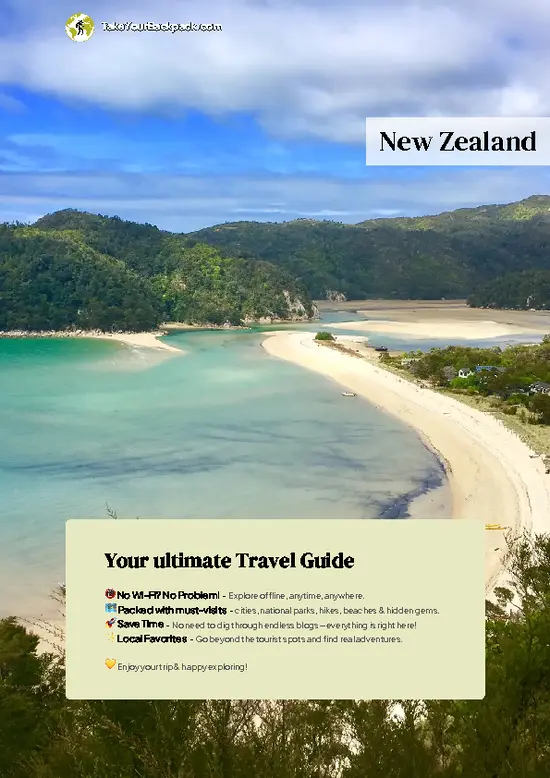
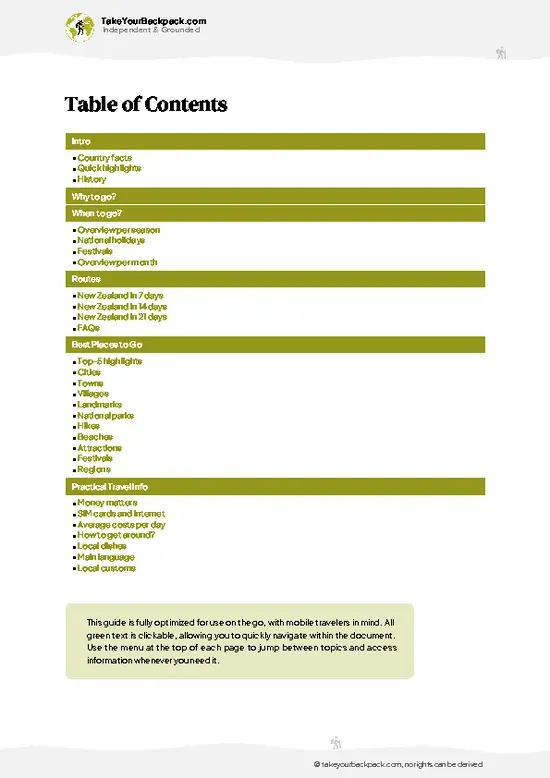
An offline-friendly backpacking guide with optimized travel routes, ranked highlights, transport advice, and the best areas to stay.
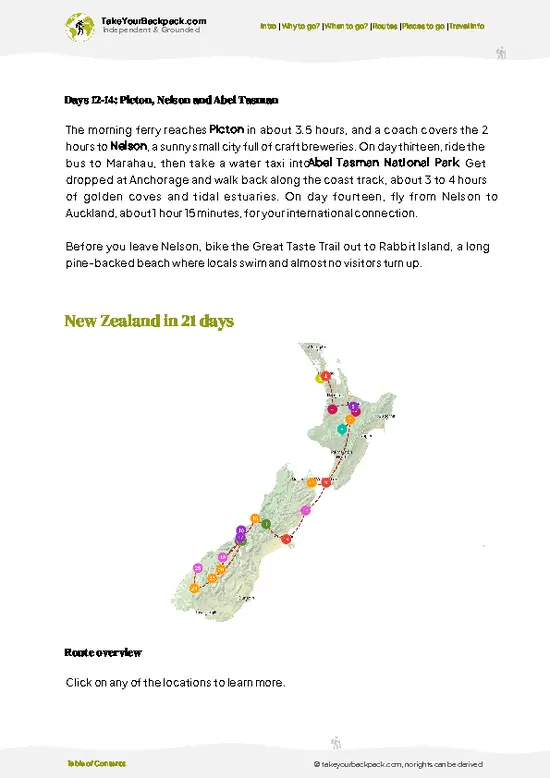
example page 0 from our offline Travel Guide for New Zealand
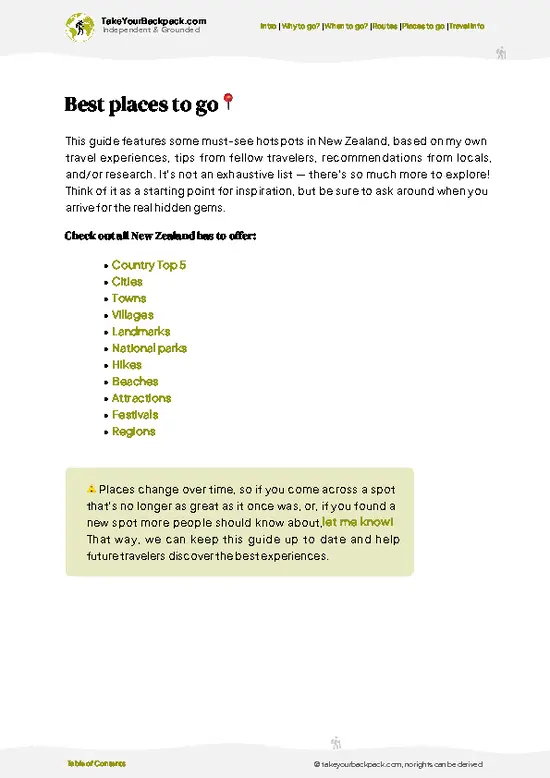
example page 1 from our offline Travel Guide for New Zealand
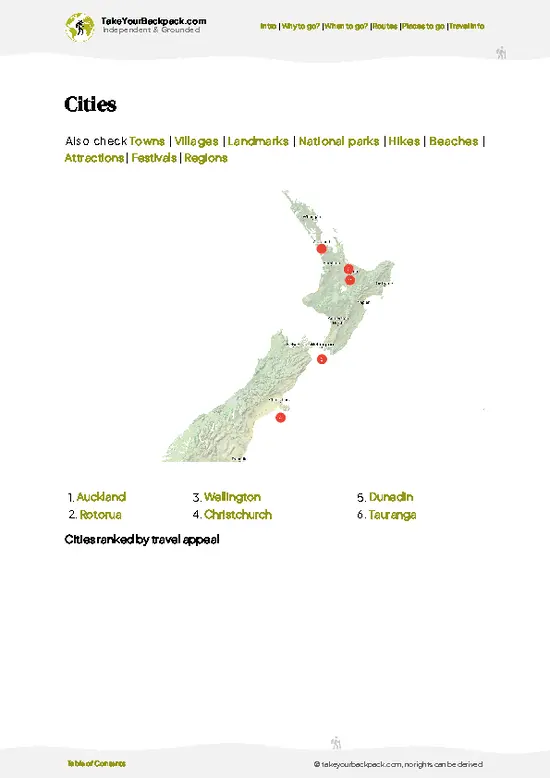
example page 2 from our offline Travel Guide for New Zealand
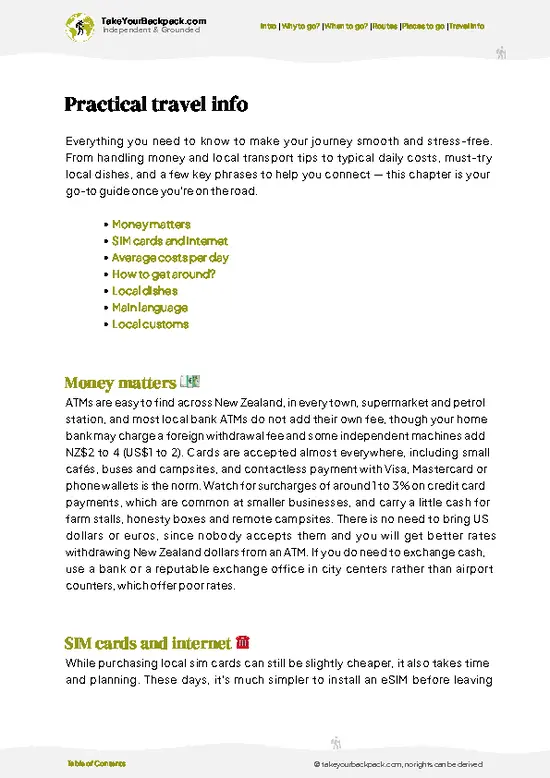
example page 3 from our offline Travel Guide for New Zealand
example page 4 from our offline Travel Guide for New Zealand
example page 5 from our offline Travel Guide for New Zealand
example page 6 from our offline Travel Guide for New Zealand
example page 7 from our offline Travel Guide for New Zealand
The digital guide (412 pages) contains:
113 highlights, ranked by travel appeal
Optimized 7, 14 & 21-day travel routes
Cities, national parks, landmarks, beaches
How to get around
Offline-friendly for travel without Wi-Fi
👉 Click to see all 30+ guide features

📅 Plan smarter in minutes, not weeks
Month by month travel advice
Festivals & national holidays
Budget expectations

🗺️ Go to the right places, skip the overrated ones
Honest pros & cons of destinations
Top hikes, parks & viewpoints
Lesser-known places most travelers miss
Clear “worth it vs skip it” guidance

🛏️ Travel smoothly without rookie mistakes
Best areas to stay
Transport systems explained simply
Common scams & safety advice
SIM cards, money & practical tips

🌍 Understand the country, not just visit it
Culture & traditions
Local customs
Festivals worth planning around
Traveler-friendly historical context
Insights that make places more meaningful

📱 Built for real travel conditions
Fully downloadable PDF
Works completely offline
Optimized for phone use
Useful in remote areas & buses
Everything in one place
Save weeks of stressful planning
Get instant access to your full guide. 30‑day money-back guarantee.


By proceeding you agree to our terms.
Sent to your inbox immediately after payment • 100% Secure Checkout
Best Backpacking Travel Advisor 2025 tourism awardBest Backpacking
Travel Advisor
2025
What others say about Take Your Backpack Guides:
⭐⭐⭐⭐⭐
Fantastic, amazing amount of information!
⭐⭐⭐⭐⭐
My goodness this is amazing, it's what I've been looking for hats off too you!
⭐⭐⭐⭐⭐
I think this is absolutely BRILLIANT
⭐⭐⭐⭐
Very complete and informative. It's still missing places, but I gotta to commend you
⭐⭐⭐⭐⭐
This is truly amazing, thank you, can't wait to explore it with my kids!
⭐⭐⭐⭐⭐
Awesome resource, thank you!
⭐⭐⭐⭐⭐
This is amazing! Can't wait to explore the ones I haven't seen
⭐⭐⭐⭐
I love this! Well done, great idea.
⭐⭐⭐⭐⭐
Thanks for taking the time to make this gem!
⭐⭐⭐⭐⭐
This might be the best website I've ever seen.
⭐⭐⭐⭐⭐
Congratulations, and thank you so much for your work; it's incredibly valuable.
⭐⭐⭐⭐
In all seriousness I think you did a great job pointing out the important spots
⭐⭐⭐⭐⭐
10/10 very good
⭐⭐⭐⭐⭐
As someone who's only just starting to visit regularly this is awesome, thank you.
⭐⭐⭐⭐
Thank you very much! I'm going to visit my dad, it's going to be very useful!
⭐⭐⭐⭐⭐
This is really cool! We'll be travelling for the first time and this definitely come in handy.
⭐⭐⭐⭐⭐
You are now our minister of culture, congratulations 👨‍💼
⭐⭐⭐⭐⭐
Just wanted to tell you that this is a pearl! Going to follow your recommendations.
⭐⭐⭐⭐⭐
This is so cool. I'll definitely be using the resource for my travels soon.
⭐⭐⭐⭐⭐
This is very impressive! Good work.
⭐⭐⭐⭐⭐
This is an amazing and informative site. Very well done!

🛏️ Where to stay?Top Areas to Stay

Yes — reliable hostels and budget accommodation are widely available across New Zealand, concentrated in Auckland CBD and Ponsonby, Wellington CBD and Cuba Street, Christchurch central and Riccarton, Queenstown and Wanaka, plus Dunedin CBD and Te Anau.
Auckland and Wellington offer best transport links and nightlife but are busier and often pricier; Christchurch and Riccarton are budget-friendly, quieter and well connected by buses; Queenstown and Wanaka are ideal for adventure and social hostels but fill fast and cost more; Dunedin and Te Anau are quieter, cheaper and excellent for nature access but have fewer late‑night options.

If you enjoy meeting fellow travelers, consider choosing hostelsread more 👉
Yes — reliable hostels and budget accommodation are widely available across New Zealand, concentrated in Auckland CBD and Ponsonby, Wellington CBD and Cuba Street, Christchurch central and Riccarton, Queenstown and Wanaka, plus Dunedin CBD and Te Anau.
Auckland and Wellington offer best transport links and nightlife but are busier and often pricier; Christchurch and Riccarton are budget-friendly, quieter and well connected by buses; Queenstown and Wanaka are ideal for adventure and social hostels but fill fast and cost more; Dunedin and Te Anau are quieter, cheaper and excellent for nature access but have fewer late‑night options.

If you enjoy meeting fellow travelers, consider choosing hostels with high ratings for atmosphere. On the other hand, if you prefer having your own space, a hotel might be a better option.

New ZealandDiscover the Country

👋 Meet the founderWho’s Behind Take Your Backpack?

Johan, backpacker and founder of TakeYourBackpackHi, I’m Johan (Netherlands 🇳🇱), the creator of TakeYourBackpack. Over the past decade, I’ve backpacked through 80+ countries across six continents, gaining extensive experience with independent travel, long-term trips, and overland routes.

This site is built on a combination of firsthand travel experience and carefully curated insights from other backpackers. Many guides are based on places I’ve personally visited, while others bring together tips, observations, and practical advice shared by trusted travelers I’ve met along the way.

The goal is to provide realistic, experience-driven guidance — not generic itineraries — so you can explore destinations with better context, clearer expectations, and more confidence.

Get full country guide •
Instant download • 113 highlights • Full Offline guide