×

Nicaragua🇳🇮 | attractionsMasaya Volcano Night Touractive crater, glowing lava, sulfur vents | things to do and best time to go

Explore Somoto CanyonExplore Laguna de Apoyo Miradors and Lakeside Day Clubs

Backpacking in Masaya Volcano Night Tour
🏆 Top pickattraction ranked #2
By Johan Kruseman 🇳🇱 | Updated May 20, 2026

Here’s what nobody tells you until you’re standing at the crater’s edge: the Masaya Volcano Night Tour is the rare Nicaraguan adventure where you can get face-to-face with an active lava lake—without a multi-day slog or a mountaineering badge. Masaya sits just outside Managua, a quick drive from the city, which means you can go from city street food to staring into the earth’s glowing throat in under an hour. The Instagram shots make it look like a private apocalypse, but the reality is you’ll share the rim with busloads of tourists and a strict time limit—park rangers hustle everyone along, so savor your ten minutes of volcanic drama. It’s not cheap by Nica standards, but compared to the cost and effort of, say, hiking Telica or Cerro Negro, Masaya is pure, accessible spectacle. The crowds are real, but so is the thrill—there’s something primal about feeling the heat on your face and smelling sulfur in the air, even if you’re elbow-to-elbow with a hundred others.

Discover everything you want to know in the 📖 Nicaragua Travel Guide.
Loading the map 🌍
CLICK TO FILTER
cities
towns
landmarks
national parks
hikes
beaches
attractions
festivals
regions
SHOW COUNTRY’S BESTSHOW ALL

✨ Why go?
Ranked #2 attraction in Nicaragua
The unique appeal for travelers

The Masaya Volcano Night Tour is not your average tourist checkbox—it’s a raw, pulse-pounding experience that demands a spot on any Nicaragua itinerary. Sure, it’s famous, and yes, it draws crowds, but that’s because it delivers something few places can: the chance to stare into a living, breathing volcano’s fiery heart after dark. This isn’t just a photo op; it’s a visceral reminder of nature’s power, a glowing crater that feels like the planet’s own furnace. The adrenaline rush from standing on the edge of an active volcano, with molten lava flickering below, is unmatched.

Beyond the spectacle, Masaya Volcano holds deep cultural weight. It’s been a sentinel over the region for centuries, woven into local legends and history, making the tour more than just a thrill—it’s a connection to … read more 👉
The Masaya Volcano Night Tour is not your average tourist checkbox—it’s a raw, pulse-pounding experience that demands a spot on any Nicaragua itinerary. Sure, it’s famous, and yes, it draws crowds, but that’s because it delivers something few places can: the chance to stare into a living, breathing volcano’s fiery heart after dark. This isn’t just a photo op; it’s a visceral reminder of nature’s power, a glowing crater that feels like the planet’s own furnace. The adrenaline rush from standing on the edge of an active volcano, with molten lava flickering below, is unmatched.

Beyond the spectacle, Masaya Volcano holds deep cultural weight. It’s been a sentinel over the region for centuries, woven into local legends and history, making the tour more than just a thrill—it’s a connection to Nicaragua’s volcanic soul. For backpackers threading through the country, this stop is a milestone, a moment where the rawness of Central America’s landscape hits home. The effort to get there—often a bumpy ride and a late-night trek—is rewarded with a scene that’s both humbling and electrifying. This is one of those rare experiences where the hype meets reality, and then some.
Want to include Masaya Volcano Night Tour in your Nicaragua route?
Create a personalized Nicaragua itinerary that includes Masaya Volcano Night Tour and the places that fit your trip — based on your travel style, budget, and available time. Get your route in seconds.

Generate my trip

💡 HighlightsDon't-miss highlights and experiences

1. Staring Into the “Mouth of Hell” — The Santiago Crater at Night
Forget the Instagram shots of a polite puff of smoke at sunset. The real show starts after dark, when you stand at the crater’s edge and peer straight into a roiling pit of molten lava. This isn’t a screensaver. It’s a living, breathing cauldron that hisses, spits, and glows with a red so intense it feels like you’re trespassing on something primordial. The wind whips sulfur into your face. You taste the volcano before you even see it. No photo can capture the way your instincts scream, “Back up!” while your curiosity drags you closer. This is the main event, and it’s worth every bit of the hype. My personal favorite, hands down — nothing else on the continent feels this raw.


2. Watching the Bats Emerge from the Lava Tubes
Here’s … read more 👉
1. Staring Into the “Mouth of Hell” — The Santiago Crater at Night
Forget the Instagram shots of a polite puff of smoke at sunset. The real show starts after dark, when you stand at the crater’s edge and peer straight into a roiling pit of molten lava. This isn’t a screensaver. It’s a living, breathing cauldron that hisses, spits, and glows with a red so intense it feels like you’re trespassing on something primordial. The wind whips sulfur into your face. You taste the volcano before you even see it. No photo can capture the way your instincts scream, “Back up!” while your curiosity drags you closer. This is the main event, and it’s worth every bit of the hype. My personal favorite, hands down — nothing else on the continent feels this raw.


2. Watching the Bats Emerge from the Lava Tubes
Here’s the part the influencers skip: just before dusk, you’ll stand by the mouth of an ancient lava tube and watch thousands of bats pour out in a living river. It’s not staged, not sanitized, and not for the squeamish. The air vibrates with wings. The guides will tell you about the ecosystem, but honestly, it’s the sheer volume — the sense that you’re witnessing a nightly ritual older than any human settlement — that sticks with you.


3. The Nighttime Silhouette of Masaya’s Cross
You’ll spot the giant cross perched above the crater, a stark silhouette against the smoke and stars. It’s not just a photo op. The cross marks the spot where Spanish conquistadors tried to “exorcise” the volcano centuries ago, convinced it was a literal gateway to hell. Standing there at night, with the wind howling and the crater glowing below, you get why they were spooked. It’s a collision of history, superstition, and geology that feels almost theatrical.


4. The Drive Up — Volcanic Landscape Under Moonlight
Most volcanoes make you earn the summit with hours of sweat. Not Masaya. You drive right up to the rim, headlights slicing through a landscape that looks like a set from a sci-fi film. Blackened lava fields, twisted trees, and the occasional startled animal. The moonlight turns everything silver and strange. It’s a rare chance to see a volcanic ecosystem at night, without the filter of daylight or crowds.


5. The Sulfuric Air — A Full-Body Experience
This isn’t a “pleasant” detail, but it’s real: the air at the crater is thick with sulfur. It stings your eyes and clings to your clothes. Some people cough, some laugh, some complain. But nobody forgets it. The volcano gets under your skin — literally. It’s a sensory reminder that you’re not just looking at a postcard; you’re standing on the edge of something alive, unpredictable, and utterly indifferent to your comfort.
Spotted a mistake or missing something? Contact us.

Things to do around Masaya Volcano Night Tour

Ratings based on Tripadvisor reviews. When you book through this link, you support our work at no extra cost to you.

🌤️ When to go?Best time to visit Masaya Volcano Night Tour


  • Weather: The dry season from November to April is your best bet. Rain can turn the trails slippery and obscure the glowing lava views, especially from May through October when heavy showers dominate.

  • Temperature: Nighttime temps hover around 18-22°C (64-72°F), which feels cool but manageable with a light jacket. The dry season tends to be a bit cooler and less humid, making the hike more comfortable.

  • Daylight Hours: Sunset around 5:30-6:00 PM year-round means tours start after dark, so you’re guaranteed that eerie volcanic glow. Longer daylight in December-January doesn’t affect the night tour timing much.

  • Crowds: Peak tourist months are December and January, plus Easter week. Expect more groups and a busier vibe then. Shoulder months like November and February offer a quieter, more
read more 👉

  • Weather: The dry season from November to April is your best bet. Rain can turn the trails slippery and obscure the glowing lava views, especially from May through October when heavy showers dominate.

  • Temperature: Nighttime temps hover around 18-22°C (64-72°F), which feels cool but manageable with a light jacket. The dry season tends to be a bit cooler and less humid, making the hike more comfortable.

  • Daylight Hours: Sunset around 5:30-6:00 PM year-round means tours start after dark, so you’re guaranteed that eerie volcanic glow. Longer daylight in December-January doesn’t affect the night tour timing much.

  • Crowds: Peak tourist months are December and January, plus Easter week. Expect more groups and a busier vibe then. Shoulder months like November and February offer a quieter, more intimate experience.

  • Seasonal Activities: The dry season aligns with local festivals and cultural events, adding layers to your visit if you time it right. The rainy season is quieter but less reliable for clear views.

  • Price Fluctuations: Prices for tours can spike during peak holiday periods and festivals. Booking in the shoulder months often nets better deals and more flexible scheduling.


Pro-tip: Aim for a clear, dry night in November or February—fewer crowds, cooler temps, and the lava’s glow won’t be fighting through rain or fog.


source: climatestotravel.comJANJanuary: highly recommended for travelingFEBFebruary: excellent for travelingMARMarch: highly recommended for travelingAPRApril: highly recommended for travelingMAYMay: fair for travelingJUNJune: fair for travelingJULJuly: fair for travelingAUGAugust: fair for travelingSEPSeptember: fair for travelingOCTOctober: fair for travelingNOVNovember: excellent for travelingDECDecember: highly recommended for traveling
nicaragua-attraction-masaya-volcano-night-tour
© Google |

✈️ The backpacker research shortcutNicaragua Travel Guide

An offline-friendly backpacking guide with optimized travel routes, ranked highlights, transport advice, and the best areas to stay.
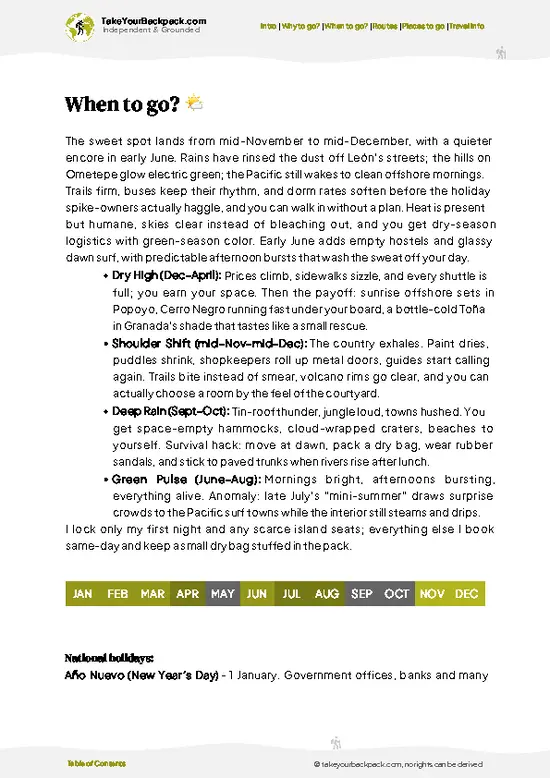
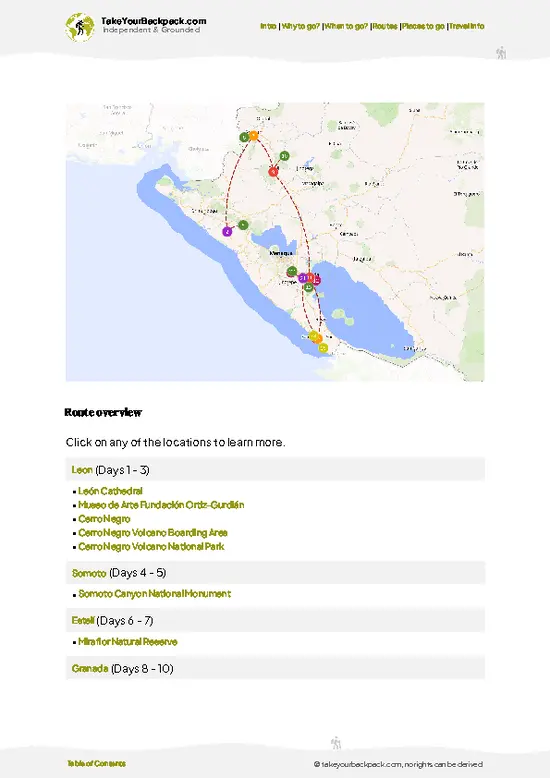
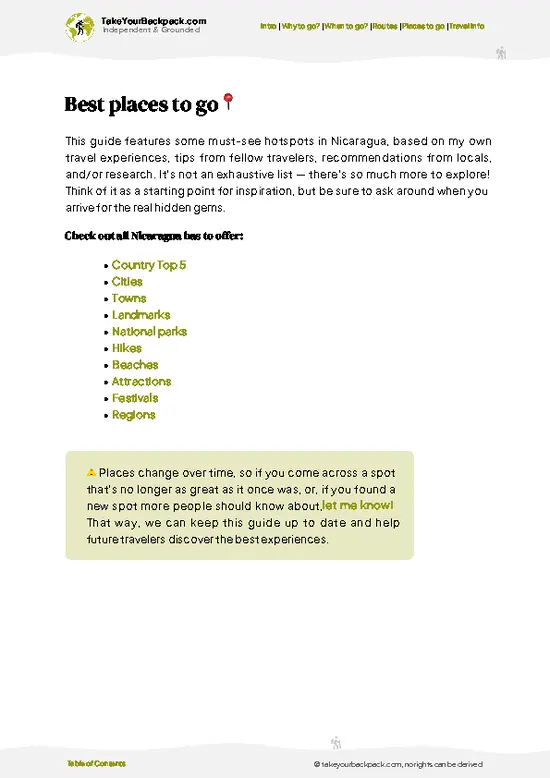
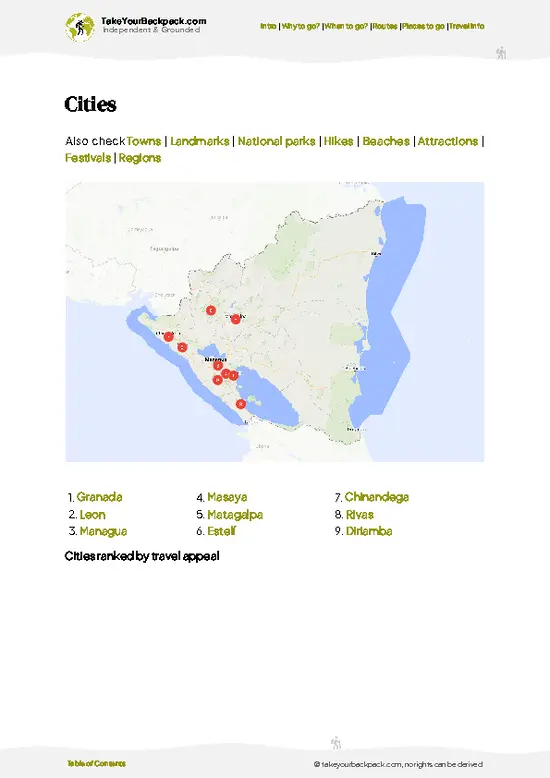
example page 0 from our offline Travel Guide for Nicaragua
example page 1 from our offline Travel Guide for Nicaragua
example page 2 from our offline Travel Guide for Nicaragua
example page 3 from our offline Travel Guide for Nicaragua
example page 4 from our offline Travel Guide for Nicaragua
example page 5 from our offline Travel Guide for Nicaragua
example page 6 from our offline Travel Guide for Nicaragua
example page 7 from our offline Travel Guide for Nicaragua
The digital guide (342 pages) contains:
86 highlights, ranked by travel appeal
Optimized 5, 10 & 15-day travel routes
Cities, national parks, landmarks, beaches
How to get around
Offline-friendly for travel without Wi-Fi
👉 Click to see all 30+ guide features

📅 Plan smarter in minutes, not weeks
Month by month travel advice
Festivals & national holidays
Budget expectations

🗺️ Go to the right places, skip the overrated ones
Honest pros & cons of destinations
Top hikes, parks & viewpoints
Lesser-known places most travelers miss
Clear “worth it vs skip it” guidance

🛏️ Travel smoothly without rookie mistakes
Best areas to stay
Transport systems explained simply
Common scams & safety advice
SIM cards, money & practical tips

🌍 Understand the country, not just visit it
Culture & traditions
52 Essential phrases & customs
Festivals worth planning around
Traveler-friendly historical context
Insights that make places more meaningful

📱 Built for real travel conditions
Fully downloadable PDF
Works completely offline
Optimized for phone use
Useful in remote areas & buses
Everything in one place
Save weeks of stressful planning
Get instant access to your full guide. 30‑day money-back guarantee.


By proceeding you agree to our terms.
Sent to your inbox immediately after payment • 100% Secure Checkout
Best Backpacking Travel Advisor 2025 tourism awardBest Backpacking
Travel Advisor
2025
What others say about Take Your Backpack Guides:
⭐⭐⭐⭐⭐
Fantastic, amazing amount of information!
⭐⭐⭐⭐⭐
My goodness this is amazing, it's what I've been looking for hats off too you!
⭐⭐⭐⭐⭐
I think this is absolutely BRILLIANT
⭐⭐⭐⭐
Very complete and informative. It's still missing places, but I gotta to commend you
⭐⭐⭐⭐⭐
This is truly amazing, thank you, can't wait to explore it with my kids!
⭐⭐⭐⭐⭐
Awesome resource, thank you!
⭐⭐⭐⭐⭐
This is amazing! Can't wait to explore the ones I haven't seen
⭐⭐⭐⭐
I love this! Well done, great idea.
⭐⭐⭐⭐⭐
Thanks for taking the time to make this gem!
⭐⭐⭐⭐⭐
This might be the best website I've ever seen.
⭐⭐⭐⭐⭐
Congratulations, and thank you so much for your work; it's incredibly valuable.
⭐⭐⭐⭐
In all seriousness I think you did a great job pointing out the important spots
⭐⭐⭐⭐⭐
10/10 very good
⭐⭐⭐⭐⭐
As someone who's only just starting to visit regularly this is awesome, thank you.
⭐⭐⭐⭐
Thank you very much! I'm going to visit my dad, it's going to be very useful!
⭐⭐⭐⭐⭐
This is really cool! We'll be travelling for the first time and this definitely come in handy.
⭐⭐⭐⭐⭐
You are now our minister of culture, congratulations 👨‍💼
⭐⭐⭐⭐⭐
Just wanted to tell you that this is a pearl! Going to follow your recommendations.
⭐⭐⭐⭐⭐
This is so cool. I'll definitely be using the resource for my travels soon.
⭐⭐⭐⭐⭐
This is very impressive! Good work.
⭐⭐⭐⭐⭐
This is an amazing and informative site. Very well done!

🛏️ Where to stay?How to pick the right area

If you’re chasing the Masaya Volcano Night Tour, brace yourself: this isn’t a quiet, off-the-beaten-path stroll. The volcano itself draws crowds, especially at night when the glowing lava pit steals the show. That means your base camp needs to be smart—safe, social, and budget-friendly, because you’ll want to decompress and swap stories after the adrenaline rush.

Forget trying to camp near the crater; it’s off-limits and risky. Instead, focus on the town of Masaya itself. It’s the logical hub—just a short ride from the park entrance. Here, you’ll find a cluster of budget spots where backpackers … read more 👉
If you’re chasing the Masaya Volcano Night Tour, brace yourself: this isn’t a quiet, off-the-beaten-path stroll. The volcano itself draws crowds, especially at night when the glowing lava pit steals the show. That means your base camp needs to be smart—safe, social, and budget-friendly, because you’ll want to decompress and swap stories after the adrenaline rush.

Forget trying to camp near the crater; it’s off-limits and risky. Instead, focus on the town of Masaya itself. It’s the logical hub—just a short ride from the park entrance. Here, you’ll find a cluster of budget spots where backpackers naturally gravitate. The vibe is relaxed but lively, with enough fellow travelers to spark connections without feeling like a party zone. Safety is decent if you stick to the main streets and avoid wandering after dark.

Another solid option is the nearby city of Granada, about 30 minutes away. It’s a backpacker magnet with a well-established social scene, plenty of affordable lodging, and reliable transport options to Masaya. Staying here means you get the best of both worlds: colonial charm and a launchpad for your volcano adventure. Plus, Granada’s nightlife and cafes offer a great way to wind down after the tour.

Bottom line: don’t expect solitude or luxury near Masaya Volcano. Instead, aim for practical, social bases in Masaya town or Granada. That’s where the real magic happens—connecting with fellow travelers and gearing up for one of Nicaragua’s most raw, elemental experiences.

👛 Costs (as of 27 August 2025)How expensive it really is

As of the most recent estimates, the Masaya Volcano Night Tour in Nicaragua ranges from €70 to €120 per person, depending on the tour operator and inclusions. For instance, Hacienda Puerta del Cielo offers a 4-hour tour for $79 per person in a group of three or more, which is approximately €70. Other operators provide tours priced between $40 and $90 per person, translating to approximately €35 to €80. These prices typically include transportation, entrance fees to the Masaya Volcano National Park, and a guided tour. Additional costs may apply for optional activities, meals, or souvenirs.

source: haciendapuertadelcielo.com
⚠️ Prices can change and everyone travels differently, so take this as a rough guide. Hope it helps you plan your adventure!

Other Nicaraguan attractions near Masaya Volcano Night Tour

Explore more nearby:


💡 Not sure where to go next?
Create a personalized itinerary for Nicaragua including Masaya Volcano Night Tour and the places that fit your trip.

Generate my itinerary

👉 Discover all attractions

Or checkout all Nicaragua has to offer (think cities, towns, villages, national parks, hikes, beaches, festivals)
Country photo of Nicaragua

We 💚 feedbackIs it worth it?

Masaya Volcano’s night tour isn’t a quiet stroll; it’s a crowd magnet, especially on weekends, so expect a bit of elbowing for the best view. But here’s the kicker: standing at the crater’s edge, watching molten lava glow like a living beast in the dark, is a raw, primal experience you won’t find in any postcard. It’s messy, loud, and a little smoky—but that’s exactly why it grabs you and doesn’t let go.

✈️ When did I visit Nicaragua?
Nicaragua I visited during my half year trip through South and Central America back in 2003

✍️ Help improve this page!
The information on this page is based on my own backpacking experience in Nicaragua, supplemented with up-to-date research and feedback from other travelers. Travel details can change, so if you notice anything outdated or incomplete, feel free to let me know.


🙋‍♂️ Give feedback

👋 Meet the founderWho’s Behind Take Your Backpack?

Johan, backpacker and founder of TakeYourBackpackHi, I’m Johan (Netherlands 🇳🇱), the creator of TakeYourBackpack. Over the past decade, I’ve backpacked through 80+ countries across six continents, gaining extensive experience with independent travel, long-term trips, and overland routes.

This site is built on a combination of firsthand travel experience and carefully curated insights from other backpackers. Many guides are based on places I’ve personally visited, while others bring together tips, observations, and practical advice shared by trusted travelers I’ve met along the way.

The goal is to provide realistic, experience-driven guidance — not generic itineraries — so you can explore destinations with better context, clearer expectations, and more confidence.

Get full Nicaragua guide •
Instant download • 86 highlights • Full Offline guide