×

Nicaragua🇳🇮 | townsPearl Lagooncoastal lagoon, Afro-descendant villages, boat access | things to do and best time to go

Explore Corn IslandExplore Somoto

Backpacking in Pearl Lagoon
🌟 Highlighttown ranked #9
By Johan Kruseman 🇳🇱 | Updated May 30, 2026

Your first real decision in Pearl Lagoon is whether to treat it as a slow, slightly scruffy base for the Caribbean coast or to just pass through on the way to the Corn Islands. That choice matters, because time here trades white-sand-postcard scenes for something quieter: wooden houses on stilts, kids fishing off rickety docks, humid air that smells like salt and woodsmoke. Pearl Lagoon sits on Nicaragua’s southern Caribbean coast, northeast of El Rama, in the South Caribbean Coast Autonomous Region. For backpackers, it’s more launchpad than headline act: boat trips into mangroves, visits to Creole and Miskito communities, and a cheaper, calmer alternative to Big Corn. It’s harder to reach than Granada or León, slower and more local than Bluefields, and the social scene is thin—expect a couple of basic guesthouses, cheap seafood plates, warm but reserved locals, and long, quiet evenings where you hear more frogs than fellow travelers.

Discover everything you want to know in the 📖 Nicaragua Travel Guide.
Loading the map 🌍
CLICK TO FILTER
cities
towns
landmarks
national parks
hikes
beaches
attractions
festivals
regions
SHOW COUNTRY’S BESTSHOW ALL

✨ Why go?
Ranked #9 town in Nicaragua
The unique appeal for travelers

Backpackers flock to Pearl Lagoon for its unique blend of convenience and authenticity. Nestled along the Caribbean coast, it serves as a perfect base for hikes to nearby nature reserves and beaches. The walkable streets invite exploration, with small-scale hostels and guesthouses offering a cozy, communal vibe. You’ll find local eateries where the scent of fresh seafood mingles with the aroma of coconut rice, making every meal a cultural experience.

Travelers often linger here for a few days, soaking in the friendly atmosphere and connecting with fellow adventurers. It’s a haven for slow travelers and solo explorers who appreciate a laid-back pace. While the nightlife isn’t booming, the evenings buzz with conversations among backpackers sharing stories and tips. This isn’t a place for the … read more 👉
Backpackers flock to Pearl Lagoon for its unique blend of convenience and authenticity. Nestled along the Caribbean coast, it serves as a perfect base for hikes to nearby nature reserves and beaches. The walkable streets invite exploration, with small-scale hostels and guesthouses offering a cozy, communal vibe. You’ll find local eateries where the scent of fresh seafood mingles with the aroma of coconut rice, making every meal a cultural experience.

Travelers often linger here for a few days, soaking in the friendly atmosphere and connecting with fellow adventurers. It’s a haven for slow travelers and solo explorers who appreciate a laid-back pace. While the nightlife isn’t booming, the evenings buzz with conversations among backpackers sharing stories and tips. This isn’t a place for the party-seeker; it’s for those who want to immerse themselves in the local rhythm and enjoy the natural beauty that surrounds them. If you’re looking for a genuine experience, Pearl Lagoon is a worthwhile stop on your journey.
Want to include Pearl Lagoon in your Nicaragua route?
Create a personalized Nicaragua itinerary that includes Pearl Lagoon and the places that fit your trip — based on your travel style, budget, and available time. Get your route in seconds.

Generate my trip

💡 HighlightsPlaces and moments you shouldn't skip

  1. Waterfront stilt-house neighborhood and wooden boardwalks — Walkable, colorful wooden houses on stilts and narrow boardwalks right over the lagoon give a real sense of daily life; great for photos, people-watching, and seeing how the town’s layout grew around water transport.
  2. Main pier and boat docks — The working pier is the town’s transport hub where local pangas and launches arrive and depart, and where you can watch fishermen, load onto boats for short trips, or hire a captain for nearby islands and mangrove tours.
  3. Central market (Mercado municipal) — A lively market where fish, coconut, root vegetables, spices and prepared Creole snacks are sold; a short visit shows local ingredients and is the best place to taste fresh, cheap seafood the way locals eat it.
  4. Local kitchens and Creole
read more 👉
  1. Waterfront stilt-house neighborhood and wooden boardwalks — Walkable, colorful wooden houses on stilts and narrow boardwalks right over the lagoon give a real sense of daily life; great for photos, people-watching, and seeing how the town’s layout grew around water transport.
  2. Main pier and boat docks — The working pier is the town’s transport hub where local pangas and launches arrive and depart, and where you can watch fishermen, load onto boats for short trips, or hire a captain for nearby islands and mangrove tours.
  3. Central market (Mercado municipal) — A lively market where fish, coconut, root vegetables, spices and prepared Creole snacks are sold; a short visit shows local ingredients and is the best place to taste fresh, cheap seafood the way locals eat it.
  4. Local kitchens and Creole eateries — Small family-run “comedores” serving coconut rice, rondon (seafood stew), fried fish and plantains; these places are where you’ll experience authentic Caribbean Creole cuisine and community hospitality.
  5. Mangrove edges and lagoonfront access points — Easily reachable from town, these mangrove fringes let you take short boat rides or kayak trips into the estuary to see birdlife, fishermen’s camps, and the water-based economy up close.
Nearby day-trip highlights include the Pearl Cays (offshore islands), the wider Pearl Lagoon mangrove and cay network, and the regional hub Bluefields — my personal favorite for a day trip is the Pearl Cays.
Spotted a mistake or missing something? Contact us.
🏘️ NeighborhoodsUnderstanding the local layout

Pearl Lagoon is a vibrant slice of Nicaragua that offers a unique blend of culture, nature, and community. Each neighborhood has its own character, making it essential to choose wisely based on your travel style.

Central Pearl Lagoon: This is the heart of the town, where you’ll find local markets and eateries. The vibe is lively, with the scent of fresh seafood wafting through the air. It’s walkable, making it easy to explore on foot. Nightlife is low-key, with a few bars that come alive after dark. Perfect for short stays, as you can soak up the local culture quickly.

La Isla: A bit quieter, La Isla offers a more laid-back atmosphere. It’s ideal for those seeking peace after a day of exploration. The area is slightly more expensive due to its proximity to the lagoon, but the views are worth … read more 👉
Pearl Lagoon is a vibrant slice of Nicaragua that offers a unique blend of culture, nature, and community. Each neighborhood has its own character, making it essential to choose wisely based on your travel style.

Central Pearl Lagoon: This is the heart of the town, where you’ll find local markets and eateries. The vibe is lively, with the scent of fresh seafood wafting through the air. It’s walkable, making it easy to explore on foot. Nightlife is low-key, with a few bars that come alive after dark. Perfect for short stays, as you can soak up the local culture quickly.

La Isla: A bit quieter, La Isla offers a more laid-back atmosphere. It’s ideal for those seeking peace after a day of exploration. The area is slightly more expensive due to its proximity to the lagoon, but the views are worth it. You can easily access boats for day trips. Great for longer stays if you want to unwind.

El Cocal: This neighborhood is a hidden treasure for budget travelers. The cost of living is lower, and you’ll find friendly locals eager to share stories. It’s less walkable, so renting a bike is a smart move. Nightlife is virtually non-existent, making it perfect for those who prefer tranquility. Ideal for longer stays, especially if you want to immerse yourself in local life.

Choose your base wisely, and you’ll unlock the true essence of Pearl Lagoon.

⌛️ 1 dayWhat you can realistically do in a day

Pearl Lagoon, Nicaragua, is a slice of coastal charm where the Caribbean meets a laid-back vibe. This town is a melting pot of cultures, with Afro-Caribbean roots that pulse through its streets. The scent of saltwater mingles with the aroma of fresh seafood, creating an inviting atmosphere that beckons you to explore.

Start your morning with a stroll along the waterfront. The sun rises slowly, casting a golden hue over the lagoon. Grab a breakfast of fried plantains and eggs at a local eatery like La Casa de la Abuela. The owner, a warm-hearted woman, often shares stories about the town’s history while you savor your meal.

After breakfast, head to the nearby community of San Juan de Nicaragua. It’s a short boat ride away, and the journey itself is a treat. The gentle sway of the boat and … read more 👉
Pearl Lagoon, Nicaragua, is a slice of coastal charm where the Caribbean meets a laid-back vibe. This town is a melting pot of cultures, with Afro-Caribbean roots that pulse through its streets. The scent of saltwater mingles with the aroma of fresh seafood, creating an inviting atmosphere that beckons you to explore.

Start your morning with a stroll along the waterfront. The sun rises slowly, casting a golden hue over the lagoon. Grab a breakfast of fried plantains and eggs at a local eatery like La Casa de la Abuela. The owner, a warm-hearted woman, often shares stories about the town’s history while you savor your meal.

After breakfast, head to the nearby community of San Juan de Nicaragua. It’s a short boat ride away, and the journey itself is a treat. The gentle sway of the boat and the sound of water lapping against the hull set the tone for a day of discovery. Once there, explore the vibrant local market. You’ll find handmade crafts and fresh produce, a perfect opportunity to engage with locals and pick up unique souvenirs.

In the afternoon, return to Pearl Lagoon and rent a kayak. Paddle through the mangroves, where the air is thick with the scent of earth and greenery. Keep an eye out for colorful birds flitting overhead. This is a quieter side of the lagoon, often overlooked by tourists, but it’s where the magic happens.

As evening approaches, unwind at the beach. The sunset paints the sky in shades of orange and pink, a breathtaking backdrop for your dinner at a beachfront restaurant. Enjoy grilled fish while listening to the sound of waves crashing.

Pearl Lagoon isn’t just a destination; it’s an experience that lingers long after you leave. Embrace the rhythm of the town, and you’ll find that every moment is a reward.
Turn your Pearl Lagoon visit into an Nicaragua adventure
Build a complete Nicaragua route with Pearl Lagoon, hidden gems, must-see destinations, and realistic travel times included.

Generate my trip

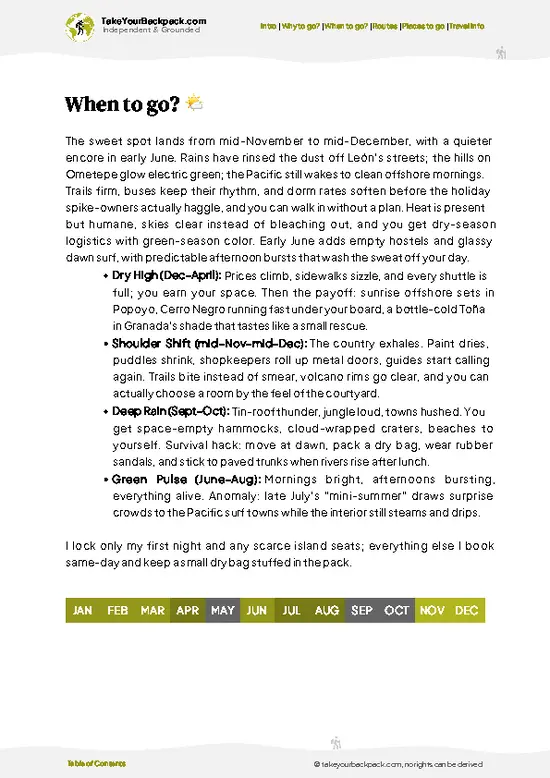
🌤️ When to go?When to go for the best experience


  • Topic: Weather – The dry season from November to April is your best bet. Expect warm, stable days around 28-32°C (82-90°F), perfect for exploring without the oppressive humidity and daily downpours that dominate the wet season.

  • Topic: Temperature – Nights cool down to a comfortable 22-24°C (72-75°F) during dry months, making sleeping in a hammock or under a mosquito net a breeze. The wet season can feel muggy, with temps sticking closer to 26-28°C (79-82°F) even after sunset.

  • Topic: Daylight Hours – Pearl Lagoon enjoys roughly 11-12 hours of daylight year-round, but the dry season’s clearer skies mean more consistent, bright mornings and longer evenings to soak in the lagoon’s calm waters.

  • Topic: Crowds – The dry season draws more travelers, but Pearl Lagoon remains low-key. You’ll
read more 👉

  • Topic: Weather – The dry season from November to April is your best bet. Expect warm, stable days around 28-32°C (82-90°F), perfect for exploring without the oppressive humidity and daily downpours that dominate the wet season.

  • Topic: Temperature – Nights cool down to a comfortable 22-24°C (72-75°F) during dry months, making sleeping in a hammock or under a mosquito net a breeze. The wet season can feel muggy, with temps sticking closer to 26-28°C (79-82°F) even after sunset.

  • Topic: Daylight Hours – Pearl Lagoon enjoys roughly 11-12 hours of daylight year-round, but the dry season’s clearer skies mean more consistent, bright mornings and longer evenings to soak in the lagoon’s calm waters.

  • Topic: Crowds – The dry season draws more travelers, but Pearl Lagoon remains low-key. You’ll find a handful of backpackers and locals, enough to share stories but not enough to crowd the vibe.

  • Topic: Seasonal Activities – Dry months open up boat tours, fishing trips, and jungle hikes without the risk of muddy trails or canceled trips. The wet season’s heavy rains can shut down these options, turning the area quiet and introspective.

  • Topic: Price Fluctuations – Expect slightly higher prices for lodging and tours during the dry season, but the trade-off is worth it. The wet season offers cheaper rates but comes with the risk of disrupted plans and less reliable transport.


Pro-tip: Aim for the shoulder months of November or April—fewer crowds, manageable rains, and better deals, all while catching the lagoon’s magic in transition.


source: climatestotravel.comJANJanuary: excellent for travelingFEBFebruary: excellent for travelingMARMarch: excellent for travelingAPRApril: highly recommended for travelingMAYMay: fair for travelingJUNJune: fair for travelingJULJuly: fair for travelingAUGAugust: fair for travelingSEPSeptember: fair for travelingOCTOctober: fair for travelingNOVNovember: highly recommended for travelingDECDecember: excellent for traveling
when-to-go

✈️ The backpacker research shortcutNicaragua Travel Guide

An offline-friendly backpacking guide with optimized travel routes, ranked highlights, transport advice, and the best areas to stay.
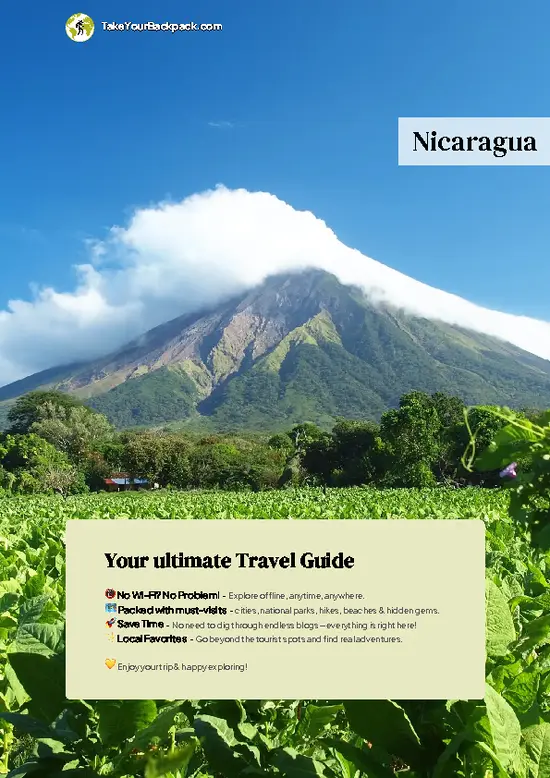
example page 0 from our offline Travel Guide for Nicaragua
example page 1 from our offline Travel Guide for Nicaragua
example page 2 from our offline Travel Guide for Nicaragua
example page 3 from our offline Travel Guide for Nicaragua
example page 4 from our offline Travel Guide for Nicaragua
example page 5 from our offline Travel Guide for Nicaragua
example page 6 from our offline Travel Guide for Nicaragua
example page 7 from our offline Travel Guide for Nicaragua
The digital guide (342 pages) contains:
86 highlights, ranked by travel appeal
Optimized 5, 10 & 15-day travel routes
Cities, national parks, landmarks, beaches
How to get around
Offline-friendly for travel without Wi-Fi
👉 Click to see all 30+ guide features

📅 Plan smarter in minutes, not weeks
Month by month travel advice
Festivals & national holidays
Budget expectations

🗺️ Go to the right places, skip the overrated ones
Honest pros & cons of destinations
Top hikes, parks & viewpoints
Lesser-known places most travelers miss
Clear “worth it vs skip it” guidance

🛏️ Travel smoothly without rookie mistakes
Best areas to stay
Transport systems explained simply
Common scams & safety advice
SIM cards, money & practical tips

🌍 Understand the country, not just visit it
Culture & traditions
52 Essential phrases & customs
Festivals worth planning around
Traveler-friendly historical context
Insights that make places more meaningful

📱 Built for real travel conditions
Fully downloadable PDF
Works completely offline
Optimized for phone use
Useful in remote areas & buses
Everything in one place
Save weeks of stressful planning
Get instant access to your full guide. 30‑day money-back guarantee.


By proceeding you agree to our terms.
Sent to your inbox immediately after payment • 100% Secure Checkout
Best Backpacking Travel Advisor 2025 tourism awardBest Backpacking
Travel Advisor
2025
What others say about Take Your Backpack Guides:
⭐⭐⭐⭐⭐
Fantastic, amazing amount of information!
⭐⭐⭐⭐⭐
My goodness this is amazing, it's what I've been looking for hats off too you!
⭐⭐⭐⭐⭐
I think this is absolutely BRILLIANT
⭐⭐⭐⭐
Very complete and informative. It's still missing places, but I gotta to commend you
⭐⭐⭐⭐⭐
This is truly amazing, thank you, can't wait to explore it with my kids!
⭐⭐⭐⭐⭐
Awesome resource, thank you!
⭐⭐⭐⭐⭐
This is amazing! Can't wait to explore the ones I haven't seen
⭐⭐⭐⭐
I love this! Well done, great idea.
⭐⭐⭐⭐⭐
Thanks for taking the time to make this gem!
⭐⭐⭐⭐⭐
This might be the best website I've ever seen.
⭐⭐⭐⭐⭐
Congratulations, and thank you so much for your work; it's incredibly valuable.
⭐⭐⭐⭐
In all seriousness I think you did a great job pointing out the important spots
⭐⭐⭐⭐⭐
10/10 very good
⭐⭐⭐⭐⭐
As someone who's only just starting to visit regularly this is awesome, thank you.
⭐⭐⭐⭐
Thank you very much! I'm going to visit my dad, it's going to be very useful!
⭐⭐⭐⭐⭐
This is really cool! We'll be travelling for the first time and this definitely come in handy.
⭐⭐⭐⭐⭐
You are now our minister of culture, congratulations 👨‍💼
⭐⭐⭐⭐⭐
Just wanted to tell you that this is a pearl! Going to follow your recommendations.
⭐⭐⭐⭐⭐
This is so cool. I'll definitely be using the resource for my travels soon.
⭐⭐⭐⭐⭐
This is very impressive! Good work.
⭐⭐⭐⭐⭐
This is an amazing and informative site. Very well done!

🛏️ Where to stay?Where staying makes the most sense

Pearl Lagoon’s town center is the undeniable hub for backpackers chasing connection without the fuss. The streets here pulse with local life—vendors calling out, the scent of fresh seafood mingling with salty lagoon air. It’s compact, so you’re never far from a communal spot where travelers swap stories over cheap beers. Safety feels tangible; locals know the regulars, and the vibe is relaxed but watchful. Hostels cluster around this core, offering dorm beds that double as social hubs. You’ll find it easy to strike up conversations here, especially as the sun dips and the town softens into warm, … read more 👉
Pearl Lagoon’s town center is the undeniable hub for backpackers chasing connection without the fuss. The streets here pulse with local life—vendors calling out, the scent of fresh seafood mingling with salty lagoon air. It’s compact, so you’re never far from a communal spot where travelers swap stories over cheap beers. Safety feels tangible; locals know the regulars, and the vibe is relaxed but watchful. Hostels cluster around this core, offering dorm beds that double as social hubs. You’ll find it easy to strike up conversations here, especially as the sun dips and the town softens into warm, golden light.

Step outside this zone, and the town spreads into quieter, more residential neighborhoods. These areas are safer but lack the buzz backpackers crave. You’ll miss the spontaneous invites and the easy access to local eateries and boat tours. Staying in the center means embracing the sensory rhythm of Pearl Lagoon—the chatter, the smells, the warm humidity—making your stay feel like part of the town’s heartbeat, not just a pit stop.

🚌 Getting aroundGetting around like a local

Pearl Lagoon moves at its own rhythm—more like a slow, deliberate breath than a frantic pulse. The air carries a salty tang from the Caribbean, mingled with the earthy scent of mangroves and the occasional waft of fried plantains from a street vendor. Time here isn’t measured by clocks but by the sun’s position and the tide’s ebb. You won’t find rigid schedules or punctual buses; instead, expect a fluid, sometimes chaotic flow where intuition and local cues guide your moves. This isn’t a place to rush but to sync with, where patience unlocks the charm beneath the laid-back surface.


  • Walking: Pearl Lagoon’s compact size makes walking the most straightforward way to get around. The streets are unpaved and can get muddy after rain, so sturdy shoes are a must. Walking lets you soak in the vibrant
read more 👉
Pearl Lagoon moves at its own rhythm—more like a slow, deliberate breath than a frantic pulse. The air carries a salty tang from the Caribbean, mingled with the earthy scent of mangroves and the occasional waft of fried plantains from a street vendor. Time here isn’t measured by clocks but by the sun’s position and the tide’s ebb. You won’t find rigid schedules or punctual buses; instead, expect a fluid, sometimes chaotic flow where intuition and local cues guide your moves. This isn’t a place to rush but to sync with, where patience unlocks the charm beneath the laid-back surface.


  • Walking: Pearl Lagoon’s compact size makes walking the most straightforward way to get around. The streets are unpaved and can get muddy after rain, so sturdy shoes are a must. Walking lets you soak in the vibrant street life, from fishermen mending nets to children playing soccer in dusty clearings.


  • Local Panga Boats: These small motorized boats are the lifeblood of transit between Pearl Lagoon and nearby coastal communities. They don’t run on a strict timetable—boats leave when full or when the tide is right. Fares are cheap, often under $2, but expect a bumpy ride over choppy water. Bring a waterproof bag and hold on tight.


  • Shared Taxis: Shared taxis operate on a semi-flexible schedule, usually starting around 6 a.m. and running until dusk. They’re the fastest land option for reaching nearby towns but can be cramped and hot, with fares around $3-$5 depending on distance. Negotiating the price upfront is smart, especially if you’re carrying gear.


  • Bicycle Rentals: For the adventurous, renting a bike offers freedom to explore beyond the town center. The terrain is mostly flat but can be rough, so a mountain or hybrid bike is best. Rentals cost about $5-$7 per day. Early morning rides are ideal to avoid midday heat and catch the soft golden light filtering through palm fronds.

👛 Costs (as of 9 September 2025)What things cost and how to budget

Backpacking in Pearl Lagoon, Nicaragua, offers a raw, coastal vibe where your money stretches but the pace slows. Here’s what you’re realistically looking at day-to-day.
  • Dorm Accommodation: Expect to pay around $8 to $15 per night for a basic dorm bed. The options are limited and rustic, often with shared bathrooms and mosquito nets, but the ocean breeze and simple charm make up for the barebones setup.
  • Meals: Local eateries serve up hearty plates for $3 to $6. Think fresh seafood, rice, beans, and tropical fruits. Street food snacks like fried plantains or empanadas hover around $1 to $2, perfect for quick bites between adventures.
  • Local Transport: Getting around is mostly by moto-taxi or small boats. Moto rides cost about $1 to $3 depending on distance, while boat trips to nearby islands
read more 👉
Backpacking in Pearl Lagoon, Nicaragua, offers a raw, coastal vibe where your money stretches but the pace slows. Here’s what you’re realistically looking at day-to-day.
  • Dorm Accommodation: Expect to pay around $8 to $15 per night for a basic dorm bed. The options are limited and rustic, often with shared bathrooms and mosquito nets, but the ocean breeze and simple charm make up for the barebones setup.
  • Meals: Local eateries serve up hearty plates for $3 to $6. Think fresh seafood, rice, beans, and tropical fruits. Street food snacks like fried plantains or empanadas hover around $1 to $2, perfect for quick bites between adventures.
  • Local Transport: Getting around is mostly by moto-taxi or small boats. Moto rides cost about $1 to $3 depending on distance, while boat trips to nearby islands or communities run $5 to $10. The slow, open-air rides let you soak in the salty air and lush greenery.
  • Basic Activities/Entry Fees: Most natural attractions like beaches and lagoons are free or ask for a small donation ($1 to $3). Guided tours or boat excursions to wildlife spots might cost $10 to $20, which is worth it for the insider access and local knowledge.
  • Miscellaneous Expenses: Budget $2 to $5 for essentials like bottled water, snacks, or occasional internet access. Keep cash handy since card payments are rare, and small shops often don’t give change for large bills.

All told, you’re looking at roughly $20 to $40 per day to cover the basics without skimping on the experience. Pearl Lagoon’s charm is in its simplicity—embracing the slower rhythm here means your budget goes further, and every dollar feels like a step deeper into the local way of life.


source: visitnicaragua.us
⚠️ Prices can change and everyone travels differently, so take this as a rough guide. Hope it helps you plan your adventure!

🚌 Day tripsShort trips worth adding

Pearl Lagoon is your launchpad for exploring Nicaragua’s wild beauty, with day trips that pack a punch. Each adventure reveals the region’s character, from lush landscapes to vibrant cultures. Here’s how to make the most of your time.

Isla de Ometepe
A ferry ride from San Jorge takes you to this volcanic island, where two towering peaks rise from Lake Nicaragua. Spend the day hiking trails that lead to cascading waterfalls or ancient petroglyphs. The journey takes about an hour, and you’ll want to budget around $15 for the ferry and entrance fees. The best time to visit is during the dry season, from November to April. A common rookie mistake? Underestimating the hike’s difficulty. Bring plenty of water and snacks to keep your energy up.


Rio San Juan
This river is a natural wonder, … read more 👉
Pearl Lagoon is your launchpad for exploring Nicaragua’s wild beauty, with day trips that pack a punch. Each adventure reveals the region’s character, from lush landscapes to vibrant cultures. Here’s how to make the most of your time.

Isla de Ometepe
A ferry ride from San Jorge takes you to this volcanic island, where two towering peaks rise from Lake Nicaragua. Spend the day hiking trails that lead to cascading waterfalls or ancient petroglyphs. The journey takes about an hour, and you’ll want to budget around $15 for the ferry and entrance fees. The best time to visit is during the dry season, from November to April. A common rookie mistake? Underestimating the hike’s difficulty. Bring plenty of water and snacks to keep your energy up.


Rio San Juan
This river is a natural wonder, winding through lush rainforests teeming with wildlife. A boat tour from San Carlos to El Castillo offers glimpses of monkeys, caimans, and colorful birds. The trip takes about two hours each way, costing around $25 for the boat and park fees. Aim for the early morning to catch the wildlife at its most active. Many first-timers miss the chance to swim in the river; don’t forget your swimsuit for a refreshing dip!


Little Corn Island
Catch a boat from Big Corn Island to this slice of paradise. The turquoise waters and white sandy beaches are perfect for snorkeling or simply soaking up the sun. The boat ride takes about 30 minutes and will set you back around $20. Go during the dry season for the best weather. A common oversight is not bringing enough cash; there are limited ATMs on the island.


Masaya Volcano National Park
Just a couple of hours from Pearl Lagoon, this park offers a chance to peer into an active volcano. The entrance fee is about $10, and the views from the lookout point are breathtaking, especially at sunset. Plan your visit in the late afternoon to avoid the heat. Many travelers skip the guided tour, but having a local guide can enrich your experience with fascinating stories about the volcano’s history.
👉 Explore Masaya Volcano National Park
Want to know what more Nicaragua offers?
The Nicaragua Travel Guide describes 86 highlights, from cities to national parks, from beaches to hikes

Get the Travel Guide -

🛡️ SafetyTraveler Safety Guide

In Pearl Lagoon, safety is generally a non-issue, but a little awareness goes a long way. Stick to well-lit areas after dark, especially if you’re solo. The streets can feel quiet, and while that’s part of the charm, it’s wise to keep your wits about you.

Watch for the occasional overzealous vendor; they might try to upsell you on tours or souvenirs. A friendly smile and a firm “no, gracias” usually do the trick.

When it comes to transportation, be cautious with unmarked taxis. Opt for ones that are clearly identified, or better yet, ask your accommodation to arrange a ride.

Overall, the vibe here is laid-back, and most locals are welcoming. Just keep your belongings secure and trust your instincts. Enjoy the rhythm of the town, and let the experience unfold.

Other Nicaraguan towns near Pearl Lagoon

Explore more nearby:

  • Bluefields—Caribbean port, Creole culture, river access| 38 km away
  • El Rama—river port, jungle transit, cargo boats| 62 km away
  • Corn Island—Caribbean beaches, diving reefs, Creole culture| 71 km away

💡 Not sure where to go next?
Create a personalized itinerary for Nicaragua including Pearl Lagoon and the places that fit your trip.

Generate my itinerary

👉 Discover all towns

Or checkout all Nicaragua has to offer (think cities, towns, villages, national parks, hikes, beaches, festivals)
Country photo of Nicaragua

We 💚 feedbackWhat to keep in mind

Pearl Lagoon is a slice of paradise where the air is thick with the scent of salt and fresh fish, and the sunsets paint the sky in fiery hues. You’ll feel the rhythm of local life as you sip coconut water on the shore. But be ready for the reality: infrastructure can be rough, and transport options are limited. Embrace the slower pace, and you’ll find the charm that makes every moment worthwhile.

✈️ When did I visit Nicaragua?
Nicaragua I visited during my half year trip through South and Central America back in 2003

✍️ Help improve this page!
The information on this page is based on my own backpacking experience in Nicaragua, supplemented with up-to-date research and feedback from other travelers. Travel details can change, so if you notice anything outdated or incomplete, feel free to let me know.


🙋‍♂️ Give feedback

👋 Meet the founderWho’s Behind Take Your Backpack?

Johan, backpacker and founder of TakeYourBackpackHi, I’m Johan (Netherlands 🇳🇱), the creator of TakeYourBackpack. Over the past decade, I’ve backpacked through 80+ countries across six continents, gaining extensive experience with independent travel, long-term trips, and overland routes.

This site is built on a combination of firsthand travel experience and carefully curated insights from other backpackers. Many guides are based on places I’ve personally visited, while others bring together tips, observations, and practical advice shared by trusted travelers I’ve met along the way.

The goal is to provide realistic, experience-driven guidance — not generic itineraries — so you can explore destinations with better context, clearer expectations, and more confidence.

Get full Nicaragua guide •
Instant download • 86 highlights • Full Offline guide