v2.webp)




The Kofar Mata Dye Pits
Forget the walls for a second—this is the living, breathing heart of Kano’s ancient craft scene. The dye pits have been in continuous use since the 15th century, and you’ll see men up to their elbows in indigo, working the same way their ancestors did. It’s not a sanitized museum piece; it’s a riot of color, sweat, and the sharp, earthy smell of fermented dye. Skip the Instagram pose and actually talk to the dyers. They’ll show you how a plain white cloth becomes a work of art, and you’ll walk away with hands stained blue and a story that’s impossible to fake.
Kofar Kabuga Gate
Most people snap a photo and move on, but this gate is the real deal—massive, battered, and still standing after centuries of invasions and trade caravans. The scale is humbling. You can run … read more 👉
Forget the walls for a second—this is the living, breathing heart of Kano’s ancient craft scene. The dye pits have been in continuous use since the 15th century, and you’ll see men up to their elbows in indigo, working the same way their ancestors did. It’s not a sanitized museum piece; it’s a riot of color, sweat, and the sharp, earthy smell of fermented dye. Skip the Instagram pose and actually talk to the dyers. They’ll show you how a plain white cloth becomes a work of art, and you’ll walk away with hands stained blue and a story that’s impossible to fake.
Kofar Kabuga Gate
Most people snap a photo and move on, but this gate is the real deal—massive, battered, and still standing after centuries of invasions and trade caravans. The scale is humbling. You can run … read more 👉
The Kofar Mata Dye Pits
Forget the walls for a second—this is the living, breathing heart of Kano’s ancient craft scene. The dye pits have been in continuous use since the 15th century, and you’ll see men up to their elbows in indigo, working the same way their ancestors did. It’s not a sanitized museum piece; it’s a riot of color, sweat, and the sharp, earthy smell of fermented dye. Skip the Instagram pose and actually talk to the dyers. They’ll show you how a plain white cloth becomes a work of art, and you’ll walk away with hands stained blue and a story that’s impossible to fake.
Kofar Kabuga Gate
Most people snap a photo and move on, but this gate is the real deal—massive, battered, and still standing after centuries of invasions and trade caravans. The scale is humbling. You can run your hand along the sun-baked mudbrick and feel the grooves worn by generations. This isn’t a Disney-fied reconstruction; it’s the original, patched and weathered, with bullet scars from colonial skirmishes if you look closely. Stand here at sunset and you’ll understand why Kano was once the nerve center of West African commerce.
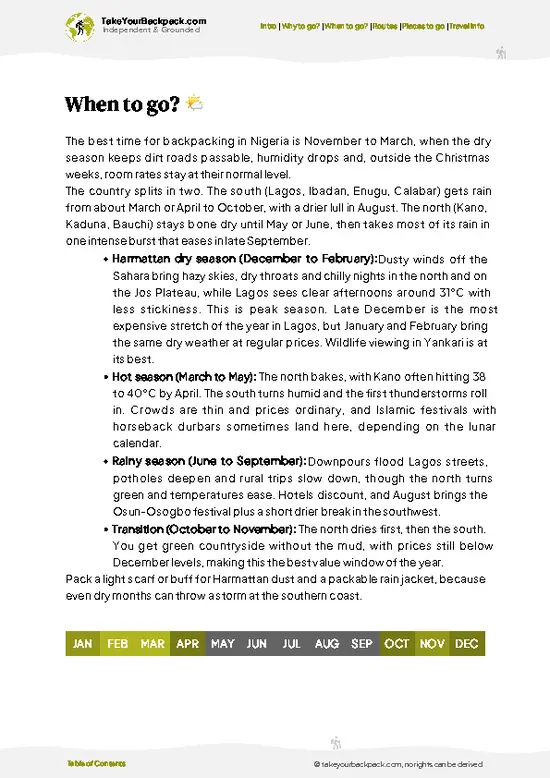
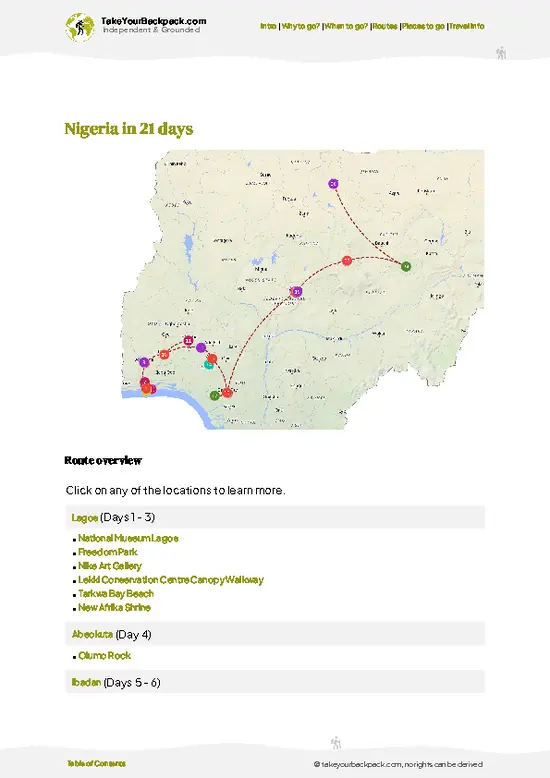
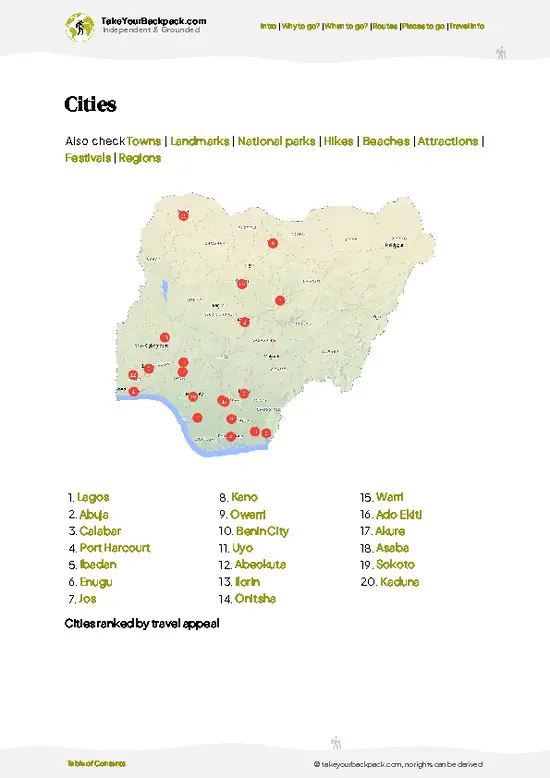
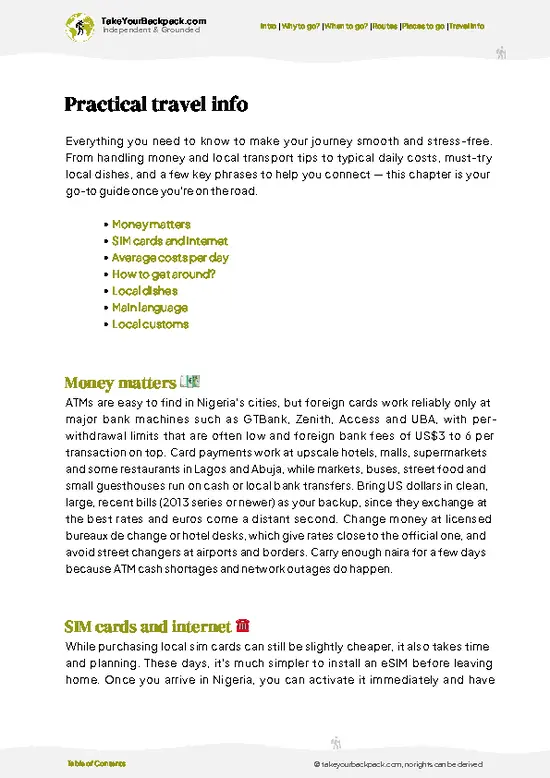
The Ancient City Walls (Best Preserved Sections)
Let’s be honest: much of the wall is crumbling, and some stretches are lost to urban sprawl. But the surviving segments—especially near Kofar Nassarawa and Kofar Dan Agundi—are jaw-dropping in their sheer scale. These aren’t decorative garden walls; they’re 30 to 50 feet high in places, thick enough to walk on, and built entirely from mud and laterite. Climb up (if you can find a local guide who knows the safe spots) and you’ll get a sweeping view of old Kano, with its maze of alleys and the call to prayer echoing over the rooftops. It’s a time machine, minus the tourist crowds.
Kurmi Market
You want chaos? You’ll get it here. Kurmi Market is one of Africa’s oldest markets, and it’s still a sensory overload: goats, spices, leatherwork, and a thousand voices haggling at once. The market sprawls right up against the old city walls, and you can see how trade shaped every brick of Kano’s defenses. Don’t expect curated souvenirs—this is where locals actually shop, and you’ll find everything from hand-forged knives to ancient coins if you know where to look. It’s gritty, loud, and absolutely electric.
Emir’s Palace (Gidan Rumfa)
You can’t always get inside, but even from the outside, the Emir’s Palace is a showstopper. Built in the 15th century, it’s a labyrinth of courtyards, carved doors, and faded murals. The palace is still in use, so you might catch a glimpse of royal guards in traditional regalia or a procession if you time it right. The real magic is the sense of continuity—you’re standing where sultans, scholars, and traders have gathered for centuries, and the walls are thick with stories. This isn’t a relic; it’s a living seat of power.
Forget the walls for a second—this is the living, breathing heart of Kano’s ancient craft scene. The dye pits have been in continuous use since the 15th century, and you’ll see men up to their elbows in indigo, working the same way their ancestors did. It’s not a sanitized museum piece; it’s a riot of color, sweat, and the sharp, earthy smell of fermented dye. Skip the Instagram pose and actually talk to the dyers. They’ll show you how a plain white cloth becomes a work of art, and you’ll walk away with hands stained blue and a story that’s impossible to fake.
Kofar Kabuga Gate
Most people snap a photo and move on, but this gate is the real deal—massive, battered, and still standing after centuries of invasions and trade caravans. The scale is humbling. You can run your hand along the sun-baked mudbrick and feel the grooves worn by generations. This isn’t a Disney-fied reconstruction; it’s the original, patched and weathered, with bullet scars from colonial skirmishes if you look closely. Stand here at sunset and you’ll understand why Kano was once the nerve center of West African commerce.
The Ancient City Walls (Best Preserved Sections)
Let’s be honest: much of the wall is crumbling, and some stretches are lost to urban sprawl. But the surviving segments—especially near Kofar Nassarawa and Kofar Dan Agundi—are jaw-dropping in their sheer scale. These aren’t decorative garden walls; they’re 30 to 50 feet high in places, thick enough to walk on, and built entirely from mud and laterite. Climb up (if you can find a local guide who knows the safe spots) and you’ll get a sweeping view of old Kano, with its maze of alleys and the call to prayer echoing over the rooftops. It’s a time machine, minus the tourist crowds.
Kurmi Market
You want chaos? You’ll get it here. Kurmi Market is one of Africa’s oldest markets, and it’s still a sensory overload: goats, spices, leatherwork, and a thousand voices haggling at once. The market sprawls right up against the old city walls, and you can see how trade shaped every brick of Kano’s defenses. Don’t expect curated souvenirs—this is where locals actually shop, and you’ll find everything from hand-forged knives to ancient coins if you know where to look. It’s gritty, loud, and absolutely electric.
Emir’s Palace (Gidan Rumfa)
You can’t always get inside, but even from the outside, the Emir’s Palace is a showstopper. Built in the 15th century, it’s a labyrinth of courtyards, carved doors, and faded murals. The palace is still in use, so you might catch a glimpse of royal guards in traditional regalia or a procession if you time it right. The real magic is the sense of continuity—you’re standing where sultans, scholars, and traders have gathered for centuries, and the walls are thick with stories. This isn’t a relic; it’s a living seat of power.
Spotted a mistake or missing something? Contact us.

 Best Backpacking
.jpg) Hi, I’m Johan (Netherlands 🇳🇱), the creator of TakeYourBackpack. Over the past 3 decades, I’ve backpacked through 90+ countries across six continents, gaining extensive experience with independent travel, long-term trips, and overland routes.
Hi, I’m Johan (Netherlands 🇳🇱), the creator of TakeYourBackpack. Over the past 3 decades, I’ve backpacked through 90+ countries across six continents, gaining extensive experience with independent travel, long-term trips, and overland routes.