×

Nigeria🇳🇬 | festivalsOfala FestivalIgwe coronation, royal regalia, Anambra gathering | things to do and best time to go

Explore Sango FestivalExplore Ojude Oba Festival

Backpacking in Ofala
🌟 Highlightfestival ranked #6
By Johan Kruseman 🇳🇱 | Updated June 3, 2026

Forget the travel-brochure myth: Ofala Festival isn’t some sanitized, tourist-friendly parade where you just snap photos and move on. It’s a living, breathing tradition in Onitsha, southeastern Nigeria—raw, rhythmic, and unapologetically local. For backpackers, Ofala is a full-body plunge into Igbo culture, not a spectator sport. The air thrums with pounding drums, brass bands, and the hypnotic cadence of traditional Igbo chants. The crowd? Locals in vibrant regalia, families, chiefs, and a handful of outsiders who know how to blend in and respect the moment. The festival usually runs two days, but the energy spikes and dips unpredictably, so you’ll want stamina and curiosity in equal measure. If you crave authenticity over comfort and want to witness a king’s annual emergence—this is the real deal. Just don’t expect hand-holding or English-language explanations.

Discover everything you want to know in the 📖 Nigeria Travel Guide.
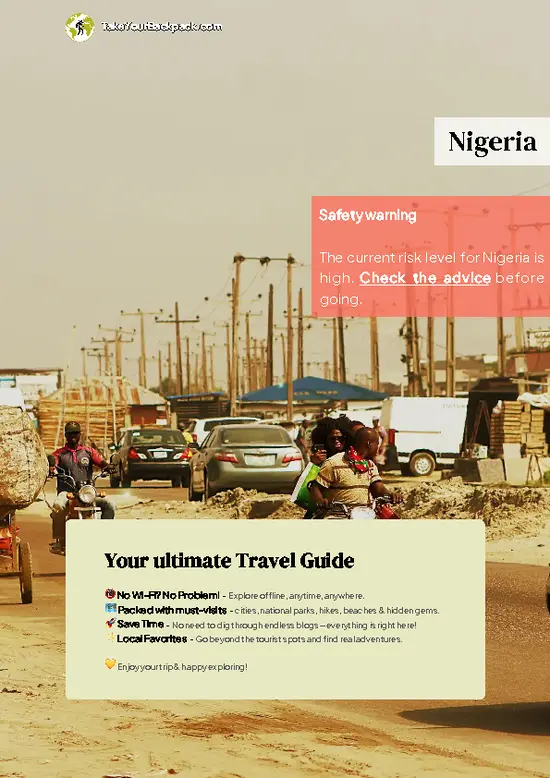
Safety warning

The current risk level for Nigeria is high. Check the advice before going.


Get your Nigeria guide
89 ranked highlights, routes & tips, works offline (332 pages)
Loading the map 🌍
CLICK TO FILTER
cities
towns
landmarks
national parks
hikes
beaches
attractions
festivals
regions
SHOW COUNTRY’S BESTSHOW ALL

✨ Why go?
Ranked #6 festival in Nigeria
Reasons people choose to celebrate the here

Backpackers plan their routes around the Ofala Festival in Nigeria for a reason. This event is a cultural explosion, where the air buzzes with social energy and the streets pulse with life. It’s a chance to dive into a temporary community, connecting with locals and fellow travelers alike. The festival offers affordability compared to similar events worldwide, making it a smart choice for budget-conscious adventurers. Plus, it seamlessly fits into longer travel plans, serving as a vibrant pit stop that enriches the journey. Embracing this festival means not just witnessing culture but living it, fueling your spirit for the adventures that lie ahead.
Want to include Ofala Festival in your Nigeria route?
Create a personalized Nigeria itinerary that includes Ofala Festival and the places that fit your trip — based on your travel style, budget, and available time. Get your route in seconds.

Generate my trip

💡 HighlightsWhat this place is best known for

  1. The Obi’s Grand Outing: The heartbeat of Ofala — the monarch appears in full regalia, steps out of the palace and greets his people. It’s not just a photo op; the way the crowd parts, the ceremonial fans and crimson robes, and the slow, deliberate protocol give you a feel for living royalty that you rarely see up close.
  2. Homage, Blessings and Gift-Giving: Locals come to pay respects, present gifts and receive the monarch’s blessing. The formal routines — prostrations, the presentation of items, elders’ speeches — are a rich window into community hierarchy and values, and they’re deeply personal: it’s about relationships, not spectacle.
  3. Drums, Dance Crews and Masquerades (Mmanwu): Expect thunderous drumming, call-and-response songs, acrobatic dancers, and masked figures that move like they
read more 👉
  1. The Obi’s Grand Outing: The heartbeat of Ofala — the monarch appears in full regalia, steps out of the palace and greets his people. It’s not just a photo op; the way the crowd parts, the ceremonial fans and crimson robes, and the slow, deliberate protocol give you a feel for living royalty that you rarely see up close.
  2. Homage, Blessings and Gift-Giving: Locals come to pay respects, present gifts and receive the monarch’s blessing. The formal routines — prostrations, the presentation of items, elders’ speeches — are a rich window into community hierarchy and values, and they’re deeply personal: it’s about relationships, not spectacle.
  3. Drums, Dance Crews and Masquerades (Mmanwu): Expect thunderous drumming, call-and-response songs, acrobatic dancers, and masked figures that move like they own the place. The rhythms and choreography aren’t background music — they carry stories and signals, and the energy is contagious whether you’re a local or a curious traveler.
  4. Colorful Pageantry of Chiefs and Titleholders: Titled men and chiefs parade in beadwork, umbrellas, staffs and canopies — each item tells a story about rank and lineage. That visual richness, the etiquette around who stands where, and the slow, dignified procession make the whole event feel like a living museum of tradition.
  5. Street Life, Food and Reunion Vibes: Off the palace grounds the festival spills into markets, food stalls and pop-up parties. Families reunite, old friends catch up, and you’ll find the best jollof, suya and palm-wine stalls — plus the kind of warm local banter that turns a cultural event into a full-on community hangout.
Spotted a mistake or missing something? Contact us.
🌤️ When to go?When is the celebration of Ofala Festival?


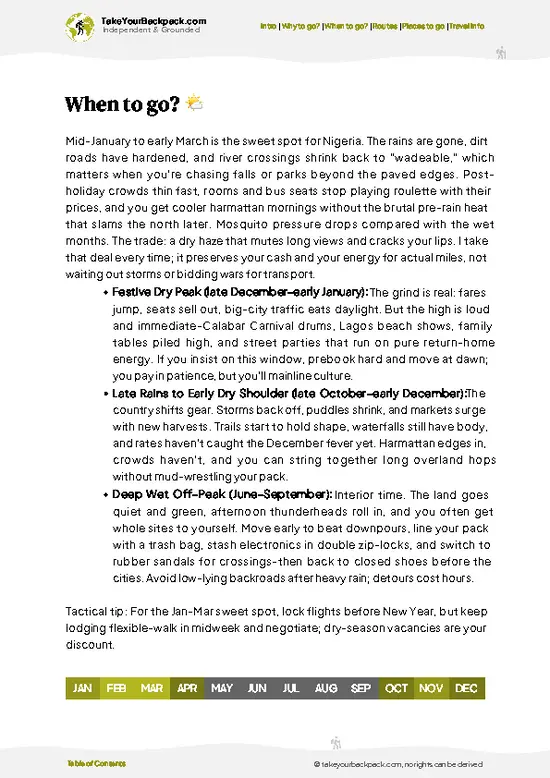
  • Topic: Weather – The Ofala Festival falls during the dry season, typically between October and December. Expect clear skies and low humidity, which means less sweat and more stamina for all-day celebrations.

  • Topic: Temperature – Daytime highs hover around 28-32°C (82-90°F), cooling off to 22-24°C (72-75°F) at night. This range keeps you comfortable without the oppressive heat that can drain your energy fast.

  • Topic: Daylight Hours – Nigeria offers roughly 11-12 hours of daylight during this period, giving you plenty of time to soak in the festival’s vibrant rituals and street scenes without rushing.

  • Topic: Crowds – The festival draws locals and tourists alike, but it’s not a crush-fest. Arriving early in the season means fewer tourists, letting you experience the event with more breathing
read more 👉

  • Topic: Weather – The Ofala Festival falls during the dry season, typically between October and December. Expect clear skies and low humidity, which means less sweat and more stamina for all-day celebrations.

  • Topic: Temperature – Daytime highs hover around 28-32°C (82-90°F), cooling off to 22-24°C (72-75°F) at night. This range keeps you comfortable without the oppressive heat that can drain your energy fast.

  • Topic: Daylight Hours – Nigeria offers roughly 11-12 hours of daylight during this period, giving you plenty of time to soak in the festival’s vibrant rituals and street scenes without rushing.

  • Topic: Crowds – The festival draws locals and tourists alike, but it’s not a crush-fest. Arriving early in the season means fewer tourists, letting you experience the event with more breathing room and authentic interactions.

  • Topic: Seasonal Activities – This is harvest time, so you’ll catch fresh local produce and traditional foods at their peak. The energy of celebration is tied to gratitude and abundance, adding depth to your experience.

  • Topic: Price Fluctuations – Prices for accommodation and transport spike during the festival’s peak days. Booking early or aiming for dates just before or after the main event can save you serious cash without missing the core festivities.


Pro-tip: Time your visit for early in the festival window to dodge the biggest crowds and highest prices, while still catching the full cultural pulse.


source: climatestotravel.comJANJanuary: not recommended for travelingFEBFebruary: not recommended for travelingMARMarch: not recommended for travelingAPRApril: not recommended for travelingMAYMay: not recommended for travelingJUNJune: not recommended for travelingJULJuly: not recommended for travelingAUGAugust: not recommended for travelingSEPSeptember: not recommended for travelingOCTOctober: excellent for travelingNOVNovember: not recommended for travelingDECDecember: not recommended for traveling

✈️ The backpacker research shortcutNigeria Travel Guide

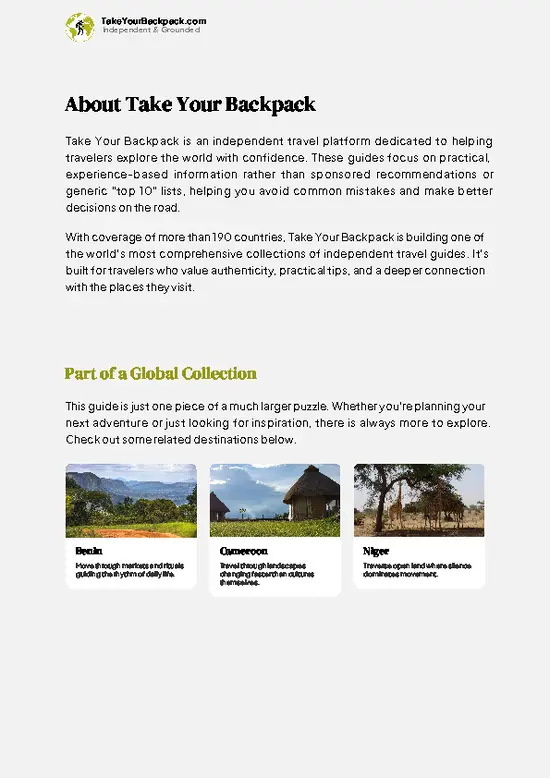
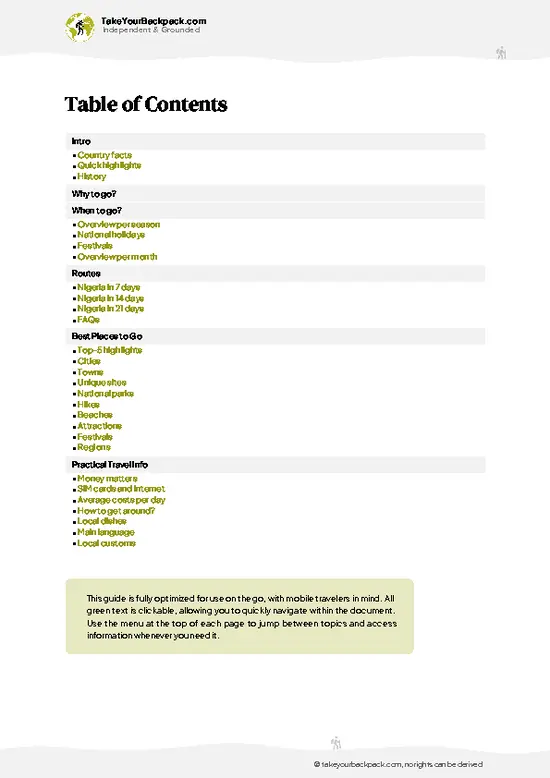
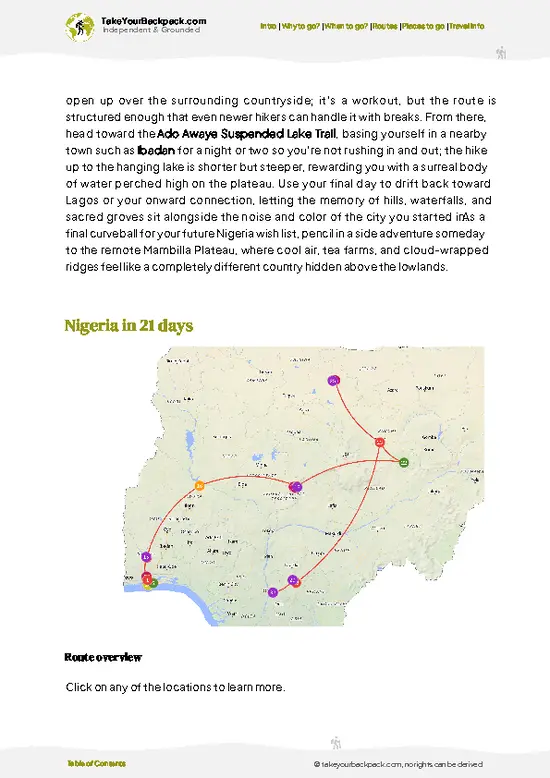
An offline-friendly backpacking guide with optimized travel routes, ranked highlights, transport advice, and the best areas to stay.
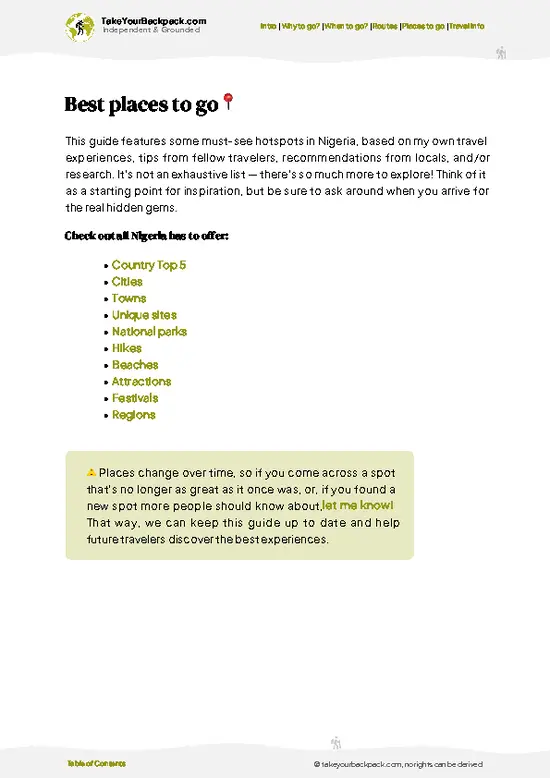
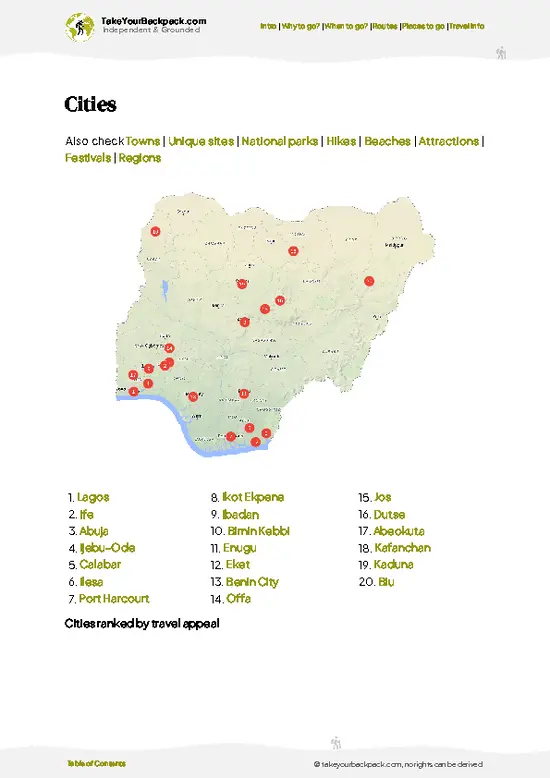
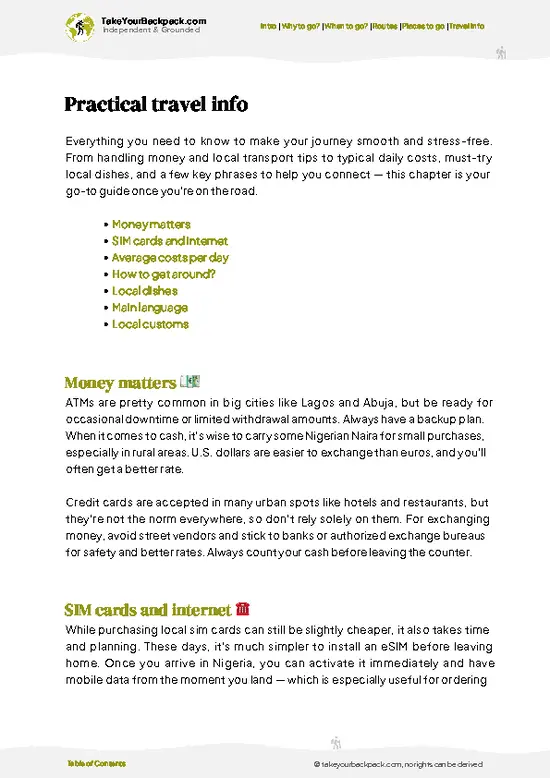
example page 0 from our offline Travel Guide for Nigeria
example page 1 from our offline Travel Guide for Nigeria
example page 2 from our offline Travel Guide for Nigeria
example page 3 from our offline Travel Guide for Nigeria
example page 4 from our offline Travel Guide for Nigeria
example page 5 from our offline Travel Guide for Nigeria
example page 6 from our offline Travel Guide for Nigeria
example page 7 from our offline Travel Guide for Nigeria
The digital guide (332 pages) contains:
89 highlights, ranked by travel appeal
Optimized 7, 14 & 21-day travel routes
Cities, national parks, landmarks, beaches
How to get around
Offline-friendly for travel without Wi-Fi
👉 Click to see all 30+ guide features

📅 Plan smarter in minutes, not weeks
Month by month travel advice
Festivals & national holidays
Budget expectations

🗺️ Go to the right places, skip the overrated ones
Honest pros & cons of destinations
Top hikes, parks & viewpoints
Lesser-known places most travelers miss
Clear “worth it vs skip it” guidance

🛏️ Travel smoothly without rookie mistakes
Best areas to stay
Transport systems explained simply
Common scams & safety advice
SIM cards, money & practical tips

🌍 Understand the country, not just visit it
Culture & traditions
52 Essential phrases & customs
Festivals worth planning around
Traveler-friendly historical context
Insights that make places more meaningful

📱 Built for real travel conditions
Fully downloadable PDF
Works completely offline
Optimized for phone use
Useful in remote areas & buses
Everything in one place
Save weeks of stressful planning
Get instant access to your full guide. 30‑day money-back guarantee.


By proceeding you agree to our terms.
Sent to your inbox immediately after payment • 100% Secure Checkout
Best Backpacking Travel Advisor 2025 tourism awardBest Backpacking
Travel Advisor
2025
What others say about Take Your Backpack Guides:
⭐⭐⭐⭐⭐
Fantastic, amazing amount of information!
⭐⭐⭐⭐⭐
My goodness this is amazing, it's what I've been looking for hats off too you!
⭐⭐⭐⭐⭐
I think this is absolutely BRILLIANT
⭐⭐⭐⭐
Very complete and informative. It's still missing places, but I gotta to commend you
⭐⭐⭐⭐⭐
This is truly amazing, thank you, can't wait to explore it with my kids!
⭐⭐⭐⭐⭐
Awesome resource, thank you!
⭐⭐⭐⭐⭐
This is amazing! Can't wait to explore the ones I haven't seen
⭐⭐⭐⭐
I love this! Well done, great idea.
⭐⭐⭐⭐⭐
Thanks for taking the time to make this gem!
⭐⭐⭐⭐⭐
This might be the best website I've ever seen.
⭐⭐⭐⭐⭐
Congratulations, and thank you so much for your work; it's incredibly valuable.
⭐⭐⭐⭐
In all seriousness I think you did a great job pointing out the important spots
⭐⭐⭐⭐⭐
10/10 very good
⭐⭐⭐⭐⭐
As someone who's only just starting to visit regularly this is awesome, thank you.
⭐⭐⭐⭐
Thank you very much! I'm going to visit my dad, it's going to be very useful!
⭐⭐⭐⭐⭐
This is really cool! We'll be travelling for the first time and this definitely come in handy.
⭐⭐⭐⭐⭐
You are now our minister of culture, congratulations 👨‍💼
⭐⭐⭐⭐⭐
Just wanted to tell you that this is a pearl! Going to follow your recommendations.
⭐⭐⭐⭐⭐
This is so cool. I'll definitely be using the resource for my travels soon.
⭐⭐⭐⭐⭐
This is very impressive! Good work.
⭐⭐⭐⭐⭐
This is an amazing and informative site. Very well done!

🛏️ Where to stay?Choosing the right base

For the Ofala Festival, dive into the heart of Onitsha or Awka. These areas pulse with energy and culture, making them ideal for backpackers.

Onitsha’s bustling markets and vibrant street life create a social atmosphere. You’ll find fellow travelers and locals eager to share stories.

Awka, with its quieter vibe, offers a chance to recharge while still being close to the action. Both spots have affordable guesthouses and communal spaces, perfect for meeting others.

Safety is key; stick to well-lit areas and travel in groups when possible.

By choosing these neighborhoods, you’ll save your … read more 👉
For the Ofala Festival, dive into the heart of Onitsha or Awka. These areas pulse with energy and culture, making them ideal for backpackers.

Onitsha’s bustling markets and vibrant street life create a social atmosphere. You’ll find fellow travelers and locals eager to share stories.

Awka, with its quieter vibe, offers a chance to recharge while still being close to the action. Both spots have affordable guesthouses and communal spaces, perfect for meeting others.

Safety is key; stick to well-lit areas and travel in groups when possible.

By choosing these neighborhoods, you’ll save your energy and budget for the festival’s unforgettable moments, rather than on overpriced accommodations. Embrace the local scene and let the festival’s spirit fuel your adventure!

👛 Costs (as of 20 February 2026)What things cost and how to budget

The Ofala Festival in Nigeria is a vibrant celebration that draws visitors from near and far. Here’s how to navigate the costs like a pro, ensuring you keep your energy and budget intact for the real experiences.
  • Festival Tickets: Expect to pay around $10 to $30 for entry. Prices can vary based on the day and specific events you want to attend. Some special performances might cost more, so keep an eye out for those.
  • Accommodation: Options range from budget hostels at about $15 per night to mid-range hotels costing $50 to $100. If you’re looking for a unique experience, consider local guesthouses, which can be found for $20 to $40. Book early, as places fill up fast during the festival.
  • Local Transport: Getting around can be affordable. Expect to spend $1 to $3 for local buses or shared taxis.
read more 👉
The Ofala Festival in Nigeria is a vibrant celebration that draws visitors from near and far. Here’s how to navigate the costs like a pro, ensuring you keep your energy and budget intact for the real experiences.
  • Festival Tickets: Expect to pay around $10 to $30 for entry. Prices can vary based on the day and specific events you want to attend. Some special performances might cost more, so keep an eye out for those.
  • Accommodation: Options range from budget hostels at about $15 per night to mid-range hotels costing $50 to $100. If you’re looking for a unique experience, consider local guesthouses, which can be found for $20 to $40. Book early, as places fill up fast during the festival.
  • Local Transport: Getting around can be affordable. Expect to spend $1 to $3 for local buses or shared taxis. If you prefer more comfort, private taxis might run you $10 to $20 for longer distances. Always negotiate the fare upfront to avoid surprises.
  • Food & Drinks: Street food is a highlight, with meals costing between $2 and $5. Restaurants can range from $5 to $15 per meal, depending on the type of cuisine. Don’t miss out on local specialties, but keep some cash handy for snacks and drinks at the festival.
  • Miscellaneous Expenses: Budget around $20 to $50 for souvenirs, tips, and unexpected costs. This can include anything from local crafts to small fees for photography in certain areas. Always have a little extra for those spontaneous moments that make travel memorable.

Plan wisely, and you’ll have the freedom to dive into the festival’s energy without worrying about your wallet.
⚠️ Prices can change and everyone travels differently, so take this as a rough guide. Hope it helps you plan your adventure!

🍲 FoodEating & Drinking in Ofala

At the Ofala Festival in Nigeria, food and drink are as vibrant as the celebrations themselves. Dive into jollof rice, a spicy, tomato-infused dish that’s a must-try. Pair it with suya, skewered meat seasoned to perfection, sizzling on makeshift grills. Street stalls buzz with energy, offering puff-puff—sweet, fried dough balls that are hard to resist.

For drinks, grab a bottle of Zobo, a refreshing hibiscus tea that cools you down amid the festivities. Don’t miss the local palm wine, served fresh and slightly sweet; it’s a communal experience, often shared among friends.

Be ready for lines—patience is key. Cash is king here, so keep some handy. Serving sizes can be generous, so share and savor the moment. This festival isn’t just about eating; it’s about connecting through food.

Other Nigerian festivals near Ofala

Explore more nearby:

  • New Yam—yam harvest, thanksgiving rites, rural gatherings| 77 km away
  • Ibo Day Festival—Igbo unity, cultural displays, regional pride| 136 km away
  • Calabar Carnival—street parade, elaborate costumes, Cross River spectacle| 214 km away

💡 Not sure where to go next?
Create a personalized itinerary for Nigeria including Ofala and the places that fit your trip.

Generate my itinerary

👉 Discover all festivals

Or checkout all Nigeria has to offer (think cities, towns, villages, national parks, hikes, beaches, festivals)
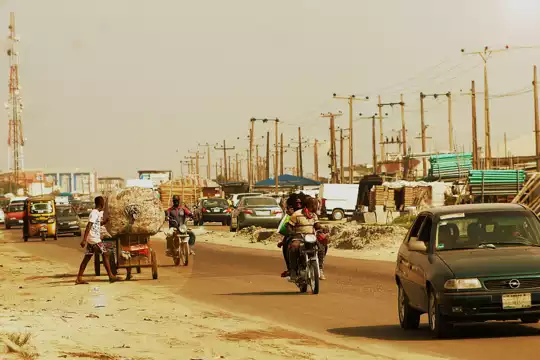
Country photo of Nigeria

We 💚 feedbackIs it worth it?

The Ofala Festival pulses with energy, a whirlwind of color and sound. Expect to be swept up in traditional dances and vibrant storytelling. But here’s the kicker: plan for crowds and bring cash; ATMs can be scarce. Embrace the chaos—it’s part of the magic that makes this experience unforgettable.

✍️ Help improve this page!
The information on this page is based on in-depth research, insights shared by experienced travelers, and feedback from the local travel community in Nigeria. While every effort is made to keep the information accurate and current, conditions can change — so if you spot anything incorrect or outdated, please get in touch.


🙋‍♂️ Give feedback

👋 Meet the founderWho’s Behind Take Your Backpack?

Johan, backpacker and founder of TakeYourBackpackHi, I’m Johan (Netherlands 🇳🇱), the creator of TakeYourBackpack. Over the past decade, I’ve backpacked through 80+ countries across six continents, gaining extensive experience with independent travel, long-term trips, and overland routes.

This site is built on a combination of firsthand travel experience and carefully curated insights from other backpackers. Many guides are based on places I’ve personally visited, while others bring together tips, observations, and practical advice shared by trusted travelers I’ve met along the way.

The goal is to provide realistic, experience-driven guidance — not generic itineraries — so you can explore destinations with better context, clearer expectations, and more confidence.

Get full Nigeria guide •
Instant download • 89 highlights • Full Offline guide