
×

Norway🇳🇴 | landmarksLysefjordPreikestolen, granite walls, narrow inlet, high plateaus | things to do and best time to go

Explore GeirangerfjordExplore Nærøyfjord

Backpacking in Lysefjord
👍 Recommendedunique site ranked #3
By Johan Kruseman 🇳🇱 | Updated June 9, 2026

Your boots scrape against bare rock, wind shoves at your backpack, and the fjord below looks less like water and more like a sheet of hammered steel. A tourist nearby is whispering, but the sound gets ripped away by the gusts before it reaches you. This is Lysefjord, carved into the southwest of Norway near Stavanger, and it’s every bit as dramatic as the photos promised—and more honest than they are. As a backpacker, you get a wild payoff: sheer cliffs, brutal scale, and that “am I tiny or is the world huge?” vertigo. You also get crowds at Preikestolen and Kjerag, high Norwegian prices, and weather that can flip from epic to miserable in ten minutes. The magic isn’t the Instagram pose on the cliff edge; it’s the quiet moments on the trail when the tour buses are gone and the fjord turns dark and moody and suddenly feels like it belongs to you.

Discover everything you want to know in the 📖 Norway Travel Guide.


Get your Norway guide
103 ranked highlights, routes & tips, works offline (393 pages)
Loading the map 🌍
CLICK TO FILTER
cities
towns
villages
landmarks
national parks
hikes
beaches
attractions
festivals
regions
SHOW COUNTRY’S BESTSHOW ALL

✨ Why go?
Ranked #3 unique site in Norway
What makes this unique site worth visiting

Lysefjord isn’t just another pretty postcard; it’s a raw experience that demands your attention. Sure, you’ll encounter crowds at the famous Pulpit Rock, but don’t let that deter you. The effort to hike there is worth every step, especially when you reach the edge and see the fjord drop into the abyss below.

What makes Lysefjord stand out is its uniqueness. The towering cliffs and deep waters create a dramatic backdrop that feels almost otherworldly. You can kayak through the fjord, giving you a chance to escape the throngs and connect with the landscape on a deeper level.

Accessibility is a major plus; it’s just a short bus ride from Stavanger, making it easy to fit into your backpacking route. Plus, the costs are reasonable. You can camp nearby or find budget-friendly lodgings, keeping … read more 👉
Lysefjord isn’t just another pretty postcard; it’s a raw experience that demands your attention. Sure, you’ll encounter crowds at the famous Pulpit Rock, but don’t let that deter you. The effort to hike there is worth every step, especially when you reach the edge and see the fjord drop into the abyss below.

What makes Lysefjord stand out is its uniqueness. The towering cliffs and deep waters create a dramatic backdrop that feels almost otherworldly. You can kayak through the fjord, giving you a chance to escape the throngs and connect with the landscape on a deeper level.

Accessibility is a major plus; it’s just a short bus ride from Stavanger, making it easy to fit into your backpacking route. Plus, the costs are reasonable. You can camp nearby or find budget-friendly lodgings, keeping your wallet happy.

Lysefjord isn’t just a stop; it’s a highlight that enriches your journey through Norway. Embrace the crowds, but seek out those quieter moments. They’re where the real magic happens.
Want to include Lysefjord in your Norway route?
Create a personalized Norway itinerary that includes Lysefjord and the places that fit your trip — based on your travel style, budget, and available time. Get your route in seconds.

Generate my trip

💡 HighlightsTop highlights of Lysefjord

  • Preikestolen (Pulpit Rock): The classic photo — a 25×25 m flat cliff sitting about 604 m above the fjord. It’s a relatively short, well-marked hike with huge payoff: a dramatic, drop-off viewpoint that makes you feel tiny in a good way. Best at sunrise or late afternoon when crowds thin out.
  • Kjerag & Kjeragbolten: A far wilder neighbour to Preikestolen — cliffs around 1,084 m and the famous boulder wedged in a crevasse (Kjeragbolten). The hike is longer and tougher but the sense of exposure and the photos from the bolt are unforgettable. Also a magnet for base jumpers, so expect a buzzy atmosphere if people are there.
  • Flørli 4444: The wooden staircase up from the tiny hydro village — exactly 4,444 steps. It’s equal parts leg-burning challenge and photo-op, with the old power plant and
read more 👉
  • Preikestolen (Pulpit Rock): The classic photo — a 25×25 m flat cliff sitting about 604 m above the fjord. It’s a relatively short, well-marked hike with huge payoff: a dramatic, drop-off viewpoint that makes you feel tiny in a good way. Best at sunrise or late afternoon when crowds thin out.
  • Kjerag & Kjeragbolten: A far wilder neighbour to Preikestolen — cliffs around 1,084 m and the famous boulder wedged in a crevasse (Kjeragbolten). The hike is longer and tougher but the sense of exposure and the photos from the bolt are unforgettable. Also a magnet for base jumpers, so expect a buzzy atmosphere if people are there.
  • Flørli 4444: The wooden staircase up from the tiny hydro village — exactly 4,444 steps. It’s equal parts leg-burning challenge and photo-op, with the old power plant and wooden cabins adding character. You can hike up and take the boat back from Lysebotn if you don’t want to descend the stairs.
  • Lysefjord boat rides & ferries: Seeing the fjord from the water puts the cliffs’ scale into perspective. Budget travelers can use local ferries or cheaper boat options to cruise under Preikestolen and along steep walls where waterfalls tumble straight into the fjord — brilliant for photos and not just for the cruise-ship crowd.
  • Lysebotn and Lysevegen (the mountain road): The tiny village at the fjord’s end feels properly remote. The road in (Lysevegen) is a short, hairpin-filled adrenaline ride with cliffside viewpoints and perfect pull-offs for photos. It’s also the gateway for Flørli and some Kjerag access points.
  • Sea kayaking and shoreline approaches: Paddle-level views are something else — you can hug the cliff base, paddle under small waterfalls and camp on pebbly beaches. It’s quiet, slow travel, and gives a different appreciation of the fjord’s verticality. Respect tides and the “right to roam” rules: camp lightly and pack out trash.
  • Glacial geology & sheer vertical walls: Lysefjord is a textbook fjord — carved by glaciers, about 42 km long, with cliffs up to ~1,000 m. Even if you skip the big hikes, just standing at a viewpoint watching the light crawl down those rock faces is a reminder of how dramatic glacial landscapes can be.
Spotted a mistake or missing something? Contact us.

Things to do around Lysefjord

Ratings based on Tripadvisor reviews. When you book through this link, you support our work at no extra cost to you.

🌤️ When to go?Seasonal considerations and timing


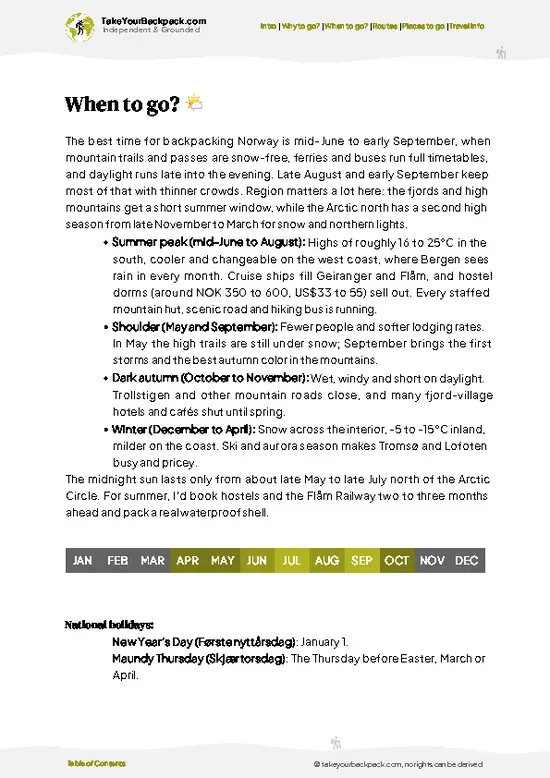
  • Weather: Lysefjord’s weather swings hard. Summer (June to August) offers the most stable conditions with mild temperatures around 15-20°C (59-68°F). Outside this window, expect rain, wind, and cold that can kill your vibe fast.

  • Temperature: Winters plunge below freezing, often hovering around -5°C to 0°C (23-32°F), making hiking risky and water activities off-limits. Spring and fall are unpredictable, with chilly mornings and sudden showers.

  • Daylight Hours: Summer delivers near 24-hour daylight, especially in June, giving you endless time to explore. In contrast, winter days are short and gray, with only 6-7 hours of light, cramping your adventure window.

  • Crowds: Peak summer months bring a flood of tourists, especially at iconic spots like Preikestolen (Pulpit Rock). If you want solitude,
read more 👉

  • Weather: Lysefjord’s weather swings hard. Summer (June to August) offers the most stable conditions with mild temperatures around 15-20°C (59-68°F). Outside this window, expect rain, wind, and cold that can kill your vibe fast.

  • Temperature: Winters plunge below freezing, often hovering around -5°C to 0°C (23-32°F), making hiking risky and water activities off-limits. Spring and fall are unpredictable, with chilly mornings and sudden showers.

  • Daylight Hours: Summer delivers near 24-hour daylight, especially in June, giving you endless time to explore. In contrast, winter days are short and gray, with only 6-7 hours of light, cramping your adventure window.

  • Crowds: Peak summer months bring a flood of tourists, especially at iconic spots like Preikestolen (Pulpit Rock). If you want solitude, aim for late May or early September when the crowds thin but the weather still cooperates.

  • Seasonal Activities: Summer is king for hiking, kayaking, and boat tours. Winter shuts down most outdoor options except for hardcore ice climbers and locals. Spring and fall offer a quieter, more rugged experience but with limited services.

  • Price Fluctuations: Expect prices for accommodation and tours to spike in July and August. Booking early helps, but off-season travel rewards you with better deals and fewer crowds, though at the cost of some amenities.


Pro-tip: Hit Lysefjord in late May or early September—weather’s decent, daylight generous, and you’ll dodge the tourist stampede while still catching the fjord’s raw beauty.


source: climatestotravel.comJANJanuary: below average for travelingFEBFebruary: below average for travelingMARMarch: fair for travelingAPRApril: fair for travelingMAYMay: highly recommended for travelingJUNJune: excellent for travelingJULJuly: excellent for travelingAUGAugust: excellent for travelingSEPSeptember: highly recommended for travelingOCTOctober: fair for travelingNOVNovember: below average for travelingDECDecember: below average for traveling
norway-unique-site-lysefjord
© Google | Tzwen

✈️ The backpacker research shortcutNorway Travel Guide

An offline-friendly backpacking guide with optimized travel routes, ranked highlights, transport advice, and the best areas to stay.
example page 0 from our offline Travel Guide for Norway
example page 1 from our offline Travel Guide for Norway
example page 2 from our offline Travel Guide for Norway
example page 3 from our offline Travel Guide for Norway
example page 4 from our offline Travel Guide for Norway
example page 5 from our offline Travel Guide for Norway
example page 6 from our offline Travel Guide for Norway
example page 7 from our offline Travel Guide for Norway
The digital guide (393 pages) contains:
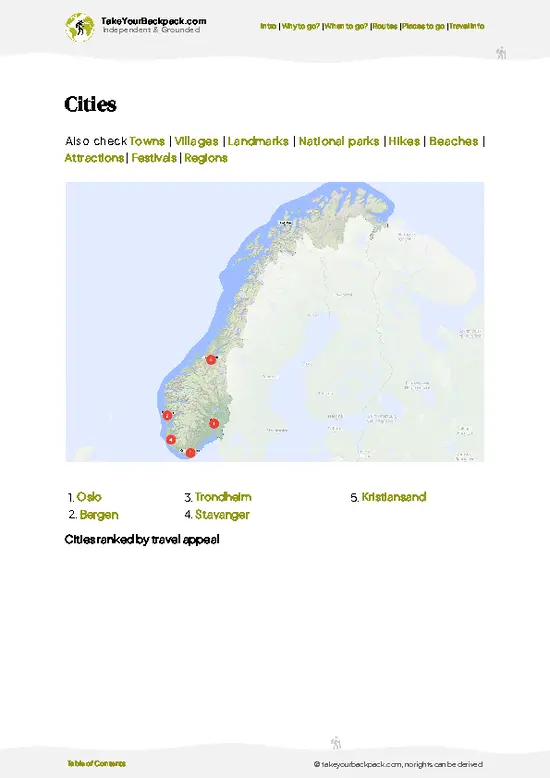
103 highlights, ranked by travel appeal
Optimized 5, 10 & 15-day travel routes
Cities, national parks, landmarks, beaches
How to get around
Offline-friendly for travel without Wi-Fi
👉 Click to see all 30+ guide features

📅 Plan smarter in minutes, not weeks
Month by month travel advice
Festivals & national holidays
Budget expectations

🗺️ Go to the right places, skip the overrated ones
Honest pros & cons of destinations
Top hikes, parks & viewpoints
Lesser-known places most travelers miss
Clear “worth it vs skip it” guidance

🛏️ Travel smoothly without rookie mistakes
Best areas to stay
Transport systems explained simply
Common scams & safety advice
SIM cards, money & practical tips

🌍 Understand the country, not just visit it
Culture & traditions
52 Essential phrases & customs
Festivals worth planning around
Traveler-friendly historical context
Insights that make places more meaningful

📱 Built for real travel conditions
Fully downloadable PDF
Works completely offline
Optimized for phone use
Useful in remote areas & buses
Everything in one place
Save weeks of stressful planning
Get instant access to your full guide. 30‑day money-back guarantee.


By proceeding you agree to our terms.
Sent to your inbox immediately after payment • 100% Secure Checkout
Best Backpacking Travel Advisor 2025 tourism awardBest Backpacking
Travel Advisor
2025
What others say about Take Your Backpack Guides:
⭐⭐⭐⭐⭐
Fantastic, amazing amount of information!
⭐⭐⭐⭐⭐
My goodness this is amazing, it's what I've been looking for hats off too you!
⭐⭐⭐⭐⭐
I think this is absolutely BRILLIANT
⭐⭐⭐⭐
Very complete and informative. It's still missing places, but I gotta to commend you
⭐⭐⭐⭐⭐
This is truly amazing, thank you, can't wait to explore it with my kids!
⭐⭐⭐⭐⭐
Awesome resource, thank you!
⭐⭐⭐⭐⭐
This is amazing! Can't wait to explore the ones I haven't seen
⭐⭐⭐⭐
I love this! Well done, great idea.
⭐⭐⭐⭐⭐
Thanks for taking the time to make this gem!
⭐⭐⭐⭐⭐
This might be the best website I've ever seen.
⭐⭐⭐⭐⭐
Congratulations, and thank you so much for your work; it's incredibly valuable.
⭐⭐⭐⭐
In all seriousness I think you did a great job pointing out the important spots
⭐⭐⭐⭐⭐
10/10 very good
⭐⭐⭐⭐⭐
As someone who's only just starting to visit regularly this is awesome, thank you.
⭐⭐⭐⭐
Thank you very much! I'm going to visit my dad, it's going to be very useful!
⭐⭐⭐⭐⭐
This is really cool! We'll be travelling for the first time and this definitely come in handy.
⭐⭐⭐⭐⭐
You are now our minister of culture, congratulations 👨‍💼
⭐⭐⭐⭐⭐
Just wanted to tell you that this is a pearl! Going to follow your recommendations.
⭐⭐⭐⭐⭐
This is so cool. I'll definitely be using the resource for my travels soon.
⭐⭐⭐⭐⭐
This is very impressive! Good work.
⭐⭐⭐⭐⭐
This is an amazing and informative site. Very well done!

🛏️ Where to stay?Where staying makes the most sense

Lysefjord is a breathtaking slice of Norway, but let’s cut through the Instagram haze. The crowds can be overwhelming, especially during peak season. You’ll find throngs of tourists at Pulpit Rock, snapping selfies instead of soaking in the view.

For backpackers, the best areas to stay are in the nearby towns of Forsand and Lysebotn. Forsand is a small village that serves as a gateway to the fjord. It’s got a cozy vibe, and you can easily connect with fellow travelers in local cafés. The scenery is stunning, and you can escape the crowds by hiking lesser-known trails.

Lysebotn, on the other … read more 👉
Lysefjord is a breathtaking slice of Norway, but let’s cut through the Instagram haze. The crowds can be overwhelming, especially during peak season. You’ll find throngs of tourists at Pulpit Rock, snapping selfies instead of soaking in the view.

For backpackers, the best areas to stay are in the nearby towns of Forsand and Lysebotn. Forsand is a small village that serves as a gateway to the fjord. It’s got a cozy vibe, and you can easily connect with fellow travelers in local cafés. The scenery is stunning, and you can escape the crowds by hiking lesser-known trails.

Lysebotn, on the other hand, is a bit more remote and offers a more intimate experience with nature. It’s a haven for those who want to hike, kayak, or just chill by the water. The community here is tight-knit, and you’ll likely meet locals who can share stories and tips that aren’t in the guidebooks.

Both areas are safe and welcoming, making them perfect for solo backpackers. You’ll find affordable options, from campsites to shared accommodations, allowing you to experience the real magic of Lysefjord without breaking the bank.

👛 Costs (as of 1 April 2026)Money, prices, and spending tips

Visiting Lysefjord in Norway is a breathtaking experience, but it comes with its own set of costs that you need to consider.
  • Transportation: Getting to Lysefjord typically involves flying into Stavanger. Flights can range from €50 to €200 depending on your departure point. Once in Stavanger, a bus or rental car will set you back another €20 to €100. If you opt for a ferry ride to explore the fjord, expect to pay around €15 to €30 each way.
  • Accommodation: Options vary widely. Hostels can cost around €30 to €60 per night, while mid-range hotels range from €100 to €200. If you’re feeling adventurous, camping is a fantastic option, with fees around €10 to €20 per night at designated sites.
  • Food: Dining in Norway can be pricey. A meal at a casual restaurant will typically cost you €15 to €30. If you
read more 👉
Visiting Lysefjord in Norway is a breathtaking experience, but it comes with its own set of costs that you need to consider.
  • Transportation: Getting to Lysefjord typically involves flying into Stavanger. Flights can range from €50 to €200 depending on your departure point. Once in Stavanger, a bus or rental car will set you back another €20 to €100. If you opt for a ferry ride to explore the fjord, expect to pay around €15 to €30 each way.
  • Accommodation: Options vary widely. Hostels can cost around €30 to €60 per night, while mid-range hotels range from €100 to €200. If you’re feeling adventurous, camping is a fantastic option, with fees around €10 to €20 per night at designated sites.
  • Food: Dining in Norway can be pricey. A meal at a casual restaurant will typically cost you €15 to €30. If you want to save, consider grocery shopping; a week’s worth of supplies might run you about €50 to €100, depending on your cooking habits.
  • Activities: Hiking is free, but guided tours can cost between €50 and €150. If you want to kayak or take a boat tour, budget around €70 to €150. These experiences are worth it for the views and the unique perspective they offer.
  • Miscellaneous: Don’t forget about entrance fees for any parks or attractions, which can range from €5 to €20. Also, factor in costs for souvenirs or local crafts, which can vary widely based on what you choose to bring home.

Be prepared for the reality of costs, but know that the experience of standing on Preikestolen (Pulpit Rock) or cruising the fjord is worth every cent.


source: visitnorway.com
⚠️ Prices can change and everyone travels differently, so take this as a rough guide. Hope it helps you plan your adventure!

Other Norwegian landmarks near Lysefjord

Explore more nearby:

  • Vøringsfossen—plunging waterfall, canyon views, misty spray, footbridge| 167 km away
  • Nærøyfjord—UNESCO fjord, slender waterway, steep mountainsides, tiny hamlets| 221 km away
  • Galdhøpiggen—summit glacier, alpine plateau, snowfields, panoramic ridge| 313 km away

💡 Not sure where to go next?
Create a personalized itinerary for Norway including Lysefjord and the places that fit your trip.

Generate my itinerary

👉 Discover all landmarks

Or checkout all Norway has to offer (think cities, towns, villages, national parks, hikes, beaches, festivals)
Country photo of Norway

We 💚 feedbackWhat to keep in mind

Lysefjord is a jaw-dropper. Standing on Preikestolen, you’ll feel that rush of nature’s power, and the views are nothing short of life-altering. But let’s be real: the crowds can be overwhelming, especially in peak season. If you’re after solitude, plan your hike for early morning or late afternoon. Embrace the chaos, but don’t let it overshadow the raw beauty that makes this place worth every step.

✈️ When did I visit Norway?
Having played floorball, a sport large in the nordic countries, I have visited Norway as well a couple of times from 1999 to 2008.

✍️ Help improve this page!
The information on this page is based on my own backpacking experience in Norway, supplemented with up-to-date research and feedback from other travelers. Travel details can change, so if you notice anything outdated or incomplete, feel free to let me know.


🙋‍♂️ Give feedback

👋 Meet the founderWho’s Behind Take Your Backpack?

Johan, backpacker and founder of TakeYourBackpackHi, I’m Johan (Netherlands 🇳🇱), the creator of TakeYourBackpack. Over the past decade, I’ve backpacked through 80+ countries across six continents, gaining extensive experience with independent travel, long-term trips, and overland routes.

This site is built on a combination of firsthand travel experience and carefully curated insights from other backpackers. Many guides are based on places I’ve personally visited, while others bring together tips, observations, and practical advice shared by trusted travelers I’ve met along the way.

The goal is to provide realistic, experience-driven guidance — not generic itineraries — so you can explore destinations with better context, clearer expectations, and more confidence.

Get full Norway guide •
Instant download • 103 highlights • Full Offline guide