×
Oslo

Norway🇳🇴 | citiesOslofjord islands, modern architecture, sculpture parks | things to do and best time to go

Explore BergenExplore Stavanger

Backpacking in Oslo
🏆 Top pickcity ranked #1
By Johan Kruseman 🇳🇱 | Updated June 16, 2026

Oslo’s secret advantage is how fast you can pivot: you can finish a museum in the morning and be hiking in real forest an hour later, then back in a bar before midnight. It sits in southeastern Norway at the end of the Oslofjord, basically the country’s transport hub and front door. For backpackers, Oslo is clean, organized, and painfully expensive; you feel it with every coffee, but public transport, tap water, and safety are rock solid. The city center is compact, so you can walk from the Opera House to the fortress to Grünerløkka’s bars without burning a day. The Viking Ship Museum (when open), MUNCH, and the harborfront are genuinely worth your time, but the real win is the easy access to lakes, islands, and forest trails. Compared to Bergen or Trondheim, Oslo feels more businesslike than romantic, but it’s far better for logistics and meeting other travelers in hostels and bars.

Discover everything you want to know in the 📖 Norway Travel Guide.


Get your Norway guide
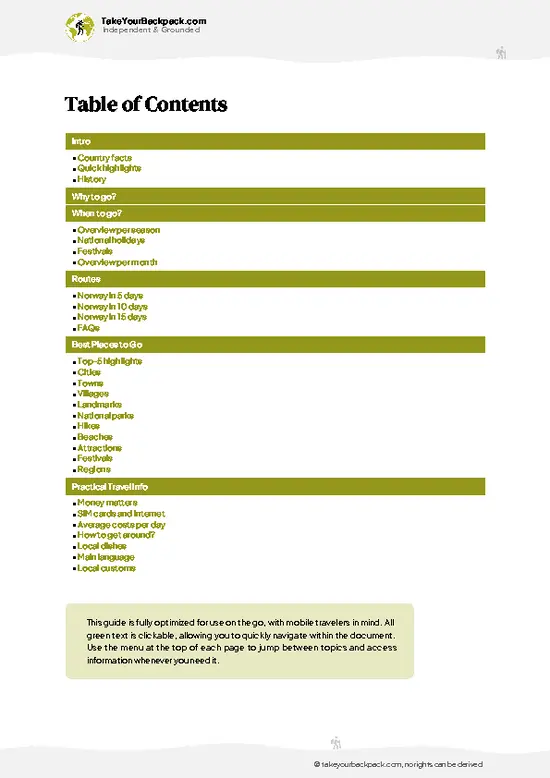
103 ranked highlights, routes & tips, works offline (393 pages)
Loading the map 🌍
CLICK TO FILTER
cities
towns
villages
landmarks
national parks
hikes
beaches
attractions
festivals
regions
SHOW COUNTRY’S BESTSHOW ALL

✨ Why go?
Ranked #1 city in Norway
Why Oslo should be on your travel list

Oslo is a strategic basecamp for backpackers, offering a unique blend of highlights and activities that cater to various travel styles. The city’s walkability makes it easy to explore on foot, allowing you to soak in the local vibe without the hassle of public transport. You’ll find a range of hostels that balance comfort and affordability, perfect for meeting fellow travelers while keeping your budget in check.

Food options are diverse, from street vendors to cozy cafes, giving you a taste of local cuisine without breaking the bank. The nightlife scene is vibrant, with plenty of bars and live music venues that keep the energy alive after sunset.

Oslo also serves as a gateway to stunning day trips, whether you’re into hiking, skiing, or simply soaking up nature. This makes it a great stop … read more 👉
Oslo is a strategic basecamp for backpackers, offering a unique blend of highlights and activities that cater to various travel styles. The city’s walkability makes it easy to explore on foot, allowing you to soak in the local vibe without the hassle of public transport. You’ll find a range of hostels that balance comfort and affordability, perfect for meeting fellow travelers while keeping your budget in check.

Food options are diverse, from street vendors to cozy cafes, giving you a taste of local cuisine without breaking the bank. The nightlife scene is vibrant, with plenty of bars and live music venues that keep the energy alive after sunset.

Oslo also serves as a gateway to stunning day trips, whether you’re into hiking, skiing, or simply soaking up nature. This makes it a great stop on your route, allowing you to experience both urban culture and the breathtaking Norwegian landscape.

If you’re looking for a city that combines convenience with character, Oslo is worth more than just a fleeting visit; it’s a place to recharge before your next adventure.
Want to include Oslo in your Norway route?
Create a personalized Norway itinerary that includes Oslo and the places that fit your trip — based on your travel style, budget, and available time. Get your route in seconds.

Generate my trip

💡 HighlightsEssential experiences to have while visiting Oslo

  1. Vigeland Sculpture Park (Vigelandsparken) — The world’s largest sculpture park by a single artist (Gustav Vigeland). Stroll the pathways, see the famous Monolith and fountain, and watch locals picnic — it’s timeless Oslo life in stone and green space.
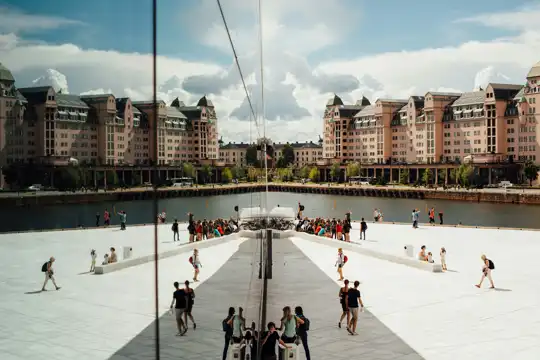
  2. Oslo Opera House (Operahuset) — A slippery-white marble building that invites you to walk up its roof for skyline and fjord views. Inside the acoustics and modern interiors are worth a quick peek even if you don’t catch a performance.
  3. MUNCH — The new Munch Museum in Bjørvika houses the largest collection of Edvard Munch’s work, including multiple versions of The Scream. The building’s viewing platforms also give a different take on the city and harbor.
  4. Akershus Fortress (Akershus Festning) — Medieval walls, wartime history and commanding
read more 👉
  1. Vigeland Sculpture Park (Vigelandsparken) — The world’s largest sculpture park by a single artist (Gustav Vigeland). Stroll the pathways, see the famous Monolith and fountain, and watch locals picnic — it’s timeless Oslo life in stone and green space.
  2. Oslo Opera House (Operahuset) — A slippery-white marble building that invites you to walk up its roof for skyline and fjord views. Inside the acoustics and modern interiors are worth a quick peek even if you don’t catch a performance.
  3. MUNCH — The new Munch Museum in Bjørvika houses the largest collection of Edvard Munch’s work, including multiple versions of The Scream. The building’s viewing platforms also give a different take on the city and harbor.
  4. Akershus Fortress (Akershus Festning) — Medieval walls, wartime history and commanding harbor views. You can wander the ramparts, visit the small museums and feel Oslo’s strategic past up close.
  5. The Fram Museum (Bygdøy) — The polar exploration ship Fram is dry-docked and climbable; the exhibits explain Norway’s Arctic history in an immersive, hands-on way. It’s one of those museums you remember.
  6. Holmenkollen Ski Jump & Ski Museum — An actual ski-jump you can ride the elevator to the top of for sweeping views, plus a century-old ski museum beneath. It’s Oslo’s outdoor-sports heart and a brilliant photo spot.
  7. Oslo City Hall (Rådhuset) — Home of the Nobel Peace Prize ceremony, famous for its murals portraying Norwegian history and labor. Free guided tours and the harbor-front setting make it easy to include on a walk.
  8. Grünerløkka — A neighborhood, not a single building, but essential for seeing contemporary Oslo: thrift shops, coffee culture, street art, small galleries and riverside parks. Great for people-watching and cheap eats.
  9. Tjuvholmen & Astrup Fearnley Museum — Modern architecture, a small sculpture park and contemporary art in a jetty-side setting. The neighborhood’s seafood restaurants and relaxed quay are perfect after a gallery visit.
  10. The Royal Palace & Palace Park — Walkable from the main streets; the palace park is peaceful and the changing of the guard is simple theater that still charms. In summer you can book the interior tour if it’s open.
A few excellent day trips just outside Oslo: the Oslofjord islands (Hovedøya, Gressholmen) for easy beach and ruins trips, the seaside town of Drøbak with Oscarsborg Fortress, and the fortified Old Town of Fredrikstad.
Spotted a mistake or missing something? Contact us.

Things to do in Oslo

Ratings based on Tripadvisor reviews. When you book through this link, you support our work at no extra cost to you.

🏘️ NeighborhoodsWhere things are and how it's laid out

Oslo is a city where modernity meets nature, and each neighborhood offers a unique flavor for backpackers. Here’s a breakdown to help you navigate your choices.

Grünerløkka: This is the hipster heart of Oslo. Expect street art, cozy cafes, and a vibrant atmosphere. It’s budget-friendly, with plenty of affordable eateries. Walkability is high; you can easily explore on foot. The nightlife is lively but not overwhelming, making it great for both short and longer stays.

Sentrum: The city center is where the action is. It’s a bit pricier, but you’re close to major attractions like the Opera House and Akershus Fortress. Public transport is top-notch here, so getting around is a breeze. While it can be bustling, you’ll find quiet spots in nearby parks. Ideal for short stays when you want to hit … read more 👉
Oslo is a city where modernity meets nature, and each neighborhood offers a unique flavor for backpackers. Here’s a breakdown to help you navigate your choices.

Grünerløkka: This is the hipster heart of Oslo. Expect street art, cozy cafes, and a vibrant atmosphere. It’s budget-friendly, with plenty of affordable eateries. Walkability is high; you can easily explore on foot. The nightlife is lively but not overwhelming, making it great for both short and longer stays.

Sentrum: The city center is where the action is. It’s a bit pricier, but you’re close to major attractions like the Opera House and Akershus Fortress. Public transport is top-notch here, so getting around is a breeze. While it can be bustling, you’ll find quiet spots in nearby parks. Ideal for short stays when you want to hit the highlights quickly.

Aker Brygge: This waterfront area is all about the views and upscale dining. It’s more expensive, but the ambiance is worth it if you’re looking to splurge a little. Walkability is excellent, and you can easily hop on a ferry to explore the fjords. It’s quieter at night, making it suitable for those who prefer a more relaxed vibe.

Torshov: A residential area with a local feel. It’s affordable and offers a slower pace. You’ll find parks and community spaces, perfect for longer stays. Public transport is accessible, but you might do more walking here. Nightlife is minimal, making it ideal for those seeking tranquility.

Majorstuen: Known for shopping and cafes, this area strikes a balance between cost and comfort. It’s walkable and well-connected by tram. The nightlife is moderate, with a mix of bars and quiet spots. Great for both short visits and longer explorations.

⌛️ 1 day1-day itinerary for Oslo

Oslo is a city that effortlessly blends modernity with nature, offering a unique vibe that’s both laid-back and vibrant. Its waterfront, rich history, and innovative architecture make it a playground for those who appreciate culture and the outdoors.

Start your day in the trendy Grünerløkka neighborhood, known for its hip cafes and street art. Grab a coffee at one of the local spots, like Tim Wendelboe, where the baristas treat coffee like an art form. After your caffeine fix, stroll through the nearby Mathallen, a food hall that showcases local delicacies. Sample some Norwegian cheeses or grab a fresh pastry to fuel your adventures.

Next, head towards the iconic Oslo Opera House. Its sloping roof invites you to walk up and enjoy panoramic views of the fjord. The architecture is striking, … read more 👉
Oslo is a city that effortlessly blends modernity with nature, offering a unique vibe that’s both laid-back and vibrant. Its waterfront, rich history, and innovative architecture make it a playground for those who appreciate culture and the outdoors.

Start your day in the trendy Grünerløkka neighborhood, known for its hip cafes and street art. Grab a coffee at one of the local spots, like Tim Wendelboe, where the baristas treat coffee like an art form. After your caffeine fix, stroll through the nearby Mathallen, a food hall that showcases local delicacies. Sample some Norwegian cheeses or grab a fresh pastry to fuel your adventures.

Next, head towards the iconic Oslo Opera House. Its sloping roof invites you to walk up and enjoy panoramic views of the fjord. The architecture is striking, and you’ll feel the city’s pulse from this vantage point. From there, make your way to the Akershus Fortress. This medieval castle offers a glimpse into Oslo’s past and is often overlooked by tourists. The peaceful gardens and stunning views of the harbor make it a perfect spot to relax for a moment.

In the afternoon, wander over to the Aker Brygge area. This waterfront promenade is lined with restaurants and shops, perfect for a leisurely lunch. Try some fresh seafood at one of the eateries while soaking in the views of the fjord. Afterward, take a short ferry ride to Bygdøy, where you can explore the Viking Ship Museum. It’s a fascinating dive into Norway’s seafaring history.

As evening approaches, return to the city center and explore the lively streets of Karl Johans gate. This is where you’ll find the Royal Palace and vibrant street performers. For dinner, seek out a cozy spot in the St. Hanshaugen neighborhood. Here, you can enjoy traditional Norwegian fare in a more local setting, away from the tourist crowds.

Oslo is a city that rewards those who take the time to explore its nooks and crannies. Each choice you make—whether it’s where to eat or what to see—shapes your experience, turning a simple day into a memorable adventure.
Turn your Oslo visit into an Norway adventure
Build a complete Norway route with Oslo, hidden gems, must-see destinations, and realistic travel times included.

Generate my trip

🌤️ When to go?Best time to visit Oslo


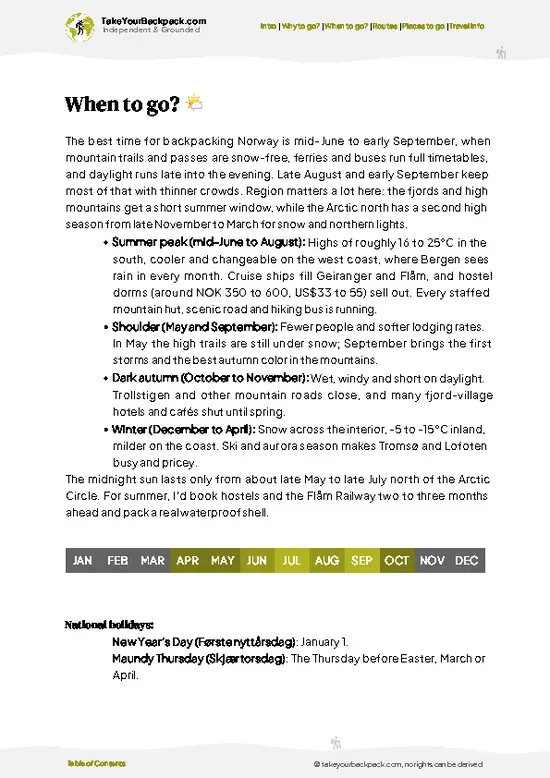
  • Weather: Oslo’s weather swings dramatically. Summers (June to August) hover around 20-22°C (68-72°F), perfect for hiking and city strolls. Winters dive below freezing, often -5 to -10°C (23-14°F), turning the city into a snowy playground but demanding serious gear.

  • Temperature: Spring and autumn are cool, ranging 5-15°C (41-59°F), which means layering is your friend. If you want warmth without the crowds, late May or early September hits a sweet spot.

  • Daylight Hours: Summer days stretch endlessly—up to 18 hours of light—giving you more time to explore. Winter flips the script with as little as 6 hours of daylight, which can feel like a time crunch but offers magical twilight vibes.

  • Crowds: Peak tourist season is summer, especially July. Expect busy trails and higher prices. Shoulder
read more 👉

  • Weather: Oslo’s weather swings dramatically. Summers (June to August) hover around 20-22°C (68-72°F), perfect for hiking and city strolls. Winters dive below freezing, often -5 to -10°C (23-14°F), turning the city into a snowy playground but demanding serious gear.

  • Temperature: Spring and autumn are cool, ranging 5-15°C (41-59°F), which means layering is your friend. If you want warmth without the crowds, late May or early September hits a sweet spot.

  • Daylight Hours: Summer days stretch endlessly—up to 18 hours of light—giving you more time to explore. Winter flips the script with as little as 6 hours of daylight, which can feel like a time crunch but offers magical twilight vibes.

  • Crowds: Peak tourist season is summer, especially July. Expect busy trails and higher prices. Shoulder seasons (late spring and early autumn) offer fewer tourists and a more relaxed pace.

  • Seasonal Activities: Summer is for fjord cruises, biking, and open-air festivals. Winter invites skiing, ice skating, and cozying up in cafes with hot chocolate. Spring and autumn bring colorful foliage and quieter museums.

  • Price Fluctuations: Accommodation and flights spike in summer. Booking early can save you a bundle. Shoulder seasons often provide the best deals without sacrificing too much on weather or daylight.


Pro-tip: Aim for late May or early September to balance decent weather, manageable crowds, and wallet-friendly prices—Oslo’s sweet spot for backpackers who want it all.


source: climatestotravel.comJANJanuary: fair for travelingFEBFebruary: fair for travelingMARMarch: good for travelingAPRApril: good for travelingMAYMay: highly recommended for travelingJUNJune: excellent for travelingJULJuly: highly recommended for travelingAUGAugust: excellent for travelingSEPSeptember: highly recommended for travelingOCTOctober: good for travelingNOVNovember: fair for travelingDECDecember: fair for traveling
Norway - Oslo

✈️ The backpacker research shortcutNorway Travel Guide

An offline-friendly backpacking guide with optimized travel routes, ranked highlights, transport advice, and the best areas to stay.
example page 0 from our offline Travel Guide for Norway
example page 1 from our offline Travel Guide for Norway
example page 2 from our offline Travel Guide for Norway
example page 3 from our offline Travel Guide for Norway
example page 4 from our offline Travel Guide for Norway
example page 5 from our offline Travel Guide for Norway
example page 6 from our offline Travel Guide for Norway
example page 7 from our offline Travel Guide for Norway
The digital guide (393 pages) contains:
103 highlights, ranked by travel appeal
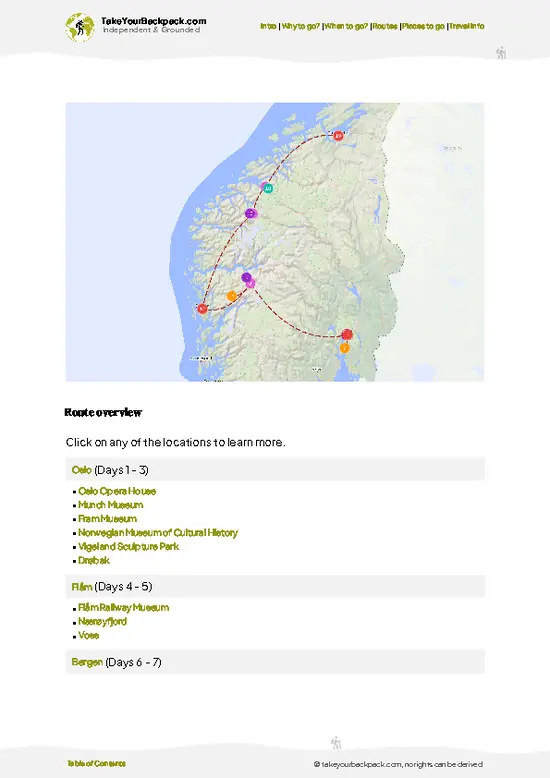
Optimized 5, 10 & 15-day travel routes
Cities, national parks, landmarks, beaches
How to get around
Offline-friendly for travel without Wi-Fi
👉 Click to see all 30+ guide features

📅 Plan smarter in minutes, not weeks
Month by month travel advice
Festivals & national holidays
Budget expectations

🗺️ Go to the right places, skip the overrated ones
Honest pros & cons of destinations
Top hikes, parks & viewpoints
Lesser-known places most travelers miss
Clear “worth it vs skip it” guidance

🛏️ Travel smoothly without rookie mistakes
Best areas to stay
Transport systems explained simply
Common scams & safety advice
SIM cards, money & practical tips

🌍 Understand the country, not just visit it
Culture & traditions
52 Essential phrases & customs
Festivals worth planning around
Traveler-friendly historical context
Insights that make places more meaningful

📱 Built for real travel conditions
Fully downloadable PDF
Works completely offline
Optimized for phone use
Useful in remote areas & buses
Everything in one place
Save weeks of stressful planning
Get instant access to your full guide. 30‑day money-back guarantee.


By proceeding you agree to our terms.
Sent to your inbox immediately after payment • 100% Secure Checkout
Best Backpacking Travel Advisor 2025 tourism awardBest Backpacking
Travel Advisor
2025
What others say about Take Your Backpack Guides:
⭐⭐⭐⭐⭐
Fantastic, amazing amount of information!
⭐⭐⭐⭐⭐
My goodness this is amazing, it's what I've been looking for hats off too you!
⭐⭐⭐⭐⭐
I think this is absolutely BRILLIANT
⭐⭐⭐⭐
Very complete and informative. It's still missing places, but I gotta to commend you
⭐⭐⭐⭐⭐
This is truly amazing, thank you, can't wait to explore it with my kids!
⭐⭐⭐⭐⭐
Awesome resource, thank you!
⭐⭐⭐⭐⭐
This is amazing! Can't wait to explore the ones I haven't seen
⭐⭐⭐⭐
I love this! Well done, great idea.
⭐⭐⭐⭐⭐
Thanks for taking the time to make this gem!
⭐⭐⭐⭐⭐
This might be the best website I've ever seen.
⭐⭐⭐⭐⭐
Congratulations, and thank you so much for your work; it's incredibly valuable.
⭐⭐⭐⭐
In all seriousness I think you did a great job pointing out the important spots
⭐⭐⭐⭐⭐
10/10 very good
⭐⭐⭐⭐⭐
As someone who's only just starting to visit regularly this is awesome, thank you.
⭐⭐⭐⭐
Thank you very much! I'm going to visit my dad, it's going to be very useful!
⭐⭐⭐⭐⭐
This is really cool! We'll be travelling for the first time and this definitely come in handy.
⭐⭐⭐⭐⭐
You are now our minister of culture, congratulations 👨‍💼
⭐⭐⭐⭐⭐
Just wanted to tell you that this is a pearl! Going to follow your recommendations.
⭐⭐⭐⭐⭐
This is so cool. I'll definitely be using the resource for my travels soon.
⭐⭐⭐⭐⭐
This is very impressive! Good work.
⭐⭐⭐⭐⭐
This is an amazing and informative site. Very well done!

🛏️ Where to stay?Best areas to stay in Norway

Oslo’s backpacker sweet spot is the Grünerløkka district. It’s the city’s unofficial hub for young travelers and locals who thrive on a mix of laid-back cafés, street art, and secondhand shops. Grünerløkka nails the balance between social buzz and chill vibes, making it a magnet for solo backpackers looking to connect without the chaos of tourist traps. Hostels here tend to be lively but not overwhelming, offering a solid base for meeting others while keeping your budget intact.

Compared to the city center, Grünerløkka feels less polished and more authentic. It’s safe, but with an edge—think … read more 👉
Oslo’s backpacker sweet spot is the Grünerløkka district. It’s the city’s unofficial hub for young travelers and locals who thrive on a mix of laid-back cafés, street art, and secondhand shops. Grünerløkka nails the balance between social buzz and chill vibes, making it a magnet for solo backpackers looking to connect without the chaos of tourist traps. Hostels here tend to be lively but not overwhelming, offering a solid base for meeting others while keeping your budget intact.

Compared to the city center, Grünerløkka feels less polished and more authentic. It’s safe, but with an edge—think creative energy over corporate gloss. You’re close enough to Oslo’s main attractions without paying the premium or dealing with the tourist crush. Public transport links are solid, so you can easily pivot between exploring museums or hiking nearby trails.

If you lean toward a quieter, more residential feel, areas like St. Hanshaugen offer calm streets and green spaces, but they lack the social pulse that backpackers crave. Meanwhile, the downtown core is convenient but pricier and often dominated by business travelers, which can make it feel less welcoming for budget travelers.

In short, Grünerløkka wins for its blend of affordability, safety, and social atmosphere—key ingredients for a backpacking stay that’s both comfortable and rich in local flavor.

🚌 Getting aroundHow to get around Oslo

Oslo moves with a quiet precision that feels almost Nordic in its discipline. The city’s pulse isn’t frantic; it’s measured, like a well-rehearsed symphony where every note hits on time. You won’t find the chaos of a sprawling megacity here, but don’t mistake that for dull. Oslo’s flow is about efficiency and reliability, a system that rewards those who understand its rhythm. It’s a place where the clock matters, but so does your ability to read between the lines—knowing when to hop on a tram or when a brisk walk will save you both time and money. This is your trade-off map: mastering Oslo’s transit means balancing your budget, your schedule, and your comfort with the precision of a chess player.


  • Walking: Oslo’s compact center makes walking not just viable but often the smartest choice.
read more 👉
Oslo moves with a quiet precision that feels almost Nordic in its discipline. The city’s pulse isn’t frantic; it’s measured, like a well-rehearsed symphony where every note hits on time. You won’t find the chaos of a sprawling megacity here, but don’t mistake that for dull. Oslo’s flow is about efficiency and reliability, a system that rewards those who understand its rhythm. It’s a place where the clock matters, but so does your ability to read between the lines—knowing when to hop on a tram or when a brisk walk will save you both time and money. This is your trade-off map: mastering Oslo’s transit means balancing your budget, your schedule, and your comfort with the precision of a chess player.


  • Walking: Oslo’s compact center makes walking not just viable but often the smartest choice. It costs nothing, gives you full control over your pace, and lets you soak in the city’s character. Expect 10-20 minutes between major spots downtown. No schedules, no waiting—just your own two feet.


  • Tram (Trikken): Runs roughly from 5:00 AM to midnight, with a ticket price around 40 NOK for a single ride. Trams are reliable and frequent, usually every 10-15 minutes during the day. They strike a solid balance between speed and comfort, gliding through neighborhoods with a smoothness that beats buses stuck in traffic.


  • Metro (T-bane): The fastest way to cover longer distances, with trains every 10 minutes during peak hours and service from about 5:00 AM to 1:00 AM. Tickets cost the same as trams, but the metro’s speed can save you precious minutes if you’re hopping between outer districts and the city center. It’s a bit more cramped during rush hour but still comfortable.


  • Bus: Buses fill in the gaps where trams and metro don’t reach, running from early morning until around midnight. They’re slower due to traffic but essential for budget travelers heading to less central neighborhoods. Same ticket price applies, but expect a bit more variability in timing and comfort.


  • Ferries: If your route includes the Oslo fjord or islands, ferries are a scenic option. They cost the same as other public transit and run from early morning to late evening. Not the fastest mode, but unbeatable for the experience and a refreshing break from city streets.


Understanding these options means you’re not just moving through Oslo—you’re playing the city’s game on your terms. Want to save money? Walk or combine walking with trams. Need speed? Metro is your friend. Craving comfort? Trams and ferries offer a smoother ride. Each choice is a trade-off, but with this map, you’re the one calling the shots.

👛 Costs (as of 6 April 2026)How expensive it really is

Backpacking in Oslo demands a clear-eyed view of your spending because Norway doesn’t do cheap. Here’s the breakdown of what you’re really paying for when you’re on the ground.
  • Dorm Accommodation (High Season): Expect to shell out around €40 to €60 per night. Summer months push prices up as tourists flood in, so beds fill fast and rates spike.
  • Dorm Accommodation (Off-Season): Drop to about €30 to €45 per night. Winter and shoulder seasons offer some relief, but Oslo’s cost base keeps prices from dipping too low.
  • Meals: Budget roughly €15 to €25 daily if you stick to groceries, street food, or casual cafes. Eating out at restaurants regularly will push this higher, easily doubling the cost.
  • Local Transport: Single tickets for buses, trams, or metro rides hover around €4. A few rides a day
read more 👉
Backpacking in Oslo demands a clear-eyed view of your spending because Norway doesn’t do cheap. Here’s the breakdown of what you’re really paying for when you’re on the ground.
  • Dorm Accommodation (High Season): Expect to shell out around €40 to €60 per night. Summer months push prices up as tourists flood in, so beds fill fast and rates spike.
  • Dorm Accommodation (Off-Season): Drop to about €30 to €45 per night. Winter and shoulder seasons offer some relief, but Oslo’s cost base keeps prices from dipping too low.
  • Meals: Budget roughly €15 to €25 daily if you stick to groceries, street food, or casual cafes. Eating out at restaurants regularly will push this higher, easily doubling the cost.
  • Local Transport: Single tickets for buses, trams, or metro rides hover around €4. A few rides a day add up quickly if you don’t have a pass.
  • City Transport Pass: A 24-hour pass costs about €11, offering unlimited rides. It’s a smart move if you plan to explore widely or make multiple trips.
  • Basic Activities/Entry Fees: Museums and attractions typically charge €10 to €20. Some free options exist, but the main draws come with a price tag.
  • Miscellaneous Expenses: Factor in around €5 to €10 for essentials like water, snacks, or occasional small purchases. Oslo’s prices for basics tend to be on the higher side.

All told, you’re looking at a daily budget of roughly €70 to €120 for a no-frills backpacking experience in Oslo. The trade-off is clear: you pay a premium for comfort and convenience, but with smart choices—like off-season stays and transport passes—you can keep the numbers manageable without sacrificing the city’s rich cultural offerings.


source: visitnorway.com
⚠️ Prices can change and everyone travels differently, so take this as a rough guide. Hope it helps you plan your adventure!

🚌 Day tripsWhere to go beyond the main area

Oslo is a fantastic launchpad for day trips that blend adventure with cultural immersion. You can easily escape the city’s urban vibe and dive into Norway’s stunning landscapes and rich history. Here are some top picks that are worth your time and money.

Bygdøy Peninsula
Just a short ferry ride from Oslo, Bygdøy is a treasure trove of museums and beaches. You can explore the Viking Ship Museum, which houses well-preserved ships from the Viking Age, or the Fram Museum, dedicated to polar exploration. The best part? You can stroll along the coastline and soak up the sun in summer. Expect to spend around 150 NOK for the ferry and museum entries. Avoid the mistake of rushing through; take your time to enjoy the scenic views and local cafes.


Holmenkollen Ski Jump
A quick metro ride takes … read more 👉
Oslo is a fantastic launchpad for day trips that blend adventure with cultural immersion. You can easily escape the city’s urban vibe and dive into Norway’s stunning landscapes and rich history. Here are some top picks that are worth your time and money.

Bygdøy Peninsula
Just a short ferry ride from Oslo, Bygdøy is a treasure trove of museums and beaches. You can explore the Viking Ship Museum, which houses well-preserved ships from the Viking Age, or the Fram Museum, dedicated to polar exploration. The best part? You can stroll along the coastline and soak up the sun in summer. Expect to spend around 150 NOK for the ferry and museum entries. Avoid the mistake of rushing through; take your time to enjoy the scenic views and local cafes.


Holmenkollen Ski Jump
A quick metro ride takes you to Holmenkollen, where you can visit the iconic ski jump and its museum. The panoramic views of Oslo from the top are breathtaking, especially at sunset. The ski museum offers insights into Norway’s winter sports culture. Total costs hover around 200 NOK for entry and transport. Many first-timers miss the chance to hike the trails around the jump, which offer a different perspective of the area.


Drobak
This charming coastal town is about an hour’s bus ride from Oslo. Known for its picturesque wooden houses and Christmas shop, Drobak feels like stepping into a postcard. You can wander the quaint streets, enjoy fresh seafood, and even take a dip in the fjord if you’re feeling brave. Budget around 100 NOK for the bus and a meal. A common mistake is not checking the bus schedule; they can be infrequent, especially on weekends.


Sognsvann Lake
Only a 20-minute metro ride from the city center, Sognsvann is a local favorite for hiking and swimming. The lake is surrounded by lush forests, making it perfect for a picnic or a leisurely walk. It’s free to access, but you might want to bring snacks or a packed lunch. Summer is ideal, but fall offers stunning foliage. First-timers often overlook the trails that lead deeper into the woods, which can be a refreshing escape from the crowds.


Norsk Folkemuseum
Located on Bygdøy, this open-air museum showcases traditional Norwegian life through historic buildings and exhibits. You can interact with staff in period costumes, making history come alive. Entry is about 200 NOK, and it’s best visited in summer when outdoor activities are in full swing. Many visitors rush through; take your time to explore the various sections and enjoy the cultural performances.
Want to know what more Norway offers?
The Norway Travel Guide describes 103 highlights, from cities to national parks, from beaches to hikes

Get the Travel Guide -

🍲 FoodWhat to Eat & Drink

In Oslo, food is a celebration of the sea and the land. You can’t miss trying rakfisk, a fermented fish dish that’s a local favorite. It’s an acquired taste, but if you’re feeling adventurous, it’s a rite of passage. Pair it with flatbrød, a traditional crispbread that complements the fish perfectly.

For a more casual experience, head to the Mathallen Food Hall. This bustling market is a feast for the senses, filled with local vendors offering everything from artisanal cheeses to fresh seafood. The atmosphere buzzes with chatter, and the aroma of grilled meats fills the air. Grab a pølse, a Norwegian hot dog, from a street vendor. It’s simple but packed with flavor, especially when topped with crispy onions and tangy remoulade.

When it comes to drinks, don’t overlook the local aquavit. This … read more 👉
In Oslo, food is a celebration of the sea and the land. You can’t miss trying rakfisk, a fermented fish dish that’s a local favorite. It’s an acquired taste, but if you’re feeling adventurous, it’s a rite of passage. Pair it with flatbrød, a traditional crispbread that complements the fish perfectly.

For a more casual experience, head to the Mathallen Food Hall. This bustling market is a feast for the senses, filled with local vendors offering everything from artisanal cheeses to fresh seafood. The atmosphere buzzes with chatter, and the aroma of grilled meats fills the air. Grab a pølse, a Norwegian hot dog, from a street vendor. It’s simple but packed with flavor, especially when topped with crispy onions and tangy remoulade.

When it comes to drinks, don’t overlook the local aquavit. This herbal spirit is often enjoyed during meals and is a great way to dive into Norwegian drinking culture. You’ll find cozy bars where locals gather, and it’s common to toast with a hearty “Skål!” before sipping.

Remember, dining in Oslo often leans toward communal experiences. Sharing dishes is common, so don’t hesitate to order a few items and enjoy them together. This is how you truly savor the essence of Norwegian hospitality.

🛡️ SafetySafety Tips and Common Scams in Oslo

Oslo is generally a safe city, but like any urban area, a bit of awareness goes a long way. Stick to well-lit streets if you’re out solo at night, especially around the waterfront and in quieter neighborhoods. The city’s charm can draw you in, but keep your belongings close in crowded spots like the Oslo Central Station or popular tourist areas.

Scams are rare, but be cautious of overly friendly strangers asking for money or offering unsolicited help. It’s not common, but a few travelers have reported aggressive panhandling near major attractions.

Everyday annoyances? Expect some construction noise in the city center as Oslo is always evolving. Public transport is reliable, but during peak hours, it can get crowded. Just remember to validate your ticket before boarding to avoid fines. … read more 👉
Oslo is generally a safe city, but like any urban area, a bit of awareness goes a long way. Stick to well-lit streets if you’re out solo at night, especially around the waterfront and in quieter neighborhoods. The city’s charm can draw you in, but keep your belongings close in crowded spots like the Oslo Central Station or popular tourist areas.

Scams are rare, but be cautious of overly friendly strangers asking for money or offering unsolicited help. It’s not common, but a few travelers have reported aggressive panhandling near major attractions.

Everyday annoyances? Expect some construction noise in the city center as Oslo is always evolving. Public transport is reliable, but during peak hours, it can get crowded. Just remember to validate your ticket before boarding to avoid fines. Carry yourself confidently, and you’ll blend right in with the locals. Enjoy the experience; Oslo is a city that rewards the curious traveler.

Other Norwegian cities near Oslo

Explore more nearby:

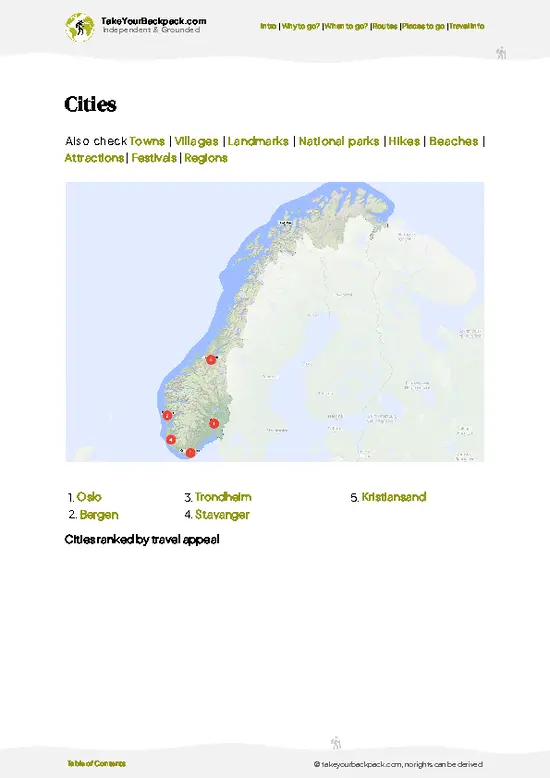
  • Kristiansand—Seaside promenade, family attractions, southern beaches| 250 km away
  • Stavanger—white wooden houses, oil museum, street murals| 302 km away
  • Bergen—harborfront warehouses, rain-soaked alleys, mountain viewpoints| 305 km away

💡 Not sure where to go next?
Create a personalized itinerary for Norway including Oslo and the places that fit your trip.

Generate my itinerary

👉 Discover all cities

Or checkout all Norway has to offer (think cities, towns, villages, national parks, hikes, beaches, festivals)
Country photo of Norway

We 💚 feedbackKey takeaways before you go

Oslo’s waterfront is a game-changer. The blend of modern architecture and nature is captivating, especially at the Opera House where you can walk on the roof. But let’s be real: Oslo isn’t cheap. Dining out can hit your wallet hard, so budget wisely. Embrace the free parks and museums on certain days to balance the splurge. It’s all about finding that sweet spot between experience and expense.

✈️ When did I visit Norway?
Having played floorball, a sport large in the nordic countries, I have visited Norway as well a couple of times from 1999 to 2008.

✍️ Help improve this page!
The information on this page is based on my own backpacking experience in Norway, supplemented with up-to-date research and feedback from other travelers. Travel details can change, so if you notice anything outdated or incomplete, feel free to let me know.


🙋‍♂️ Give feedback

👋 Meet the founderWho’s Behind Take Your Backpack?

Johan, backpacker and founder of TakeYourBackpackHi, I’m Johan (Netherlands 🇳🇱), the creator of TakeYourBackpack. Over the past decade, I’ve backpacked through 80+ countries across six continents, gaining extensive experience with independent travel, long-term trips, and overland routes.

This site is built on a combination of firsthand travel experience and carefully curated insights from other backpackers. Many guides are based on places I’ve personally visited, while others bring together tips, observations, and practical advice shared by trusted travelers I’ve met along the way.

The goal is to provide realistic, experience-driven guidance — not generic itineraries — so you can explore destinations with better context, clearer expectations, and more confidence.

Get full Norway guide •
Instant download • 103 highlights • Full Offline guide