×

Norway🇳🇴 | townsRjukanIndustrial heritage, cable car, deep valley | things to do and best time to go

Explore MandalExplore Notodden

Backpacking in Rjukan
👍 Recommendedtown ranked #11
By Johan Kruseman 🇳🇱 | Updated June 15, 2026

Years ago, Rjukan felt like a half-abandoned industrial valley: quiet streets, heavy factory bones, and mostly Norwegian hikers passing through. Today it’s still a working town at heart, but the edges are softer: more climbers, more trail runners, a couple of cafés that actually care about coffee, and a tourism office that knows what you’re here for. Rjukan sits deep in Telemark, roughly between Oslo and the Hardangervidda plateau, and that’s its real value for backpackers: a functional, slightly gritty base camp for big nature. You come for Gaustatoppen, Hardangervidda, ice climbing in winter, and the WWII heavy-water history, not for nightlife or a cute old town. The center is compact and walkable, buses link you to Gaustablikk and nearby trailheads, and hitchhiking still works reasonably well. It’s cheaper and more low-key than fancy Gaustablikk, more scenic and purposeful than a random roadside stop, but it can feel quiet and a bit lonely if you’re chasing hostel bar energy. Safety is a non-issue; the real “risk” is getting stuck in the valley fog and realizing this is a place to move your legs, not your social calendar.

Discover everything you want to know in the 📖 Norway Travel Guide.


Get your Norway guide
103 ranked highlights, routes & tips, works offline (393 pages)
Loading the map 🌍
CLICK TO FILTER
cities
towns
villages
landmarks
national parks
hikes
beaches
attractions
festivals
regions
SHOW COUNTRY’S BESTSHOW ALL

✨ Why go?
Ranked #11 town in Norway
Why Rjukan should be on your travel list

Rjukan draws backpackers for its convenience as a base for nearby hikes and cultural sites. The walkable streets invite exploration, while small-scale hostels and guesthouses foster a friendly, social atmosphere. You’ll find local food experiences that highlight Norwegian flavors, making meals a joy rather than a chore. Most travelers linger a few days, soaking in the tranquility and connecting with fellow adventurers. It’s perfect for slow travelers and hikers who appreciate a laid-back vibe over nightlife. If you’re seeking a place to recharge between outdoor pursuits, Rjukan offers a meaningful pause on your journey.
Want to include Rjukan in your Norway route?
Create a personalized Norway itinerary that includes Rjukan and the places that fit your trip — based on your travel style, budget, and available time. Get your route in seconds.

Generate my trip

💡 HighlightsKey sights and experiences for travelers

  1. Vemork — Norsk Industriarbeidermuseum (Vemork Power Station): The real centerpiece of Rjukan’s story — a working hydroelectric plant turned museum that walks you through Norway’s industrial boom and the WWII “heavy water” sabotage. You can tour the old turbine hall, see the sabotage exhibits, and feel why this place helped make modern Rjukan.
  2. The Sun Mirrors (Solspeilene) at Torget: Three mountain-mounted mirrors that reflect sunlight down into the shaded town square in winter. It’s a small technical-art intervention, but actually magical to stand in sun where there normally isn’t any — and it tells you a lot about life here and local ingenuity.
  3. Krossobanen cable car: The valley station is in town; the ride up takes you to a broad viewpoint and trailheads. Good short ride for instant views
read more 👉
  1. Vemork — Norsk Industriarbeidermuseum (Vemork Power Station): The real centerpiece of Rjukan’s story — a working hydroelectric plant turned museum that walks you through Norway’s industrial boom and the WWII “heavy water” sabotage. You can tour the old turbine hall, see the sabotage exhibits, and feel why this place helped make modern Rjukan.
  2. The Sun Mirrors (Solspeilene) at Torget: Three mountain-mounted mirrors that reflect sunlight down into the shaded town square in winter. It’s a small technical-art intervention, but actually magical to stand in sun where there normally isn’t any — and it tells you a lot about life here and local ingenuity.
  3. Krossobanen cable car: The valley station is in town; the ride up takes you to a broad viewpoint and trailheads. Good short ride for instant views of the town carved into the valley, and the top station is the practical gateway if you want to hike toward Gaustatoppen.
  4. Rjukanfossen: The dramatic waterfall on the Måna river that gave the town its name. There are accessible viewpoints and historic photos showing how the falls and the river were harnessed for power — a neat overlap of nature and industry.
  5. Rjukanbanen / Rjukan Station (railway heritage): The old railway infrastructure and preserved station tell the transport side of the hydro-industrial story. You can walk among tracks, see old rolling stock and get a real feel for how people and materials moved through Rjukan in the early 20th century.
  6. Rjukan kirke (Rjukan Church): A tidy, early-20th-century church with local craftsmanship and graveyard stories that illuminate the town’s social history — workers, engineers and families who built the place. Quiet, human-scale history away from the big industrial sites.
  7. Rjukan Kulturhus (Cultural House): The town’s cultural hub with rotating exhibitions, cinema and events. It’s where locals hang out, so pop in for a local show, a small exhibit about Rjukan life, or just to recharge with coffee and people-watching.
  8. Måna riverwalk and industrial archaeology: Walk along the Måna and you’ll see remnants of old pipes, sluices and foundations — the physical traces of power production. It’s an easy, tangible way to connect the big museum story to the landscape you’re standing in.
  9. Worker housing and the townscape (Rjukan sentrum): The arranged rows of worker housing, company-built blocks and main street are part of the UNESCO industrial heritage. Stroll the streets to understand the planned-company-town layout and how daily life was organized around the plant.
  10. Rjukanbadet (local pool and leisure complex): Not glamorous, but a great slice of local life — a modern pool, sauna and sports facilities where families and travelers mingle. Good for a low-cost recharge day, especially after hiking or museum visits.
A few great day trips nearby: hike or ride up Gaustatoppen for panoramic views, visit the Mæl ferry terminus and lake Tinnsjø (Rjukanbanen’s historic rail-ferry connection), or explore parts of Hardangervidda / Møsvatn for high-mountain scenery.
Spotted a mistake or missing something? Contact us.

Things to do near Rjukan

Ratings based on Tripadvisor reviews. When you book through this link, you support our work at no extra cost to you.

🏘️ NeighborhoodsNeighborhood guide to Rjukan

Rjukan is a small town packed with history and adventure, nestled in a valley surrounded by towering mountains. Each area offers a unique flavor for backpackers.

Rjukan Town Center: This is the heartbeat of Rjukan. You’ll find cozy cafes and local shops. It’s walkable, making it easy to explore on foot. Prices are moderate, and the nightlife is low-key, perfect for unwinding after a day of hiking. Ideal for short stays, you can soak in the local culture without feeling rushed.

Gaustatoppen Area: If you’re here for the mountains, this is your launchpad. The vibe is more rugged, with access to trails leading to Gaustatoppen. Accommodation can be pricier, but the views are worth it. It’s quieter, making it suitable for longer stays where you can immerse yourself in nature.

Rjukan’s Industrial read more 👉
Rjukan is a small town packed with history and adventure, nestled in a valley surrounded by towering mountains. Each area offers a unique flavor for backpackers.

Rjukan Town Center: This is the heartbeat of Rjukan. You’ll find cozy cafes and local shops. It’s walkable, making it easy to explore on foot. Prices are moderate, and the nightlife is low-key, perfect for unwinding after a day of hiking. Ideal for short stays, you can soak in the local culture without feeling rushed.

Gaustatoppen Area: If you’re here for the mountains, this is your launchpad. The vibe is more rugged, with access to trails leading to Gaustatoppen. Accommodation can be pricier, but the views are worth it. It’s quieter, making it suitable for longer stays where you can immerse yourself in nature.

Rjukan’s Industrial Heritage: Explore the remnants of the town’s industrial past. This area is less touristy, offering a glimpse into Rjukan’s history. It’s a bit further out, so expect to walk or bike. Great for those who appreciate a slower pace and want to dig deeper into the town’s story.

⌛️ 1 dayHow to make the most of one day

Rjukan, Norway, is a town steeped in history and surrounded by dramatic mountains. It’s a place where the past and present collide, offering a unique blend of industrial heritage and outdoor adventure. Start your day with a hearty breakfast at Café Kafé, where the scent of freshly baked bread mingles with rich coffee. Grab a seat by the window to watch the morning light dance off the surrounding peaks.

After fueling up, head to the Rjukan-Notodden Industrial Heritage Site. This UNESCO World Heritage site showcases the town’s fascinating role in the development of hydroelectric power. The industrial remnants tell stories of innovation and resilience, and wandering through them feels like stepping back in time.

In the afternoon, take a short hike to the nearby Gaustatoppen. The trail is well-marked, … read more 👉
Rjukan, Norway, is a town steeped in history and surrounded by dramatic mountains. It’s a place where the past and present collide, offering a unique blend of industrial heritage and outdoor adventure. Start your day with a hearty breakfast at Café Kafé, where the scent of freshly baked bread mingles with rich coffee. Grab a seat by the window to watch the morning light dance off the surrounding peaks.

After fueling up, head to the Rjukan-Notodden Industrial Heritage Site. This UNESCO World Heritage site showcases the town’s fascinating role in the development of hydroelectric power. The industrial remnants tell stories of innovation and resilience, and wandering through them feels like stepping back in time.

In the afternoon, take a short hike to the nearby Gaustatoppen. The trail is well-marked, and the climb rewards you with panoramic views that make every step worthwhile. The crisp mountain air invigorates your spirit, and the sense of accomplishment is palpable.

As evening approaches, stroll through the charming streets of Rjukan. Stop by the lesser-known Vemork Museum, where you can learn about the daring WWII sabotage missions. The atmosphere here is charged with history, and it’s a refreshing alternative to the usual tourist spots. Wind down your day with dinner at a local eatery, savoring traditional Norwegian dishes while reflecting on the day’s adventures. Rjukan isn’t just a destination; it’s an experience that lingers long after you leave.
Turn your Rjukan visit into an Norway adventure
Build a complete Norway route with Rjukan, hidden gems, must-see destinations, and realistic travel times included.

Generate my trip

🌤️ When to go?Seasonal considerations and timing


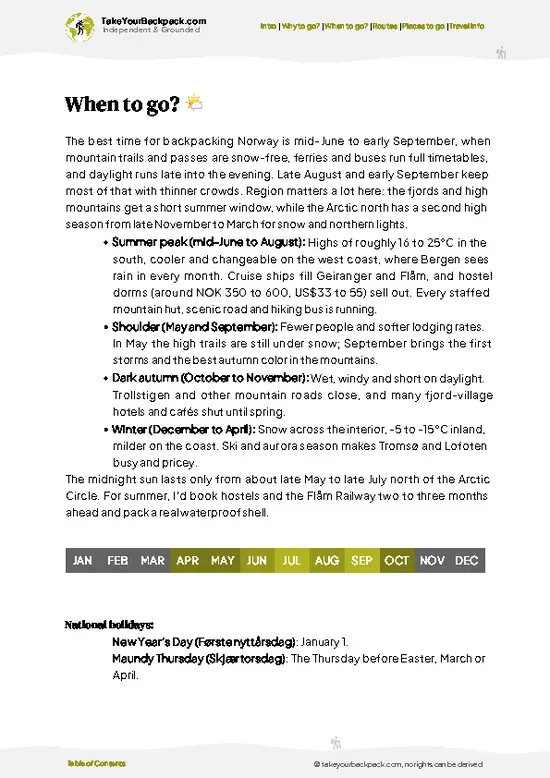
  • Weather: Rjukan’s weather swings dramatically. Winters plunge to -10°C (14°F) or colder, blanketing the valley in snow, perfect for winter sports but tough for casual hiking. Summers hover around 15-20°C (59-68°F), offering crisp, fresh air without the oppressive heat.

  • Daylight Hours: In winter, Rjukan is famously shadowed by surrounding mountains, plunging parts of town into darkness for weeks. From late May to mid-July, the sun stays high, flooding the valley with nearly 20 hours of light—ideal for long treks and photography.

  • Crowds: Summer attracts hikers and climbers, but Rjukan remains low-key compared to Norway’s hotspots. Winter draws ski enthusiasts, especially around the Krossobanen cable car, but expect fewer tourists than in major resorts.

  • Seasonal Activities: Winter is
read more 👉

  • Weather: Rjukan’s weather swings dramatically. Winters plunge to -10°C (14°F) or colder, blanketing the valley in snow, perfect for winter sports but tough for casual hiking. Summers hover around 15-20°C (59-68°F), offering crisp, fresh air without the oppressive heat.

  • Daylight Hours: In winter, Rjukan is famously shadowed by surrounding mountains, plunging parts of town into darkness for weeks. From late May to mid-July, the sun stays high, flooding the valley with nearly 20 hours of light—ideal for long treks and photography.

  • Crowds: Summer attracts hikers and climbers, but Rjukan remains low-key compared to Norway’s hotspots. Winter draws ski enthusiasts, especially around the Krossobanen cable car, but expect fewer tourists than in major resorts.

  • Seasonal Activities: Winter is for skiing, ice climbing, and experiencing the unique shadow period. Summer opens up hiking, canyoning, and exploring the historic heavy water plant sites under endless daylight.

  • Price Fluctuations: Accommodation and transport costs peak in summer and winter holidays. Shoulder seasons—late spring and early autumn—offer better deals and quieter trails without sacrificing much daylight or activity options.


Pro-tip: Aim for late spring or early autumn to dodge the extremes—enjoy crisp air, manageable daylight, fewer crowds, and wallet-friendly prices, all while soaking in Rjukan’s rugged charm.


source: climatestotravel.comJANJanuary: good for travelingFEBFebruary: good for travelingMARMarch: good for travelingAPRApril: highly recommended for travelingMAYMay: highly recommended for travelingJUNJune: excellent for travelingJULJuly: excellent for travelingAUGAugust: highly recommended for travelingSEPSeptember: highly recommended for travelingOCTOctober: highly recommended for travelingNOVNovember: fair for travelingDECDecember: fair for traveling
norway-city-rjukan
© Google |

✈️ The backpacker research shortcutNorway Travel Guide

An offline-friendly backpacking guide with optimized travel routes, ranked highlights, transport advice, and the best areas to stay.
example page 0 from our offline Travel Guide for Norway
example page 1 from our offline Travel Guide for Norway
example page 2 from our offline Travel Guide for Norway
example page 3 from our offline Travel Guide for Norway
example page 4 from our offline Travel Guide for Norway
example page 5 from our offline Travel Guide for Norway
example page 6 from our offline Travel Guide for Norway
example page 7 from our offline Travel Guide for Norway
The digital guide (393 pages) contains:
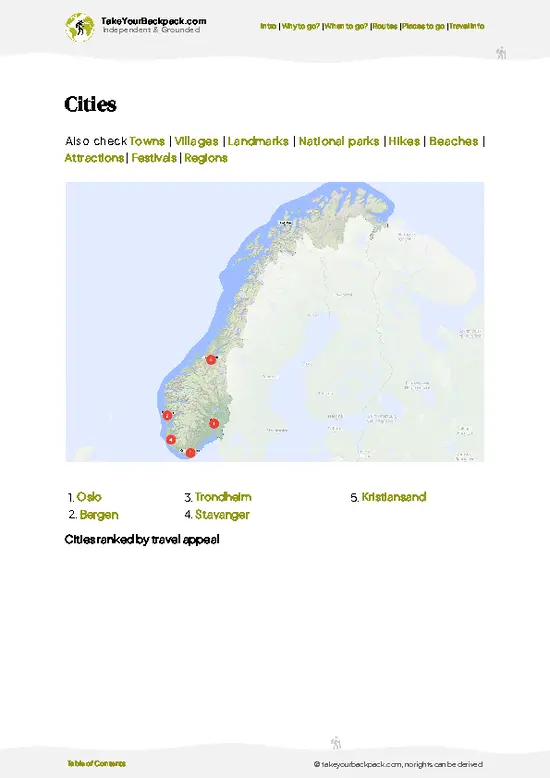
103 highlights, ranked by travel appeal
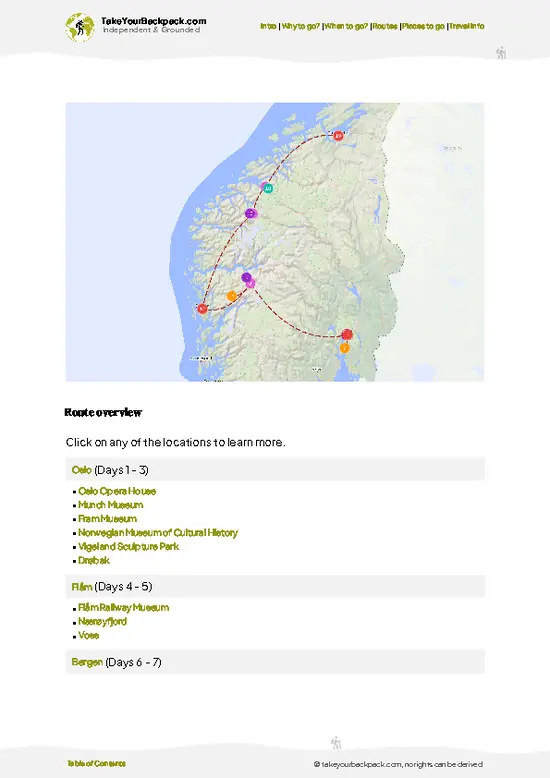
Optimized 5, 10 & 15-day travel routes
Cities, national parks, landmarks, beaches
How to get around
Offline-friendly for travel without Wi-Fi
👉 Click to see all 30+ guide features

📅 Plan smarter in minutes, not weeks
Month by month travel advice
Festivals & national holidays
Budget expectations

🗺️ Go to the right places, skip the overrated ones
Honest pros & cons of destinations
Top hikes, parks & viewpoints
Lesser-known places most travelers miss
Clear “worth it vs skip it” guidance

🛏️ Travel smoothly without rookie mistakes
Best areas to stay
Transport systems explained simply
Common scams & safety advice
SIM cards, money & practical tips

🌍 Understand the country, not just visit it
Culture & traditions
52 Essential phrases & customs
Festivals worth planning around
Traveler-friendly historical context
Insights that make places more meaningful

📱 Built for real travel conditions
Fully downloadable PDF
Works completely offline
Optimized for phone use
Useful in remote areas & buses
Everything in one place
Save weeks of stressful planning
Get instant access to your full guide. 30‑day money-back guarantee.


By proceeding you agree to our terms.
Sent to your inbox immediately after payment • 100% Secure Checkout
Best Backpacking Travel Advisor 2025 tourism awardBest Backpacking
Travel Advisor
2025
What others say about Take Your Backpack Guides:
⭐⭐⭐⭐⭐
Fantastic, amazing amount of information!
⭐⭐⭐⭐⭐
My goodness this is amazing, it's what I've been looking for hats off too you!
⭐⭐⭐⭐⭐
I think this is absolutely BRILLIANT
⭐⭐⭐⭐
Very complete and informative. It's still missing places, but I gotta to commend you
⭐⭐⭐⭐⭐
This is truly amazing, thank you, can't wait to explore it with my kids!
⭐⭐⭐⭐⭐
Awesome resource, thank you!
⭐⭐⭐⭐⭐
This is amazing! Can't wait to explore the ones I haven't seen
⭐⭐⭐⭐
I love this! Well done, great idea.
⭐⭐⭐⭐⭐
Thanks for taking the time to make this gem!
⭐⭐⭐⭐⭐
This might be the best website I've ever seen.
⭐⭐⭐⭐⭐
Congratulations, and thank you so much for your work; it's incredibly valuable.
⭐⭐⭐⭐
In all seriousness I think you did a great job pointing out the important spots
⭐⭐⭐⭐⭐
10/10 very good
⭐⭐⭐⭐⭐
As someone who's only just starting to visit regularly this is awesome, thank you.
⭐⭐⭐⭐
Thank you very much! I'm going to visit my dad, it's going to be very useful!
⭐⭐⭐⭐⭐
This is really cool! We'll be travelling for the first time and this definitely come in handy.
⭐⭐⭐⭐⭐
You are now our minister of culture, congratulations 👨‍💼
⭐⭐⭐⭐⭐
Just wanted to tell you that this is a pearl! Going to follow your recommendations.
⭐⭐⭐⭐⭐
This is so cool. I'll definitely be using the resource for my travels soon.
⭐⭐⭐⭐⭐
This is very impressive! Good work.
⭐⭐⭐⭐⭐
This is an amazing and informative site. Very well done!

🛏️ Where to stay?Best areas to stay in Norway

Rjukan’s heart for backpackers beats strongest near the town center, where the streets hum with a quiet energy and the air carries a faint scent of pine mixed with fresh mountain chill. This area is your best bet for safety and social buzz. It’s compact enough to walk everywhere—cafés, gear shops, and the ferry point to Gaustatoppen are all within reach. Staying here means you’re plugged into the pulse of local life, where you can swap trail stories over a coffee or meet fellow solo travelers without hunting for a scene.

Venture a bit beyond the center, and the vibe shifts to a more residential … read more 👉
Rjukan’s heart for backpackers beats strongest near the town center, where the streets hum with a quiet energy and the air carries a faint scent of pine mixed with fresh mountain chill. This area is your best bet for safety and social buzz. It’s compact enough to walk everywhere—cafés, gear shops, and the ferry point to Gaustatoppen are all within reach. Staying here means you’re plugged into the pulse of local life, where you can swap trail stories over a coffee or meet fellow solo travelers without hunting for a scene.

Venture a bit beyond the center, and the vibe shifts to a more residential calm, which is great if you crave quiet but less ideal for meeting people or grabbing last-minute supplies. The outskirts lack the same hostel density, so you’ll miss out on the communal atmosphere that makes backpacking in Rjukan feel like joining a low-key expedition crew. Stick close to the core—this is where the town’s soul and your next adventure intersect.

🚌 Getting aroundHow to get around Rjukan

Rjukan moves at the pace of the fjord winds—steady, deliberate, and shaped by the rhythm of nature rather than the tick of a clock. This is not a place where you’ll find throngs rushing to catch the next bus or trains packed shoulder to shoulder. Instead, the town’s flow is a quiet negotiation between the mountain shadows and the low winter sun, where timing means syncing with daylight and the sparse but reliable transit options. You’ll feel the cool, crisp air carrying the scent of pine and damp earth as you navigate streets that invite walking, but also reward a bit of planning to avoid long waits in the cold.


  • Walking: The heart of Rjukan is compact and best explored on foot. Streets are short, and the town’s main attractions, like the Vemork Museum and the cable car station, are within
read more 👉
Rjukan moves at the pace of the fjord winds—steady, deliberate, and shaped by the rhythm of nature rather than the tick of a clock. This is not a place where you’ll find throngs rushing to catch the next bus or trains packed shoulder to shoulder. Instead, the town’s flow is a quiet negotiation between the mountain shadows and the low winter sun, where timing means syncing with daylight and the sparse but reliable transit options. You’ll feel the cool, crisp air carrying the scent of pine and damp earth as you navigate streets that invite walking, but also reward a bit of planning to avoid long waits in the cold.


  • Walking: The heart of Rjukan is compact and best explored on foot. Streets are short, and the town’s main attractions, like the Vemork Museum and the cable car station, are within a 15-20 minute walk from most accommodations. Walking lets you soak in the sharp mountain air and the quiet hum of the town’s daily life without missing a beat.


  • Rjukanbanen Shuttle Bus: This local bus service connects the town center with key spots like the Krossobanen cable car and the ferry terminal. Runs roughly every hour from early morning (around 7 AM) until early evening (around 7 PM). Tickets are affordable, around 50 NOK, and the ride is smooth, offering a warm break from the chill outside.


  • Taxi: Taxis are available but pricey compared to buses. They’re best reserved for early mornings or late evenings when buses aren’t running. Expect to pay about 200-300 NOK for a short trip within town. The comfort and speed are worth it if you’re hauling gear or racing daylight.


  • Bicycle Rentals: Seasonal and weather-dependent, renting a bike can be a great way to cover more ground without losing the fresh air experience. Rentals usually cost around 150 NOK per day. The terrain is hilly, so be ready for some leg work, but the payoff is a flexible pace and access to trails just outside town.

👛 Costs (as of 4 April 2026)What things cost and how to budget

Backpacking in Rjukan, Norway, means stepping into a landscape where rugged mountains meet industrial history, but it also means facing the realities of Norway’s high cost of living. Here’s what you’re looking at day-to-day.
  • Dorm Accommodation: Hostels in Rjukan typically run between €40 and €60 per night. This might feel steep compared to other European towns, but dorms here are clean, often with mountain views or easy access to hiking trails, which adds value beyond just a bed.
  • Meals: Eating out is pricey. Expect to spend around €15 to €25 for a simple meal at a café or casual restaurant. Groceries from local stores can bring daily food costs down to about €10 to €15 if you cook your own meals, which is a smart move if you want to stretch your budget.
  • Local Transport: Rjukan is compact,
read more 👉
Backpacking in Rjukan, Norway, means stepping into a landscape where rugged mountains meet industrial history, but it also means facing the realities of Norway’s high cost of living. Here’s what you’re looking at day-to-day.
  • Dorm Accommodation: Hostels in Rjukan typically run between €40 and €60 per night. This might feel steep compared to other European towns, but dorms here are clean, often with mountain views or easy access to hiking trails, which adds value beyond just a bed.
  • Meals: Eating out is pricey. Expect to spend around €15 to €25 for a simple meal at a café or casual restaurant. Groceries from local stores can bring daily food costs down to about €10 to €15 if you cook your own meals, which is a smart move if you want to stretch your budget.
  • Local Transport: Rjukan is compact, and many trails and sights are walkable. However, local buses cost about €5 to €7 per ride if you need to cover longer distances or reach trailheads. Renting a bike is another option, roughly €20 to €30 per day, giving you freedom without the bus schedule.
  • Basic Activities/Entry Fees: Most outdoor activities like hiking are free, but some attractions, such as the Vemork Museum (famous for its WWII history), charge around €15 for entry. Guided tours or special experiences can push this higher, so budget accordingly if you want those extras.
  • Miscellaneous Expenses: Think small things like coffee (€3 to €5), snacks, or occasional gear rentals. These can add up to about €5 to €10 daily, depending on your habits.

All told, a realistic daily budget for backpacking in Rjukan falls between €75 and €110. It’s not a budget backpacker’s bargain, but the payoff is the crisp mountain air, the quiet trails, and a chance to experience a slice of Norway that feels both raw and storied. Planning meals and transport carefully makes the difference between scraping by and savoring the experience.


source: visitnorway.com
⚠️ Prices can change and everyone travels differently, so take this as a rough guide. Hope it helps you plan your adventure!

🚌 Day tripsWhere to go beyond the main area

Rjukan is a backpacker’s dream base, offering easy access to stunning landscapes and thrilling adventures. Here are some day trips that will elevate your experience.

Gaustatoppen Hike
This iconic peak towers over Rjukan, and the hike to its summit is a rite of passage. Expect a 3-4 hour trek that rewards you with panoramic views of the surrounding fjords and valleys. The trail can be steep, so pack plenty of water and snacks. Late spring to early autumn is ideal, but avoid the crowds by starting early. A common mistake? Underestimating the weather; it can change quickly, so layers are your best friend.


Vemork Museum
Just a short bus ride away, the Vemork Museum tells the gripping story of World War II’s heavy water sabotage. The museum is set in a stunning industrial complex, with … read more 👉
Rjukan is a backpacker’s dream base, offering easy access to stunning landscapes and thrilling adventures. Here are some day trips that will elevate your experience.

Gaustatoppen Hike
This iconic peak towers over Rjukan, and the hike to its summit is a rite of passage. Expect a 3-4 hour trek that rewards you with panoramic views of the surrounding fjords and valleys. The trail can be steep, so pack plenty of water and snacks. Late spring to early autumn is ideal, but avoid the crowds by starting early. A common mistake? Underestimating the weather; it can change quickly, so layers are your best friend.


Vemork Museum
Just a short bus ride away, the Vemork Museum tells the gripping story of World War II’s heavy water sabotage. The museum is set in a stunning industrial complex, with the sound of rushing water from the nearby falls adding to the atmosphere. Plan for a couple of hours here, and don’t miss the guided tours for deeper insights. Entry is budget-friendly, making it a worthwhile stop. Visit in the summer for the best experience, as the trails around the museum are open and vibrant.


Rjukanfossen Waterfall
A quick 20-minute walk from town, this waterfall is a hidden treasure. The roar of the water and the mist in the air create an invigorating atmosphere. It’s a perfect spot for a picnic or a quick photo op. Best visited in late spring when the snowmelt makes it particularly powerful. Many overlook this gem, but it’s a refreshing break from the more strenuous activities.


Hardangervidda National Park
A bit further afield, this national park is a paradise for nature lovers. A 1.5-hour bus ride gets you to the park’s edge, where you can explore vast plateaus and unique wildlife. Day hikes here can vary in length, so choose one that suits your energy level. Late summer is prime time for wildflowers and clear skies. A common rookie mistake is not checking trail conditions; some paths can be tricky, so do your homework.


Each of these trips offers a unique slice of Norway’s beauty, making Rjukan an ideal launchpad for your adventures.
Want to know what more Norway offers?
The Norway Travel Guide describes 103 highlights, from cities to national parks, from beaches to hikes

Get the Travel Guide -

🛡️ SafetyStaying Safe: What Travelers Should Know

Rjukan is generally safe, but awareness is key. Stick to well-lit areas at night, especially around the bus station and main square. Solo travelers should trust their instincts; if something feels off, it probably is.

While scams are rare, be cautious of overly friendly locals offering unsolicited help—sometimes it’s just a ploy for cash. Everyday annoyances might include the occasional tourist crowd at popular spots, so aim for early mornings or late afternoons to enjoy the serene beauty without the bustle. Carry yourself confidently, and you’ll blend right in.

Other Norwegian towns near Rjukan

Explore more nearby:

  • Notodden—Blues festival, industrial sites, lakeside setting| 42 km away
  • Drøbak—Oslofjord views, Christmas shop, fortress island| 116 km away
  • Sandefjord—Whaling museum, ferry port, art nouveau villas| 123 km away

💡 Not sure where to go next?
Create a personalized itinerary for Norway including Rjukan and the places that fit your trip.

Generate my itinerary

👉 Discover all towns

Or checkout all Norway has to offer (think cities, towns, villages, national parks, hikes, beaches, festivals)
Country photo of Norway

We 💚 feedbackFinal thoughts on visiting Rjukan

Rjukan’s raw beauty is magnetic; the way the valley cradles the sun, casting shadows that dance on the snow, is something you’ll remember. But be ready for the weather—clouds can roll in fast, and those sunny days are precious. Embrace the unpredictability; it’s part of the adventure.

✈️ When did I visit Norway?
Having played floorball, a sport large in the nordic countries, I have visited Norway as well a couple of times from 1999 to 2008.

✍️ Help improve this page!
The information on this page is based on my own backpacking experience in Norway, supplemented with up-to-date research and feedback from other travelers. Travel details can change, so if you notice anything outdated or incomplete, feel free to let me know.


🙋‍♂️ Give feedback

👋 Meet the founderWho’s Behind Take Your Backpack?

Johan, backpacker and founder of TakeYourBackpackHi, I’m Johan (Netherlands 🇳🇱), the creator of TakeYourBackpack. Over the past decade, I’ve backpacked through 80+ countries across six continents, gaining extensive experience with independent travel, long-term trips, and overland routes.

This site is built on a combination of firsthand travel experience and carefully curated insights from other backpackers. Many guides are based on places I’ve personally visited, while others bring together tips, observations, and practical advice shared by trusted travelers I’ve met along the way.

The goal is to provide realistic, experience-driven guidance — not generic itineraries — so you can explore destinations with better context, clearer expectations, and more confidence.

Get full Norway guide •
Instant download • 103 highlights • Full Offline guide