v2.webp)




The Oman Across Ages Gallery
Forget the sanitized, glass-case approach you get in most national museums. This gallery is a time machine with teeth. You’ll walk through Oman’s story from Stone Age flint tools to the oil boom, but the real hook is the way it’s staged: immersive, cinematic, and unapologetically proud. You’ll see ancient copper ingots, frankincense burners, and a full-size dhow that looks ready to launch. The lighting is dramatic, the curation is sharp, and you’ll leave with a sense of Oman’s identity that no Instagram filter can fake.
The Maritime History Hall
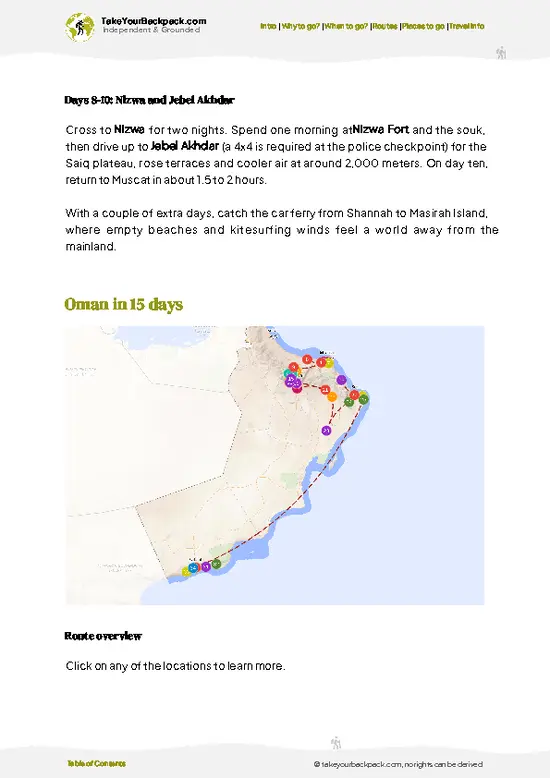
Oman’s maritime legacy isn’t just a footnote—it’s the backbone of its culture. This hall is a love letter to the sea, packed with scale models, navigational instruments, and the kind of salt-stained artifacts that make … read more 👉
Forget the sanitized, glass-case approach you get in most national museums. This gallery is a time machine with teeth. You’ll walk through Oman’s story from Stone Age flint tools to the oil boom, but the real hook is the way it’s staged: immersive, cinematic, and unapologetically proud. You’ll see ancient copper ingots, frankincense burners, and a full-size dhow that looks ready to launch. The lighting is dramatic, the curation is sharp, and you’ll leave with a sense of Oman’s identity that no Instagram filter can fake.
The Maritime History Hall
Oman’s maritime legacy isn’t just a footnote—it’s the backbone of its culture. This hall is a love letter to the sea, packed with scale models, navigational instruments, and the kind of salt-stained artifacts that make … read more 👉
The Oman Across Ages Gallery
Forget the sanitized, glass-case approach you get in most national museums. This gallery is a time machine with teeth. You’ll walk through Oman’s story from Stone Age flint tools to the oil boom, but the real hook is the way it’s staged: immersive, cinematic, and unapologetically proud. You’ll see ancient copper ingots, frankincense burners, and a full-size dhow that looks ready to launch. The lighting is dramatic, the curation is sharp, and you’ll leave with a sense of Oman’s identity that no Instagram filter can fake.
The Maritime History Hall
Oman’s maritime legacy isn’t just a footnote—it’s the backbone of its culture. This hall is a love letter to the sea, packed with scale models, navigational instruments, and the kind of salt-stained artifacts that make you want to sign up for a voyage yourself. The centerpiece? A jaw-dropping, full-scale replica of a traditional Omani boat, the Majan, suspended as if caught mid-journey. You can practically smell the salt air. It’s not just for ship nerds; it’s a crash course in how Oman punched above its weight on the Indian Ocean.
The Arms and Armour Gallery
This isn’t your average parade of rusty swords. Oman’s weapons are works of art—silver-inlaid khanjars (curved daggers), ornate muskets, and shields that look like they belong in a fantasy epic. The gallery doesn’t just show you the hardware; it tells the stories behind them. You’ll get a sense of tribal pride, craftsmanship, and the very real stakes of survival in Oman’s past. If you’ve ever rolled your eyes at a museum’s “military history” section, this one might just convert you.
The Intangible Heritage Gallery
Most museums struggle to capture living culture. Not here. This gallery is alive with video, sound, and hands-on displays. You’ll hear Omani music, see traditional dress, and watch footage of real celebrations. It’s a sensory overload in the best way—proof that Oman’s soul isn’t just in its artifacts, but in its people and their daily lives. If you want to understand what makes Oman tick, this is the shortcut.
The Currency and Stamps Gallery
It sounds niche, but don’t skip it. Omani coins and stamps are tiny, tactile windows into the country’s shifting alliances and ambitions. You’ll see coins from ancient trade routes, colonial-era oddities, and modern designs that double as miniature art. The gallery is compact but dense with stories—perfect for anyone who loves the weird, granular details of history.
The Immersive Multimedia Displays
Here’s where the museum leaves the old-school crowd in the dust. Interactive screens, 3D models, and augmented reality bring Oman’s history to life without dumbing it down. You can “handle” ancient objects virtually, trace trade routes with a swipe, or watch historical events unfold on panoramic screens. It’s tech with a purpose, not a gimmick—ideal for restless kids and adults who want more than just reading plaques.
The Building Itself
Don’t overlook the architecture. The museum’s design is a statement: modern, minimalist, and rooted in Omani motifs. The central atrium is a showstopper, flooded with natural light and anchored by a monumental staircase. It’s a space that feels both grand and welcoming—a rare feat in the world of national museums, where “imposing” often means “cold.” Here, the building is part of the experience.
Forget the sanitized, glass-case approach you get in most national museums. This gallery is a time machine with teeth. You’ll walk through Oman’s story from Stone Age flint tools to the oil boom, but the real hook is the way it’s staged: immersive, cinematic, and unapologetically proud. You’ll see ancient copper ingots, frankincense burners, and a full-size dhow that looks ready to launch. The lighting is dramatic, the curation is sharp, and you’ll leave with a sense of Oman’s identity that no Instagram filter can fake.
The Maritime History Hall
Oman’s maritime legacy isn’t just a footnote—it’s the backbone of its culture. This hall is a love letter to the sea, packed with scale models, navigational instruments, and the kind of salt-stained artifacts that make you want to sign up for a voyage yourself. The centerpiece? A jaw-dropping, full-scale replica of a traditional Omani boat, the Majan, suspended as if caught mid-journey. You can practically smell the salt air. It’s not just for ship nerds; it’s a crash course in how Oman punched above its weight on the Indian Ocean.
The Arms and Armour Gallery
This isn’t your average parade of rusty swords. Oman’s weapons are works of art—silver-inlaid khanjars (curved daggers), ornate muskets, and shields that look like they belong in a fantasy epic. The gallery doesn’t just show you the hardware; it tells the stories behind them. You’ll get a sense of tribal pride, craftsmanship, and the very real stakes of survival in Oman’s past. If you’ve ever rolled your eyes at a museum’s “military history” section, this one might just convert you.
The Intangible Heritage Gallery
Most museums struggle to capture living culture. Not here. This gallery is alive with video, sound, and hands-on displays. You’ll hear Omani music, see traditional dress, and watch footage of real celebrations. It’s a sensory overload in the best way—proof that Oman’s soul isn’t just in its artifacts, but in its people and their daily lives. If you want to understand what makes Oman tick, this is the shortcut.
The Currency and Stamps Gallery
It sounds niche, but don’t skip it. Omani coins and stamps are tiny, tactile windows into the country’s shifting alliances and ambitions. You’ll see coins from ancient trade routes, colonial-era oddities, and modern designs that double as miniature art. The gallery is compact but dense with stories—perfect for anyone who loves the weird, granular details of history.
The Immersive Multimedia Displays
Here’s where the museum leaves the old-school crowd in the dust. Interactive screens, 3D models, and augmented reality bring Oman’s history to life without dumbing it down. You can “handle” ancient objects virtually, trace trade routes with a swipe, or watch historical events unfold on panoramic screens. It’s tech with a purpose, not a gimmick—ideal for restless kids and adults who want more than just reading plaques.
The Building Itself
Don’t overlook the architecture. The museum’s design is a statement: modern, minimalist, and rooted in Omani motifs. The central atrium is a showstopper, flooded with natural light and anchored by a monumental staircase. It’s a space that feels both grand and welcoming—a rare feat in the world of national museums, where “imposing” often means “cold.” Here, the building is part of the experience.
Spotted a mistake or missing something? Contact us.

Half Day Muscat City Tours Private

Private Full Day Muscat City Tour

Discover Muscat: Group City Tour

Muscat: City Highlights Experience with Transfer

Muscat Essentials: Half-Day Sightseeing with Audio Guiding

Private Muscat City Tour - Full Day Tour

5 Days 6 Nights Private Tour in Oman

Full Day Private Muscat City Tour

Private Half-Day Muscat City Tour


 Best Backpacking
.jpg) Hi, I’m Johan (Netherlands 🇳🇱), the creator of TakeYourBackpack. Over the past 3 decades, I’ve backpacked through 90+ countries across six continents, gaining extensive experience with independent travel, long-term trips, and overland routes.
Hi, I’m Johan (Netherlands 🇳🇱), the creator of TakeYourBackpack. Over the past 3 decades, I’ve backpacked through 90+ countries across six continents, gaining extensive experience with independent travel, long-term trips, and overland routes.