

×

Oman🇴🇲 | attractionsBait Al Zubair MuseumOmani heritage, traditional weapons, costume collections | things to do and best time to go

Explore National Museum of OmanExplore Bait Al Baranda Museum

Backpacking in Bait Al Zubair Museum
👍 Recommendedattraction ranked #7
By Johan Kruseman 🇳🇱 | Updated September 4, 2026

Here’s what nobody tells you: Bait Al Zubair Museum isn’t just a showcase of Omani swords and costumes—it’s one of the only places in Muscat where you can wander a full-scale replica of a traditional Omani village, complete with a falaj irrigation system and mud-brick watchtower, all without the Instagram crowds. Tucked in the heart of Old Muscat, this museum is a quick detour from the Sultan’s palace and the tourist buses, but it’s not exactly a backpacker’s bargain—entry fees are higher than most local museums, and you’ll want to budget for a taxi, since public transport drops you a sweaty walk away. But here’s the kicker: if you’re craving a crash course in Omani culture that feels personal, not packaged, Bait Al Zubair delivers more depth and quiet character than the blockbuster Grand Mosque or the souqs. Expect a calm, almost meditative vibe—no adrenaline, but plenty of “so that’s how they lived” moments.

Discover everything you want to know in the 📖 Oman Travel Guide.
Safety warning

The current risk level for Oman is high. Check the advice before going.


Get your Oman guide
78 ranked highlights, routes & tips, works offline (306 pages)
Loading the map 🌍
CLICK TO FILTER
cities
towns
villages
landmarks
national parks
hikes
beaches
attractions
festivals
regions
SHOW COUNTRY’S BESTSHOW ALL

✨ Why go?
Ranked #7 attraction in Oman
Reasons people choose to visit here

Bait Al Zubair Museum isn’t your typical tourist checkbox in Oman—it’s a deep dive into the country’s soul, stripped of any Instagram gloss. Sure, it’s not a sprawling palace or a desert safari, but this compact museum punches way above its weight. Backpackers who carve out time here get more than dusty artifacts; they get a front-row seat to Oman’s layered history, from traditional weaponry to intricate silver jewelry and Bedouin life. It’s a cultural anchor that grounds your journey, especially after the whirlwind of Oman’s natural landscapes. The crowds are manageable, and the entry fee is a steal compared to the rich context you gain. This isn’t just a museum; it’s a milestone on the Oman route that connects you to the people behind the postcards. If you want to understand Oman beyond … read more 👉
Bait Al Zubair Museum isn’t your typical tourist checkbox in Oman—it’s a deep dive into the country’s soul, stripped of any Instagram gloss. Sure, it’s not a sprawling palace or a desert safari, but this compact museum punches way above its weight. Backpackers who carve out time here get more than dusty artifacts; they get a front-row seat to Oman’s layered history, from traditional weaponry to intricate silver jewelry and Bedouin life. It’s a cultural anchor that grounds your journey, especially after the whirlwind of Oman’s natural landscapes. The crowds are manageable, and the entry fee is a steal compared to the rich context you gain. This isn’t just a museum; it’s a milestone on the Oman route that connects you to the people behind the postcards. If you want to understand Oman beyond the surface, Bait Al Zubair is where the story starts making sense—raw, real, and worth every minute.
Want to include Bait Al Zubair Museum in your Oman route?
Create a personalized Oman itinerary that includes Bait Al Zubair Museum and the places that fit your trip — based on your travel style, budget, and available time. Get your route in seconds.

Generate my trip

💡 HighlightsDon't-miss highlights and experiences

The Private Arms Collection
Forget the sanitized, glass-case museum vibe. This is a wall-to-wall arsenal of Omani daggers (khanjars), swords, rifles, and pistols—some battered, some ornate, all with stories that outmuscle any Instagram filter. You’re not just looking at weapons; you’re staring down centuries of tribal pride and survival. The sheer density and variety here are a crash course in what it meant to defend your honor in Oman, long before air conditioning and SUVs.


The Traditional Omani House (Bait Al Bagh)
This isn’t a Disneyfied set piece. Step inside and you’ll feel the thick, cool air of a real merchant’s home, complete with creaky wooden doors, carved ceilings, and a courtyard that’s seen more family drama than a soap opera. You’ll see how Omanis actually lived—where they cooked, … read more 👉
The Private Arms Collection
Forget the sanitized, glass-case museum vibe. This is a wall-to-wall arsenal of Omani daggers (khanjars), swords, rifles, and pistols—some battered, some ornate, all with stories that outmuscle any Instagram filter. You’re not just looking at weapons; you’re staring down centuries of tribal pride and survival. The sheer density and variety here are a crash course in what it meant to defend your honor in Oman, long before air conditioning and SUVs.


The Traditional Omani House (Bait Al Bagh)
This isn’t a Disneyfied set piece. Step inside and you’ll feel the thick, cool air of a real merchant’s home, complete with creaky wooden doors, carved ceilings, and a courtyard that’s seen more family drama than a soap opera. You’ll see how Omanis actually lived—where they cooked, slept, and plotted their next move. It’s not staged; it’s preserved, and it’s a rare chance to walk through a slice of Muscat before the oil boom.


The Costume and Jewelry Rooms
If you think “traditional dress” means a few mannequins in dusty robes, you’re in for a surprise. The museum’s textile and jewelry rooms are a riot of color and metal—layered necklaces, heavy silver belts, and embroidered fabrics that would make a Paris runway look tame. These aren’t costumes; they’re wearable status updates, each piece loaded with meaning, from tribal affiliation to marital status. The craftsmanship is outrageous, and the stories behind each piece are even better.


The Outdoor Heritage Village
Step outside and you’re in a microcosm of rural Oman: mud-brick houses, a falaj (ancient irrigation channel), and even a reconstructed souq. It’s not a theme park—there’s dust, there’s heat, and there’s the sense that you could actually live here if you had to. This is where you get the “aha” moment about how Omanis turned harsh landscapes into home, long before the word “sustainable” was trendy.


The Temporary Exhibition Gallery
Here’s where the museum drops the script. Rotating exhibits—sometimes contemporary Omani art, sometimes rare manuscripts or photography—inject a jolt of modern energy into the historic setting. You never know what you’ll get, but it’s always a reminder that Omani culture isn’t stuck in the past. If you want to see what’s on the minds of local artists and thinkers right now, this is your window.
Spotted a mistake or missing something? Contact us.

Things to do around Bait Al Zubair Museum

Ratings based on Tripadvisor reviews. When you book through this link, you support our work at no extra cost to you.

🌤️ When to go?Choosing the right time of year


  • Topic: Weather and Temperature – Oman’s heat is no joke. From May to September, expect brutal highs around 40-45°C (104-113°F), making museum visits sweaty and exhausting. The sweet spot is between November and March when temperatures drop to a comfortable 20-25°C (68-77°F), perfect for wandering without melting.

  • Topic: Daylight Hours – Daylight is fairly consistent year-round, roughly 11 to 12 hours. However, winter months (December and January) offer slightly shorter days, so plan museum visits earlier to maximize daylight for other adventures.

  • Topic: Crowds – The museum isn’t a tourist magnet like the Grand Mosque, but expect a modest bump in visitors during the cooler months (November to February). Summer months see fewer tourists but also fewer staff and shorter opening hours.

read more 👉

  • Topic: Weather and Temperature – Oman’s heat is no joke. From May to September, expect brutal highs around 40-45°C (104-113°F), making museum visits sweaty and exhausting. The sweet spot is between November and March when temperatures drop to a comfortable 20-25°C (68-77°F), perfect for wandering without melting.

  • Topic: Daylight Hours – Daylight is fairly consistent year-round, roughly 11 to 12 hours. However, winter months (December and January) offer slightly shorter days, so plan museum visits earlier to maximize daylight for other adventures.

  • Topic: Crowds – The museum isn’t a tourist magnet like the Grand Mosque, but expect a modest bump in visitors during the cooler months (November to February). Summer months see fewer tourists but also fewer staff and shorter opening hours.

  • Topic: Seasonal Activities – Cultural festivals in Muscat, like the Muscat Festival in January, can add layers of local flavor to your visit. Timing your trip around these can enrich your experience beyond the museum walls.

  • Topic: Price Fluctuations – Entry fees remain stable year-round, but accommodation and flights spike during peak tourist season (December to February). Booking off-peak can save you serious cash without sacrificing the museum experience.


Pro-tip: Visit Bait Al Zubair in the shoulder months of October or March—cooler weather, manageable crowds, and better travel deals make it the sweet spot for backpackers.


source: climatestotravel.comJANJanuary: highly recommended for travelingFEBFebruary: highly recommended for travelingMARMarch: excellent for travelingAPRApril: fair for travelingMAYMay: below average for travelingJUNJune: below average for travelingJULJuly: below average for travelingAUGAugust: below average for travelingSEPSeptember: fair for travelingOCTOctober: excellent for travelingNOVNovember: highly recommended for travelingDECDecember: highly recommended for traveling
when-to-go

✈️ The backpacker research shortcutOman Travel Guide

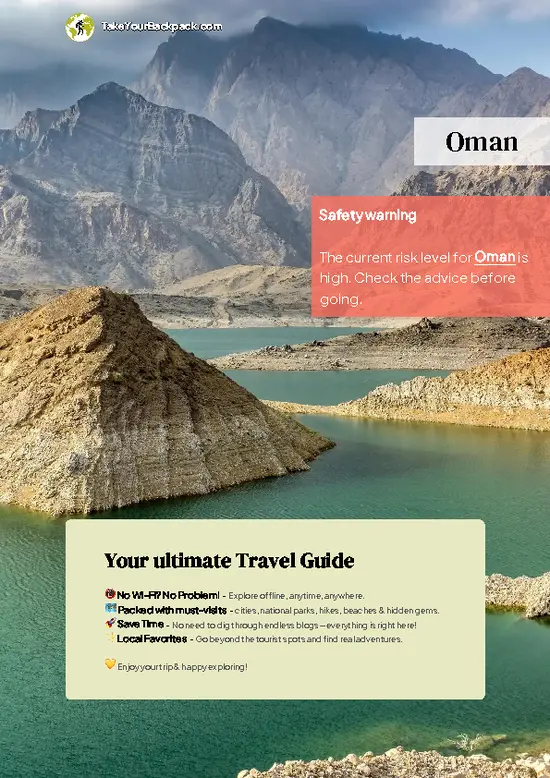
An offline-friendly backpacking guide with optimized travel routes, ranked highlights, transport advice, and the best areas to stay.
example page 0 from our offline Travel Guide for Oman
example page 1 from our offline Travel Guide for Oman
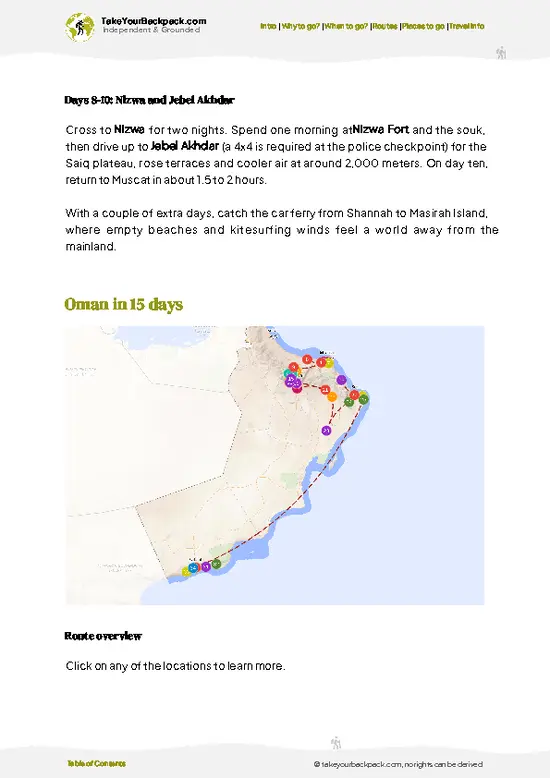
example page 2 from our offline Travel Guide for Oman
example page 3 from our offline Travel Guide for Oman
example page 4 from our offline Travel Guide for Oman
example page 5 from our offline Travel Guide for Oman
example page 6 from our offline Travel Guide for Oman
example page 7 from our offline Travel Guide for Oman
The digital guide (306 pages) contains:
78 highlights, ranked by travel appeal
Optimized 5, 10 & 15-day travel routes
Cities, national parks, landmarks, beaches
How to get around
Offline-friendly for travel without Wi-Fi
👉 Click to see all 30+ guide features

📅 Plan smarter in minutes, not weeks
Month by month travel advice
Festivals & national holidays
Budget expectations

🗺️ Go to the right places, skip the overrated ones
Honest pros & cons of destinations
Top hikes, parks & viewpoints
Lesser-known places most travelers miss
Clear “worth it vs skip it” guidance

🛏️ Travel smoothly without rookie mistakes
Best areas to stay
Transport systems explained simply
Common scams & safety advice
SIM cards, money & practical tips

🌍 Understand the country, not just visit it
Culture & traditions
52 Essential phrases & customs
Festivals worth planning around
Traveler-friendly historical context
Insights that make places more meaningful

📱 Built for real travel conditions
Fully downloadable PDF
Works completely offline
Optimized for phone use
Useful in remote areas & buses
Everything in one place
Save weeks of stressful planning
Get instant access to your full guide. 30‑day money-back guarantee.
+ Add another guide for just US$7.80

By proceeding you agree to our terms.
Sent to your inbox immediately after payment • 100% Secure Checkout
Best Backpacking Travel Advisor 2025 tourism awardBest Backpacking
Travel Advisor
2025
What others say about Take Your Backpack Guides:
⭐⭐⭐⭐⭐
Fantastic, amazing amount of information!
⭐⭐⭐⭐⭐
My goodness this is amazing, it's what I've been looking for hats off too you!
⭐⭐⭐⭐⭐
I think this is absolutely BRILLIANT
⭐⭐⭐⭐
Very complete and informative. It's still missing places, but I gotta to commend you
⭐⭐⭐⭐⭐
This is truly amazing, thank you, can't wait to explore it with my kids!
⭐⭐⭐⭐⭐
Awesome resource, thank you!
⭐⭐⭐⭐⭐
This is amazing! Can't wait to explore the ones I haven't seen
⭐⭐⭐⭐
I love this! Well done, great idea.
⭐⭐⭐⭐⭐
Thanks for taking the time to make this gem!
⭐⭐⭐⭐⭐
This might be the best website I've ever seen.
⭐⭐⭐⭐⭐
Congratulations, and thank you so much for your work; it's incredibly valuable.
⭐⭐⭐⭐
In all seriousness I think you did a great job pointing out the important spots
⭐⭐⭐⭐⭐
10/10 very good
⭐⭐⭐⭐⭐
As someone who's only just starting to visit regularly this is awesome, thank you.
⭐⭐⭐⭐
Thank you very much! I'm going to visit my dad, it's going to be very useful!
⭐⭐⭐⭐⭐
This is really cool! We'll be travelling for the first time and this definitely come in handy.
⭐⭐⭐⭐⭐
You are now our minister of culture, congratulations 👨‍💼
⭐⭐⭐⭐⭐
Just wanted to tell you that this is a pearl! Going to follow your recommendations.
⭐⭐⭐⭐⭐
This is so cool. I'll definitely be using the resource for my travels soon.
⭐⭐⭐⭐⭐
This is very impressive! Good work.
⭐⭐⭐⭐⭐
This is an amazing and informative site. Very well done!

🛏️ Where to stay?Best areas and accommodation options

The area around Bait Al Zubair Museum in Muscat isn’t exactly a backpacker’s party zone, so don’t expect hostel dorms packed with fellow travelers swapping stories over cheap beer. This part of the city leans more toward quiet, safe neighborhoods with a local vibe rather than the backpacker bubble you might find in more touristy capitals. That said, staying close means you’re right in the thick of Muscat’s old-world charm—narrow streets, traditional markets, and a real sense of Oman’s heritage without the tourist gloss.

For budget travelers or solo backpackers, the best bet is to look for accommodations … read more 👉
The area around Bait Al Zubair Museum in Muscat isn’t exactly a backpacker’s party zone, so don’t expect hostel dorms packed with fellow travelers swapping stories over cheap beer. This part of the city leans more toward quiet, safe neighborhoods with a local vibe rather than the backpacker bubble you might find in more touristy capitals. That said, staying close means you’re right in the thick of Muscat’s old-world charm—narrow streets, traditional markets, and a real sense of Oman’s heritage without the tourist gloss.

For budget travelers or solo backpackers, the best bet is to look for accommodations in the Muttrah district, just a short walk or bus ride from Bait Al Zubair. Muttrah offers a lively souq where you can haggle for frankincense or silver jewelry, and it’s a social hub where locals and travelers mingle. It’s safe, walkable, and packed with affordable guesthouses and small inns that foster a communal atmosphere. You won’t find wild nightlife, but you will find genuine connections over cups of sweet Omani coffee and fresh seafood by the harbor. This is the real Oman experience—unpolished, welcoming, and quietly captivating.

👛 Costs (as of 4 September 2026)Typical daily expenses

As of the most recent estimates, the Bait Al Zubair Museum in Muscat, Oman, charges an entry fee of 3.200 OMR for foreign visitors, which is approximately €8.20. Additional costs may include guided tours or special exhibitions, but specific prices for these services are not provided on the official website.

source: baitalzubair.com
⚠️ Prices can change and everyone travels differently, so take this as a rough guide. Hope it helps you plan your adventure!

FAQCommon questions from travelers

Allow about 1 to 2 hours to visit Bait Al Zubair Museum. This time is sufficient to explore the exhibits, including traditional Omani artifacts, weaponry, and costumes. Guided tours are available and can enhance the experience within this timeframe.
Yes, Bait Al Zubair Museum is worth the entrance fee, which is typically around 3 OMR (Omani Rial). The museum offers a comprehensive insight into Omani heritage and culture, making it valuable for travelers interested in history. The quality and preservation of the exhibits justify the cost.
Bait Al Zubair Museum is located in Muscat, near the old city center. You can reach it by taxi or local bus from major points in Muscat; it is about 5 km from the airport. Walking is possible if you are staying nearby, but taxis are the most convenient option.
⚠️ Things can change over time, so always validate details locally before you go.

Other Omani attractions near Bait Al Zubair Museum

Explore more nearby:


💡 Not sure where to go next?
Create a personalized itinerary for Oman including Bait Al Zubair Museum and the places that fit your trip.

Generate my itinerary

👉 Discover all attractions

Or checkout all Oman has to offer (think cities, towns, villages, national parks, hikes, beaches, festivals)
Country photo of Oman

We 💚 feedbackKey takeaways before you go

Bait Al Zubair isn’t your flashy, Instagram-ready museum. It’s quieter, more deliberate—like stepping into a living room where Oman’s soul hangs on the walls and in the artifacts. Don’t expect crowds or flashy displays; expect to lean in close and feel the weight of history in everyday objects. The real magic is in the small details: the intricacy of a khanjar, the stories behind tribal costumes. It’s slow, but worth every minute.

✍️ Help improve this page!
The information on this page is based on in-depth research, insights shared by experienced travelers, and feedback from the local travel community in Oman. While every effort is made to keep the information accurate and current, conditions can change — so if you spot anything incorrect or outdated, please get in touch.


🙋‍♂️ Give feedback

👋 Meet the founderWho’s Behind Take Your Backpack?

Johan, backpacker and founder of TakeYourBackpackHi, I’m Johan (Netherlands 🇳🇱), the creator of TakeYourBackpack. Over the past decade, I’ve backpacked through 80+ countries across six continents, gaining extensive experience with independent travel, long-term trips, and overland routes.

This site is built on a combination of firsthand travel experience and carefully curated insights from other backpackers. Many guides are based on places I’ve personally visited, while others bring together tips, observations, and practical advice shared by trusted travelers I’ve met along the way.

The goal is to provide realistic, experience-driven guidance — not generic itineraries — so you can explore destinations with better context, clearer expectations, and more confidence.

Get full Oman guide •
Instant download • 78 highlights • Full Offline guide