×

Pakistan🇵🇰 | national parksHingol National ParkCoastal cliffs, mud volcanoes, Hingol River | things to do and best time to go

Explore Deosai National ParkExplore Ratti Gali Lake

Backpacking in Hingol
🏆 Top picknational park ranked #3
By Johan Kruseman 🇳🇱 | Updated May 31, 2026

Most online blurbs sell Hingol National Park as a quick coastal photo stop; the surprise is that it’s actually a huge, slow, desert-wilderness system where distances, heat, and logistics matter more than Instagram angles. Hingol sits in southwestern Pakistan, in Balochistan, straddling the Makran Coastal Highway between Karachi and Gwadar. For backpackers, it’s a harsh but rewarding detour: lunar badlands, the Sphinx-like rock, mud volcanoes, and the Hinglaj Mata temple route give you real hiking potential, but trails are mostly unmarked and the sun is brutal. Wildlife is there (ibex, crocodiles, occasional big cats) yet hard to spot without time and a guide. Access is easier than it used to be via the highway, but you still juggle checkpoints, permits, and a private ride; entrance fees are modest, transport is not. Camping is possible but basic and exposed, with very limited budget rooms nearby. Compared with more forested parks like Ayubia or Margalla Hills, Hingol feels emptier, rougher, and far less forgiving, but also far less performative—more expedition than picnic.

Discover everything you want to know in the 📖 Pakistan Travel Guide.
Loading the map 🌍
CLICK TO FILTER
cities
towns
villages
landmarks
national parks
hikes
beaches
attractions
festivals
regions
SHOW COUNTRY’S BESTSHOW ALL

✨ Why go?
Ranked #3 national park in Pakistan
What makes this national park worth exploring

Hingol National Park attracts backpackers for several compelling reasons. First, independent exploration is a major draw; the park’s vast landscapes invite you to wander off the beaten path without the constraints of guided tours. You can set your own pace and discover hidden corners that larger groups miss.

Budget-conscious travelers appreciate the camping options and affordable hostels nearby, making it easy to stretch your funds while enjoying the great outdoors. The trail variety is another highlight, offering everything from easy walks to challenging hikes, catering to different skill levels.

For those who thrive on self-guided adventures, Hingol is ideal. The well-marked trails and accessible maps empower you to navigate confidently. Just keep an eye on the weather and pack accordingly; … read more 👉
Hingol National Park attracts backpackers for several compelling reasons. First, independent exploration is a major draw; the park’s vast landscapes invite you to wander off the beaten path without the constraints of guided tours. You can set your own pace and discover hidden corners that larger groups miss.

Budget-conscious travelers appreciate the camping options and affordable hostels nearby, making it easy to stretch your funds while enjoying the great outdoors. The trail variety is another highlight, offering everything from easy walks to challenging hikes, catering to different skill levels.

For those who thrive on self-guided adventures, Hingol is ideal. The well-marked trails and accessible maps empower you to navigate confidently. Just keep an eye on the weather and pack accordingly; the elements can shift quickly. This park rewards those who come prepared, ensuring your energy and budget are preserved for the experiences that truly matter.
Want to include Hingol National Park in your Pakistan route?
Create a personalized Pakistan itinerary that includes Hingol National Park and the places that fit your trip — based on your travel style, budget, and available time. Get your route in seconds.

Generate my trip

💡 HighlightsMust-see experiences and standout moments

  • Princess of Hope: A surreal natural hoodoo carved by wind and rain that looks oddly like a standing woman — the park’s most iconic photo-op and (my personal favorite) a strange, quiet place to sit and watch light change across the mudstone.
  • Kund Malir Beach: Wide, empty sandy beach with turquoise water and dramatic cliffs; great for camping, sunset/sunrise photography, and a proper night under the stars away from infrastructure.
  • Mud Volcanoes: Small, cold mud vents that bubble and spit clay — geologically fascinating and smelly in the best volcanically weird way; easy to visit and great for curious backpackers.
  • Hingol River Valley and Gorges: Deep canyons cut by the river, layered cliffs and unexpected green pockets in an otherwise arid landscape — perfect for short hikes, picnics, and
read more 👉
  • Princess of Hope: A surreal natural hoodoo carved by wind and rain that looks oddly like a standing woman — the park’s most iconic photo-op and (my personal favorite) a strange, quiet place to sit and watch light change across the mudstone.
  • Kund Malir Beach: Wide, empty sandy beach with turquoise water and dramatic cliffs; great for camping, sunset/sunrise photography, and a proper night under the stars away from infrastructure.
  • Mud Volcanoes: Small, cold mud vents that bubble and spit clay — geologically fascinating and smelly in the best volcanically weird way; easy to visit and great for curious backpackers.
  • Hingol River Valley and Gorges: Deep canyons cut by the river, layered cliffs and unexpected green pockets in an otherwise arid landscape — perfect for short hikes, picnics, and scouting secluded viewpoints.
  • Hinglaj Mata Mandir (Hinglaj Shrine): An ancient and important Hindu pilgrimage site tucked into the park’s cliffs — culturally significant, visually striking, and a reminder of the human histories threaded through this wild place.
  • Wildlife and Birdwatching: Spot chinkara (Persian gazelle), ibex, foxes, and sometimes wolves on the inland slopes, plus shorebirds and migratory species along the coast; bring binoculars and patience — sightings aren’t guaranteed but often rewarding.
  • Makran Coastal Highway Scenery & Remote Camping: The drive itself is a highlight—sheer coastal drops, lonely bays and pull-offs where you can camp virtually alone; great for long drives, bike trips, and feeling properly off the beaten path.
Spotted a mistake or missing something? Contact us.

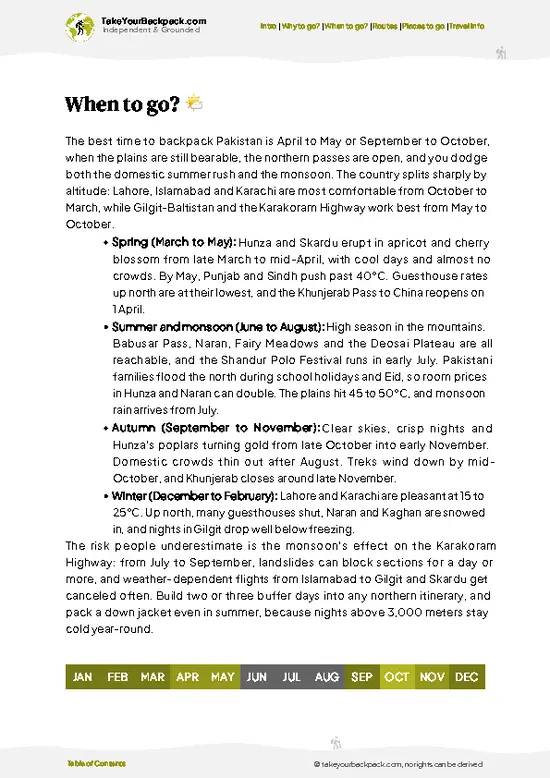
🌤️ When to go?Choosing the right time of year


  • Weather: The best window is from October to March when temperatures are mild and rainfall is minimal. Summers can scorch with highs reaching 40°C (104°F), making daytime trekking exhausting and risky.

  • Temperature: Winter nights dip to around 10°C (50°F), so pack layers. Daytime highs hover near 25°C (77°F), comfortable for hiking. Avoid the summer months when temperatures often exceed 38°C (100°F), which drains energy fast.

  • Daylight Hours: Winter days are shorter, roughly 10 hours of light, which limits long treks. Spring and autumn offer about 12 hours, striking a good balance for exploring without rushing.

  • Crowds: Hingol is remote, so crowds are rare year-round. However, weekends and local holidays see a slight uptick in visitors. Visiting midweek keeps the experience quiet and
read more 👉

  • Weather: The best window is from October to March when temperatures are mild and rainfall is minimal. Summers can scorch with highs reaching 40°C (104°F), making daytime trekking exhausting and risky.

  • Temperature: Winter nights dip to around 10°C (50°F), so pack layers. Daytime highs hover near 25°C (77°F), comfortable for hiking. Avoid the summer months when temperatures often exceed 38°C (100°F), which drains energy fast.

  • Daylight Hours: Winter days are shorter, roughly 10 hours of light, which limits long treks. Spring and autumn offer about 12 hours, striking a good balance for exploring without rushing.

  • Crowds: Hingol is remote, so crowds are rare year-round. However, weekends and local holidays see a slight uptick in visitors. Visiting midweek keeps the experience quiet and more authentic.

  • Seasonal Activities: Winter and early spring are prime for wildlife spotting and birdwatching, as animals are more active in cooler weather. Summer’s heat pushes most wildlife into shade, reducing sightings.

  • Price Fluctuations: Accommodation and transport costs remain stable due to low tourist volume. Still, expect slight price hikes during peak season (October to March) when demand increases.


Pro-tip: Plan your visit for late October or early March to dodge the heat and crowds while maximizing daylight—this timing preserves your energy for the park’s rugged beauty, not battling the elements.


source: climatestotravel.comJANJanuary: excellent for travelingFEBFebruary: excellent for travelingMARMarch: highly recommended for travelingAPRApril: good for travelingMAYMay: fair for travelingJUNJune: below average for travelingJULJuly: below average for travelingAUGAugust: below average for travelingSEPSeptember: fair for travelingOCTOctober: excellent for travelingNOVNovember: excellent for travelingDECDecember: excellent for traveling
when-to-go

✈️ The backpacker research shortcutPakistan Travel Guide

An offline-friendly backpacking guide with optimized travel routes, ranked highlights, transport advice, and the best areas to stay.
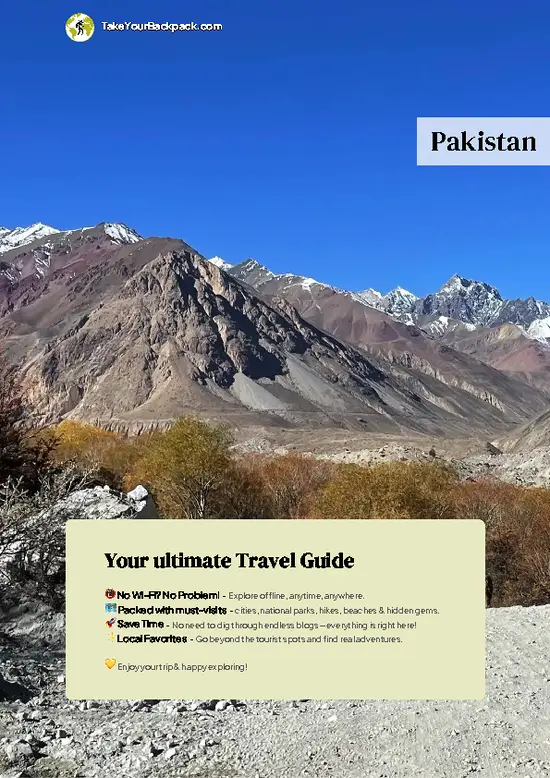
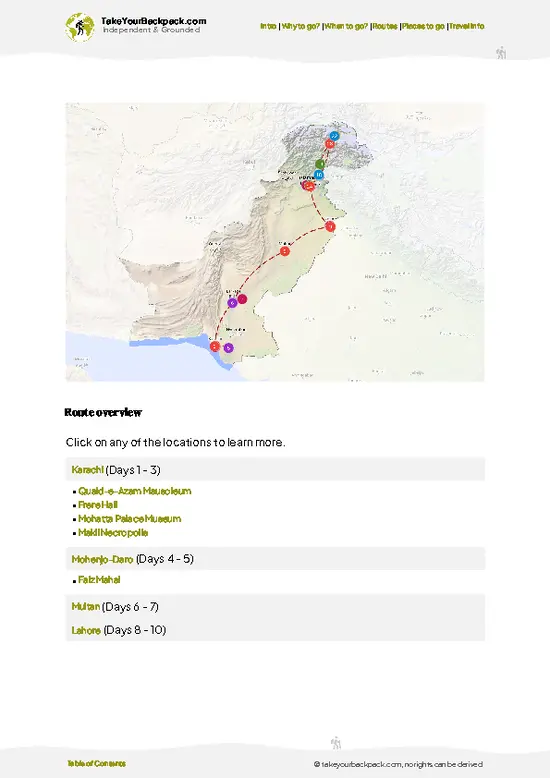
example page 0 from our offline Travel Guide for Pakistan
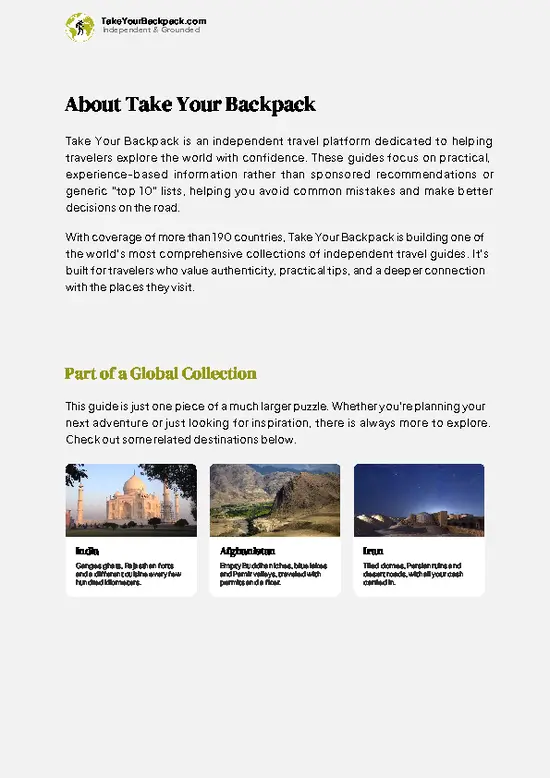
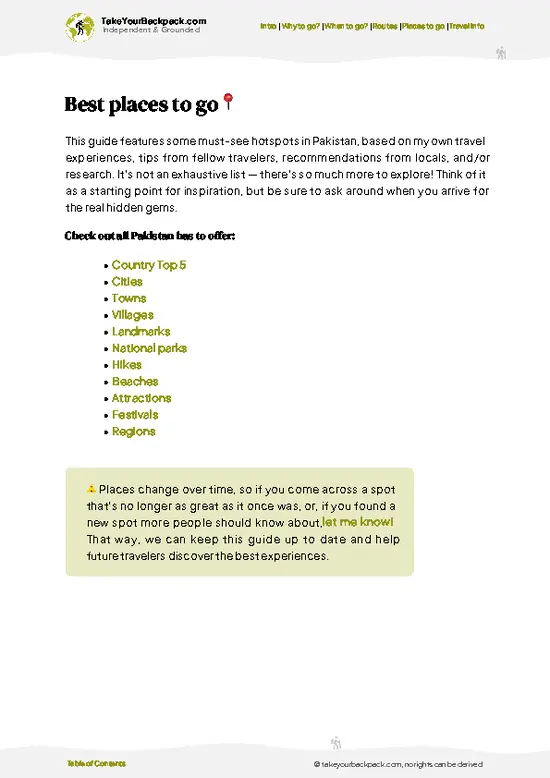
example page 1 from our offline Travel Guide for Pakistan
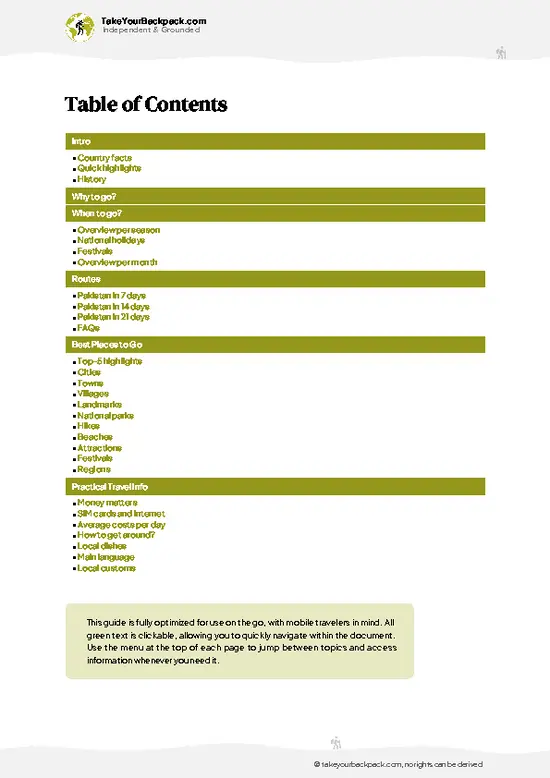
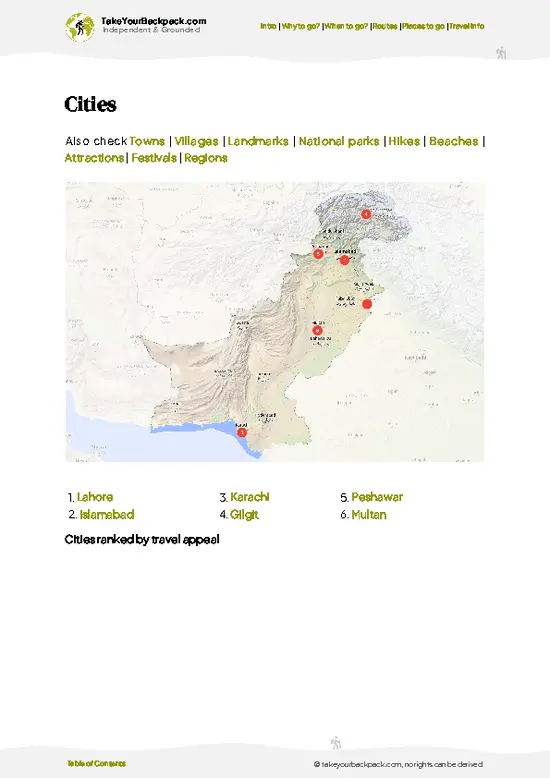
example page 2 from our offline Travel Guide for Pakistan
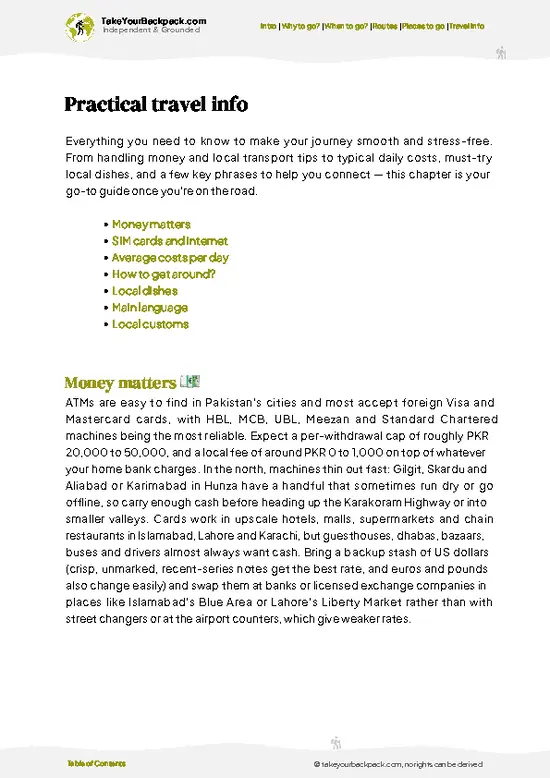
example page 3 from our offline Travel Guide for Pakistan
example page 4 from our offline Travel Guide for Pakistan
example page 5 from our offline Travel Guide for Pakistan
example page 6 from our offline Travel Guide for Pakistan
example page 7 from our offline Travel Guide for Pakistan
The digital guide (369 pages) contains:
107 highlights, ranked by travel appeal
Optimized 7, 14 & 21-day travel routes
Cities, national parks, landmarks, beaches
How to get around
Offline-friendly for travel without Wi-Fi
👉 Click to see all 30+ guide features

📅 Plan smarter in minutes, not weeks
Month by month travel advice
Festivals & national holidays
Budget expectations

🗺️ Go to the right places, skip the overrated ones
Honest pros & cons of destinations
Top hikes, parks & viewpoints
Lesser-known places most travelers miss
Clear “worth it vs skip it” guidance

🛏️ Travel smoothly without rookie mistakes
Best areas to stay
Transport systems explained simply
Common scams & safety advice
SIM cards, money & practical tips

🌍 Understand the country, not just visit it
Culture & traditions
52 Essential phrases & customs
Festivals worth planning around
Traveler-friendly historical context
Insights that make places more meaningful

📱 Built for real travel conditions
Fully downloadable PDF
Works completely offline
Optimized for phone use
Useful in remote areas & buses
Everything in one place
Save weeks of stressful planning
Get instant access to your full guide. 30‑day money-back guarantee.


By proceeding you agree to our terms.
Sent to your inbox immediately after payment • 100% Secure Checkout
Best Backpacking Travel Advisor 2025 tourism awardBest Backpacking
Travel Advisor
2025
What others say about Take Your Backpack Guides:
⭐⭐⭐⭐⭐
Fantastic, amazing amount of information!
⭐⭐⭐⭐⭐
My goodness this is amazing, it's what I've been looking for hats off too you!
⭐⭐⭐⭐⭐
I think this is absolutely BRILLIANT
⭐⭐⭐⭐
Very complete and informative. It's still missing places, but I gotta to commend you
⭐⭐⭐⭐⭐
This is truly amazing, thank you, can't wait to explore it with my kids!
⭐⭐⭐⭐⭐
Awesome resource, thank you!
⭐⭐⭐⭐⭐
This is amazing! Can't wait to explore the ones I haven't seen
⭐⭐⭐⭐
I love this! Well done, great idea.
⭐⭐⭐⭐⭐
Thanks for taking the time to make this gem!
⭐⭐⭐⭐⭐
This might be the best website I've ever seen.
⭐⭐⭐⭐⭐
Congratulations, and thank you so much for your work; it's incredibly valuable.
⭐⭐⭐⭐
In all seriousness I think you did a great job pointing out the important spots
⭐⭐⭐⭐⭐
10/10 very good
⭐⭐⭐⭐⭐
As someone who's only just starting to visit regularly this is awesome, thank you.
⭐⭐⭐⭐
Thank you very much! I'm going to visit my dad, it's going to be very useful!
⭐⭐⭐⭐⭐
This is really cool! We'll be travelling for the first time and this definitely come in handy.
⭐⭐⭐⭐⭐
You are now our minister of culture, congratulations 👨‍💼
⭐⭐⭐⭐⭐
Just wanted to tell you that this is a pearl! Going to follow your recommendations.
⭐⭐⭐⭐⭐
This is so cool. I'll definitely be using the resource for my travels soon.
⭐⭐⭐⭐⭐
This is very impressive! Good work.
⭐⭐⭐⭐⭐
This is an amazing and informative site. Very well done!

🛏️ Where to stay?Best areas to stay in Pakistan

Hingol National Park is a wild beauty, but accommodations can be tricky. Inside the park, options are limited. There are a few basic camping sites, but they often lack facilities. Bring your own gear if you want to stay overnight.

For a more comfortable stay, head to nearby towns like Kund Malir or Hingol. Kund Malir has a couple of guesthouses that offer basic amenities. Expect simple rooms and local food. It’s a good base for exploring the park.

Another option is the city of Pasni, about an hour away. Here, you’ll find more hotels and restaurants. It’s a bit busier, but it gives you access … read more 👉
Hingol National Park is a wild beauty, but accommodations can be tricky. Inside the park, options are limited. There are a few basic camping sites, but they often lack facilities. Bring your own gear if you want to stay overnight.

For a more comfortable stay, head to nearby towns like Kund Malir or Hingol. Kund Malir has a couple of guesthouses that offer basic amenities. Expect simple rooms and local food. It’s a good base for exploring the park.

Another option is the city of Pasni, about an hour away. Here, you’ll find more hotels and restaurants. It’s a bit busier, but it gives you access to local culture and better facilities.

Be prepared for fluctuating prices and availability, especially during peak seasons. Always confirm your stay in advance to avoid surprises. This way, you can focus your energy on the stunning landscapes and unique wildlife instead of worrying about where to sleep.

👛 Costs (as of 1 February 2026)How expensive it really is

Visiting Hingol National Park in Pakistan can be an incredible experience, but it’s essential to be aware of the costs involved to avoid any surprises.

Entry fees for the park are around 500 PKR, which is roughly 2-3 USD. This is a small price for the vast landscapes and unique wildlife you’ll encounter.

If you’re planning to camp, expect to pay around 1,000 PKR (about 4-6 USD) per night for a basic camping spot. Facilities are minimal, so come prepared.

Transportation can be a significant expense. Hiring a local guide or driver is advisable, especially if you want to explore the more remote areas. This can range from 3,000 to 10,000 PKR (approximately 12-40 USD) per day, depending on the distance and the type of vehicle.

Food options are limited within the park. Budget around 500-1, … read more 👉
Visiting Hingol National Park in Pakistan can be an incredible experience, but it’s essential to be aware of the costs involved to avoid any surprises.

Entry fees for the park are around 500 PKR, which is roughly 2-3 USD. This is a small price for the vast landscapes and unique wildlife you’ll encounter.

If you’re planning to camp, expect to pay around 1,000 PKR (about 4-6 USD) per night for a basic camping spot. Facilities are minimal, so come prepared.

Transportation can be a significant expense. Hiring a local guide or driver is advisable, especially if you want to explore the more remote areas. This can range from 3,000 to 10,000 PKR (approximately 12-40 USD) per day, depending on the distance and the type of vehicle.

Food options are limited within the park. Budget around 500-1,000 PKR (2-4 USD) per meal if you’re eating at local spots. Bringing your own supplies can save you money and ensure you have what you like.

Lastly, consider any additional costs for activities like guided tours or special permits if you plan to venture into restricted areas. These can vary widely, so it’s best to inquire locally.

Being aware of these costs will help you manage your budget effectively, allowing you to focus on enjoying the park’s natural beauty without financial stress.


source: tourism.gov.pk
⚠️ Prices can change and everyone travels differently, so take this as a rough guide. Hope it helps you plan your adventure!

🥾 TrailsHiking Hingol national park: highlights and difficulty

Hingol National Park in Pakistan is a treasure trove for hikers, offering a mix of dramatic landscapes, unique geological formations, and glimpses of diverse wildlife. The terrain varies from rugged mountains to arid plains, making it a feast for the eyes. You might find yourself wandering through canyons, alongside the serene Hingol River, or even spotting the majestic Makran Coastal Highway. The park is home to fascinating wildlife, including the endangered Sindh ibex and various bird species, so keep your eyes peeled!

One of the standout trails is the Hingol River Trail. Here’s a quick breakdown:
  • Length:
read more 👉
Hingol National Park in Pakistan is a treasure trove for hikers, offering a mix of dramatic landscapes, unique geological formations, and glimpses of diverse wildlife. The terrain varies from rugged mountains to arid plains, making it a feast for the eyes. You might find yourself wandering through canyons, alongside the serene Hingol River, or even spotting the majestic Makran Coastal Highway. The park is home to fascinating wildlife, including the endangered Sindh ibex and various bird species, so keep your eyes peeled!

One of the standout trails is the Hingol River Trail. Here’s a quick breakdown:
  • Length: 8 km
  • Estimated Duration: 3-4 hours
  • Difficulty Level: Moderate
  • Key Features: Stunning river views, unique rock formations, and a chance to see local wildlife.
  • Terrain: Mostly flat along the river, with some rocky sections.

Getting to Hingol National Park is relatively straightforward. You can catch a bus or a shared taxi from Karachi to the nearby town of Kund Malir, which is about a 3-4 hour ride. From there, you can hire a local jeep or walk into the park. It’s not usually overcrowded, so you can enjoy the tranquility, but weekends might bring in more visitors. As for the entrance fee, it’s quite budget-friendly, generally a small amount that goes towards park maintenance. Just make sure to bring some cash, as card facilities might not be available.
⚠️ Hiking info can sometimes be outdated or inaccurate. Before you hit the trail, check the latest conditions with locals. If you do spot anything that's off, I'd love to hear from you, so I can update it for fellow travelers.

🛡️ SafetyTraveler Safety Guide

Hingol National Park is generally accessible, but a few practical considerations can enhance your experience. Weather can shift quickly, so pack layers and be ready for both sun and sudden rain. The terrain varies; some trails are steep and rocky, requiring careful footing. Navigation can be tricky, so a reliable map or GPS is essential.

Wildlife encounters are rare but possible. If you spot animals, keep your distance and avoid feeding them. Most importantly, stay hydrated and pace yourself, especially in the hotter months. Many first-timers underestimate the park’s vastness, so plan your hikes accordingly. With the right preparation, you can focus on the stunning landscapes without unnecessary stress.

Other Pakistani national parks near Hingol

Explore more nearby:


💡 Not sure where to go next?
Create a personalized itinerary for Pakistan including Hingol and the places that fit your trip.

Generate my itinerary

👉 Discover all national parks

Or checkout all Pakistan has to offer (think cities, towns, villages, national parks, hikes, beaches, festivals)
Country photo of Pakistan

We 💚 feedbackIs it worth it?

Hingol National Park is a raw, rugged beauty that feels like stepping into another world. The dramatic landscapes and unique wildlife are worth every ounce of effort. But be prepared: the remoteness can mean limited services. Stock up on essentials before you go. Embrace the challenge, and you’ll find the park rewards those who come ready.

✈️ When did I visit Pakistan?
Even though the media portrays Pakistan often as a dangerous country, it has its great spots and loving a mountains, the mountain regions in the north are just heaven. Visited Pakistan in October 2022.

✍️ Help improve this page!
The information on this page is based on my own backpacking experience in Pakistan, supplemented with up-to-date research and feedback from other travelers. Travel details can change, so if you notice anything outdated or incomplete, feel free to let me know.


🙋‍♂️ Give feedback

👋 Meet the founderWho’s Behind Take Your Backpack?

Johan, backpacker and founder of TakeYourBackpackHi, I’m Johan (Netherlands 🇳🇱), the creator of TakeYourBackpack. Over the past decade, I’ve backpacked through 80+ countries across six continents, gaining extensive experience with independent travel, long-term trips, and overland routes.

This site is built on a combination of firsthand travel experience and carefully curated insights from other backpackers. Many guides are based on places I’ve personally visited, while others bring together tips, observations, and practical advice shared by trusted travelers I’ve met along the way.

The goal is to provide realistic, experience-driven guidance — not generic itineraries — so you can explore destinations with better context, clearer expectations, and more confidence.

Get full Pakistan guide •
Instant download • 107 highlights • Full Offline guide