


×

Pakistan🇵🇰 | attractionsKatas Raj TemplesHindu temple pond, Salt Range hills, ancient ruins | things to do and best time to go

Explore Minar-e-PakistanExplore Rohtas Fort

Backpacking in Katas Raj Temples
🌟 Highlightattraction ranked #7
By Johan Kruseman 🇳🇱 | Updated October 15, 2026

Everyone shows up chasing the sacred pond where Shiva's tears supposedly fell, but honestly, the pond itself is a murky green rectangle that's more meaningful in story than in sight. What actually grabs you is the crumbling brick architecture and the fact that you're standing in one of the subcontinent's oldest living pilgrimage sites, tucked into the Salt Range near Chakwal in Punjab, a few hours from Islamabad. I remember sitting on the temple steps at dusk, watching a caretaker light a single oil lamp inside the shrine, the smoke curling up past centuries-old carvings while peacocks called somewhere in the hills behind me. Crowds are thin outside Hindu festival dates, entry costs next to nothing, and the site rewards patience over adrenaline. It won't out-wow Lahore's forts, but it beats them on quiet, contemplative atmosphere.

Discover everything you want to know in the 📖 Pakistan Travel Guide.


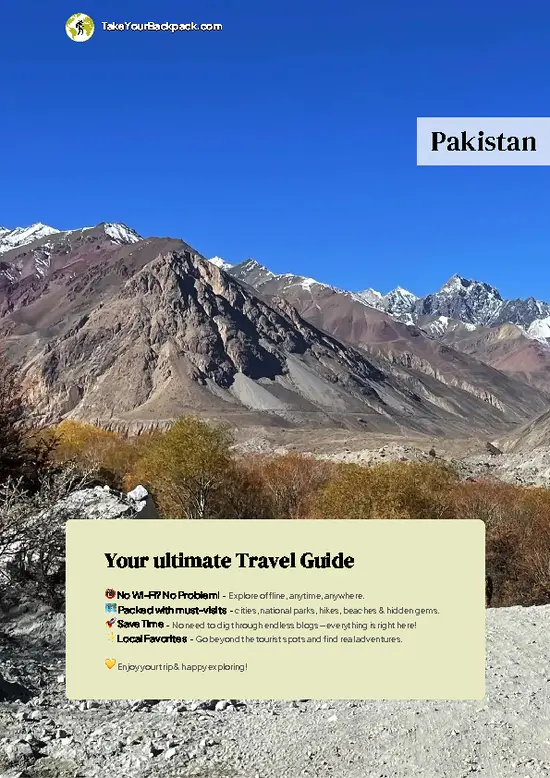
example page 0 from our offline Travel Guide for Pakistan
example page 1 from our offline Travel Guide for Pakistan
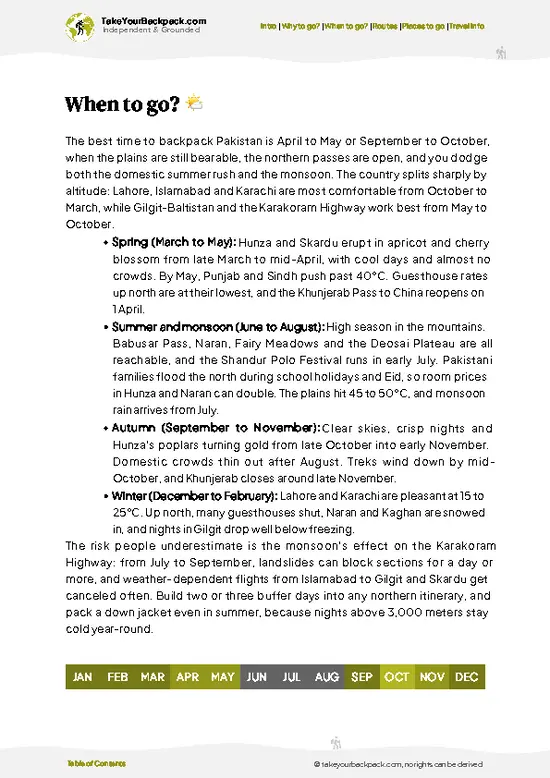
example page 2 from our offline Travel Guide for Pakistan
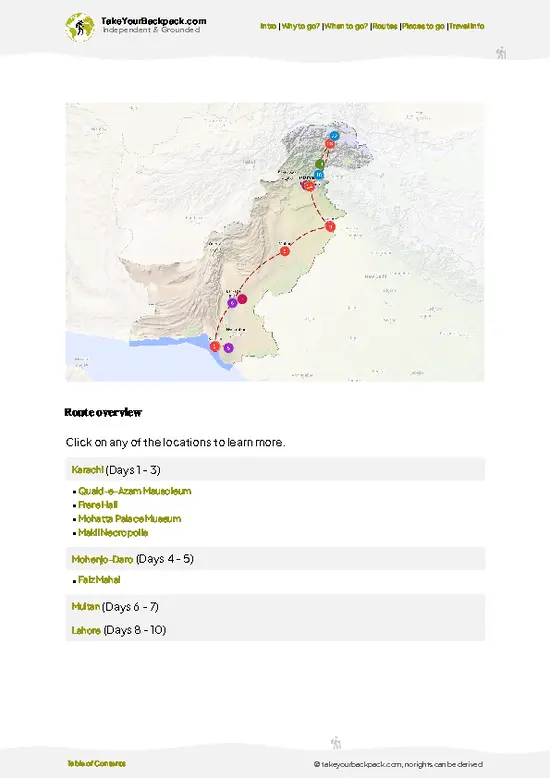
example page 3 from our offline Travel Guide for Pakistan
example page 4 from our offline Travel Guide for Pakistan
example page 5 from our offline Travel Guide for Pakistan
example page 6 from our offline Travel Guide for Pakistan
example page 7 from our offline Travel Guide for Pakistan
Loading the map 🌍
CLICK TO FILTER
cities
towns
villages
landmarks
national parks
hikes
beaches
attractions
festivals
regions
SHOW COUNTRY’S BESTSHOW ALL

✨ Why go?
Ranked #7 attraction in Pakistan
What makes it a must-see attraction

Backpackers add Katas Raj because it delivers layered history without the tour-bus circus. The complex holds roots stretching back to the Hindu Shahi and Mahabharata-era legends, giving it real historical depth beyond a photo backdrop. It's also a milestone for anyone building a Punjab route between Lahore and Islamabad, sitting close enough to the Salt Range to pair with a side trip to the Katas Raj mines or Ketas village. The effort-to-reward ratio is strong: minimal entrance cost, a couple of hours on foot exploring seven temples, and genuine cultural payoff watching Hindu pilgrims still visit for rituals. There's no adrenaline rush here, but there is a quiet cultural weight, standing among structures that predate most of what tourists photograph elsewhere in the country. For travelers … read more 👉
Backpackers add Katas Raj because it delivers layered history without the tour-bus circus. The complex holds roots stretching back to the Hindu Shahi and Mahabharata-era legends, giving it real historical depth beyond a photo backdrop. It's also a milestone for anyone building a Punjab route between Lahore and Islamabad, sitting close enough to the Salt Range to pair with a side trip to the Katas Raj mines or Ketas village. The effort-to-reward ratio is strong: minimal entrance cost, a couple of hours on foot exploring seven temples, and genuine cultural payoff watching Hindu pilgrims still visit for rituals. There's no adrenaline rush here, but there is a quiet cultural weight, standing among structures that predate most of what tourists photograph elsewhere in the country. For travelers wanting an authentic, low-crowd stop that isn't packaged for tourism, this earns its place on the itinerary.

💡 HighlightsWhat this place is best known for

  1. The Sacred Pond: The centerpiece of the complex, believed in Hindu mythology to have formed from Shiva's tears. It's less visually dramatic than expected, but standing at its edge while pilgrims perform rituals gives you a direct link to living tradition.
  2. Satgraha Temple Cluster: A group of seven ancient temples surrounding the pond, showing brickwork and architectural styles from different centuries layered on top of each other. My personal favorite corner of the whole site.
  3. Hari Singh Haveli: A colonial-era Sikh structure overlooking the pond, its faded frescoes still visible on interior walls if you look closely.
  4. Buddhist Stupa Ruins: Foundations nearby hint at the site's earlier Buddhist history, predating the Hindu temples by centuries, a detail most visitors walk straight past.
  5. Satgraha
… read more 👉
  1. The Sacred Pond: The centerpiece of the complex, believed in Hindu mythology to have formed from Shiva's tears. It's less visually dramatic than expected, but standing at its edge while pilgrims perform rituals gives you a direct link to living tradition.
  2. Satgraha Temple Cluster: A group of seven ancient temples surrounding the pond, showing brickwork and architectural styles from different centuries layered on top of each other. My personal favorite corner of the whole site.
  3. Hari Singh Haveli: A colonial-era Sikh structure overlooking the pond, its faded frescoes still visible on interior walls if you look closely.
  4. Buddhist Stupa Ruins: Foundations nearby hint at the site's earlier Buddhist history, predating the Hindu temples by centuries, a detail most visitors walk straight past.
  5. Satgraha Well: A stepped well structure near the main complex, interesting for its engineering and quiet, shaded atmosphere away from the main pond crowd.
  6. Views of the Salt Range: Climbing slightly above the temple complex gives you a wide look over the surrounding limestone hills, especially striking in the golden light of late afternoon.
  7. Ketas Village Walk: A short stroll through the adjacent village lets you see rural Punjab life continuing right alongside a heritage site, goats and laundry lines next to thousand-year-old stonework.
  8. Festival Rituals (seasonal): If your timing lines up with Shivratri, watching hundreds of pilgrims bathe and pray around the pond adds a layer of lived religious practice you won't get on an ordinary day visit.
Spotted a mistake or missing something? Contact us.

🌤️ When to go?Choosing the right time of year

  • Winter (November to February): Daytime temperatures sit around 15-22°C (59-72°F), comfortable for walking the complex without sweating through your shirt. This is peak visiting season, so expect more domestic tourists on weekends.
  • Summer (April to June): Punjab heat climbs to 38-44°C (100-111°F), making midday visits punishing. Mornings before 9am are your only real window.
  • Monsoon (July to September): Humidity and occasional heavy rain can make the stone paths slippery, but the surrounding hills turn noticeably greener.
  • Festival Timing: Hindu pilgrims gather in larger numbers during Shivratri, typically February or March, adding color and ritual activity but also the biggest crowds of the year.
  • Daylight and Costs: Winter days are shorter (around 10 hours of daylight), so arrive by early afternoon;
… read more 👉
  • Winter (November to February): Daytime temperatures sit around 15-22°C (59-72°F), comfortable for walking the complex without sweating through your shirt. This is peak visiting season, so expect more domestic tourists on weekends.
  • Summer (April to June): Punjab heat climbs to 38-44°C (100-111°F), making midday visits punishing. Mornings before 9am are your only real window.
  • Monsoon (July to September): Humidity and occasional heavy rain can make the stone paths slippery, but the surrounding hills turn noticeably greener.
  • Festival Timing: Hindu pilgrims gather in larger numbers during Shivratri, typically February or March, adding color and ritual activity but also the biggest crowds of the year.
  • Daylight and Costs: Winter days are shorter (around 10 hours of daylight), so arrive by early afternoon; entrance fees stay low year-round, with no seasonal price hikes.
Pro-tip: aim for a weekday morning in January, you'll likely have entire courtyards to yourself.


source: climatestotravel.comJANJanuary: excellent for travelingFEBFebruary: highly recommended for travelingMARMarch: highly recommended for travelingAPRApril: fair for travelingMAYMay: below average for travelingJUNJune: below average for travelingJULJuly: below average for travelingAUGAugust: below average for travelingSEPSeptember: fair for travelingOCTOctober: excellent for travelingNOVNovember: excellent for travelingDECDecember: excellent for traveling
when-to-go

✈️ The backpacker research shortcutPakistan Travel Guide

An offline-friendly backpacking guide with optimized travel routes, ranked highlights, transport advice, and the best areas to stay.
example page 0 from our offline Travel Guide for Pakistan
example page 1 from our offline Travel Guide for Pakistan
example page 2 from our offline Travel Guide for Pakistan
example page 3 from our offline Travel Guide for Pakistan
example page 4 from our offline Travel Guide for Pakistan
example page 5 from our offline Travel Guide for Pakistan
example page 6 from our offline Travel Guide for Pakistan
example page 7 from our offline Travel Guide for Pakistan
The digital guide (290 pages) contains:
✅ 97 highlights, ranked by travel appeal
✅ Optimized 7, 14 & 21-day travel routes
✅ Cities, national parks, landmarks, beaches
✅ How to get around
✅ Offline-friendly for travel without Wi-Fi
👉 Click to see all 30+ guide features

📅 Plan smarter in minutes, not weeks
✅ Month by month travel advice
✅ Festivals & national holidays
✅ Budget expectations

🗺️ Go to the right places, skip the overrated ones
✅ Honest pros & cons of destinations
✅ Top hikes, parks & viewpoints
✅ Lesser-known places most travelers miss
✅ Clear “worth it vs skip it” guidance

🛏️ Travel smoothly without rookie mistakes
✅ Best areas to stay
✅ Transport systems explained simply
✅ Common scams & safety advice
✅ SIM cards, money & practical tips

🌍 Understand the country, not just visit it
✅ Culture & traditions
✅ 52 Essential phrases & customs
✅ Festivals worth planning around
✅ Traveler-friendly historical context
✅ Insights that make places more meaningful

📱 Built for real travel conditions
✅ Fully downloadable PDF
✅ Works completely offline
✅ Optimized for phone use
✅ Useful in remote areas & buses
✅ Everything in one place
Stop searching, start planning
Get instant access to your full guide. 30‑day money-back guarantee.
+ Add another guide for just

By proceeding you agree to our terms.
Sent to your inbox immediately after payment • 100% Secure Checkout
Best Backpacking Travel Advisor 2025 tourism awardBest Backpacking
Travel Advisor
2025
What others say about Take Your Backpack Guides:
⭐⭐⭐⭐⭐
Fantastic, amazing amount of information!
⭐⭐⭐⭐⭐
My goodness this is amazing, it's what I've been looking for hats off too you!
⭐⭐⭐⭐⭐
I think this is absolutely BRILLIANT
⭐⭐⭐⭐
Very complete and informative. It's still missing places, but I gotta to commend you
⭐⭐⭐⭐⭐
This is truly amazing, thank you, can't wait to explore it with my kids!
⭐⭐⭐⭐⭐
Awesome resource, thank you!
⭐⭐⭐⭐⭐
This is amazing! Can't wait to explore the ones I haven't seen
⭐⭐⭐⭐
I love this! Well done, great idea.
⭐⭐⭐⭐⭐
Thanks for taking the time to make this gem!
⭐⭐⭐⭐⭐
This might be the best website I've ever seen.
⭐⭐⭐⭐⭐
Congratulations, and thank you so much for your work; it's incredibly valuable.
⭐⭐⭐⭐
In all seriousness I think you did a great job pointing out the important spots
⭐⭐⭐⭐⭐
10/10 very good
⭐⭐⭐⭐⭐
As someone who's only just starting to visit regularly this is awesome, thank you.
⭐⭐⭐⭐
Thank you very much! I'm going to visit my dad, it's going to be very useful!
⭐⭐⭐⭐⭐
This is really cool! We'll be travelling for the first time and this definitely come in handy.
⭐⭐⭐⭐⭐
You are now our minister of culture, congratulations 👨‍💼
⭐⭐⭐⭐⭐
Just wanted to tell you that this is a pearl! Going to follow your recommendations.
⭐⭐⭐⭐⭐
This is so cool. I'll definitely be using the resource for my travels soon.
⭐⭐⭐⭐⭐
This is very impressive! Good work.
⭐⭐⭐⭐⭐
This is an amazing and informative site. Very well done!

🛏️ Where to stay?Where staying makes the most sense

The Katas Raj Temples isn’t exactly a backpacker hotspot, so don’t expect a buzzing hostel scene right at the doorstep. The real action for budget travelers happens in nearby Chakwal town, about 15 kilometers away. Chakwal is your best bet for safe, social stays where you can meet other travelers and locals without breaking the bank. It’s a modest town, but it has enough guesthouses and small inns that cater to budget-conscious visitors, giving you a chance to experience everyday Pakistani life away from tourist gloss.

If you’re craving a bit more buzz and options, Rawalpindi is the bigger city … read more 👉
The Katas Raj Temples isn’t exactly a backpacker hotspot, so don’t expect a buzzing hostel scene right at the doorstep. The real action for budget travelers happens in nearby Chakwal town, about 15 kilometers away. Chakwal is your best bet for safe, social stays where you can meet other travelers and locals without breaking the bank. It’s a modest town, but it has enough guesthouses and small inns that cater to budget-conscious visitors, giving you a chance to experience everyday Pakistani life away from tourist gloss.

If you’re craving a bit more buzz and options, Rawalpindi is the bigger city to consider. It’s about an hour’s drive from Katas Raj and offers a wider range of budget accommodations, plus a lively backpacker vibe. You’ll find plenty of eateries, markets, and transport links here, making it a practical base for exploring the temples while keeping your social and safety needs in check.

Bottom line: Don’t expect a backpacker bubble right at Katas Raj. Instead, lean into the nearby towns where the real cultural exchange happens, and the price tags stay friendly.

FAQFrequently asked questions about Katas Raj Temples

2 to 3 hours is sufficient to explore the Katas Raj Temples thoroughly, including walking around the temples and the sacred pond. This allows time for photography and quiet reflection. Avoid rushing to appreciate the historical and spiritual significance.
Yes, the entrance fee is worth it as it is minimal, usually around 20 to 50 PKR, and grants access to a unique site with ancient Hindu temples and a sacred pond. The cultural and historical value of the complex justifies the small cost. It is a rare glimpse into Pakistan's diverse heritage.
You can reach Katas Raj Temples by road from Islamabad or Chakwal. It is about 130 kilometers from Islamabad, taking roughly 2.5 to 3 hours by car or bus. Local taxis or hired cars are common options, as public transport is limited and less convenient.
⚠️ Things can change over time, so always validate details locally before you go.

Other Pakistani attractions near Katas Raj Temples

Explore more nearby:

  • Rohtas Fort—16th-century fortress, defensive walls, Sher Shah Suri era| 64 km away
  • Lok Virsa Museum—Folk heritage, craft displays, Islamabad hilltop| 108 km away
  • Pakistan Monument—Petal-shaped structure, hilltop views, national history exhibits| 108 km away

💡 Not sure where to go next?
Create a personalized itinerary for Pakistan including Katas Raj Temples and the places that fit your trip.

Generate my itinerary

👉 Discover all attractions

Or checkout all Pakistan has to offer (think cities, towns, villages, national parks, hikes, beaches, festivals)
Country photo of Pakistan

We 💚 feedbackKey takeaways before you go

The Katas Raj Temples aren’t a polished tourist magnet, and yes, the crowds can feel like a local pilgrimage on steroids—especially during festivals. But step past the noise, and you’ll find a rare, almost tangible sense of history carved into every stone and reflected in the sacred pond’s still waters. It’s not about flash; it’s about feeling a connection that’s been quietly pulsing here for centuries.

✈️ When did I visit Pakistan?
Even though the media portrays Pakistan often as a dangerous country, it has its great spots, and for a mountain lover like me the mountain regions in the north are just heaven. Visited Pakistan in October 2022.

✍️ Help improve this page!
The information on this page is based on my own backpacking experience in Pakistan, supplemented with up-to-date research and feedback from other travelers. Travel details can change, so if you notice anything outdated or incomplete, feel free to let me know.


🙋‍♂️ Give feedback

👋 Meet the founderWho’s Behind Take Your Backpack?

Johan, backpacker and founder of TakeYourBackpackHi, I’m Johan (Netherlands 🇳🇱), the creator of TakeYourBackpack. Over the past 3 decades, I’ve backpacked through 90+ countries across six continents, gaining extensive experience with independent travel, long-term trips, and overland routes.

This site is built on a combination of firsthand travel experience and carefully curated insights from other backpackers. Many guides are based on places I’ve personally visited, while others bring together tips, observations, and practical advice shared by trusted travelers I’ve met along the way.

The goal is to provide realistic, experience-driven guidance — not generic itineraries — so you can explore destinations with better context, clearer expectations, and more confidence.