How many attractions to aim for: Aim for
8 to 12 attractions across a three-week trip, and fewer if you hit the mountains. Roads are slow, altitude and weather can shuffle plans, and the best moments here often happen between sites: a chai stop beside a river, a shopkeeper pulling you into a conversation, the first full view of a peak after hours of switchbacks. Two or three headline sites per region leave room for those, and you leave with stories rather than a checklist.
Choosing the kind that suits you: If you love
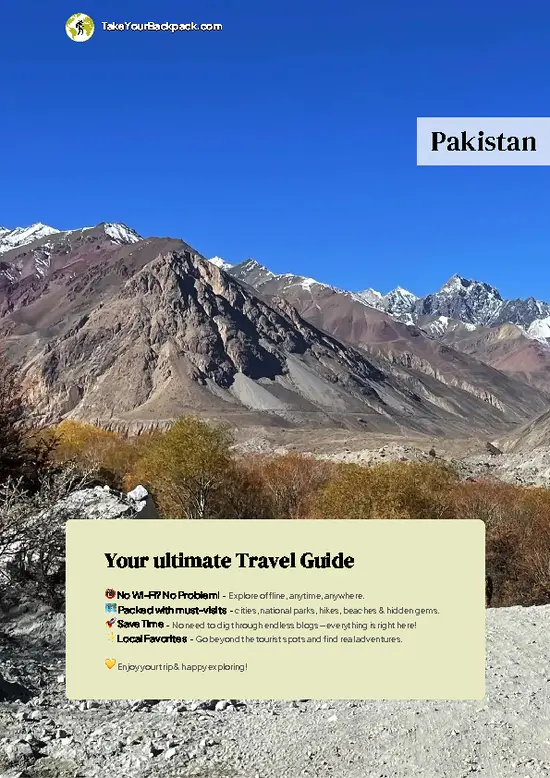
landscapes and trekking, put your time and money into the north: the payoff is glaciers, wide gravel valleys and apricot orchards under snowy walls. If
history and architecture pull you, base the trip around Punjab and Sindh, where brick forts, tiled mosques and ancient ruins …
read more 👉 How many attractions to aim for: Aim for 8 to 12 attractions across a three-week trip, and fewer if you hit the mountains. Roads are slow, altitude and weather can shuffle plans, and the best moments here often happen between sites: a chai stop beside a river, a shopkeeper pulling you into a conversation, the first full view of a peak after hours of switchbacks. Two or three headline sites per region leave room for those, and you leave with stories rather than a checklist.
Choosing the kind that suits you: If you love landscapes and trekking, put your time and money into the north: the payoff is glaciers, wide gravel valleys and apricot orchards under snowy walls. If history and architecture pull you, base the trip around Punjab and Sindh, where brick forts, tiled mosques and ancient ruins sit a bus ride apart and the cooler months feel golden. If culture and food are the point, spend more evenings in old-city streets and at shrine gatherings, where music, smoke from kebab grills and crowds of families deliver a night you could not plan. Mixed-interest travelers should pick one mountain region and one plains region rather than both extremes.
What it costs: Budget US$25 to 45 a day for independent travel with dorm or basic guesthouse rooms, local meals and shared transport. Step up to US$50 to 90 if you want private jeeps, mid-range hotels and the occasional guide. Entry fees are modest: roughly 500 to 2,000 PKR (about US$2 to 7) for foreigners at major forts and museums, and often free at shrines and viewpoints. A local guide at a heritage site runs about 1,500 to 4,000 PKR for a few hours. Jeep hire for mountain valleys usually costs US$50 to 120 a day depending on route and season, and splitting it with others pulls the cost down fast. Trekking permits and porters add more, so confirm current rates with a registered operator before committing.
Safety and conduct at sites: Check current government advice and local conditions before each leg, and tell your guesthouse where you are heading. Some border areas require permits or escorts, and police may ask you to register or accept a escort at checkpoints. Go along with it politely. Landslides, flash floods and rockfall are the larger daily risks in the mountains, so leave early, avoid river crossings after rain and keep a day in reserve.
Cultural manners that open doors: Dress modestly: loose long trousers and sleeves for men and women, plus a light scarf for women, which also helps with dust and sun. Remove shoes at mosques and shrines, and ask before photographing people, particularly women. Women travelers will usually find the warmest welcome in family-run guesthouses and may use women-only compartments or seating on buses and trains. During Ramadan, avoid eating or drinking in public during daylight, and expect slower days. Accept tea when offered, because it is often the start of the best conversation of your trip. Carry cash in small notes, since cards and ATMs thin out fast beyond the main cities, and keep a modest copy of your passport and visa to speed up checkpoints.

 Best Backpacking
 Hi, I’m Johan (Netherlands 🇳🇱), the creator of TakeYourBackpack. Over the past 3 decades, I’ve backpacked through 90+ countries across six continents, gaining extensive experience with independent travel, long-term trips, and overland routes.