
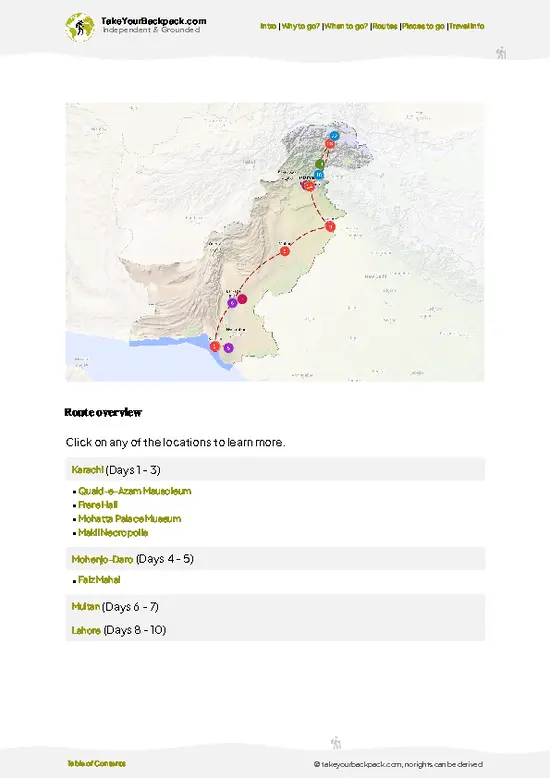
- Sheesh Mahal (Palace of Mirrors): The showstopper. Thousands of convex mirror pieces set into marble walls and ceilings, built for Empress Nur Jahan's private quarters. This is my personal favorite spot in the entire complex.
- Alamgiri Gate: The massive main entrance built by Aurangzeb in 1673, facing the Badshahi Mosque. Its scale alone tells you this wasn't just a palace, it was a statement of imperial power.
- Diwan-e-Aam (Hall of Public Audience): A columned hall where Mughal emperors once heard petitions from ordinary subjects. The proportions give a real sense of Mughal governance theater.
- Diwan-e-Khas (Hall of Private Audience): Smaller and more intimate, reserved for nobles and high officials. The marble screens here are worth slowing down for.
- Moti Masjid (Pearl Mosque): A small white marble
- Sheesh Mahal (Palace of Mirrors): The showstopper. Thousands of convex mirror pieces set into marble walls and ceilings, built for Empress Nur Jahan's private quarters. This is my personal favorite spot in the entire complex.
- Alamgiri Gate: The massive main entrance built by Aurangzeb in 1673, facing the Badshahi Mosque. Its scale alone tells you this wasn't just a palace, it was a statement of imperial power.
- Diwan-e-Aam (Hall of Public Audience): A columned hall where Mughal emperors once heard petitions from ordinary subjects. The proportions give a real sense of Mughal governance theater.
- Diwan-e-Khas (Hall of Private Audience): Smaller and more intimate, reserved for nobles and high officials. The marble screens here are worth slowing down for.
- Moti Masjid (Pearl Mosque): A small white marble mosque tucked inside the fort, built by Shah Jahan. It's quiet, understated, and a good contrast to the fort's louder monuments.
- Picture Wall: A massive fresco-covered wall stretching along the eastern side, covered in tile work depicting animals, angels, and courtly scenes. Restoration work has brought back color you won't see in old photos.
- Elephant Path (Hathi Paer): A ramped stairway built wide and shallow enough for elephants to carry royalty up into the fort. Walking it gives a physical sense of how the fort actually functioned.
- Kala Burj (Black Pavilion): An octagonal tower with painted ceilings, less visited than the main halls, which makes it a good quiet stop if you're avoiding the crowds pooling around the Sheesh Mahal.
Spotted a mistake or missing something? Contact us.

Lahore Private Tour: Fort, Walled City, Badshahi Mosque & Wagah

Lahore Heritage in a Day

2 Days Private Guided Tour in Lahore

Lahore Heritage and Cultural Guided Tour

Private Lahore Full Day Sightseeing Tour

Private 2-Day Lahore Heritage, Culture & Sightseeing Tour

Lahore Heritage and Sightseeing Guided Tour

Private Lahore Full Day Sightseeing Tour

Rangeela Rikshaw Walled City Guided Tour Lahore


 Best Backpacking

 Hi, I’m Johan (Netherlands 🇳🇱), the creator of TakeYourBackpack. Over the past 3 decades, I’ve backpacked through 90+ countries across six continents, gaining extensive experience with independent travel, long-term trips, and overland routes.