×

Pakistan🇵🇰 | festivalsUrs of Baba FaridPakpattan, langar, devotional gatherings | things to do and best time to go

Explore Urs of Shah Rukn-e-AlamExplore Urs of Data Ganj Bakhsh

Backpacking in Urs of Baba Farid
👍 Recommendedfestival ranked #10
By Johan Kruseman 🇳🇱 | Updated September 4, 2026

Most travelers only realize on day three that the real advantage of the Urs of Baba Farid is free lodging and food inside the shrine complex if you move fast and claim a spot early, instead of wasting cash on mediocre hotels. The festival takes over Pakpattan in Punjab, Pakistan, around the shrine of the Sufi saint Baba Farid. Expect qawwali that rattles your ribs, devotional poetry, and a crowd that’s equal parts rural pilgrims, fakirs, and a few wide-eyed backpackers. It’s chaotic, smoky, and deeply human. The Urs runs several days, and it’s worth it if you can handle crowds, dust, and zero personal space in exchange for raw spiritual energy.

Discover everything you want to know in the 📖 Pakistan Travel Guide.


Get your Pakistan guide
98 ranked highlights, routes & tips, works offline (338 pages)
Loading the map 🌍
CLICK TO FILTER
cities
towns
villages
landmarks
national parks
hikes
beaches
attractions
festivals
regions
SHOW COUNTRY’S BESTSHOW ALL

✨ Why go?
Ranked #10 festival in Pakistan
What makes it a must-see festival

Backpackers flock to the Urs of Baba Farid for a burst of social energy and a chance to dive into a temporary community. This festival isn’t just an event; it’s a cultural immersion that transforms the landscape into a vibrant tapestry of music, food, and spirituality. You’ll find yourself surrounded by locals and fellow travelers, all united in celebration.

Planning your route around this festival means you’re not just ticking boxes; you’re experiencing the heart of Pakistani culture. Plus, it’s incredibly affordable compared to similar events worldwide, allowing you to stretch your budget for other adventures.

Integrating the Urs into your travel plans can elevate your journey, making every step feel purposeful. Embrace the chaos, soak in the atmosphere, and let the festival fuel your exploration.
Want to include Urs of Baba Farid in your Pakistan route?
Create a personalized Pakistan itinerary that includes Urs of Baba Farid and the places that fit your trip — based on your travel style, budget, and available time. Get your route in seconds.

Generate my trip

💡 HighlightsPlaces and moments you shouldn't skip

  1. Qawwali and sama (night-long devotional music) — Intense, raw, and intimate: groups of qawwals sing poetry of love and longing for the Divine while the crowd claps, chants, and sometimes falls into trance. The rhythm, call-and-response, and the way the whole shrine hums after midnight make this a spine-tingling experience. (Personal favorite — nothing beats sitting close to the singers and letting the whole thing wash over you.)
  2. Chadar-poshi and shrine rituals — Families and groups bring embroidered chadars (ceremonial cloths), flowers, and offerings to be draped over Baba Farid’s tomb. Watching the solemn, reverent ceremony—priests, caretakers, and devotees participating—is a window into the devotional side of Sufism: symbolic, emotional, and deeply respectful.
  3. Langar (communal free kitchen)
read more 👉
  1. Qawwali and sama (night-long devotional music) — Intense, raw, and intimate: groups of qawwals sing poetry of love and longing for the Divine while the crowd claps, chants, and sometimes falls into trance. The rhythm, call-and-response, and the way the whole shrine hums after midnight make this a spine-tingling experience. (Personal favorite — nothing beats sitting close to the singers and letting the whole thing wash over you.)
  2. Chadar-poshi and shrine rituals — Families and groups bring embroidered chadars (ceremonial cloths), flowers, and offerings to be draped over Baba Farid’s tomb. Watching the solemn, reverent ceremony—priests, caretakers, and devotees participating—is a window into the devotional side of Sufism: symbolic, emotional, and deeply respectful.
  3. Langar (communal free kitchen) — Feeding everyone is a core Sufi practice; huge pots of simple, fragrant food are served to thousands. It’s a practical, heartwarming expression of hospitality and equality—sit down at the long rows, share a meal with strangers, and you’ll see community in action.
  4. Pilgrim processions and the human mosaic — The festival draws people from villages and cities, creating a colorful, noisy flow of processions, families, mendicants, and traders. The mix of regional dress, languages, and heartfelt devotion makes wandering the crowds feel like traveling through a living tapestry of Pakistan’s spiritual life.
  5. Night atmosphere, lights, and street life — After sundown the shrine is lit, lamps glow, incense drifts, and the surrounding lanes fill with vendors selling sweets, lassis, religious trinkets, and handicrafts. The sensory overload—smoke, music, flash of neon, chai steam—is where the sacred and the everyday meet, and it’s great for soaking up local flavors on a budget.
Spotted a mistake or missing something? Contact us.

🌤️ When to go?When is the celebration of Urs of Baba Farid?


  • Topic: Weather – The festival falls in November, when Pakistan’s Punjab region cools down from summer’s scorch. Expect daytime highs around 22°C (72°F) and nights dipping to 10°C (50°F). This temperate window keeps you moving without overheating or freezing.

  • Topic: Daylight Hours – November days offer roughly 10 to 11 hours of daylight, enough to soak in the festival’s rituals and explore nearby sites without rushing into dusk.

  • Topic: Crowds – The Urs draws a steady crowd, but it’s not overwhelming like peak tourist seasons. Arriving early in the festival helps you claim prime spots for ceremonies and street food without elbowing through throngs.

  • Topic: Seasonal Activities – November’s cool air invites longer walks around the shrine and local markets. Vendors sell seasonal snacks
read more 👉

  • Topic: Weather – The festival falls in November, when Pakistan’s Punjab region cools down from summer’s scorch. Expect daytime highs around 22°C (72°F) and nights dipping to 10°C (50°F). This temperate window keeps you moving without overheating or freezing.

  • Topic: Daylight Hours – November days offer roughly 10 to 11 hours of daylight, enough to soak in the festival’s rituals and explore nearby sites without rushing into dusk.

  • Topic: Crowds – The Urs draws a steady crowd, but it’s not overwhelming like peak tourist seasons. Arriving early in the festival helps you claim prime spots for ceremonies and street food without elbowing through throngs.

  • Topic: Seasonal Activities – November’s cool air invites longer walks around the shrine and local markets. Vendors sell seasonal snacks and crafts, adding layers to the experience beyond the main event.

  • Topic: Price Fluctuations – Accommodation and transport prices stay moderate. Avoid the festival’s opening day when demand spikes; booking just before or after can save you a solid chunk of your budget.


Pro-tip: Time your visit mid-festival to dodge the initial rush and catch the full spectrum of ceremonies with less hassle and more breathing room.


source: climatestotravel.comJANJanuary: not recommended for travelingFEBFebruary: not recommended for travelingMARMarch: not recommended for travelingAPRApril: not recommended for travelingMAYMay: not recommended for travelingJUNJune: not recommended for travelingJULJuly: not recommended for travelingAUGAugust: not recommended for travelingSEPSeptember: not recommended for travelingOCTOctober: not recommended for travelingNOVNovember: excellent for travelingDECDecember: not recommended for traveling

✈️ The backpacker research shortcutPakistan Travel Guide

An offline-friendly backpacking guide with optimized travel routes, ranked highlights, transport advice, and the best areas to stay.
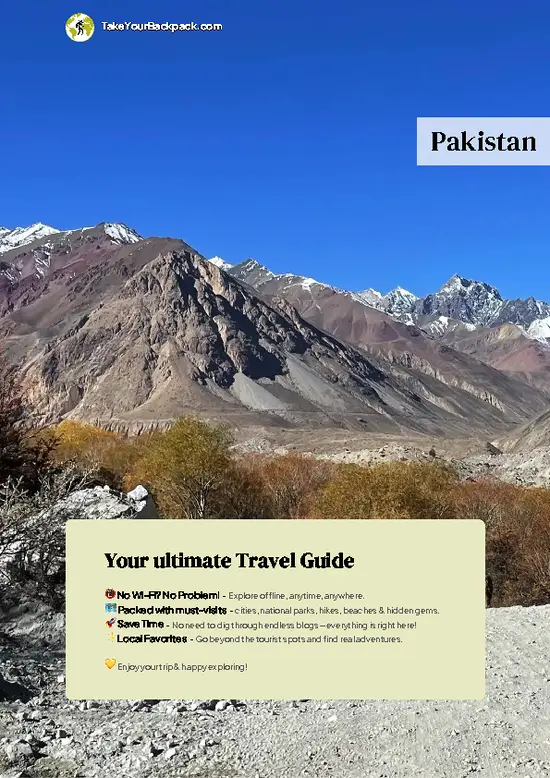
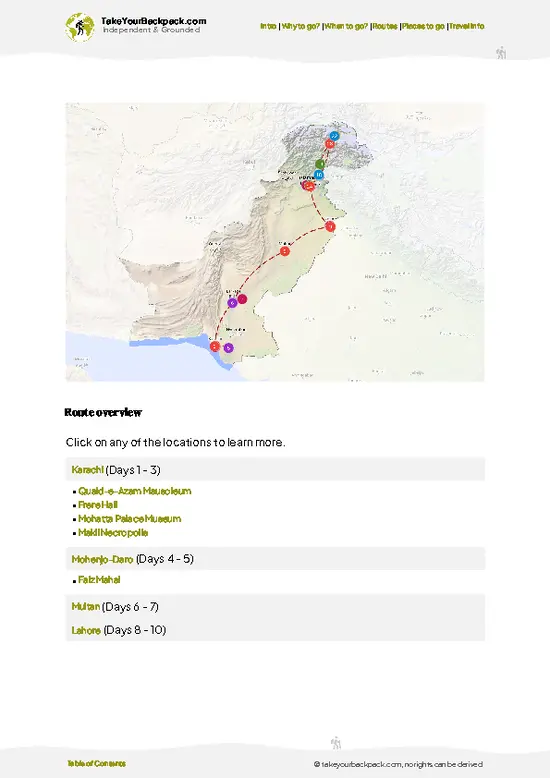
example page 0 from our offline Travel Guide for Pakistan
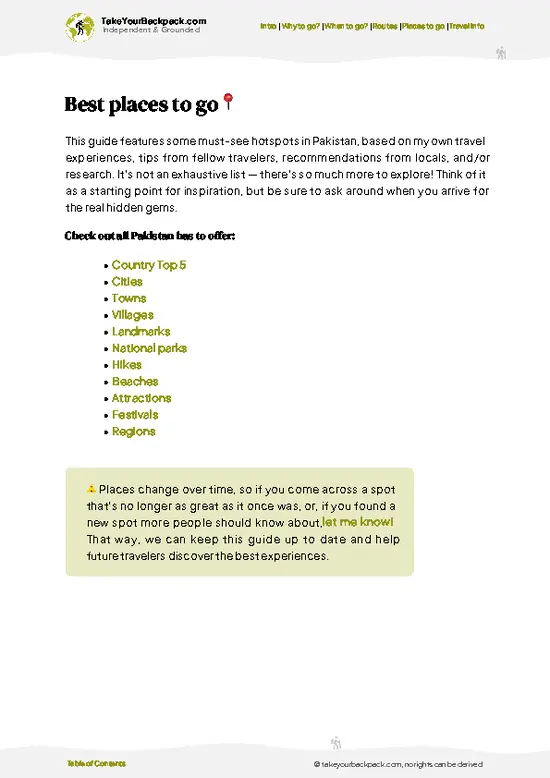
example page 1 from our offline Travel Guide for Pakistan
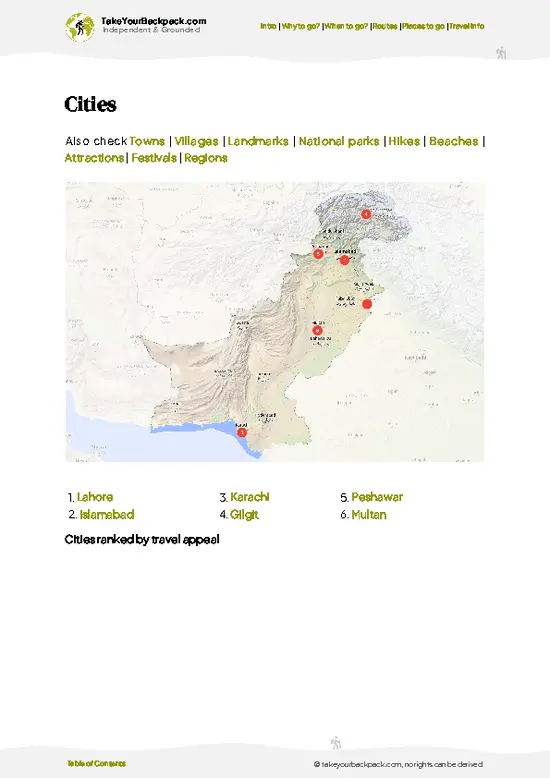
example page 2 from our offline Travel Guide for Pakistan
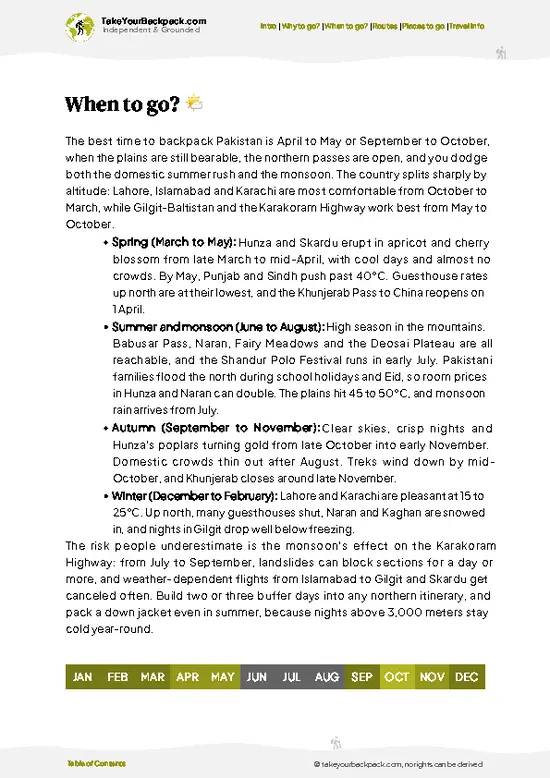
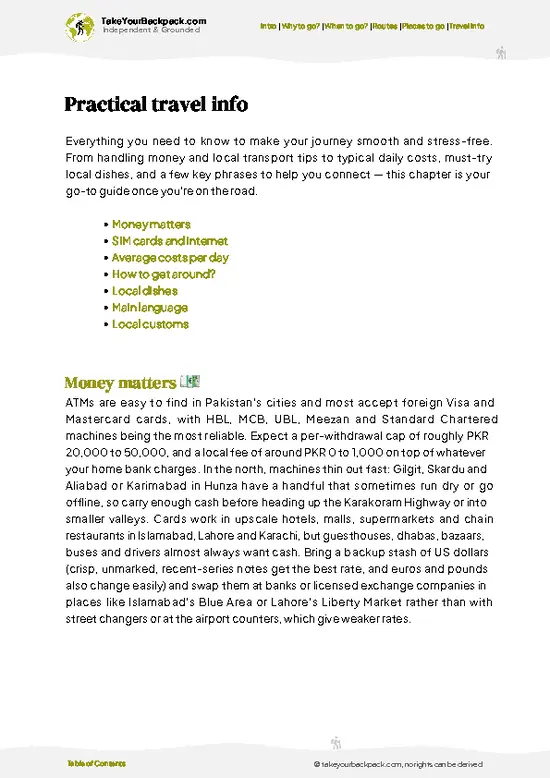
example page 3 from our offline Travel Guide for Pakistan
example page 4 from our offline Travel Guide for Pakistan
example page 5 from our offline Travel Guide for Pakistan
example page 6 from our offline Travel Guide for Pakistan
example page 7 from our offline Travel Guide for Pakistan
The digital guide (338 pages) contains:
98 highlights, ranked by travel appeal
Optimized 7, 14 & 21-day travel routes
Cities, national parks, landmarks, beaches
How to get around
Offline-friendly for travel without Wi-Fi
👉 Click to see all 30+ guide features

📅 Plan smarter in minutes, not weeks
Month by month travel advice
Festivals & national holidays
Budget expectations

🗺️ Go to the right places, skip the overrated ones
Honest pros & cons of destinations
Top hikes, parks & viewpoints
Lesser-known places most travelers miss
Clear “worth it vs skip it” guidance

🛏️ Travel smoothly without rookie mistakes
Best areas to stay
Transport systems explained simply
Common scams & safety advice
SIM cards, money & practical tips

🌍 Understand the country, not just visit it
Culture & traditions
52 Essential phrases & customs
Festivals worth planning around
Traveler-friendly historical context
Insights that make places more meaningful

📱 Built for real travel conditions
Fully downloadable PDF
Works completely offline
Optimized for phone use
Useful in remote areas & buses
Everything in one place
Save weeks of stressful planning
Get instant access to your full guide. 30‑day money-back guarantee.
+ Add another guide for just ₹667.00

By proceeding you agree to our terms.
Sent to your inbox immediately after payment • 100% Secure Checkout
Best Backpacking Travel Advisor 2025 tourism awardBest Backpacking
Travel Advisor
2025
What others say about Take Your Backpack Guides:
⭐⭐⭐⭐⭐
Fantastic, amazing amount of information!
⭐⭐⭐⭐⭐
My goodness this is amazing, it's what I've been looking for hats off too you!
⭐⭐⭐⭐⭐
I think this is absolutely BRILLIANT
⭐⭐⭐⭐
Very complete and informative. It's still missing places, but I gotta to commend you
⭐⭐⭐⭐⭐
This is truly amazing, thank you, can't wait to explore it with my kids!
⭐⭐⭐⭐⭐
Awesome resource, thank you!
⭐⭐⭐⭐⭐
This is amazing! Can't wait to explore the ones I haven't seen
⭐⭐⭐⭐
I love this! Well done, great idea.
⭐⭐⭐⭐⭐
Thanks for taking the time to make this gem!
⭐⭐⭐⭐⭐
This might be the best website I've ever seen.
⭐⭐⭐⭐⭐
Congratulations, and thank you so much for your work; it's incredibly valuable.
⭐⭐⭐⭐
In all seriousness I think you did a great job pointing out the important spots
⭐⭐⭐⭐⭐
10/10 very good
⭐⭐⭐⭐⭐
As someone who's only just starting to visit regularly this is awesome, thank you.
⭐⭐⭐⭐
Thank you very much! I'm going to visit my dad, it's going to be very useful!
⭐⭐⭐⭐⭐
This is really cool! We'll be travelling for the first time and this definitely come in handy.
⭐⭐⭐⭐⭐
You are now our minister of culture, congratulations 👨‍💼
⭐⭐⭐⭐⭐
Just wanted to tell you that this is a pearl! Going to follow your recommendations.
⭐⭐⭐⭐⭐
This is so cool. I'll definitely be using the resource for my travels soon.
⭐⭐⭐⭐⭐
This is very impressive! Good work.
⭐⭐⭐⭐⭐
This is an amazing and informative site. Very well done!

🛏️ Where to stay?How to pick the right area

For the ‘Urs of Baba Farid’ festival, head to the vibrant heart of Pakpattan. This area buzzes with energy, especially during the festival. You’ll find a mix of local guesthouses and budget-friendly lodgings that cater to backpackers.

Stay near the shrine itself for easy access to the festivities. The streets around the shrine are alive with pilgrims and locals, creating a welcoming atmosphere. You’ll meet fellow travelers and share stories over chai in bustling tea shops.

Safety is a priority here, especially during the festival. The community is tight-knit, and locals are eager to help. … read more 👉
For the ‘Urs of Baba Farid’ festival, head to the vibrant heart of Pakpattan. This area buzzes with energy, especially during the festival. You’ll find a mix of local guesthouses and budget-friendly lodgings that cater to backpackers.

Stay near the shrine itself for easy access to the festivities. The streets around the shrine are alive with pilgrims and locals, creating a welcoming atmosphere. You’ll meet fellow travelers and share stories over chai in bustling tea shops.

Safety is a priority here, especially during the festival. The community is tight-knit, and locals are eager to help.

Consider the outskirts of Pakpattan too. These areas offer a quieter vibe, with charming homestays that provide a glimpse into local life. You’ll still be close enough to join the celebrations, but with a bit more peace to recharge.

This balance of social energy and serene spaces will keep your spirit high and your budget intact.

👛 Costs (as of 4 September 2026)Travel costs and budget guide for Urs of Baba Farid

The Urs of Baba Farid is a vibrant celebration, but navigating the costs can be tricky. Here’s how to budget effectively for this experience.
  • Festival Tickets
    Entry to the festival is typically free, but donations are encouraged. Expect to contribute around €5-€10 ($5-$10) to support local initiatives and maintain the festival’s spirit. This small investment goes a long way in preserving the cultural richness of the event.
  • Accommodation
    Options range from budget guesthouses to mid-range hotels. You can find dormitory beds starting at €10-€15 ($10-$15) per night. Private rooms in guesthouses usually cost between €20-€40 ($20-$40). Book early, as places fill up fast during the festival.
  • Local Transport
    Public transport is your best bet for getting around. Rickshaws and local buses are affordable,
read more 👉
The Urs of Baba Farid is a vibrant celebration, but navigating the costs can be tricky. Here’s how to budget effectively for this experience.
  • Festival Tickets
    Entry to the festival is typically free, but donations are encouraged. Expect to contribute around €5-€10 ($5-$10) to support local initiatives and maintain the festival’s spirit. This small investment goes a long way in preserving the cultural richness of the event.
  • Accommodation
    Options range from budget guesthouses to mid-range hotels. You can find dormitory beds starting at €10-€15 ($10-$15) per night. Private rooms in guesthouses usually cost between €20-€40 ($20-$40). Book early, as places fill up fast during the festival.
  • Local Transport
    Public transport is your best bet for getting around. Rickshaws and local buses are affordable, with fares around €0.50-€2 ($0.50-$2) per ride. If you prefer more comfort, consider hiring a private car for about €20-€30 ($20-$30) per day, especially if you’re traveling with a group.
  • Food & Drinks
    Street food is a highlight, with meals costing between €1-€3 ($1-$3). For a sit-down meal, expect to pay around €5-€10 ($5-$10). Local chai (tea) is a must-try and usually costs less than €0.50 ($0.50). Budget around €10-€20 ($10-$20) per day for food to enjoy a variety of flavors.
  • Miscellaneous Expenses
    This category includes souvenirs, tips, and any unexpected costs. Set aside about €10-€30 ($10-$30) for these extras. Bargaining is common, so don’t hesitate to negotiate prices at local markets.

Being aware of these costs will help you allocate your budget wisely, ensuring you have the energy and funds to fully immerse yourself in the festival’s vibrant atmosphere.
⚠️ Prices can change and everyone travels differently, so take this as a rough guide. Hope it helps you plan your adventure!

🍲 FoodEating & Drinking in Urs of Baba Farid

At the **Urs of Baba Farid**, the air is thick with the scent of **spiced meats** and **freshly baked bread**. Street stalls burst with **local specialties** like **biryani** and **nihari**, each dish a celebration of flavor. Don’t miss the **samosas**—crispy, golden pockets filled with spiced potatoes, perfect for snacking as you wander.

For drinks, try the **lassi**, a creamy yogurt drink that cools the heat of the spices. Vendors often serve it in **clay cups**, adding a rustic touch to your experience.

Be ready to **share** your food. It’s common to see groups passing around dishes, creating a sense of community. Lines can get long, so patience is key; embrace the wait as part of the festival vibe. Cash is king here, so keep some handy—many stalls don’t accept cards.

Serving sizes … read more 👉
At the **Urs of Baba Farid**, the air is thick with the scent of **spiced meats** and **freshly baked bread**. Street stalls burst with **local specialties** like **biryani** and **nihari**, each dish a celebration of flavor. Don’t miss the **samosas**—crispy, golden pockets filled with spiced potatoes, perfect for snacking as you wander.

For drinks, try the **lassi**, a creamy yogurt drink that cools the heat of the spices. Vendors often serve it in **clay cups**, adding a rustic touch to your experience.

Be ready to **share** your food. It’s common to see groups passing around dishes, creating a sense of community. Lines can get long, so patience is key; embrace the wait as part of the festival vibe. Cash is king here, so keep some handy—many stalls don’t accept cards.

Serving sizes can be generous, so consider splitting dishes with fellow travelers to savor more flavors without overindulging. Enjoy the feast!

FAQTraveler FAQ

Urs of Baba Farid takes place annually in the month of November, lasting for about 3 days. It commemorates the death anniversary of the Sufi saint Baba Farid. The exact dates vary each year based on the Islamic lunar calendar.
Attending Urs of Baba Farid is free of charge. There are no entrance fees for the festival, making it accessible to all visitors and pilgrims. Expenses mainly involve travel, accommodation, and food.
No, you do not need tickets in advance for Urs of Baba Farid. The event is open to the public without any formal ticketing system. Arriving early is advisable to secure accommodation and good spots for participation.
⚠️ Things can change over time, so always validate details locally before you go.

Other Pakistani festivals near Urs of Baba Farid

Explore more nearby:


💡 Not sure where to go next?
Create a personalized itinerary for Pakistan including Urs of Baba Farid and the places that fit your trip.

Generate my itinerary

👉 Discover all festivals

Or checkout all Pakistan has to offer (think cities, towns, villages, national parks, hikes, beaches, festivals)
Country photo of Pakistan

We 💚 feedbackWhat to keep in mind

The Urs of Baba Farid is a vibrant celebration of spirituality and culture that pulses with life. You’ll feel the energy of the crowd, the rhythm of the music, and the warmth of shared stories. But be ready for the chaos—accommodation can be a scramble, and prices spike. Embrace the challenge; it’s all part of the adventure that makes this experience unforgettable.

✈️ When did I visit Pakistan?
Even though the media portrays Pakistan often as a dangerous country, it has its great spots and loving a mountains, the mountain regions in the north are just heaven. Visited Pakistan in October 2022.

✍️ Help improve this page!
The information on this page is based on my own backpacking experience in Pakistan, supplemented with up-to-date research and feedback from other travelers. Travel details can change, so if you notice anything outdated or incomplete, feel free to let me know.


🙋‍♂️ Give feedback

👋 Meet the founderWho’s Behind Take Your Backpack?

Johan, backpacker and founder of TakeYourBackpackHi, I’m Johan (Netherlands 🇳🇱), the creator of TakeYourBackpack. Over the past decade, I’ve backpacked through 80+ countries across six continents, gaining extensive experience with independent travel, long-term trips, and overland routes.

This site is built on a combination of firsthand travel experience and carefully curated insights from other backpackers. Many guides are based on places I’ve personally visited, while others bring together tips, observations, and practical advice shared by trusted travelers I’ve met along the way.

The goal is to provide realistic, experience-driven guidance — not generic itineraries — so you can explore destinations with better context, clearer expectations, and more confidence.

Get full Pakistan guide •
Instant download • 98 highlights • Full Offline guide