×

Pakistan🇵🇰 | best festivalsEssential 10 festivals to Explore in Pakistan

Festivals in Pakistan run on devotion, harvest, and poetry, and where you land changes everything. In the north, Gilgit-Baltistan and Chitral stage polo matches and mountain gatherings in high valleys, with small crowds, few tourist services, and a long jeep ride to reach them. In Punjab and Sindh, saint shrines and spring fairs pull in hundreds of thousands, with drums, rose petals, and the city transport to match. Costs stay low almost everywhere, but access does not: the mountain events demand days of road, while the plains events are an easy bus from Lahore or Karachi. For backpacking and independent travel, that split is your first decision. Pick the crowded, loud, deeply devotional kind and you will be swept along in an afternoon. Pick the remote highland kind and you will earn it, then share tea with every neighbor in the audience. Either way, move early and stay curious.

By Johan Kruseman 🇳🇱 | Updated October 18, 2026
Explore the best regions in Pakistan

Why go?What Makes Them Special

Pakistan packs an unusual number of calendars into one border. Islamic observances follow the lunar year and drift through the seasons, so the same celebration can fall in a mild spring one year and a heavy summer a few years later. Layered over that sit Sufi shrine traditions of the Indus plains, harvest and spring customs that predate Islam, and the mountain cultures of the Karakoram, Hindu Kush, and Kalash valleys, each with its own language, music, and dress. That mix means a single country offers a mass pilgrimage, a village dance, and a royal sport meet, none of which look alike.

Geography decides how you experience them. Plains events sit on the main highway and railway corridors, so reaching them is simple and cheap. Highland events depend on mountain roads that landslides and snow … read more 👉
Pakistan packs an unusual number of calendars into one border. Islamic observances follow the lunar year and drift through the seasons, so the same celebration can fall in a mild spring one year and a heavy summer a few years later. Layered over that sit Sufi shrine traditions of the Indus plains, harvest and spring customs that predate Islam, and the mountain cultures of the Karakoram, Hindu Kush, and Kalash valleys, each with its own language, music, and dress. That mix means a single country offers a mass pilgrimage, a village dance, and a royal sport meet, none of which look alike.

Geography decides how you experience them. Plains events sit on the main highway and railway corridors, so reaching them is simple and cheap. Highland events depend on mountain roads that landslides and snow regularly close, and on a short window when passes are open. Infrastructure is thin outside the big cities, so expect basic guesthouses, limited cash machines, and crowded transport on festival days.

Before choosing Pakistan for its festivals, know a few things. Dates for lunar events shift by about ten or eleven days each year, so confirm them close to departure. Security conditions and local permissions vary by district, and some regions require registration or a no-objection certificate for foreigners. Large gatherings are male-dominated, and women travelers will find the experience easier with a local host or in family-friendly areas. Dress modestly, ask before photographing people, and treat shrines and prayer times with respect. Do that, and hospitality here is extraordinary: strangers will pull you into the circle, hand you food, and refuse to let you pay.
Why These Made the Cut
The list of best festivals in Pakistan is created based on energy, traditions, crowd experience, activities, and overall excitement. If you feel a festival is missing in this list, please let us know.

When to go?Optimal Periods for Travel

Best months for festivals in Pakistan: Spring, from March to May, and autumn, from September to early November, are the best months, because the plains sit between roughly 15 and 32°C and the mountain roads are clear of both heavy snow and monsoon washouts. Those are the windows to aim for if you want to travel freely and still catch the major events.

Summer in the north, heat in the south: June to August is the high season for the northern valleys of Gilgit-Baltistan and Chitral, where daytime temperatures hover around 20 to 30°C and passes are open. Guesthouses fill up and prices climb by roughly 20 to 50 percent around big gatherings, so book ahead. The plains tell a different story. Punjab and Sindh bake at 38 to 47°C, and July to September brings monsoon rain that can flood roads and … read more 👉
Best months for festivals in Pakistan: Spring, from March to May, and autumn, from September to early November, are the best months, because the plains sit between roughly 15 and 32°C and the mountain roads are clear of both heavy snow and monsoon washouts. Those are the windows to aim for if you want to travel freely and still catch the major events.

Summer in the north, heat in the south: June to August is the high season for the northern valleys of Gilgit-Baltistan and Chitral, where daytime temperatures hover around 20 to 30°C and passes are open. Guesthouses fill up and prices climb by roughly 20 to 50 percent around big gatherings, so book ahead. The plains tell a different story. Punjab and Sindh bake at 38 to 47°C, and July to September brings monsoon rain that can flood roads and delay buses. Travel there in summer only if a festival forces it, and move in the early morning and evening.

Winter and the shoulder months: December to February brings cool, dry days of about 5 to 20°C on the plains, which makes them pleasant for wandering shrines, bazaars, and fairs. Smog around Lahore and the Punjab plains can be heavy from November to January, so pack a mask. The mountains are another matter: heavy snow shuts many high roads, including the Karakoram Highway sections and the passes into Chitral, and many guesthouses close. Treat winter as a plains-only season.

Because Islamic festivals follow the lunar calendar, they shift about ten or eleven days earlier each year. Around Eid, transport sells out, ticket prices rise, and many shops and restaurants close for two or three days, so buy tickets a week ahead and carry extra cash. Check the current year’s dates before fixing flights.

festival hoppingSuggested Travel Strategies

How long a multi-festival trip takes: A trip combining several festivals in Pakistan needs 14 to 28 days, depending on whether you stay on the plains or add the mountains. Anything shorter turns into a blur of bus stations.

Which regions group together: The plains cluster is the easy one. Lahore, Multan, and Sindh’s shrine towns sit along one rail and highway corridor, with typical bus or train legs of 3 to 8 hours. Lahore to Multan takes roughly 4 to 5 hours by train or road, and Multan to the Sindh interior adds another 6 to 9. The north forms its own cluster: Islamabad, Gilgit, Hunza, Skardu, and Chitral. From Islamabad to Gilgit expect 14 to 20 hours by road on the Karakoram Highway, or a flight of about an hour when weather permits. Gilgit to Hunza is 2 to 3 hours, and Gilgit to Skardu … read more 👉
How long a multi-festival trip takes: A trip combining several festivals in Pakistan needs 14 to 28 days, depending on whether you stay on the plains or add the mountains. Anything shorter turns into a blur of bus stations.

Which regions group together: The plains cluster is the easy one. Lahore, Multan, and Sindh’s shrine towns sit along one rail and highway corridor, with typical bus or train legs of 3 to 8 hours. Lahore to Multan takes roughly 4 to 5 hours by train or road, and Multan to the Sindh interior adds another 6 to 9. The north forms its own cluster: Islamabad, Gilgit, Hunza, Skardu, and Chitral. From Islamabad to Gilgit expect 14 to 20 hours by road on the Karakoram Highway, or a flight of about an hour when weather permits. Gilgit to Hunza is 2 to 3 hours, and Gilgit to Skardu around 6 to 8.

Direction and pacing: Start in the heat-prone south and plains during the cooler months, then finish in the mountains as the passes open, so you follow the climate rather than fight it. Spend 2 to 3 days at each plains stop and 3 to 5 days at each highland stop, which leaves room for slow arrivals and road delays. Fly into Islamabad or Lahore, and use it as your hinge between the two clusters.

Planning mistakes to dodge: The classic error is stacking a plains festival and a mountain festival within 48 hours. Mountain roads close without warning, and one landslide ruins the plan. Build in a spare buffer day of at least one per mountain leg. Another is assuming lunar-calendar dates stay put, so confirm them close to travel. A third is arriving on the day itself: shrines and fair towns fill the night before, and beds vanish. Book lodging a few days early, arrive a day ahead, and carry cash, since machines run dry in small towns.

The ListHighly Recommended festivals of Pakistan

1 Basant

Kite flying, Lahore rooftops, spring festival

Watch the sky fill with color as locals compete in kite battles and celebrate the changing season with rooftop gatherings.

2 Shandur Polo Festival

High-altitude polo, Gilgit-Baltistan, tented camps

Camp on a mountain plateau to watch teams from rival valleys compete in fast-paced polo matches at the world’s highest field.

3 Chilam Joshi Festival

Kalash valleys, spring rituals, traditional dress

Join the Kalash people as they mark the arrival of spring with music, communal feasts, and unique ceremonies in remote mountain villages.

4 Lok Mela

Islamabad, folk crafts, regional music

Browse stalls and stages that showcase the country’s diverse traditions, from handmade textiles to performances by rural artists.

5 Sibi Mela

Livestock fair, Balochistan culture, horse shows

Witness centuries-old trading traditions, tribal pageantry, and animal displays that draw rural communities from across the province.

6 Urs of Lal Shahbaz Qalandar

Sufi shrine, dhamaal, Sehwan city

Experience three days of spiritual devotion, rhythmic trance dancing, and communal meals at one of Pakistan’s most iconic Sufi gatherings.

7 Urs of Madho Lal Hussain

Lahore, red lanterns, Sufi poetry

Walk among crowds celebrating love and devotion with poetry, music, and candlelit processions at a unique springtime festival.

8 Urs of Data Ganj Bakhsh

Lahore shrine, night vigils, Sufi hospitality

Join thousands in Lahore for nights filled with prayer, music, and the distribution of food to all who visit the revered shrine.

9 Urs of Shah Abdul Latif Bhittai

Sindhi poetry, Bhit Shah, folk music

Listen to soulful recitations and music that celebrate the region’s poetic heritage, surrounded by pilgrims at the poet’s resting place.

10 Urs of Baba Farid

Pakpattan, langar, devotional gatherings

Share in open-air feasts and spiritual recitations at a shrine that remains a focal point for Sufi followers and local communities.

11 Urs of Bari Imam

Noorpur Shahan, Islamabad, spiritual healing

See devotees seek blessings and healing at a shrine where rituals and recitations create a sense of collective hope.

12 Urs of Bulleh Shah

Punjabi verse, Kasur shrine, qawwali nights

Attend gatherings where poetry and song blend with spiritual rituals, drawing devotees and artists to honor a revered mystic.

13 Urs of Mian Mir

Lahore, Mughal-era tomb, interfaith visitors

Observe a gathering that attracts both Muslims and Sikhs, reflecting shared reverence for a Sufi saint in a historic setting.

14 Urs of Pir Mangho

Karachi, crocodile pond, folk legends

Visit a shrine where rituals blend with local folklore, and pilgrims feed sacred crocodiles as part of centuries-old traditions.

15 Urs of Sachal Sarmast

Sufi mysticism, Khairpur, multilingual poetry

Observe pilgrims and musicians converge to celebrate a poet known for bridging cultures through verse and spiritual philosophy.

16 Urs of Shah Inayat

Jhok Sharif, peasant leader, Sufi teachings

Learn about a Sufi who championed social justice, as followers gather for discussions, prayers, and remembrance in rural Sindh.

17 Urs of Shah Jamal

Lahore, Friday night drumming, trance dancing

Experience late-night gatherings where drummers and dancers create an atmosphere of spiritual intensity at a city shrine.

18 Urs of Shah Rukn-e-Alam

Multan tomb, medieval architecture, Sufi rituals

Explore a centuries-old mausoleum as devotees gather for prayers, processions, and communal meals in southern Punjab.

19 Urs of Syed Waris Shah

Punjabi folklore, Heer Ranjha, Jandiala Sher Khan

Hear recitations of a legendary love story as locals and admirers honor the poet’s legacy in his home village.

20 Eid al-Fitr

Ramadan end, festive meals, new clothes

Join in celebrations that mark the close of fasting, with prayers, sweets, and visits among friends and relatives.

21 Eid al-Adha

Animal sacrifice, family feasts, community charity

Observe rituals of sharing and remembrance as families gather, distribute meat, and mark a major religious occasion across Pakistan.

Think you know Pakistan?

Prove you’re a true local — uncover 11 lesser-known festivals in Pakistan that locals tend to keep to themselves.
Loading the map 🌍

Expert viewPro Tips for Exploring the Best

How many festivals to chase: Two or three festivals in a single trip is the number I recommend. That gives you enough contrast to feel the country’s range, yet leaves time for the road delays that Pakistan hands out freely. Cram in five and you spend most of the trip on buses, arriving tired at events that deserve your full attention. Slow down, and you get the long tea with a stranger, the invitation to a family meal, the late-night drumming you hadn’t planned on.

Choosing between the kinds: Pick by travel style. If you want sheer energy, the shrine festivals of Punjab and Sindh deliver: massive crowds, drums, dancing, and food stalls packed shoulder to shoulder. They suit travelers comfortable with intensity, and the streets around them are loud, hot, and gloriously chaotic, so you end … read more 👉
How many festivals to chase: Two or three festivals in a single trip is the number I recommend. That gives you enough contrast to feel the country’s range, yet leaves time for the road delays that Pakistan hands out freely. Cram in five and you spend most of the trip on buses, arriving tired at events that deserve your full attention. Slow down, and you get the long tea with a stranger, the invitation to a family meal, the late-night drumming you hadn’t planned on.

Choosing between the kinds: Pick by travel style. If you want sheer energy, the shrine festivals of Punjab and Sindh deliver: massive crowds, drums, dancing, and food stalls packed shoulder to shoulder. They suit travelers comfortable with intensity, and the streets around them are loud, hot, and gloriously chaotic, so you end the night full of sweet food and ringing ears. If you crave space and scenery, choose the mountain gatherings of Gilgit-Baltistan and Chitral. Valleys are green, crowds are in the thousands rather than hundreds of thousands, and you watch from a grassy slope with apricots in your lap. For culture hunters, Kalash and highland community events offer music and dress found nowhere else, though they need respect and a local guide. Solo women usually do better with the mountain events or with a local host.

What it costs: Budget US$20 to 35 a day for a backpacker staying in basic guesthouses, eating at local restaurants, and using buses. Plan around US$35 to 60 a day if you add private jeeps or mid-range rooms in the mountains. Festival entry is often free, though some sports and cultural events charge around PKR 500 to 2,000 (US$2 to 7) for seats. A local guide runs roughly PKR 5,000 to 12,000 (US$18 to 43) a day, and a shared or hired jeep in the north costs about PKR 15,000 to 30,000 (US$54 to 108) a day. Expect lodging to jump by 20 to 50 percent around major dates, and add a cash buffer, because machines empty fast in festival towns.

Safety on the ground: Crowds are the main practical risk. At shrine events, pickpocketing and crushes at entrances happen, so keep your phone and wallet in front pockets, stay near edges, and leave when density feels wrong. Check the current security advice for your target district before booking, and register where required, since some areas ask foreigners to carry permission papers. Local contacts and your guesthouse owner are the best source for real-time conditions.

Cultural manners that open doors: Dress modestly: long sleeves and trousers for men, and loose clothing with a headscarf for women, especially at shrines. Remove shoes before entering sacred spaces, and ask before taking photos of people, especially women, who often decline. Many gatherings include prayer, so step back during it and stay quiet. Alcohol is restricted, so don’t carry it. Accept tea or food when it’s offered, because refusing can feel cold, and a small thank-you goes a long way. I always carry small notes for tips and donations, since the smaller the bill, the smoother the exchange.

What to watch out for: Heat and dehydration catch plains visitors, so drink bottled or filtered water and carry electrolytes. Stomach trouble follows street food in peak crowds, so choose stalls with high turnover. Public transport sells out around Eid, so book early. Respect that these are living religious and community events, not performances, and your presence will be welcomed warmly.

✈️ The backpacker research shortcutPakistan Travel Guide

An offline-friendly backpacking guide with optimized travel routes, ranked highlights, transport advice, and the best areas to stay.
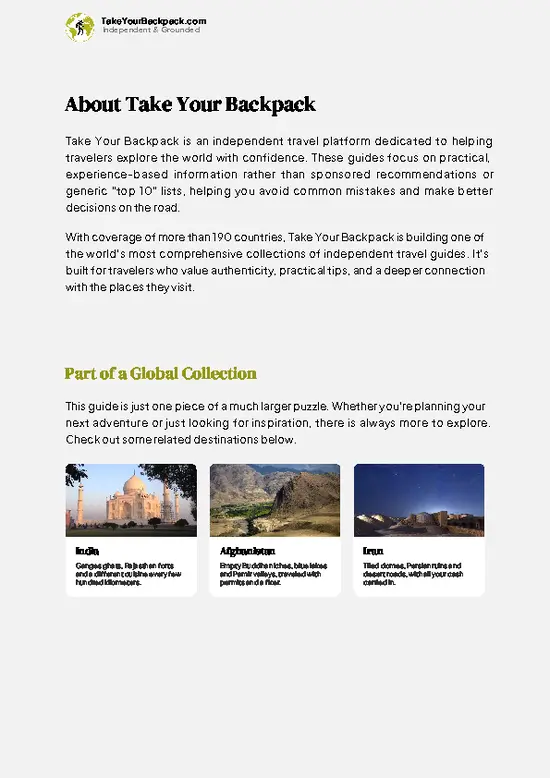
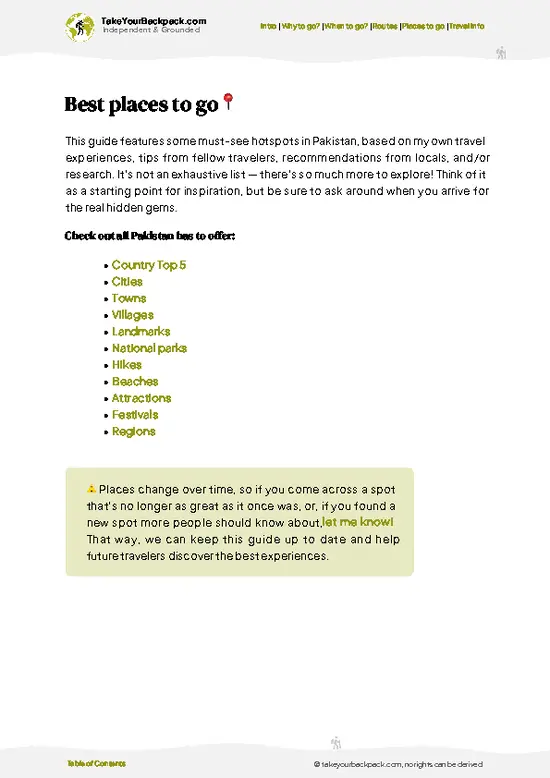
example page 0 from our offline Travel Guide for Pakistan
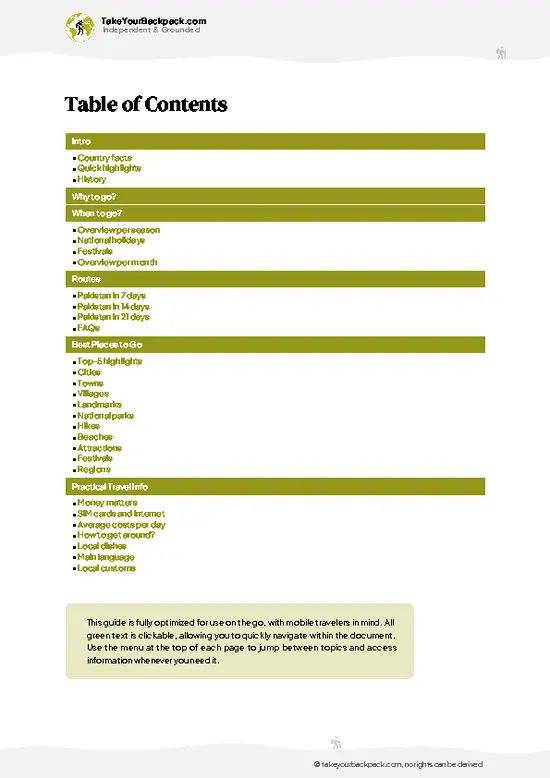
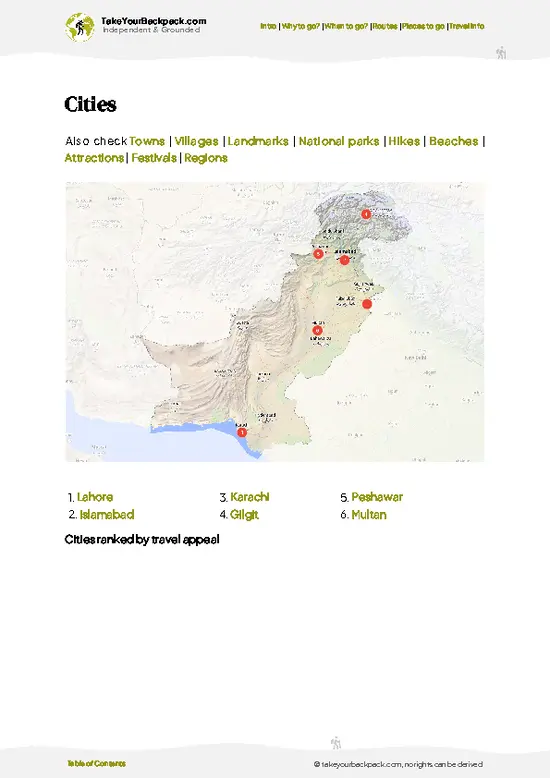
example page 1 from our offline Travel Guide for Pakistan
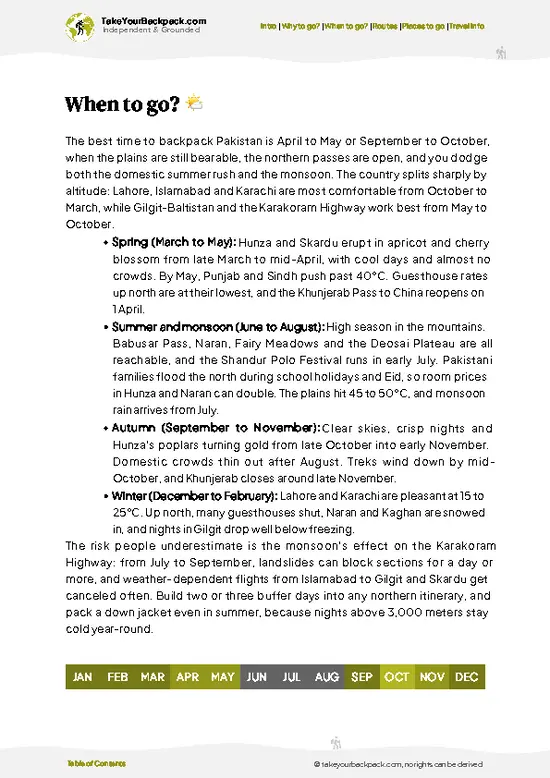
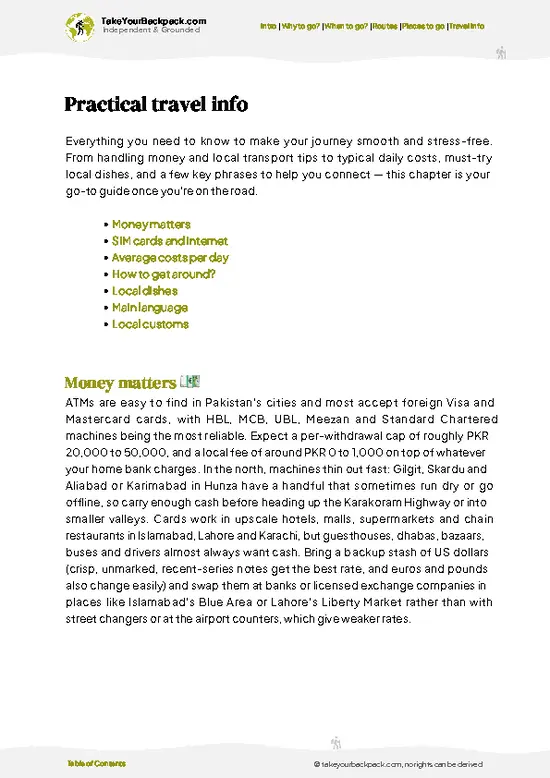
example page 2 from our offline Travel Guide for Pakistan
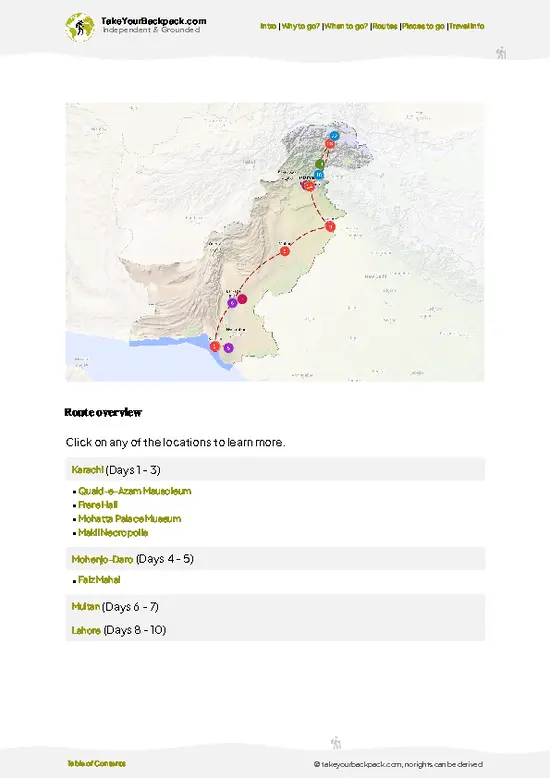
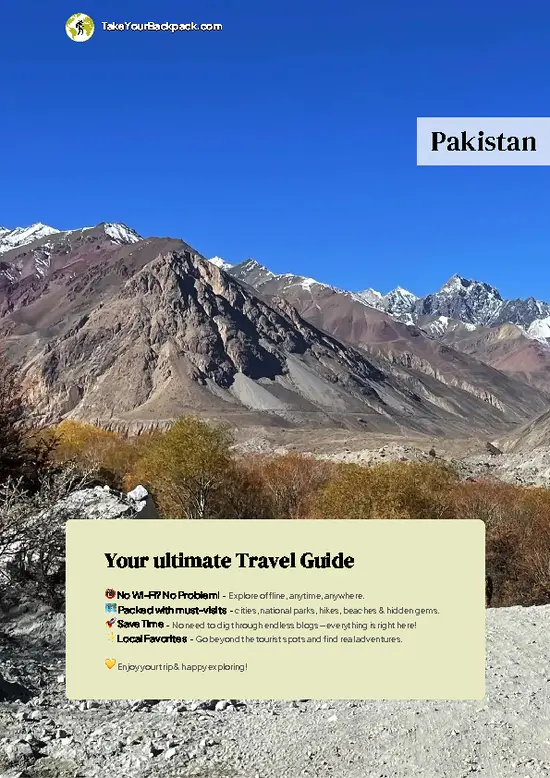
example page 3 from our offline Travel Guide for Pakistan
example page 4 from our offline Travel Guide for Pakistan
example page 5 from our offline Travel Guide for Pakistan
example page 6 from our offline Travel Guide for Pakistan
example page 7 from our offline Travel Guide for Pakistan
The digital guide (290 pages) contains:
✅ 97 highlights, ranked by travel appeal
✅ Optimized 7, 14 & 21-day travel routes
✅ Cities, national parks, landmarks, beaches
✅ How to get around
✅ Offline-friendly for travel without Wi-Fi
👉 Click to see all 30+ guide features

📅 Plan smarter in minutes, not weeks
✅ Month by month travel advice
✅ Festivals & national holidays
✅ Budget expectations

🗺️ Go to the right places, skip the overrated ones
✅ Honest pros & cons of destinations
✅ Top hikes, parks & viewpoints
✅ Lesser-known places most travelers miss
✅ Clear “worth it vs skip it” guidance

🛏️ Travel smoothly without rookie mistakes
✅ Best areas to stay
✅ Transport systems explained simply
✅ Common scams & safety advice
✅ SIM cards, money & practical tips

🌍 Understand the country, not just visit it
✅ Culture & traditions
✅ 52 Essential phrases & customs
✅ Festivals worth planning around
✅ Traveler-friendly historical context
✅ Insights that make places more meaningful

📱 Built for real travel conditions
✅ Fully downloadable PDF
✅ Works completely offline
✅ Optimized for phone use
✅ Useful in remote areas & buses
✅ Everything in one place
Stop searching, start planning
Get instant access to your full guide. 30‑day money-back guarantee.
+ Add another guide for just

By proceeding you agree to our terms.
Sent to your inbox immediately after payment • 100% Secure Checkout
Best Backpacking Travel Advisor 2025 tourism awardBest Backpacking
Travel Advisor
2025
What others say about Take Your Backpack Guides:
⭐⭐⭐⭐⭐
Fantastic, amazing amount of information!
⭐⭐⭐⭐⭐
My goodness this is amazing, it's what I've been looking for hats off too you!
⭐⭐⭐⭐⭐
I think this is absolutely BRILLIANT
⭐⭐⭐⭐
Very complete and informative. It's still missing places, but I gotta to commend you
⭐⭐⭐⭐⭐
This is truly amazing, thank you, can't wait to explore it with my kids!
⭐⭐⭐⭐⭐
Awesome resource, thank you!
⭐⭐⭐⭐⭐
This is amazing! Can't wait to explore the ones I haven't seen
⭐⭐⭐⭐
I love this! Well done, great idea.
⭐⭐⭐⭐⭐
Thanks for taking the time to make this gem!
⭐⭐⭐⭐⭐
This might be the best website I've ever seen.
⭐⭐⭐⭐⭐
Congratulations, and thank you so much for your work; it's incredibly valuable.
⭐⭐⭐⭐
In all seriousness I think you did a great job pointing out the important spots
⭐⭐⭐⭐⭐
10/10 very good
⭐⭐⭐⭐⭐
As someone who's only just starting to visit regularly this is awesome, thank you.
⭐⭐⭐⭐
Thank you very much! I'm going to visit my dad, it's going to be very useful!
⭐⭐⭐⭐⭐
This is really cool! We'll be travelling for the first time and this definitely come in handy.
⭐⭐⭐⭐⭐
You are now our minister of culture, congratulations 👨‍💼
⭐⭐⭐⭐⭐
Just wanted to tell you that this is a pearl! Going to follow your recommendations.
⭐⭐⭐⭐⭐
This is so cool. I'll definitely be using the resource for my travels soon.
⭐⭐⭐⭐⭐
This is very impressive! Good work.
⭐⭐⭐⭐⭐
This is an amazing and informative site. Very well done!

🛏️ Where to stay?Where to Base Yourself

But dedicated backpacker hostels in Pakistan are scarce, so most budget travelers sleep in family-run guesthouses at roughly Rs 3,000 to 7,000 (US$11 to 25) a night, with a small hostel scene in Lahore, Islamabad and the north. In Lahore, the area around Mall Road puts you close to the Walled City and Lahore Fort but is noisy and congested, while Gulberg is calmer and has the cafés and evening life, at the cost of long rides to the old town; in Islamabad, the leafy F-6 and F-7 sectors are safe, quiet and near the markets, but nightlife is close to nonexistent. Up north, Karimabad in Hunza has the densest cluster of cheap guesthouses with walkable valley views and a sociable traveler crowd, though … read more 👉
But dedicated backpacker hostels in Pakistan are scarce, so most budget travelers sleep in family-run guesthouses at roughly Rs 3,000 to 7,000 (US$11 to 25) a night, with a small hostel scene in Lahore, Islamabad and the north. In Lahore, the area around Mall Road puts you close to the Walled City and Lahore Fort but is noisy and congested, while Gulberg is calmer and has the cafés and evening life, at the cost of long rides to the old town; in Islamabad, the leafy F-6 and F-7 sectors are safe, quiet and near the markets, but nightlife is close to nonexistent. Up north, Karimabad in Hunza has the densest cluster of cheap guesthouses with walkable valley views and a sociable traveler crowd, though many places close or cut back between November and March.

If you enjoy meeting fellow travelers, consider choosing hostels with high ratings for atmosphere. On the other hand, if you prefer having your own space, a hotel might be a better option.

PakistanExpand Your Journey

👋 Meet the founderWho’s Behind Take Your Backpack?

Johan, backpacker and founder of TakeYourBackpackHi, I’m Johan (Netherlands 🇳🇱), the creator of TakeYourBackpack. Over the past 3 decades, I’ve backpacked through 90+ countries across six continents, gaining extensive experience with independent travel, long-term trips, and overland routes.

This site is built on a combination of firsthand travel experience and carefully curated insights from other backpackers. Many guides are based on places I’ve personally visited, while others bring together tips, observations, and practical advice shared by trusted travelers I’ve met along the way.

The goal is to provide realistic, experience-driven guidance — not generic itineraries — so you can explore destinations with better context, clearer expectations, and more confidence.