×

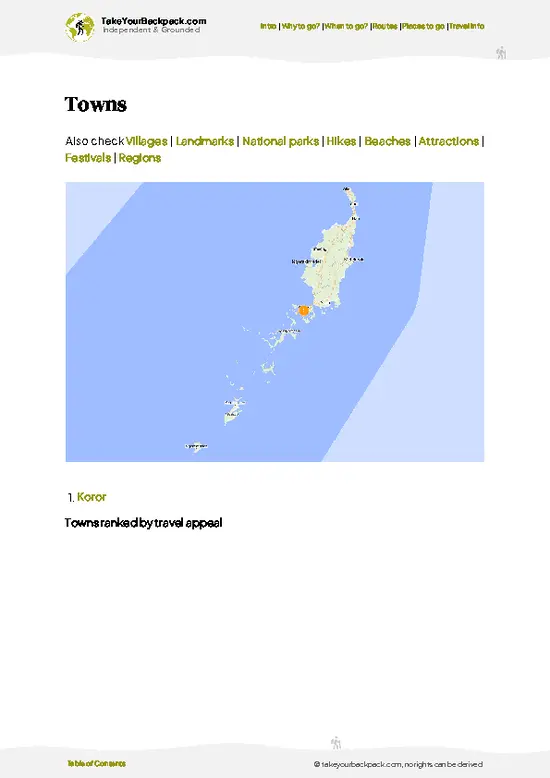
Palau🇵🇼 | attractionsPalau International Coral Reef Center
marine research, aquarium displays, reef conservation | things to do and best time to go

Explore Etpison MuseumExplore Long Beach

Backpacking in Palau International Coral Reef Center
🏆 Top pickattraction ranked #1
By Johan Kruseman 🇳🇱 | Updated April 10, 2026

A school of neon-blue damselfish darts past your nose, separated only by a sheet of glass and the faint hum of an air conditioner. Salt tang lingers in the air, and somewhere behind you, a local kid presses his face to the tank, wide-eyed, as a giant clam flexes its lips. This is the Palau International Coral Reef Center, tucked on the edge of Koror—Palau’s main hub, not some remote atoll. Here’s the straight talk: If you’re backpacking Palau for wild reefs and empty beaches, the Center is not your adrenaline fix. It’s an aquarium-meets-museum, more science than spectacle, and yes, the entry fee is steeper than you’d expect for a small island nation. But here’s the kicker: it’s the only place in Palau where you can get a crash course in the islands’ marine life, conservation battles, and the real story behind those Instagram-perfect lagoons. No crowds, no hype—just the raw, fascinating guts of Palau’s underwater world.

Discover everything you want to know in the 📖 Palau Travel Guide.
Loading the map 🌍
CLICK TO FILTER
town
village
unique site
national park
hike
beach
attraction
festival
region
SHOW COUNTRY‘S BESTSHOW ALL

✨ Why go?
Ranked #1 attraction in Palau
What sets this place apart

The Palau International Coral Reef Center isn’t just another tourist pit stop with pretty fish. Sure, the crowds can be a grind—this place draws serious attention from divers, scientists, and eco-enthusiasts worldwide. But here’s the kicker: it’s the beating heart of Palau’s marine conservation and research. This isn’t just about gawking at coral; it’s about understanding the fragile ecosystem that supports one of the planet’s richest underwater worlds. Backpackers who make the trek aren’t just ticking a box—they’re stepping into a living classroom where science meets culture. The center’s exhibits dive deep into Palau’s history, showing how the local communities have coexisted with these reefs for centuries, blending tradition with cutting-edge marine biology. It’s a rare chance to see the … read more 👉
The Palau International Coral Reef Center isn’t just another tourist pit stop with pretty fish. Sure, the crowds can be a grind—this place draws serious attention from divers, scientists, and eco-enthusiasts worldwide. But here’s the kicker: it’s the beating heart of Palau’s marine conservation and research. This isn’t just about gawking at coral; it’s about understanding the fragile ecosystem that supports one of the planet’s richest underwater worlds. Backpackers who make the trek aren’t just ticking a box—they’re stepping into a living classroom where science meets culture. The center’s exhibits dive deep into Palau’s history, showing how the local communities have coexisted with these reefs for centuries, blending tradition with cutting-edge marine biology. It’s a rare chance to see the real stakes behind the postcard-perfect lagoons. Plus, the adrenaline hits when you realize the effort to get here—often involving long boat rides and rugged island hopping—is worth every second. This spot is a milestone on any Palau route because it shifts your perspective from passive tourist to informed traveler, giving you a front-row seat to the ongoing battle to protect one of Earth’s most vital natural treasures.
Get the complete Travel Guide for Palau
Everything organized for offline planning — routes, highlights, costs & tips

See what’s inside 👉

Get the Travel Guide -

💡 HighlightsDon't-miss highlights and experiences

1. The Giant Clam Tank
Forget the postcard-perfect coral shots for a second—this tank is a living, breathing argument for why Palau’s reefs are in a league of their own. These clams aren’t just big; they’re prehistoric, iridescent, and hypnotic. You’ll see them pulsing open and shut, showing off colors that look fake even in person. No filter needed, no crowd jostling for a selfie. Just you, a glass wall, and a creature that’s been here since before humans could walk upright.


2. The Living Coral Displays
Most aquariums show you dead coral skeletons or plastic replicas. Here, you get the real deal—living, growing coral colonies, some of which are older than the average visitor. The tanks are engineered to mimic Palau’s actual reef conditions, so you’re not just gawking at pretty colors; you’re … read more 👉
1. The Giant Clam Tank
Forget the postcard-perfect coral shots for a second—this tank is a living, breathing argument for why Palau’s reefs are in a league of their own. These clams aren’t just big; they’re prehistoric, iridescent, and hypnotic. You’ll see them pulsing open and shut, showing off colors that look fake even in person. No filter needed, no crowd jostling for a selfie. Just you, a glass wall, and a creature that’s been here since before humans could walk upright.


2. The Living Coral Displays
Most aquariums show you dead coral skeletons or plastic replicas. Here, you get the real deal—living, growing coral colonies, some of which are older than the average visitor. The tanks are engineered to mimic Palau’s actual reef conditions, so you’re not just gawking at pretty colors; you’re watching a functioning ecosystem in miniature. It’s a crash course in why Palau is a global marine sanctuary, and it’s more gripping than any nature documentary.


3. The Nautilus Exhibit
If you’ve ever wanted to see a creature that looks like it time-traveled from the age of dinosaurs, this is your shot. The nautilus is a living fossil, and seeing one up close is a rare privilege—most aquariums can’t keep them alive. Here, they glide in their spiral shells, looking both alien and oddly elegant. It’s a reminder that Palau’s waters are home to things you won’t find in the Caribbean or the Great Barrier Reef.


4. The Touch Tank
This isn’t just for kids. The touch tank lets you handle sea cucumbers, starfish, and other local invertebrates under the supervision of staff who actually know their stuff. It’s tactile, it’s weird, and it’s a direct connection to the reef that you can’t get from behind glass. If you’re the type who learns by doing, this is where the magic happens.


5. The Shark Tank
No, not the TV show. The Palau International Coral Reef Center’s shark tank is a compact but intense introduction to the apex predators of Micronesia. You’ll see blacktip reef sharks and other species circling just inches from your face, separated only by thick acrylic. It’s not SeaWorld theatrics—just raw, unfiltered proximity to the real thing. You’ll leave with a new respect for these animals and the role they play in keeping Palau’s reefs healthy.


6. The Outdoor Mangrove Boardwalk
Step outside and you’re in a different world: a living mangrove forest, buzzing with crabs and birds. It’s easy to overlook, but this boardwalk is a crash course in why mangroves matter—these tangled roots are nurseries for reef fish and a frontline defense against storms. You’ll get a sense of Palau’s ecosystem that goes way beyond the aquarium tanks, and you’ll probably have the place to yourself.
Spotted a mistake or missing something? Contact us.

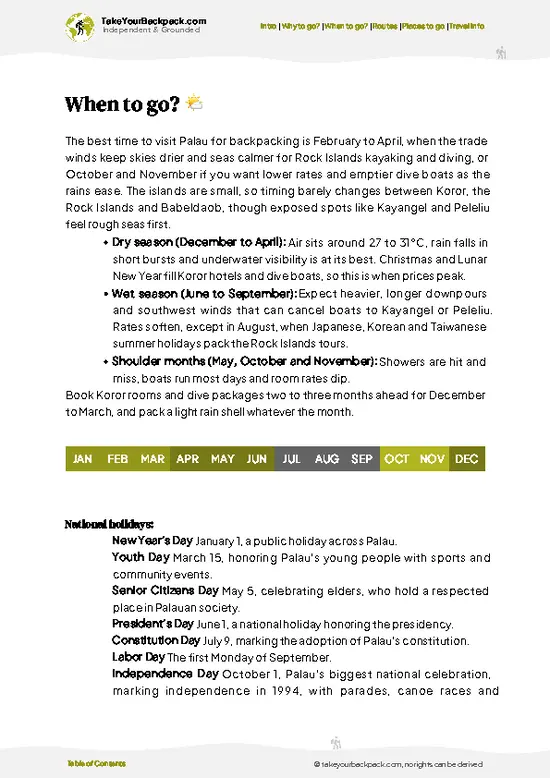
🌤️ When to go?Choosing the right time of year


  • Topic: Weather – Palau’s tropical climate means it’s hot and humid year-round, but the dry season from December to April offers clearer skies and calmer seas, making it the prime window for exploring the coral reefs without battling heavy rain or murky water.

  • Topic: Temperature – Expect steady warmth between 27°C to 31°C (80°F to 88°F) throughout the year. The slight dip in temperature during the dry season feels more comfortable for long days outdoors, while the wet season can feel sticky and oppressive.

  • Topic: Daylight Hours – Daylight stays consistent year-round, roughly 12 hours daily, so timing your dives or visits to the Coral Reef Center isn’t about chasing light but about avoiding the rain and crowds.

  • Topic: Crowds – The dry season attracts the bulk of tourists, especially
read more 👉

  • Topic: Weather – Palau’s tropical climate means it’s hot and humid year-round, but the dry season from December to April offers clearer skies and calmer seas, making it the prime window for exploring the coral reefs without battling heavy rain or murky water.

  • Topic: Temperature – Expect steady warmth between 27°C to 31°C (80°F to 88°F) throughout the year. The slight dip in temperature during the dry season feels more comfortable for long days outdoors, while the wet season can feel sticky and oppressive.

  • Topic: Daylight Hours – Daylight stays consistent year-round, roughly 12 hours daily, so timing your dives or visits to the Coral Reef Center isn’t about chasing light but about avoiding the rain and crowds.

  • Topic: Crowds – The dry season attracts the bulk of tourists, especially from December through March. If you want to dodge the busiest times, aim for shoulder months like November or May, when the weather is still decent but the crowds thin out.

  • Topic: Seasonal Activities – December to April is peak for diving and snorkeling, with visibility at its best. Outside these months, expect more rain, which can limit water activities but opens up quieter trails and cultural experiences.

  • Topic: Price Fluctuations – Prices spike during the dry season, especially around holidays like Christmas and New Year. Booking in the shoulder months can save you serious cash without sacrificing much on weather or experience quality.


Pro-tip: For the best balance of weather, fewer crowds, and wallet-friendly prices, target late November or early May—just before or after the dry season’s peak madness.


source: climatestotravel.comJANJanuary: excellent for travelingFEBFebruary: excellent for travelingMARMarch: excellent for travelingAPRApril: excellent for travelingMAYMay: highly recommended for travelingJUNJune: fair for travelingJULJuly: fair for travelingAUGAugust: fair for travelingSEPSeptember: fair for travelingOCTOctober: fair for travelingNOVNovember: highly recommended for travelingDECDecember: excellent for traveling
palau-attraction-palau-international-coral-reef-center
© Google |

✈️ The backpacker research shortcutPalau Travel Guide

An offline-friendly backpacking guide with optimized travel routes, ranked highlights, transport advice, and the best areas to stay.
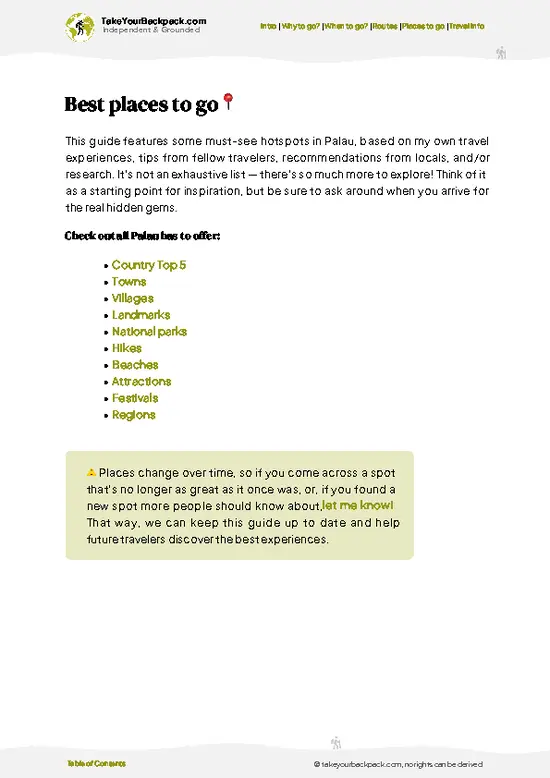
example page 0 from our offline Travel Guide for Palauexample page 1 from our offline Travel Guide for Palauexample page 2 from our offline Travel Guide for Palauexample page 3 from our offline Travel Guide for Palauexample page 4 from our offline Travel Guide for Palauexample page 5 from our offline Travel Guide for Palau
The digital guide (108 pages) contains:
28 highlights, ranked by travel appeal
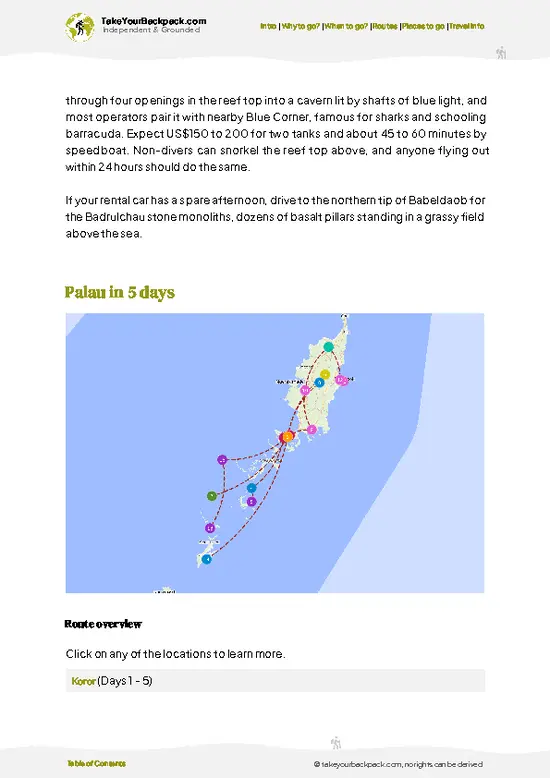
Optimized 2, 3 & 5-day travel routes
Best neighborhoods to stay
How to get around
Offline-friendly for travel without Wi-Fi
👉 See all 30+ guide features

📅 Plan smarter in minutes, not weeks
Month by month travel advice
Festivals & national holidays
Budget expectations

🗺️ Go to the right places, skip the overrated ones
Honest pros & cons of destinations
Top hikes, parks & viewpoints
Lesser-known places most travelers miss
Clear “worth it vs skip it” guidance

🛏️ Travel smoothly without rookie mistakes
Best areas to stay
Transport systems explained simply
Common scams & safety advice
SIM cards, money & practical tips

🌍 Understand the country, not just visit it
Culture & traditions
52 Essential phrases & customs
Festivals worth planning around
Traveler-friendly historical context
Insights that make places more meaningful

📱 Built for real travel conditions
Fully downloadable PDF
Works completely offline
Optimized for phone use
Useful in remote areas & buses
Everything in one place
Save weeks of stressful planning
Get instant access to the full guide directly. 30-day money-back guarantee.


Sent to your inbox immediately after payment • 100% Secure Checkout
Best Backpacking Travel Advisor 2025 tourism awardBest Backpacking
Travel Advisor
2025
What others say about Take Your Backpack Guides:
⭐⭐⭐⭐⭐
Fantastic, amazing amount of information!
⭐⭐⭐⭐⭐
My goodness this is amazing, it's what I've been looking for hats off too you!
⭐⭐⭐⭐⭐
I think this is absolutely BRILLIANT
⭐⭐⭐⭐
Very complete and informative. It's still missing places, but I gotta to commend you
⭐⭐⭐⭐⭐
This is truly amazing, thank you, can't wait to explore it with my kids!
⭐⭐⭐⭐⭐
Awesome resource, thank you!
⭐⭐⭐⭐⭐
This is amazing! Can't wait to explore the ones I haven't seen
⭐⭐⭐⭐
I love this! Well done, great idea.
⭐⭐⭐⭐⭐
Thanks for taking the time to make this gem!
⭐⭐⭐⭐⭐
This might be the best website I've ever seen.
⭐⭐⭐⭐⭐
Congratulations, and thank you so much for your work; it's incredibly valuable.
⭐⭐⭐⭐
In all seriousness I think you did a great job pointing out the important spots
⭐⭐⭐⭐⭐
10/10 very good
⭐⭐⭐⭐⭐
As someone who's only just starting to visit regularly this is awesome, thank you.
⭐⭐⭐⭐
Thank you very much! I'm going to visit my dad, it's going to be very useful!
⭐⭐⭐⭐⭐
This is really cool! We'll be travelling for the first time and this definitely come in handy.
⭐⭐⭐⭐⭐
You are now our minister of culture, congratulations 👨‍💼
⭐⭐⭐⭐⭐
Just wanted to tell you that this is a pearl! Going to follow your recommendations.
⭐⭐⭐⭐⭐
This is so cool. I'll definitely be using the resource for my travels soon.
⭐⭐⭐⭐⭐
This is very impressive! Good work.
⭐⭐⭐⭐⭐
This is an amazing and informative site. Very well done!

🛏️ Where to stay?Best areas to stay in Palau

If you’re chasing the real Palau experience near the International Coral Reef Center, forget the glossy resorts that Instagram loves to flaunt. The truth? Palau isn’t a backpacker’s cheap weekend getaway. It’s an island nation where every dollar counts, and the crowds can be a mixed bag depending on the season. But here’s the kicker: the magic isn’t in the polished tourist traps; it’s in the neighborhoods where locals live and where budget travelers actually hang out.

Aim for the Koror area, the island’s beating heart. It’s where you’ll find the most affordable guesthouses and small inns that … read more 👉
If you’re chasing the real Palau experience near the International Coral Reef Center, forget the glossy resorts that Instagram loves to flaunt. The truth? Palau isn’t a backpacker’s cheap weekend getaway. It’s an island nation where every dollar counts, and the crowds can be a mixed bag depending on the season. But here’s the kicker: the magic isn’t in the polished tourist traps; it’s in the neighborhoods where locals live and where budget travelers actually hang out.

Aim for the Koror area, the island’s beating heart. It’s where you’ll find the most affordable guesthouses and small inns that cater to solo travelers and backpackers. The vibe here is low-key but social—think communal kitchens, shared spaces, and the chance to swap dive stories with fellow adventurers. It’s safe, walkable, and close enough to the Coral Reef Center that you can hit it early before the day-trippers flood in.

Don’t expect a party scene or endless nightlife. Palau’s charm is quieter, more about connection—to the ocean, to the people, and to the island’s raw beauty. Staying in Koror puts you in the thick of it without selling out your budget or your soul. It’s the real deal, minus the fluff.

👛 Costs (as of 27 May 2025)Money, prices, and spending tips

As of the latest available information, the Palau International Coral Reef Center (PICRC) charges an entrance fee of USD5.50 for adults and USD1.65 for children. Students in Palau and children under 6 years old receive free admission. Residents of Palau pay a reduced fee of USD2.75. The aquarium is open Monday through Friday, from 8:00 am to 5:00 pm, and is closed on weekends and holidays. ([picrc.org](https://picrc.org/PalauAquarium/?utm_source=openai))

source: picrc.org
⚠️ Prices can change and everyone travels differently, so take this as a rough guide. Hope it helps you plan your adventure!

Where to go next

Palau International Coral Reef Center isn’t the only highlight in Palau. Explore all what Palau has to offer.
Country photo of Palau

We 💚 feedbackSumming up the experience

The Palau International Coral Reef Center isn’t some polished tourist trap, and that’s exactly why it hits differently. Yes, it’s a bit off the beaten path and the entrance fee isn’t pocket change, but you’re paying for raw, unfiltered access to one of the planet’s most vibrant underwater worlds. The real magic? Watching local scientists geek out over coral restoration like it’s the coolest thing on Earth—and it is. Just don’t expect crowds or flashy exhibits; this place is about substance, not spectacle.

✍️ Help improve this page!
The information on this page is based on in-depth research, insights shared by experienced travelers, and feedback from the local travel community in Palau. While every effort is made to keep the information accurate and current, conditions can change — so if you spot anything incorrect or outdated, please get in touch.


🙋‍♂️ Give feedback

👋 Meet the founderWho’s Behind Take Your Backpack?

Johan, backpacker and founder of TakeYourBackpackHi, I’m Johan (Netherlands 🇳🇱), the creator of TakeYourBackpack. Over the past decade, I’ve backpacked through 80+ countries across six continents, gaining extensive experience with independent travel, long-term trips, and overland routes.

This site is built on a combination of firsthand travel experience and carefully curated insights from other backpackers. Many guides are based on places I’ve personally visited, while others bring together tips, observations, and practical advice shared by trusted travelers I’ve met along the way.

The goal is to provide realistic, experience-driven guidance — not generic itineraries — so you can explore destinations with better context, clearer expectations, and more confidence.

Get Full Country Guide |
Instant download • 28 highlights • Full Offline guide