1. The Canoe Room: Real Engineering, Real Stories
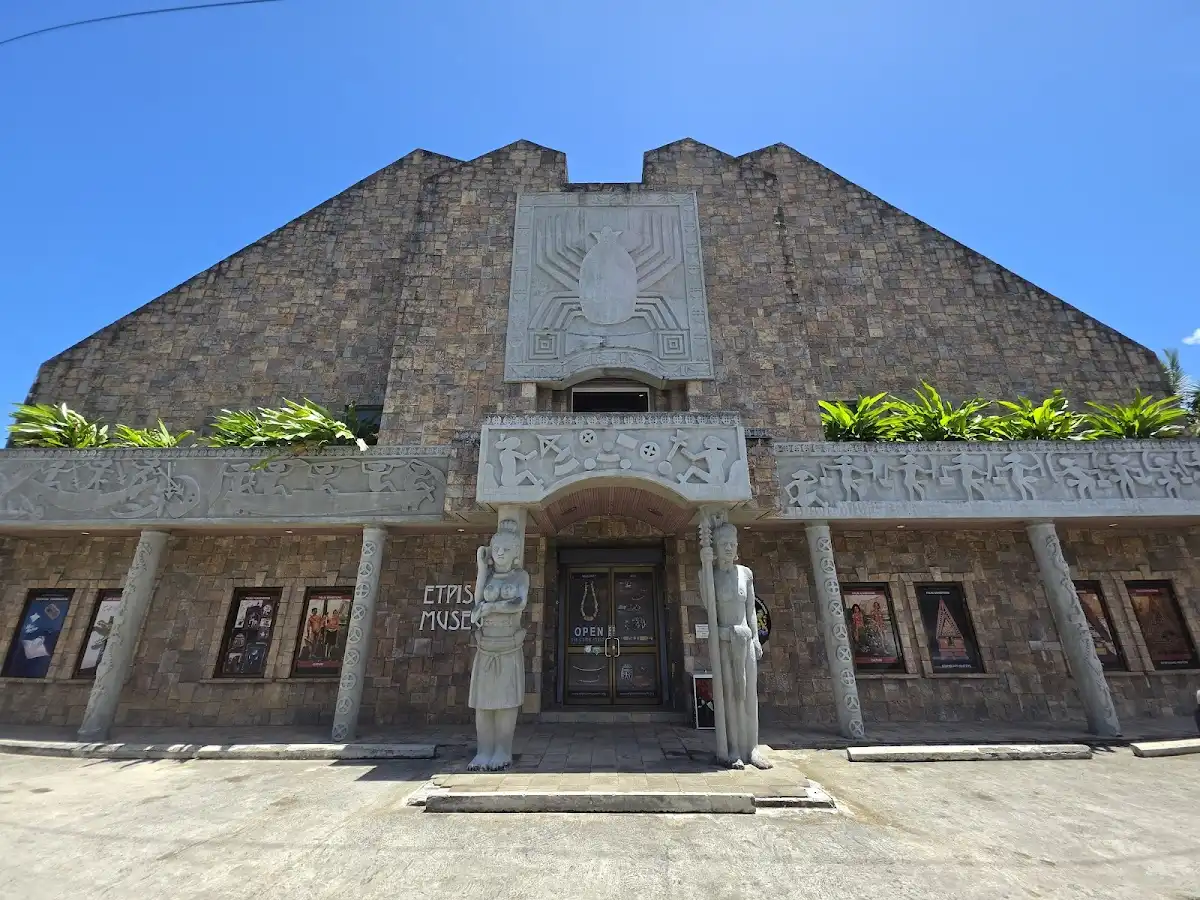
Forget the Instagram fantasy of “tribal canoes” as background props. The Etpison Museum’s canoe room is the real deal—actual hand-carved outrigger canoes, not replicas, built by Palauan master craftsmen. You can see the scars from use, the clever lashings, and the subtle design tweaks that let these boats slice through open ocean. It’s not just about admiring the woodwork; it’s about understanding how these vessels kept entire island communities connected, alive, and thriving long before GPS or outboard motors. If you want to grasp Palau’s soul, start here—this is living technology, not a tourist diorama.
2. Pre-Contact Artifacts: The Unfiltered Past
Most museums in the Pacific are heavy on colonial leftovers and light on indigenous artifacts. … read more 👉
Forget the Instagram fantasy of “tribal canoes” as background props. The Etpison Museum’s canoe room is the real deal—actual hand-carved outrigger canoes, not replicas, built by Palauan master craftsmen. You can see the scars from use, the clever lashings, and the subtle design tweaks that let these boats slice through open ocean. It’s not just about admiring the woodwork; it’s about understanding how these vessels kept entire island communities connected, alive, and thriving long before GPS or outboard motors. If you want to grasp Palau’s soul, start here—this is living technology, not a tourist diorama.
2. Pre-Contact Artifacts: The Unfiltered Past
Most museums in the Pacific are heavy on colonial leftovers and light on indigenous artifacts. … read more 👉
1. The Canoe Room: Real Engineering, Real Stories
Forget the Instagram fantasy of “tribal canoes” as background props. The Etpison Museum’s canoe room is the real deal—actual hand-carved outrigger canoes, not replicas, built by Palauan master craftsmen. You can see the scars from use, the clever lashings, and the subtle design tweaks that let these boats slice through open ocean. It’s not just about admiring the woodwork; it’s about understanding how these vessels kept entire island communities connected, alive, and thriving long before GPS or outboard motors. If you want to grasp Palau’s soul, start here—this is living technology, not a tourist diorama.
2. Pre-Contact Artifacts: The Unfiltered Past
Most museums in the Pacific are heavy on colonial leftovers and light on indigenous artifacts. Not here. The Etpison Museum’s collection of pre-contact tools, jewelry, and pottery is refreshingly raw. You’ll see shell money, stone adzes, and even ancient beads—objects that actually passed through Palauan hands centuries ago. These aren’t sanitized for Western eyes; they’re worn, sometimes broken, and all the more powerful for it. This is the closest you’ll get to time travel in Koror.
3. The Story of the Bai: More Than a Pretty Roof
You’ll see photos of Palau’s iconic bai (men’s meeting houses) everywhere, but the museum digs deeper. Here, you get to decode the intricate wood carvings and learn what the symbols actually mean—stories of trickster gods, clan rivalries, and social contracts that still shape Palauan life. The museum’s scale models and interpretive panels cut through the tourist-brochure mystique and show you why the bai is the beating heart of every village, not just a photogenic relic.
4. WWII Relics: The Island’s Battle Scars
Palau’s World War II history is often overshadowed by the beaches, but the Etpison Museum doesn’t gloss over it. You’ll find rusted helmets, dog tags, and even fragments of downed aircraft—artifacts pulled from the jungle and lagoon, not bought at auction. The displays are blunt about the trauma and upheaval the war brought to Palau, and you’ll leave with a sense of just how much the islanders endured (and survived). It’s sobering, but it’s real.
5. The Upstairs Gallery: Palau in Living Color
Skip the gift shop and head upstairs. This rotating gallery features contemporary Palauan artists—painters, carvers, and weavers—whose work is anything but generic. You’ll see bold, sometimes provocative pieces that riff on tradition, climate change, and island identity. It’s a jolt of modern Palau, proof that the culture isn’t frozen in time for tourists. If you want to see what Palauans care about right now, this is where you’ll find it.
Forget the Instagram fantasy of “tribal canoes” as background props. The Etpison Museum’s canoe room is the real deal—actual hand-carved outrigger canoes, not replicas, built by Palauan master craftsmen. You can see the scars from use, the clever lashings, and the subtle design tweaks that let these boats slice through open ocean. It’s not just about admiring the woodwork; it’s about understanding how these vessels kept entire island communities connected, alive, and thriving long before GPS or outboard motors. If you want to grasp Palau’s soul, start here—this is living technology, not a tourist diorama.
2. Pre-Contact Artifacts: The Unfiltered Past
Most museums in the Pacific are heavy on colonial leftovers and light on indigenous artifacts. Not here. The Etpison Museum’s collection of pre-contact tools, jewelry, and pottery is refreshingly raw. You’ll see shell money, stone adzes, and even ancient beads—objects that actually passed through Palauan hands centuries ago. These aren’t sanitized for Western eyes; they’re worn, sometimes broken, and all the more powerful for it. This is the closest you’ll get to time travel in Koror.
3. The Story of the Bai: More Than a Pretty Roof
You’ll see photos of Palau’s iconic bai (men’s meeting houses) everywhere, but the museum digs deeper. Here, you get to decode the intricate wood carvings and learn what the symbols actually mean—stories of trickster gods, clan rivalries, and social contracts that still shape Palauan life. The museum’s scale models and interpretive panels cut through the tourist-brochure mystique and show you why the bai is the beating heart of every village, not just a photogenic relic.
4. WWII Relics: The Island’s Battle Scars
Palau’s World War II history is often overshadowed by the beaches, but the Etpison Museum doesn’t gloss over it. You’ll find rusted helmets, dog tags, and even fragments of downed aircraft—artifacts pulled from the jungle and lagoon, not bought at auction. The displays are blunt about the trauma and upheaval the war brought to Palau, and you’ll leave with a sense of just how much the islanders endured (and survived). It’s sobering, but it’s real.
5. The Upstairs Gallery: Palau in Living Color
Skip the gift shop and head upstairs. This rotating gallery features contemporary Palauan artists—painters, carvers, and weavers—whose work is anything but generic. You’ll see bold, sometimes provocative pieces that riff on tradition, climate change, and island identity. It’s a jolt of modern Palau, proof that the culture isn’t frozen in time for tourists. If you want to see what Palauans care about right now, this is where you’ll find it.
Spotted a mistake or missing something? Contact us.
v2.webp)


Best Backpacking
Hi, I’m Johan (Netherlands 🇳🇱), the creator of TakeYourBackpack. Over the past decade, I’ve backpacked through 80+ countries across six continents, gaining extensive experience with independent travel, long-term trips, and overland routes.