×

Panama🇵🇦 | townsGuararéMejorana folklore, pollera workshops, Zárate museum, river walks | things to do and best time to go

Explore CapiraExplore Macaracas

Backpacking in Guararé
👍 Recommendedtown ranked #12
By Johan Kruseman 🇳🇱 | Updated October 23, 2026

Guararé suits folklore-minded travelers and slow movers who like small towns where culture is still practiced, not staged. If you need nightlife, beaches in town or a long checklist of sights, you will find it thin, and two days is plenty. The town sits in Los Santos province on the Azuero Peninsula in Panama. I would treat it as a working base for festivals, craft workshops and village visits, not a destination on its own. Arrival is low-key: a main street, a plaza, and the sense of a place that runs on its own calendar. Compared with Las Tablas, which is livelier and bigger, Guararé is quieter and more rooted in tradition.

Discover everything you want to know in the 📖 Panama Travel Guide.


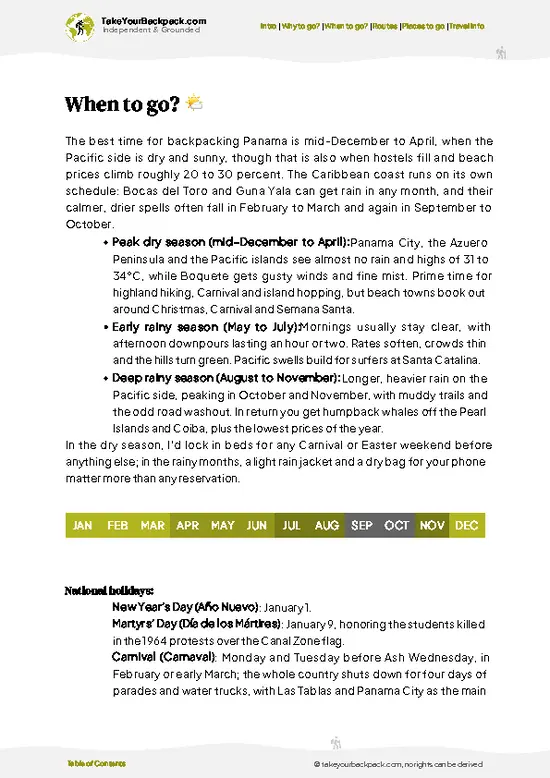
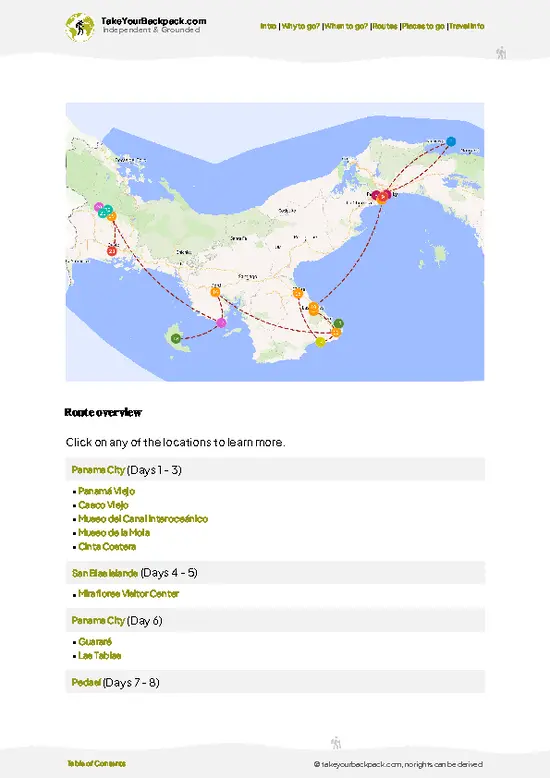
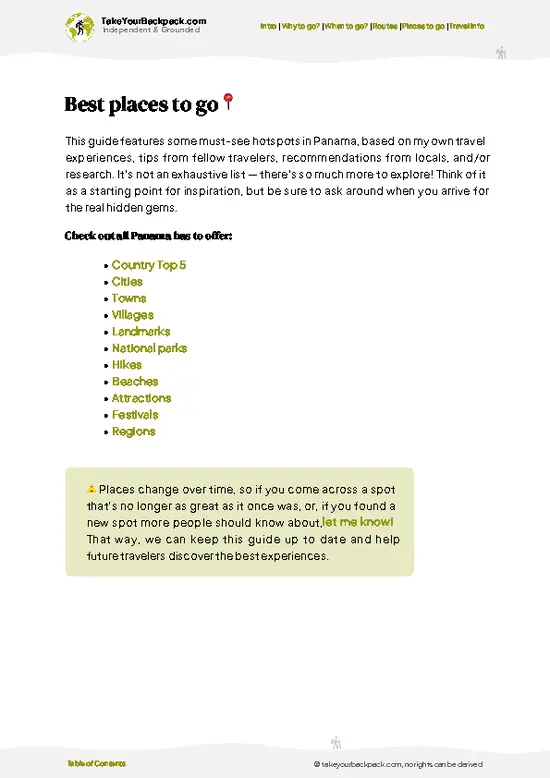
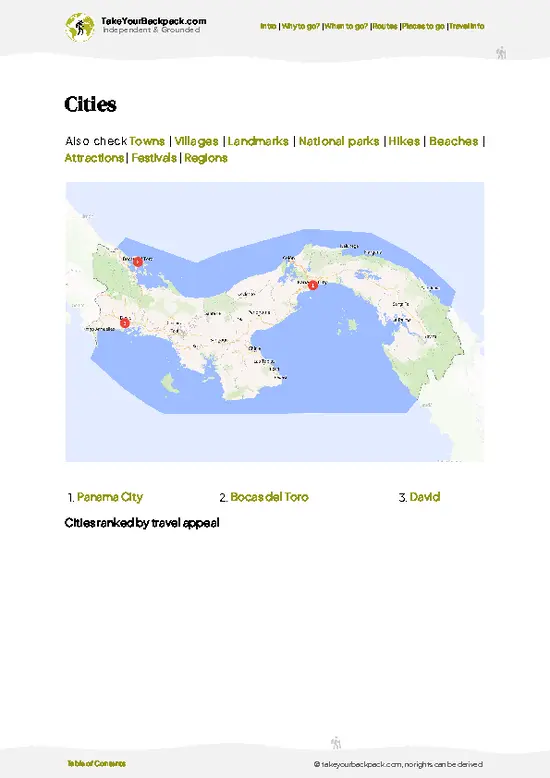
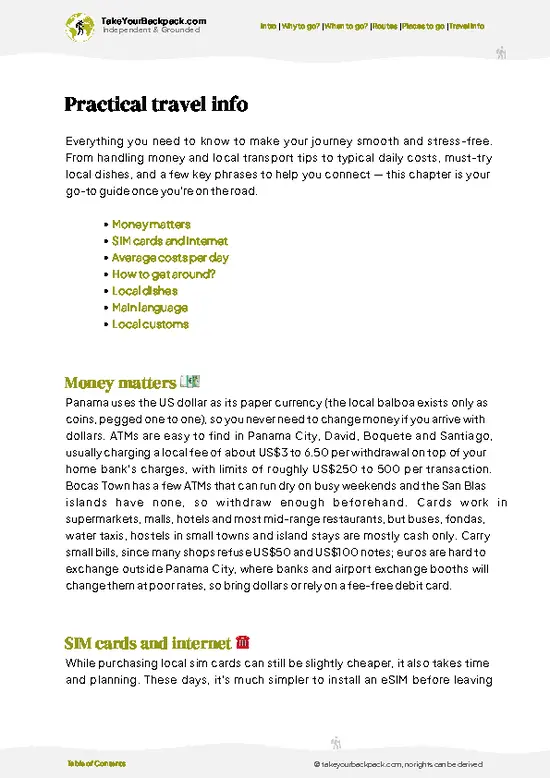
example page 0 from our offline Travel Guide for Panama
example page 1 from our offline Travel Guide for Panama
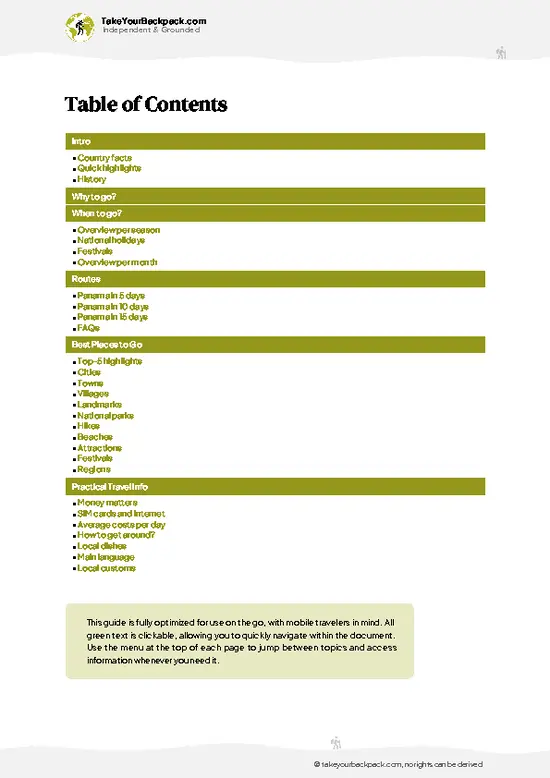
example page 2 from our offline Travel Guide for Panama
example page 3 from our offline Travel Guide for Panama
example page 4 from our offline Travel Guide for Panama
example page 5 from our offline Travel Guide for Panama
example page 6 from our offline Travel Guide for Panama
example page 7 from our offline Travel Guide for Panama
Loading the map 🌍
CLICK TO FILTER
cities
towns
villages
landmarks
national parks
hikes
beaches
attractions
festivals
regions
SHOW COUNTRY’S BESTSHOW ALL

✨ Why go?
Ranked #12 town in Panama
Why Guararé should be on your travel list

Guararé earns a stop because the Azuero Peninsula’s living folklore is concentrated here. The Festival Nacional de la Mejorana in September fills the town with dancers in pollera dresses and singers of décimas, and the Museo Manuel F. Zárate keeps that heritage on view the rest of the year. Between festivals the town is calm, with a few simple guesthouses and little social scene, so it suits slow travelers, solo visitors who like conversation with locals, and anyone building a loop through the peninsula. Most people stay one or two nights, using Guararé as a quiet base for nearby fishing villages and beaches. Backpackers wanting hostel parties should head elsewhere.

💡 HighlightsMust-see experiences and standout moments

  1. Museo Manuel F. Zárate: The town’s best-known sight, dedicated to the folklorist who championed the Mejorana festival. Rooms hold polleras, masks, instruments and photographs explaining how Azuero traditions fit together. Entry is about US$2 to 3, and 45 minutes to an hour is enough. Go in the morning, since opening hours can be short.
  2. Festival Nacional de la Mejorana: Held in September, with folk music contests, parades and dancing in the streets. Entry to most events is free or cheap, and a full day suits it. It is the best reason to time a visit, though lodging fills up.
  3. Plaza and Church of Guararé: The social center, where locals gather in the late afternoon. It costs nothing, and 30 minutes with a cold drink nearby shows you daily rhythm better than any museum.
  4. Pollera and craft workshops:
… read more 👉
  1. Museo Manuel F. Zárate: The town’s best-known sight, dedicated to the folklorist who championed the Mejorana festival. Rooms hold polleras, masks, instruments and photographs explaining how Azuero traditions fit together. Entry is about US$2 to 3, and 45 minutes to an hour is enough. Go in the morning, since opening hours can be short.
  2. Festival Nacional de la Mejorana: Held in September, with folk music contests, parades and dancing in the streets. Entry to most events is free or cheap, and a full day suits it. It is the best reason to time a visit, though lodging fills up.
  3. Plaza and Church of Guararé: The social center, where locals gather in the late afternoon. It costs nothing, and 30 minutes with a cold drink nearby shows you daily rhythm better than any museum.
  4. Pollera and craft workshops: Local artisans make the elaborate pollera, hats and embroidery. Visit by asking in town for a workshop; prices vary and a brief visit takes 30 to 60 minutes. Mornings are best.
  5. Guararé River and countryside walk: A gentle stroll on the edge of town past farms and cattle pasture. It is free, takes one to two hours and is best early, before the heat builds.
Guararé also works as a base for day trips to Pedasí’s beaches, Playa Venao and the Macaracas area. If you only see one thing, make it the Museo Manuel F. Zárate, because it explains everything else you will hear and see in town.
Spotted a mistake or missing something? Contact us.

Things to do near Guararé

Ratings based on Tripadvisor reviews. When you book through this link, you support our work at no extra cost to you.

🏘️ NeighborhoodsWhere things are and how it's laid out

Guararé is small enough to cover on foot in an afternoon, and the useful split is between the center, the river side and the coast.
  • Town center around the plaza and church: This is where you spend most of your time. Fondas serve plates of fried chicken, rice and plantain for about US$3 to 5, and the folklore-themed streets, murals and craft shops are all within ten minutes of each other. It is quiet after dark, and that is a plus if you want sleep.
  • Casa Museo Manuel F. Zárate: Worth the visit. The house of the folklorist who founded the Festival of the Mejorana explains the pollera dress, the mejorana guitar and the décimas verse tradition that define this region. Go before you see a festival, because it makes the costumes make sense.
  • La Enea and the Guararé river road: Rural, flat and pleasant
… read more 👉
Guararé is small enough to cover on foot in an afternoon, and the useful split is between the center, the river side and the coast.
  • Town center around the plaza and church: This is where you spend most of your time. Fondas serve plates of fried chicken, rice and plantain for about US$3 to 5, and the folklore-themed streets, murals and craft shops are all within ten minutes of each other. It is quiet after dark, and that is a plus if you want sleep.
  • Casa Museo Manuel F. Zárate: Worth the visit. The house of the folklorist who founded the Festival of the Mejorana explains the pollera dress, the mejorana guitar and the décimas verse tradition that define this region. Go before you see a festival, because it makes the costumes make sense.
  • La Enea and the Guararé river road: Rural, flat and pleasant for a stroll, but there is little to see and no food. Skip it unless you have spare time.
  • El Puerto and the coast: Fishing village feel, seafood at modest prices and quiet water views. Transport is thin, so go by taxi or a short ride rather than walking.

⌛️ 1 daySeeing the highlights in 24 hours

8:30 AM, Museo Manuel F. Zárate: Start here while it is cool and quiet. The displays of polleras, instruments and festival photos explain the town’s identity, and it takes about an hour. Walk to the plaza afterward.
10:00 AM, Plaza and church: Sit with a coffee and watch town life. Locals chat, vendors set up, and you can ask about craft workshops.
11:30 AM, Artisan workshop: Ask in town for a pollera or embroidery maker and see how the work is done. Seeing the stitching up close explains why a pollera is so costly.
1:00 PM, Lunch: Eat a plate of local rice, fried fish or chicken at a small comedor near the center.
3:00 PM, Countryside walk: Follow the rural lanes and riverside paths on the edge of town, where farms and pastures replace the streets. Few visitors do this, and it shows the farming … read more 👉
8:30 AM, Museo Manuel F. Zárate: Start here while it is cool and quiet. The displays of polleras, instruments and festival photos explain the town’s identity, and it takes about an hour. Walk to the plaza afterward.
10:00 AM, Plaza and church: Sit with a coffee and watch town life. Locals chat, vendors set up, and you can ask about craft workshops.
11:30 AM, Artisan workshop: Ask in town for a pollera or embroidery maker and see how the work is done. Seeing the stitching up close explains why a pollera is so costly.
1:00 PM, Lunch: Eat a plate of local rice, fried fish or chicken at a small comedor near the center.
3:00 PM, Countryside walk: Follow the rural lanes and riverside paths on the edge of town, where farms and pastures replace the streets. Few visitors do this, and it shows the farming life behind the folklore.
5:30 PM, Back to the plaza: Return as the heat fades and locals gather. Finish with a cold drink and an easy evening.

🌤️ When to go?Weather, crowds, and seasonal trade-offs

  • Dry season (mid-December to April): Mostly sunny, with highs of 31 to 34°C (88 to 93°F) and cooler nights near 22°C (72°F). Roads are easy and beaches are best, though hotel rates rise around holidays.
  • Green season (May to November): Warm and humid at 28 to 32°C (82 to 90°F), with afternoon downpours. Prices drop and the countryside turns lush.
  • Festival of the Mejorana (September): The main event, with pollera parades, music and dancing. Crowds are heavy, rooms fill early and prices climb.
  • Daylight: Close to twelve hours all year, so plan outings for the morning.
Book a room two to three months ahead if you want to attend the September festival.

source: climatestotravel.comJANJanuary: excellent for travelingFEBFebruary: excellent for travelingMARMarch: excellent for travelingAPRApril: excellent for travelingMAYMay: fair for travelingJUNJune: fair for travelingJULJuly: fair for travelingAUGAugust: fair for travelingSEPSeptember: fair for travelingOCTOctober: fair for travelingNOVNovember: good for travelingDECDecember: highly recommended for traveling
when-to-go

✈️ The backpacker research shortcutPanama Travel Guide

An offline-friendly backpacking guide with optimized travel routes, ranked highlights, transport advice, and the best areas to stay.
example page 0 from our offline Travel Guide for Panama
example page 1 from our offline Travel Guide for Panama
example page 2 from our offline Travel Guide for Panama
example page 3 from our offline Travel Guide for Panama
example page 4 from our offline Travel Guide for Panama
example page 5 from our offline Travel Guide for Panama
example page 6 from our offline Travel Guide for Panama
example page 7 from our offline Travel Guide for Panama
The digital guide (272 pages) contains:
✅ 89 highlights, ranked by travel appeal
✅ Optimized 5, 10 & 15-day travel routes
✅ Cities, national parks, landmarks, beaches
✅ How to get around
✅ Offline-friendly for travel without Wi-Fi
👉 Click to see all 30+ guide features

📅 Plan smarter in minutes, not weeks
✅ Month by month travel advice
✅ Festivals & national holidays
✅ Budget expectations

🗺️ Go to the right places, skip the overrated ones
✅ Honest pros & cons of destinations
✅ Top hikes, parks & viewpoints
✅ Lesser-known places most travelers miss
✅ Clear “worth it vs skip it” guidance

🛏️ Travel smoothly without rookie mistakes
✅ Best areas to stay
✅ Transport systems explained simply
✅ Common scams & safety advice
✅ SIM cards, money & practical tips

🌍 Understand the country, not just visit it
✅ Culture & traditions
✅ 52 Essential phrases & customs
✅ Festivals worth planning around
✅ Traveler-friendly historical context
✅ Insights that make places more meaningful

📱 Built for real travel conditions
✅ Fully downloadable PDF
✅ Works completely offline
✅ Optimized for phone use
✅ Useful in remote areas & buses
✅ Everything in one place
Stop searching, start planning
Get instant access to your full guide. 30‑day money-back guarantee.
+ Add another guide for just

By proceeding you agree to our terms.
Sent to your inbox immediately after payment • 100% Secure Checkout
Best Backpacking Travel Advisor 2025 tourism awardBest Backpacking
Travel Advisor
2025
What others say about Take Your Backpack Guides:
⭐⭐⭐⭐⭐
Fantastic, amazing amount of information!
⭐⭐⭐⭐⭐
My goodness this is amazing, it's what I've been looking for hats off too you!
⭐⭐⭐⭐⭐
I think this is absolutely BRILLIANT
⭐⭐⭐⭐
Very complete and informative. It's still missing places, but I gotta to commend you
⭐⭐⭐⭐⭐
This is truly amazing, thank you, can't wait to explore it with my kids!
⭐⭐⭐⭐⭐
Awesome resource, thank you!
⭐⭐⭐⭐⭐
This is amazing! Can't wait to explore the ones I haven't seen
⭐⭐⭐⭐
I love this! Well done, great idea.
⭐⭐⭐⭐⭐
Thanks for taking the time to make this gem!
⭐⭐⭐⭐⭐
This might be the best website I've ever seen.
⭐⭐⭐⭐⭐
Congratulations, and thank you so much for your work; it's incredibly valuable.
⭐⭐⭐⭐
In all seriousness I think you did a great job pointing out the important spots
⭐⭐⭐⭐⭐
10/10 very good
⭐⭐⭐⭐⭐
As someone who's only just starting to visit regularly this is awesome, thank you.
⭐⭐⭐⭐
Thank you very much! I'm going to visit my dad, it's going to be very useful!
⭐⭐⭐⭐⭐
This is really cool! We'll be travelling for the first time and this definitely come in handy.
⭐⭐⭐⭐⭐
You are now our minister of culture, congratulations 👨‍💼
⭐⭐⭐⭐⭐
Just wanted to tell you that this is a pearl! Going to follow your recommendations.
⭐⭐⭐⭐⭐
This is so cool. I'll definitely be using the resource for my travels soon.
⭐⭐⭐⭐⭐
This is very impressive! Good work.
⭐⭐⭐⭐⭐
This is an amazing and informative site. Very well done!

🛏️ Where to stay?Best areas to stay in Panama

The center near the plaza is the best bet for a budget stay. Guararé has few hostels, so most beds are in small guesthouses and simple hotels, typically US$20 to 40 for a private room. They are quiet at night, walkable to food and the bus stop on the main road, and feel safe for solo travelers. Noise is rarely an issue except during the September festival, when music runs late and rooms need booking well ahead.

If you want dorms and a bigger traveler scene, base yourself in Las Tablas or Chitré instead, a short bus ride away, and visit Guararé in daylight. Both have more beds, more restaurants and frequent buses to Panama City.

🚌 Getting aroundTransportation options and practical tips

A local bus ride within the Azuero Peninsula costs roughly US$0.75 to 3, and you pay the driver or his helper in cash, in small bills. Guararé is compact, so most visitors walk around town and use buses only to leave. Traffic is light, but bus schedules are loose and vehicles leave when full, so expect some waiting.
  • Walking: Free and the best choice in the center, where everything sits within about 1 km. Go early or late because midday heat is strong.
  • Regional buses: Buses along the main road link Guararé with Las Tablas (about 20 to 30 minutes, US$1 to 1.50) and Chitré (about 1 hour, US$2 to 3). Service runs roughly from dawn to early evening. Flag them from the road, and ask the driver your destination before boarding.
  • Long-distance buses to Panama City: Connect through Las Tablas or Chitré,
… read more 👉
A local bus ride within the Azuero Peninsula costs roughly US$0.75 to 3, and you pay the driver or his helper in cash, in small bills. Guararé is compact, so most visitors walk around town and use buses only to leave. Traffic is light, but bus schedules are loose and vehicles leave when full, so expect some waiting.
  • Walking: Free and the best choice in the center, where everything sits within about 1 km. Go early or late because midday heat is strong.
  • Regional buses: Buses along the main road link Guararé with Las Tablas (about 20 to 30 minutes, US$1 to 1.50) and Chitré (about 1 hour, US$2 to 3). Service runs roughly from dawn to early evening. Flag them from the road, and ask the driver your destination before boarding.
  • Long-distance buses to Panama City: Connect through Las Tablas or Chitré, with about 4 to 5 hours and US$10 to 15 for the final leg. Leave in the morning so you are not stranded.
  • Taxis: Short trips in town cost about US$2 to 4, and to El Puerto or nearby villages about US$4 to 8. Agree on the fare before you get in, since there are no meters. They are worth it after dark, when buses stop.

👛 Costs (as of 23 October 2026)Travel costs and budget guide for Guararé

Guararé costs a backpacker about US$50 to 60 a day, with a total of US$56 in the table below. Prices are for independent travelers paying in US dollars, the official currency in Panama.
CategoryBudget RangeLocal Reality
Dorm accommodationUS$15 to 25Dorms are scarce, so most budget travelers pay for a basic private room, often US$20 to 40 in festival season.
MealsUS$12 to 18Set lunches at fondas run US$3 to 5, and dinners with seafood a bit more.
Local transportUS$2 to 5Buses to nearby towns cost US$1 to 3 each way.
Basic activities/entry feesUS$2 to 5Museum entry is low, and walking the town is free.
Miscellaneous expensesUS$3 to 6Water, snacks, laundry and the occasional cold drink.
Total Daily BudgetUS$56Based on high-season rates, with a room at US$25 and the rest at the midpoints.
Eat the set … read more 👉
Guararé costs a backpacker about US$50 to 60 a day, with a total of US$56 in the table below. Prices are for independent travelers paying in US dollars, the official currency in Panama.
CategoryBudget RangeLocal Reality
Dorm accommodationUS$15 to 25Dorms are scarce, so most budget travelers pay for a basic private room, often US$20 to 40 in festival season.
MealsUS$12 to 18Set lunches at fondas run US$3 to 5, and dinners with seafood a bit more.
Local transportUS$2 to 5Buses to nearby towns cost US$1 to 3 each way.
Basic activities/entry feesUS$2 to 5Museum entry is low, and walking the town is free.
Miscellaneous expensesUS$3 to 6Water, snacks, laundry and the occasional cold drink.
Total Daily BudgetUS$56Based on high-season rates, with a room at US$25 and the rest at the midpoints.
Eat the set lunch at a fonda, the plato del día, which fills you up for a fraction of restaurant prices.
⚠️ Prices can change and everyone travels differently, so take this as a rough guide. Hope it helps you plan your adventure!

🚌 Day tripsEasy escapes and nearby places

Guararé works well as a base for day trips, because the Azuero Peninsula has good bus links and most targets sit within two hours by road, with Las Tablas as the hub for connections.
Las Tablas:
The provincial capital is 15 to 25 minutes away by bus or shared taxi (US$1 to 2 each way). It has a bigger market, banks with ATMs, and the ornate Iglesia de Santa Librada. Come in July for the Santa Librada patron festivities, or in the weeks before Carnival, when the city swells with crowds. First-timers often arrive in the late afternoon, after the best food stalls have closed.
👉 Explore Las Tablas
Pedasí:
This fishing village on the southeast tip takes roughly 1 to 1.5 hours by bus via Las Tablas, with a total of about US$4 to 6 each way. Beaches like Playa Venao and boat trips to Isla Iguana (around … read more 👉
Guararé works well as a base for day trips, because the Azuero Peninsula has good bus links and most targets sit within two hours by road, with Las Tablas as the hub for connections.
Las Tablas:
The provincial capital is 15 to 25 minutes away by bus or shared taxi (US$1 to 2 each way). It has a bigger market, banks with ATMs, and the ornate Iglesia de Santa Librada. Come in July for the Santa Librada patron festivities, or in the weeks before Carnival, when the city swells with crowds. First-timers often arrive in the late afternoon, after the best food stalls have closed.
👉 Explore Las Tablas
Pedasí:
This fishing village on the southeast tip takes roughly 1 to 1.5 hours by bus via Las Tablas, with a total of about US$4 to 6 each way. Beaches like Playa Venao and boat trips to Isla Iguana (around US$25 to 40 per boat split among passengers) make the effort pay off. The dry season from December to April gives the calmest seas. Buses thin out by late afternoon, so check the last return before you settle on a beach.
👉 Explore Pedasí
Chitré:
About 45 minutes to an hour away, Chitré is the peninsula’s largest city (bus US$2 to 4). Its small museums, the Parque Unión square and the nearby pottery village of La Arena fill a relaxed day. Weekdays are best, since many shops close on Sundays. Total spend with lunch is around US$10 to 15.
👉 Explore Chitré
Macaracas:
This quiet town west of Guararé is an hour or so by bus (US$2 to 3) and is known for its folk traditions and its Reyes Magos festival, the Encuentro Folclórico del Canajagua, in early January. Between festivals little happens, so time the trip to the celebrations.
👉 Explore Macaracas

🛡️ SafetyScams, Hazards, and Annoyances

Guararé is a quiet, low-crime town where the main issues are minor. Petty theft is rare but happens, so keep your phone and cash out of sight on a crowded bus or at the September festival. Walking the center in the evening is generally fine, though streets are dim and empty after about 10 pm, so solo travelers should take a taxi to guesthouses on the edge. Stray dogs are common, and rural roads have no sidewalks, so watch for traffic. Sun and dehydration affect travelers more than crime, so carry water. Beach currents near the coast can be strong, so swim only where locals do.

FAQCommon questions from travelers

Guararé is worth a stop if you care about folklore and rural Panama, and it is more than a pass-through. The Casa Museo Manuel F. Zárate and the pollera culture are the draws, and the September Festival of the Mejorana is the peak. Beach towns like Pedasí are about 1.5 hours away.
Two days is enough for Guararé, and one full day covers the center, the museum and a meal at El Puerto. Add a day or two if you want to reach Pedasí or Chitré. Plan for the September festival, when a third day of music and parades makes sense.
Yes, Guararé can be done in a day from Las Tablas (20 to 30 minutes, US$1 to 1.50) or Chitré (about 1 hour, US$2 to 3). From Panama City it is a long 4 to 5 hour trip each way, so a day is too tight and an overnight stay is better. Buses stop in the early evening, so check the last departure.
⚠️ Things can change over time, so always validate details locally before you go.

Other Panamanian towns near Guararé

Explore more nearby:

  • Las Tablas—Carnival streets, Santa Librada altar, Parque Porras, cheap market lunches| 6 km away
  • Chitré—Azuero hub, Herrera museum, public market, La Arena pottery| 23 km away
  • Macaracas—Inland Azuero, patron-saint festival, plaza fondas, straw hats| 31 km away

💡 Not sure where to go next?
Create a personalized itinerary for Panama including Guararé and the places that fit your trip.

Generate my itinerary

👉 Discover all towns

Or checkout all Panama has to offer (think cities, towns, villages, national parks, hikes, beaches, festivals)
Country photo of Panama

We 💚 feedbackIs it worth it?

Guararé’s quiet streets hide a working craft culture that most first-timers skip past on the way to the beaches. I would spend a morning chatting with a pollera or embroidery maker instead of rushing through the museum. Come in September only if you book a bed early.

✈️ When did I visit Panama?
Panama I visited during my half year trip through South and Central America back in 2003

✍️ Help improve this page!
The information on this page is based on my own backpacking experience in Panama, supplemented with up-to-date research and feedback from other travelers. Travel details can change, so if you notice anything outdated or incomplete, feel free to let me know.


🙋‍♂️ Give feedback

👋 Meet the founderWho’s Behind Take Your Backpack?

Johan, backpacker and founder of TakeYourBackpackHi, I’m Johan (Netherlands 🇳🇱), the creator of TakeYourBackpack. Over the past 3 decades, I’ve backpacked through 90+ countries across six continents, gaining extensive experience with independent travel, long-term trips, and overland routes.

This site is built on a combination of firsthand travel experience and carefully curated insights from other backpackers. Many guides are based on places I’ve personally visited, while others bring together tips, observations, and practical advice shared by trusted travelers I’ve met along the way.

The goal is to provide realistic, experience-driven guidance — not generic itineraries — so you can explore destinations with better context, clearer expectations, and more confidence.