How many towns to visit: Aim for
three to five towns over two weeks. Panama’s mountain roads and boat transfers mean each move costs half a day, so beyond five you spend more time on buses than in places. Fewer stops also let you slow down and get the small things that make towns worthwhile: market breakfasts, plaza evenings, local conversation.
Choosing between kinds of town: Match the type to your travel style.
Highland towns suit hikers, coffee lovers and anyone on a tight budget, since they are cooler, cheaper and well connected by bus.
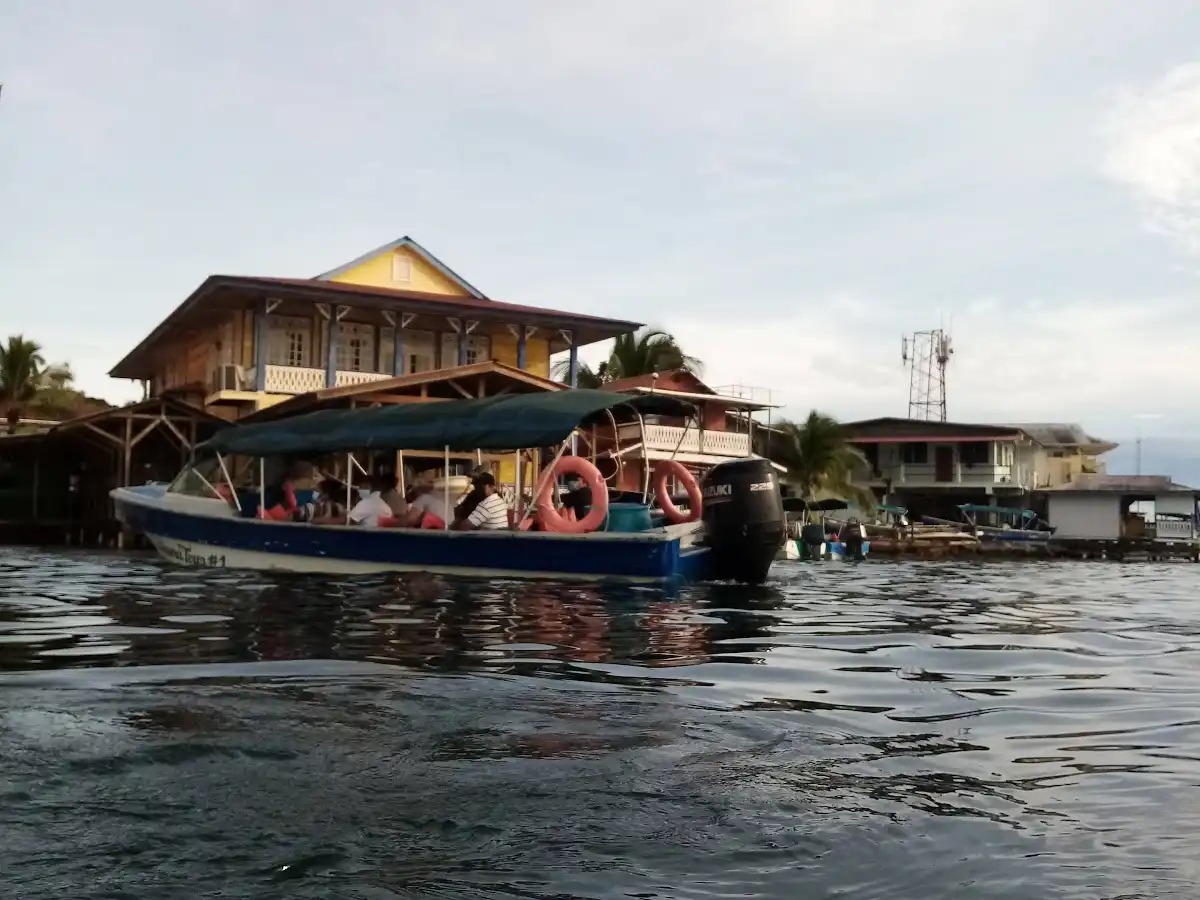
Island and beach towns suit those who want social hostels, diving and surf, but they cost more and depend on weather and boats.
Interior and Azuero towns suit travelers chasing festivals, folk traditions and low prices, but expect little English and fewer …
read more 👉 How many towns to visit: Aim for three to five towns over two weeks. Panama’s mountain roads and boat transfers mean each move costs half a day, so beyond five you spend more time on buses than in places. Fewer stops also let you slow down and get the small things that make towns worthwhile: market breakfasts, plaza evenings, local conversation.
Choosing between kinds of town: Match the type to your travel style. Highland towns suit hikers, coffee lovers and anyone on a tight budget, since they are cooler, cheaper and well connected by bus. Island and beach towns suit those who want social hostels, diving and surf, but they cost more and depend on weather and boats. Interior and Azuero towns suit travelers chasing festivals, folk traditions and low prices, but expect little English and fewer hostels. Mix one social town with one or two quieter ones, because social places are easier to enjoy when balanced against slower stays.
What it costs: Budget US$30 to 50 a day in highland and interior towns: dorm beds US$10 to 15, set lunches (almuerzo ejecutivo) US$3 to 5, local buses US$1 to 15 per ride depending on distance. On islands and busy beaches, plan US$50 to 80 because dorms run US$15 to 25 and meals US$8 to 15. Panama uses US dollars, so carry small bills, since change for US$50 or US$100 notes is often unavailable outside cities.
Per-visit extras add up. Guided hikes or volcano summit tours typically run US$30 to 80, boat transfers US$6 to 25, and national park entry for foreigners is often US$5 to 15. Guides are worth paying where trails are poorly marked or wildlife matters, and many tour operators accept cash only.
Safety and cultural considerations: Most towns are calm, and petty theft is the main risk, particularly on buses and beaches. Keep valuables out of sight and avoid walking unlit roads at night. Rip currents on Pacific beaches are a real hazard, so swim where locals do and heed flag warnings. During the wet season, check river levels before hiking, as flash floods arrive fast.
Culturally, greet people with “buenos días” or “buenas tardes” when entering shops, buses and rooms. It is expected, and it changes how you are treated. Dress modestly in small interior towns and churches, and ask before photographing people, especially in Indigenous communities, where photography may carry a fee or be refused. Visits to comarcas often require local permission or a community guide, so arrange them through an approved operator instead of turning up unannounced.
v2.webp)



 Best Backpacking
.jpg) Hi, I’m Johan (Netherlands 🇳🇱), the creator of TakeYourBackpack. Over the past 3 decades, I’ve backpacked through 90+ countries across six continents, gaining extensive experience with independent travel, long-term trips, and overland routes.
Hi, I’m Johan (Netherlands 🇳🇱), the creator of TakeYourBackpack. Over the past 3 decades, I’ve backpacked through 90+ countries across six continents, gaining extensive experience with independent travel, long-term trips, and overland routes.