×

Panama🇵🇦 | national parksPortobelo National ParkSpanish forts, Black Christ church, bay snorkeling, wreck dives | things to do and best time to go

Explore Cerro Hoya National ParkExplore Isla Iguana Wildlife Refuge

Backpacking in Portobelo
👍 Recommendednational park ranked #9
By Johan Kruseman 🇳🇱 | Updated October 22, 2026

Portobelo National Park protects forest and sea together, so the Spanish forts you walk to sit inside a protected marine and jungle area, and you can snorkel reefs in the same afternoon. It lies on the Caribbean coast of Panama, northeast of Colón. The trade-off is plain: the forts are free-standing ruins with little signage, the road in is a winding coastal strip, and the sea is often murky after rain. In return you get crowd-free stone batteries and howler monkeys in the canopy behind them. I expected a museum; instead a local kid was drying fishing nets across a 300-year-old cannon mount at Fuerte Santiago, with the harbor lapping directly below the wall.

Discover everything you want to know in the 📖 Panama Travel Guide.


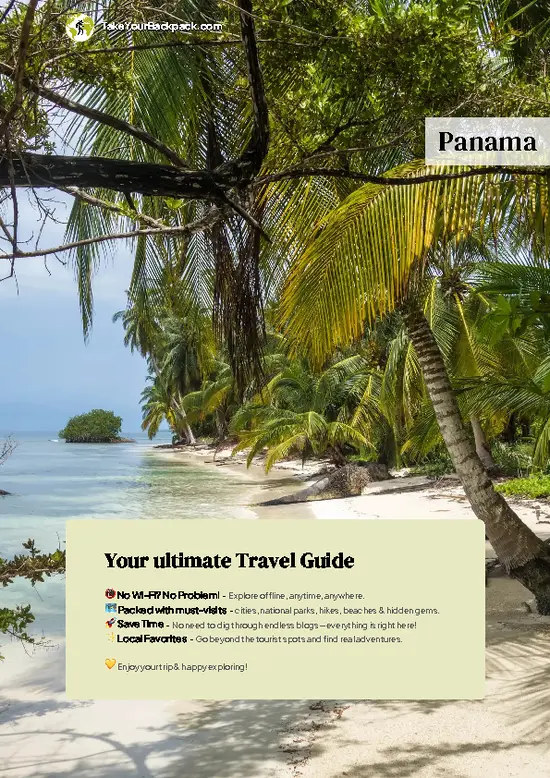
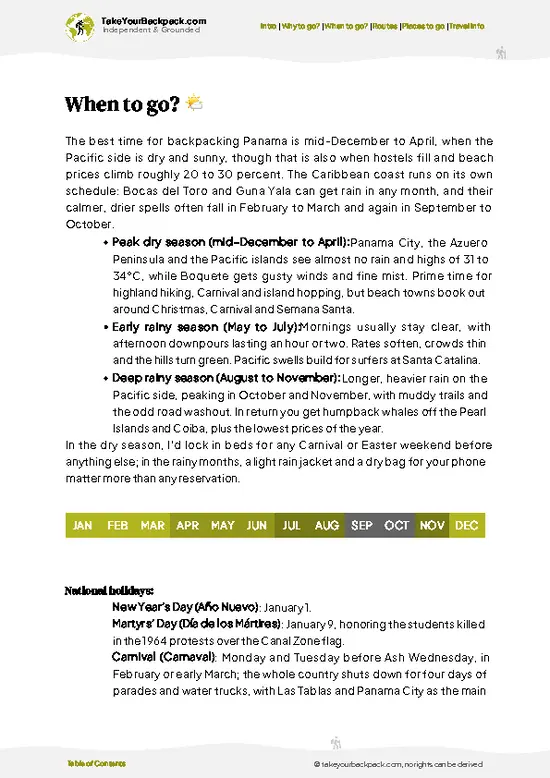
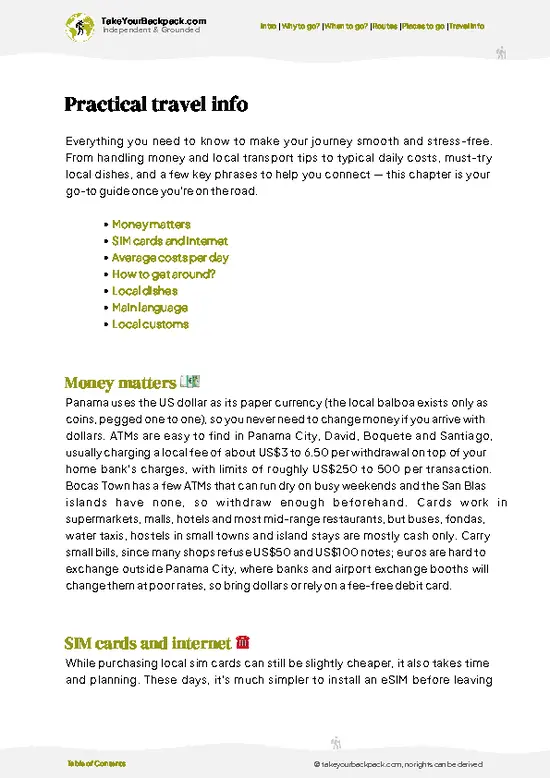
example page 0 from our offline Travel Guide for Panama
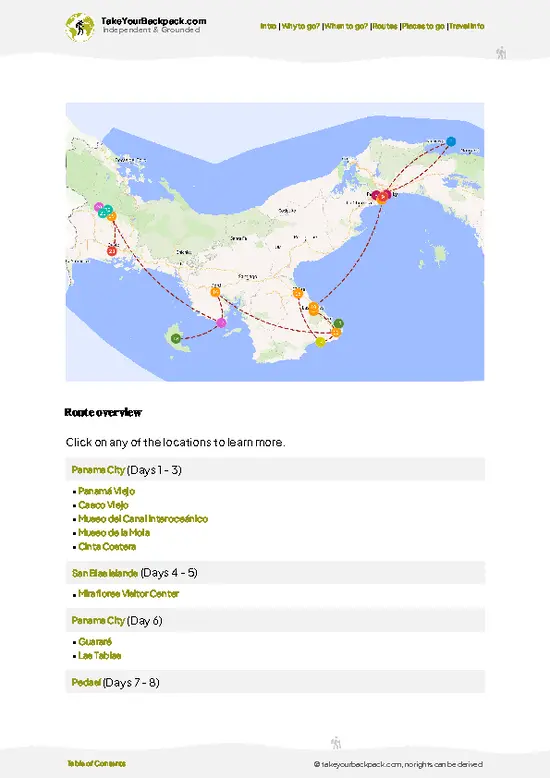
example page 1 from our offline Travel Guide for Panama
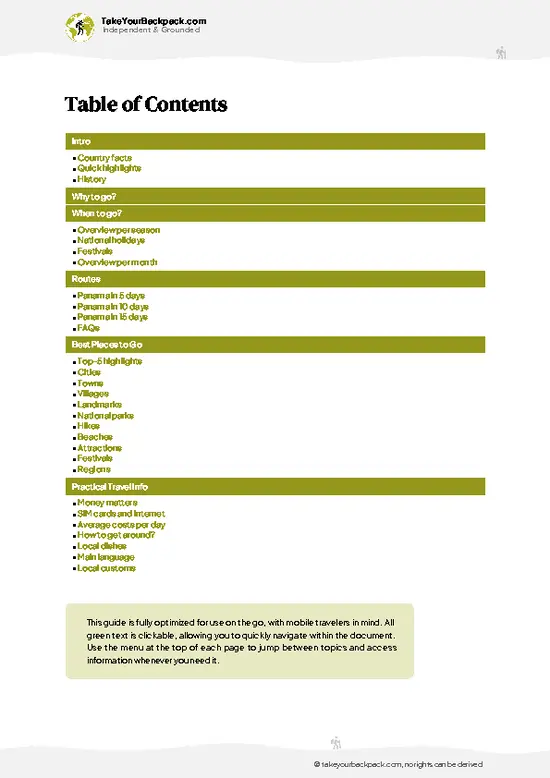
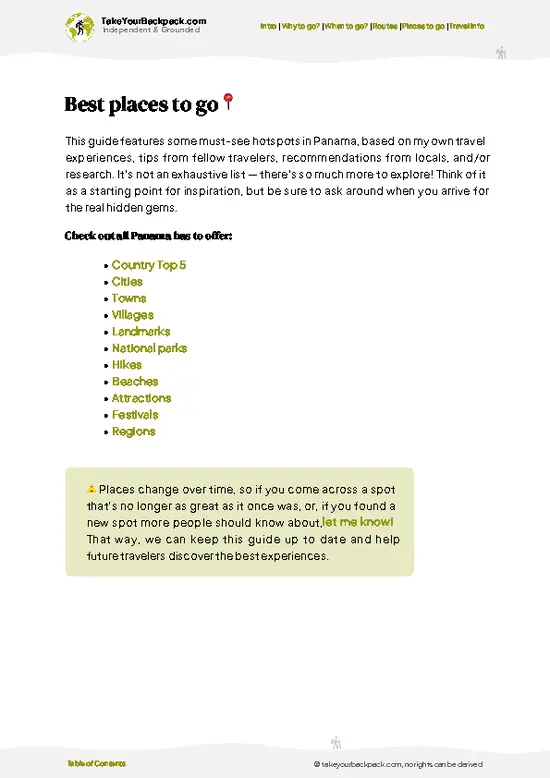
example page 2 from our offline Travel Guide for Panama
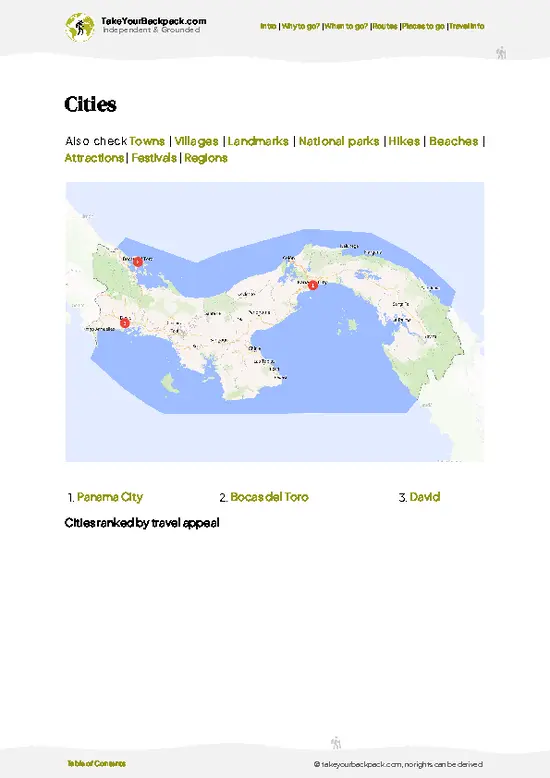
example page 3 from our offline Travel Guide for Panama
example page 4 from our offline Travel Guide for Panama
example page 5 from our offline Travel Guide for Panama
example page 6 from our offline Travel Guide for Panama
example page 7 from our offline Travel Guide for Panama
Loading the map 🌍
CLICK TO FILTER
cities
towns
villages
landmarks
national parks
hikes
beaches
attractions
festivals
regions
SHOW COUNTRY’S BESTSHOW ALL

✨ Why go?
Ranked #9 national park in Panama
What makes it a must-see national park

Portobelo National Park suits self-guided travelers because the sights are spread along one coastal road and you can hop between them at your own pace, with no permit or guide required for the forts. The big draw is history you can touch: the Spanish treasure-port ruins of San Jerónimo, Santiago and the Customs House sit on the waterfront, where you can climb on walls rather than look at them behind ropes. The second reason is the water. Snorkeling and diving on reefs and wrecks around Isla Drake and the Bahía de Portobelo are easy to arrange locally and are far less polished than the San Blas tour circuit. Add a short hop to beaches and jungle trails, and the park fills two or three days without any package tour.

💡 HighlightsPlaces and moments you shouldn't skip

  1. Fuerte San Jerónimo: The largest fort in town, built to guard the harbor, with cannons still facing the bay and easy wall climbing for photos.
  2. Fuerte Santiago de la Gloria: At the western entrance to town, a low battery with sea-level gun ports and a good view back at the town.
  3. Aduana de Portobelo (Customs House): Rebuilt stone warehouse where silver and gold were stored before shipping to Spain; small exhibits explain the trade.
  4. Iglesia de San Felipe and the Black Christ: The church holds the dark wooden Cristo Negro, drawing pilgrims in purple robes each October.
  5. Fuerte San Fernando: A quieter fort on the far side of the bay, reached by boat or a rough walk, with jungle growing over the stone.
  6. Snorkeling at Isla Drake and nearby reefs: Clear days show coral heads and small reef fish just offshore.
… read more 👉
  1. Fuerte San Jerónimo: The largest fort in town, built to guard the harbor, with cannons still facing the bay and easy wall climbing for photos.
  2. Fuerte Santiago de la Gloria: At the western entrance to town, a low battery with sea-level gun ports and a good view back at the town.
  3. Aduana de Portobelo (Customs House): Rebuilt stone warehouse where silver and gold were stored before shipping to Spain; small exhibits explain the trade.
  4. Iglesia de San Felipe and the Black Christ: The church holds the dark wooden Cristo Negro, drawing pilgrims in purple robes each October.
  5. Fuerte San Fernando: A quieter fort on the far side of the bay, reached by boat or a rough walk, with jungle growing over the stone.
  6. Snorkeling at Isla Drake and nearby reefs: Clear days show coral heads and small reef fish just offshore.
  7. Wreck and reef diving: Local operators run dives on Caribbean reefs and sunken wrecks within the bay.
Portobelo National Park's main sights fit into a full day, and adding the water activities stretches it to two.
Spotted a mistake or missing something? Contact us.

Things to do near Portobelo National Park

Ratings based on Tripadvisor reviews. When you book through this link, you support our work at no extra cost to you.

🌤️ When to go?Weather, crowds, and seasonal trade-offs

Portobelo National Park is easiest from mid-December to April, when Caribbean-side rain eases and seas calm for snorkeling and boat trips.
  • Dry Season (mid-December to April): Days run 29 to 32°C (84 to 90°F), nights 23 to 24°C (73 to 75°F). Trails dry out, water clarity is best, and weekends bring Panama City day-trippers. Lodging and boat rates edge up, especially around Carnival and Easter.
  • Green Season (May to November): Expect 27 to 30°C (81 to 86°F) with frequent downpours, muddy jungle paths and choppy water. Rooms are easy to find and cheaper, and the forest is loud with birds and howler monkeys.
  • Festival Window (October 21 and Carnival): The Black Christ procession fills the town with pilgrims and music, so book ahead.
Daylight stays close to 12 hours all year, so start hikes early to finish before afternoon cloud.

source: climatestotravel.comJANJanuary: excellent for travelingFEBFebruary: excellent for travelingMARMarch: excellent for travelingAPRApril: highly recommended for travelingMAYMay: fair for travelingJUNJune: fair for travelingJULJuly: fair for travelingAUGAugust: fair for travelingSEPSeptember: fair for travelingOCTOctober: fair for travelingNOVNovember: fair for travelingDECDecember: highly recommended for traveling
panama-national-park-portobelo-national-park v1
© Google |

✈️ The backpacker research shortcutPanama Travel Guide

An offline-friendly backpacking guide with optimized travel routes, ranked highlights, transport advice, and the best areas to stay.
example page 0 from our offline Travel Guide for Panama
example page 1 from our offline Travel Guide for Panama
example page 2 from our offline Travel Guide for Panama
example page 3 from our offline Travel Guide for Panama
example page 4 from our offline Travel Guide for Panama
example page 5 from our offline Travel Guide for Panama
example page 6 from our offline Travel Guide for Panama
example page 7 from our offline Travel Guide for Panama
The digital guide (272 pages) contains:
✅ 89 highlights, ranked by travel appeal
✅ Optimized 5, 10 & 15-day travel routes
✅ Cities, national parks, landmarks, beaches
✅ How to get around
✅ Offline-friendly for travel without Wi-Fi
👉 Click to see all 30+ guide features

📅 Plan smarter in minutes, not weeks
✅ Month by month travel advice
✅ Festivals & national holidays
✅ Budget expectations

🗺️ Go to the right places, skip the overrated ones
✅ Honest pros & cons of destinations
✅ Top hikes, parks & viewpoints
✅ Lesser-known places most travelers miss
✅ Clear “worth it vs skip it” guidance

🛏️ Travel smoothly without rookie mistakes
✅ Best areas to stay
✅ Transport systems explained simply
✅ Common scams & safety advice
✅ SIM cards, money & practical tips

🌍 Understand the country, not just visit it
✅ Culture & traditions
✅ 52 Essential phrases & customs
✅ Festivals worth planning around
✅ Traveler-friendly historical context
✅ Insights that make places more meaningful

📱 Built for real travel conditions
✅ Fully downloadable PDF
✅ Works completely offline
✅ Optimized for phone use
✅ Useful in remote areas & buses
✅ Everything in one place
Stop searching, start planning
Get instant access to your full guide. 30‑day money-back guarantee.
+ Add another guide for just

By proceeding you agree to our terms.
Sent to your inbox immediately after payment • 100% Secure Checkout
Best Backpacking Travel Advisor 2025 tourism awardBest Backpacking
Travel Advisor
2025
What others say about Take Your Backpack Guides:
⭐⭐⭐⭐⭐
Fantastic, amazing amount of information!
⭐⭐⭐⭐⭐
My goodness this is amazing, it's what I've been looking for hats off too you!
⭐⭐⭐⭐⭐
I think this is absolutely BRILLIANT
⭐⭐⭐⭐
Very complete and informative. It's still missing places, but I gotta to commend you
⭐⭐⭐⭐⭐
This is truly amazing, thank you, can't wait to explore it with my kids!
⭐⭐⭐⭐⭐
Awesome resource, thank you!
⭐⭐⭐⭐⭐
This is amazing! Can't wait to explore the ones I haven't seen
⭐⭐⭐⭐
I love this! Well done, great idea.
⭐⭐⭐⭐⭐
Thanks for taking the time to make this gem!
⭐⭐⭐⭐⭐
This might be the best website I've ever seen.
⭐⭐⭐⭐⭐
Congratulations, and thank you so much for your work; it's incredibly valuable.
⭐⭐⭐⭐
In all seriousness I think you did a great job pointing out the important spots
⭐⭐⭐⭐⭐
10/10 very good
⭐⭐⭐⭐⭐
As someone who's only just starting to visit regularly this is awesome, thank you.
⭐⭐⭐⭐
Thank you very much! I'm going to visit my dad, it's going to be very useful!
⭐⭐⭐⭐⭐
This is really cool! We'll be travelling for the first time and this definitely come in handy.
⭐⭐⭐⭐⭐
You are now our minister of culture, congratulations 👨‍💼
⭐⭐⭐⭐⭐
Just wanted to tell you that this is a pearl! Going to follow your recommendations.
⭐⭐⭐⭐⭐
This is so cool. I'll definitely be using the resource for my travels soon.
⭐⭐⭐⭐⭐
This is very impressive! Good work.
⭐⭐⭐⭐⭐
This is an amazing and informative site. Very well done!

🛏️ Where to stay?How to pick the right area

The best base is Portobelo town itself, since no lodging or camping operates inside Portobelo National Park.
The town has a handful of guesthouses and small hotels along the bay road, with simple rooms from about US$30 to 60 a night. Dorm beds are scarce here, so solo backpackers often pay for a private room. Better value comes from splitting a room with a friend.
Further east, Isla Grande and La Guaira offer beach hostels and family-run cabins, plus boat access to reefs. Expect US$25 to 70 depending on season. West along the coast, Sabanitas and Colón are cheaper for transit but less pleasant for … read more 👉
The best base is Portobelo town itself, since no lodging or camping operates inside Portobelo National Park.
The town has a handful of guesthouses and small hotels along the bay road, with simple rooms from about US$30 to 60 a night. Dorm beds are scarce here, so solo backpackers often pay for a private room. Better value comes from splitting a room with a friend.
Further east, Isla Grande and La Guaira offer beach hostels and family-run cabins, plus boat access to reefs. Expect US$25 to 70 depending on season. West along the coast, Sabanitas and Colón are cheaper for transit but less pleasant for staying. Many travelers instead sleep in Panama City (about 1.5 to 2 hours by road) and visit by bus. Staying overnight in Portobelo lets you reach the forts before tour groups arrive and catch evening quiet. Mid-range guesthouses sometimes include breakfast and fans or air conditioning.

👛 Costs (as of 22 October 2026)Typical daily expenses

Portobelo National Park costs most backpackers about US$55 to 145 a day, counting a high-season room.
CategoryBudget RangeLocal Reality
Entrance FeesUS$0 to 5Fort and museum sites charge small fees for foreigners; some coastal areas are free to walk.
AccommodationUS$30 to 60Guesthouse rooms in Portobelo; prices climb on weekends and holidays. Low season is often US$20 to 45.
Local TransportUS$5 to 15Buses from Colón or Panama City cost a few dollars each way, plus short taxi rides around town.
Food and SuppliesUS$12 to 25Fried fish, rice and plantain at local comedores cost US$5 to 9; pay in US dollars, which Panama uses alongside the balboa.
Tours and BoatsUS$8 to 40Snorkel or boat trips to nearby reefs and beaches vary by group size.
Total Daily BudgetUS$55 to 145Based on the high-season room,
… read more 👉
Portobelo National Park costs most backpackers about US$55 to 145 a day, counting a high-season room.
CategoryBudget RangeLocal Reality
Entrance FeesUS$0 to 5Fort and museum sites charge small fees for foreigners; some coastal areas are free to walk.
AccommodationUS$30 to 60Guesthouse rooms in Portobelo; prices climb on weekends and holidays. Low season is often US$20 to 45.
Local TransportUS$5 to 15Buses from Colón or Panama City cost a few dollars each way, plus short taxi rides around town.
Food and SuppliesUS$12 to 25Fried fish, rice and plantain at local comedores cost US$5 to 9; pay in US dollars, which Panama uses alongside the balboa.
Tours and BoatsUS$8 to 40Snorkel or boat trips to nearby reefs and beaches vary by group size.
Total Daily BudgetUS$55 to 145Based on the high-season room, mid-range food and one activity; a frugal day sits near US$55 to 95.
⚠️ Prices can change and everyone travels differently, so take this as a rough guide. Hope it helps you plan your adventure!

🥾 TrailsExploring Portobelo: trails, terrain, and views

Portobelo National Park has no long marked backcountry network, so most walking is short and tied to the forts and coastal forest. The routes people actually do start in town and follow the bay road.
  • Town fort loop: Walk from the Customs House to Fuerte Santiago and then Fuerte San Jerónimo along the shoreline. Allow 1.5 to 2 hours with stops; flat, easy, mostly paved with some uneven stone.
  • Forest track behind the forts: Dirt paths climb into secondary rainforest above the batteries. Allow 1 to 2 hours; muddy and slippery after rain, moderate. Howler monkeys, toucans and sloths are the usual sightings.
… read more 👉
Portobelo National Park has no long marked backcountry network, so most walking is short and tied to the forts and coastal forest. The routes people actually do start in town and follow the bay road.
  • Town fort loop: Walk from the Customs House to Fuerte Santiago and then Fuerte San Jerónimo along the shoreline. Allow 1.5 to 2 hours with stops; flat, easy, mostly paved with some uneven stone.
  • Forest track behind the forts: Dirt paths climb into secondary rainforest above the batteries. Allow 1 to 2 hours; muddy and slippery after rain, moderate. Howler monkeys, toucans and sloths are the usual sightings.
  • Fuerte San Fernando: Reached by boat across the bay, then a short scramble up through vegetation. Allow about 2 hours total; moderate, with uneven footing.
  • Beach and coastal paths: Short trails lead to small bays such as Playa Blanca on the park's coast, flat and easy.
Getting there is simple: regular buses run from Colón, and from Panama City you change there, so the trip is easy but slow. Crowds are small on weekdays, with more local visitors at weekends and around the October pilgrimage. The main forts charge a small entrance fee, only a few dollars, and the town sights are often open without a guide. Bring insect repellent, sturdy shoes and water.
⚠️ Hiking info can sometimes be outdated or inaccurate. Before you hit the trail, check the latest conditions with locals. If you do spot anything that's off, I'd love to hear from you, so I can update it for fellow travelers.

🛡️ SafetyTraveler Safety Guide

Portobelo National Park is straightforward for hikers, though heat, humidity and slippery ground need respect.
Carry at least 2 to 3 liters of water, wear shoes with grip, and expect red mud on jungle paths after rain. Trails can be faint, so a downloaded offline map helps, and a local guide is sensible for longer coastal routes. Start early, because afternoon storms build fast. Sun and insects cause most trouble, so bring repellent and reef-safe sunscreen.
Monkeys, sloths, snakes and the odd stinging insect live here. Keep your distance, never feed animals, and watch where you place hands. At the forts and beaches, keep valuables out of sight and avoid walking empty roads after dark. Currents can be strong off open beaches, so swim where locals do or join a boat trip.

FAQFrequently asked questions about Portobelo

Two days is the comfortable minimum for Portobelo National Park. That gives you one day for the Spanish forts, the Customs House and the Black Christ church in town, and another for snorkeling, beaches or a jungle hike. Day-trippers from Panama City can see the main fort sites in about 5 to 6 hours.
Yes, Portobelo National Park works well without a car. Buses run from Panama City’s Albrook terminal to Colón (about 1.5 to 2 hours), and from Colón a local bus reaches Portobelo in around 45 minutes to 1 hour. Taxis and boat operators cover short hops along the coast, though schedules thin out by late afternoon.
Portobelo National Park has no single park gate fee, but the fortress and museum sites charge small entrance fees, typically around US$3 to 5 for foreigners. No permit is needed for walking the town and coast. Guided hikes or boat trips in the protected areas are arranged locally, usually for US$10 to 40 per person.
⚠️ Things can change over time, so always validate details locally before you go.

Other Panamanian national parks near Portobelo

Explore more nearby:


💡 Not sure where to go next?
Create a personalized itinerary for Panama including Portobelo and the places that fit your trip.

Generate my itinerary

👉 Discover all national parks

Or checkout all Panama has to offer (think cities, towns, villages, national parks, hikes, beaches, festivals)
Country photo of Panama

We 💚 feedbackFinal thoughts on exploring Portobelo

Portobelo National Park works best as the first or last stop on a Caribbean loop. I would pair it with Isla Grande, or with Colón and the Gatun Locks, and skip the rush. Take a day for the forts and another for the water. Bring cash, since ATMs in town are few.

✈️ When did I visit Panama?
Panama I visited during my half year trip through South and Central America back in 2003

✍️ Help improve this page!
The information on this page is based on my own backpacking experience in Panama, supplemented with up-to-date research and feedback from other travelers. Travel details can change, so if you notice anything outdated or incomplete, feel free to let me know.


🙋‍♂️ Give feedback

👋 Meet the founderWho’s Behind Take Your Backpack?

Johan, backpacker and founder of TakeYourBackpackHi, I’m Johan (Netherlands 🇳🇱), the creator of TakeYourBackpack. Over the past 3 decades, I’ve backpacked through 90+ countries across six continents, gaining extensive experience with independent travel, long-term trips, and overland routes.

This site is built on a combination of firsthand travel experience and carefully curated insights from other backpackers. Many guides are based on places I’ve personally visited, while others bring together tips, observations, and practical advice shared by trusted travelers I’ve met along the way.

The goal is to provide realistic, experience-driven guidance — not generic itineraries — so you can explore destinations with better context, clearer expectations, and more confidence.