×

Panama🇵🇦 | national parksCamino de Cruces National ParkColonial cobblestones, mule-train route, Soberanía edge, howler monkeys | things to do and best time to go

Explore Darién National ParkExplore Altos de Campana National Park

Backpacking in Camino de Cruces
👀 For curious travelersnational park ranked #15
By Johan Kruseman 🇳🇱 | Updated October 23, 2026

Paving stones laid by Spanish colonists still show through the forest floor along the Camino de Cruces trail, worn smooth by mule trains that once hauled gold toward the Atlantic. Camino de Cruces National Park sits just north of Panama City, in Panama’s capital region, and the ruts and stonework are the point. I took a local bus to the edge of Soberanía, and a ranger waved me over to watch a troop of howler monkeys cross above the track. Unlike nearby Metropolitan Natural Park, this one is a historic route, so you get history underfoot and fewer joggers.

Discover everything you want to know in the 📖 Panama Travel Guide.


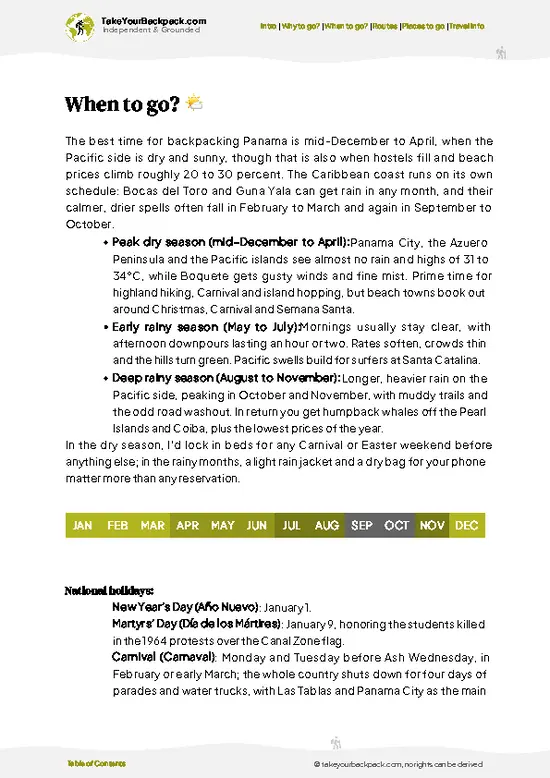
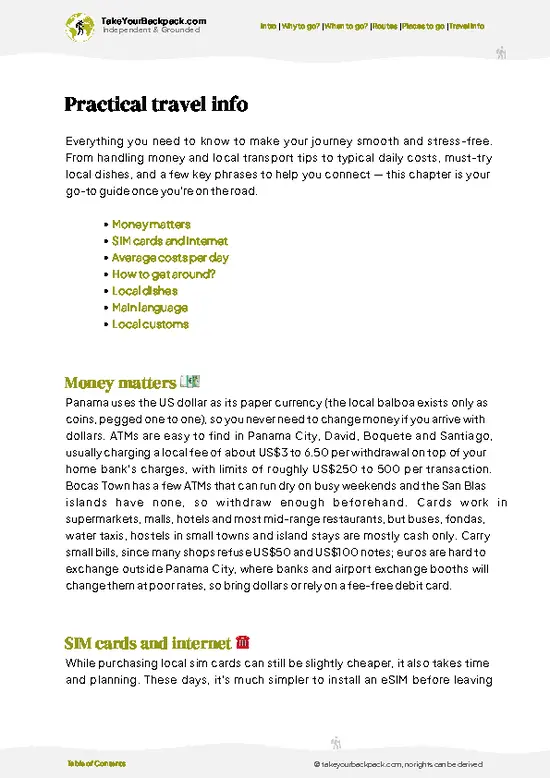
example page 0 from our offline Travel Guide for Panama
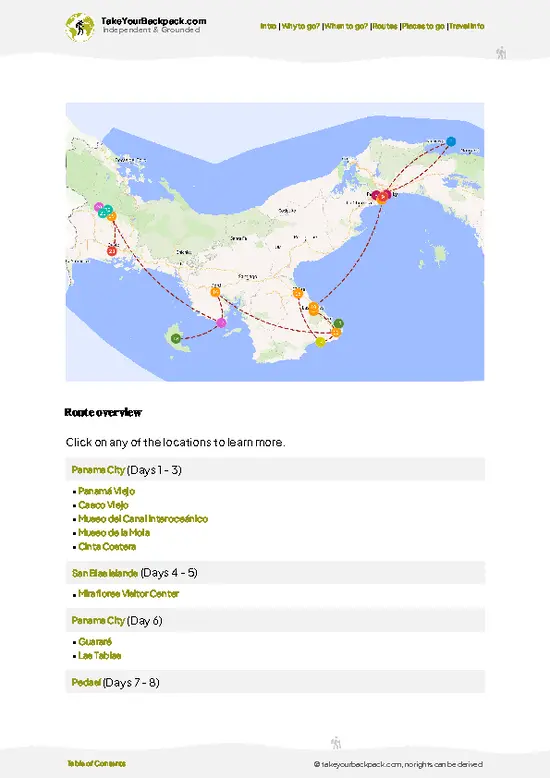
example page 1 from our offline Travel Guide for Panama
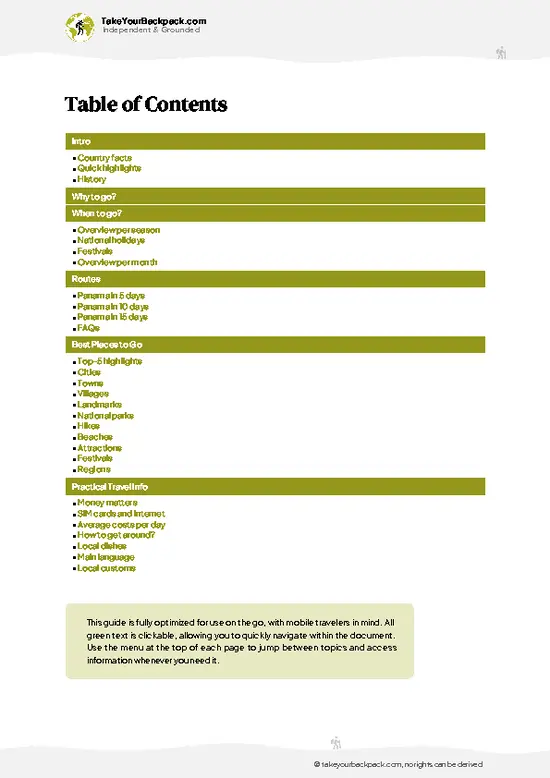
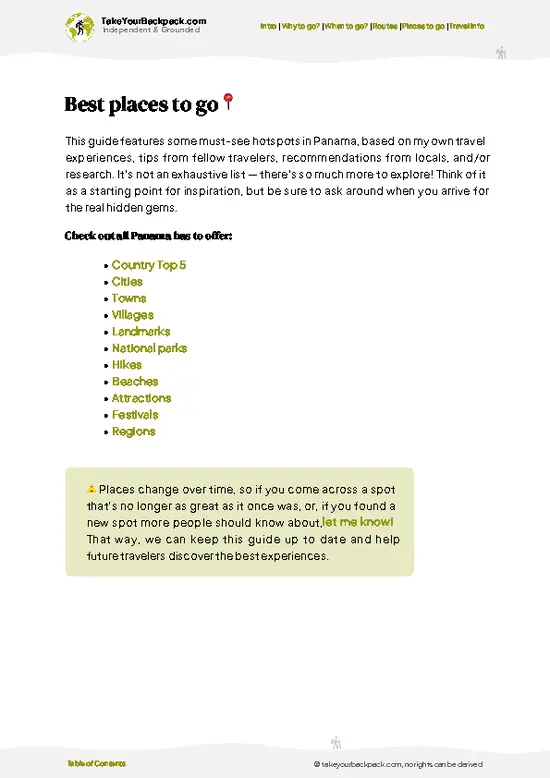
example page 2 from our offline Travel Guide for Panama
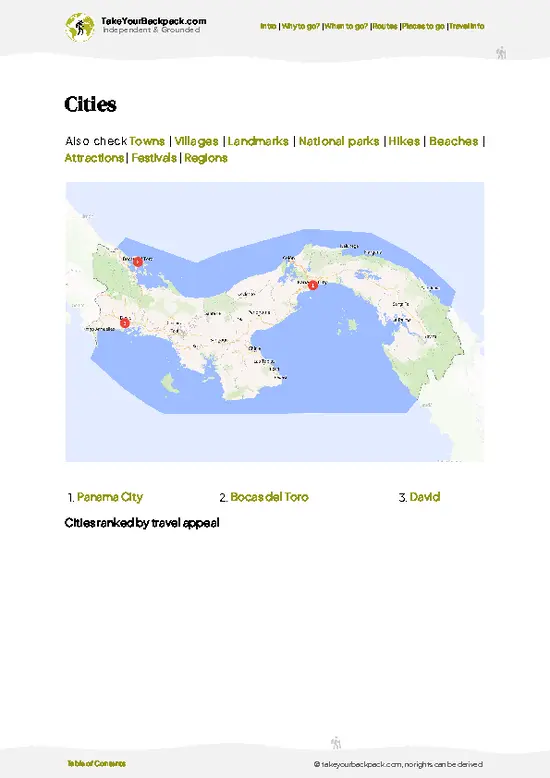
example page 3 from our offline Travel Guide for Panama
example page 4 from our offline Travel Guide for Panama
example page 5 from our offline Travel Guide for Panama
example page 6 from our offline Travel Guide for Panama
example page 7 from our offline Travel Guide for Panama
Loading the map 🌍
CLICK TO FILTER
cities
towns
villages
landmarks
national parks
hikes
beaches
attractions
festivals
regions
SHOW COUNTRY’S BESTSHOW ALL

✨ Why go?
Ranked #15 national park in Panama
Reasons people choose to explore here

Camino de Cruces National Park suits independent walkers because the old trail is walkable without a guide, and the capital’s hostels sit close by, so you can plan a self-paced day. The draw is the cobbled colonial route, a Spanish mule road linking the Pacific with the Chagres River, which carried goods across the isthmus for centuries. You pass stone sections, creek crossings and thick canopy where birds and monkeys are common. The park also pairs well with Soberanía National Park, which it borders, so you can stretch one walk into a longer wander without booking a tour. Bring water and go early.

💡 HighlightsMust-see experiences and standout moments

  1. Original Cobblestone Sections: Stretches of colonial paving, still intact in places, show how mule trains once crossed the isthmus.
  2. Forest Canopy Walk: Tall trees shade the path, giving you cooler walking and a good chance of hearing howler monkeys.
  3. Bird Watching Stretches: The edges near Soberanía hold trogons, toucans and motmots, especially at first light.
  4. Creek Crossings: Small streams cut the path and expose the old stonework beneath, a good spot to rest.
  5. Chagres River Connection: The route was built to reach river landings, so the trail’s story makes sense once you picture the cargo moving downstream.
  6. Wildlife Spotting: Coatis, agoutis and sloths turn up along the quieter sections, usually away from other walkers.
Allow half a day to see all of it at an easy pace.
Spotted a mistake or missing something? Contact us.

Things to do near Camino de Cruces National Park

Ratings based on Tripadvisor reviews. When you book through this link, you support our work at no extra cost to you.

🌤️ When to go?Weather, crowds, and seasonal trade-offs

  • Dry Season (mid-December to April): Trails are firmest and the old paving stones least slippery. Days run 31 to 33°C (88 to 91°F), nights 23 to 24°C (73 to 75°F), with about 11 to 12 hours of daylight. Weekend crowds from Panama City peak, and nearby hotel rates rise.
  • Green Season (May to November): Daily rain is routine, usually after midday. Temperatures stay 27 to 31°C (81 to 88°F), mud deepens, and stream crossings run higher. Lodging in the city drops noticeably.
  • October and November: The wettest stretch. Plan very early starts and expect closures of muddy sections.
Start walking by 7 a.m. in any month, since the humid forest heats up quickly by late morning.

source: climatestotravel.comJANJanuary: excellent for travelingFEBFebruary: excellent for travelingMARMarch: excellent for travelingAPRApril: excellent for travelingMAYMay: good for travelingJUNJune: fair for travelingJULJuly: fair for travelingAUGAugust: fair for travelingSEPSeptember: fair for travelingOCTOctober: fair for travelingNOVNovember: good for travelingDECDecember: excellent for traveling
panama-national-park-camino-de-cruces-national-park
© Google |

✈️ The backpacker research shortcutPanama Travel Guide

An offline-friendly backpacking guide with optimized travel routes, ranked highlights, transport advice, and the best areas to stay.
example page 0 from our offline Travel Guide for Panama
example page 1 from our offline Travel Guide for Panama
example page 2 from our offline Travel Guide for Panama
example page 3 from our offline Travel Guide for Panama
example page 4 from our offline Travel Guide for Panama
example page 5 from our offline Travel Guide for Panama
example page 6 from our offline Travel Guide for Panama
example page 7 from our offline Travel Guide for Panama
The digital guide (272 pages) contains:
✅ 89 highlights, ranked by travel appeal
✅ Optimized 5, 10 & 15-day travel routes
✅ Cities, national parks, landmarks, beaches
✅ How to get around
✅ Offline-friendly for travel without Wi-Fi
👉 Click to see all 30+ guide features

📅 Plan smarter in minutes, not weeks
✅ Month by month travel advice
✅ Festivals & national holidays
✅ Budget expectations

🗺️ Go to the right places, skip the overrated ones
✅ Honest pros & cons of destinations
✅ Top hikes, parks & viewpoints
✅ Lesser-known places most travelers miss
✅ Clear “worth it vs skip it” guidance

🛏️ Travel smoothly without rookie mistakes
✅ Best areas to stay
✅ Transport systems explained simply
✅ Common scams & safety advice
✅ SIM cards, money & practical tips

🌍 Understand the country, not just visit it
✅ Culture & traditions
✅ 52 Essential phrases & customs
✅ Festivals worth planning around
✅ Traveler-friendly historical context
✅ Insights that make places more meaningful

📱 Built for real travel conditions
✅ Fully downloadable PDF
✅ Works completely offline
✅ Optimized for phone use
✅ Useful in remote areas & buses
✅ Everything in one place
Stop searching, start planning
Get instant access to your full guide. 30‑day money-back guarantee.
+ Add another guide for just

By proceeding you agree to our terms.
Sent to your inbox immediately after payment • 100% Secure Checkout
Best Backpacking Travel Advisor 2025 tourism awardBest Backpacking
Travel Advisor
2025
What others say about Take Your Backpack Guides:
⭐⭐⭐⭐⭐
Fantastic, amazing amount of information!
⭐⭐⭐⭐⭐
My goodness this is amazing, it's what I've been looking for hats off too you!
⭐⭐⭐⭐⭐
I think this is absolutely BRILLIANT
⭐⭐⭐⭐
Very complete and informative. It's still missing places, but I gotta to commend you
⭐⭐⭐⭐⭐
This is truly amazing, thank you, can't wait to explore it with my kids!
⭐⭐⭐⭐⭐
Awesome resource, thank you!
⭐⭐⭐⭐⭐
This is amazing! Can't wait to explore the ones I haven't seen
⭐⭐⭐⭐
I love this! Well done, great idea.
⭐⭐⭐⭐⭐
Thanks for taking the time to make this gem!
⭐⭐⭐⭐⭐
This might be the best website I've ever seen.
⭐⭐⭐⭐⭐
Congratulations, and thank you so much for your work; it's incredibly valuable.
⭐⭐⭐⭐
In all seriousness I think you did a great job pointing out the important spots
⭐⭐⭐⭐⭐
10/10 very good
⭐⭐⭐⭐⭐
As someone who's only just starting to visit regularly this is awesome, thank you.
⭐⭐⭐⭐
Thank you very much! I'm going to visit my dad, it's going to be very useful!
⭐⭐⭐⭐⭐
This is really cool! We'll be travelling for the first time and this definitely come in handy.
⭐⭐⭐⭐⭐
You are now our minister of culture, congratulations 👨‍💼
⭐⭐⭐⭐⭐
Just wanted to tell you that this is a pearl! Going to follow your recommendations.
⭐⭐⭐⭐⭐
This is so cool. I'll definitely be using the resource for my travels soon.
⭐⭐⭐⭐⭐
This is very impressive! Good work.
⭐⭐⭐⭐⭐
This is an amazing and informative site. Very well done!

🛏️ Where to stay?Best areas and accommodation options

Nobody sleeps inside Camino de Cruces National Park, so you stay in Panama City and reach the trailheads by taxi or ride-hailing in 20 to 40 minutes. The park runs between the city's northern edge and the Soberanía area, so most visitors enter near Camino de Cruces access points close to Panama City or Gamboa. Casco Viejo suits backpackers best, with dorm beds around US$12 to 20 and private rooms from US$40 to 70, plus restaurants and bars within walking distance. Bella Vista and El Cangrejo have quieter hostels and budget hotels at similar prices, with easier taxi access to the northern city. … read more 👉
Nobody sleeps inside Camino de Cruces National Park, so you stay in Panama City and reach the trailheads by taxi or ride-hailing in 20 to 40 minutes. The park runs between the city's northern edge and the Soberanía area, so most visitors enter near Camino de Cruces access points close to Panama City or Gamboa. Casco Viejo suits backpackers best, with dorm beds around US$12 to 20 and private rooms from US$40 to 70, plus restaurants and bars within walking distance. Bella Vista and El Cangrejo have quieter hostels and budget hotels at similar prices, with easier taxi access to the northern city. If you want forest mornings, Gamboa, about 40 minutes from the city, has a few lodges from roughly US$60 to 120 and sits beside Soberanía National Park.

👛 Costs (as of 23 October 2026)What things cost and how to budget

Camino de Cruces National Park costs about US$32 to 85 per day for a backpacker based in Panama City, with US$65 as a realistic high-season total.
CategoryBudget RangeLocal Reality
Entrance feesUS$0 to 5Access is often free or very low-cost; fees for foreigners vary by entry point.
Accommodation (high season)US$12 to 25Dorm beds in Casco Viejo or Bella Vista; private rooms start near US$40.
Local transportUS$8 to 20Taxis or ride-hailing to trailheads cost US$8 to 15 each way; the metro and buses are cheaper in the city.
Food and suppliesUS$12 to 20Set lunches (corvina or chicken with rice) cost US$4 to 7; bring water and snacks.
Guide (optional)US$0 to 25Half-day guided walks with a local guide run higher, so budget only if you want one.
Total Daily BudgetUS$32 to 85About US$65 on a typical day,
… read more 👉
Camino de Cruces National Park costs about US$32 to 85 per day for a backpacker based in Panama City, with US$65 as a realistic high-season total.
CategoryBudget RangeLocal Reality
Entrance feesUS$0 to 5Access is often free or very low-cost; fees for foreigners vary by entry point.
Accommodation (high season)US$12 to 25Dorm beds in Casco Viejo or Bella Vista; private rooms start near US$40.
Local transportUS$8 to 20Taxis or ride-hailing to trailheads cost US$8 to 15 each way; the metro and buses are cheaper in the city.
Food and suppliesUS$12 to 20Set lunches (corvina or chicken with rice) cost US$4 to 7; bring water and snacks.
Guide (optional)US$0 to 25Half-day guided walks with a local guide run higher, so budget only if you want one.
Total Daily BudgetUS$32 to 85About US$65 on a typical day, paid in US dollars, which Panama uses alongside the balboa.
⚠️ Prices can change and everyone travels differently, so take this as a rough guide. Hope it helps you plan your adventure!

🥾 TrailsPlan your hike in Camino de Cruces: routes, terrain, and sights

Camino de Cruces National Park is mainly walked as one historic route, with sections that you can pick up from different access points near the capital.
  • Terrain: Uneven cobblestones, packed earth and muddy patches, with short creek crossings and gentle hills under dense forest.
  • Difficulty: Easy to moderate. Slippery stones after rain make footing the main challenge, so wear shoes with grip.
  • Duration: Short out-and-back walks take a couple of hours, while longer stretches can fill most of a day.
  • Wildlife: Howler monkeys, sloths, coatis, agoutis and many birds, best seen early.
  • Scenery: Old stone paving
… read more 👉
Camino de Cruces National Park is mainly walked as one historic route, with sections that you can pick up from different access points near the capital.
  • Terrain: Uneven cobblestones, packed earth and muddy patches, with short creek crossings and gentle hills under dense forest.
  • Difficulty: Easy to moderate. Slippery stones after rain make footing the main challenge, so wear shoes with grip.
  • Duration: Short out-and-back walks take a couple of hours, while longer stretches can fill most of a day.
  • Wildlife: Howler monkeys, sloths, coatis, agoutis and many birds, best seen early.
  • Scenery: Old stone paving swallowed by roots, tall trees and quiet streams.
Getting there is straightforward from Panama City by local bus or taxi toward the forest edge, though the final approach may need a short walk or ride. Crowds stay light compared with the city’s parks, especially on weekdays. Check at the entrance for any fee, and carry cash, since small posts rarely take cards.
⚠️ Hiking info can sometimes be outdated or inaccurate. Before you hit the trail, check the latest conditions with locals. If you do spot anything that's off, I'd love to hear from you, so I can update it for fellow travelers.

🛡️ SafetyStaying Safe: What Travelers Should Know

Camino de Cruces National Park is straightforward, but the heat and mud cause most problems. The old stone paving turns slick after rain, so wear shoes with real tread and carry at least 2 liters of water. Rain arrives fast in the wet months, and stream crossings can rise, so turn back if water runs above your ankles. Snakes, including pit vipers, and biting insects live here, so watch where you place hands and feet and use repellent. Monkeys and coatis may approach, but never feed them. Because the trail lies close to urban areas, leave valuables behind and carry a charged phone. Going with a guide helps with route-finding.

FAQCommon questions from travelers

A single morning is enough for Camino de Cruces National Park if you walk one section, which takes 3 to 5 hours round trip. Add a second day to combine it with nearby Soberanía National Park and the Pipeline Road birding area, or to see Panama Viejo and the Panama Canal. Most people base themselves in Panama City and go out for the day.
Yes, Camino de Cruces National Park is easy to reach without a car since it sits on the edge of Panama City. Taxis or ride-hailing apps cost roughly US$8 to 15 each way, and the ride takes 20 to 40 minutes. Buses run toward Gamboa and Curundú, though you may still need a short taxi hop to reach the trailhead. Many visitors join a guided tour with hotel pickup.
Camino de Cruces National Park has a small or no entry fee depending on the access point, typically US$0 to 5 for foreigners, paid in US dollars. No special permit is normally required for a day walk on the established trail. Fees and rules are set by Panama’s environment ministry and can change, so carry small bills and your passport copy. Guided tours usually cost US$25 to 60 and handle any fees.
⚠️ Things can change over time, so always validate details locally before you go.

Other Panamanian national parks near Camino de Cruces

Explore more nearby:


💡 Not sure where to go next?
Create a personalized itinerary for Panama including Camino de Cruces and the places that fit your trip.

Generate my itinerary

👉 Discover all national parks

Or checkout all Panama has to offer (think cities, towns, villages, national parks, hikes, beaches, festivals)
Country photo of Panama

We 💚 feedbackKey takeaways before you go

Camino de Cruces National Park suits history lovers and casual birders who want a quiet forest walk near the capital more than a big-scale trek. Skip it if you crave summit views. I would go early, carry plenty of water, and pair it with a longer day in neighboring Soberanía.

✈️ When did I visit Panama?
Panama I visited during my half year trip through South and Central America back in 2003

✍️ Help improve this page!
The information on this page is based on my own backpacking experience in Panama, supplemented with up-to-date research and feedback from other travelers. Travel details can change, so if you notice anything outdated or incomplete, feel free to let me know.


🙋‍♂️ Give feedback

👋 Meet the founderWho’s Behind Take Your Backpack?

Johan, backpacker and founder of TakeYourBackpackHi, I’m Johan (Netherlands 🇳🇱), the creator of TakeYourBackpack. Over the past 3 decades, I’ve backpacked through 90+ countries across six continents, gaining extensive experience with independent travel, long-term trips, and overland routes.

This site is built on a combination of firsthand travel experience and carefully curated insights from other backpackers. Many guides are based on places I’ve personally visited, while others bring together tips, observations, and practical advice shared by trusted travelers I’ve met along the way.

The goal is to provide realistic, experience-driven guidance — not generic itineraries — so you can explore destinations with better context, clearer expectations, and more confidence.