×

Papua New Guinea🇵🇬 | attractionsNational Museum and Art Galleryarchaeological finds, tribal masks, national collections, cultural heritage | things to do and best time to go

Explore KiungaExplore Port Moresby Nature Park

Backpacking in National Museum and Art Gallery
🏆 Top pickattraction ranked #2
By Johan Kruseman 🇳🇱 | Updated September 4, 2026

A child’s laughter ricochets off the polished floor as you trace your finger along the jagged edge of a stone axe, the air thick with the scent of old wood and lacquer. Somewhere behind you, a guide’s voice weaves through the low hum of school groups, their uniforms a blur against the riot of color from feathered headdresses under glass. This is the National Museum and Art Gallery, tucked in the heart of Port Moresby, Papua New Guinea—just off Independence Drive, but a world away from the city’s chaos.

Here’s the straight talk: if you’re backpacking PNG for wild landscapes and empty trails, this isn’t your adrenaline fix. But if you want to understand the soul of the country—its 800 languages, its tangled colonial past, its fierce pride—this is where you start. The crowds are manageable, mostly locals and the odd expat, not selfie-stick armies. Entry is cheap, but the real cost is your attention; skip the surface and you’ll miss the quiet power in the artifacts. Compared to the country’s raw jungles or coastal dives, the museum is a slow burn—less spectacle, more substance. And that’s exactly why it matters.

Discover everything you want to know in the 📖 Papua New Guinea Travel Guide.
Loading the map 🌍
CLICK TO FILTER
cities
towns
national parks
hikes
beaches
attractions
festivals
regions
SHOW COUNTRY’S BESTSHOW ALL

✨ Why go?
Ranked #2 attraction in Papua New Guinea
Why National Museum and Art Gallery should be on your travel list

The National Museum and Art Gallery in Papua New Guinea is not your typical tourist stop where you snap a quick photo and move on. Yes, it’s crowded at times, and the entry fee might make you hesitate if you’re counting every kina. But here’s the real deal: this place is the heartbeat of PNG’s cultural identity. It’s the only spot where you can see the raw, unfiltered history of a country that’s often misunderstood or reduced to stereotypes. The museum’s collection isn’t just art on walls—it’s a living archive of tribes, traditions, and stories that have shaped the island for thousands of years.

Backpackers who make the trek here aren’t just ticking a box; they’re hitting a milestone on their Papua New Guinea journey. The effort to get here pays off in spades because you’re not just looking … read more 👉
The National Museum and Art Gallery in Papua New Guinea is not your typical tourist stop where you snap a quick photo and move on. Yes, it’s crowded at times, and the entry fee might make you hesitate if you’re counting every kina. But here’s the real deal: this place is the heartbeat of PNG’s cultural identity. It’s the only spot where you can see the raw, unfiltered history of a country that’s often misunderstood or reduced to stereotypes. The museum’s collection isn’t just art on walls—it’s a living archive of tribes, traditions, and stories that have shaped the island for thousands of years.

Backpackers who make the trek here aren’t just ticking a box; they’re hitting a milestone on their Papua New Guinea journey. The effort to get here pays off in spades because you’re not just looking at artifacts—you’re connecting with a culture that’s fiercely proud and incredibly diverse. The adrenaline rush comes from realizing how little you knew before walking through those doors. It’s a reality check and a revelation wrapped into one. If you want to understand PNG beyond the surface, this museum is non-negotiable.
Want to include National Museum and Art Gallery in your Papua New Guinea route?
Create a personalized Papua New Guinea itinerary that includes National Museum and Art Gallery and the places that fit your trip — based on your travel style, budget, and available time. Get your route in seconds.

Generate my trip

💡 HighlightsThe experiences that define the visit

The Sepik River Carvings
Forget the sanitized, glass-box museum vibe. The Sepik River gallery is a jolt of raw, living culture—towering ancestor figures, spirit masks, and crocodile totems that look like they could walk out and start a conversation. These aren’t just artifacts; they’re the real deal, made by hands that still carve for initiation ceremonies and clan rituals today. You’ll see the scars of use, the patina of river mud, and the wild, asymmetrical genius that no factory could fake. This is Papua New Guinea’s soul, not a souvenir shop’s version.


The Highlands Ritual Artifacts
If you’ve ever seen a photo of a Huli wigman—those gravity-defying hairpieces and face paint—this is where you finally get the context. The Highlands section isn’t just about pretty objects; it’s about the … read more 👉
The Sepik River Carvings
Forget the sanitized, glass-box museum vibe. The Sepik River gallery is a jolt of raw, living culture—towering ancestor figures, spirit masks, and crocodile totems that look like they could walk out and start a conversation. These aren’t just artifacts; they’re the real deal, made by hands that still carve for initiation ceremonies and clan rituals today. You’ll see the scars of use, the patina of river mud, and the wild, asymmetrical genius that no factory could fake. This is Papua New Guinea’s soul, not a souvenir shop’s version.


The Highlands Ritual Artifacts
If you’ve ever seen a photo of a Huli wigman—those gravity-defying hairpieces and face paint—this is where you finally get the context. The Highlands section isn’t just about pretty objects; it’s about the drama of clan warfare, peace-making, and the kind of ceremonial pageantry that makes Game of Thrones look like amateur hour. Expect shields still bearing the dents of battle, bone daggers, and the kind of feathered headdresses that would bankrupt a Parisian milliner. The stories behind them are as fierce as the objects themselves.


The Canoe Hall
This is not your average maritime exhibit. The Canoe Hall is a cathedral to the art of going places—outrigger canoes, war canoes, and trading vessels that once stitched together islands long before GPS or Google Maps. Some are so massive you’ll wonder how they ever floated, let alone crossed open ocean. The craftsmanship is obsessive, with shell inlays and carved prows that double as spiritual guardians. Stand here and you’ll feel the urge to paddle off into the unknown.


The Contemporary Art Gallery
Most people expect “tribal art” and get blindsided by the contemporary wing. This is where PNG’s living artists throw tradition into a blender—graffiti, political satire, and wild experiments with bark, plastic, and even beer cans. It’s messy, loud, and sometimes confrontational. If you want to see a country wrestling with modernity, this is the room. Don’t skip it because you think you’ve seen enough masks; this is the future, and it’s got teeth.


The Bird of Paradise Collection
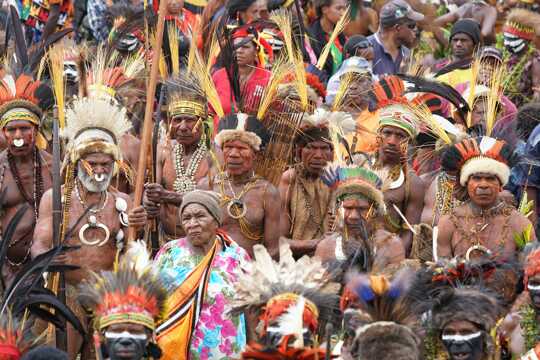
You can’t visit PNG and not get obsessed with birds of paradise. The museum’s collection of feathered regalia is a riot of color and status—think capes, crowns, and ceremonial fans that would make a Vegas showgirl blush. But here, every feather has meaning: clan identity, social rank, even spiritual power. The display is a crash course in why these birds are more than just pretty faces—they’re woven into the fabric of life, death, and everything in between.


The Prehistory Gallery
Skip the textbook version of “ancient PNG.” Here, you’ll find obsidian blades, Lapita pottery, and the kind of stone tools that make you realize just how long people have been thriving in these islands. It’s not a dusty afterthought; it’s a reminder that PNG’s story didn’t start with colonial contact. The gallery is compact but dense, and it’ll give you a new respect for the ingenuity of the first Pacific navigators.
Spotted a mistake or missing something? Contact us.

Things to do near National Museum and Art Gallery

Ratings based on Tripadvisor reviews. When you book through this link, you support our work at no extra cost to you.

🌤️ When to go?Choosing the right time of year


  • Topic: Weather and Temperature – Papua New Guinea’s climate is tropical, so expect heat and humidity year-round. From May to October, temperatures hover around 22–28°C (72–82°F), offering slightly cooler, drier conditions. November to April brings heavy rains and sticky heat, often pushing temps above 30°C (86°F), which can make museum visits less comfortable.

  • Topic: Daylight Hours – Daylight is fairly consistent, roughly 11 to 12 hours daily throughout the year. This means you can plan museum visits any time without worrying about early closures due to fading light.

  • Topic: Crowds – The museum doesn’t see massive tourist crowds like other global hotspots, but expect a noticeable uptick during July and August when local festivals and school holidays bring in more visitors. Otherwise,
read more 👉

  • Topic: Weather and Temperature – Papua New Guinea’s climate is tropical, so expect heat and humidity year-round. From May to October, temperatures hover around 22–28°C (72–82°F), offering slightly cooler, drier conditions. November to April brings heavy rains and sticky heat, often pushing temps above 30°C (86°F), which can make museum visits less comfortable.

  • Topic: Daylight Hours – Daylight is fairly consistent, roughly 11 to 12 hours daily throughout the year. This means you can plan museum visits any time without worrying about early closures due to fading light.

  • Topic: Crowds – The museum doesn’t see massive tourist crowds like other global hotspots, but expect a noticeable uptick during July and August when local festivals and school holidays bring in more visitors. Otherwise, it’s a calm, reflective space.

  • Topic: Seasonal Activities – Align your visit with the Port Moresby Arts Festival in July for a cultural deep dive beyond the museum walls. This adds layers to your experience with live performances and local crafts, making the trip more than just a gallery stop.

  • Topic: Price Fluctuations – Entry fees are stable year-round, but accommodation and flights spike during the dry season (May to October), especially around July and August. Booking early can save you from inflated costs.


Pro-tip: Aim for June or September—cooler, drier, fewer crowds, and you’ll catch the museum’s vibe without sweating through your shirt or elbowing through tourists.


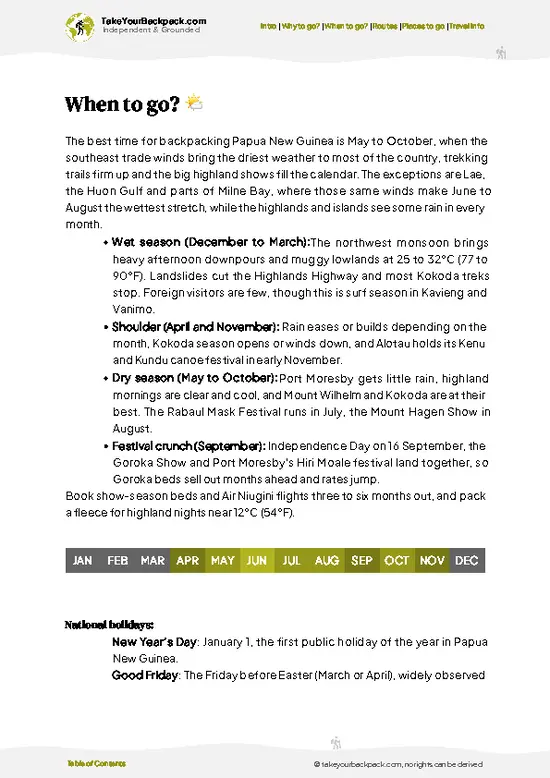
source: climatestotravel.comJANJanuary: fair for travelingFEBFebruary: fair for travelingMARMarch: fair for travelingAPRApril: fair for travelingMAYMay: highly recommended for travelingJUNJune: excellent for travelingJULJuly: good for travelingAUGAugust: good for travelingSEPSeptember: excellent for travelingOCTOctober: highly recommended for travelingNOVNovember: fair for travelingDECDecember: fair for traveling
papua-new-guinea-attraction-national-museum-and-art-gallery
© Google |

✈️ The backpacker research shortcutPapua New Guinea Travel Guide

An offline-friendly backpacking guide with optimized travel routes, ranked highlights, transport advice, and the best areas to stay.
example page 0 from our offline Travel Guide for Papua New Guinea
example page 1 from our offline Travel Guide for Papua New Guinea
example page 2 from our offline Travel Guide for Papua New Guinea
example page 3 from our offline Travel Guide for Papua New Guinea
example page 4 from our offline Travel Guide for Papua New Guinea
example page 5 from our offline Travel Guide for Papua New Guinea
example page 6 from our offline Travel Guide for Papua New Guinea
example page 7 from our offline Travel Guide for Papua New Guinea
The digital guide (319 pages) contains:
86 highlights, ranked by travel appeal
Optimized 5, 10 & 15-day travel routes
Cities, national parks, landmarks, beaches
How to get around
Offline-friendly for travel without Wi-Fi
👉 Click to see all 30+ guide features

📅 Plan smarter in minutes, not weeks
Month by month travel advice
Festivals & national holidays
Budget expectations

🗺️ Go to the right places, skip the overrated ones
Honest pros & cons of destinations
Top hikes, parks & viewpoints
Lesser-known places most travelers miss
Clear “worth it vs skip it” guidance

🛏️ Travel smoothly without rookie mistakes
Best areas to stay
Transport systems explained simply
Common scams & safety advice
SIM cards, money & practical tips

🌍 Understand the country, not just visit it
Culture & traditions
52 Essential phrases & customs
Festivals worth planning around
Traveler-friendly historical context
Insights that make places more meaningful

📱 Built for real travel conditions
Fully downloadable PDF
Works completely offline
Optimized for phone use
Useful in remote areas & buses
Everything in one place
Save weeks of stressful planning
Get instant access to your full guide. 30‑day money-back guarantee.
+ Add another guide for just US$7.80

By proceeding you agree to our terms.
Sent to your inbox immediately after payment • 100% Secure Checkout
Best Backpacking Travel Advisor 2025 tourism awardBest Backpacking
Travel Advisor
2025
What others say about Take Your Backpack Guides:
⭐⭐⭐⭐⭐
Fantastic, amazing amount of information!
⭐⭐⭐⭐⭐
My goodness this is amazing, it's what I've been looking for hats off too you!
⭐⭐⭐⭐⭐
I think this is absolutely BRILLIANT
⭐⭐⭐⭐
Very complete and informative. It's still missing places, but I gotta to commend you
⭐⭐⭐⭐⭐
This is truly amazing, thank you, can't wait to explore it with my kids!
⭐⭐⭐⭐⭐
Awesome resource, thank you!
⭐⭐⭐⭐⭐
This is amazing! Can't wait to explore the ones I haven't seen
⭐⭐⭐⭐
I love this! Well done, great idea.
⭐⭐⭐⭐⭐
Thanks for taking the time to make this gem!
⭐⭐⭐⭐⭐
This might be the best website I've ever seen.
⭐⭐⭐⭐⭐
Congratulations, and thank you so much for your work; it's incredibly valuable.
⭐⭐⭐⭐
In all seriousness I think you did a great job pointing out the important spots
⭐⭐⭐⭐⭐
10/10 very good
⭐⭐⭐⭐⭐
As someone who's only just starting to visit regularly this is awesome, thank you.
⭐⭐⭐⭐
Thank you very much! I'm going to visit my dad, it's going to be very useful!
⭐⭐⭐⭐⭐
This is really cool! We'll be travelling for the first time and this definitely come in handy.
⭐⭐⭐⭐⭐
You are now our minister of culture, congratulations 👨‍💼
⭐⭐⭐⭐⭐
Just wanted to tell you that this is a pearl! Going to follow your recommendations.
⭐⭐⭐⭐⭐
This is so cool. I'll definitely be using the resource for my travels soon.
⭐⭐⭐⭐⭐
This is very impressive! Good work.
⭐⭐⭐⭐⭐
This is an amazing and informative site. Very well done!

🛏️ Where to stay?Best areas and accommodation options

Forget the postcard-perfect image of Papua New Guinea’s National Museum and Art Gallery as a quiet cultural haven. The truth? It’s smack in the middle of Port Moresby’s hustle, where crowds aren’t just tourists but locals, officials, and a swirl of daily life that can feel overwhelming if you’re not prepared. Safety is a real concern here—this isn’t your typical backpacker bubble. So, where do you crash if you want to be close enough to soak in the museum’s raw, unfiltered stories without losing your mind or your gear?

Aim for the neighborhoods just outside the central business district, especially … read more 👉
Forget the postcard-perfect image of Papua New Guinea’s National Museum and Art Gallery as a quiet cultural haven. The truth? It’s smack in the middle of Port Moresby’s hustle, where crowds aren’t just tourists but locals, officials, and a swirl of daily life that can feel overwhelming if you’re not prepared. Safety is a real concern here—this isn’t your typical backpacker bubble. So, where do you crash if you want to be close enough to soak in the museum’s raw, unfiltered stories without losing your mind or your gear?

Aim for the neighborhoods just outside the central business district, especially the areas around Waigani and Gordons. These spots strike a balance between accessibility and a sense of community. They’re known for being relatively safer, with a decent mix of guesthouses and budget lodges where solo travelers can find a social vibe without the tourist trap markup. You’ll meet locals and fellow backpackers who’ve learned to navigate the city’s quirks, swapping tips over a cold drink or a shared meal.

Yes, it’s not luxury. Yes, you’ll need to keep your wits about you. But this is where the real Papua New Guinea experience starts—close enough to the museum to dive deep into its cultural pulse, yet grounded in neighborhoods that show you the city’s grit and heart beyond the polished exhibits.

👛 Costs (as of 4 September 2026)How expensive it really is

As of the most recent estimates, the National Museum and Art Gallery in Port Moresby, Papua New Guinea, charges an entry fee of 10 PGK (approximately €2) for adults and 5 PGK (approximately €1) for students and children. Photography permits are available for an additional fee. Group rates are available for 10 or more people. The museum is open Tuesday to Friday from 8:00 AM to 4:00 PM, and on weekends from 1:00 PM to 4:00 PM, and is closed on Mondays and public holidays.

source: ncdc.gov.pg
⚠️ Prices can change and everyone travels differently, so take this as a rough guide. Hope it helps you plan your adventure!

FAQTraveler FAQ

Plan for about 1 to 2 hours to visit the National Museum and Art Gallery in Papua New Guinea. This allows enough time to see the main exhibits and appreciate the cultural artifacts without rushing.
Yes, the National Museum and Art Gallery is worth the entrance fee, which is typically around 10 to 20 PGK. It offers a unique insight into Papua New Guinea's diverse cultures and history, making it valuable for travelers interested in local heritage.
The National Museum and Art Gallery is located in Port Moresby. You can get there by taxi or local bus from the city center, usually within a 10 to 15-minute ride depending on traffic.
⚠️ Things can change over time, so always validate details locally before you go.

Other Papua New Guinean attractions near National Museum and Art Gallery

Explore more nearby:


💡 Not sure where to go next?
Create a personalized itinerary for Papua New Guinea including National Museum and Art Gallery and the places that fit your trip.

Generate my itinerary

👉 Discover all attractions

Or checkout all Papua New Guinea has to offer (think cities, towns, villages, national parks, hikes, beaches, festivals)
Country photo of Papua New Guinea

We 💚 feedbackFinal thoughts on visiting National Museum and Art Gallery

The National Museum and Art Gallery in Papua New Guinea isn’t some polished, crowd-pleaser museum you see on postcards. It’s a bit rough around the edges, and yes, it can get busy with school groups on weekdays. But that’s exactly where the magic lies—the raw, unfiltered pulse of PNG’s culture hits you hardest here. The real surprise? The sheer depth of indigenous art and artifacts that tell stories no glossy tour guide can capture. If you want the real deal, this is where you feel it—warts and all.

✍️ Help improve this page!
The information on this page is based on in-depth research, insights shared by experienced travelers, and feedback from the local travel community in Papua New Guinea. While every effort is made to keep the information accurate and current, conditions can change — so if you spot anything incorrect or outdated, please get in touch.


🙋‍♂️ Give feedback

👋 Meet the founderWho’s Behind Take Your Backpack?

Johan, backpacker and founder of TakeYourBackpackHi, I’m Johan (Netherlands 🇳🇱), the creator of TakeYourBackpack. Over the past decade, I’ve backpacked through 80+ countries across six continents, gaining extensive experience with independent travel, long-term trips, and overland routes.

This site is built on a combination of firsthand travel experience and carefully curated insights from other backpackers. Many guides are based on places I’ve personally visited, while others bring together tips, observations, and practical advice shared by trusted travelers I’ve met along the way.

The goal is to provide realistic, experience-driven guidance — not generic itineraries — so you can explore destinations with better context, clearer expectations, and more confidence.

Get full country guide •
Instant download • 86 highlights • Full Offline guide