v2.webp)
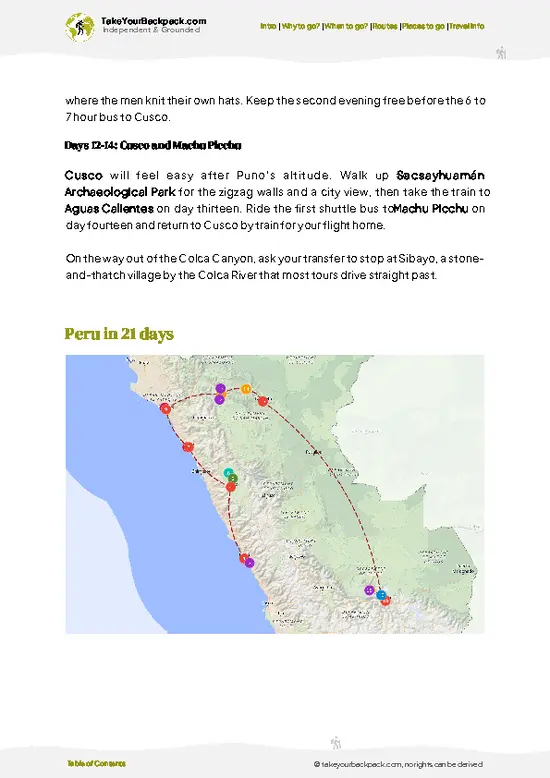
- Despacho and Pago a la Tierra (earth offerings) — The ceremonial core of the festival: families and community elders prepare bright, ritual bundles (despachos) filled with symbolic items and then offer them to Pachamama. It’s intimate and visual at the same time — soil, incense and coca leaves meet quiet prayers in Quechua — and watching or taking part gives real insight into the Andean worldview of reciprocity with the land.
- Pachamanca and the communal feast — Meat, potatoes and native tubers slow-cooked in an earth oven and shared family-style. This isn’t just a meal, it’s a social glue: locals bring food to share, strangers become tablemates, and you actually eat from the same plate as your hosts. Smell, sweat and laughter make it unforgettable. (Personal favorite.)
- Traditional music
- Despacho and Pago a la Tierra (earth offerings) — The ceremonial core of the festival: families and community elders prepare bright, ritual bundles (despachos) filled with symbolic items and then offer them to Pachamama. It’s intimate and visual at the same time — soil, incense and coca leaves meet quiet prayers in Quechua — and watching or taking part gives real insight into the Andean worldview of reciprocity with the land.
- Pachamanca and the communal feast — Meat, potatoes and native tubers slow-cooked in an earth oven and shared family-style. This isn’t just a meal, it’s a social glue: locals bring food to share, strangers become tablemates, and you actually eat from the same plate as your hosts. Smell, sweat and laughter make it unforgettable. (Personal favorite.)
- Traditional music and dance — Think panpipes, bombo drums, huayno rhythms and group dances that pull whole neighborhoods into the street. Performances range from formal ritual music to high-energy processional dances, and the soundscape is a huge part of the festival’s emotional impact — it’s rhythmic, communal and surprisingly contagious.
- Colorful costumes, textiles and processionals — Bright woven ponchos, embroidered hats and decorated llamas or altars move through town in parades. The visual spectacle is layered with meaning: patterns, colors and accessories signal community identity, lineage or role in the ceremony. Great photo ops, but also a chance to see living craft traditions up close.
- Hands-on rituals and local markets — Small markets pop up with artisan goods and ritual supplies, and many communities welcome visitors to learn — how to prepare a despacho, offer coca respectfully, or pour a libation to the earth. These practical, participatory moments are the best way to connect respectfully with the festival beyond watching from the sidelines.
Spotted a mistake or missing something? Contact us.
 Best Backpacking
.jpg) Hi, I’m Johan (Netherlands 🇳🇱), the creator of TakeYourBackpack. Over the past 3 decades, I’ve backpacked through 90+ countries across six continents, gaining extensive experience with independent travel, long-term trips, and overland routes.
Hi, I’m Johan (Netherlands 🇳🇱), the creator of TakeYourBackpack. Over the past 3 decades, I’ve backpacked through 90+ countries across six continents, gaining extensive experience with independent travel, long-term trips, and overland routes.