v2.webp)
- The Concurso Nacional de Marinera in Trujillo’s Coliseo Gran Chimú. This is the headline event, where couples from across Peru and abroad compete in age categories from small children to seniors. Judges score footwork, handkerchief work and the flirtatious chase between partners, and the crowd roars at every turn.
- The Plaza de Armas parades and the Desfile de Corso. Dancers in embroidered skirts, ponchos and straw hats fill the downtown streets of Trujillo, with brass bands and horses following. The colonial pastel facades make a rich backdrop for photos.
- Caballos de paso on parade. Riders show off the Peruvian Paso horses of the north coast, which glide in a smooth, high-stepping gait while their owners dance and sip. The horses have a showy, almost musical rhythm that fits the festival perfectly.
- The Concurso Nacional de Marinera in Trujillo’s Coliseo Gran Chimú. This is the headline event, where couples from across Peru and abroad compete in age categories from small children to seniors. Judges score footwork, handkerchief work and the flirtatious chase between partners, and the crowd roars at every turn.
- The Plaza de Armas parades and the Desfile de Corso. Dancers in embroidered skirts, ponchos and straw hats fill the downtown streets of Trujillo, with brass bands and horses following. The colonial pastel facades make a rich backdrop for photos.
- Caballos de paso on parade. Riders show off the Peruvian Paso horses of the north coast, which glide in a smooth, high-stepping gait while their owners dance and sip. The horses have a showy, almost musical rhythm that fits the festival perfectly.
- Street dancing and peñas around the center. Between official events, couples dance on corners and in small venues to guitars and cajón. Join a group and a local will usually pull you into a basic step within minutes.
- Regional food stalls and cevicherías. Trujillo is known for its northern cooking, including ceviche, shambar (a Monday wheat and bean stew), and cabrito. Pair a plate with a cold chicha de jora or a pisco sour between dance sessions.
Spotted a mistake or missing something? Contact us.
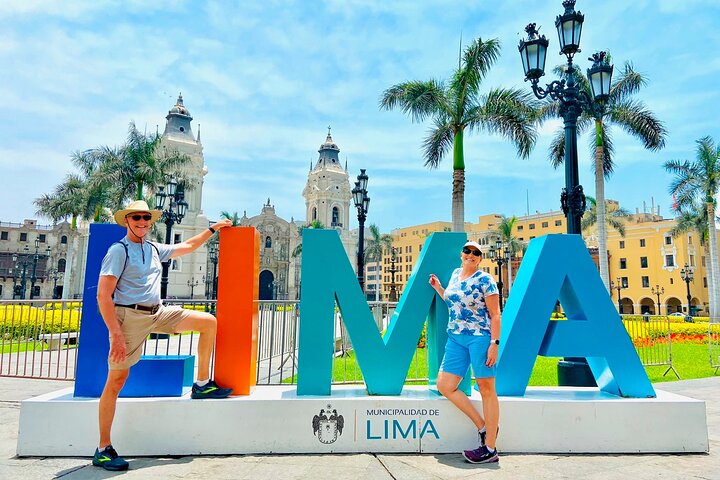
Lima Half-Day City Walking Tour (Small Groups)

Street Food, Market & Old Eateries Tour in Lima's Historic Center

City Tour Panoramic Bus Departure From Larcomar

All-Inclusive Highlights of Lima Tour

Lima City, Central Market & Catacombs Tour (Pick-up & Drop Off)

Historic Lima & Catacombs Tour with Optional Pickup

Evening Lima Walking Tour Historic Center and Pisco Sour

Fantastic Lima: City Tour + Magic Water Show + Local Dinner

Enjoy Lima Walking Historic Center San Martin and Plaza Mayor

 Best Backpacking
.jpg) Hi, I’m Johan (Netherlands 🇳🇱), the creator of TakeYourBackpack. Over the past 3 decades, I’ve backpacked through 90+ countries across six continents, gaining extensive experience with independent travel, long-term trips, and overland routes.
Hi, I’m Johan (Netherlands 🇳🇱), the creator of TakeYourBackpack. Over the past 3 decades, I’ve backpacked through 90+ countries across six continents, gaining extensive experience with independent travel, long-term trips, and overland routes.