
×
Manu National Park

Peru🇵🇪 | national parksManu National Park
cloud forest, clay licks, primate diversity | things to do and best time to go

Explore Huascarán National ParkExplore Pacaya-Samiria National Reserve

Backpacking in Manu
UNESCO World Heritage site
🏆 Top picknational park ranked #1
By Johan Kruseman 🇳🇱 | last update: 19 April, 2026

Many travelers assume Manu National Park is just a cheaper, quieter version of the Amazon near Cusco. It isn’t. It’s wilder, harder to reach, and much more controlled than most people expect. Manu sits in southeastern Peru, stretching from the high Andes down into lowland rainforest between Cusco and Madre de Dios, and that altitude range is its superpower. You get cloud forest, river lowlands, and serious wildlife density, but you don’t just stroll in with a daypack. Access is slow (full-day drives and boat rides), permits and entrance fees add up, and independent hiking is extremely limited compared with places like Huascarán or even the easier trails around Cusco. Think guided river trips and short forest walks, not multi-day backpacking loops. Camping and budget lodges exist but are usually tied to tours, and it’s pricier than Tambopata or Pacaya Samiria. The payoff: fewer crowds, more intact forest, and a calm, almost scientific vibe rather than a party-jungle scene.

Discover everything you want to know in the 📖 Peru Travel Guide.
Loading the map 🌍
CLICK TO FILTER
city
town
village
unique site
national park
hike
beach
attraction
festival
region
SHOW COUNTRY‘S BESTSHOW ALL

✨ Why go?
Ranked #1 national park in Peru
What makes it a must-see national park

Backpackers flock to Manu National Park for its unmatched opportunity for independent exploration. The park’s vastness allows you to carve your own path, whether you’re trekking through dense jungle or meandering along riverbanks. This freedom is a major draw for those who prefer to set their own pace and discover hidden corners without a guide.

Budget-conscious travelers will appreciate the camping options and affordable hostels nearby. You can pitch your tent under the stars or find a cozy spot in a local hostel, keeping costs low while immersing yourself in the natural beauty.

The trail variety is another highlight. From easy walks to challenging hikes, there’s something for everyone. You can choose a route that matches your energy level and interests, whether you’re birdwatching or … read more 👉
Backpackers flock to Manu National Park for its unmatched opportunity for independent exploration. The park’s vastness allows you to carve your own path, whether you’re trekking through dense jungle or meandering along riverbanks. This freedom is a major draw for those who prefer to set their own pace and discover hidden corners without a guide.

Budget-conscious travelers will appreciate the camping options and affordable hostels nearby. You can pitch your tent under the stars or find a cozy spot in a local hostel, keeping costs low while immersing yourself in the natural beauty.

The trail variety is another highlight. From easy walks to challenging hikes, there’s something for everyone. You can choose a route that matches your energy level and interests, whether you’re birdwatching or searching for wildlife.

While guided tours are available, self-guided exploration is entirely feasible. Just be prepared with a good map and some basic knowledge of the area. This approach not only saves money but also allows for a more personal connection with the landscape. Just remember to respect the environment and stay safe—your adventure is what you make of it.
Get the complete Travel Guide for Peru
Everything organized for offline planning — routes, highlights, costs & tips

See what’s inside 👉

Get the Travel Guide -
  • Cloud forest zone (Manu Road / Wayqecha area) — The misty mid-elevation forests along the road are hummingbird central: dozens of species, orchids dripping from the trees, and sudden thunderstorms that turn the whole place otherworldly. Great for short hikes and roadside birding stops as you drop from Andean heights into the jungle.
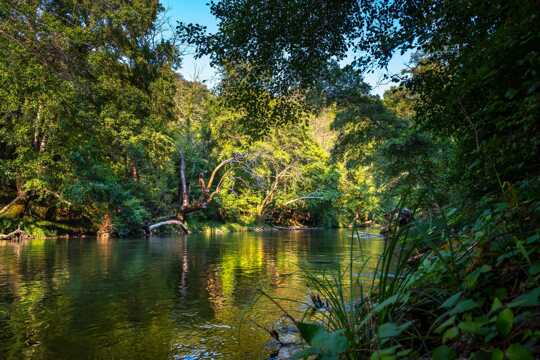
  • Oxbow lakes (cochas) — Quiet, mirror-like backwaters cut off from the river where caimans loaf, giant river otters play, capybaras graze and waterbirds hunt at dawn. You watch from a banca and the world slows down. (Personal favorite — best wildlife concentration for lazy paddling and photography.)
  • Cocha Cashu Biological Station — A remote, internationally famous research station deep in the lowland forest; it’s a living lab for long-term ecology and one of
  • read more 👉
  • Cloud forest zone (Manu Road / Wayqecha area) — The misty mid-elevation forests along the road are hummingbird central: dozens of species, orchids dripping from the trees, and sudden thunderstorms that turn the whole place otherworldly. Great for short hikes and roadside birding stops as you drop from Andean heights into the jungle.
  • Oxbow lakes (cochas) — Quiet, mirror-like backwaters cut off from the river where caimans loaf, giant river otters play, capybaras graze and waterbirds hunt at dawn. You watch from a banca and the world slows down. (Personal favorite — best wildlife concentration for lazy paddling and photography.)
  • Cocha Cashu Biological Station — A remote, internationally famous research station deep in the lowland forest; it’s a living lab for long-term ecology and one of the best places to see tapirs, peccaries and resident mammals that tolerate human presence. Visiting feels like stepping into fieldwork history.
  • Lowland Amazon rainforest — The classic, humid jungle: towering canopy, enormous trees, a chorus of insects and frogs, monkeys in the canopy and hundreds of bird species. It’s the park’s biodiversity heart — dense, noisy and endlessly surprising.
  • Manu Road wildlife corridor — The 60-80 km stretch of road from the highlands into the park is world-class for birding and roadside mammal sightings; stops along the way reward you with tanagers, antbirds, toucans and sometimes spectacled bears at higher elevations.
  • Macaw and parrot clay licks (collpas) — Riverbank clay licks where dozens to hundreds of colorful parrots and macaws gather to feed: an insane splash of color and sound at sunrise. Best seen from a quiet boat approach or an organized viewing platform.
  • Andean highlands and Polylepis patches — The park’s upper reaches include puna and fragmented Polylepis forests — odd, gnarled trees and highland birds you won’t find lower down. It’s the stark, wind-swept counterpoint to the lowland lushness and worth a short trek just for the contrast.
Spotted a mistake or missing something? Contact me.

🌤️ When to go?Weather, crowds, and seasonal trade-offs


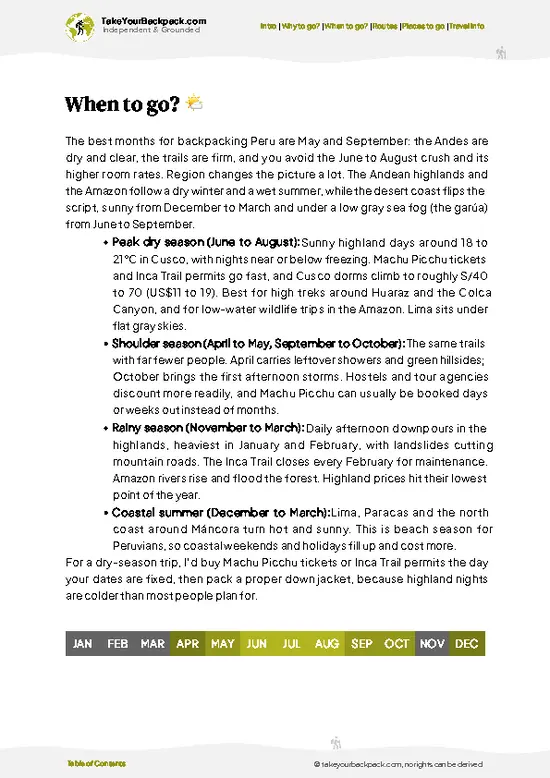
  • Weather: The dry season from May to October is your best bet. Expect less rain, which means trails stay passable and wildlife is easier to spot. The wet season (November to April) brings heavy downpours that can turn paths into mudslides and rivers into barriers.

  • Temperature: Temperatures hover between 20-30°C (68-86°F) year-round, but humidity spikes in the wet season, making it feel hotter and stickier. Dry months offer more comfortable conditions for trekking and camping.

  • Daylight Hours: Daylight is fairly consistent, about 11-12 hours daily. The dry season’s clearer skies mean you’ll get more reliable daylight for early starts and late finishes without worrying about sudden storms.

  • Crowds: Manu is remote, so crowds are never overwhelming. Still, the dry season draws more visitors,
  • read more 👉

  • Weather: The dry season from May to October is your best bet. Expect less rain, which means trails stay passable and wildlife is easier to spot. The wet season (November to April) brings heavy downpours that can turn paths into mudslides and rivers into barriers.

  • Temperature: Temperatures hover between 20-30°C (68-86°F) year-round, but humidity spikes in the wet season, making it feel hotter and stickier. Dry months offer more comfortable conditions for trekking and camping.

  • Daylight Hours: Daylight is fairly consistent, about 11-12 hours daily. The dry season’s clearer skies mean you’ll get more reliable daylight for early starts and late finishes without worrying about sudden storms.

  • Crowds: Manu is remote, so crowds are never overwhelming. Still, the dry season draws more visitors, especially July and August. If you want solitude, aim for shoulder months like May or September.

  • Seasonal Activities: Wildlife viewing peaks in the dry season when animals gather around water sources. Birdwatchers will find the dry months more rewarding, while the wet season offers fewer sightings but lush greenery.

  • Price Fluctuations: Tour operators hike prices during the dry season due to demand. Booking in shoulder months can save you some cash without sacrificing much on experience quality.


Pro-tip: Prioritize the dry season for reliable trails and wildlife, but book early to lock in better rates and avoid last-minute stress.


source: climatestotravel.comJANJanuary: fair for travelingFEBFebruary: fair for travelingMARMarch: fair for travelingAPRApril: fair for travelingMAYMay: highly recommended for travelingJUNJune: excellent for travelingJULJuly: excellent for travelingAUGAugust: excellent for travelingSEPSeptember: highly recommended for travelingOCTOctober: excellent for travelingNOVNovember: fair for travelingDECDecember: fair for traveling
Peru - Manu National Park

✈️ The ultimate backpacker shortcutPeru Travel Guide

Skip weeks of research and hit the road with confidence. Get 378 pages of proven routes, transport advice, and real safety insights—built for your phone and 100% offline-ready.
example page 0 from our offline Travel Guide for Peruexample page 1 from our offline Travel Guide for Peruexample page 2 from our offline Travel Guide for Peruexample page 3 from our offline Travel Guide for Peruexample page 4 from our offline Travel Guide for Peru
🎒 Your 378-page offline travel companion
7, 14 & 21-day routes paced for real travel
118 ranked highlights with honest skip-it advice
Logistics solved: Best areas to stay & transport
Safety blueprints: Common local scams to avoid
No Wi-Fi? No problem: Phone-optimized offline PDF
👉 See all 30+ guide features

📅 Plan smarter in minutes, not weeks
Realistic travel times & pacing
Best months per region
Festivals & national holidays
Budget expectations

🗺️ Go to the right places, skip the overrated ones
118 ranked highlights across the country
Hidden gems beyond the tourist trail
Honest pros & cons of destinations
Top hikes, parks & viewpoints
Lesser-known places most travelers miss
Clear “worth it vs skip it” guidance

🛏️ Travel smoothly without rookie mistakes
Best areas to stay
Transport systems explained simply
Local transport tradeoffs
Common scams & safety advice
SIM cards, money & practical tips
What to expect before arrival

🌍 Understand the country, not just visit it
Culture & traditions
52 Essential phrases & customs
Festivals worth planning around
Traveler-friendly historical context
Insights that make places more meaningful

📱 Built for real travel conditions
Fully downloadable PDF
Works completely offline
Optimized for phone use
Useful in remote areas & buses
Everything in one place
Save weeks of stressful planning
Get instant access to the full guide directly. 30-day money-back guarantee.


Sent to your inbox immediately after payment • 100% Secure Checkout
Best Backpacking Travel Advisor 2025 tourism awardBest Backpacking
Travel Advisor
2025
What others say about Take Your Backpack Guides:
⭐⭐⭐⭐⭐
Fantastic, amazing amount of information!
⭐⭐⭐⭐⭐
My goodness this is amazing, it's what I've been looking for hats off too you!
⭐⭐⭐⭐⭐
I think this is absolutely BRILLIANT
⭐⭐⭐⭐
Very complete and informative. It's still missing places, but I gotta to commend you
⭐⭐⭐⭐⭐
This is truly amazing, thank you, can't wait to explore it with my kids!
⭐⭐⭐⭐⭐
Awesome resource, thank you!
⭐⭐⭐⭐⭐
This is amazing! Can't wait to explore the ones I haven't seen
⭐⭐⭐⭐
I love this! Well done, great idea.
⭐⭐⭐⭐⭐
Thanks for taking the time to make this gem!
⭐⭐⭐⭐⭐
This might be the best website I've ever seen.
⭐⭐⭐⭐⭐
Congratulations, and thank you so much for your work; it's incredibly valuable.
⭐⭐⭐⭐
In all seriousness I think you did a great job pointing out the important spots
⭐⭐⭐⭐⭐
10/10 very good
⭐⭐⭐⭐⭐
As someone who's only just starting to visit regularly this is awesome, thank you.
⭐⭐⭐⭐
Thank you very much! I'm going to visit my dad, it's going to be very useful!
⭐⭐⭐⭐⭐
This is really cool! We'll be travelling for the first time and this definitely come in handy.
⭐⭐⭐⭐⭐
You are now our minister of culture, congratulations 👨‍💼
⭐⭐⭐⭐⭐
Just wanted to tell you that this is a pearl! Going to follow your recommendations.
⭐⭐⭐⭐⭐
This is so cool. I'll definitely be using the resource for my travels soon.
⭐⭐⭐⭐⭐
This is very impressive! Good work.
⭐⭐⭐⭐⭐
This is an amazing and informative site. Very well done!

🛏️ Where to stay?Where staying makes the most sense

Manu National Park is a wild, biodiverse wonderland, but finding the right place to stay can be tricky. Inside the park, options are limited. Most visitors stay in lodges that offer basic amenities and guided tours. Look for places like Casa Matsiguenka or Manu Wildlife Center. They provide a roof over your head and a chance to dive into the jungle experience. However, be prepared for a hefty price tag; these lodges often require a multi-day package that includes meals and tours.

If you prefer a bit more flexibility, consider staying in Pillcopata or Atalaya, two towns on the park’s edge. They … read more 👉
Manu National Park is a wild, biodiverse wonderland, but finding the right place to stay can be tricky. Inside the park, options are limited. Most visitors stay in lodges that offer basic amenities and guided tours. Look for places like Casa Matsiguenka or Manu Wildlife Center. They provide a roof over your head and a chance to dive into the jungle experience. However, be prepared for a hefty price tag; these lodges often require a multi-day package that includes meals and tours.

If you prefer a bit more flexibility, consider staying in Pillcopata or Atalaya, two towns on the park’s edge. They offer budget-friendly hostels and guesthouses, giving you a taste of local life. From there, you can arrange day trips into the park, which can save you some cash compared to the all-inclusive lodge packages.

Keep in mind that transportation can eat into your budget. The road to the park is rough, and you’ll likely need to hire a guide or join a tour group. Factor in these costs when planning your trip. Prioritize your energy and budget for the experiences that matter—like trekking through the rainforest or spotting wildlife—rather than overspending on accommodations.

👛 Costs (as of 28 April 2025)Money, prices, and spending tips

Visiting Manu National Park in Peru can be a rewarding experience, but it’s essential to be aware of the costs involved to avoid surprises.

Entry fees for the park typically range from $10 to $20 USD for foreign visitors. This fee grants you access to the park’s incredible biodiversity and stunning landscapes. However, this is just the tip of the iceberg.

Transportation is a significant factor. If you’re traveling from Cusco, expect to pay around $50 to $100 USD for a bus or shared taxi to the park entrance. Private transport can escalate this cost to $200 USD or more, depending on your group size and negotiation skills.

Guided tours are highly recommended for a deeper experience. Prices for multi-day tours can vary widely, generally falling between $300 and $600 USD per person. This usually … read more 👉
Visiting Manu National Park in Peru can be a rewarding experience, but it’s essential to be aware of the costs involved to avoid surprises.

Entry fees for the park typically range from $10 to $20 USD for foreign visitors. This fee grants you access to the park’s incredible biodiversity and stunning landscapes. However, this is just the tip of the iceberg.

Transportation is a significant factor. If you’re traveling from Cusco, expect to pay around $50 to $100 USD for a bus or shared taxi to the park entrance. Private transport can escalate this cost to $200 USD or more, depending on your group size and negotiation skills.

Guided tours are highly recommended for a deeper experience. Prices for multi-day tours can vary widely, generally falling between $300 and $600 USD per person. This usually includes meals, accommodation, and a guide, which is crucial for navigating the park’s complexities.

Accommodation within the park can range from basic lodges at about $30 USD per night to more upscale options that can exceed $100 USD. Keep in mind that staying in the park often requires booking through a tour operator.

Lastly, factor in additional costs for meals outside of your tour package, which can add another $10 to $30 USD per day, depending on your dining choices.

In summary, budgeting for a trip to Manu National Park means considering entry fees, transportation, guided tours, accommodation, and meals. Being aware of these costs will help you allocate your resources wisely, ensuring you can focus on the natural wonders around you without financial stress.


source: peru.travel
⚠️ Prices can change and everyone travels differently, so take this as a rough guide. Hope it helps you plan your adventure!

🥾 TrailsExploring Manu: trails, terrain, and views

Manu National Park is a gem for backpackers seeking a mix of adventure and nature’s grandeur. The park boasts lush rainforests, winding rivers, and stunning vistas that make every step worthwhile. You’ll find yourself surrounded by a cacophony of wildlife; from colorful birds to curious monkeys, the biodiversity here is off the charts. The terrain varies from flat, muddy paths to steep, rocky inclines, so be prepared for a bit of everything.

For those looking for specific trails, one standout is the Cochas Trail. Here are the details:
  • Trail Name: Cochas Trail
  • Length: 8 km
  • Estimated Duration: 3-4
  • read more 👉
Manu National Park is a gem for backpackers seeking a mix of adventure and nature’s grandeur. The park boasts lush rainforests, winding rivers, and stunning vistas that make every step worthwhile. You’ll find yourself surrounded by a cacophony of wildlife; from colorful birds to curious monkeys, the biodiversity here is off the charts. The terrain varies from flat, muddy paths to steep, rocky inclines, so be prepared for a bit of everything.

For those looking for specific trails, one standout is the Cochas Trail. Here are the details:
  • Trail Name: Cochas Trail
  • Length: 8 km
  • Estimated Duration: 3-4 hours
  • Difficulty Level: Moderate
  • Key Features: Scenic views of the Cochas Lake, birdwatching opportunities, and chances to spot capybaras and caimans.
  • Terrain: Mostly flat with some muddy sections; good footwear is a must!

Getting to Manu can be a bit of a journey. Public transport options are available from Cusco, but expect a long ride—around 10-12 hours. It’s not exactly a quick hop, but the scenery along the way is a nice distraction. The park can get crowded, especially during peak season, so if you want a more tranquil experience, aim for the shoulder months. There’s an entrance fee, which helps with conservation efforts, so be sure to budget for that. Overall, Manu is a fantastic place to lose yourself in nature, just remember to pack some patience along with your snacks!
⚠️ Hiking info can sometimes be outdated or inaccurate. Before you hit the trail, check the latest conditions with locals. If you do spot anything that's off, I'd love to hear from you, so I can update it for fellow travelers.

🛡️ SafetyStaying Safe: What Travelers Should Know

Manu National Park offers a rich experience, but it’s essential to approach it with a grounded mindset. Weather can shift quickly; be prepared for rain, especially during the wet season from November to March. Layer your clothing and pack a reliable rain jacket.

The terrain varies significantly. Some trails are steep and can be slippery after rain, so sturdy footwear is a must. Navigation can be tricky; trail markers are not always clear. A good map and a compass—or a GPS device—will save you time and energy.

Wildlife encounters are part of the charm, but keep your distance. Respect the animals and their space; don’t feed them. This helps maintain their natural behavior and keeps you safe.

First-timers often underestimate the park’s remoteness. Plan your hikes early in the day to avoid … read more 👉
Manu National Park offers a rich experience, but it’s essential to approach it with a grounded mindset. Weather can shift quickly; be prepared for rain, especially during the wet season from November to March. Layer your clothing and pack a reliable rain jacket.

The terrain varies significantly. Some trails are steep and can be slippery after rain, so sturdy footwear is a must. Navigation can be tricky; trail markers are not always clear. A good map and a compass—or a GPS device—will save you time and energy.

Wildlife encounters are part of the charm, but keep your distance. Respect the animals and their space; don’t feed them. This helps maintain their natural behavior and keeps you safe.

First-timers often underestimate the park’s remoteness. Plan your hikes early in the day to avoid getting caught out after dark. Carry enough water and snacks, as resources are limited. With these practical preparations, you’ll preserve your energy and budget for the moments that truly matter.

Other Peruvian national parks near Manu

Explore more nearby:


👉 Discover all national parks

Or checkout all Peru has to offer (think cities, towns, villages, national parks, hikes, beaches, festivals)
Country photo of Peru
film
0
0
0a
Huascarán
Pixabay
film
1
1
1a
Amazon Rainforest
iStockphoto
film
2
2
2a
Tambopata National Reserve
film
3
3
3a
Pacaya-Samiria National Reserve
Vittorino Rodriguez
film
4
4
4a
Paracas National Reserve
film
5
5
5a
Sierra del Divisor
film
6
6
6a
Yanachaga-Chemillén
film
7
7
7a
Bahuaja-Sonene
film
8
8
8a
Tingo Maria
Daniel Arias
film
9
9
9a
Yauyos-Cochas Landscape Reserve

I 💚 feedbackKey takeaways before you go

Manu National Park is a paradise for wildlife lovers. The sheer diversity of species—from vibrant birds to elusive jaguars—makes every hike feel like a treasure hunt. But here’s the catch: getting there isn’t a walk in the park. The remote location means long travel times and limited access. Plan for delays and be ready for a rugged journey. Embrace the adventure, and you’ll find that the effort is worth every breathtaking moment.

✈️ When did I visit Peru?
Peru I visited during my half year trip through South and Central America back in 2003

✍️ Help improve this page!
The information on this page is based on my own backpacking experience in Peru, supplemented with up-to-date research and feedback from other travelers. Travel details can change, so if you notice anything outdated or incomplete, feel free to let me know.


🙋‍♂️ Give feedback

👋 Meet the authorWho’s Behind Take Your Backpack?

Johan, backpacker and founder of TakeYourBackpackHi, I’m Johan (Netherlands 🇳🇱), the creator of TakeYourBackpack. Over the past decade, I’ve backpacked through 80+ countries across six continents, gaining extensive experience with independent travel, long-term trips, and overland routes.

This site is built on a combination of firsthand travel experience and carefully curated insights from other backpackers. Many guides are based on places I’ve personally visited, while others bring together tips, observations, and practical advice shared by trusted travelers I’ve met along the way.

The goal is to provide realistic, experience-driven guidance — not generic itineraries — so you can explore destinations with better context, clearer expectations, and more confidence.

Get Full Country Guide |
Instant download • 118 highlights • Full Offline guide