×

Peru🇵🇪 | national parksTingo María National ParkCueva de las Lechuzas, Sleeping Beauty ridge, jungle waterfalls, Huallaga valley | things to do and best time to go

Explore Tambopata National ReserveExplore Nor Yauyos-Cochas Landscape Reserve

Backpacking in Tingo María
👌 Worth visitingnational park ranked #18
By Johan Kruseman 🇳🇱 | Updated October 19, 2026

Tingo María National Park’s star sight is the Cueva de las Lechuzas. The park lies in the central jungle of Peru, in the Huánuco region. I stepped off the colectivo, and the Sleeping Beauty ridge loomed over the town like a reclining giant. Hire local guides, carry small bills, and start early before afternoon rain turns trails to mud. Day one: cave, waterfall, then a river swim.

Discover everything you want to know in the 📖 Peru Travel Guide.


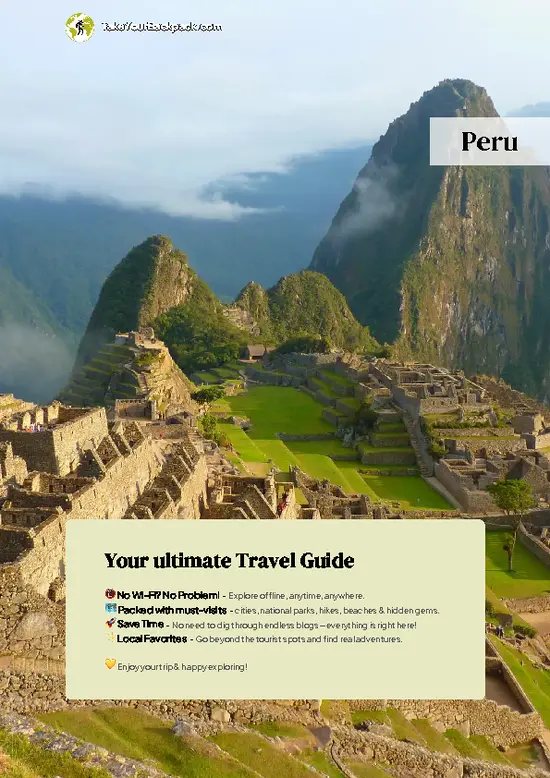
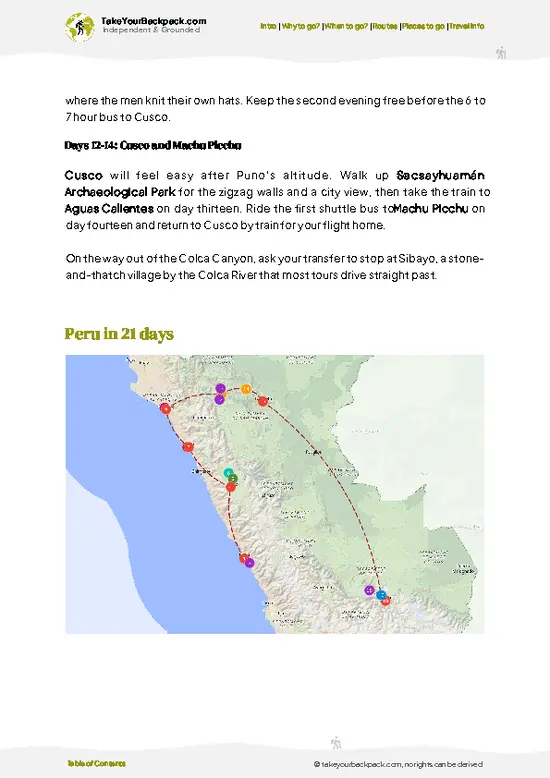
example page 0 from our offline Travel Guide for Peru
example page 1 from our offline Travel Guide for Peru
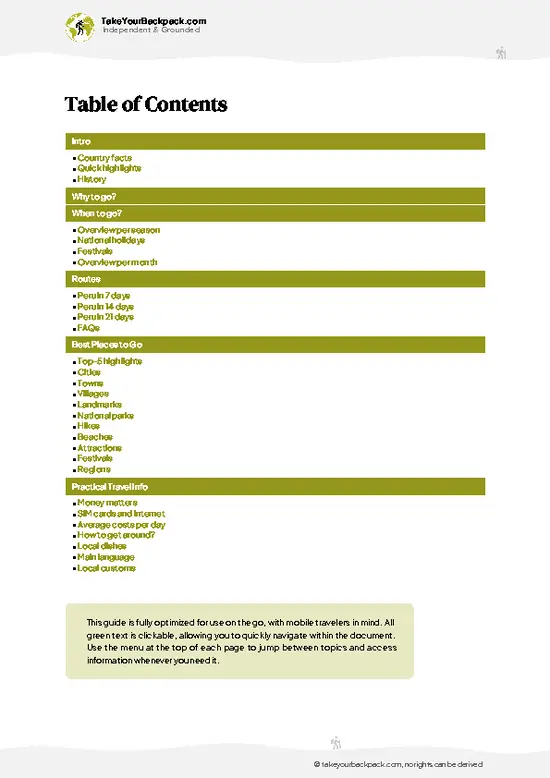
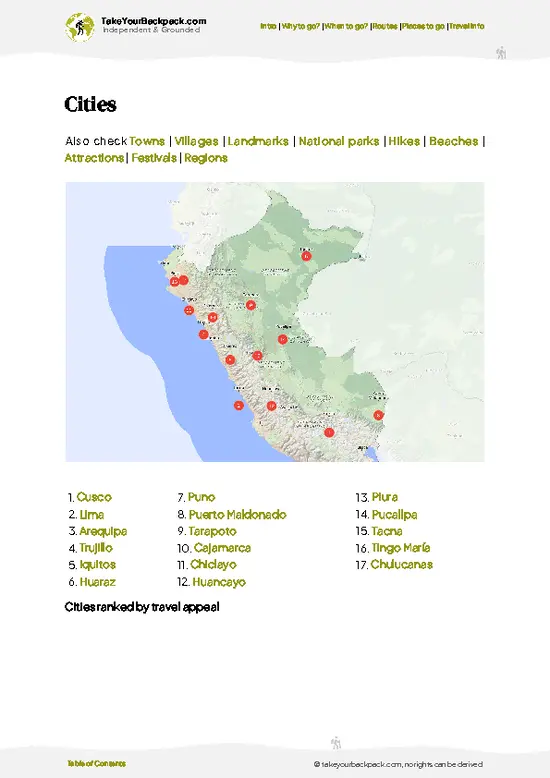
example page 2 from our offline Travel Guide for Peru
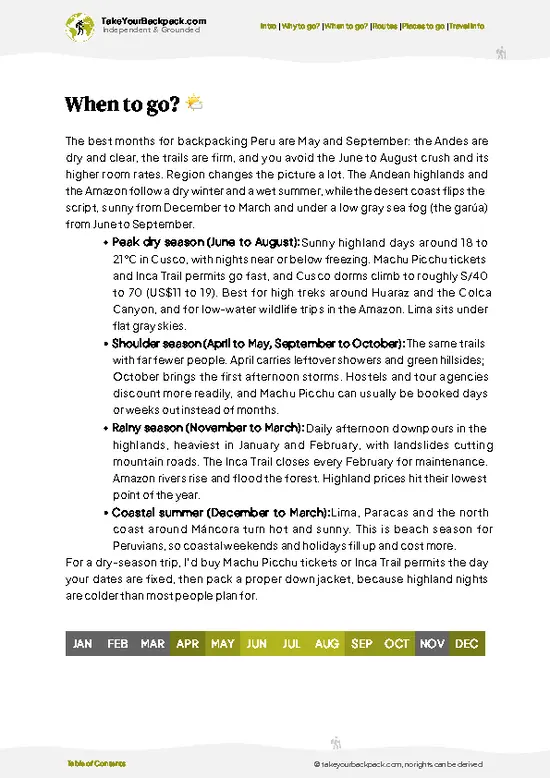
example page 3 from our offline Travel Guide for Peru
example page 4 from our offline Travel Guide for Peru
example page 5 from our offline Travel Guide for Peru
example page 6 from our offline Travel Guide for Peru
example page 7 from our offline Travel Guide for Peru
Loading the map 🌍
CLICK TO FILTER
cities
towns
villages
landmarks
national parks
hikes
beaches
attractions
festivals
regions
SHOW COUNTRY’S BESTSHOW ALL

✨ Why go?
Ranked #18 national park in Peru
Reasons people choose to explore here

Tingo María National Park suits the traveler who wants rainforest without an expedition price tag. The Cueva de las Lechuzas and its oilbirds and parrots sit minutes from town, so you can explore on your own and pay only for a local guide where one is needed. The park also works as a base for the Bella Durmiente skyline, which you see from nearly every street. Jungle hostels and simple camping spots in town keep costs low, and short trails mean you can fit several sights into a single day without joining a tour group.

💡 HighlightsDon't-miss highlights and experiences

  1. Cueva de las Lechuzas: The park's signature cave, home to oilbirds (guácharos), parrots and bats, with stalactites and a guided walk inside.
  2. Bella Durmiente: The ridge that resembles a sleeping woman, best viewed from town and from miradors at dawn.
  3. Cueva de las Pavas: A small cave with a swimming pool outside, popular for a cool dip after the walk.
  4. Cueva de Los Monos: A cave named for the monkeys once seen near it, reached by a short jungle walk.
  5. Cascada Velo de las Ninfas: A waterfall in the jungle with a natural pool for swimming, reached by a short trail.
  6. Mirador de la Bella Durmiente: A lookout giving a wide view across the Huallaga valley and the ridgeline.
  7. Río Monzón: A river on the park's edge with clear spots for bathing and picnics.
If time is short, skip the smaller caves and focus on the Cueva de las Lechuzas and the waterfall.
Spotted a mistake or missing something? Contact us.

🌤️ When to go?Choosing the right time of year

  • Drier Months (May to September): Rain eases, trails dry out, and days run 24 to 30°C (75 to 86°F), with cooler nights near 18°C (64°F). Cueva de las Lechuzas is easiest to reach now, and this is the busiest stretch, with Peruvian holiday weekends in July filling the hotels.
  • Wet Months (October to April): Afternoon downpours are routine, trails turn to mud, and river levels rise. Highs sit around 28 to 31°C (82 to 88°F), humidity is heavy, and rooms are cheaper with fewer people around.
  • Daylight: Close to 12 hours all year, so start hikes early.
Book a weekday in June or August for dry trails without the July crowds.

source: climatestotravel.comJANJanuary: fair for travelingFEBFebruary: fair for travelingMARMarch: fair for travelingAPRApril: fair for travelingMAYMay: highly recommended for travelingJUNJune: excellent for travelingJULJuly: excellent for travelingAUGAugust: excellent for travelingSEPSeptember: highly recommended for travelingOCTOctober: fair for travelingNOVNovember: fair for travelingDECDecember: fair for traveling
peru-national-park-tingo-maria-national-park
© Google | Daniel Arias

✈️ The backpacker research shortcutPeru Travel Guide

An offline-friendly backpacking guide with optimized travel routes, ranked highlights, transport advice, and the best areas to stay.
example page 0 from our offline Travel Guide for Peru
example page 1 from our offline Travel Guide for Peru
example page 2 from our offline Travel Guide for Peru
example page 3 from our offline Travel Guide for Peru
example page 4 from our offline Travel Guide for Peru
example page 5 from our offline Travel Guide for Peru
example page 6 from our offline Travel Guide for Peru
example page 7 from our offline Travel Guide for Peru
The digital guide (310 pages) contains:
✅ 102 highlights, ranked by travel appeal
✅ Optimized 7, 14 & 21-day travel routes
✅ Cities, national parks, landmarks, beaches
✅ How to get around
✅ Offline-friendly for travel without Wi-Fi
👉 Click to see all 30+ guide features

📅 Plan smarter in minutes, not weeks
✅ Month by month travel advice
✅ Festivals & national holidays
✅ Budget expectations

🗺️ Go to the right places, skip the overrated ones
✅ Honest pros & cons of destinations
✅ Top hikes, parks & viewpoints
✅ Lesser-known places most travelers miss
✅ Clear “worth it vs skip it” guidance

🛏️ Travel smoothly without rookie mistakes
✅ Best areas to stay
✅ Transport systems explained simply
✅ Common scams & safety advice
✅ SIM cards, money & practical tips

🌍 Understand the country, not just visit it
✅ Culture & traditions
✅ 52 Essential phrases & customs
✅ Festivals worth planning around
✅ Traveler-friendly historical context
✅ Insights that make places more meaningful

📱 Built for real travel conditions
✅ Fully downloadable PDF
✅ Works completely offline
✅ Optimized for phone use
✅ Useful in remote areas & buses
✅ Everything in one place
Stop searching, start planning
Get instant access to your full guide. 30‑day money-back guarantee.
+ Add another guide for just

By proceeding you agree to our terms.
Sent to your inbox immediately after payment • 100% Secure Checkout
Best Backpacking Travel Advisor 2025 tourism awardBest Backpacking
Travel Advisor
2025
What others say about Take Your Backpack Guides:
⭐⭐⭐⭐⭐
Fantastic, amazing amount of information!
⭐⭐⭐⭐⭐
My goodness this is amazing, it's what I've been looking for hats off too you!
⭐⭐⭐⭐⭐
I think this is absolutely BRILLIANT
⭐⭐⭐⭐
Very complete and informative. It's still missing places, but I gotta to commend you
⭐⭐⭐⭐⭐
This is truly amazing, thank you, can't wait to explore it with my kids!
⭐⭐⭐⭐⭐
Awesome resource, thank you!
⭐⭐⭐⭐⭐
This is amazing! Can't wait to explore the ones I haven't seen
⭐⭐⭐⭐
I love this! Well done, great idea.
⭐⭐⭐⭐⭐
Thanks for taking the time to make this gem!
⭐⭐⭐⭐⭐
This might be the best website I've ever seen.
⭐⭐⭐⭐⭐
Congratulations, and thank you so much for your work; it's incredibly valuable.
⭐⭐⭐⭐
In all seriousness I think you did a great job pointing out the important spots
⭐⭐⭐⭐⭐
10/10 very good
⭐⭐⭐⭐⭐
As someone who's only just starting to visit regularly this is awesome, thank you.
⭐⭐⭐⭐
Thank you very much! I'm going to visit my dad, it's going to be very useful!
⭐⭐⭐⭐⭐
This is really cool! We'll be travelling for the first time and this definitely come in handy.
⭐⭐⭐⭐⭐
You are now our minister of culture, congratulations 👨‍💼
⭐⭐⭐⭐⭐
Just wanted to tell you that this is a pearl! Going to follow your recommendations.
⭐⭐⭐⭐⭐
This is so cool. I'll definitely be using the resource for my travels soon.
⭐⭐⭐⭐⭐
This is very impressive! Good work.
⭐⭐⭐⭐⭐
This is an amazing and informative site. Very well done!

🛏️ Where to stay?Best areas to stay in Peru

The town of Tingo María, at the park's edge, is where nearly every backpacker sleeps, and it sits only a few minutes by mototaxi from the main entrance. Basic hostels and guesthouses along Avenida Raimondi and near the plaza run US$8 to 15 for a private room, with fan or air-conditioning at the upper end. Mid-range hotels with pools cost US$25 to 45. Inside the park, there are no lodgings for ordinary visitors, though a few eco-lodges and riverside cabins sit just outside the boundary along the road toward Pucallpa. Pick a place near the center, since restaurants, markets, and colectivo stops are all within walking distance.

👛 Costs (as of 19 October 2026)How expensive it really is

Expect roughly US$45 per day for a backpacker in Tingo María National Park, with guides and mototaxis adding up faster than the entrance fees.
CategoryBudget RangeLocal Reality
Entrance FeesUS$1 to 4Small fees for the cave and sectors, paid in cash in soles
GuideUS$8 to 20Often needed for trails, usually shared between several people
Accommodation (High Season)US$8 to 15Simple private rooms in town, with higher rates on July weekends
Local TransportUS$1 to 5Mototaxis within town and colectivos to trailheads
Food and SuppliesUS$6 to 12Set lunch menus run cheap, and market fruit is inexpensive
Total Daily BudgetUS$24 to 56Roughly US$45 for a typical day


source: gob.pe
⚠️ Prices can change and everyone travels differently, so take this as a rough guide. Hope it helps you plan your adventure!

🥾 TrailsTrail guide for Tingo María national park

Tingo María National Park is best explored through short, easy walks rather than long treks, with humid jungle terrain, muddy paths and steps cut into rock.
  • Cueva de las Lechuzas: Roughly 1 hour round trip including the guided cave visit, easy, with slippery rock inside and oilbirds overhead.
  • Cueva de las Pavas: About 30 to 45 minutes, easy, ending at a swimming pool beside the cave mouth.
  • Velo de las Ninfas waterfall: About 1 to 2 hours round trip, easy to moderate, with a muddy forest trail and a pool at the end.
  • Bella Durmiente viewpoint: Around 1 to 2 hours, moderate, with rewarding views over
… read more 👉
Tingo María National Park is best explored through short, easy walks rather than long treks, with humid jungle terrain, muddy paths and steps cut into rock.
  • Cueva de las Lechuzas: Roughly 1 hour round trip including the guided cave visit, easy, with slippery rock inside and oilbirds overhead.
  • Cueva de las Pavas: About 30 to 45 minutes, easy, ending at a swimming pool beside the cave mouth.
  • Velo de las Ninfas waterfall: About 1 to 2 hours round trip, easy to moderate, with a muddy forest trail and a pool at the end.
  • Bella Durmiente viewpoint: Around 1 to 2 hours, moderate, with rewarding views over the valley.
Wildlife includes oilbirds, parrots, bats, tropical butterflies and occasional monkeys. Reaching the park is simple: colectivos and buses link the town with the park entrance, and mototaxis cover the last stretch. Weekends bring local families, so weekdays are quieter. An entrance fee applies and is modest, and local guides are usually needed for the caves. Bring waterproof shoes, a headlamp and insect repellent.
⚠️ Hiking info can sometimes be outdated or inaccurate. Before you hit the trail, check the latest conditions with locals. If you do spot anything that's off, I'd love to hear from you, so I can update it for fellow travelers.

🛡️ SafetySafety Tips and Common Scams in Tingo María

Tingo María National Park is a straightforward visit if you go with a local guide, which is the norm for the cave and the Bella Durmiente ridge trails. Wet-season mud makes limestone steps slick, so wear shoes with real grip and carry a headlamp for the caves. Oilbirds (guácharos) nest inside, so keep voices low and lights pointed down. Mosquitoes and sandflies are constant, so bring repellent and long sleeves. Afternoon storms build fast, so finish hikes by midday. Stay on marked routes and carry water, as walking in the surrounding forest without a guide invites wrong turns.

FAQCommon questions from travelers

Two days is enough for Tingo María National Park, though a single full day covers the main sights. Cueva de las Lechuzas and the Bella Durmiente viewpoints take half a day each, while a third day adds waterfalls and the Pumarinri area outside the park. Most travelers base themselves in the town of Tingo María throughout.
Yes, Tingo María National Park is easy to reach without a car. The cave entrance lies about 6 km from town, a mototaxi ride of 10 to 15 minutes costing US$1 to 3. Colectivos and tour operators cover farther sectors, and guides can arrange transport for US$8 to 20 per person depending on group size.
Yes, Tingo María National Park charges a small entrance fee, generally in the US$1 to 4 range. No advance permit is usually needed for the main sights, but a guide is often expected for cave visits. Carry cash in soles and your passport.
⚠️ Things can change over time, so always validate details locally before you go.

Other Peruvian national parks near Tingo María

Explore more nearby:


💡 Not sure where to go next?
Create a personalized itinerary for Peru including Tingo María and the places that fit your trip.

Generate my itinerary

👉 Discover all national parks

Or checkout all Peru has to offer (think cities, towns, villages, national parks, hikes, beaches, festivals)
Country photo of Peru

We 💚 feedbackFinal thoughts on exploring Tingo María

Go in the drier months from roughly May to September, and arrive at the caves early, when the oilbirds are active and the paths are quieter. I would bring a headlamp and sturdy sandals, then end the day in the river.

✈️ When did I visit Peru?
Peru I visited during my half year trip through South and Central America back in 2003

✍️ Help improve this page!
The information on this page is based on my own backpacking experience in Peru, supplemented with up-to-date research and feedback from other travelers. Travel details can change, so if you notice anything outdated or incomplete, feel free to let me know.


🙋‍♂️ Give feedback

👋 Meet the founderWho’s Behind Take Your Backpack?

Johan, backpacker and founder of TakeYourBackpackHi, I’m Johan (Netherlands 🇳🇱), the creator of TakeYourBackpack. Over the past 3 decades, I’ve backpacked through 90+ countries across six continents, gaining extensive experience with independent travel, long-term trips, and overland routes.

This site is built on a combination of firsthand travel experience and carefully curated insights from other backpackers. Many guides are based on places I’ve personally visited, while others bring together tips, observations, and practical advice shared by trusted travelers I’ve met along the way.

The goal is to provide realistic, experience-driven guidance — not generic itineraries — so you can explore destinations with better context, clearer expectations, and more confidence.